This Underrated Michigan Native Attracts Butterflies Ladybugs And Lacewings In The Same Season
Attracting one category of beneficial insect to a Michigan garden takes deliberate effort.
Attracting three distinct and genuinely useful groups within the same growing season from a single plant is the kind of thing that makes experienced gardeners stop and pay serious attention.
Butterflies, ladybugs, and lacewings each have different habitat preferences, feeding behaviors, and seasonal activity patterns, which makes a plant that satisfies all three simultaneously something worth knowing about and growing.
This native Michigan species has been doing exactly that without much fanfare or mainstream recognition in the gardening community.
It fits into borders, meadow plantings, and naturalistic garden edges with equal ease, handles Michigan’s clay soils and cold winters without complaint, and delivers consistent beneficial insect activity from early summer well into fall.
1. Yarrow Has Deep Roots In Michigan’s Native Plant History
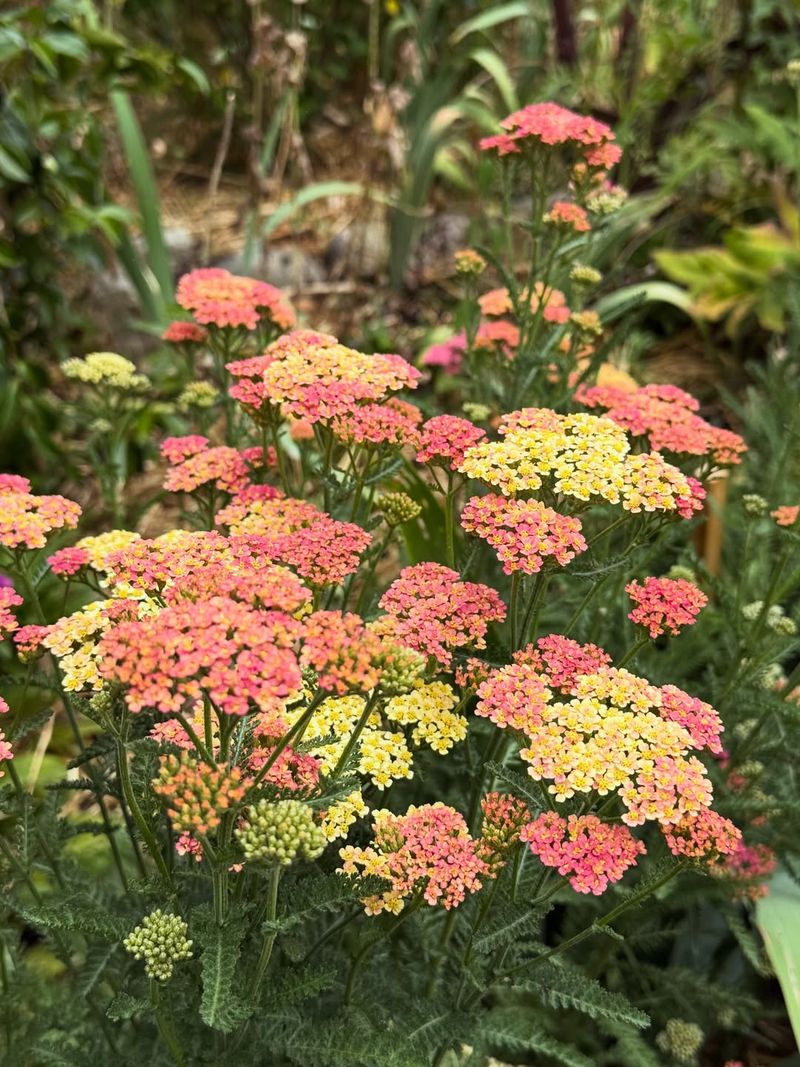
Yarrow has been growing wild across Michigan long before anyone thought to plant it on purpose.
It thrives in open meadows, roadsides, and dry prairies throughout the state, making it one of the most naturally well-suited plants for this climate.
Because yarrow occurs wild across Michigan and includes native North American forms, it is well suited to many of the state’s sunny, well-drained growing conditions.
The name Achillea comes from the Greek hero Achilles, who was said to have used yarrow to treat wounds on the battlefield. That ancient reputation for toughness is not just myth.
Yarrow genuinely earns it by surviving conditions that would stress out most garden plants.
Michigan gardeners who want to support local ecosystems often start with yarrow because it connects so naturally to the regional landscape. It does not need coddling or special soil amendments to look great.
Plant it once, give it a little space, and it will return stronger each year, slowly spreading into a beautiful, wildlife-friendly patch that feels like it belongs exactly where it is.
2. Butterflies Cannot Resist Yarrow’s Flat Flower Clusters
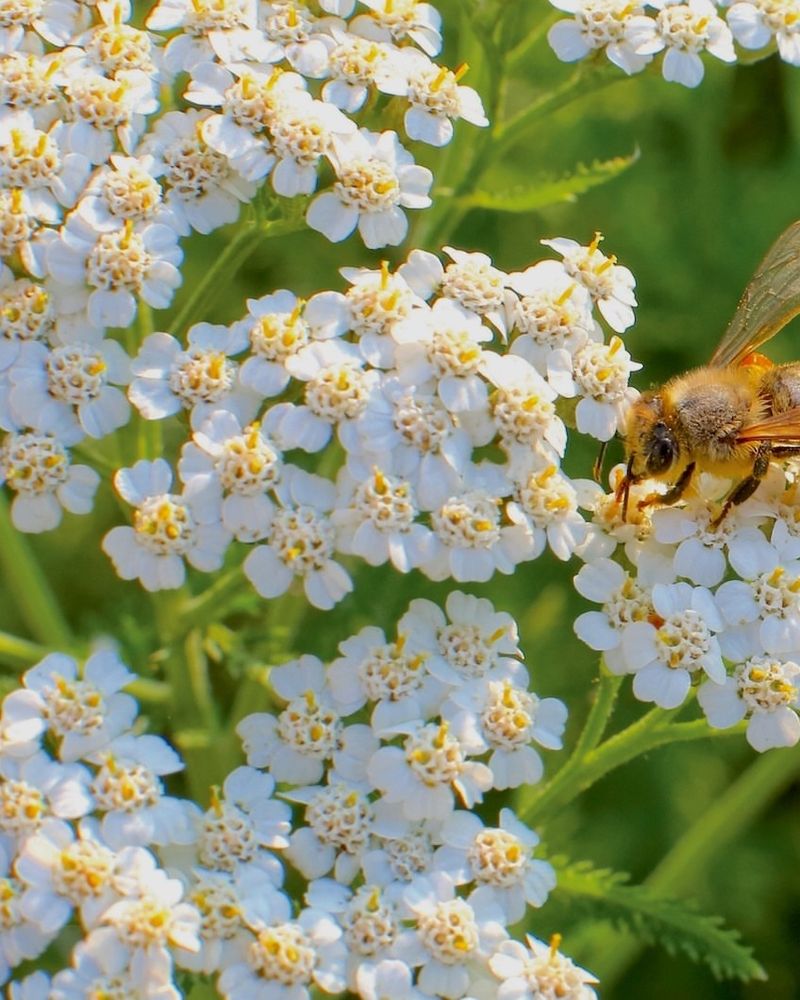
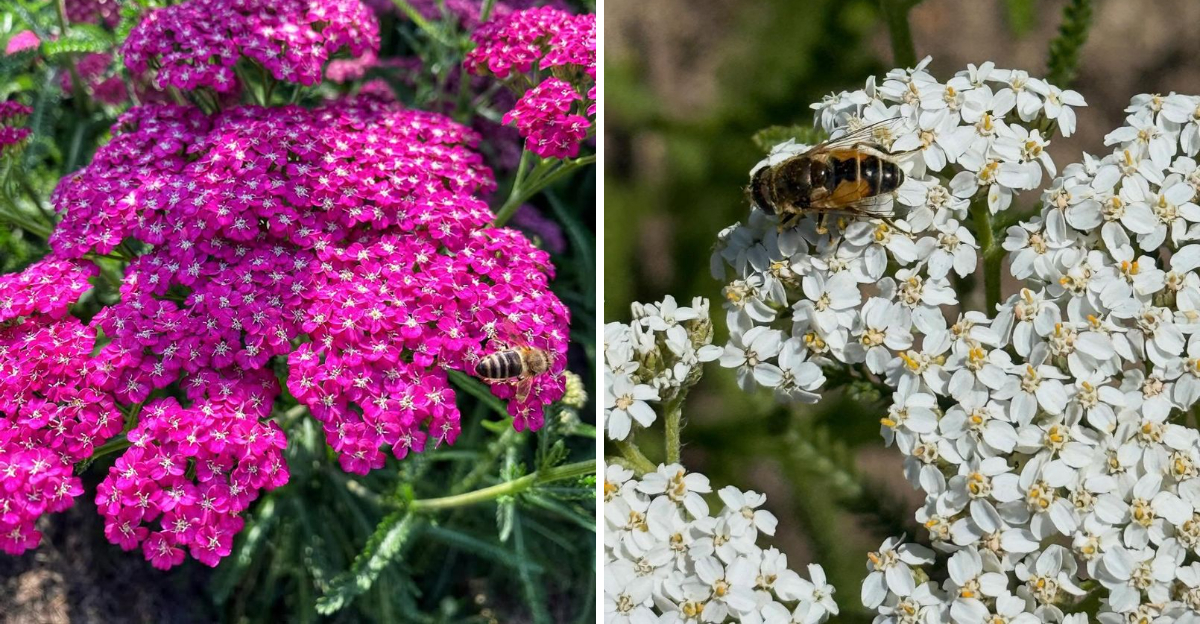
There is something almost magnetic about yarrow when butterflies are on the wing. The flat-topped flower clusters, called corymbs, act like natural landing pads.
Butterflies need a stable surface to feed from, and yarrow’s wide, open blooms make the whole process effortless for them. Species like the black swallowtail, great spangled fritillary, and painted lady are all frequent visitors.
Unlike tubular flowers that require specific tongue lengths, yarrow is accessible to almost every butterfly species in Michigan. That open structure means more visitors, more often, across a longer stretch of the season.
Yarrow typically blooms from June through September, which lines up perfectly with Michigan’s busiest butterfly activity period.
Planting yarrow in a sunny spot gives you a front-row seat to one of nature’s best shows. A single established clump can attract dozens of individual butterflies over the course of a warm afternoon.
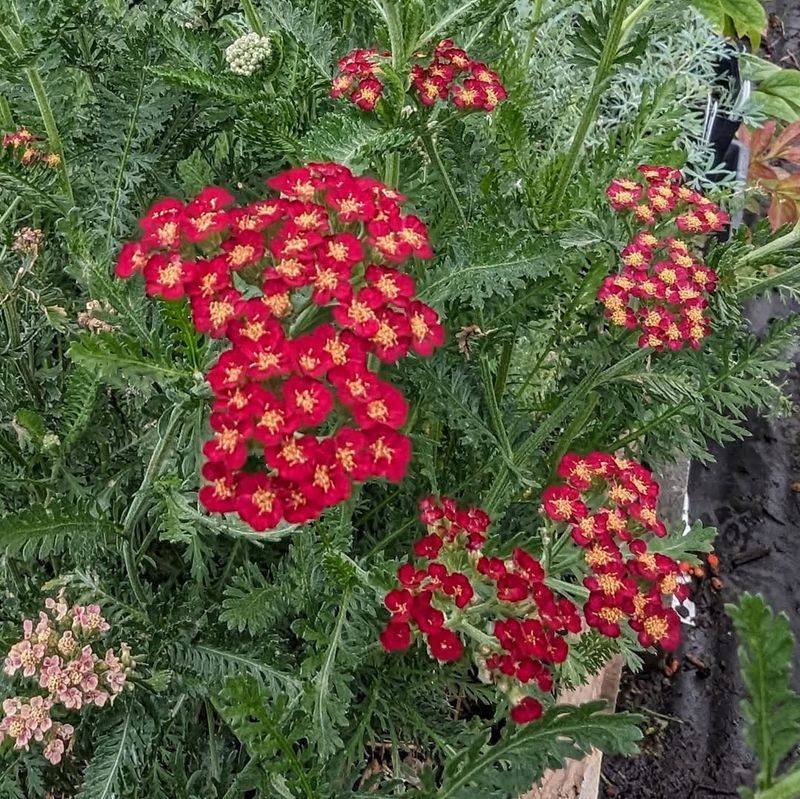
Mixing white native-type yarrow with colored cultivars can extend the visual appeal, but locally sourced white or pale-pink forms are the better choice when native habitat value is the main goal.
Your Michigan Garden Changes Every Week. Your Plan Should Too.
Gardening in Michigan changes quickly throughout the season. Every Friday you’ll receive a simple weekly plan showing exactly what to plant, prune, fertilize, harvest, and protect so you never miss the right timing.
For anyone trying to build a pollinator garden in Michigan, yarrow is practically non-negotiable.
3. Ladybugs Use Yarrow As A Hunting Ground All Season Long
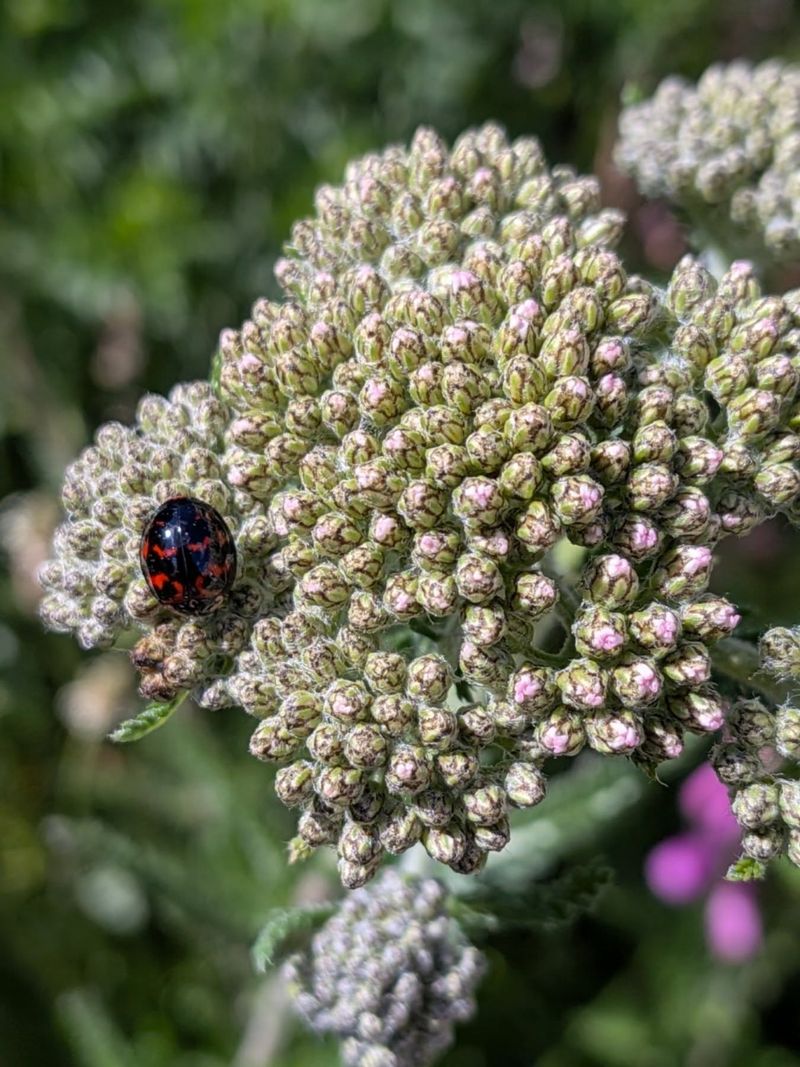
Ladybugs are among the most beloved beneficial insects in any garden, and yarrow practically rolls out the welcome mat for them. If aphids appear on yarrow or nearby plants, they can attract natural predators such as lady beetles.
That might sound like a problem, but it is actually a brilliant trap. Ladybugs follow the aphids right to the plant and start feeding, keeping the pest population in check naturally.
Beyond the food source, yarrow’s structure gives ladybugs excellent shelter. The dense, feathery foliage near the base of the plant creates a protected microhabitat where ladybugs can rest and overwinter.
A garden with established yarrow and other flowering plants may become more attractive to lady beetles by midsummer, especially when aphids and other prey are present.
Both the adult ladybugs and their larvae feed on soft-bodied pests, so having them around benefits every plant nearby, not just the yarrow. Think of yarrow as a base camp for your garden’s natural pest control team.
When lady beetles find flowers, shelter, and prey in a garden, they may remain nearby and help reduce aphid populations on surrounding plants. It is one of the most practical reasons to grow yarrow in a Michigan garden.
4. Lacewings Are Attracted To Yarrow For A Surprisingly Clever Reason
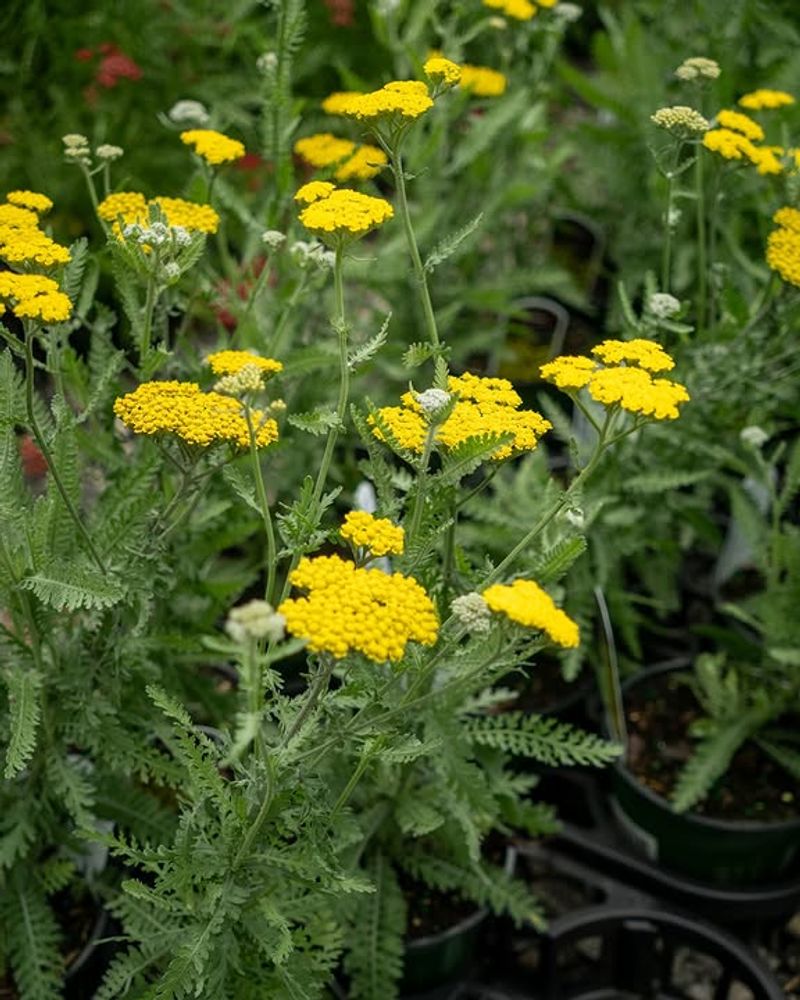
Green lacewings look almost too delicate to be fierce predators, but their larvae are ruthless hunters of garden pests. Adult lacewings are drawn to yarrow not just for nectar but also for pollen, which they need as a protein source before they reproduce.
Yarrow’s small, accessible flowers can make it a useful summer resource for adult beneficial insects, including lacewings.
Once lacewings feed and breed near yarrow, their larvae hatch out ready to consume aphids, thrips, whiteflies, spider mites, and small caterpillars at an impressive rate. A single lacewing larva can consume hundreds of pest insects before it matures.
Having yarrow in your garden can help support adult lacewings, which may encourage egg-laying nearby when prey is available.
The timing works out beautifully in Michigan. Yarrow starts blooming just as lacewing populations begin ramping up in early summer, creating a perfect overlap between food availability and insect activity.
Planting yarrow near vegetable beds or fruit trees may help attract beneficial insects that can move through nearby plantings and prey on pests when conditions are right.
It is a low-effort, high-reward strategy that works with nature instead of against it.
5. Yarrow Thrives In Poor Soil Where Other Plants Struggle
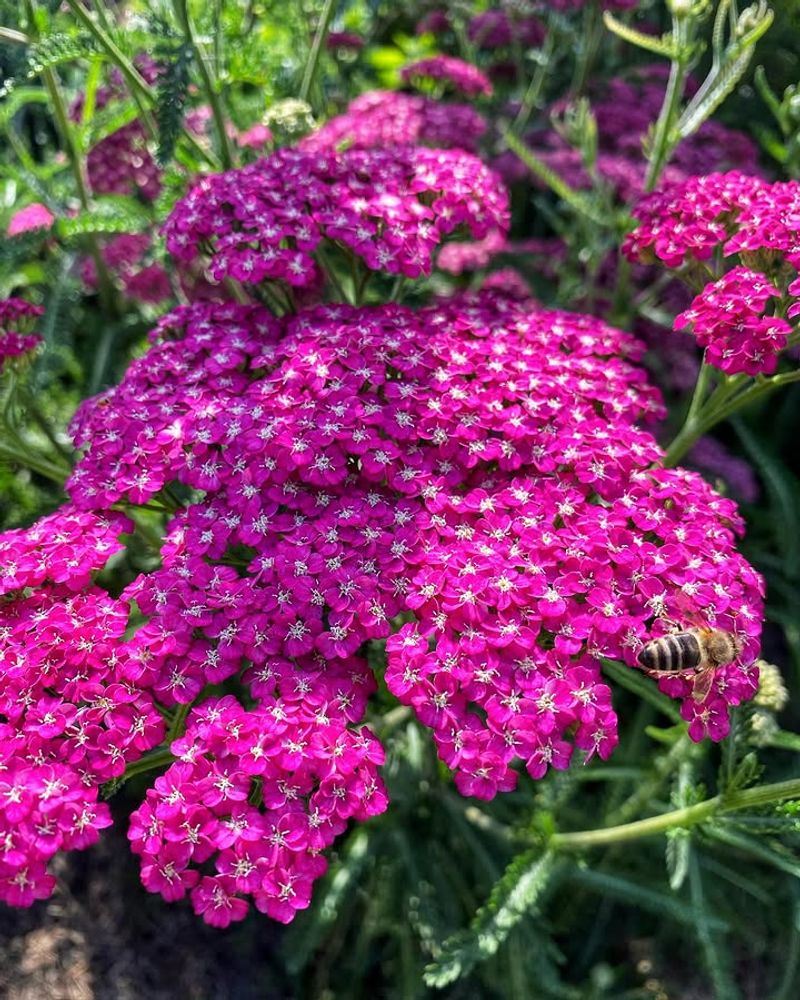
Most gardeners assume that good plants need rich, well-amended soil. Yarrow flips that idea completely.
It actually performs better in lean, well-drained soil with low fertility. Rich soil tends to make yarrow grow floppy and leggy, while poor soil keeps it compact, sturdy, and loaded with flowers.
That makes it ideal for the sandy soils and rocky patches that are common across many parts of Michigan.
Dry slopes, gravel paths, and neglected corners of the yard are exactly the kinds of spots where yarrow thrives. It is drought-tolerant once established, which means it can handle occasional summer dry spells without any supplemental watering.
That resilience makes it a smart choice for low-maintenance sunny landscapes, and it may work near the drier edges of rain gardens where water does not sit for long.
Gardeners who have struggled with bare, sun-baked spots that seem impossible to fill will find yarrow to be a genuine solution.
It spreads gradually through rhizomes, slowly filling difficult areas with dense, attractive foliage that suppresses weeds at the same time. Over a few seasons, a single plant can cover a surprisingly large patch of ground.
Rather than fighting against your soil conditions, planting yarrow means working with what you already have, and the results are both beautiful and completely practical for Michigan growing conditions.
6. The Feathery Leaves Of Yarrow Offer More Than Just Good Looks
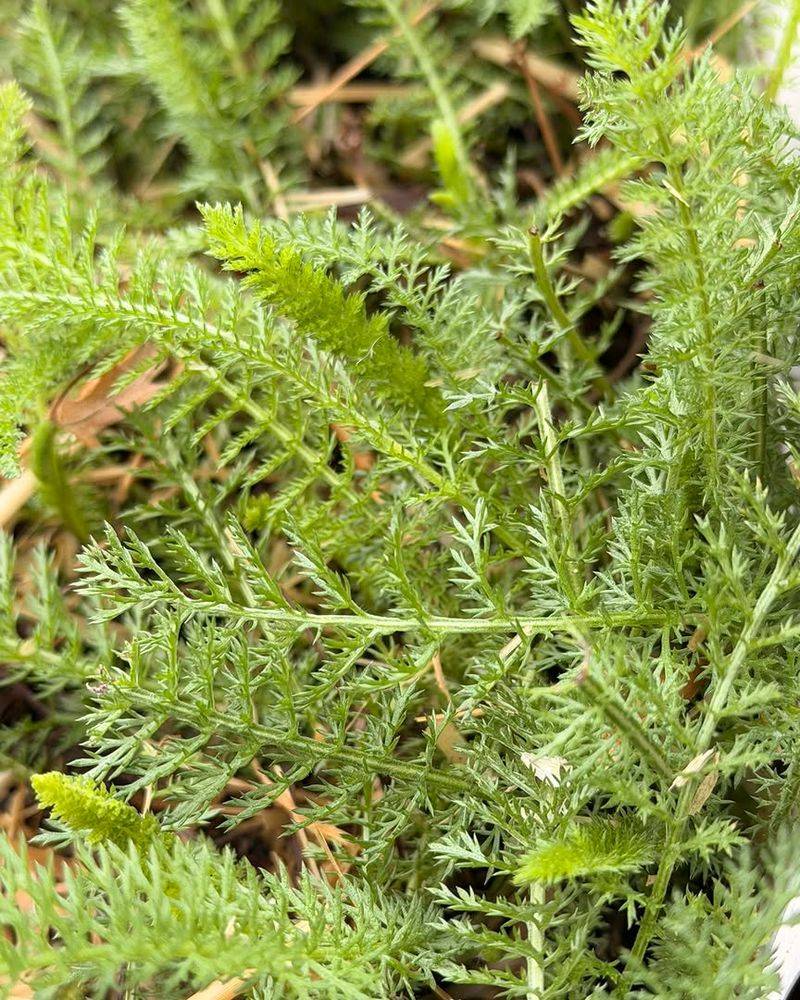
Yarrow’s leaves are genuinely distinctive. They are finely divided into tiny segments, giving them a soft, almost fern-like texture that stands out from most other plants in the garden.
Running your fingers across a yarrow leaf releases a sharp, pleasant herbal scent that many people find instantly recognizable. That aromatic quality is not just for show.
The scent comes from natural compounds in the foliage that deer and rabbits tend to find unappealing. In Michigan, where deer browsing can be a serious problem for gardeners, having a plant that naturally deters grazing animals is a big deal.
Yarrow rarely suffers significant damage from wildlife, which means it stays looking good even in areas where other plants get chewed down regularly.
Beyond pest deterrence, the leaves themselves have a long history of use in herbal traditions around the world.
Native American communities used yarrow medicinally for centuries, and it was one of the plants found in ancient burial sites in Europe, suggesting humans have valued it for thousands of years.
For modern gardeners, the foliage also stays attractive even when the plant is not in bloom, offering soft texture and color contrast that fills in nicely between flowering perennials.
It earns its place in the garden twelve months of the year, not just during its bloom season.
7. Native Yarrow Supports Michigan’s Entire Beneficial Insect Food Web
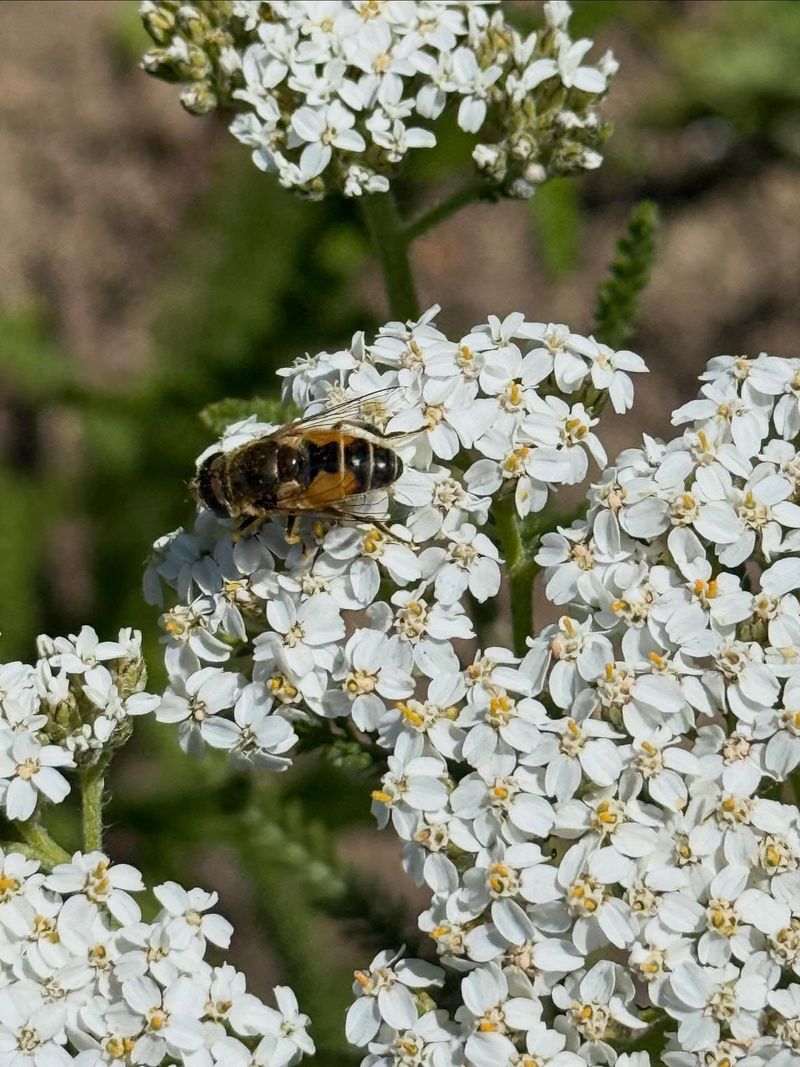
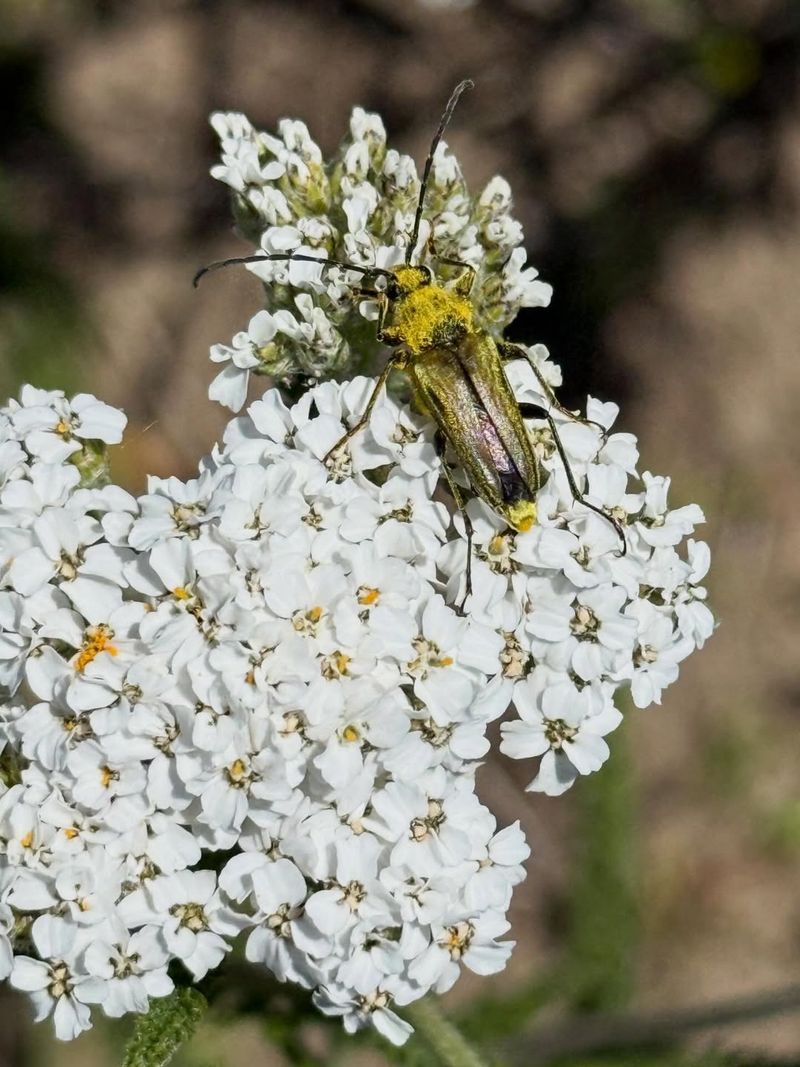
What makes yarrow truly special is not just the three or four species it attracts but the entire chain of life it supports. Predatory wasps, soldier beetles, hoverflies, and native bees all visit yarrow regularly.
Each of these insects plays a role in either pollinating plants or controlling pests, and yarrow connects them all in one place at the same time.
When you think about the garden as an ecosystem rather than just a collection of pretty plants, yarrow starts to look like a valuable insect-support plant.
Add it, and suddenly you have a hub of activity that ripples outward, improving the health and productivity of everything growing nearby.
Michigan native-style gardens that include yarrow and other long-blooming flowers may support greater insect diversity than gardens with fewer floral resources.
The bloom period stretching from late spring through early fall means yarrow supports insects across multiple generations in a single season.
Early-season visitors feed and reproduce, and their offspring find yarrow still blooming when they emerge weeks later.
That continuity is valuable in pollinator and beneficial-insect plantings, especially when yarrow is combined with other native flowers that bloom before and after it.
For the home gardener, it delivers that same ecosystem value without requiring any special expertise or expensive inputs.
8. Growing Yarrow From Seed Or Division Is Surprisingly Easy
Starting yarrow in your garden does not require a green thumb or a lot of patience. Seeds can be direct-sown in spring or fall, and they germinate readily without any special treatment.
Because yarrow naturally grows in disturbed soils and open areas, it is well-adapted to the slightly rough conditions of a freshly prepared garden bed.
A light press into the soil surface and consistent moisture for the first few weeks is usually all it takes.
Division is even easier than starting from seed. Established yarrow clumps can be dug up and pulled apart every three to four years, which both refreshes the plant and gives you extra divisions to spread around the yard.
Each division, even a small one with a few roots attached, will establish quickly and bloom within its first full season.
Spring is the ideal time for division in Michigan, but fall works well too as long as plants have a few weeks to settle before the ground freezes.
Buying potted plants from a native plant nursery is the fastest route to a blooming patch, and many Michigan native plant sales held each spring offer yarrow at very reasonable prices. Once established, yarrow essentially takes care of itself.
It self-seeds modestly, spreads through underground rhizomes, and rarely needs dividing more than once every few years. For beginner gardeners or anyone building a low-maintenance yard, it is one of the most rewarding plants you can choose.
9. Yarrow In Your Garden Can Help Reduce Reliance On Chemical Sprays
One of the most practical benefits of growing yarrow is what it helps you avoid. When lady beetles, lacewings, predatory wasps, and other beneficial insects are supported by diverse plantings, some pest populations may be reduced naturally.
That translates directly into less need for chemical insecticides, which is better for your family, your soil, and all the other beneficial creatures living in your garden.
The relationship is straightforward. Yarrow feeds and shelters the insects that hunt your pests.
Those insects then spread out across the garden, reducing aphid colonies on your roses, caterpillar damage on your vegetables, and whitefly infestations on your herbs.
You get the same pest control results without reaching for a spray bottle, and without accidentally harming the pollinators you want to keep around.
Michigan gardeners who have made the switch to more native plant-based pest management often describe it as a turning point in how they think about their yard.
Instead of reacting to problems after they appear, the garden builds its own defenses in advance.
Yarrow is one of the simplest and most affordable ways to start that shift. A few well-placed clumps near vegetable beds or ornamental borders can noticeably reduce pest pressure within a single growing season.
Over time, as the beneficial insect population grows and stabilizes, the garden becomes increasingly self-regulating, which is exactly the kind of low-effort, high-reward outcome every gardener deserves.