The Soil Mistake Florida Gardeners Make That No Amount Of Water Fixes
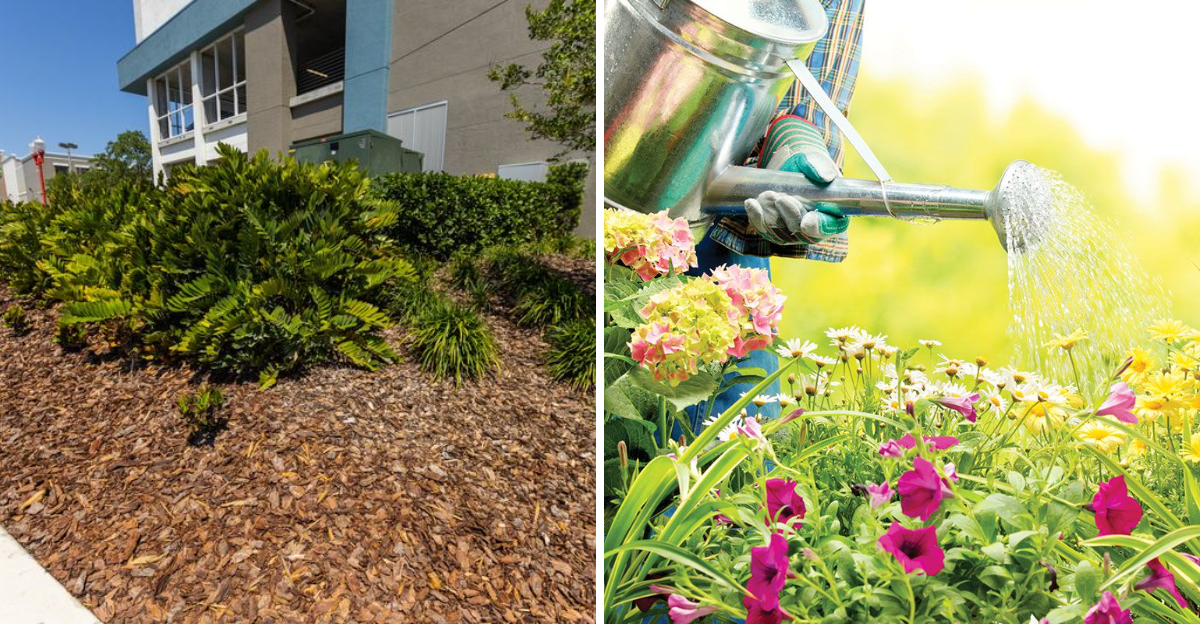
Watering more is the first response most Florida gardeners reach for when plants start struggling. Sometimes it helps.
Often it does not. The real problem is not at the surface where water lands but deeper down, where roots are working in soil that water cannot fix.
Florida soil has quirks that catch even experienced gardeners off guard. One mistake shows up across yards all over the state.
Beds that get watered regularly, fertilized on schedule, and still produce plants that never quite perform. The frustration is real because the effort is real.
A garden that gets consistent attention and still underdelivers is almost always pointing to something in the soil itself. Water is not the fix for this one.
The solution goes deeper than that. It starts with understanding what actually went wrong before the next watering cycle makes it worse.
1. Water Cannot Fix Soil That Has No Structure
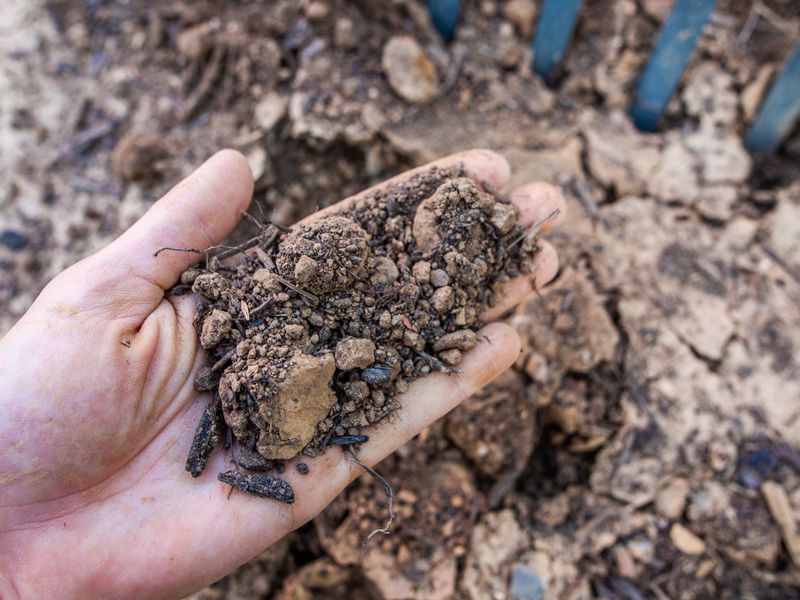
A plant wilting an hour after watering is one of the most frustrating sights in a Florida home garden. It feels like a water problem, but it is usually a soil problem.
Soil structure controls how water moves through the ground, how long moisture stays where roots can reach it, and how easily roots can spread out and anchor themselves.
Sandy soil with little organic matter drains so fast that water passes through before roots can absorb it. Compacted soil blocks water from moving down at all.
Hard, dry patches inside a bed can stay bone dry even when the surface looks damp. When beds dry out within hours of watering, that is a signal that the root zone cannot hold what you give it.
Watering more often might keep plants alive short-term, but it does not rebuild structure. It does not create the pore spaces roots need.
It does not add the organic particles that help sandy soil hold water longer. Soil in this state varies widely.
Some yards have naturally sandy, well-drained soil that suits drought-tolerant natives perfectly. Others have construction fill, compacted subsoil, or beds that were never properly prepared.
Before reaching for the hose again, check the soil a few inches down. If it is bone dry, powdery, or hard as a brick, watering is not the real solution.
2. Compacted Sand Makes Roots Struggle Before Drought Hits
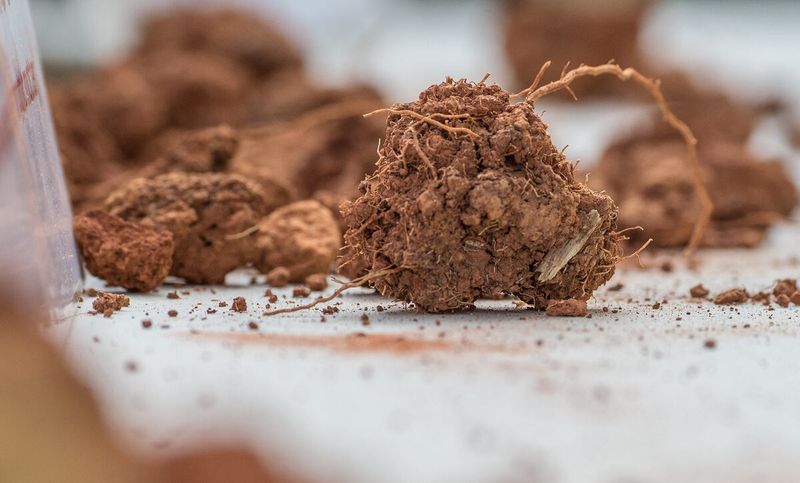
Picture a new-build Florida yard where heavy equipment rolled back and forth across the soil for months. Even if the surface looks like regular sand, the layers underneath can be packed so tightly that roots cannot push through.
Compaction is one of the most overlooked reasons plants look drought-stressed even when irrigation is running on schedule.
Foot traffic, repeated mowing, construction activity, and poorly prepared beds all press soil particles together. When pore spaces close up, water cannot move down and roots cannot spread out.
A plant with shallow, restricted roots will show stress fast during dry spells, even before drought officially arrives. It simply cannot reach the moisture that is deeper in the soil profile.
Your Florida Garden Changes Every Week. Your Plan Should Too.
Gardening in Florida changes quickly throughout the season. Every Friday you’ll receive a simple weekly plan showing exactly what to plant, prune, fertilize, harvest, and protect so you never miss the right timing.
Loosening compacted soil before planting makes a real difference. Use a garden fork or broadfork to open the soil carefully, especially in new-build yards where fill material may have been graded over existing ground.
Avoid working soil when it is very wet, as that can make compaction worse. Once a bed is planted, protect it from repeated foot traffic by using stepping stones or defined paths.
Raised beds built over compacted ground should have the base loosened before filling. Checking soil firmness with a simple probe or even a pencil pushed into the ground can reveal how compacted the root zone really is before a single plant goes in.
3. Hydrophobic Soil Lets Water Run Off Instead Of Soak In
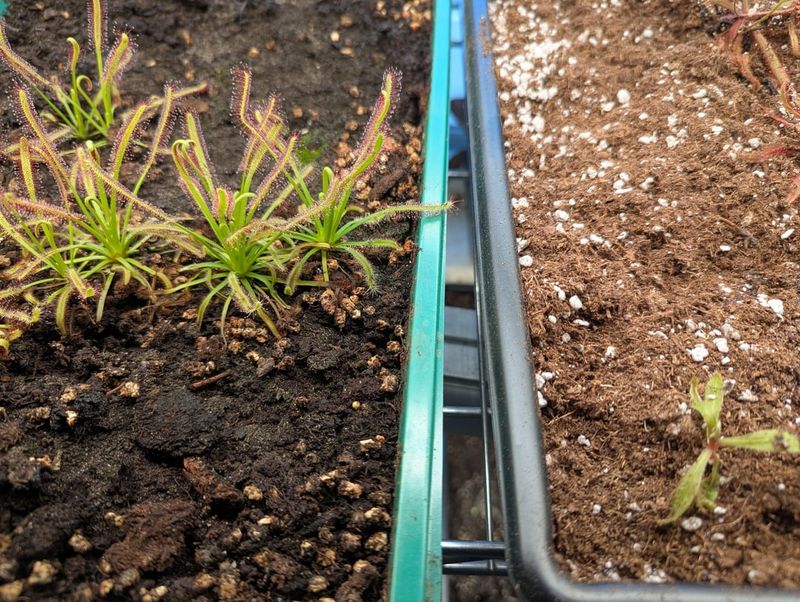
Ever poured water onto a very dry pot or raised bed and watched it run straight off the sides? That is hydrophobic soil in action.
When sandy soil or potting mix dries out completely, the organic particles on the surface of each grain can become water-repellent. Instead of soaking in, water beads up, channels around the root ball, and drains out the bottom without ever wetting the root zone.
Container plants and raised beds are especially vulnerable. A new transplant brought home from a nursery may have a root ball that is already slightly hydrophobic from the potting mix drying out during transport.
You water it, the water runs around the outside, and the root ball stays dry inside. The plant wilts, you water more, and the cycle continues.
Checking the root zone by pressing a finger or moisture meter into the soil a few inches deep can reveal whether water is actually reaching where it needs to go.
Rewetting hydrophobic soil takes patience. Water slowly, pause, then water again.
For containers, setting the pot in a shallow tray of water for a short period can help draw moisture back into the mix. Raised beds with dry pockets benefit from slow drip irrigation or a gentle soaker hose rather than a fast overhead spray.
Surface wetness is not the same as root-zone hydration, and that difference matters more than most gardeners expect.
4. Missing Organic Matter Leaves Beds Dry Again Too Fast
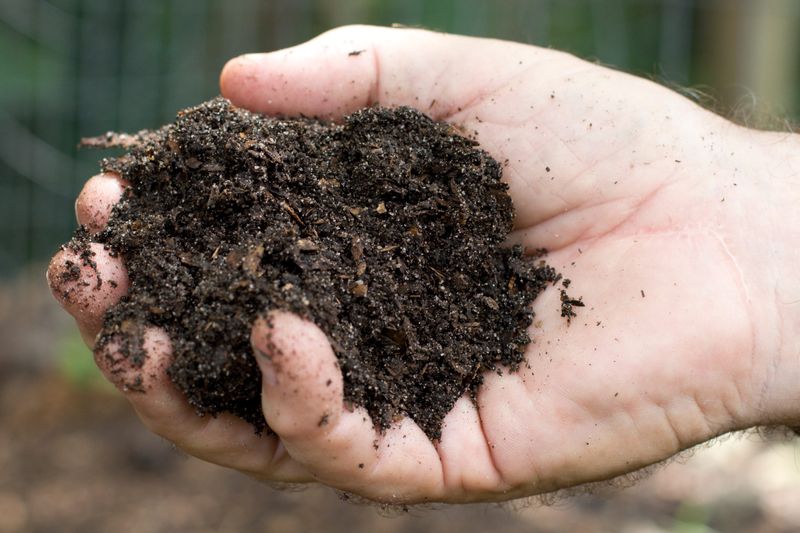
Sandy soil in warm regions has a well-known weakness. It does not hold moisture or nutrients for long.
In the summer heat, a bed with very little organic matter can go from watered to bone dry in a matter of hours. Nutrients leach out quickly too, leaving plants hungry even when they are getting enough water on the surface.
Organic matter, such as compost, leaf mold, or pine fines, works differently than sandy particles. It holds water like a sponge, creates pore space for roots and soil life, and releases nutrients slowly as it breaks down.
Working compost into a planting bed before planting can help sandy soil hold moisture longer and support the soil biology that plants depend on. A little goes a long way in most cases.
That said, organic matter is not a universal fix for every plant or every site. Native plants and drought-tolerant species that evolved in lean sandy soil may not need or want rich, heavily amended beds.
Adding too much organic matter to a poorly draining spot can create soggy conditions and root problems. Match the amendment to the plant and the site.
Avoid piling organic material against stems or trunks, and use decomposed or well-aged compost rather than fresh material. Organic matter should improve the root zone, not smother it or introduce pathogens that stress young plants further.
5. Shallow Watering Keeps Roots Trapped Near The Surface
Frequent, light watering feels like good plant care. But for many established plants, it can actually work against long-term health.
When water only wets the top inch or two of soil, roots have little reason to grow deeper. They cluster near the surface where moisture is available, and that makes them far more vulnerable when heat spikes or irrigation is interrupted.
Roots that stay shallow cannot access the cooler, more stable moisture deeper in the soil profile. During a dry spell or a hot stretch, surface soil dries out fast.
Plants with shallow root systems feel that stress almost immediately. Deeper, less frequent watering encourages roots to follow moisture downward, building a more resilient root zone over time.
This approach works well for established shrubs, trees, and perennials where soil type and drainage allow it.
Seedlings, new transplants, and container plants are different. They need more frequent attention until roots are established.
The key is checking below the surface rather than guessing. Push a finger, wooden skewer, or moisture probe a few inches into the soil after watering.
If it comes up dry below the top layer, water is not reaching the root zone. Adjust your irrigation run time and check emitter placement.
Make sure water is moving down, not just wetting the surface and evaporating before roots can use it.
6. Mulch Helps Only When The Soil Beneath Can Use It
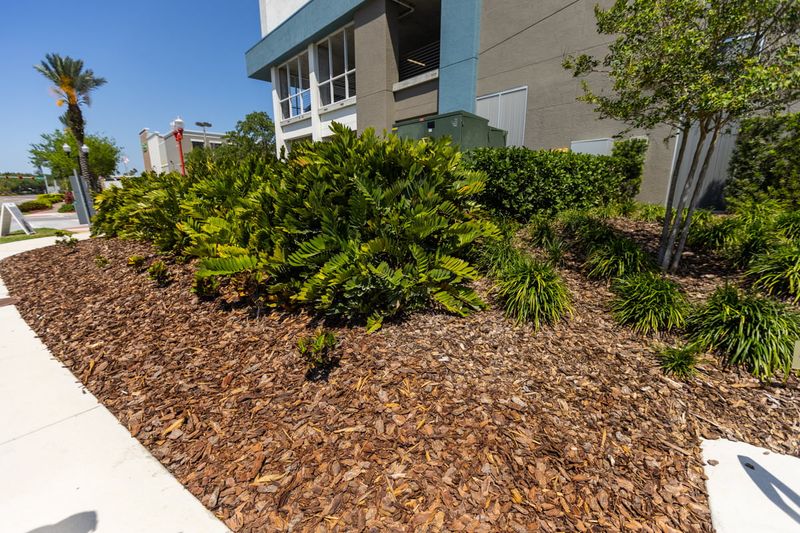
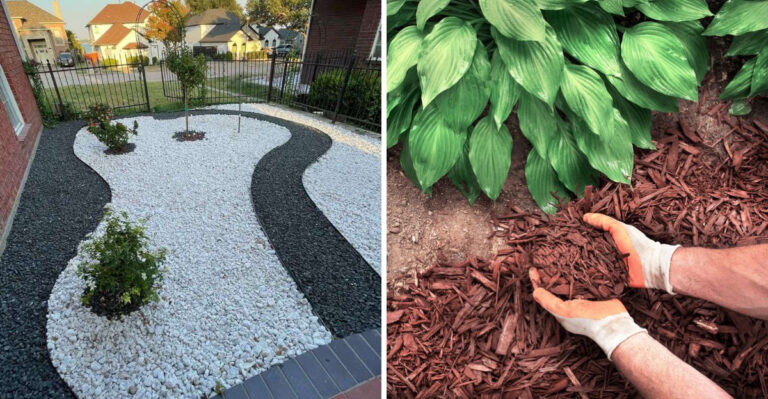
Mulch has a well-earned reputation as one of the most practical tools in a Florida home landscape. A proper layer slows evaporation, moderates soil temperature, reduces weeds, and protects the soil surface from hard rain that can compact bare ground.
In a warm, sunny climate, that protection can make a real difference during summer dry spells and intense heat.
But mulch cannot fix a bad root zone by itself. If the soil underneath is compacted, hydrophobic, or too low in organic matter to hold moisture, a layer of mulch on top is not going to change what happens below.
Water still needs to move through the mulch and into the soil. If the soil beneath cannot accept it, moisture will sit on top or run off around the edges.
Apply mulch at a depth of two to three inches for most landscape beds, keeping it a few inches away from plant stems and trunks.
Mulch piled against a stem, sometimes called a mulch volcano, traps moisture against bark and can cause rot and pest problems over time.
Thick, wet piles of uncomposted material can also create a mat that blocks water from reaching the soil at all. Refresh mulch as it breaks down, since decomposing mulch adds small amounts of organic matter to the soil surface.
Choose mulch that suits your plant type and bed style, and check that the soil underneath is actually moist after watering, not just covered.
7. Compost Improves The Root Zone Watering Cannot Reach
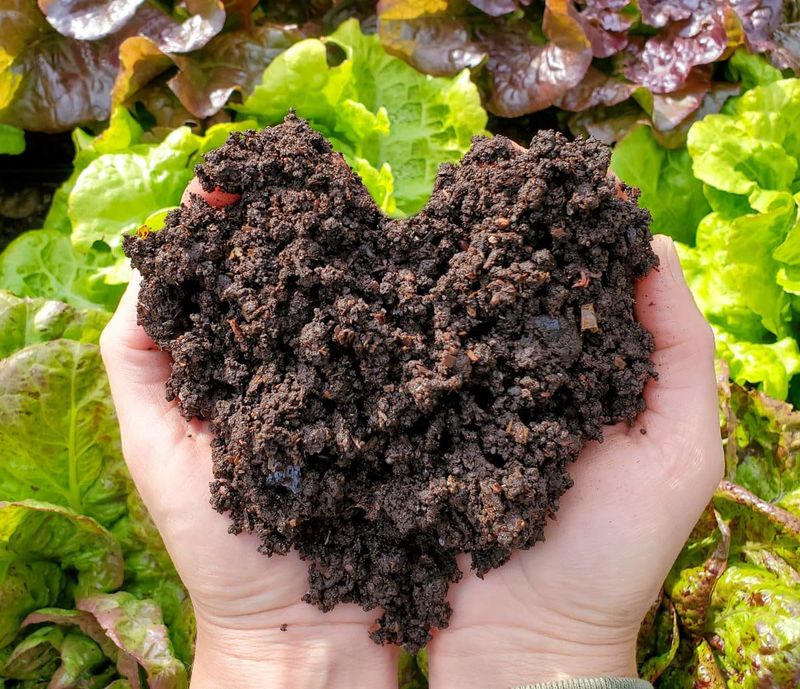
Compost does something watering alone simply cannot. It physically changes the soil.
Mixed into a sandy planting bed, finished compost adds organic particles that hold water and nutrients. It also creates habitat for beneficial soil organisms and improves soil that would otherwise drain too fast for most vegetables, flowers, or shrubs.
Compost is not a fertilizer in the same way a bagged granular feed is. It releases nutrients slowly as it breaks down, and the amounts vary depending on the source and age of the material.
Think of it as a soil conditioner first and a gentle nutrient source second. For new beds, mixing two to four inches of finished compost into the top several inches of soil before planting gives roots a better environment from the start.
For established beds, a light top-dressing worked in carefully around plants can support soil life without disturbing roots.
Use compost thoughtfully. Do not pile it against crowns, stems, or trunks.
Do not assume every plant benefits from rich, amended soil. Native plants and some ornamentals that prefer lean, well-drained conditions may respond poorly to heavy compost additions.
In low-lying areas or spots with drainage issues, adding organic matter without improving drainage first can create waterlogged conditions.
If you are unsure about your soil, a basic soil test through your county Extension office can give you useful information before you start amending.
8. Better Soil Starts Before The Next Plant Goes In
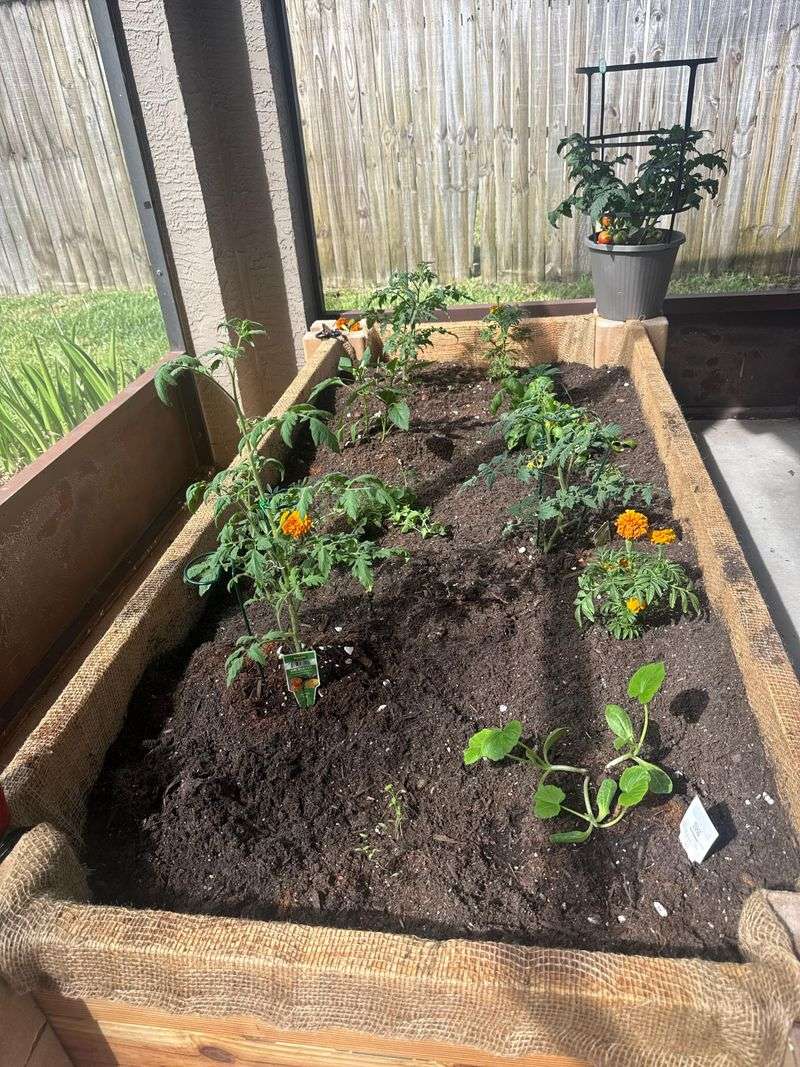
Trying to fix soil after a plant is already struggling is like patching a roof during a storm. It is possible to make some improvements, but the ideal time to prepare the root zone is before anything goes into the ground.
Soil prep done at planting time gives roots the best possible start and reduces the need for constant intervention later.
Start by checking drainage. Pour water into the planting area and see how fast it drains.
If water pools for more than an hour, drainage may need attention before planting. Loosen compacted areas with a fork or broadfork.
If the site has construction fill, shallow hardpan, or unusual soil, a basic soil test can reveal pH, nutrient levels, and organic matter content. Your county Extension office can help with testing and interpretation.
Match your plant choices to what the site naturally offers. Sandy, well-drained spots suit many native plants and drought-tolerant ornamentals without heavy amendment.
Wetter, lower spots suit different species entirely.
Plan your irrigation before plants go in if possible, so emitters reach the root zone rather than the surface only. Add mulch after planting to protect the soil you just prepared.
Revisit your soil each season, checking moisture at depth, watching how plants respond, and adjusting as you learn more about that specific spot.
Watering works best when the soil is genuinely ready to receive it, hold it, and deliver it to roots that are healthy enough to use it.