Why Texans Should Plant Marigolds In Their Gardens
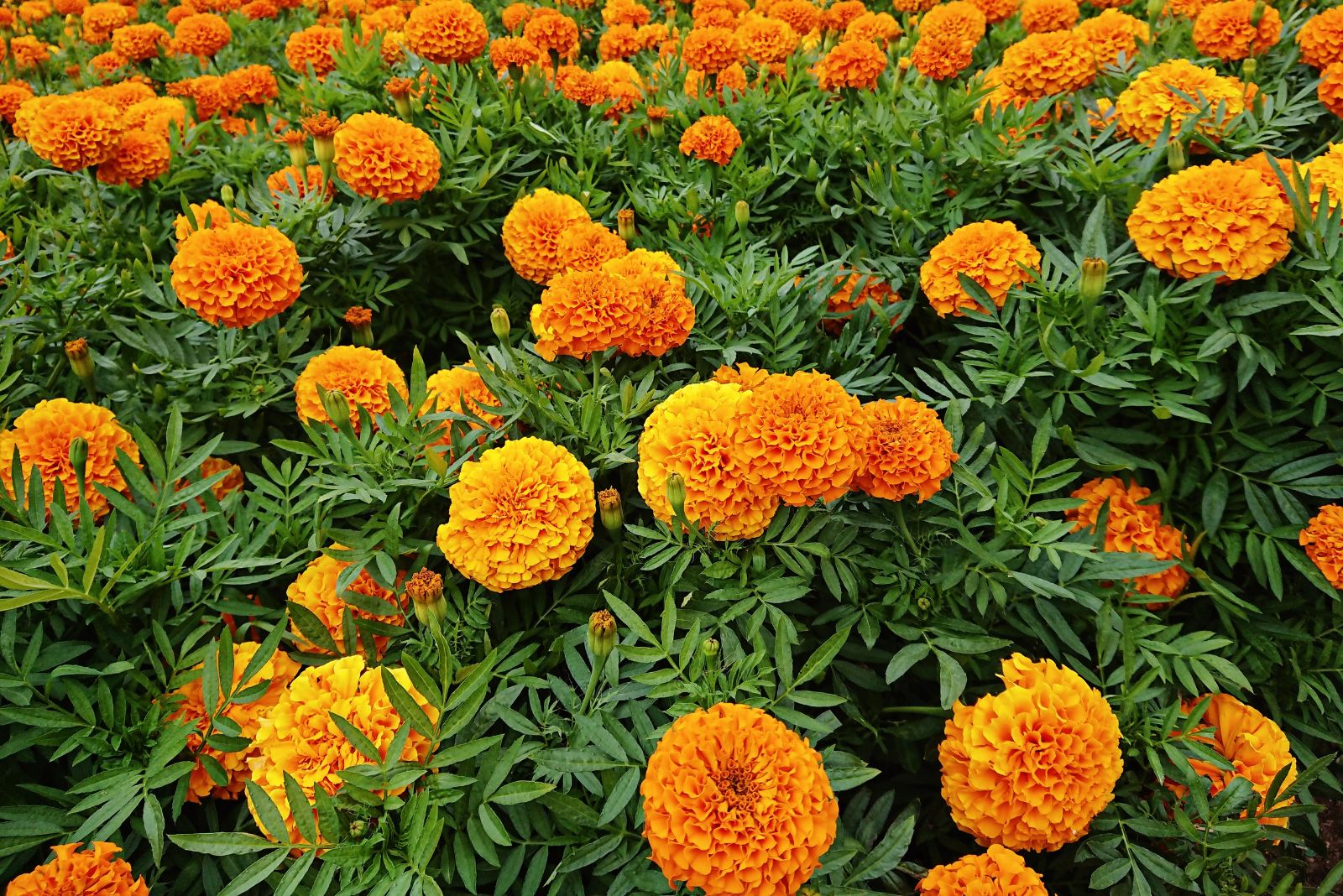
If there’s one flower that deserves a permanent spot in every Texas garden, it’s the marigold. Bright, bold, and surprisingly tough, this little flower punches way above its weight.
And once you learn what it can actually do for your garden, you’ll wonder why you waited so long to plant it. Marigolds aren’t just pretty faces.
These cheerful blooms are working hard behind the scenes, doing things most expensive garden products promise but rarely deliver. From keeping pests away to improving the health of your soil, marigolds are basically the overachievers of the plant world.
The best part? They love Texas. The heat, the sun, the tough conditions that send other plants running. Marigolds thrive in all of it.
They’re low maintenance, easy to grow, and they bloom like crazy all season long. So if you’ve been sleeping on marigolds, it’s time to wake up. Here’s exactly why Texas gardeners need to start planting them right now.
1. They Handle Texas Sun And Summer Heat Well
Texas summers can feel relentless. The sun beats down hard, temperatures climb into the triple digits, and a lot of plants simply give up.
Marigolds, though, are built differently. They actually thrive in full sun and warm conditions, which makes them one of the most practical flowers you can grow in a Texas garden.
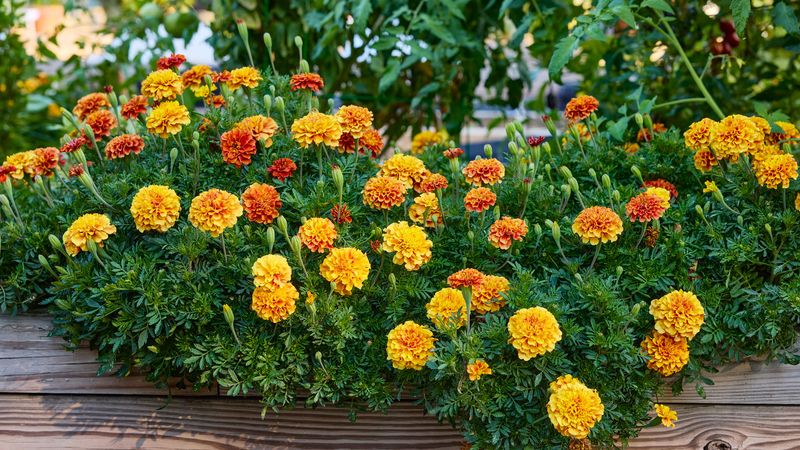
African marigolds, also called Tagetes erecta, are especially known for handling heat well. Once they are established in the ground, they can tolerate dry spells better than many other annuals.
French marigolds, or Tagetes patula, are a bit smaller but equally tough. Both types are widely available at Texas nurseries and garden centers throughout spring and summer.
One smart tip is to water your marigolds deeply but not too often. This encourages their roots to grow deeper into the soil, which helps them stay strong during dry stretches.
Adding a thin layer of mulch around the base of each plant can also help the soil hold moisture longer.
You do not need to fuss over them much once they get going. Marigolds do not need rich soil or constant watering to look great.
In fact, overwatering is one of the few things that can actually hurt them. Planting them in a spot that gets at least six hours of direct sunlight each day is really the main thing they need to succeed.
For Texas gardeners who want color without constant care, marigolds check every box. They are reliable, sun-loving, and practically made for the kind of hot, dry summers that the Lone Star State is famous for.
2. They Bring Bright Color From Warm Season Into Fall
One of the best things about marigolds is how long they keep blooming. Many flowering plants peak early in the season and then fade out before summer even ends.
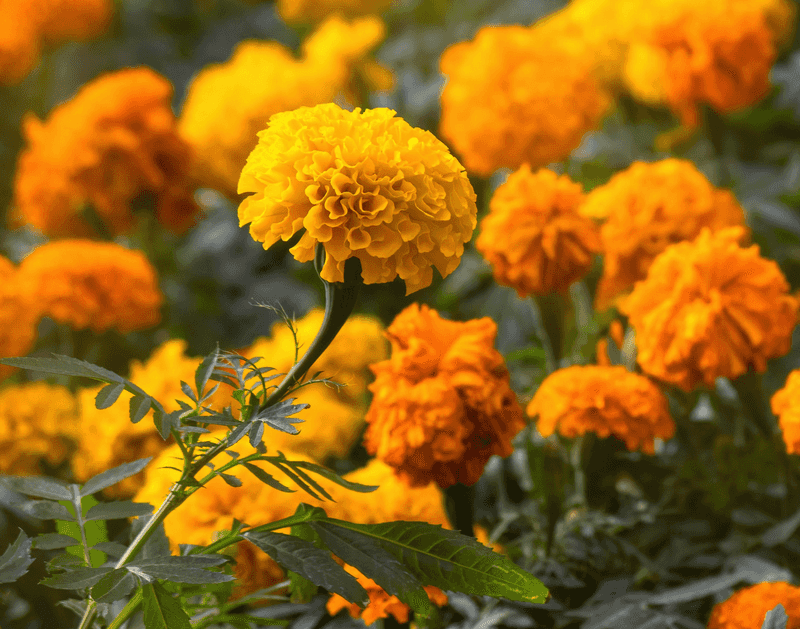
Marigolds work differently. Plant them in a sunny spot, and they will reward you with bold, cheerful blooms from late spring all the way through the first frost of fall.
Your Texas Garden Changes Every Week. Your Plan Should Too.
Gardening in Texas changes quickly throughout the season. Every Friday you’ll receive a simple weekly plan showing exactly what to plant, prune, fertilize, harvest, and protect so you never miss the right timing.
The color range alone is worth getting excited about. Marigolds come in shades of yellow, orange, gold, deep red, copper, and even creamy white.
You can mix and match varieties to create a garden bed that looks like a warm sunset. That kind of long-lasting color is hard to find in any other annual flower that also handles Texas heat this well.
To keep your marigolds blooming strong, try a technique called deadheading. This just means pinching off the old, spent flowers before they go to seed.
When you remove the faded blooms regularly, the plant puts its energy into making new flowers instead of producing seeds. It takes just a few minutes each week and makes a big difference in how long your plants stay colorful.
In Texas, the growing season stretches well into November in many areas. Marigolds can take full advantage of that long window.
As other garden plants start to slow down in September and October, marigolds keep going strong, filling your yard with warm, rich color right up until cold weather finally arrives.
If you want a flower that gives you the most color for the least effort, marigolds are a clear winner for Texas gardens season after season.
3. They Are Beginner-Friendly And Easy To Grow From Seed
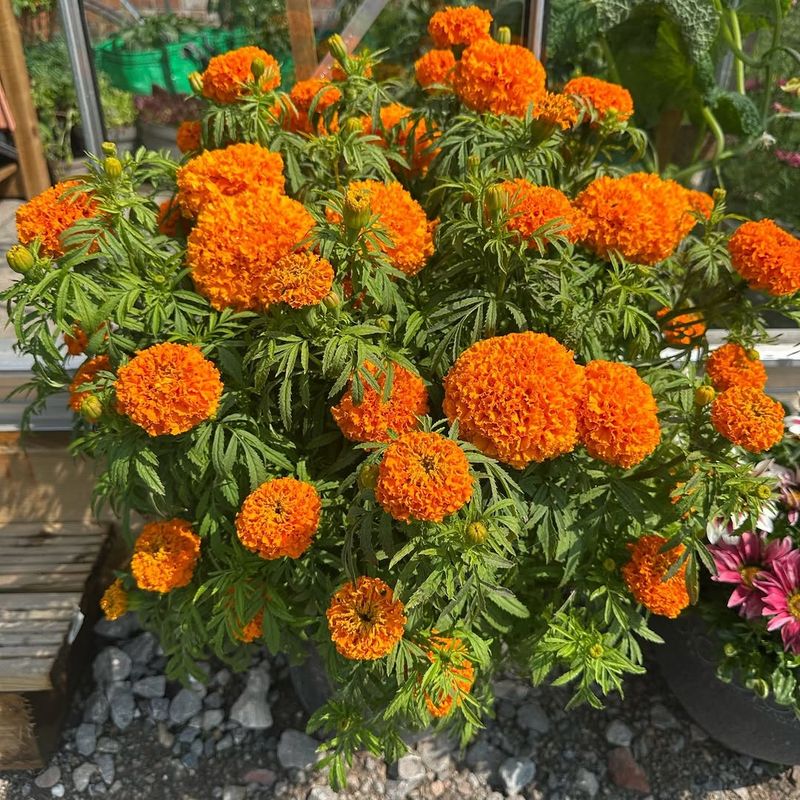
Not everyone who wants a beautiful garden has years of experience. Some people are just starting out, and some are even kids trying their first garden project.
Marigolds are honestly one of the best flowers to start with, no matter your age or skill level.
Marigold seeds are large enough to handle easily, which makes them great for small hands. You just press them about a quarter inch into warm soil, water them lightly, and wait.
In warm Texas weather, marigold seeds can sprout in as little as five to seven days. That quick payoff is exciting, especially for kids who want to see results fast.
You do not need any special equipment or fancy soil mixes to get started. A basic garden bed, a container on a porch, or even a simple plastic pot will work just fine.
Marigolds are not picky about soil quality as long as it drains well and gets plenty of sun. Starting from seed is also much cheaper than buying transplants from a nursery, which is a bonus for anyone working with a tight budget.
Did you know that marigolds were one of the first flowers grown by early American colonists?
They brought seeds from Europe and found that marigolds adapted easily to new growing conditions. That same adaptability is part of what makes them so beginner-friendly today.
Whether you are setting up your very first garden bed or helping a child discover the joy of growing something from scratch, marigolds offer a fast, fun, and nearly foolproof experience that builds confidence and keeps gardening exciting from the very first seed.
4. They Can Help With Root-Knot Nematode Problems
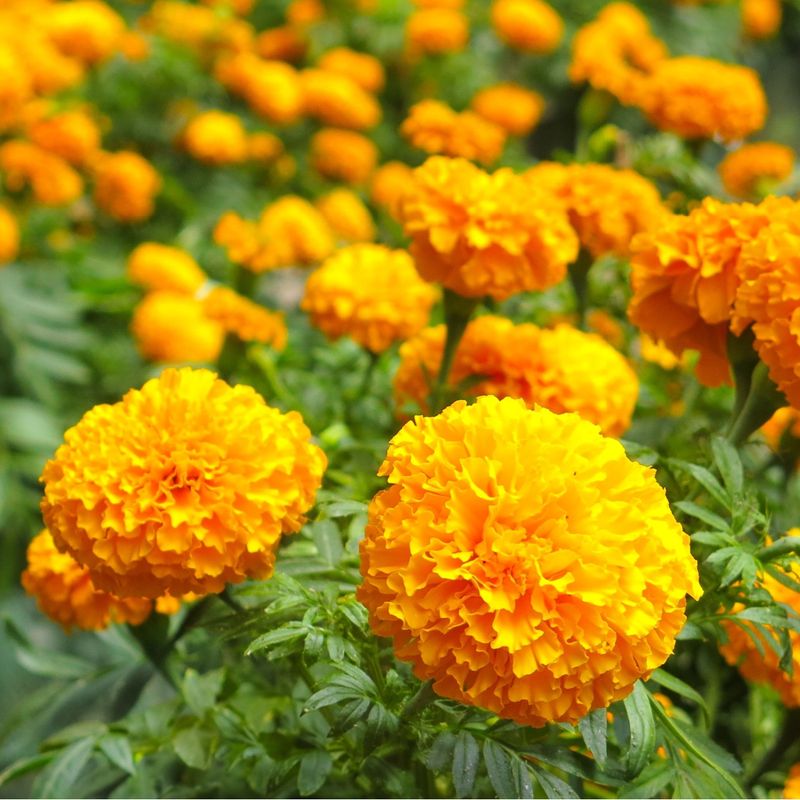
Here is something most people do not know about marigolds: they are not just pretty. They are actually working underground to protect your garden.
Texas soil, especially in areas with sandy or loamy ground, can harbor a frustrating pest called root-knot nematodes. These are microscopic worms that attack plant roots and can seriously damage vegetables like tomatoes, peppers, and squash.
Texas A&M AgriLife Extension has recommended planting marigolds as a natural way to manage nematode problems in garden soil. Marigold roots release a natural compound called alpha-terthienyl, which is toxic to root-knot nematodes.
When marigolds are planted densely in an affected area and allowed to grow for a full season, they can significantly reduce nematode populations in the surrounding soil.
The real magic happens after the season ends. Instead of pulling your marigold plants and tossing them away, till them directly into the soil.
As the roots and plant material break down, they continue releasing those nematode-fighting compounds into the ground. This helps prepare the soil for fall vegetable crops that would otherwise struggle in nematode-heavy ground.
For best results, plant marigolds as a cover crop in problem areas for at least one full growing season before switching back to vegetables.
French marigolds, specifically the variety called Tagetes patula, are considered the most effective type for nematode suppression according to research from multiple university extension programs.
Using marigolds this way is a completely natural, chemical-free approach to a real gardening problem.
For Texas gardeners dealing with poor vegetable yields and unexplained root damage, this simple strategy could make a noticeable difference in garden health and productivity.
5. They Attract Pollinators And Beneficial Insects
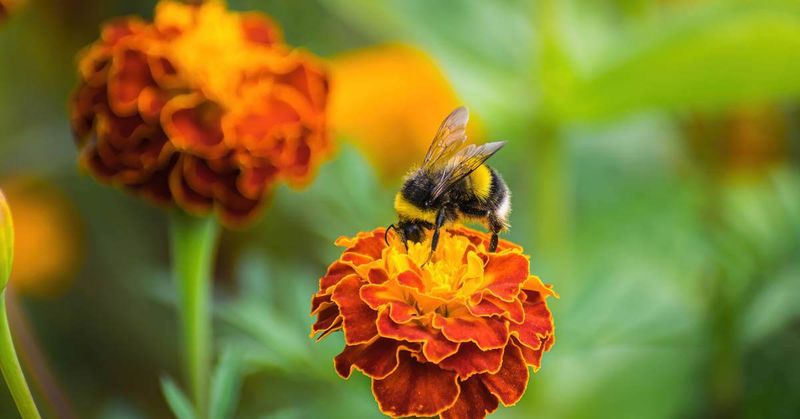
A garden that looks beautiful on the outside is even better when it is buzzing with life underneath the surface. Marigolds are well known for drawing in pollinators and helpful insects, turning your yard into a thriving little ecosystem.
Bees, butterflies, and hoverflies are frequent visitors to marigold blooms, and their presence benefits every plant growing nearby.
Pollinators like honeybees and native bees are essential for fruit and vegetable production. Without them visiting your tomato plants, squash vines, and pepper bushes, you would get far fewer fruits.
Planting marigolds near your vegetable beds acts like a magnet, pulling pollinators into the area and increasing the chances that your food plants get the attention they need to produce well.
Marigolds also attract predatory and parasitic insects that gardeners actually want around. Ladybugs, lacewings, parasitic wasps, and hoverflies all visit marigold flowers.
Many of these insects feed on common garden pests like aphids, whiteflies, and caterpillars. Having them present naturally reduces the pest population without any spraying or chemical treatments.
The open, daisy-like shape of French and signet marigold blooms is especially attractive to smaller beneficial insects. Their flat flower heads make it easy for tiny insects to land and access nectar.
African marigolds, with their larger pom-pom style blooms, tend to attract bigger pollinators like bumblebees and monarch butterflies.
Planting a mix of marigold varieties throughout your garden creates multiple layers of insect activity that work together to keep your plants healthy.
It is one of the simplest and most colorful ways to support a balanced, productive garden environment right in your own Texas backyard.
6. They Work In Many Texas Garden Styles
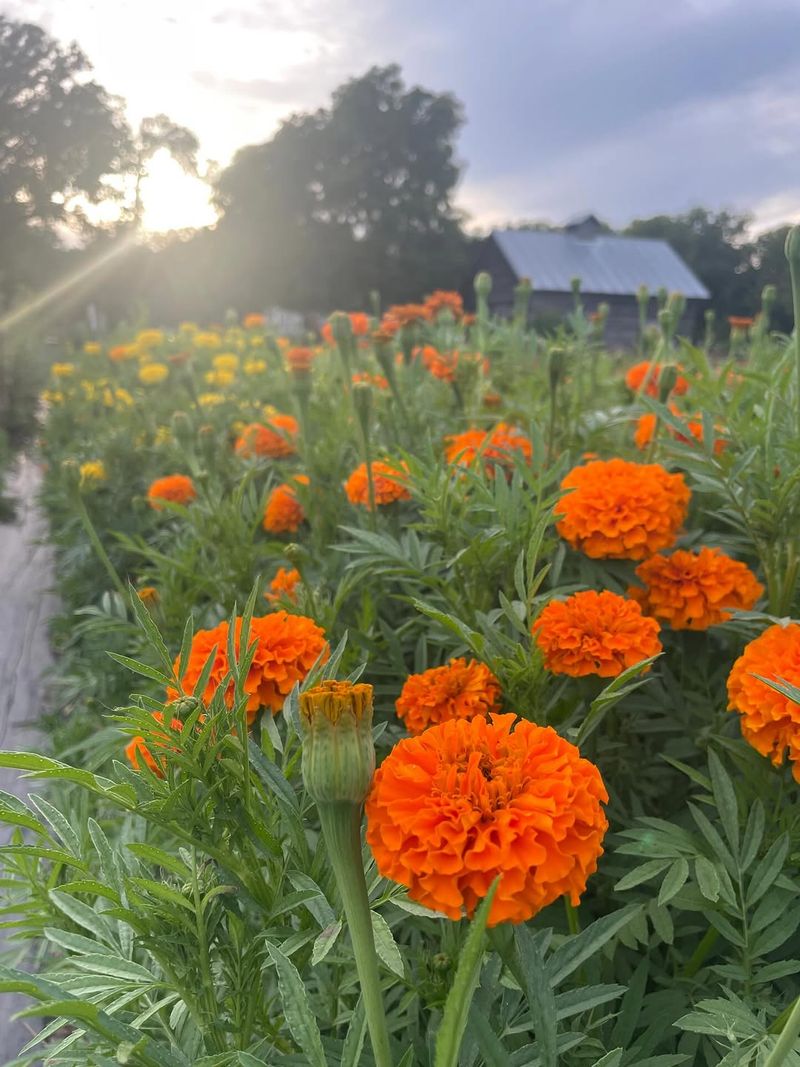
Flexibility is one of marigolds’ greatest strengths. Unlike some flowers that only work in one type of garden setting, marigolds fit into almost any layout, style, or space you can imagine.
That kind of versatility makes them an incredibly smart choice for Texas gardeners with all kinds of yards and goals.
In vegetable gardens, marigolds make excellent companion plants. Tuck them between tomato plants, along the edges of raised beds, or at the corners of garden rows.
They add color while pulling in pollinators and deterring some pest insects at the same time. It is a practical and attractive combination that experienced vegetable gardeners have relied on for generations.
For front yard curb appeal, marigolds work beautifully as border plants along walkways or driveways. Their upright growth habit and bold colors create a clean, eye-catching edge that holds up well through the Texas heat.
Compact French marigolds and signet marigolds are especially well-suited for tight edging spaces because they stay low and tidy without much trimming.
Container gardening is another area where marigolds shine. If you have a small patio, a balcony, or limited ground space, a few pots of marigolds can bring the same cheerful color without needing a full garden bed.
They thrive in containers as long as the pot drains well and sits in a sunny spot. Cottage-style gardens, cutting gardens, and mass plantings all benefit from marigolds too. You can even harvest their blooms for fresh flower arrangements indoors.
With so many ways to use them, marigolds truly earn their place as one of the most adaptable and rewarding flowers any Texas gardener can grow.