These Are The Best Native Texas Plants For Supporting Fireflies
There’s something almost magical about watching fireflies light up a Texas evening. Those little flickering lights drifting through the yard on a warm summer night are the kind of thing that makes you stop whatever you’re doing and just watch.
But if you’ve noticed fewer fireflies in your yard over the years, you’re not imagining it. Their numbers really are declining, and the reason hits pretty close to home.
Fireflies need specific conditions to survive and reproduce. And most modern Texas yards simply don’t provide them.
The good news is that you can actually do something about it. And it starts with what you plant.
Native Texas plants play a huge role in supporting firefly populations. They create the right habitat, attract the insects that firefly larvae feed on, and provide the kind of ground cover that fireflies need to complete their life cycle.
Without the right plants, fireflies have nowhere to thrive. The even better news is that these native plants are beautiful, low maintenance, and perfectly suited to the Texas climate.
If you want your summer evenings lit up again, it starts with your garden. Here’s exactly what to plant.
1. Gregg’s Mistflower
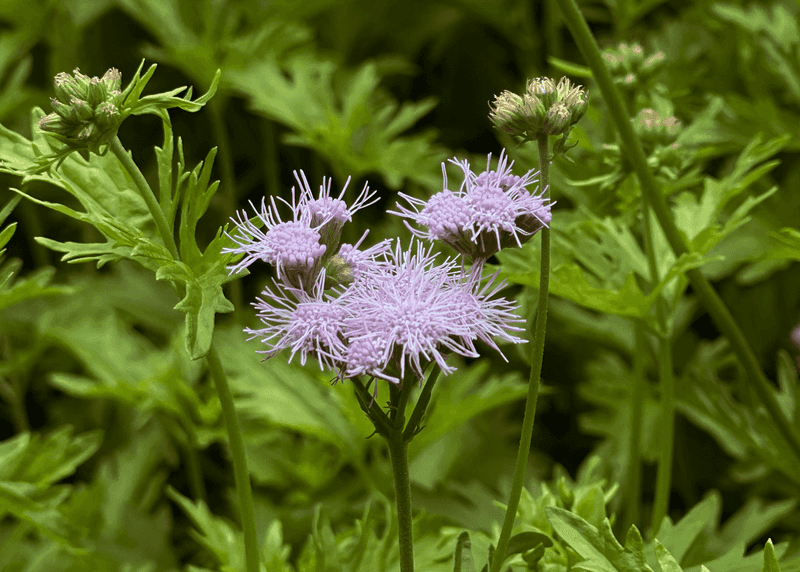
Few wildflowers in Texas put on a show quite like Gregg’s Mistflower. Its clusters of fuzzy blue-purple blooms look like tiny fireworks frozen in place.
From spring all the way through fall, this plant keeps on flowering, which means it keeps on attracting the right visitors.
Fireflies are drawn to moist, shaded areas near plants that support a rich insect community. Gregg’s Mistflower does exactly that.
It brings in butterflies, bees, and a whole crowd of small insects that firefly larvae feed on underground. More prey nearby means more fireflies lighting up your yard at night.
This plant also provides physical shelter. Its dense, leafy growth gives adult fireflies a cool and protected place to rest during the heat of the day.
Texas summers can be brutal, and fireflies need a shady retreat to stay comfortable. Gregg’s Mistflower delivers that naturally.
Growing this plant is surprisingly simple. It thrives in partial shade to full sun and prefers moist, well-drained soil.
It also spreads gently over time, filling in garden gaps without taking over. Plant it near a water feature or along a shaded fence line for the best results.
Gregg’s Mistflower is native to the Edwards Plateau and West Texas regions, making it well-adapted to local conditions. It rarely needs extra fertilizer or heavy maintenance.
Just give it a good start, and it will reward you season after season with color, life, and the soft glow of fireflies nearby.
2. Texas Sage
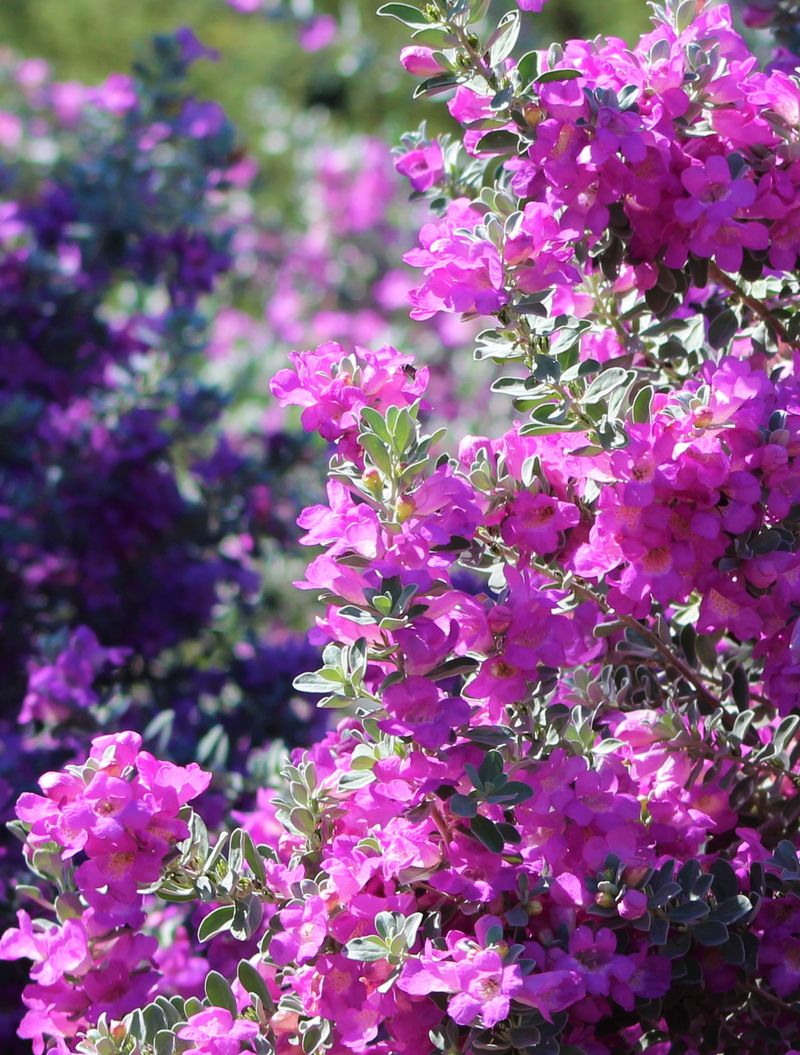
Walk past a Texas Sage shrub right after a summer rainstorm, and you will understand why locals call it the Barometer Bush.
It bursts into purple blooms almost immediately after rain, as if it is celebrating the moisture. That reliable blooming cycle makes it a standout in any Texas garden.
Your Texas Garden Changes Every Week. Your Plan Should Too.
Gardening in Texas changes quickly throughout the season. Every Friday you’ll receive a simple weekly plan showing exactly what to plant, prune, fertilize, harvest, and protect so you never miss the right timing.
For fireflies, dense shrubs like Texas Sage are like five-star hotels. The thick, silvery foliage creates cool, shaded pockets where adult fireflies can hide from the intense afternoon sun.
Fireflies are sensitive to heat and light during the day, so having a plant that offers genuine cover is a real advantage.
Texas Sage blooms from summer through fall, pulling in pollinators like bees and butterflies. Those insects contribute to the broader food web that firefly larvae depend on.
More insect activity in your yard creates a richer underground food source, which supports firefly populations across multiple seasons.
One of the best things about this plant is how tough it is. Texas Sage handles drought, poor soil, and full sun without complaint.
It rarely needs watering once established, making it one of the lowest-maintenance native shrubs available to Texas gardeners. It grows into a rounded shape between four and eight feet tall.
Plant Texas Sage along fences, property borders, or as a natural hedge. Pair it with other native flowering plants to create a layered habitat that supports fireflies at every stage of their life cycle.
Its silver leaves catch moonlight beautifully, adding a soft glow to your yard even before the fireflies arrive.
3. Coral Honeysuckle
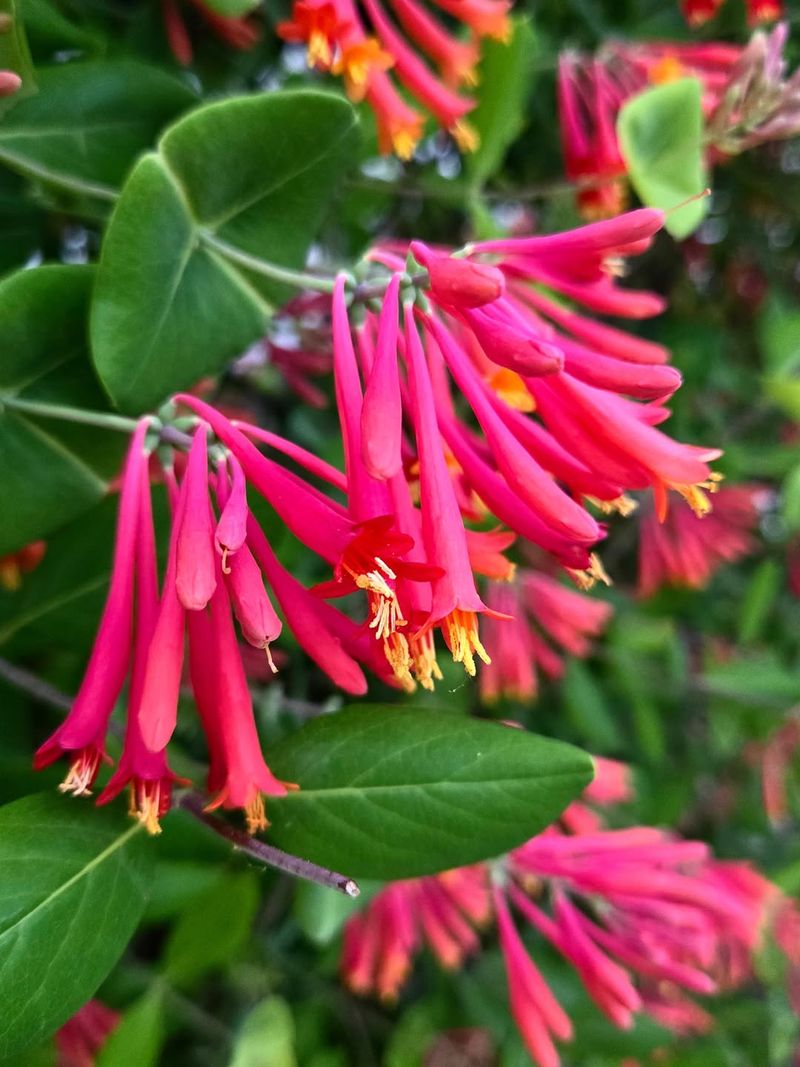
There is something undeniably cheerful about Coral Honeysuckle. Its bright red tubular flowers trumpet outward like tiny party horns, and they bloom from spring all the way into summer.
Hummingbirds adore it, but so do the many smaller pollinators that quietly go about their work beneath the surface of your garden.
Unlike the invasive Japanese Honeysuckle that can take over a yard, Coral Honeysuckle is a well-behaved native vine. It climbs trellises, fences, and arbors without smothering everything around it.
That makes it a smart choice for gardeners who want beauty without chaos. It is also non-toxic to pets and wildlife.
For fireflies, this vine is a goldmine of habitat. Its tangled, leafy growth creates shaded nooks where adult fireflies can rest safely during daylight hours.
The flowers attract a wide range of insects, expanding the local food web that firefly larvae rely on. A healthy insect community around your vine means a healthier firefly population overall.
Coral Honeysuckle grows well in partial shade to full sun and prefers moist, well-drained soil. It is drought-tolerant once established, though it does appreciate occasional watering during dry spells.
Prune it lightly after blooming to keep it tidy and encourage fresh growth. Planting this vine near a porch, garden gate, or fence line gives you a living curtain of red flowers that doubles as firefly habitat.
Combine it with native grasses or low-growing ground covers nearby to build a complete, layered environment that supports fireflies from spring through fall.
4. Wild Bergamot
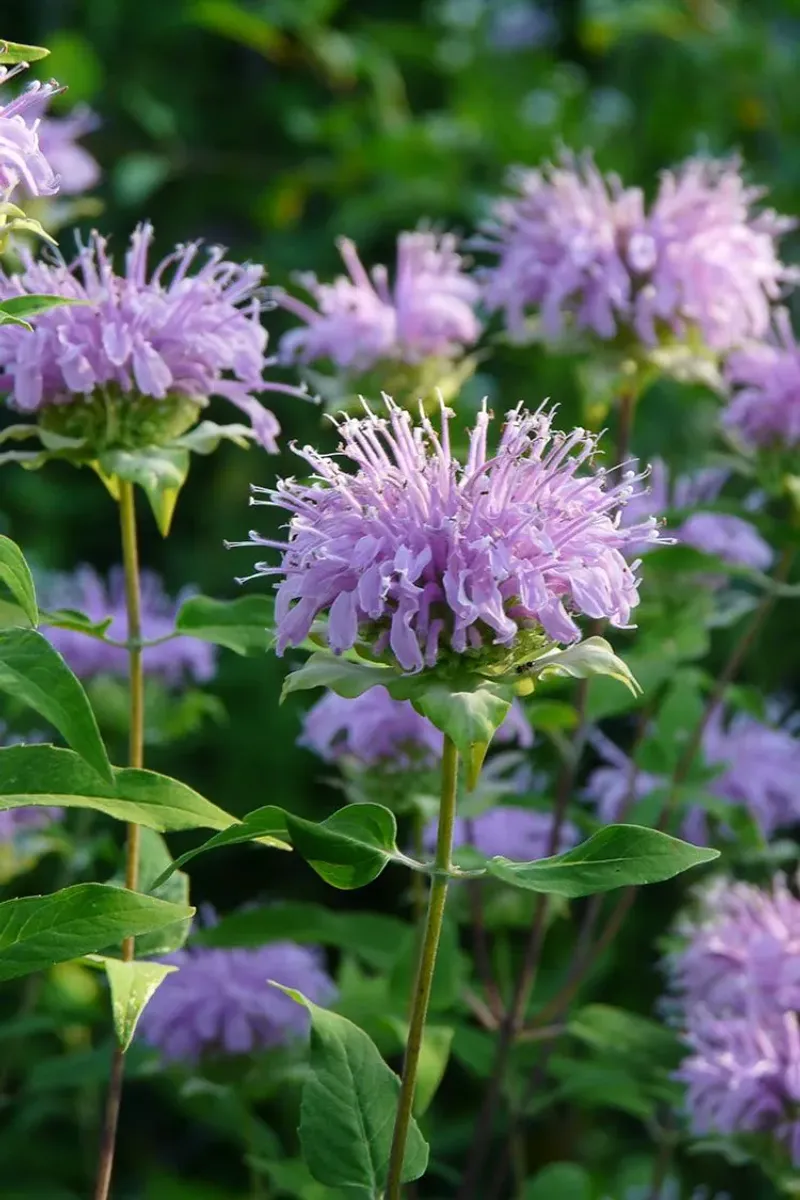
Wild Bergamot has a scent that stops you in your tracks. Rub a leaf between your fingers, and you get a sharp, oregano-like fragrance that has been used in folk remedies for centuries.
But beyond its aromatic charm, this plant is a powerhouse for attracting pollinators and supporting firefly habitat in Texas gardens.
The lavender-pink blooms appear from mid- to late summer, filling a gap when many other native plants have finished flowering. Bees, butterflies, and moths flock to Wild Bergamot in impressive numbers.
All of that insect activity creates a thriving underground food chain. Firefly larvae are predators that feed on slugs, snails, and soft-bodied insects in the soil, so a plant that draws in diverse insect life is incredibly valuable.
Wild Bergamot grows two to four feet tall and spreads slowly through underground rhizomes. It forms attractive clumps that fill out a garden bed beautifully over time.
The plant prefers full sun to light shade and does well in dry to moderately moist soil, making it a natural fit for many Texas landscapes.
Did you know Wild Bergamot is closely related to the herb oregano? That shared family trait explains its powerful scent and natural pest-resistance.
Deer tend to avoid it, which means less browsing damage and more flowers for pollinators and firefly-supporting insects to enjoy.
Plant it in open garden beds or along sunny borders. Group several plants together for maximum visual impact and to create a buzzing hub of activity that draws fireflies in from the surrounding area throughout the summer months.
5. Mealy Blue Sage
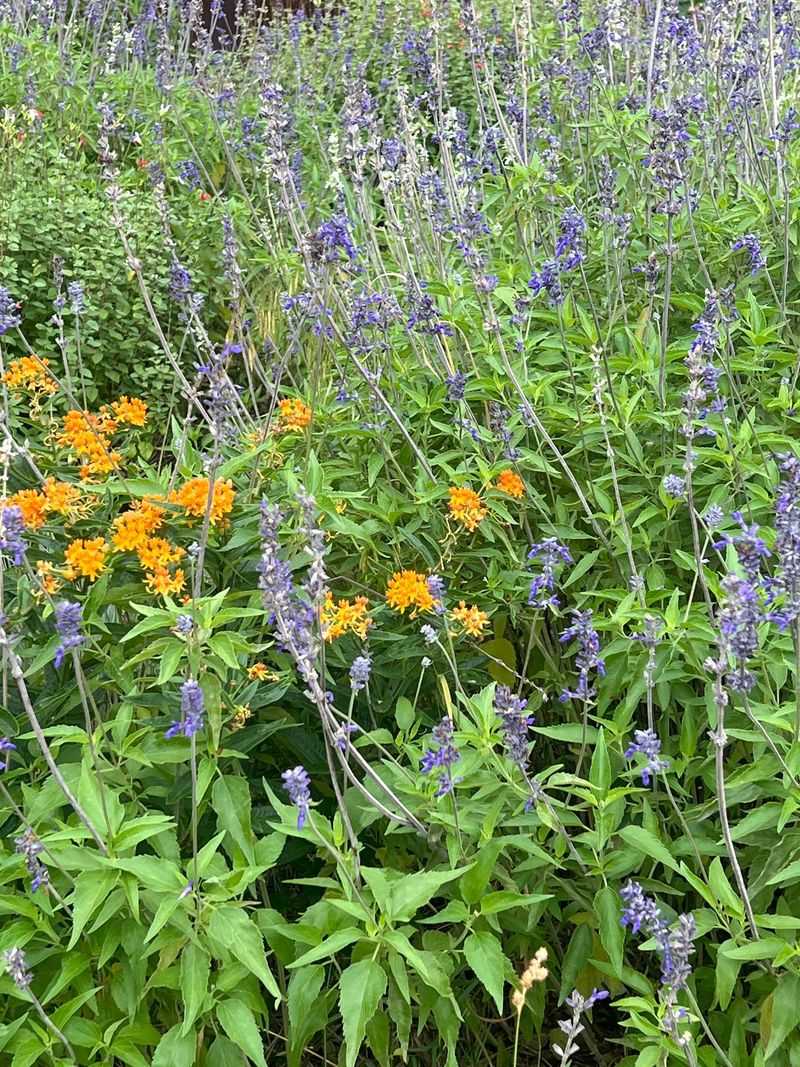
If you want a plant that practically runs itself, Mealy Blue Sage might be your new best friend in the garden. Its tall, slender spikes of powdery blue-purple flowers shoot up from late spring and keep blooming straight through fall.
That is a remarkably long season of color and ecological value packed into one compact plant.
The name “mealy” comes from the white, flour-like coating on the flower calyxes. It gives the blooms a soft, dusty look that is unique among Texas natives.
Bees absolutely love it, and you will often see them working the flowers from early morning until dusk. That pollinator activity feeds the broader insect community that firefly larvae depend on for food.
Mealy Blue Sage also provides excellent ground-level cover. Its bushy, low-growing habit creates shaded patches of soil that stay cooler and slightly more moist than the surrounding area.
Fireflies spend much of their lives underground as larvae, and they prefer cool, damp soil environments. Having plants that shade the soil directly helps maintain those conditions.
This plant thrives in full sun and handles heat and drought with impressive resilience. It grows one to three feet tall and works well in borders, rock gardens, and naturalized areas.
Deadhead spent flowers regularly to encourage continuous blooming throughout the season.
Pairing Mealy Blue Sage with taller native grasses or shrubs creates a layered habitat that offers fireflies shelter at multiple heights.
It is also a favorite among monarch butterflies during their fall migration, adding another layer of ecological importance to this already impressive native plant.
6. Autumn Sage (Salvia greggii)
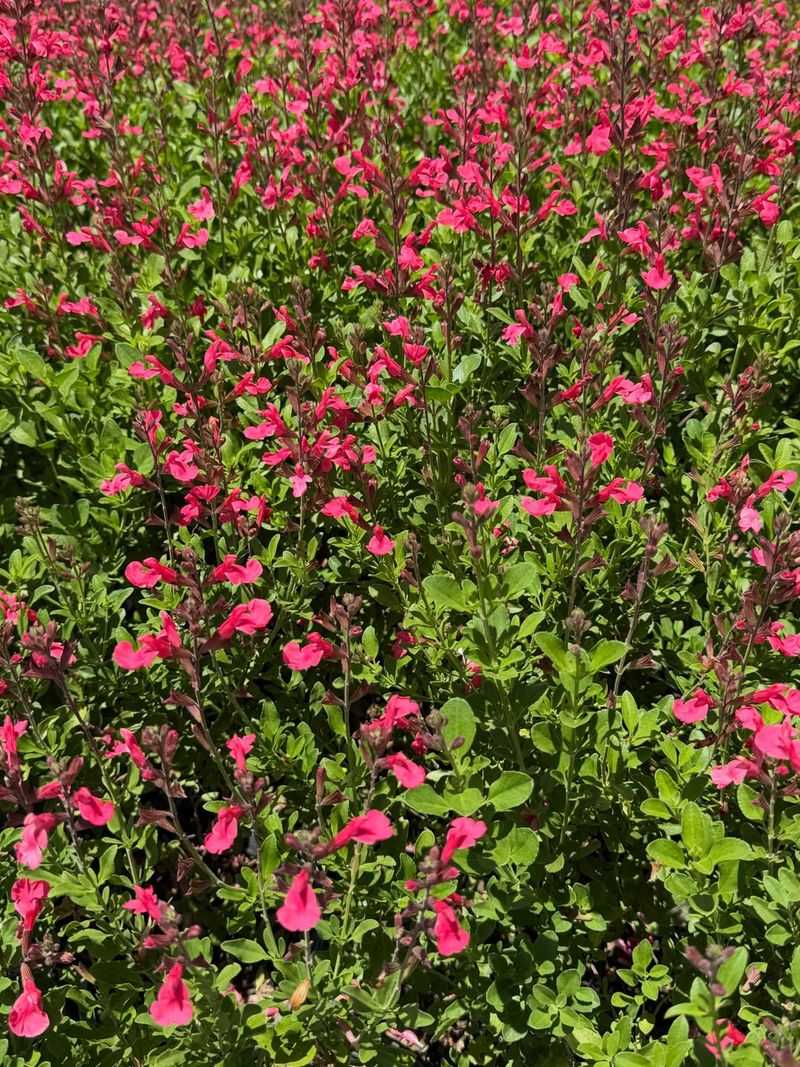
Autumn Sage earns its place in every Texas garden through sheer toughness and non-stop color. While other plants slow down as summer heats up, this compact shrub just keeps going.
Red, pink, and purple blooms appear from spring through fall, making it one of the longest-blooming native plants in the state.
Hummingbirds and bees are regulars at Autumn Sage, drawn in by those bright tubular flowers. But the real firefly benefit comes from the structure of the plant itself.
Its dense, woody stems and leafy canopy create cool, protected pockets at ground level. Adult fireflies look for exactly this kind of shady refuge during the day, and Autumn Sage delivers it reliably.
Because Autumn Sage is both heat-tolerant and drought-resistant, it creates sustainable habitat without requiring constant irrigation. Overwatering a Texas garden can actually harm firefly populations by disrupting soil conditions.
A plant that thrives with minimal water helps maintain the right balance of moisture and drainage that fireflies need in their larval stage underground.
This plant grows one to three feet tall and wide, making it a flexible fit for containers, rock gardens, borders, and naturalized areas. It handles full sun and poor, rocky soil without missing a beat.
Prune it back lightly in late winter to encourage a fresh flush of growth and blooms in spring.
Autumn Sage was named for the botanist Josiah Gregg, who explored the American Southwest in the 1800s. Planting it connects your garden to a long history of Texas botanical discovery, while giving fireflies a modern-day home they can count on.
7. Winecup
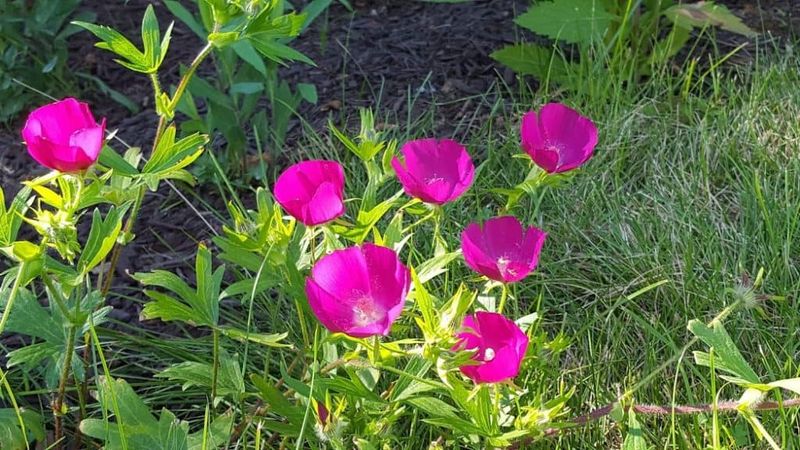
Sprawling low across the ground like a living quilt, Winecup is one of the most eye-catching native plants in Texas. Its magenta, cup-shaped blooms are a deep, saturated color that almost looks unreal.
And once you plant it, it comes back year after year from a deep taproot that laughs at drought and heat.
Winecup blooms from early spring through summer, covering the ground in a carpet of color that attracts bees, butterflies, and a variety of beneficial insects. All of that pollinator traffic adds to the insect diversity in your yard, which is exactly what firefly larvae need.
They hunt soft-bodied prey in the soil, and a yard rich with insect life gives them plenty of options.
As a low-growing ground cover, Winecup plays a role that taller plants simply cannot. It shades the soil surface directly, keeping it cooler and slightly more moist.
That matters a lot for fireflies, which spend the majority of their lives as larvae living underground. Cool, shaded, slightly damp soil is prime firefly real estate.
Winecup spreads outward rather than upward, reaching two to three feet wide while staying just six to twelve inches tall.
It fits beautifully along garden borders, rock walls, and sloped areas where erosion can be a problem. Its deep taproot makes it nearly impossible to wash away once established.
Plant Winecup in full sun with well-drained soil, and then mostly leave it alone. It does not need much fussing.
That low-maintenance personality, combined with its ecological value, makes it a standout choice for any Texas firefly garden.