The Only Plant You Need In Texas Yard To Keep Mosquitos Away
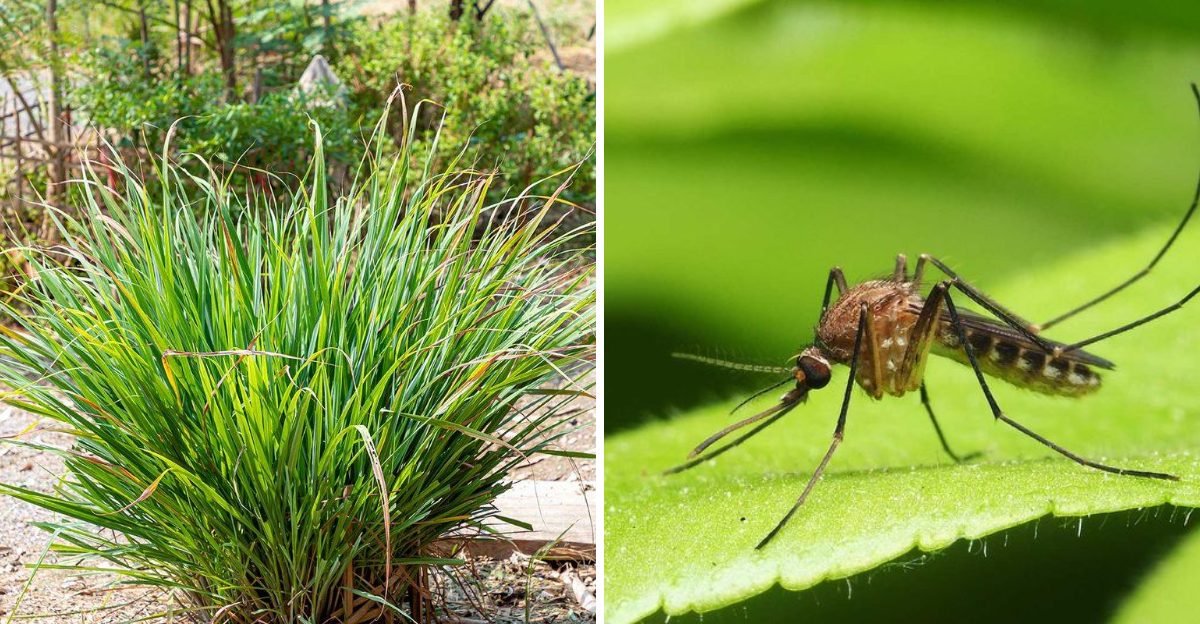
Mosquitoes in Texas are not just annoying. They are relentless. From the moment the weather warms up, they take over backyards, patios, and outdoor spaces like they pay rent.
Most people fight back with sprays, candles, foggers, and all kinds of products that work for maybe twenty minutes before the mosquitoes come right back like nothing happened.
But what if one plant could genuinely change that? There is a single plant that has earned a serious reputation for keeping mosquitoes away, and Texas happens to be one of the best places in the country to grow it.
It thrives in the heat, loves the sun, and comes back strong season after season. No complicated maintenance routine. No expensive treatments. Just a plant doing what it naturally does best.
And what it does best is produce powerful natural compounds that mosquitoes absolutely cannot stand. The same compounds that smell wonderful to humans smell like a warning sign to every mosquito in the area.
One plant, planted in the right spot, could make your entire outdoor experience this summer a whole lot more enjoyable.
1. Meet Lemongrass
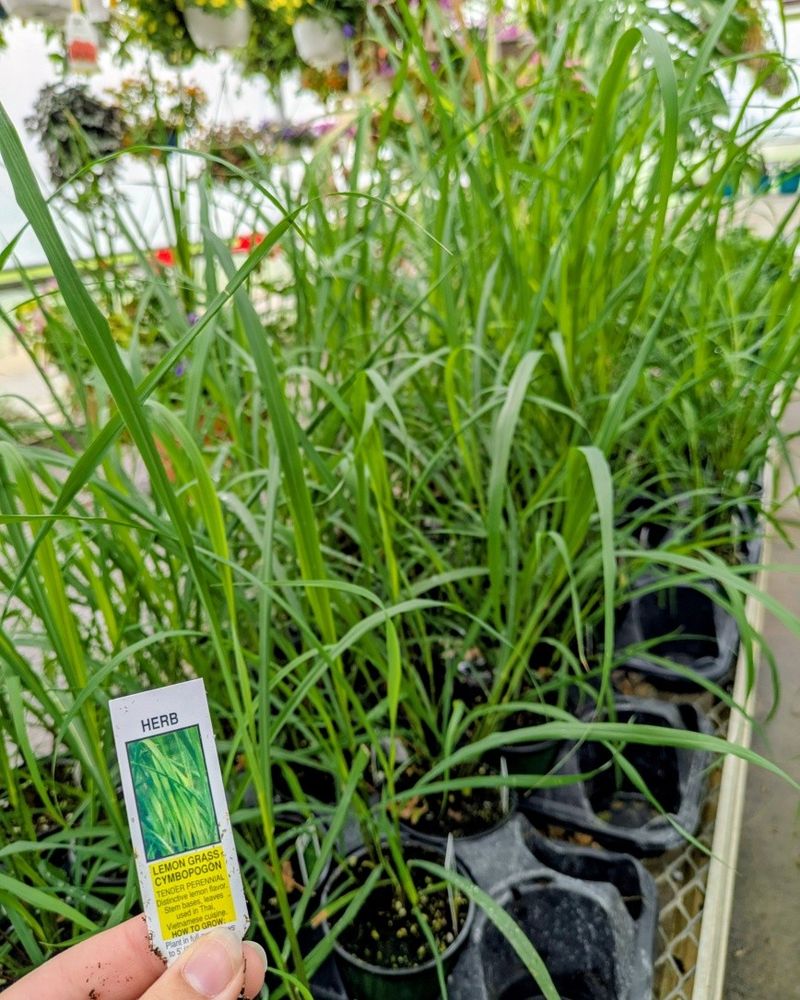
Picture a plant that smells like fresh lemon, grows tall and lush, and quietly keeps mosquitoes away while you enjoy your backyard. That plant is lemongrass, and it might just become your new favorite garden addition.
Scientifically known as Cymbopogon citratus, lemongrass is a tropical grass that originally comes from South and Southeast Asia. It has been used for centuries in cooking, medicine, and natural pest control.
Lemongrass grows in thick clumps and can reach heights of three to five feet. The long, slender blades have a soft blue-green color that adds a beautiful texture to any garden space.
When you brush against the leaves or crush them gently, they release a fresh, citrusy scent that is instantly recognizable. That fragrance is not just pleasant for people. It is actually what keeps mosquitoes and other flying insects at a distance.
Texas gardeners have fallen in love with lemongrass for more reasons than one. It fits naturally into both formal garden designs and casual backyard setups.
You can plant it as a border, a focal point, or even in a large decorative pot on your porch. The plant also pairs well with native Texas plants, creating a layered, natural look that feels intentional and inviting.
Beyond its mosquito-repelling powers, lemongrass is widely used in Thai, Vietnamese, and Caribbean cooking. The stalks add a bright, citrusy flavor to soups, teas, and grilled meats.
So when you plant lemongrass in your Texas yard, you are getting a two-for-one deal. It is a natural bug barrier and a fresh ingredient ready to harvest whenever you need it.
2. Natural Mosquito Repellent
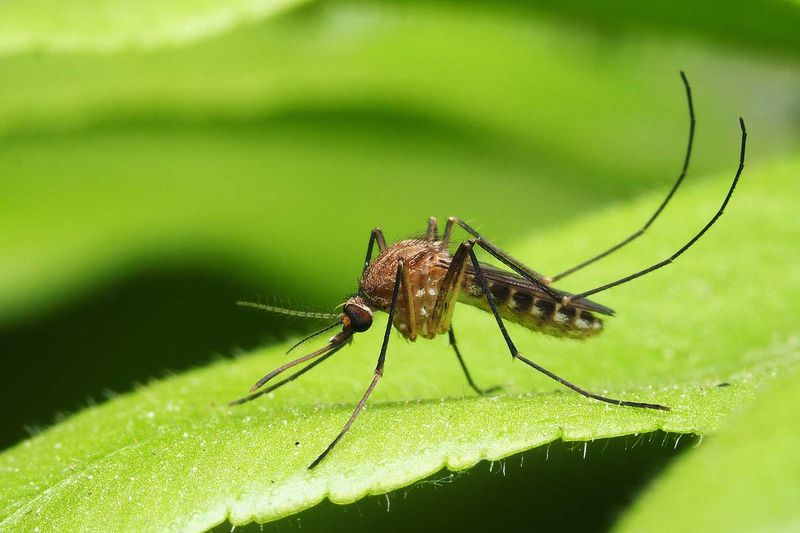
Here is a fun fact most people do not know: citronella, the active ingredient found in most mosquito-repelling candles and sprays, actually comes from lemongrass.
Specifically, it comes from the essential oil extracted from Cymbopogon nardus and Cymbopogon citratus, the very plant we are talking about.
Your Texas Garden Changes Every Week. Your Plan Should Too.
Gardening in Texas changes quickly throughout the season. Every Friday you’ll receive a simple weekly plan showing exactly what to plant, prune, fertilize, harvest, and protect so you never miss the right timing.
So instead of buying citronella candles every summer, you can grow the real thing right in your yard.
Mosquitoes rely heavily on their sense of smell to find their targets. They are attracted to the carbon dioxide humans exhale and the natural scents our bodies produce.
Citronella oil interferes with these signals. It essentially masks the smells that mosquitoes use to locate people, making it much harder for them to zero in on you and your family.
Planting lemongrass strategically around your outdoor spaces makes a noticeable difference in mosquito activity. Place clusters near seating areas, along pathways, and around the edges of your patio or deck.
The more lemongrass you have in a given area, the stronger the natural barrier becomes. You can also brush the leaves gently before sitting outside to release more of the citronella oil into the air.
Unlike chemical repellents, lemongrass is completely safe around children and pets when used as a garden plant. It does not involve sprays, fumes, or harsh ingredients.
The plant simply does its job by existing and releasing its natural fragrance into the surrounding air.
For Texas homeowners who want a cleaner, more natural approach to outdoor living, lemongrass is one of the smartest plants you can add to your landscape this season.
3. Thrives In Texas Heat
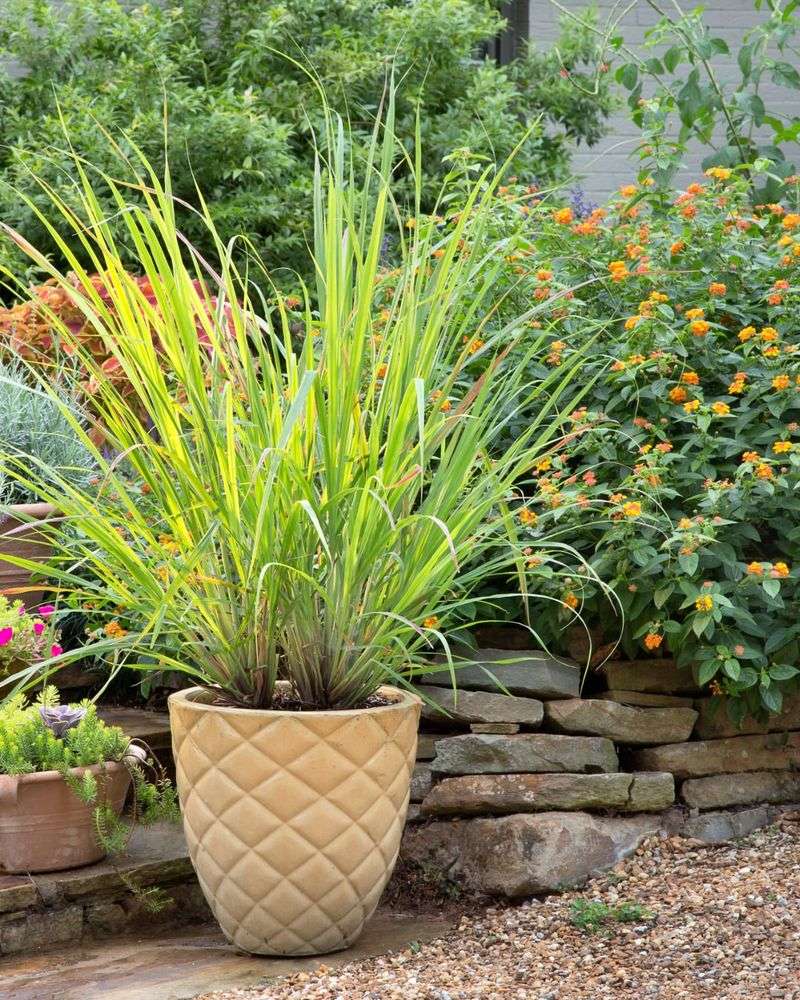
Texas summers are no joke. Temperatures regularly climb above 100 degrees Fahrenheit, and the sun beats down for hours each day.
Many plants struggle to survive those conditions, but lemongrass absolutely loves them. This tough tropical grass was built for heat, and it performs at its best when the weather is hot and sunny.
Once lemongrass is established in your garden, it becomes surprisingly drought-tolerant. During those long stretches of dry Texas weather, the plant draws on its deep root system to stay healthy without needing constant watering.
New gardeners often worry about keeping plants alive through summer, but lemongrass takes a lot of that stress away. It is genuinely one of the easier plants to maintain in a hot climate.
Full sun is where lemongrass truly shines. Give it at least six to eight hours of direct sunlight per day, and it will reward you with fast, vigorous growth.
The more sun it gets, the taller and more fragrant it becomes. That is great news for Texas homeowners who have open, sunny yards with few shady spots.
Lemongrass also handles Texas soil fairly well. It adapts to a range of soil types, from sandy to clay-heavy, as long as there is decent drainage.
If your yard has heavy clay soil, mixing in some compost before planting will help the roots settle in more comfortably. Growth really picks up in late spring and continues strong through the hottest months of the year.
By mid-summer, a well-placed lemongrass clump can become a dramatic, eye-catching feature in your landscape that also keeps the bugs away.
4. Easy To Grow In Containers Or Beds
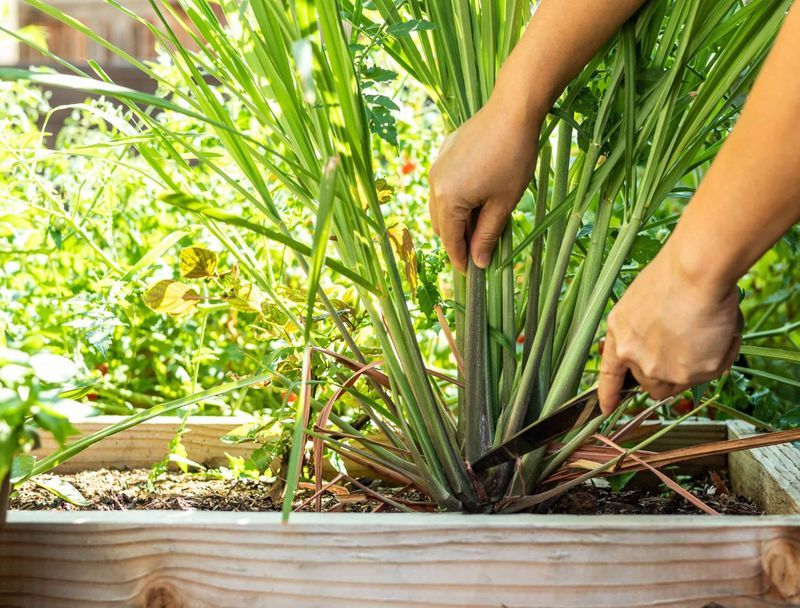
One of the best things about lemongrass is how flexible it is when it comes to where you can grow it. Not everyone has a big backyard with open garden beds.
Some people have small patios, apartment balconies, or mostly paved outdoor spaces. Luckily, lemongrass grows beautifully in containers, making it accessible for just about any living situation in Texas.
When growing lemongrass in a pot, choose a large container, at least 12 to 15 inches wide and deep. This gives the roots enough space to spread out and the plant enough room to grow tall and full.
Use a good quality potting mix with excellent drainage, and place the pot in the sunniest spot you have. Container-grown lemongrass can be moved around easily, which is handy when you want to position it right where mosquitoes tend to gather.
For those with garden beds, lemongrass works wonderfully as a border plant or a standalone clump in a sunny corner. It fills in quickly and creates a lush, tropical look that softens the edges of pathways and fences.
Raised beds are another great option, especially if your native soil has poor drainage or heavy clay content.
Maintenance is refreshingly simple. Water lemongrass regularly when it is young and getting established.
Once it has settled in, you can scale back to watering only during dry spells. Trim back any brown or dry outer blades to keep the plant looking tidy.
Dividing the clumps every year or two keeps them from getting too large and encourages fresh, healthy growth. With minimal effort, lemongrass stays productive and beautiful season after season.
5. Culinary And Aromatic Uses
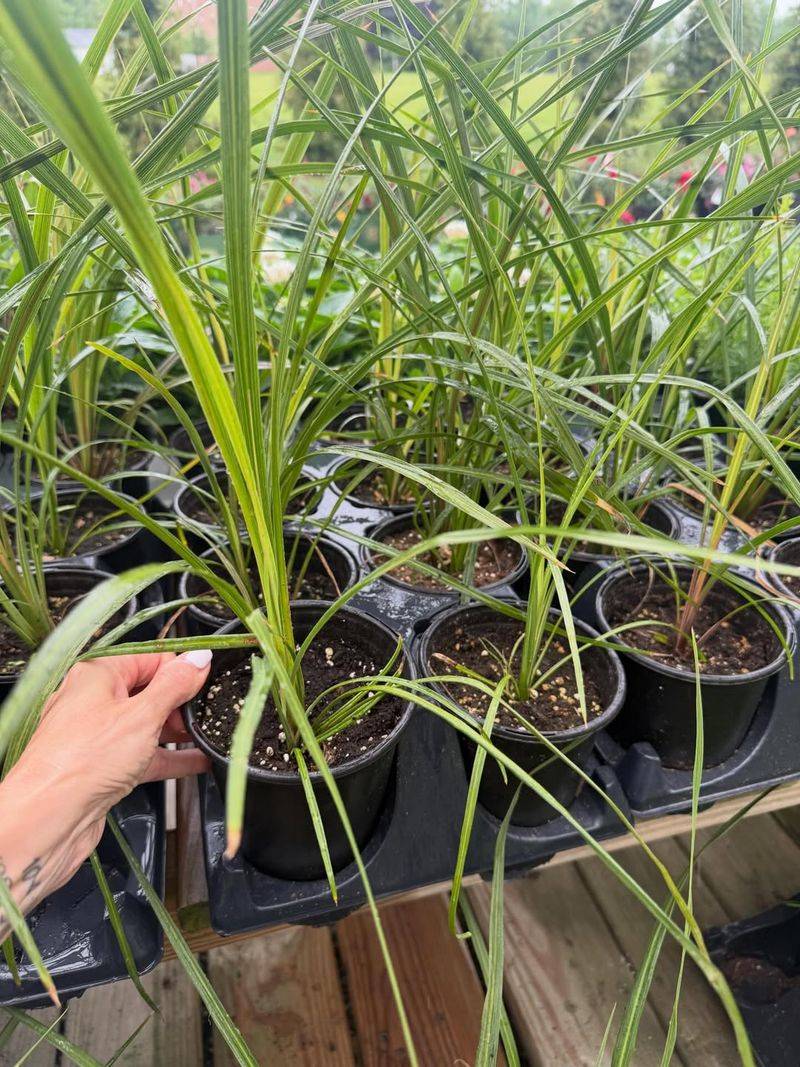
Lemongrass is not just a pretty plant with bug-repelling skills. It is also a genuine kitchen ingredient that home cooks have treasured for generations.
The thick, woody stalks at the base of the plant are packed with a bright, citrusy flavor that works beautifully in a wide range of dishes. If you enjoy cooking, having lemongrass growing right outside your door is a real treat.
In the kitchen, lemongrass is most commonly used in soups and broths. It is a key ingredient in Thai tom yum soup and Vietnamese pho, adding a fragrant, slightly floral citrus note.
You can also muddle the stalks into marinades for chicken, shrimp, or fish, or steep them in hot water to make a soothing herbal tea. Just bruise the stalk by bending or lightly crushing it before adding it to your dish to release the oils inside.
Beyond cooking, lemongrass adds a wonderful aromatic quality to outdoor garden spaces. When the wind moves through the tall blades, it releases a gentle citrus scent that drifts across patios and garden seating areas.
This makes the space feel fresh and inviting, not just for people but for pets who enjoy lounging outside too. Cats, in particular, seem drawn to the plant’s scent without it causing them any harm.
You can also dry lemongrass leaves and use them in homemade potpourri or sachets to freshen up indoor spaces. The fragrance lingers nicely even after drying.
Whether you are cooking dinner, sipping tea, or just relaxing in your yard, lemongrass brings a sensory richness that few other plants can match in both function and fragrance.
6. Planting Tips For Maximum Effect
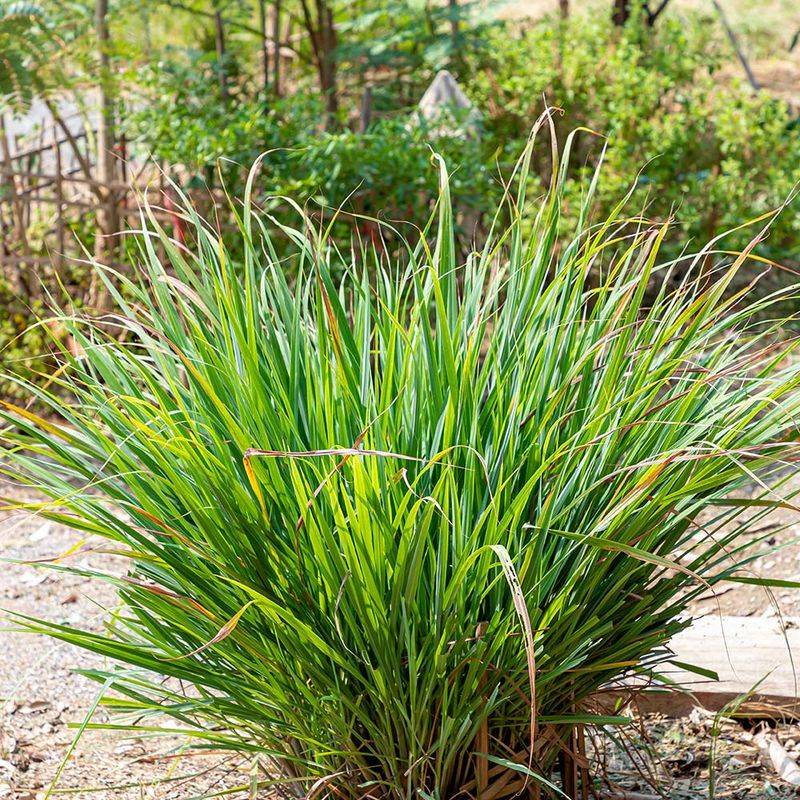
Getting the most out of your lemongrass starts with smart planting choices. Location matters more than most people realize.
To create an effective natural mosquito barrier, plant lemongrass in groups or clusters rather than spacing individual plants far apart.
Three to five plants grouped together create a much stronger scent wall than a single plant placed here and there around the yard.
Focus your planting efforts on high-traffic outdoor areas. Around your patio furniture, near the back door, along pathways you walk frequently, and beside any outdoor seating or dining areas are all ideal spots.
The goal is to surround the spaces where you spend the most time with the fragrance that mosquitoes find so off-putting. Even placing a large pot of lemongrass directly beside a chair or table can make a noticeable difference on a summer evening.
Pairing lemongrass with other mosquito-unfriendly plants boosts the overall effect and adds variety to your garden. Lavender, basil, and marigolds are all great companions that contribute their own natural pest-deterring scents.
Mixing these with lemongrass also increases your garden’s biodiversity, which is good for pollinators and overall soil health.
As cooler weather arrives in late fall, lemongrass needs a little extra attention in Texas. In most parts of the state, a light frost can damage or wipe out plants that are left unprotected.
Cut the foliage back to about six inches from the ground and mulch heavily around the base to insulate the roots.
If you are growing lemongrass in containers, simply bring the pots indoors to a sunny window or garage until spring returns. With just a little seasonal care, your lemongrass will come back stronger every year.