This Pennsylvania Invasive Insect Is Spreading Through Neighborhoods Faster Than Most Experts Predicted
Something has been showing up on backyard trees, patio furniture, and garden walls across Pennsylvania, and it is hard to miss once you know what you are looking at.
The spotted lanternfly made its Pennsylvania debut back in 2014 and has been making itself at home ever since, spreading through neighborhoods at a pace that has genuinely caught a lot of people off guard.
These insects are colorful, which almost makes them seem friendly until you find out what they are actually doing to your plants.
They feed on a wide range of species, leave sticky residue behind on everything they touch, and have a remarkable talent for hitching rides on outdoor furniture, vehicles, and garden equipment.
Understanding how spotted lanternfly moves through a neighborhood is honestly one of the more useful things a Pennsylvania homeowner can know right now.
1. Spotted Lanternfly First Appeared In Pennsylvania
Back in 2014, Berks County, Pennsylvania became the first confirmed location in the United States where spotted lanternfly was found established in the wild.
That single county detection set off years of monitoring, public education, and spread-tracking efforts across the state.
Pennsylvania quickly became ground zero for understanding how this insect behaves in North American landscapes.
Originally from Asia, spotted lanternfly likely arrived through international trade, possibly on stone or plant material carrying undetected egg masses.
Once established, the insect found Pennsylvania’s mix of suburban neighborhoods, wooded edges, and agricultural land to be a welcoming environment.
Tree-of-heaven, an invasive tree that grows along roadsides and fence lines throughout the state, gave the insect a reliable food source almost everywhere it landed.
Since that first detection, spotted lanternfly has expanded well beyond Berks County and now covers a large portion of Pennsylvania.
Homeowners in many counties have gone from never hearing about this insect to finding it on their backyard trees, decks, and garden plants within just a few seasons.
Recognizing its appearance early is one of the most helpful things a Pennsylvania resident can do, since spotting it quickly gives communities a better chance to slow its movement into new areas.
2. Egg Masses Hitchhike On Everyday Items
Patio furniture sitting outside all fall and winter can become a hidden carrier for spotted lanternfly without the homeowner ever realizing it.
Female spotted lanternflies lay their egg masses on almost any flat, hard surface, including chairs, tables, stone pavers, firewood stacks, vehicles, and even outdoor grills.
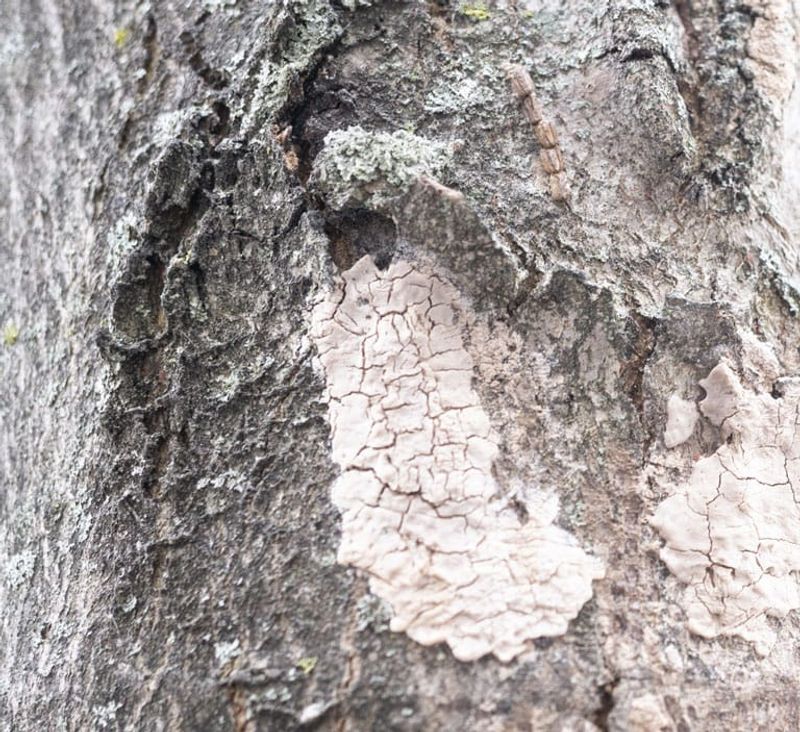
The egg masses look like small patches of dried mud or cracked gray putty, which makes them easy to overlook during a quick glance around the yard.
Each egg mass can hold around 30 to 50 eggs arranged in neat rows beneath that grayish coating. When those eggs hatch in spring, the young insects are ready to start feeding on nearby plants right away.
The problem is that if those egg masses were laid on something that got loaded into a truck or moved to a new location before spring, the hatch happens somewhere entirely new.
This kind of human-assisted movement is one of the main reasons spotted lanternfly has shown up in areas of Pennsylvania that are far from where it was previously detected.
Your Pennsylvania Garden Changes Every Week. Your Plan Should Too.
Gardening in Pennsylvania changes quickly throughout the season. Every Friday you’ll receive a simple weekly plan showing exactly what to plant, prune, fertilize, harvest, and protect so you never miss the right timing.
Checking outdoor furniture, garden decor, camping gear, and vehicles before moving them is a practical habit worth building.
Scraping egg masses into a bag with hand sanitizer or rubbing alcohol is a commonly recommended way to address them when found on surfaces around your home.
3. Tree-Of-Heaven Gives Them A Favorite Host
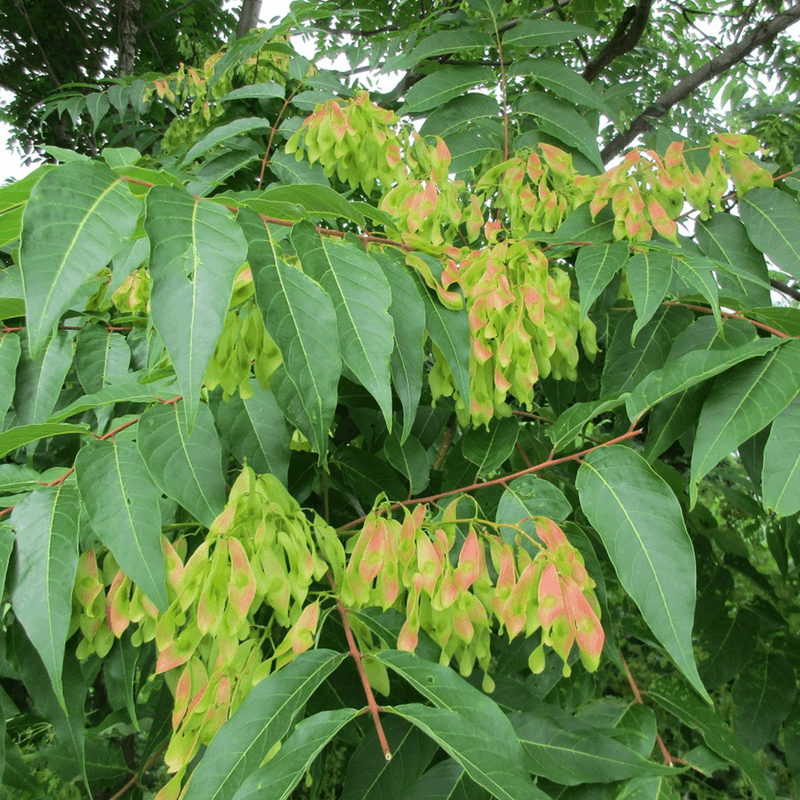
Along almost every highway exit, railroad track, and vacant lot in Pennsylvania, tree-of-heaven grows in thick clusters that most people have walked past hundreds of times without knowing its name.
This fast-growing invasive tree, originally from China, has spread widely across the eastern United States, and it happens to be one of spotted lanternfly’s most preferred hosts.
The combination of these two invasive species sharing the same landscape has made management more complicated for homeowners and land managers alike.
Spotted lanternfly feeds on the sap of tree-of-heaven throughout much of its life cycle, and large groups of adults often gather on these trees in late summer and early fall.
If your yard backs up to a fence line or wooded edge where tree-of-heaven grows, there is a reasonable chance spotted lanternfly will find its way into your landscape.
The insect does not limit itself to tree-of-heaven, though, and has been observed feeding on grapevines, fruit trees, hops, maples, black walnut, and many other plants.
Managing tree-of-heaven on your property, when practical and done through appropriate methods, may reduce the number of spotted lanternfly adults that settle near your home.
Local extension resources in Pennsylvania can provide guidance on how to approach tree-of-heaven removal in a way that does not accidentally encourage more aggressive regrowth from the roots.
4. Young Nymphs Move Through Neighborhood Plants
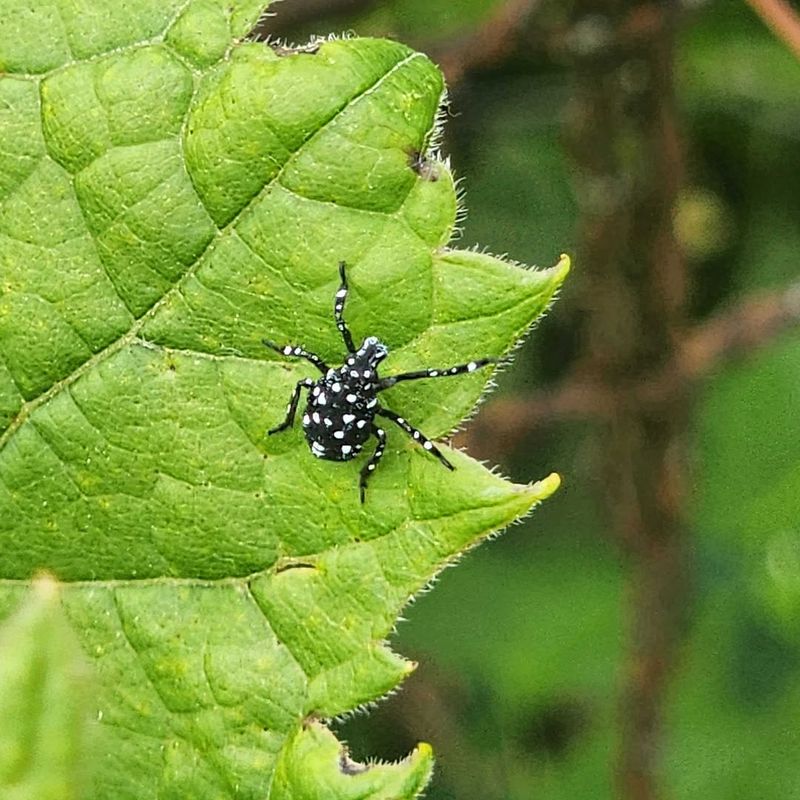
Watching a spotted lanternfly nymph move through a garden is a bit like watching a tiny, high-contrast beetle make its way across everything it can reach. Early-stage nymphs are small, black with white spots, and they emerge in spring ready to feed.
As the season progresses, they develop red patches alongside those white spots before eventually molting into adults in late summer.
Young nymphs tend to feed on a wider range of plants than adults typically prefer, which means they can show up on garden vegetables, ornamental shrubs, and backyard trees that you might not expect.
Roses, hops, grapes, and various fruit trees have all been reported as feeding sites for nymphs moving through Pennsylvania residential landscapes.
They move quickly when disturbed, jumping or scurrying to nearby vegetation, which makes them harder to catch and easier to overlook.
Pennsylvania homeowners who spend time in their gardens during late spring and early summer are often the first to notice nymph activity in their neighborhoods.
Checking the undersides of leaves and along plant stems is a helpful habit during this period.
While nymphs are less likely than adults to be moved by human activity, they can still hitchhike on potted plants, garden tools, or cut branches that get transported from one yard or property to another without a careful inspection beforehand.
5. Adults Cluster On Trees, Decks, And Walls
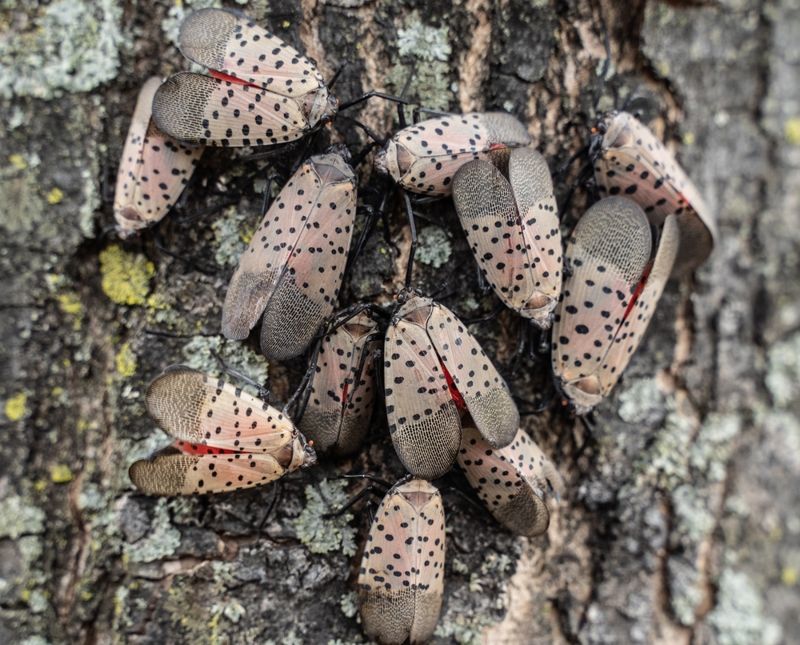
Neighbors across Pennsylvania have described late summer evenings where their deck railings, siding, and backyard trees suddenly seemed covered in spotted lanternflies.
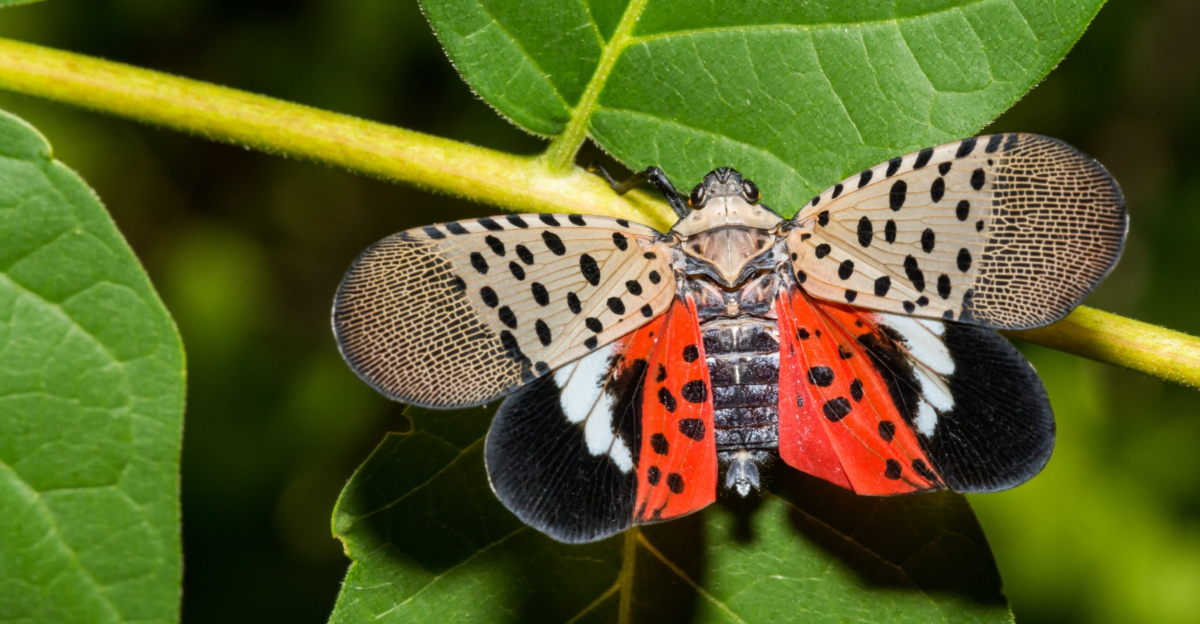
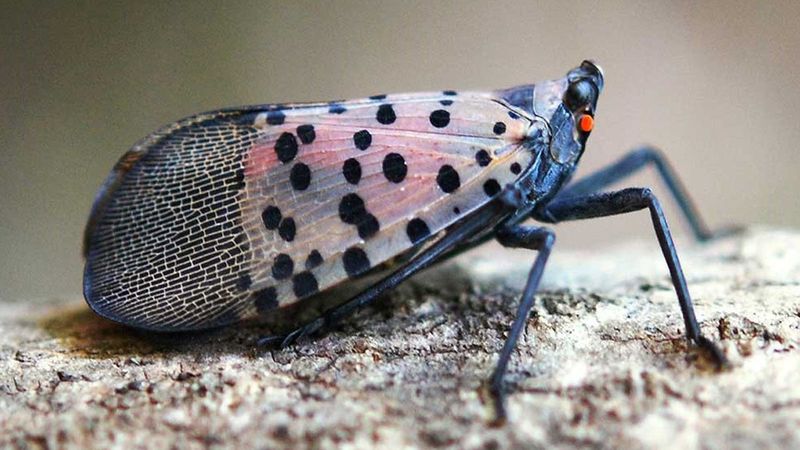
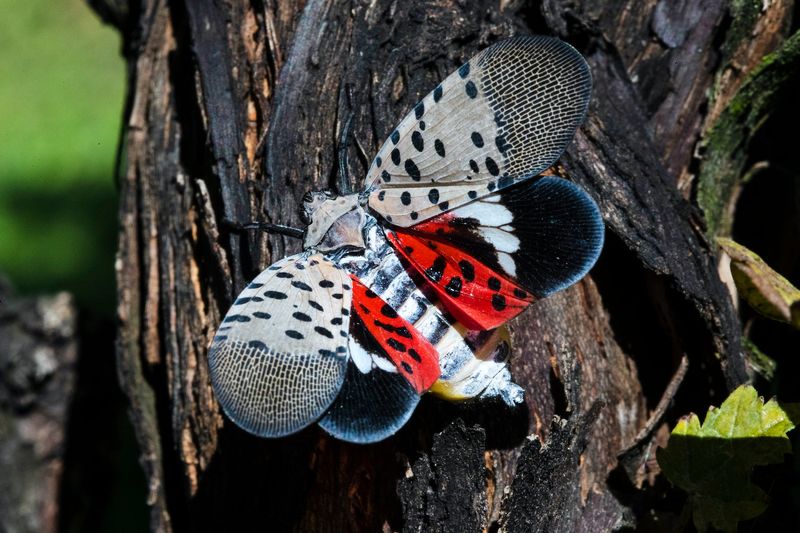
Adult spotted lanternflies are striking insects with grayish forewings covered in black spots and bright red hindwings that flash when they take flight.
They become especially noticeable from late July through the first hard frost, when large groups gather on trees, structures, and outdoor furniture to feed.
This clustering behavior is one of the most visually alarming things about spotted lanternfly for homeowners who encounter it for the first time.
A single tree in a Pennsylvania yard can attract dozens or even hundreds of adults during peak season.
They tend to congregate on the lower trunk and branches of trees, often moving up and down the bark as they feed on sap through their piercing mouthparts.
Decks and walls near host trees can also become resting spots, especially in the evenings.
While the insects are not harmful to people and do not sting or bite, their sheer numbers and the mess they leave behind can make outdoor spaces feel uncomfortable to use.
Keeping an eye on ornamental trees, fruit trees, and grapevines in the yard during late summer is a practical way to gauge how much adult activity is happening on your Pennsylvania property each season.
6. Honeydew Leaves Sticky Surfaces Behind
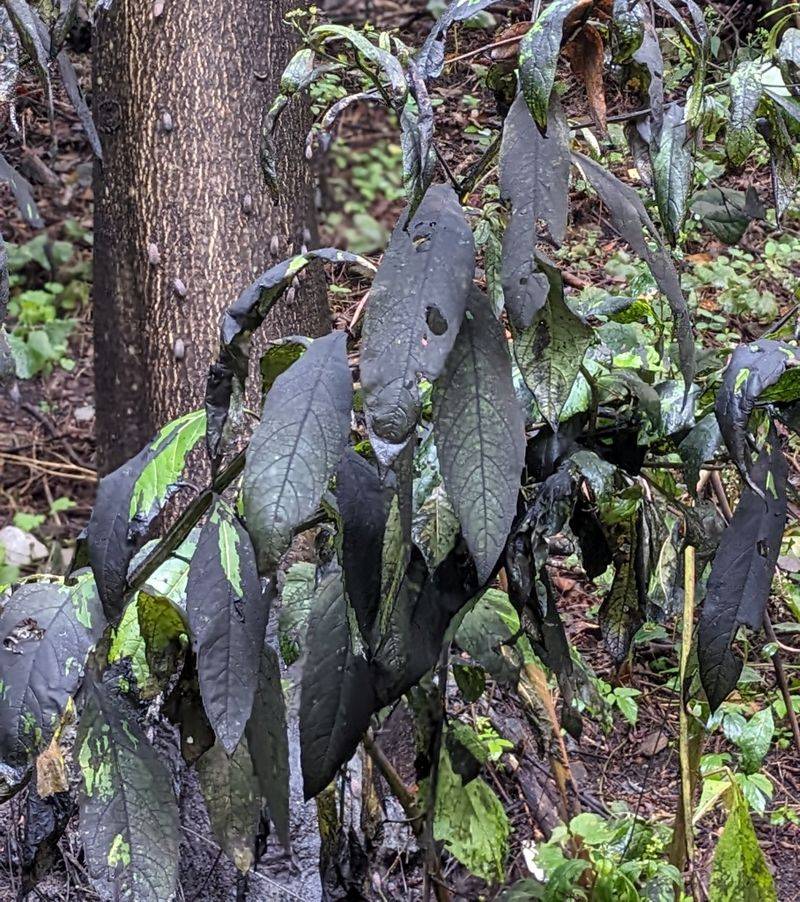
One of the first signs that spotted lanternfly has been feeding heavily in a yard is often not the insect itself but the mess it leaves behind.
As spotted lanternflies feed on plant sap, they excrete a sugary liquid called honeydew, which drips down onto leaves, branches, outdoor furniture, and anything else sitting beneath an infested tree.
The residue feels sticky to the touch and can coat surfaces quickly when large numbers of insects are feeding overhead.
Over time, honeydew creates conditions that encourage a black fungus called sooty mold to develop on affected surfaces.
Sooty mold does not directly harm most plants on its own, but a heavy coating can reduce the amount of sunlight reaching leaves, which may affect the plant’s overall health during the growing season.
The mold also makes outdoor spaces look neglected and can be frustrating to clean off furniture, railings, and hardscape surfaces.
The sticky, sweet nature of honeydew also attracts other insects, including wasps, bees, and ants, which can make spending time near heavily infested trees less pleasant during peak season.
Pennsylvania homeowners sometimes notice this secondary insect activity before they spot the lanternflies themselves.
Checking for sticky residue on patio surfaces and the undersides of tree canopies is a useful way to identify potential feeding sites even when adults are not immediately visible on the bark or branches above.
7. Vineyards And Fruit Crops Remain At Risk
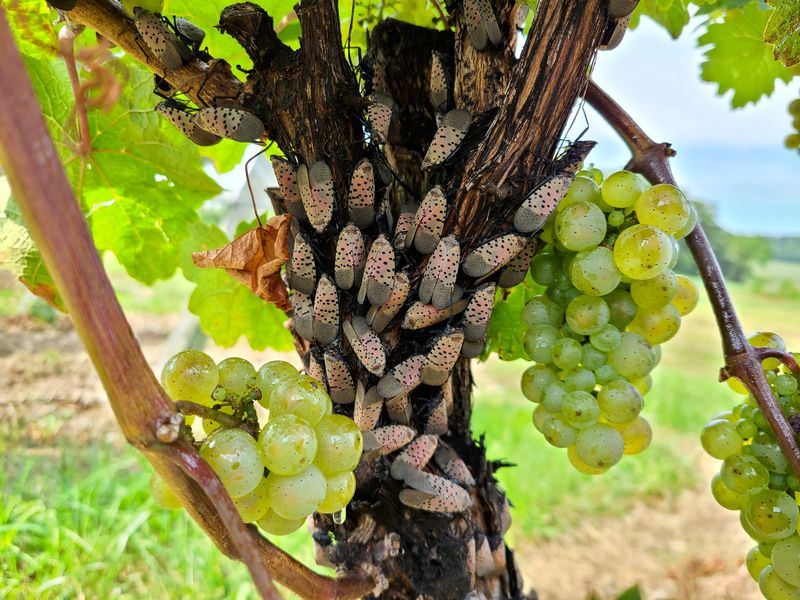
Grapevines have become one of the most closely watched crops in Pennsylvania since spotted lanternfly arrived, and growers have had to adapt their management practices significantly.
Spotted lanternfly feeds heavily on grapevines, and repeated feeding pressure over a season can weaken vines in ways that affect their ability to produce fruit and survive through winter.
Pennsylvania has a growing wine and table grape industry, and vineyards near suburban areas face ongoing pressure from insect populations that spill over from residential landscapes.
Beyond grapes, other fruit crops including apples, peaches, hops, and blueberries have also been identified as hosts where spotted lanternfly feeding can cause concern.
Backyard orchards and home fruit gardens in Pennsylvania are not exempt from this pressure, and hobbyist growers have noticed feeding activity on their small-scale plantings as well.
The risk is not limited to commercial operations.
Homeowners who grow fruit trees or grapevines in their Pennsylvania yards can take practical steps to reduce feeding pressure, including checking plants regularly and removing nearby tree-of-heaven where feasible.
Staying informed about management options appropriate for residential settings is equally important, as recommendations continue to be updated as research on spotted lanternfly control develops.
Connecting with local Penn State Extension resources is a helpful starting point for understanding what is recommended in your county and what timing works best.
That guidance is particularly useful for protecting backyard fruit plants from spotted lanternfly feeding during the growing season, when pressure tends to build most noticeably.
8. Quarantine Checks Help Limit New Spread
Pennsylvania has used quarantine zones as one of its primary tools for slowing the movement of spotted lanternfly into new areas of the state and beyond.
Being in a quarantine zone means that businesses and individuals moving certain regulated items out of that zone are required to inspect those items and, in some cases, obtain a permit confirming they have taken steps to avoid moving the insect.
The goal is to reduce the chance that egg masses or live insects travel on vehicles, equipment, or outdoor goods to places where spotted lanternfly has not yet established.
For everyday Pennsylvania residents, quarantine awareness mostly comes down to developing a habit of checking before you move things.
Before loading outdoor furniture, potted plants, firewood, recreational vehicles, or landscaping materials into a truck or trailer, a quick visual inspection for egg masses and live insects can make a real difference.
This is especially relevant when traveling to areas outside of Pennsylvania where spotted lanternfly has not yet been widely detected.
Reporting new sightings is another way Pennsylvania residents can contribute to tracking efforts.
State and university resources have maintained reporting tools that allow homeowners to log spotted lanternfly observations throughout Pennsylvania.
That information helps researchers and land managers understand where the insect is spreading and how quickly it is reaching new neighborhoods across the state.
Simple actions like these, taken consistently by many people, add up to a meaningful community-level response over time.