Mistakes Georgia Gardeners Make With Salvia That Stop It From Blooming All Season Long
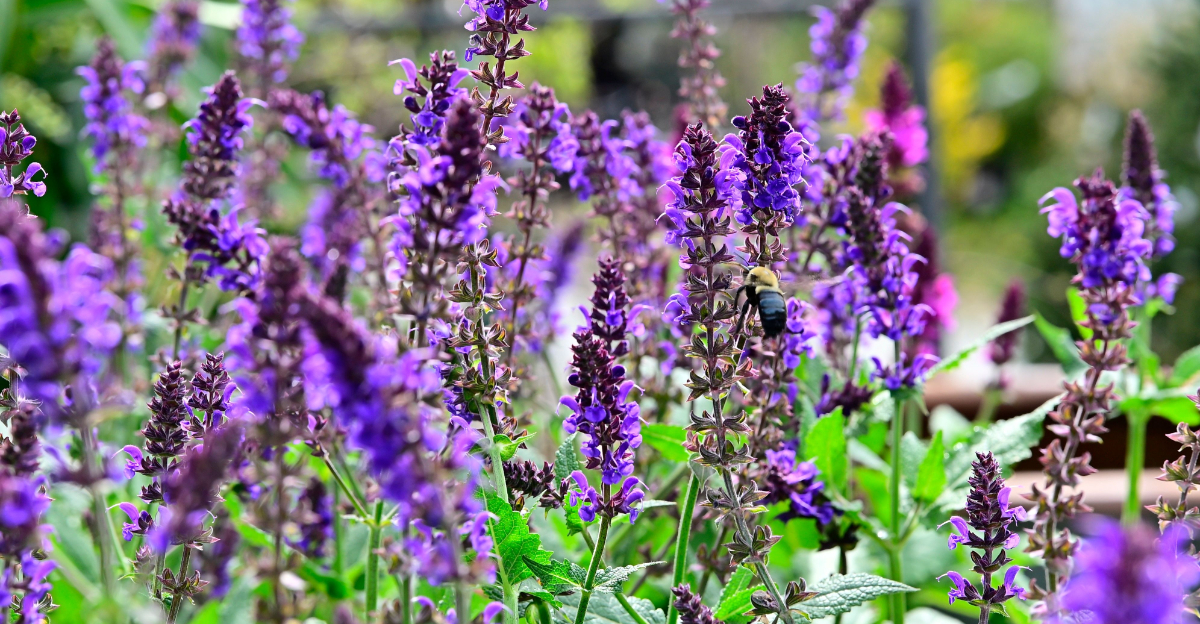
Expectations are usually high for plants known for producing months of color. When you choose one of those varieties, you naturally assume it will keep delivering throughout the season.
That is why it can be so disappointing when the display starts slowing down far sooner than expected. Weeks that should be filled with vibrant blooms turn into a lot more green and a lot less color.
What makes the situation confusing is that nothing necessarily looks wrong. Growth continues.
The plant remains upright. Leaves may even look perfectly healthy.
From a distance, everything appears normal, which makes it harder to understand why the flowers are not keeping pace.
Salvia has become a favorite because of its ability to provide long-lasting blooms during warm weather. Yet not every planting reaches that potential.
In Georgia, some salvias continue putting on an impressive display deep into the season while others lose momentum much earlier.
A few common growing habits often explain the difference, and they are easier to overlook than most people realize.
1. Too Much Shade Can Lead To Fewer Blooms
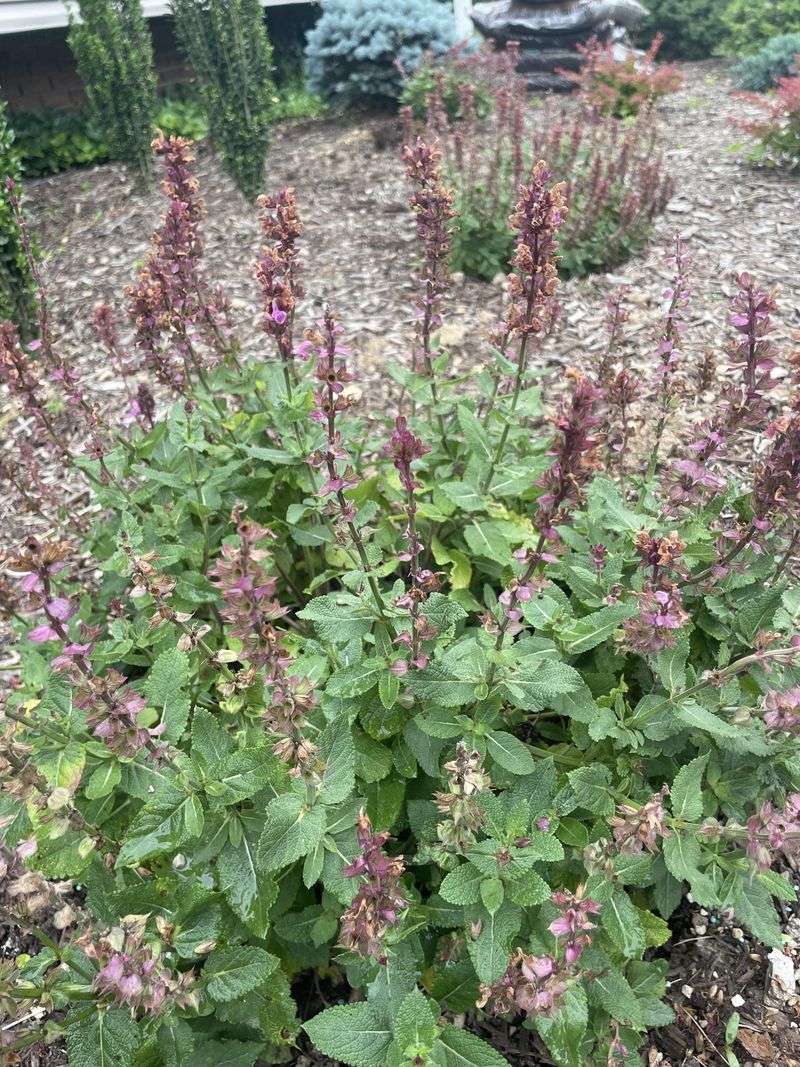
Shade is one of the sneakiest bloom-stoppers out there. Salvia looks fine in low light at first, but the flower count drops fast.
Without enough sun, the plant puts energy into staying alive rather than producing blooms.
Salvia needs at least six hours of direct sunlight each day. Spots that get morning shade and afternoon sun often work better than the reverse.
Morning sun dries dew off the leaves quickly, which also helps prevent fungal problems.
Walk your garden on a sunny day and watch where the light actually falls. Trees, fences, and even large shrubs can cast more shade than you realize.
A spot that looked bright in spring can turn shady once summer foliage fills in.
If your salvia is already planted in a shady spot, moving it is a real option. Most salvia varieties handle transplanting reasonably well when done in cooler weather.
A shadier location might suit a different plant better.
Full sun is not just preferred for salvia, it is basically required for strong seasonal performance. Plants getting five hours or less will bloom occasionally but never reach their full potential.
Giving your salvia a sunnier home is one of the fastest ways to see more color in your garden beds.
2. Overwatering Can Reduce Flower Production
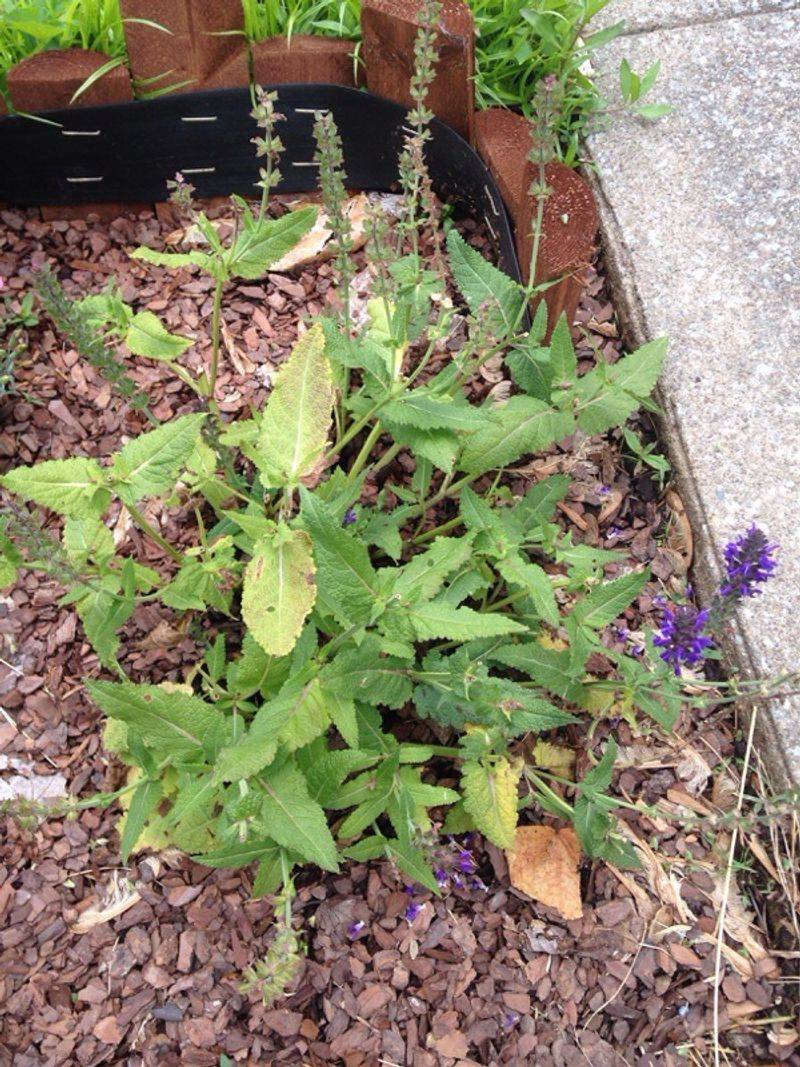
Soggy roots are bad news for salvia. Overwatering is one of the most common mistakes gardeners make, especially during Georgia’s humid summers when it feels like the plants need constant moisture.
Salvia actually prefers to dry out slightly between waterings.
When roots sit in wet soil too long, they struggle to absorb oxygen. The plant starts to look stressed, leaves may yellow, and flower production slows down noticeably.
It can look like the plant needs more water, which leads to even more overwatering.
A good rule is to water deeply but infrequently. Let the top inch or two of soil dry out before watering again.
Established salvia plants are surprisingly drought-tolerant once their root systems settle in.
Your Georgia Garden Changes Every Week. Your Plan Should Too.
Gardening in Georgia changes quickly throughout the season. Every Friday you’ll receive a simple weekly plan showing exactly what to plant, prune, fertilize, harvest, and protect so you never miss the right timing.
Check your soil before reaching for the hose. Push a finger about two inches into the ground near the base of the plant.
If it feels damp, hold off on watering for another day or two.
Drip irrigation works better than overhead watering for salvia because it keeps moisture off the foliage. Wet leaves in humid conditions invite fungal issues that stress the plant further.
Cutting back on water during rainy stretches is just as important as watering during dry ones. Consistent but moderate moisture keeps salvia healthier and more productive throughout the growing season.
3. High Nitrogen Fertilizer Can Encourage Leaf Growth Over Flowers
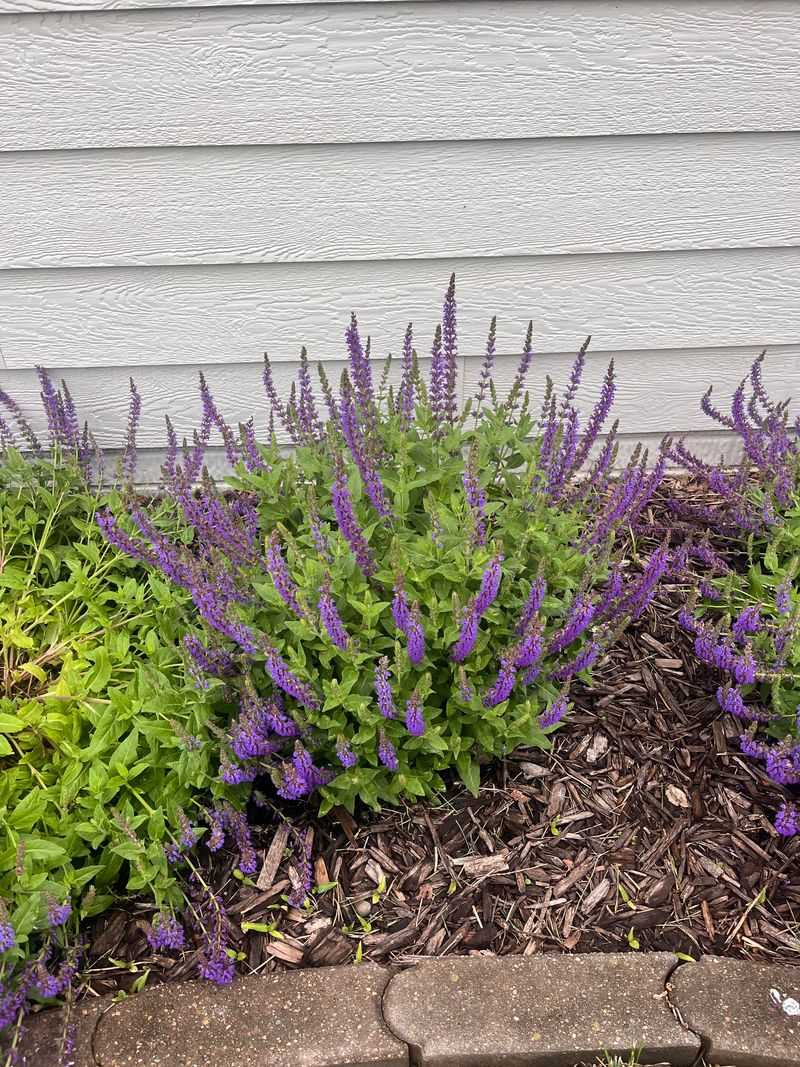
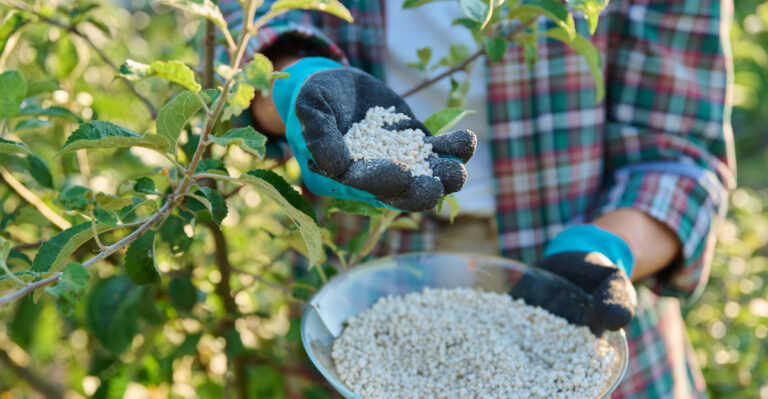
More fertilizer does not always mean more flowers. With salvia, using a high-nitrogen formula can actually work against you.
Nitrogen pushes leafy, green growth, which sounds good but often comes at the expense of blooms.
Plants fed too much nitrogen redirect their energy toward building foliage. You end up with a big, bushy plant that looks healthy but produces very few flower spikes.
The green growth is lush, but the color show you planted salvia for never really arrives.
Choose a fertilizer with a lower first number and a higher middle or last number. The middle number represents phosphorus, which supports root development and flowering.
A balanced formula like 5-10-5 or a bloom-booster type feed works much better for flowering plants like salvia.
Avoid feeding salvia heavily in early spring when the urge to fertilize everything is strong. A light application of slow-release fertilizer at planting time is usually enough to get the season started.
Overfeeding early sets up the leaf-heavy pattern that can persist all season.
Mid-season feeding should be light and targeted. A diluted liquid bloom fertilizer applied once or twice during the growing season gives salvia a boost without pushing excessive leafy growth.
Less is genuinely more when it comes to fertilizing salvia for maximum flower production.
4. Spent Flower Stalks Should Not Be Left On The Plant
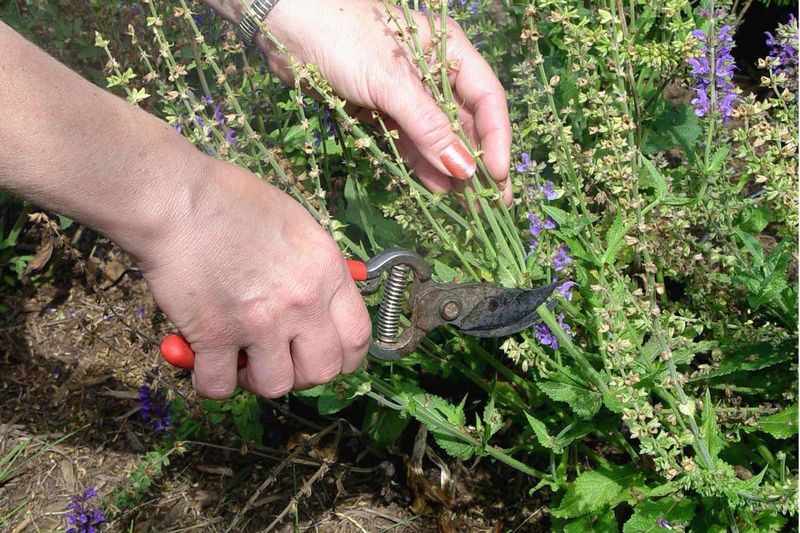
Leaving old flower stalks on salvia is one of the easiest ways to slow down blooming. Once a flower spike finishes, the plant shifts its focus toward setting seed.
That seed production pulls energy away from making new blooms.
Deadheading, which just means removing spent flower stalks, signals the plant to keep producing flowers. It is a simple task that takes only a few minutes and makes a noticeable difference.
Regular deadheading can extend the blooming period by several weeks.
Use clean, sharp scissors or pruning shears to cut spent stalks back to just above a set of healthy leaves. Avoid tearing or breaking the stalks by hand, since rough cuts can create entry points for disease.
Clean cuts heal faster and keep the plant looking tidy.
Check your salvia every few days during peak bloom season. Flower spikes fade quickly in summer heat, and staying on top of spent blooms prevents the plant from slipping into seed-setting mode.
A weekly walkthrough of your garden beds makes this easy to keep up with.
Some gardeners cut the entire plant back by about one-third in midsummer when bloom production slows. This harder cut encourages a fresh flush of growth and a second wave of flowers in late summer and fall.
Consistent removal of spent material keeps salvia productive from spring through the end of the season.
5. Crowded Growth Can Limit Sunlight And Airflow
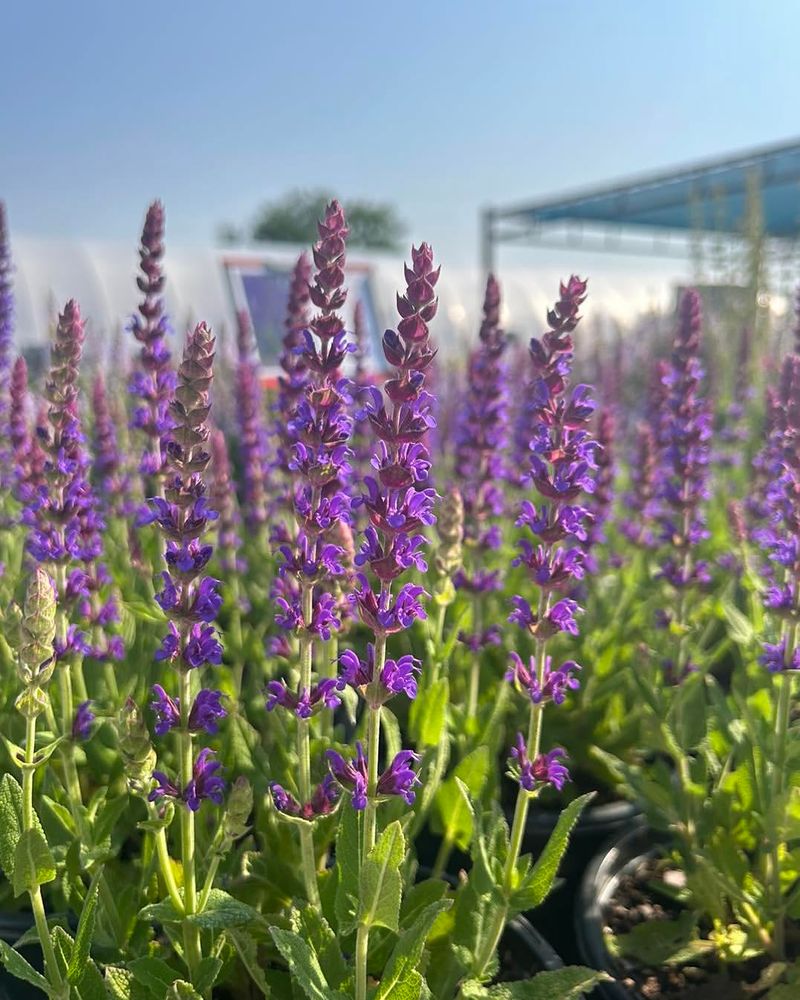
Planting salvia too close together seems harmless at first, but it creates real problems as the season progresses. Crowded plants compete for sunlight, water, and nutrients all at once.
When none of those resources are plentiful enough, flower production is the first thing to suffer.
Poor airflow between crowded plants also creates humid pockets that invite powdery mildew and other fungal issues. A plant fighting off disease has less energy available for blooming.
Spacing matters more than most gardeners expect when planning a salvia bed.
Most salvia varieties need at least 18 to 24 inches between plants, depending on the mature size of the specific type. Check the plant tag or seed packet before putting anything in the ground.
Giving each plant enough room pays off with better bloom production and healthier overall growth.
If plants are already crowded, selective thinning can help. Removing the weakest plants in a cluster improves conditions for the remaining ones.
It feels counterintuitive to pull out plants you worked to establish, but the ones that stay will perform noticeably better.
Annual pruning also plays a role in managing crowding over time. Cutting plants back in late winter or early spring keeps growth controlled before the new season starts.
Well-spaced, properly pruned salvia gets the light and airflow it needs to bloom consistently and stay healthier through the long growing season.
6. Poor Drainage Can Affect Overall Plant Performance
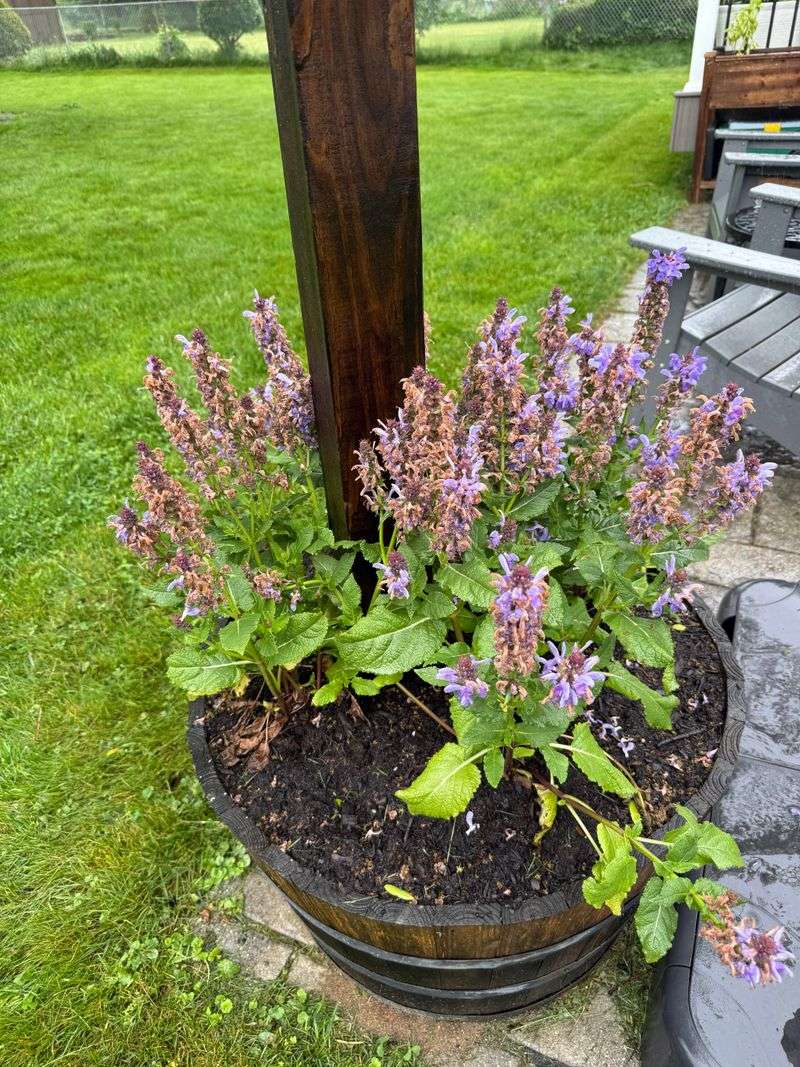
Salvia planted in poorly draining soil rarely reaches its potential. Standing water around the root zone stresses the plant in ways that show up quickly in the leaves and blooms.
Even occasional waterlogging can set back a salvia plant for weeks.
Heavy clay soil is especially common across parts of the South, and it holds water far longer than salvia prefers. Roots in saturated clay soil struggle to function properly.
Nutrient uptake slows, growth stalls, and flowering drops off significantly.
Improving drainage before planting makes a lasting difference. Work compost or coarse sand into the top 10 to 12 inches of soil before setting plants in the ground.
Raised beds are another solid option for gardeners dealing with persistent drainage problems.
Existing beds can be improved by topdressing with compost each season and avoiding heavy foot traffic around plant roots. Compacted soil drains poorly and is harder for roots to penetrate.
Keeping the area around salvia loose and well-amended supports better root health over time.
Slope and grade in your yard also affect drainage in ways that are easy to overlook. A low spot that collects runoff after every rain is a risky place for salvia no matter how well you amend the soil.
Choosing slightly elevated or gently sloped planting areas gives salvia the well-drained conditions it needs to bloom reliably and stay strong all season.
7. Skipping Midseason Cleanup Can Reduce Repeat Blooms
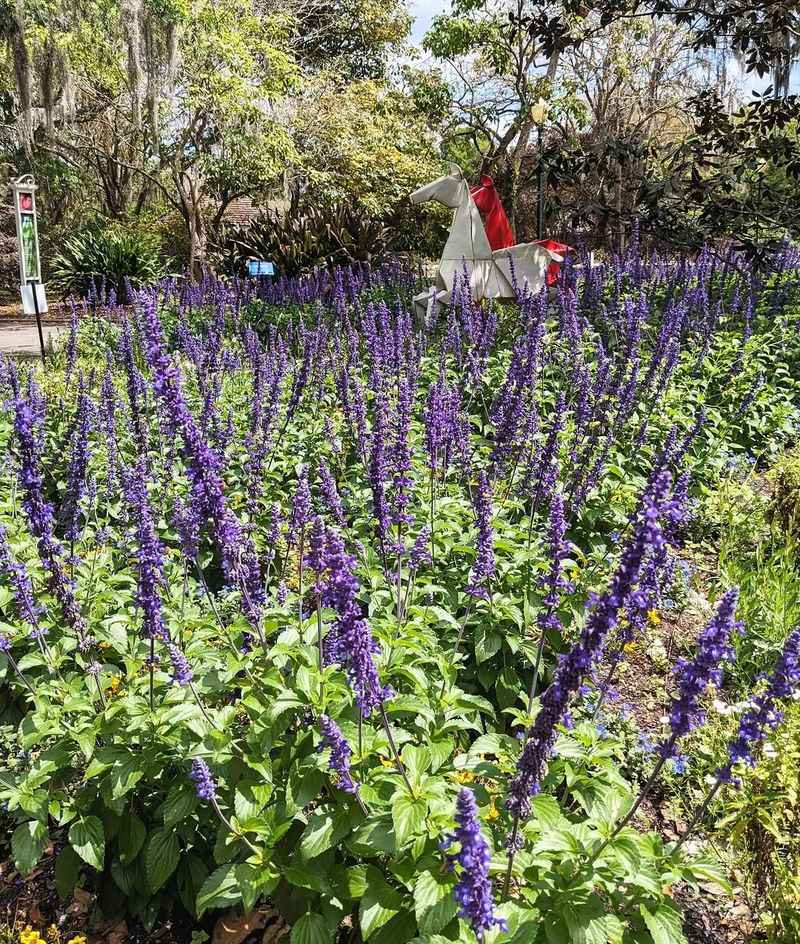
Midsummer is when a lot of gardeners step back and let things run on their own. Salvia often hits a natural slowdown around this time, with fewer new blooms and more tired-looking growth.
Skipping a midseason cleanup at this point can lock the plant into that low-production phase for the rest of summer.
A moderate cutback in July or early August encourages fresh growth and a second flush of blooms.
Cut stems back by roughly one-third, removing weak, crowded, or poorly positioned branches at the same time.
New growth typically emerges within two to three weeks and brings a fresh round of flower spikes with it.
Removing fallen leaves and other plant debris from around the base of the plant also helps.
Old material sitting on the soil can harbor pests and fungal spores that stress the plant going into the second half of the season. Keeping the base clean supports healthier regrowth.
After cutting back, a light feeding with a bloom-supporting fertilizer helps fuel the recovery. Avoid heavy doses since the plant is already working to push new growth.
A diluted application gives it a gentle push without overwhelming the root system.
Consistent midseason attention separates salvia that blooms from spring to frost from plants that fizzle out by August. A little focused effort in the middle of the season keeps your salvia producing color well into fall across Georgia gardens.