How To Protect Arizona Vegetables And Herbs From Extreme Summer Heat
Extreme summer heat can change a garden fast. Vegetables that looked great a few days ago may suddenly seem stressed.
Herbs that were growing quickly may start slowing down. It is one of the most frustrating parts of gardening during the hottest part of the year.
The challenge is that heat stress does not always appear the same way. Some plants wilt.
Others stop growing as quickly as before. A few continue looking healthy even while struggling behind the scenes.
That can make it difficult to know when action is needed.
Arizona gardeners deal with these conditions every summer. Keeping vegetables and herbs productive during extreme heat often comes down to a few simple decisions made before serious stress sets in.
Learning what helps and what does not can make a noticeable difference as temperatures continue to climb.
1. Deep Watering Helps Roots Stay Cooler Longer
Shallow watering is one of the biggest mistakes hot-climate gardeners make. When water only reaches the top inch or two of soil, roots stay near the surface where temperatures can exceed 140 degrees Fahrenheit on a summer afternoon.
That level of heat damages root tissue fast.
Deep watering encourages roots to grow downward, where soil stays noticeably cooler. Aim to wet the soil at least 8 to 12 inches down during each session.
A simple soil probe or a long screwdriver can tell you how far moisture has actually penetrated.
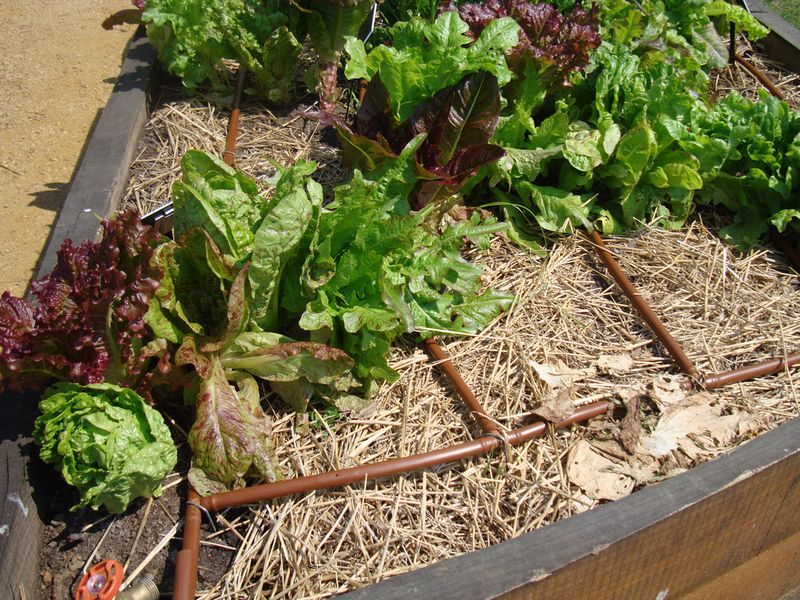
Drip irrigation is the most efficient delivery method for deep watering in hot climates. It delivers water slowly and directly to the root zone, reducing runoff and evaporation.
Set timers for early morning when temperatures are lower and absorption rates are higher.
Watering in the evening is a second option, though it can increase humidity around foliage overnight. In extremely dry desert air, evening watering rarely causes fungal issues, but morning is still the preferred window for most vegetable crops.
Established plants with deep root systems handle heat stress more effectively than shallow-rooted ones. Building that root depth early in the season makes summer much more manageable.
Consistent deep watering from the start gives your garden the foundation it needs to survive intense heat cycles.
2. Afternoon Shade Can Protect Sensitive Crops
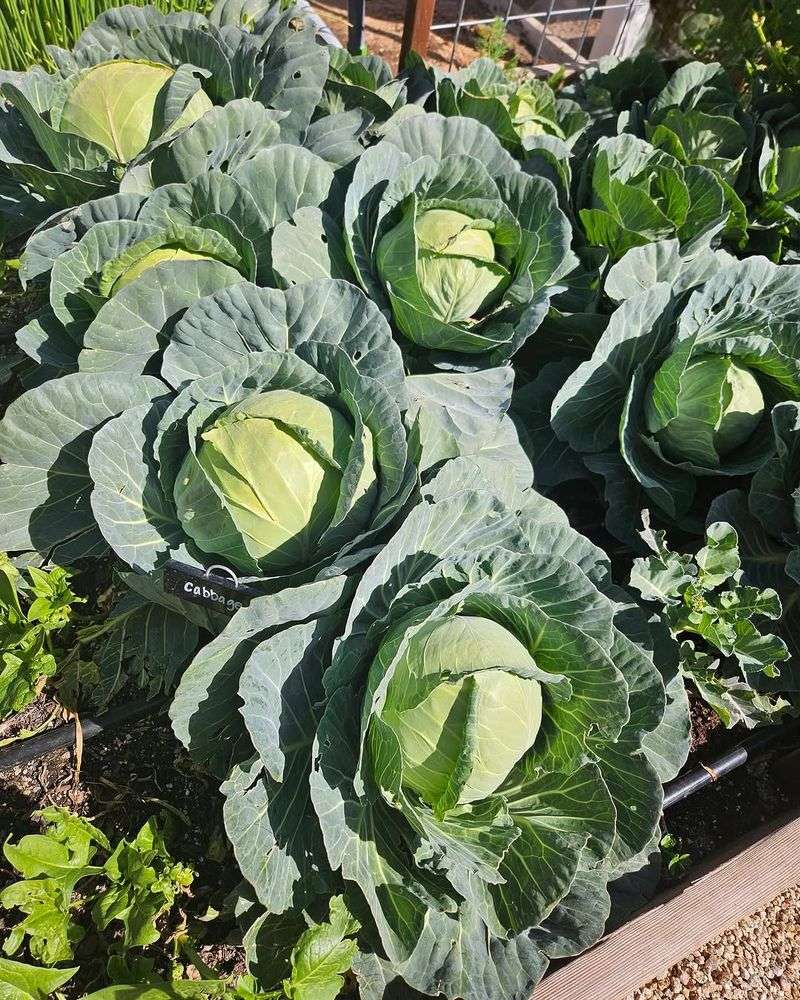
Not every plant handles direct afternoon sun equally. Leafy greens, cilantro, lettuce, and basil tend to bolt or wilt quickly when hit with full sun from noon onward.
Positioning these crops strategically can extend their productive life by weeks.
Taller plants like corn, sunflowers, or tomato cages can serve as natural afternoon shade sources. Planting shade-sensitive crops on the east side of taller neighbors lets them catch morning sun while being sheltered from the most intense western exposure.
That simple layout adjustment costs nothing.
Permanent structures like pergolas, shade sails, or lattice panels offer consistent afternoon protection without daily setup. Many gardeners in hot desert regions build dedicated shade zones specifically for warm-season crops that prefer filtered light.
A well-placed shade sail can cover a significant area and is adjustable as the season shifts.
Your Arizona Garden Changes Every Week. Your Plan Should Too.
Gardening in Arizona changes quickly throughout the season. Every Friday you’ll receive a simple weekly plan showing exactly what to plant, prune, fertilize, harvest, and protect so you never miss the right timing.
Monitoring how shadows move across your garden during peak summer hours helps you plan smarter. Take note of where shade falls between noon and 4 p.m. on the hottest days.
That window is when most heat stress occurs in sensitive crops.
Even a couple of hours of afternoon shade can keep cilantro from bolting and lettuce from turning bitter. Small adjustments in plant placement add up over a full season.
In Arizona, where afternoon heat is relentless, shade placement is just as important as watering and fertilizing.
3. Harvesting Early Helps Reduce Plant Stress
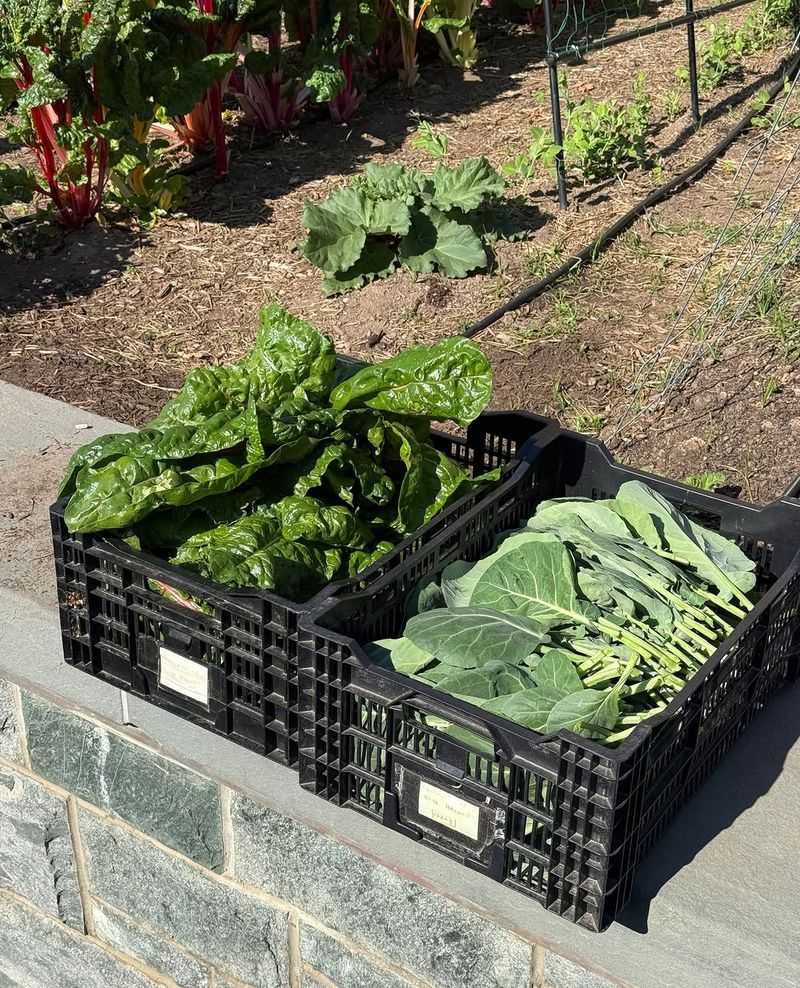
Leaving mature fruit on a plant during extreme heat puts unnecessary strain on the whole system. Plants redirect energy toward ripening and protecting existing fruit, which can limit new flower production and slow overall growth.
Harvesting promptly keeps plants focused on producing more.
Early morning is the best time to harvest in hot climates. Produce that has cooled overnight holds better quality and stays fresh longer after picking.
Harvesting in the afternoon heat can cause rapid moisture loss in freshly cut herbs and leafy vegetables.
Tomatoes picked at the breaker stage, when color is just beginning to change, will finish ripening indoors without any loss of flavor. That approach removes weight and stress from the plant while freeing up energy for new fruit development.
It also protects produce from sun cracking during intense heat spikes.
Herbs like basil and mint should be harvested frequently to prevent flowering. Once an herb plant flowers, leaf production slows and flavor quality often drops.
Regular cutting encourages bushy, productive growth through the season.
Getting into a consistent harvest routine pays off quickly. Plants that are regularly harvested tend to produce longer into the season than those left to overload.
Setting a simple schedule, like harvesting every two to three days during peak production, keeps plants lighter, less stressed, and more productive overall during brutal summer stretches.
4. Heat-Tolerant Herbs Often Perform Better In Summer
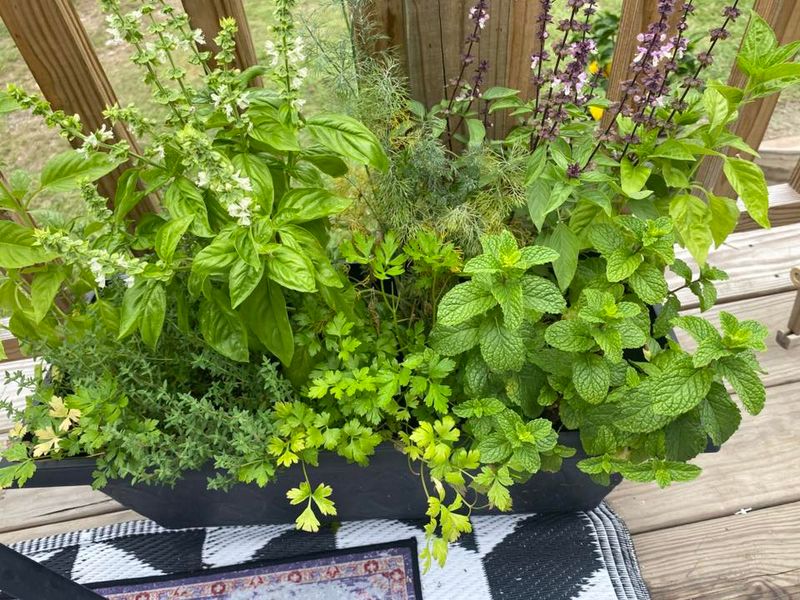
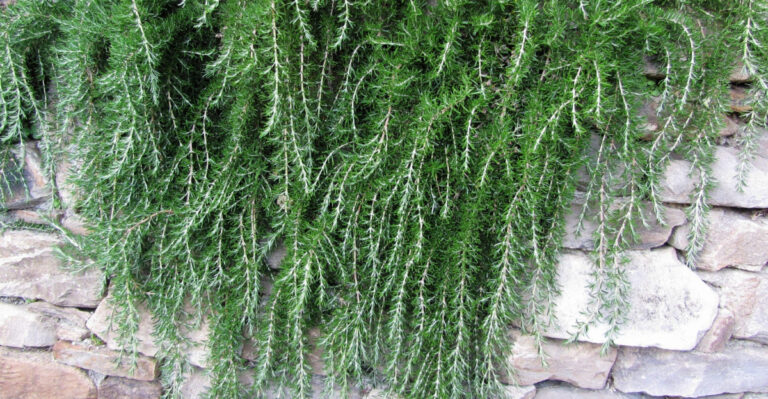
Rosemary, thyme, and oregano were practically built for harsh conditions. These Mediterranean herbs evolved in rocky, dry, sun-baked environments that share a lot in common with desert growing conditions in the Southwest.
Planting them instead of cold-climate herbs during peak summer makes practical sense.
Basil is technically heat-tolerant but benefits from afternoon shade in the hottest weeks. It thrives in warm soil and full morning sun, making it a solid summer choice with minor protection.
Avoid overwatering basil, as wet feet in hot weather can cause root issues quickly.
Lemongrass is another standout performer in extreme heat. It grows vigorously in full sun and requires very little supplemental water once established.
A single clump can produce enough material for cooking and tea through an entire season.
Chives and epazote also handle summer heat well and are often overlooked by home gardeners. Both grow reliably in containers or in-ground beds with minimal fuss.
Epazote is especially useful in Southwestern cooking and thrives with little irrigation.
Choosing heat-adapted herbs reduces the effort required to keep a summer garden productive. Less babying, less watering, and fewer failures overall.
When temperatures climb past 105 degrees Fahrenheit, having the right plants in the ground is more effective than any amount of extra care applied to the wrong ones. Smart plant selection is the foundation of a summer herb garden that actually works.
5. Mulch Slows Moisture Loss From The Soil
Bare soil in a desert garden acts like a frying pan under direct sun. Surface temperatures can reach levels that damage shallow roots and rapidly pull moisture upward through evaporation.
A thick layer of mulch changes that equation entirely.
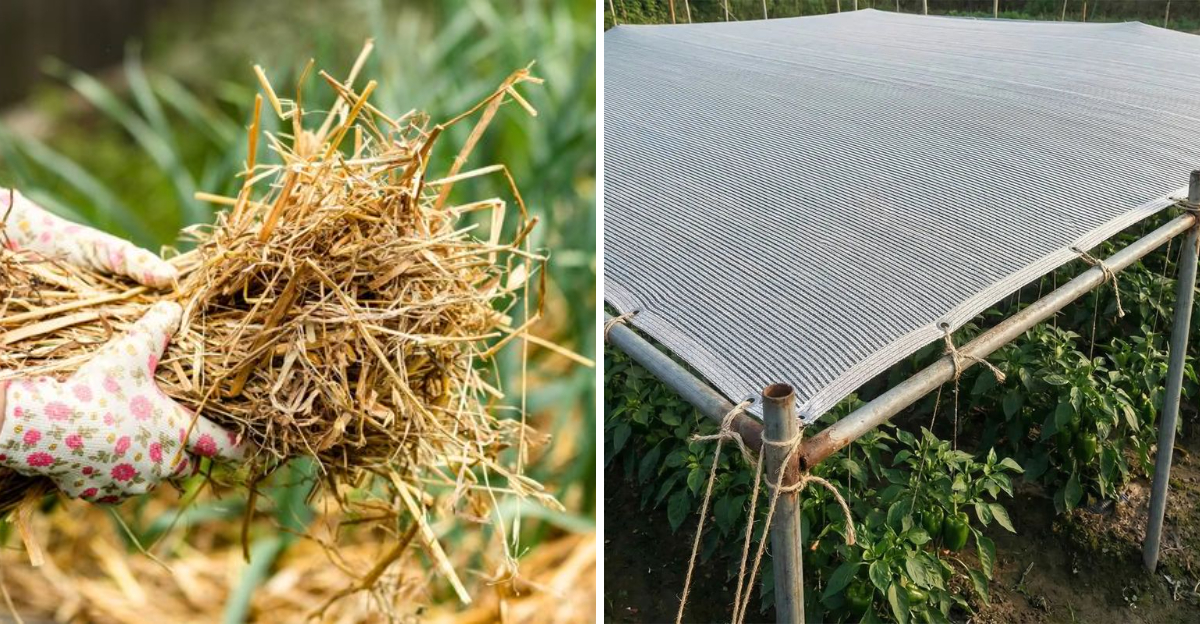
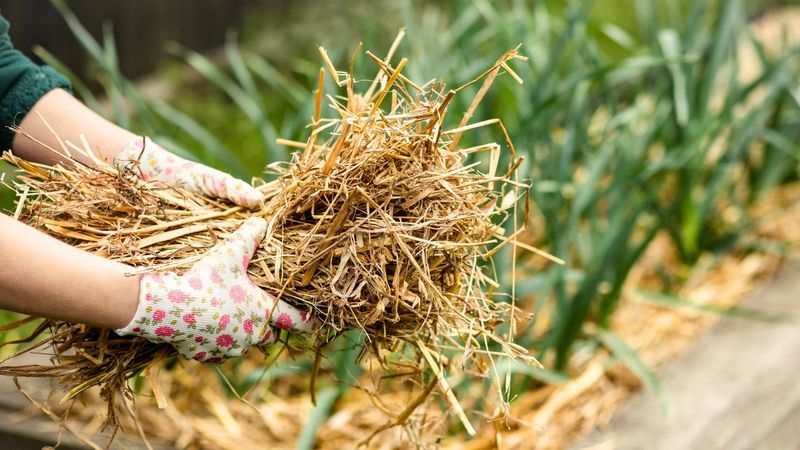
Organic mulches like straw, wood chips, or shredded leaves create an insulating barrier between the sun and the soil. That barrier can lower soil surface temperature by 10 to 25 degrees Fahrenheit depending on thickness and mulch type.
A 3 to 4 inch layer is generally the most effective depth.
Straw is a popular choice because it is lightweight, affordable, and widely available. It breaks down slowly enough to last through a full summer season without needing frequent replacement.
As it decomposes over time, it also adds organic matter back into the soil.
Wood chips work well around perennial herbs and larger vegetable plants. Keep mulch pulled back slightly from plant stems to prevent moisture buildup against the base.
Direct contact with stems can encourage rot, especially during monsoon season when humidity rises.
Mulching right after watering locks that moisture in before evaporation has a chance to pull it away. In a climate where every drop counts, that timing matters.
Gardeners who mulch consistently often water less frequently while maintaining healthier, more productive plants through the hottest months of the year.
6. Shade Cloth Can Reduce Stress During Extreme Heat
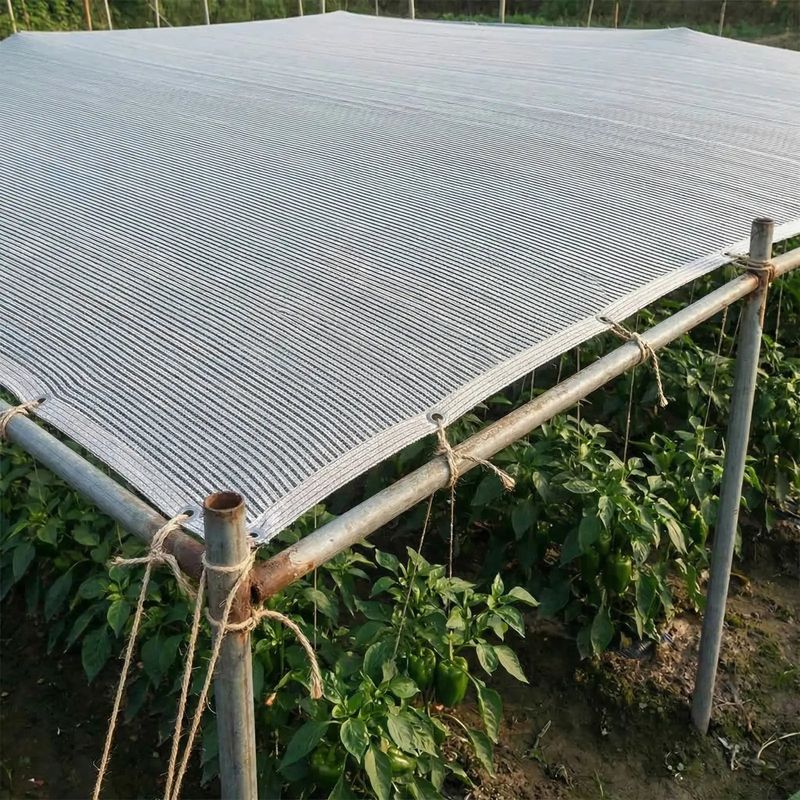
Shade cloth is one of the most reliable tools a desert gardener can reach for when summer temperatures spike. It works by blocking a percentage of direct sunlight before it ever reaches your plants.
Most gardeners in hot climates choose cloth rated between 30% and 50% shade coverage.
Anything above 50% can limit photosynthesis too much, which slows fruit production and weakens plant growth. A 30% cloth still lets in plenty of light while cutting the intensity of midday sun significantly.
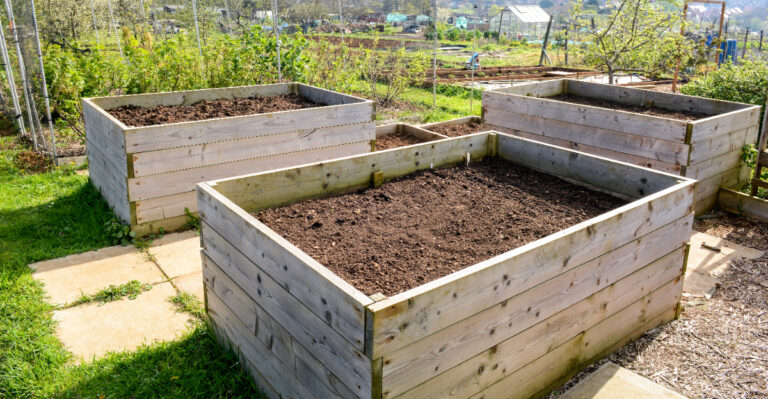
Lightweight aluminum or PVC hoops work well for holding cloth above raised beds without touching leaves.
Install cloth before the hottest weeks arrive. Waiting until plants are already stressed makes recovery slower and harder.
Morning setup takes less than an hour with the right hardware.
Shade cloth also reduces soil surface temperature, which helps moisture stay in the ground longer. That means fewer watering cycles and less evaporation between sessions.
In a region where water conservation matters, that benefit alone makes shade cloth worth the investment.
Reusable season after season, quality shade cloth pays for itself quickly. Store it flat or rolled during cooler months to extend its lifespan.
Some gardeners use it again in late fall to protect cool-season crops from unexpected warm spells.
7. Container Plants May Need Extra Attention During Hot Spells
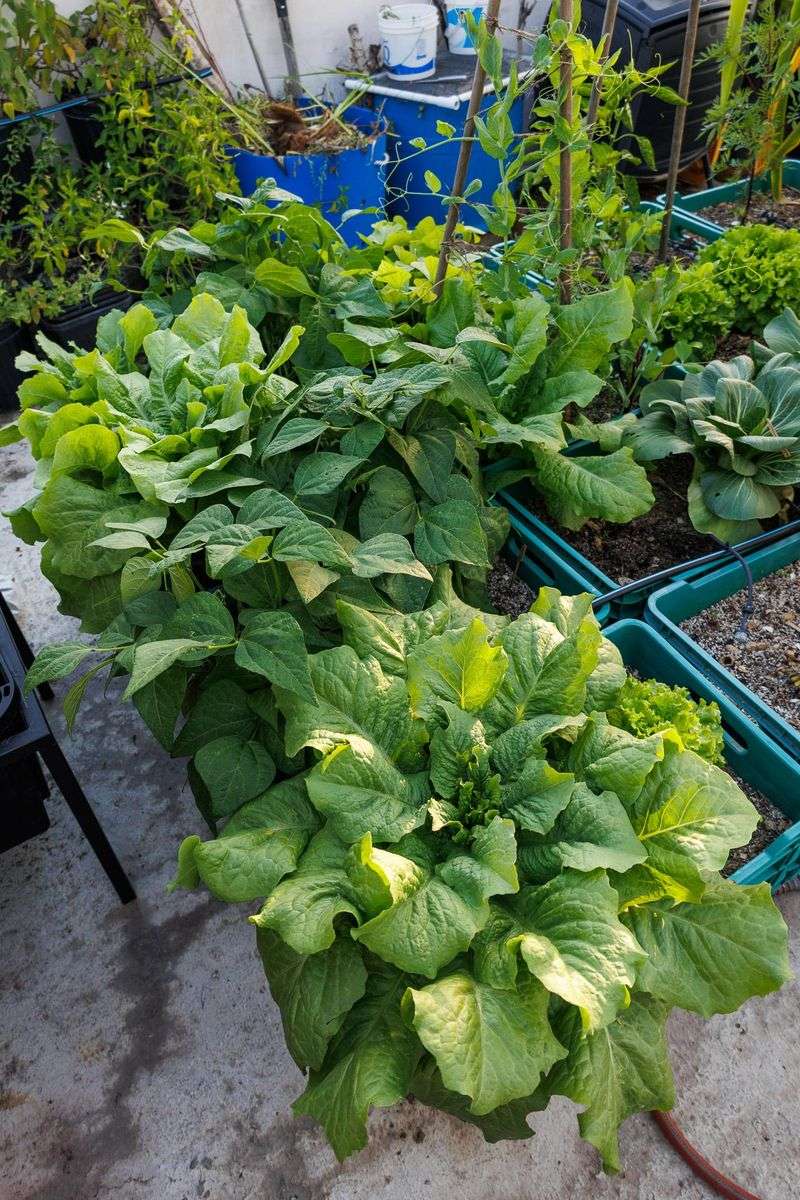
Container gardens heat up faster than in-ground beds. Terracotta pots sitting in direct sun can reach soil temperatures that stress or harm roots within a few hours on a 110-degree day.
That is a serious challenge for anyone growing vegetables or herbs in pots during summer.
Switching to light-colored or insulated containers reduces heat absorption significantly. Light gray, white, or glazed ceramic pots reflect more sunlight than dark terracotta or black plastic.
Double-walled containers offer even better insulation for root zones during extreme heat.
Moving pots to a shaded patio or covered area during the hottest part of the day is one of the most effective strategies. Even two to three hours of afternoon shade can prevent significant root stress.
A rolling plant caddy makes repositioning heavy containers much easier.
Container plants dry out faster than in-ground plants, so checking soil moisture daily is important during hot spells. Stick a finger two inches into the soil.
If it feels dry at that depth, water immediately and thoroughly until it drains from the bottom.
Self-watering containers with built-in reservoirs are worth considering for busy gardeners. They maintain consistent soil moisture without requiring daily attention.
Pairing them with a shade cloth cover during peak afternoon sun gives container vegetables and herbs a much better chance of staying productive through the most intense weeks of a desert summer.