Sow These Veggies Before June Ends In Texas And Harvest In Just Weeeks
June is almost over, but your Texas garden still has plenty of growing season left in it. A lot of gardeners assume that once the summer heat really kicks in, the planting window has closed and there’s nothing left to do but water what’s already in the ground.
But that thinking is leaving a lot of fresh homegrown vegetables on the table. There are vegetables you can sow right now and have ready to harvest in just a matter of weeks.
And in Texas, where the warm weather sticks around longer than almost anywhere else in the country, a late June planting can absolutely pay off. You have more runway than you think.
The key is choosing vegetables that are built for a fast turnaround and can handle the heat without falling apart halfway through their growing cycle.
Some of these crops move from seed to table surprisingly quickly, making them perfect for gardeners who want results without waiting through a long growing season.
1. Radishes (Raphanus Sativus)
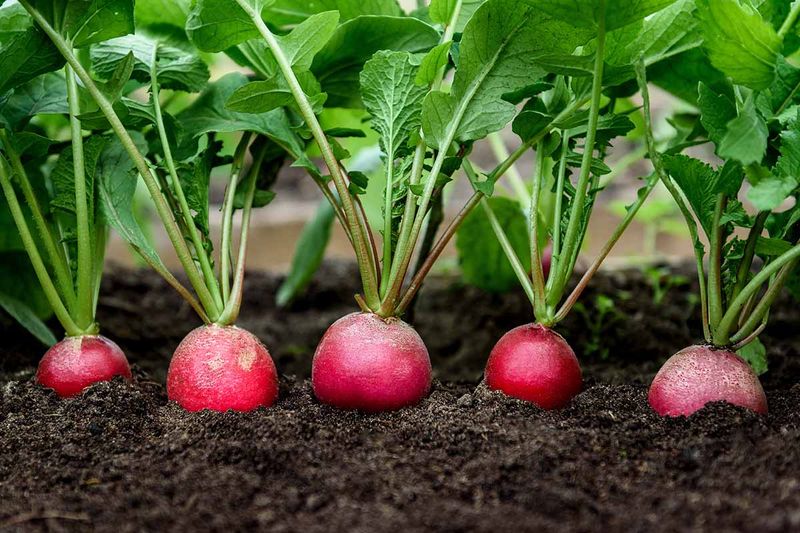
Few vegetables move as fast as the radish. Plant a seed today, and in just three to four weeks, you could be pulling crisp, colorful roots straight out of the ground.
That kind of speed is hard to beat, especially during a Texas summer when you want results fast.
Radishes love warm soil, which makes June an ideal planting window in Texas. They do not need a lot of space either.
A small raised bed, a window box, or even a deep container works perfectly. Sow seeds about half an inch deep and one inch apart, and keep the soil moist but not soggy.
One smart trick is to plant a new row every week or two. This is called succession planting, and it keeps your harvest going instead of producing everything at once. You will always have fresh radishes ready without waiting for a second full crop cycle.
Radishes also help other plants grow better. Gardeners often plant them alongside carrots or lettuce to loosen the soil and deter pests. They are a natural companion crop that earns its space in any garden layout.
When it comes to flavor, radishes are crisp, peppery, and refreshing. Slice them into salads, add them to tacos, or just eat them with a pinch of salt.
They store well in the fridge for up to two weeks after harvest. Fun fact: radishes were one of the first vegetables brought to the Americas by European explorers. That little root has a big history behind it.
2. Baby Leaf Lettuce (Lactuca Sativa)
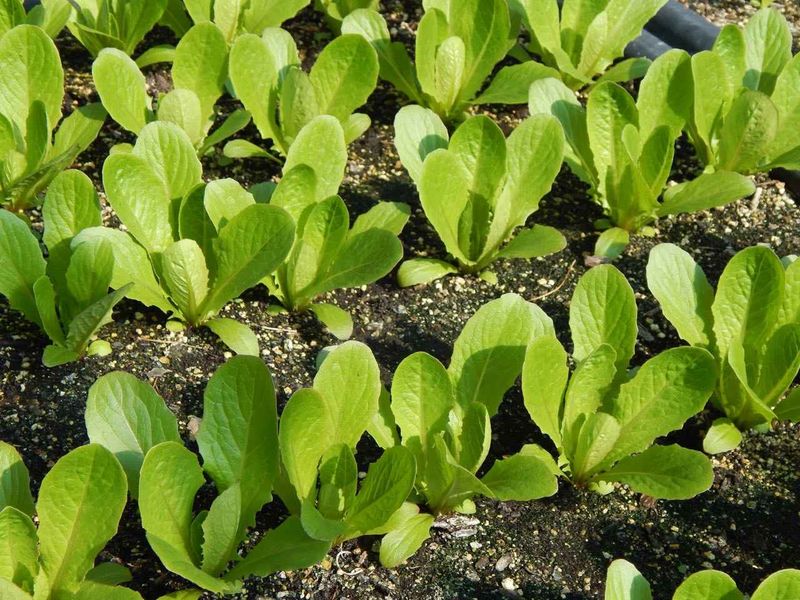
Baby leaf lettuce is one of the most rewarding crops you can grow in a Texas summer garden. It grows quickly, tastes fresh, and you do not even have to pull the whole plant to enjoy it.
Just snip the outer leaves and the plant keeps on growing. Gardeners call this the cut-and-come-again method, and it is a game changer.
Most baby leaf varieties are ready to harvest in three to five weeks after planting. That is impressively fast for something so delicious.
Your Texas Garden Changes Every Week. Your Plan Should Too.
Gardening in Texas changes quickly throughout the season. Every Friday you’ll receive a simple weekly plan showing exactly what to plant, prune, fertilize, harvest, and protect so you never miss the right timing.
Choose heat-tolerant varieties like Red Sails, Black Seeded Simpson, or Jericho romaine for the best results in Texas heat. These types hold up better when temperatures climb.
Sow seeds shallowly, just about an eighth of an inch deep, directly into moist soil or a container filled with quality potting mix. Keep the soil consistently damp, because lettuce seeds need moisture to sprout.
Thin seedlings to about four to six inches apart once they reach an inch tall. Shade is your best friend when growing lettuce in June. Try placing your container under a tree or near a taller plant that blocks afternoon sun.
A shade cloth rated at thirty to forty percent also works well and can extend your harvest window by several weeks.
Succession planting works beautifully with lettuce too. Plant a small batch every ten days to keep a steady supply of fresh greens coming all summer long.
Did you know lettuce is over ninety-five percent water? That makes it extra refreshing during those hot Texas afternoons when you need something cool and light on your plate.
3. Arugula (Eruca Sativa)
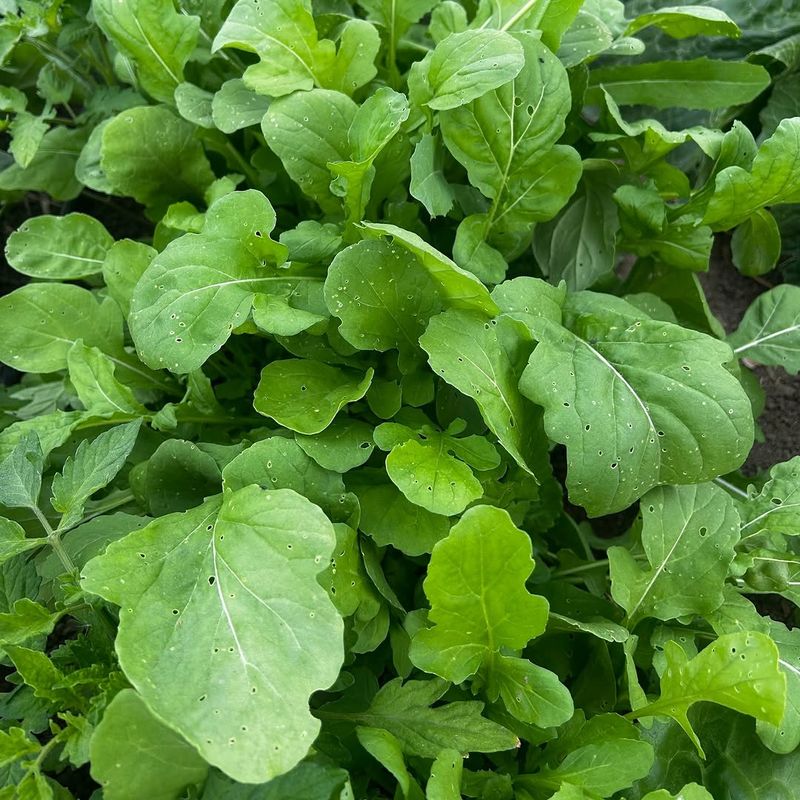
Arugula has a bold, peppery flavor that makes even the simplest salad feel exciting. It is one of those greens that home gardeners often overlook, but once you try it fresh from your own garden, you will wonder why you waited so long.
The good news is that arugula grows incredibly fast, usually ready to harvest in just three to four weeks.
In Texas, arugula actually handles summer heat better than many people expect. It prefers partial shade during the hottest part of the day, so tuck it beside taller plants or use a shade cloth to protect it from intense afternoon sun.
Morning sun is fine and even helpful for strong growth. Sowing arugula is simple. Scatter seeds lightly across the soil surface and press them down gently.
They need light to germinate, so do not cover them with too much soil. Just a thin dusting is enough. Water gently and keep the bed moist until sprouts appear, usually within five to seven days.
Once the leaves reach about three inches tall, you can start harvesting. Always pick the outer leaves first and leave the center to keep producing.
If the plant starts to flower, the leaves will taste more bitter, so harvest regularly to stay ahead of bolting.
Arugula pairs wonderfully with pizza, pasta, and grilled meats. It also adds a spicy kick to sandwiches and wraps.
Interestingly, arugula has been grown and eaten since ancient Roman times, where it was prized not just as food but also as a medicinal herb. It is a true garden classic with deep roots in history.
4. Spinach (Spinacia Oleracea)
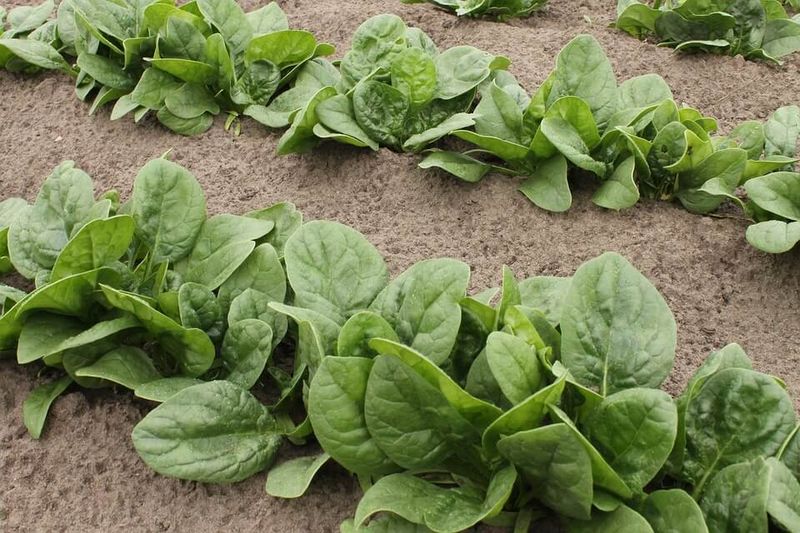
Spinach has a reputation for being a cool-weather crop, and that reputation is mostly true. But do not count it out for late June planting in Texas.
With a little smart placement and some shade management, you can grow tender baby spinach leaves even during warm summer months.
The trick is finding or creating a cooler microclimate in your garden. Plant spinach on the north side of taller crops like tomatoes or corn.
These bigger plants cast afternoon shade that keeps the soil temperature lower, which is exactly what spinach needs to thrive without bolting too quickly.
Baby spinach leaves are ready to harvest in about four to six weeks. You do not need to wait for full-sized leaves.
Harvesting young leaves at two to three inches long actually gives you the most tender, mildest flavor. Use the cut-and-come-again method just like with lettuce, and the plant will keep producing for weeks.
Choose heat-tolerant spinach varieties for summer planting. Tyee, Bloomsdale Long Standing, and Space are all solid choices that hold up better in warmer conditions than standard varieties.
Sow seeds about half an inch deep and two to three inches apart, and water consistently to keep the soil cool and moist.
Nutritionally, spinach is a powerhouse. It is packed with iron, vitamins A and C, and antioxidants.
Adding it to smoothies, eggs, soups, or salads is an easy way to boost your daily nutrition. Fun fact: spinach originated in ancient Persia, which is modern-day Iran, before spreading across the world through trade routes. What a well-traveled leaf!
5. Green Onions / Scallions (Allium Fistulosum)
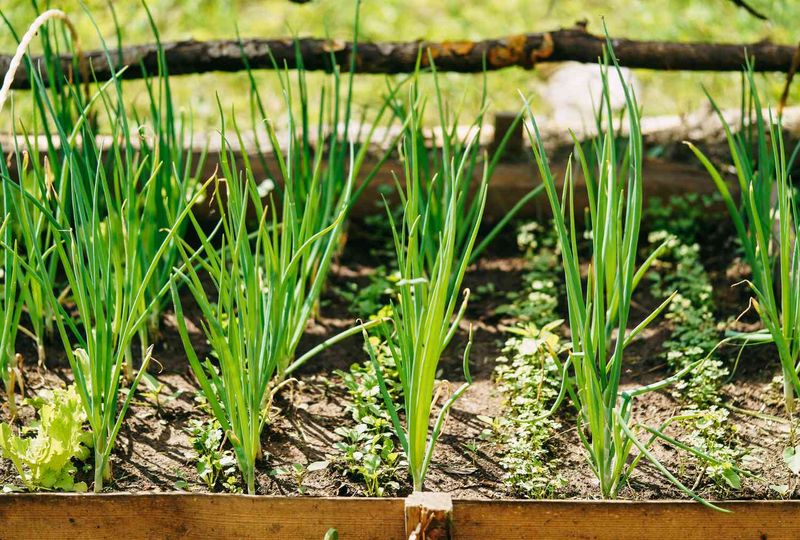
Green onions might be the most underappreciated vegetable in the home garden. They take up almost no space, grow quickly, and add fresh flavor to just about everything you cook.
Planted before June ends, you can be pulling tender green stalks in as little as three to five weeks. That is a fast return for minimal effort.
Scallions are incredibly flexible when it comes to where you grow them. A deep pot, a window box, a garden border, or even a repurposed coffee can all work just fine.
They only need about two inches of space between each plant and a container at least six inches deep to develop properly. That makes them perfect for small-space gardening on patios or balconies.
You can grow green onions from seeds or from sets, which are small bulbs. Sets are faster and easier for beginners.
Push them into moist soil with the pointed tip facing up, just barely below the surface. Water regularly and watch them shoot up quickly.
Seeds take a bit longer but are more economical if you want a large crop. Harvesting is flexible too. Pull the whole plant when it reaches six to eight inches tall, or snip just the green tops and let the base regrow.
The regrow method gives you multiple harvests from a single planting, which stretches your effort nicely.
Green onions taste great raw in salads, chopped over tacos, stirred into rice, or added to soups. They are also rich in vitamin K and antioxidants.
Historically, scallions have been cultivated for over five thousand years, making them one of the oldest known vegetables still widely grown today.
6. Bush Beans (Phaseolus Vulgaris)
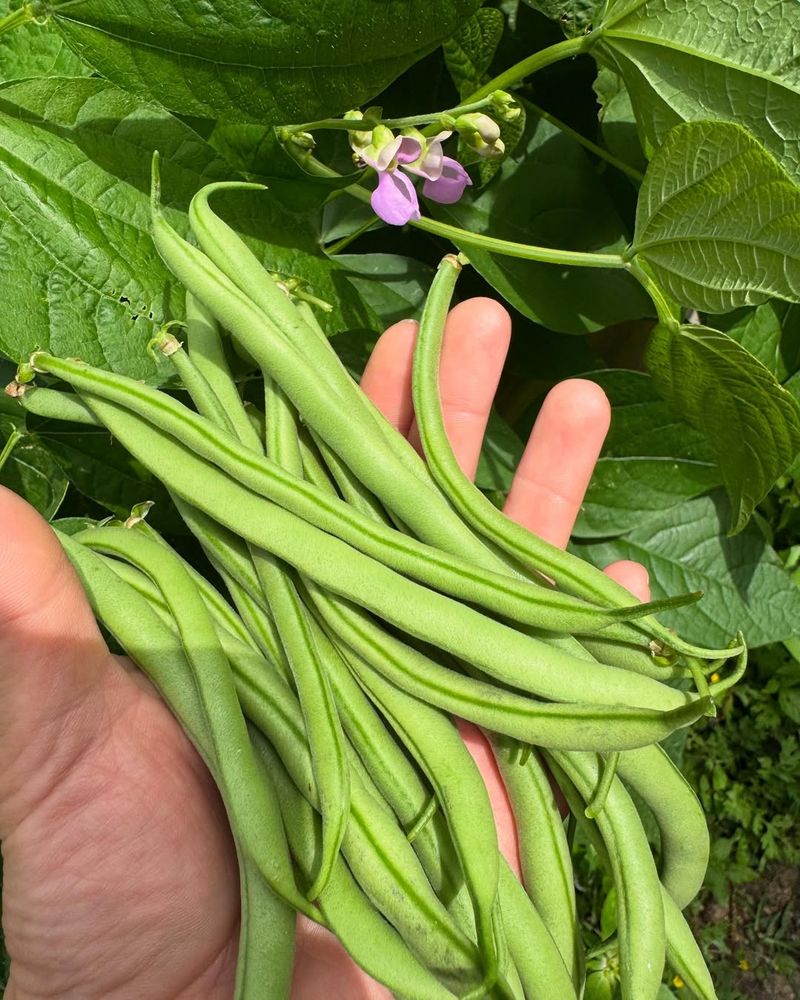
If you want a vegetable that truly thrives in Texas summer heat, bush beans are one of your best bets.
They love warm soil, grow without needing a trellis or support structure, and produce a generous harvest in just five to six weeks. For a warm-season garden, that kind of productivity is hard to match.
Unlike pole beans, which climb and spread, bush beans stay compact and tidy. Each plant grows about one to two feet tall and wide, making them easy to manage in raised beds or in-ground rows.
Space seeds about three to four inches apart and plant them one inch deep into well-drained, fertile soil. They germinate fast in warm conditions, often sprouting within five to seven days.
One of the smartest strategies with bush beans is staggered planting. Sow one batch now and another batch two weeks later.
This keeps pods coming in waves rather than all at once, which means less waste and more fresh beans over a longer period. Texas summers are long enough to support at least two rounds of bush beans before fall.
Bush beans need consistent watering, especially during flowering and pod development. Inconsistent moisture causes pods to become tough and stringy.
Aim to water at the base of the plant rather than overhead to reduce the chance of fungal issues in humid summer air.
Harvest pods when they are firm, slender, and about four to six inches long. Do not wait too long, because overripe pods turn tough quickly.
Bush beans are rich in fiber, folate, and plant-based protein, making them a nutritious and satisfying addition to any summer meal. Roast them, steam them, or toss them into a stir-fry for a quick weeknight side dish.
7. Baby Bok Choy (Brassica Rapa Var. Chinensis)
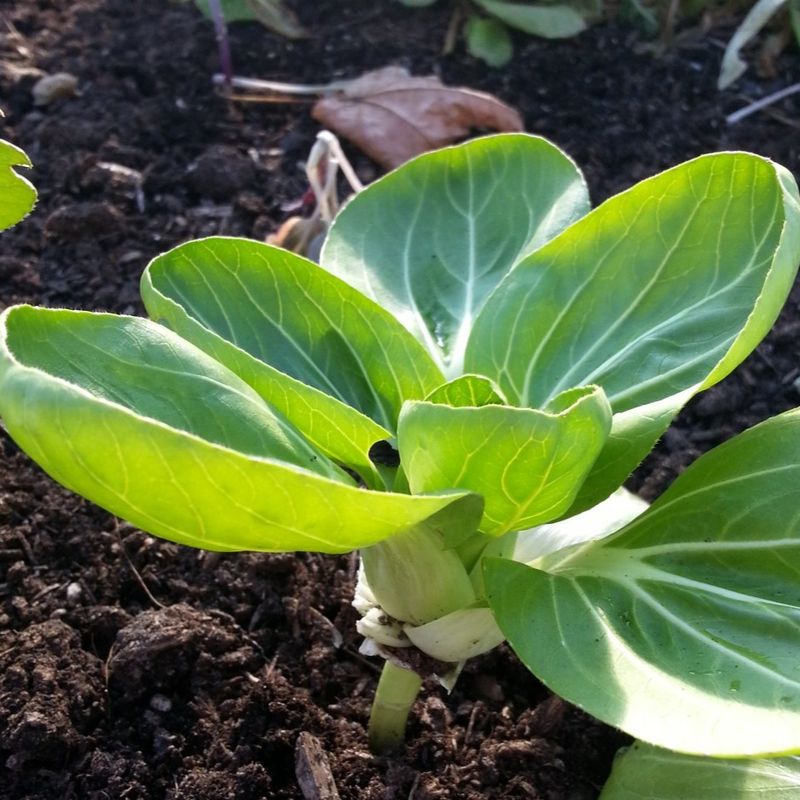
Baby bok choy is a quiet star of the summer garden. It looks elegant, cooks in minutes, and grows faster than most people expect.
Tender heads are ready to harvest in just four to six weeks, making it a smart choice for gardeners who want quick results without sacrificing flavor or nutrition.
Originally from China, bok choy has been a staple vegetable in Asian cooking for thousands of years. Today it is popular worldwide, and for good reason.
The stalks are crunchy and mild, while the leaves are soft and slightly sweet. Together they work beautifully in stir-fries, soups, salads, and even grilled as a simple side dish.
In Texas summer gardens, baby bok choy grows best with some afternoon shade protection. Plant it near taller crops or use a shade cloth during the peak heat hours of the day.
Morning sun is beneficial, but full afternoon exposure in June can cause the plants to bolt and turn bitter before you get a chance to harvest.
Sow seeds about a quarter inch deep and four to six inches apart. Keep the soil evenly moist throughout the growing period.
Baby bok choy prefers consistent moisture over irregular watering. Dry spells followed by heavy watering can cause the heads to crack or split.
When the heads are about four to six inches tall, they are ready to harvest. Cut the whole head at the base with a clean knife.
Some gardeners prefer to harvest outer leaves as they grow, similar to lettuce. Either method works well.
Baby bok choy is high in vitamins C and K, calcium, and antioxidants, making every bite genuinely worth the effort you put into growing it.