These Perennial Flowers Thrive In Full Sun Pennsylvania Gardens
A sunny Pennsylvania garden bed is one of the best things a gardener can have. All that direct light opens up a world of possibilities, and the plants that love full sun tend to be some of the most spectacular bloomers out there.
But not every sun loving plant is built for what Pennsylvania summers actually deliver. Heat, humidity, the occasional dry spell, and then a stretch of heavy rain.
It takes a tough plant to handle all of that and still look great. That’s exactly what the right perennials do.
The best full sun perennials for Pennsylvania don’t just survive these conditions. They thrive in them.
They come back stronger each year and produce blooms that carry your garden through the entire growing season without requiring constant attention. And because they’re perennials, you plant them once and enjoy them for years.
No replanting every spring, no starting from scratch. Just reliable, stunning color that builds on itself season after season. Here are the full sun perennials that Pennsylvania gardens were practically made for.
1. Purple Coneflower (Echinacea Purpurea)
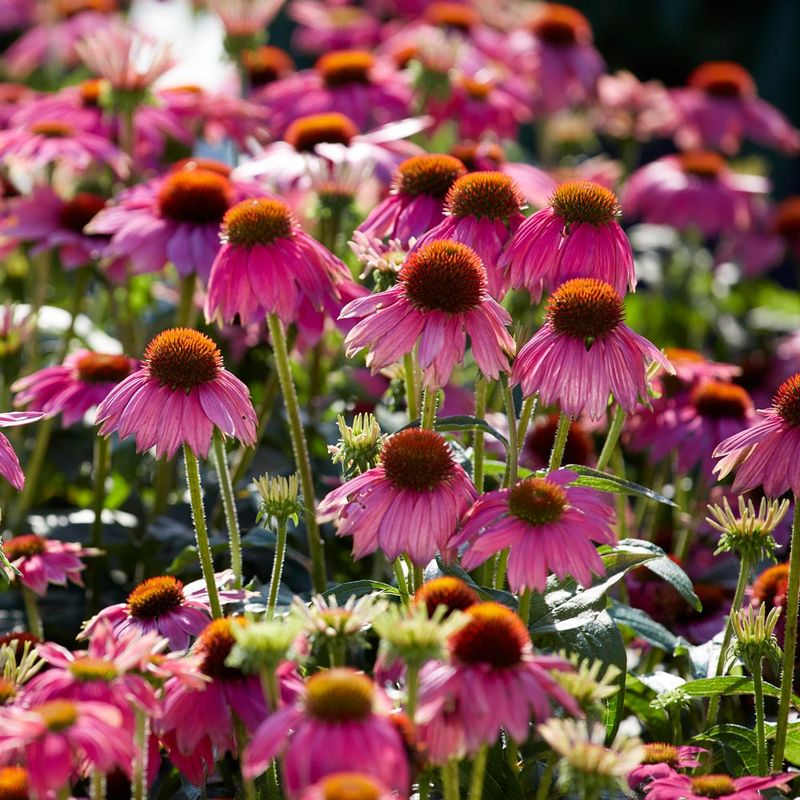
Walk through almost any Pennsylvania garden in July, and you will likely spot the bold, rosy-purple blooms of echinacea waving in the breeze. Purple coneflower is one of the most dependable perennials you can plant in a full sun spot.
Its daisy-like petals droop slightly around a spiky, cone-shaped center, giving it a look that is both wild and elegant at the same time.
One of the best things about this plant is how little water it needs once it gets settled in. It handles Pennsylvania summers without much help, shrugging off heat waves that would stress out less hardy plants.
The deep taproot it develops over time helps it pull moisture from deeper in the soil, so even during a dry stretch, it keeps on blooming.
Bees, butterflies, and goldfinches absolutely love coneflowers. Pollinators visit the blooms all season long, and when fall arrives, the seed heads become a snack bar for birds.
Leaving the seed heads standing through winter adds structure to your garden and helps local wildlife through the colder months.
Purple coneflower grows well in average or even poor soil, as long as drainage is decent. Rich, soggy soil can actually cause problems, so avoid over-amending your planting bed.
Plants typically reach two to four feet tall and spread slowly into clumps over the years. Dividing them every three to four years keeps them vigorous and gives you free plants to share with neighbors or fill in other spots around your yard.
2. Black-Eyed Susan (Rudbeckia Hirta)
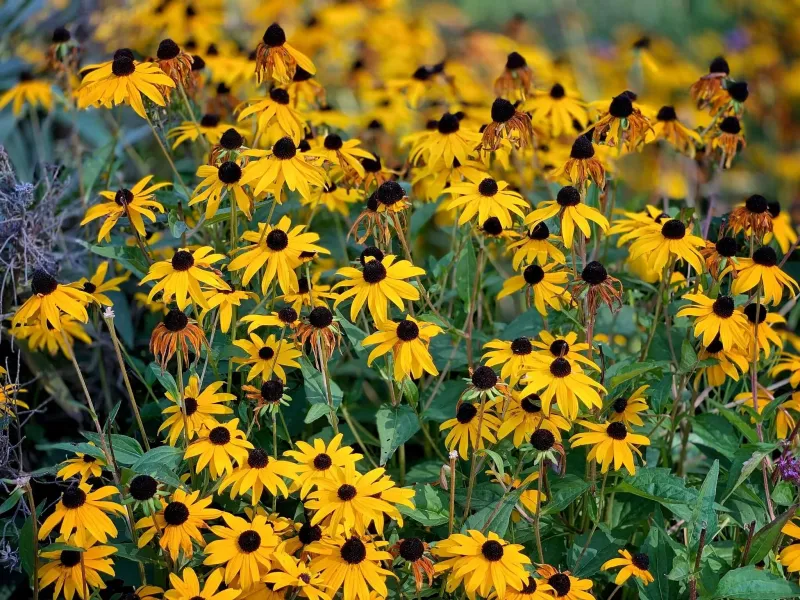
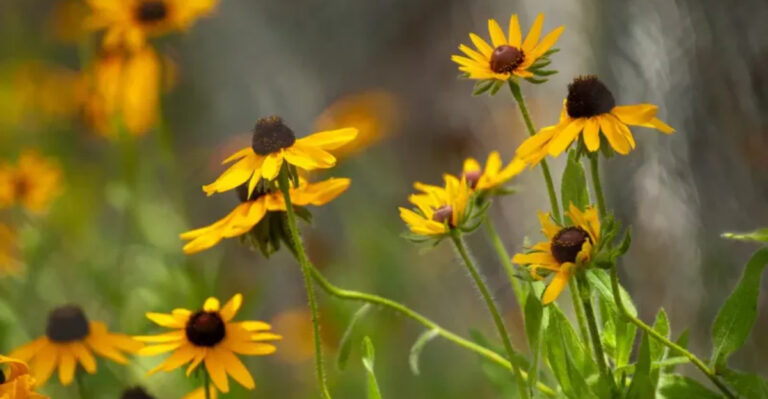
Few flowers say “summer” quite like the cheerful yellow blooms of black-eyed Susan. Those sunny petals surrounding a rich, dark brown center are practically a symbol of Pennsylvania meadows and roadsides.
Gardeners love them because they bloom from early summer all the way into fall, filling that long stretch of the season when some other plants start fading out.
Black-eyed Susans are seriously tough. They handle dry spells, poor soil, and blazing afternoon sun without skipping a beat.
Your Pennsylvania Garden Changes Every Week. Your Plan Should Too.
Gardening in Pennsylvania changes quickly throughout the season. Every Friday you’ll receive a simple weekly plan showing exactly what to plant, prune, fertilize, harvest, and protect so you never miss the right timing.
Once established, these plants practically take care of themselves. You might water them a bit during their first season while roots are getting settled, but after that, rainfall is usually all they need to keep performing well.
Planting them in a sunny border or mixed perennial bed creates a bold splash of color that pairs beautifully with purple coneflowers and ornamental grasses.
The contrast between the yellow petals and dark centers catches the eye from a distance, making them a smart choice for adding visual punch to larger garden spaces.
Butterflies and bees flock to the blooms, and the seeds attract birds in late fall and winter. Black-eyed Susans also self-seed freely, which means new plants pop up nearby each year without any effort from you.
If the spreading gets too enthusiastic, simply thin out the seedlings in spring. They grow about two to three feet tall and are completely comfortable in Pennsylvania’s climate, from the hot summers in the south to the cooler northern regions of the state.
3. Butterfly Weed (Asclepias Tuberosa)
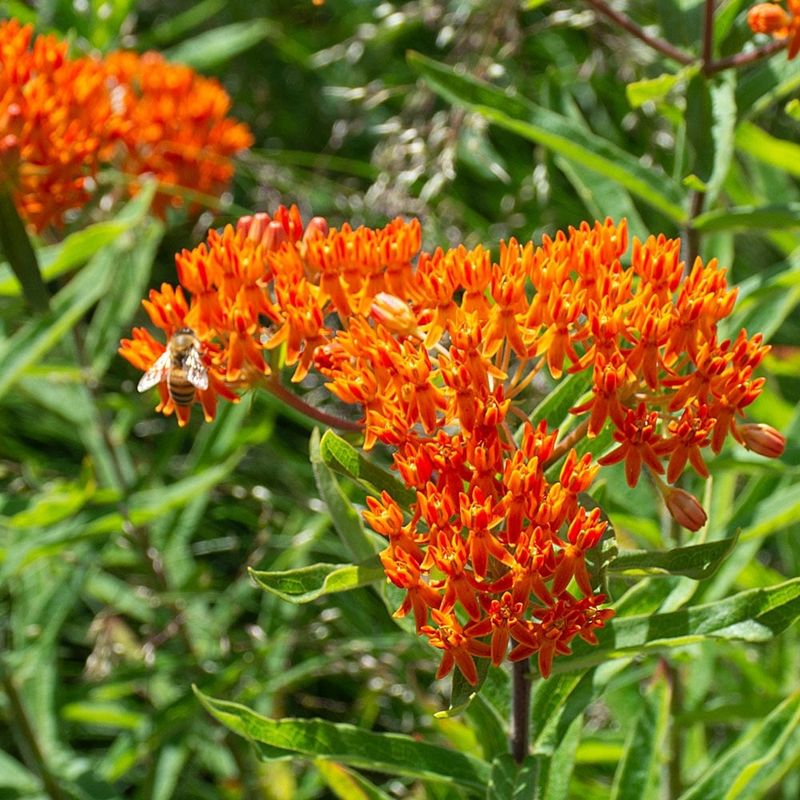
Bright orange clusters of tiny flowers sitting on stiff, upright stems make butterfly weed one of the most eye-catching plants you can grow in a sunny Pennsylvania garden.
Beyond the good looks, this plant does something really important: it serves as a host plant for monarch butterflies.
Monarch caterpillars feed exclusively on milkweed family plants, and butterfly weed is one of the most garden-friendly members of that group.
What makes this plant stand out from many other perennials is its incredibly deep taproot. That root can reach several feet underground, tapping into moisture that surface-rooted plants simply cannot access.
This is why butterfly weed thrives in hot, dry conditions where other flowers struggle. Once established, it rarely needs watering and actually prefers to be left alone rather than fussed over.
Planting butterfly weed is straightforward, but patience is key. It is slow to emerge in spring, often appearing weeks after other perennials have already leafed out.
Mark the spot so you do not accidentally disturb it while doing spring cleanup. Because of the deep taproot, moving an established plant is difficult, so choose your planting location carefully from the start.
Full sun and well-drained soil are the two main requirements for success. Sandy or rocky soil works perfectly fine.
Avoid heavy clay or spots that stay wet after rain. Butterfly weed grows about one to two feet tall and produces blooms from late spring through midsummer.
Leaving seed pods on the plant at the end of the season allows it to naturally spread to new areas of your garden over time.
4. Coreopsis (Coreopsis Spp.)
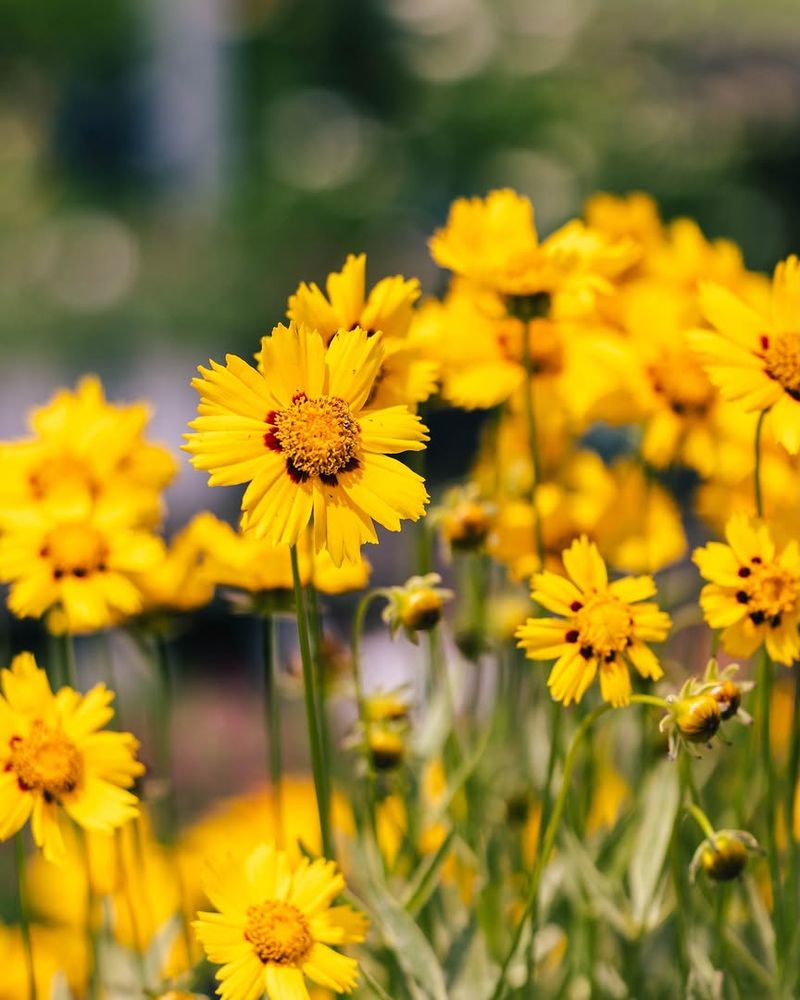
If you want a flower that blooms and blooms without demanding much in return, coreopsis might be your perfect match.
Sometimes called tickseed, this cheerful plant produces bright yellow flowers all summer long with barely any effort required from the gardener.
It is one of those plants that actually does better when you leave it alone rather than pampering it with extra water and fertilizer.
Coreopsis thrives in poor to average, well-drained soil. Rich, fertile soil can cause the plants to flop over or produce more leaves than flowers.
Pennsylvania gardens often have a mix of soil types, and coreopsis handles most of them well as long as drainage is good. Sandy or gravelly spots that other plants find too harsh are exactly where coreopsis feels most at home.
The bloom time is impressive. Starting in early summer and continuing until the first frosts of fall, coreopsis keeps producing fresh flowers over an extended season.
Deadheading spent blooms encourages even more flower production, though many modern varieties rebloom on their own without any deadheading at all. This makes them a very practical choice for busy gardeners who do not have time for constant upkeep.
Coreopsis grows in compact mounds, usually reaching one to two feet in height. The fine, delicate foliage creates a feathery texture that contrasts nicely with bolder plants in a mixed border.
Bees and butterflies visit regularly throughout the season. Dividing clumps every few years keeps plants blooming vigorously and prevents the center from getting woody and sparse over time.
5. Daylilies (Hemerocallis Spp.)
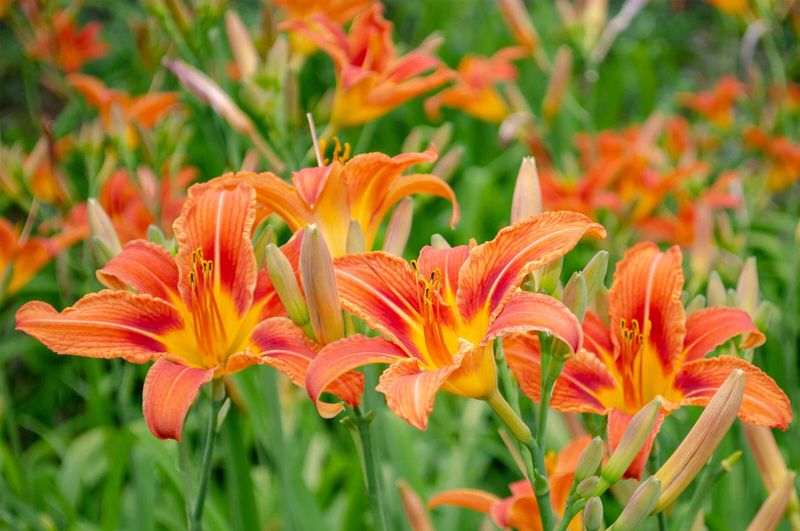
Ask any experienced Pennsylvania gardener which perennial they trust the most, and there is a good chance daylilies will come up quickly.
These tough, adaptable plants have been filling gardens with color for generations, and for good reason.
They come in an almost overwhelming range of colors, from pale lemon yellow to deep burgundy, and bloom from midsummer into late summer depending on the variety you choose.
Each flower lasts only one day, which is where the name comes from. But do not let that discourage you.
Each plant produces dozens of flower buds on tall stalks called scapes, so the show keeps going for weeks. Planting early, mid-season, and late-blooming varieties together can extend the color display from June all the way through August or even September.
Daylilies handle Pennsylvania heat and full sun with ease. They are not picky about soil and will grow in clay, sandy, or average garden soil as long as it drains reasonably well.
Once established, they need very little supplemental watering. They spread gradually over time, forming larger and larger clumps that get more impressive with each passing year.
Dividing daylily clumps every four to five years keeps plants blooming at their best. Overcrowded clumps tend to produce fewer flowers, so splitting them up reinvigorates the whole planting.
Division is easy to do in early spring or early fall. The divisions transplant readily and establish quickly, making daylilies one of the most generous perennials you can grow in a Pennsylvania garden.
6. Sedum (Sedum Spp.)
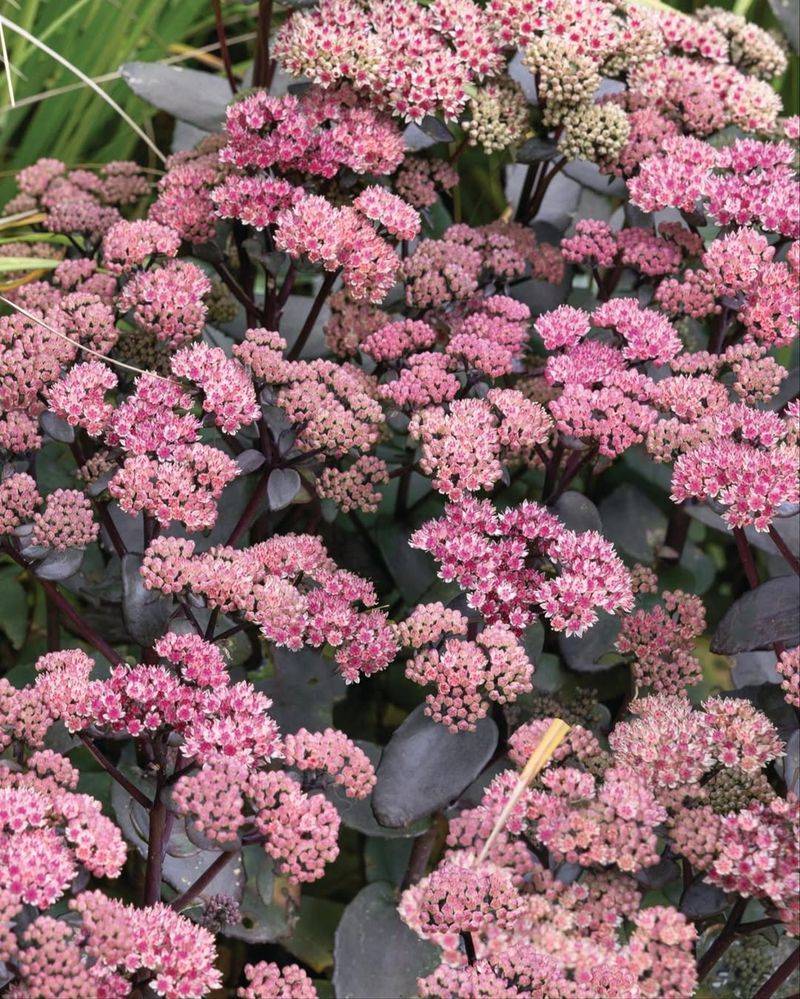
Late summer is when many gardens start looking tired, but sedum is just getting started. Also known as stonecrop, this succulent-like perennial puts on its best show from late summer into fall, exactly when most other flowers have already peaked.
The star-shaped blooms cluster together in flat, dome-shaped heads that attract late-season pollinators looking for one last feast before winter arrives.
Sedum stores water in its thick, fleshy leaves, which is the secret behind its incredible drought tolerance. It can go weeks without rain and still look perfectly happy.
Pennsylvania summers can bring dry spells that stress out less resilient plants, but sedum handles those stretches without any visible signs of struggle. It is genuinely one of the most carefree plants you can add to a sunny garden.
The foliage itself is interesting even before the flowers appear. Many varieties feature blue-green, burgundy, or variegated leaves that add color and texture to the garden from spring onward.
Tall varieties like Autumn Joy grow into sturdy two-foot mounds that hold their shape beautifully throughout the season. Low-growing varieties spread along the ground and work well as edging plants or ground covers on slopes.
Sedum asks for very little in return for its long season of good looks. Plant it in full sun and well-drained soil, and it will reward you year after year.
Avoid planting in heavy, wet soil because waterlogged roots are the one thing sedum cannot handle. Cutting stems back by half in late spring encourages bushier, more compact growth and prevents taller varieties from flopping over later in the season.
7. Yarrow (Achillea Millefolium)
Yarrow has been growing in gardens for centuries, and there is a reason it has stuck around so long. Ancient Greeks reportedly used it for medicinal purposes, and its Latin name, Achillea, is said to reference the hero Achilles.
Today, gardeners grow it simply because it is tough, beautiful, and incredibly easy to maintain in sunny, dry spots where other plants might struggle.
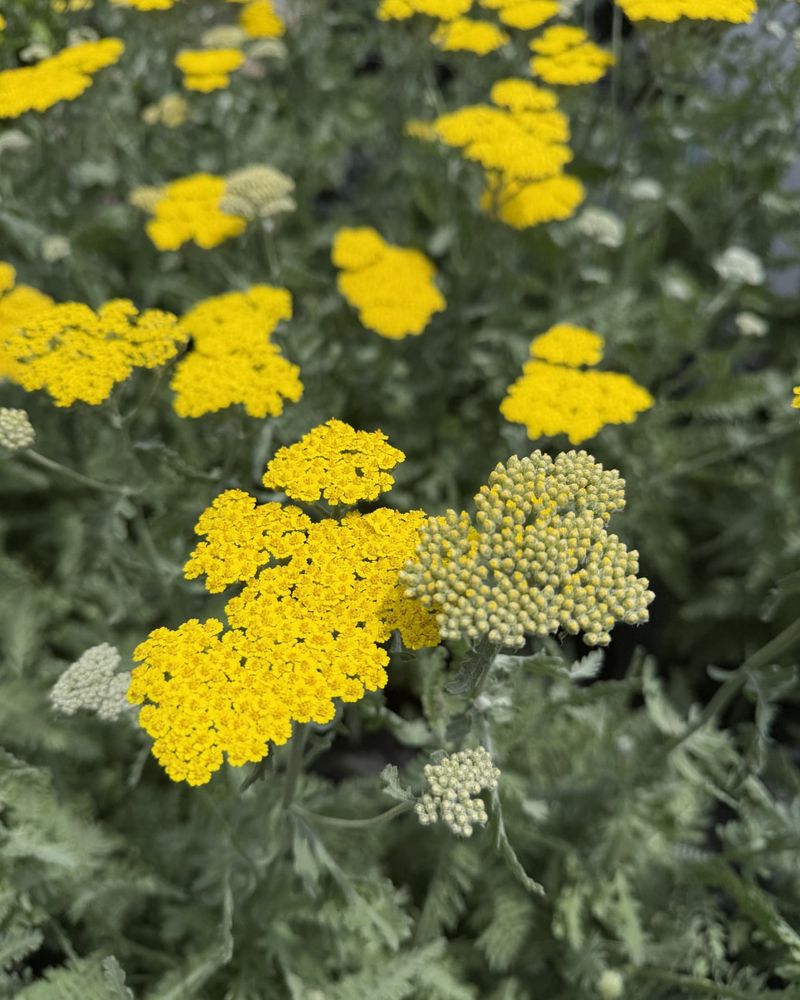
The flat-topped flower clusters of yarrow come in white, yellow, soft pink, and even deep rose shades, depending on the variety. These blooms sit above feathery, finely divided foliage that smells faintly herbal when brushed against.
The combination of delicate-looking flowers and bold, textured leaves makes yarrow a standout in any mixed perennial border throughout Pennsylvania.
Heat and drought barely affect yarrow at all. It evolved in rocky, dry meadows and roadsides, so poor soil and full blazing sun are its natural habitat.
Over-watering or planting in rich, moist soil can actually cause the plants to flop over and look messy. Lean soil and good drainage are the real keys to getting compact, upright growth that looks tidy all season long.
Yarrow blooms from late spring through midsummer and often reblooms if you cut the spent flower heads back promptly. Pollinators love the wide, flat flower clusters because they provide an easy landing platform.
The dried flower heads also look attractive left standing through winter. Plants spread by underground runners over time, so dividing clumps every two to three years keeps them from taking over more space than you intended.
8. Bee Balm (Monarda Didyma)
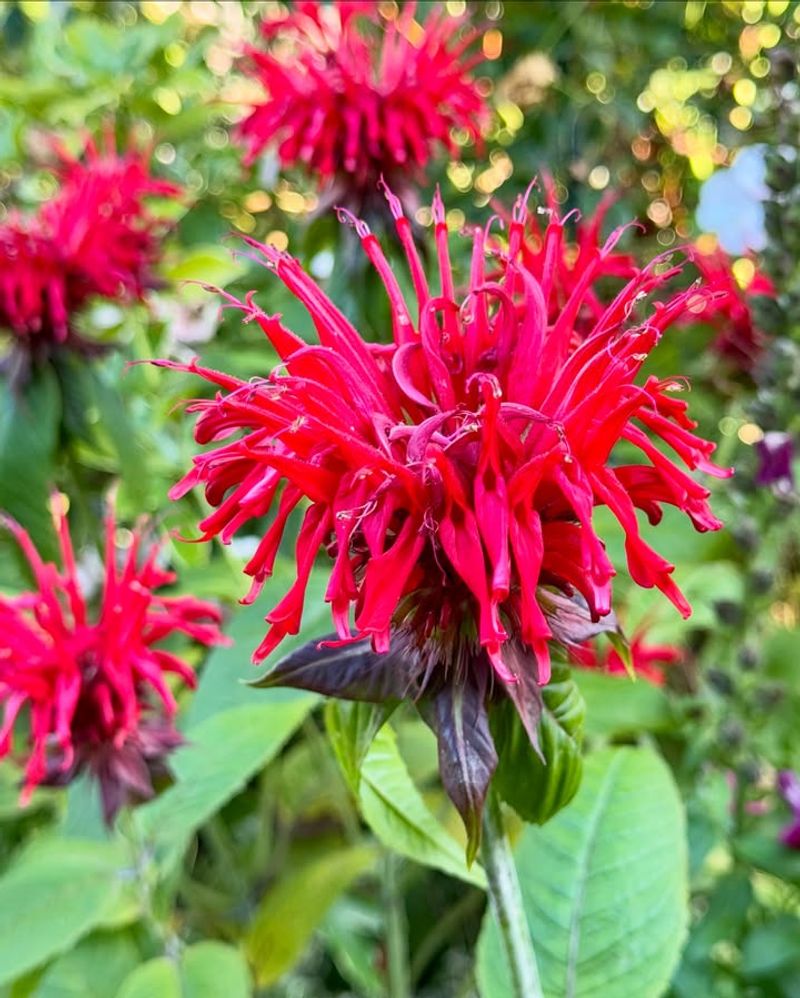
Few plants put on a wildlife show quite like bee balm does at the height of summer. The shaggy, firework-shaped blooms in red, pink, and purple are irresistible to hummingbirds, bumblebees, and butterflies alike.
Watching a ruby-throated hummingbird hover around a patch of scarlet bee balm is one of those summer garden moments that never gets old, no matter how many times you see it.
Bee balm is a native plant to eastern North America, which means it is naturally suited to Pennsylvania’s climate and growing conditions.
It blooms from midsummer into late summer and grows vigorously in full sun when given soil that drains well between rain events.
Consistently wet or waterlogged soil invites problems, but well-drained ground keeps plants healthy and productive for many years.
Powdery mildew can appear on bee balm leaves in humid summers, especially when air circulation around the plants is poor. Spacing plants at least eighteen to twenty-four inches apart helps air move freely through the foliage and reduces the chance of mildew developing.
Newer mildew-resistant varieties like Jacob Cline and Raspberry Wine are excellent choices for Pennsylvania gardeners who want all the beauty with fewer headaches.
Bee balm spreads by underground runners and can expand quickly once it gets comfortable. Dividing clumps every two to three years keeps the planting from overcrowding itself and encourages the strongest stems to bloom most vigorously.
Cutting plants back hard after the first flush of bloom sometimes triggers a second round of flowers later in the season. The aromatic foliage also deters deer, which is a welcome bonus for many Pennsylvania gardeners.