Try These 8 Effective Steps To Mole-Proof Your Indiana Lawn The Safe Way
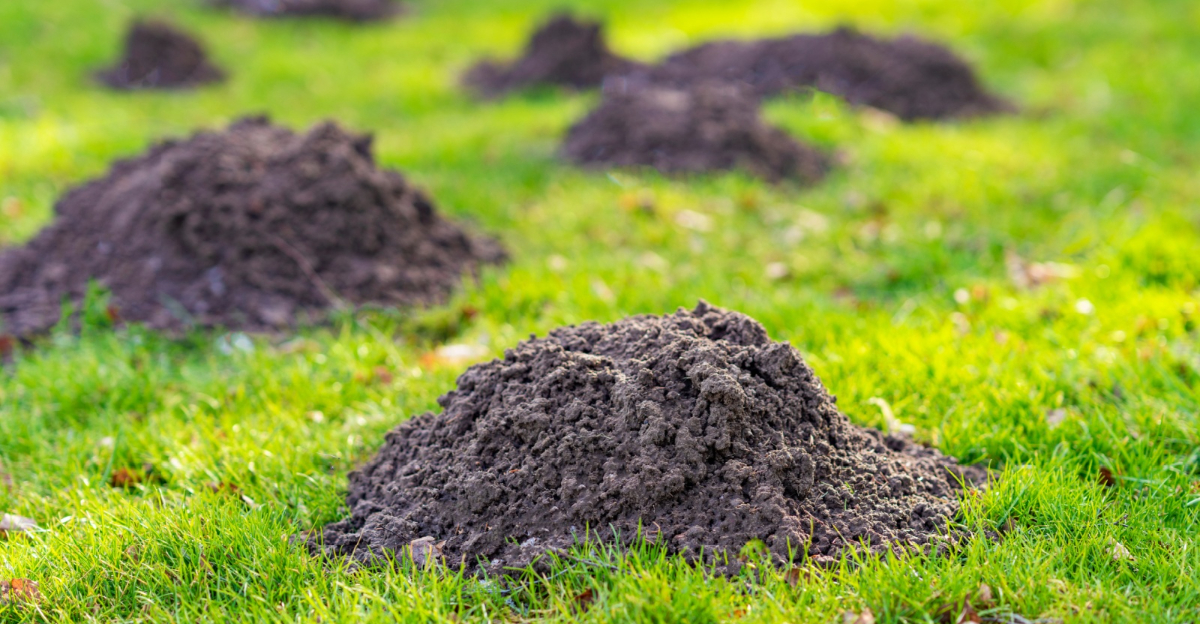
Moles do not eat your grass. They do not even care about it. That one fact changes everything about how you fight them.
Most Indiana homeowners spend months chasing symptoms while the real cause keeps thriving six inches underground.
A mole is essentially a tiny, tireless hunter following its food source through your soil. Once you understand that, the whole game shifts.
You stop chasing tunnels and start targeting the conditions that make your yard irresistible in the first place.
The methods that actually work are not dramatic. They are consistent, layered, and rooted in how moles actually behave rather than how we imagine they do. Some will surprise you.
A few require almost no effort. None of them involve calling someone and handing over a check.
Your yard can be mole-free. You just have to stop fighting the mole and start fighting the reason it showed up.
1. Install Underground Wire Mesh Barriers
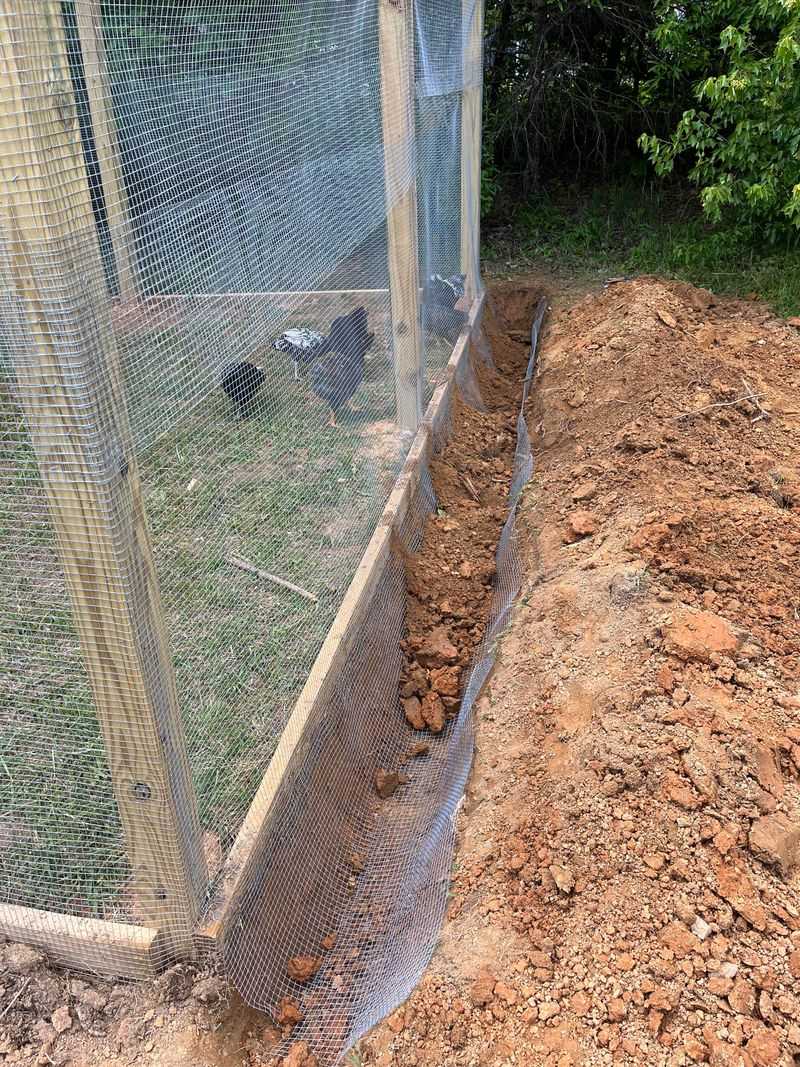
Picture this: a mole hits a wall it cannot dig through. That is exactly what underground wire mesh barriers do for your lawn.
Hardware cloth or galvanized wire mesh creates a physical boundary moles simply cannot penetrate. You bury it about 2 feet deep along garden beds, lawn edges, or any area you want to protect.
The mesh should have openings no larger than one inch. Smaller gaps prevent even juvenile moles from squeezing through tight spots.
This method works best when installed before a mole problem starts. Think of it as building a fence underground before the unwanted guests arrive.
For existing lawns, you can still add barriers around garden beds or prized turf sections. It takes some digging, but the long-term payoff is absolutely worth the afternoon of effort.
Galvanized mesh resists rust and lasts for years in moist Indiana soil. Stainless steel versions cost more upfront but hold up even longer in wet conditions.
Some homeowners also line raised garden beds with mesh on the bottom. This keeps moles from tunneling up through the soil and destroying plant roots.
Installation is a one-time job that keeps working season after season. No chemicals, no maintenance, no repeat purchases required once the mesh is in the ground.
Combining mesh barriers with other methods on this list creates a layered defense. A mole-proof lawn is not built on one trick alone, it is built on smart, stacked strategies working together.
2. Plant Daffodils And Alliums Around The Yard

Some flowers are pretty AND powerful. Daffodils and alliums are two plants that moles genuinely want nothing to do with.
Moles rely on their sense of smell to navigate underground. Both daffodils and alliums produce compounds that irritate moles and make your yard feel hostile to them.
Planting these along your lawn border creates a fragrant, natural fence. Moles approaching from outside your yard often turn around before they ever break the surface.
Daffodils contain lycorine, a compound that is toxic to many small animals. Alliums, which include ornamental onions and garlic, release sulfur-based compounds that moles find overwhelming.
Your Indiana Garden Changes Every Week. Your Plan Should Too.
Gardening in Indiana changes quickly throughout the season. Every Friday you’ll receive a simple weekly plan showing exactly what to plant, prune, fertilize, harvest, and protect so you never miss the right timing.
The best placement is around the perimeter of your lawn and along garden bed edges. Dense clusters work better than scattered single bulbs spread too far apart.
Spring planting gives these bulbs time to establish strong root systems before summer. Fall planting works too, as bulbs overwinter well in Indiana soil.
Beyond their pest-deterring power, these plants add serious curb appeal. Neighbors will admire your blooms without ever knowing they are pulling double duty as mole deterrents.
Mix daffodils with alliums for a layered effect that blooms at different times. This keeps your natural barrier active across multiple months of the growing season.
To mole-proof your Indiana lawn naturally, start with what grows beautifully above ground. What works underground is often rooted in what you choose to plant on top.
3. Apply Castor Oil-Based Granules Across Affected Areas
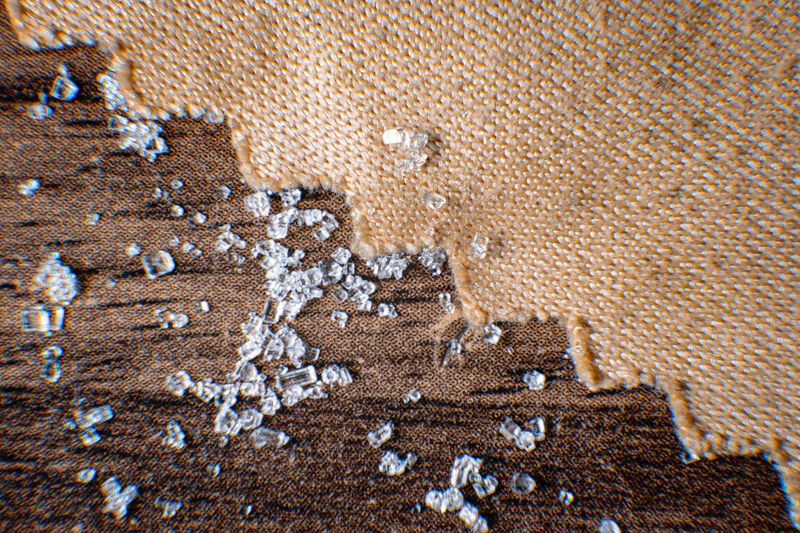
Castor oil is one of the oldest natural mole repellents around, and it still works surprisingly well today. Granule forms make it easy to apply across large lawn areas without a mess.
Moles absorb castor oil through contact and ingestion while tunneling through treated soil. It does not harm them permanently, and many homeowners find it makes the area unappealing enough that moles move on.
Spread the granules evenly using a broadcast spreader for the best coverage. Focus on active tunnel areas first, then treat the surrounding lawn as a buffer zone.
Water the granules in after application so they break down into the soil. Rain works too, but giving the lawn a good soak right after spreading speeds up the activation process.
Reapply every 30 days or after heavy rainfall washes the product deeper into the ground. Consistency is what makes castor oil granules effective rather than just a one-time fix.
Look for products labeled specifically for moles rather than general pest repellents. Some blends include additional natural oils that boost the overall deterrent effect significantly.
Castor oil granules are safe around pets and children when used as directed. That makes them a popular choice for families who want results without worrying about chemical exposure.
Pair this treatment with reduced watering to make the soil even less attractive. A drier lawn plus castor oil creates conditions that moles find deeply unappealing to move through.
Staying consistent with applications through spring and summer keeps moles moving on. Persistence beats any single application every single time.
4. Reduce Grubs With Beneficial Nematodes
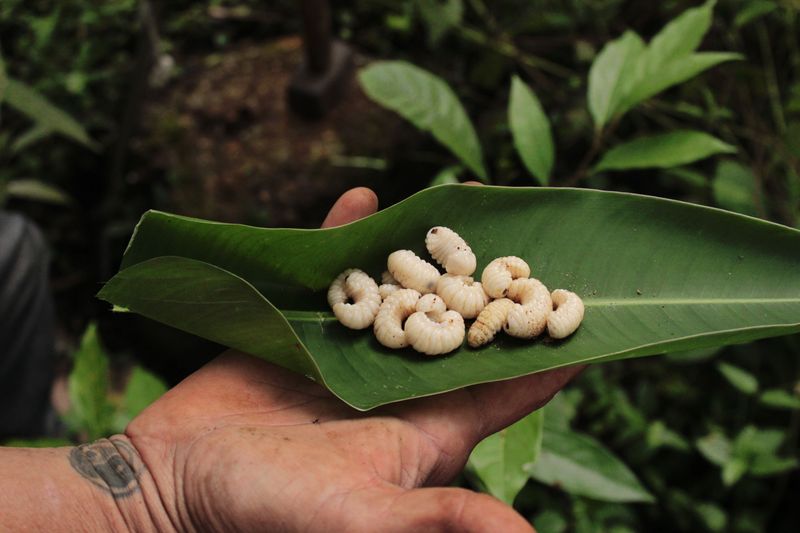
Moles do not just love earthworms, they are strongly attracted to grubs as well. Reducing the grub population removes one of the biggest reasons moles show up in the first place.
Beneficial nematodes are microscopic roundworms that target grubs naturally. They move through moist soil, find grubs, and neutralize them without harming earthworms, pets, or plants.
You apply nematodes by mixing them with water and spraying the solution across your lawn. The process takes about 20 minutes and the nematodes get to work almost immediately underground.
Timing matters a lot with nematodes. Apply them in early spring or late summer when grubs are young and closer to the soil surface where nematodes can reach them.
Soil temperature should be above 55 degrees Fahrenheit for nematodes to stay active. Indiana summers are ideal, but early spring applications need a soil thermometer check first.
Keep the lawn moist for at least two weeks after application. Nematodes need moisture to travel through soil and reach their grub targets effectively.
Results take two to four weeks to show up visibly. Patience is part of the process, but the long-term grub reduction is worth every day of waiting.
Nematodes are sold at garden centers and online in refrigerated packets. Always check the expiration date before buying, as expired nematodes lose their effectiveness fast.
Cutting off the grub supply makes your yard far less attractive to every mole in the area. A lawn with nothing worth eating is a lawn moles will happily skip.
5. Vibrating Stakes Disturb Moles Underground
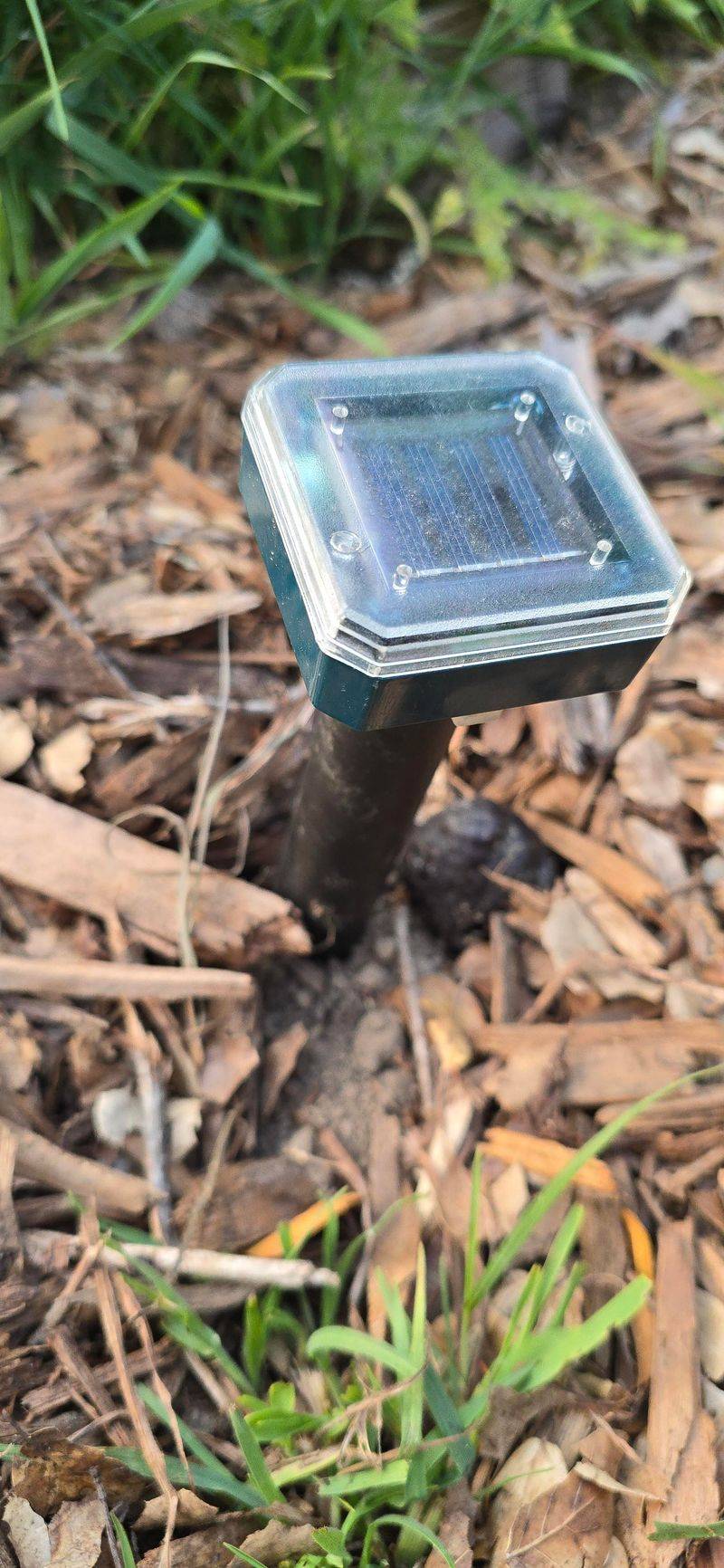
Moles are almost blind, but their sense of vibration is extraordinary. That sensitivity becomes their weakness when you plant vibrating stakes across your lawn.
Solar-powered vibrating stakes send rhythmic pulses through the soil at regular intervals throughout the day. Moles experience these vibrations as a constant threat and begin avoiding the area entirely.
Place stakes every 15 to 20 feet across affected sections of your lawn. Closer spacing increases the overlap of vibration zones and creates a stronger deterrent effect underground.
Most stakes run about 12 inches into the ground and charge during the day. Even cloudy Indiana days provide enough solar energy to keep the stakes running through the night.
Initial results often show up within one to two weeks of installation. Some homeowners report seeing moles abandon tunnels within just a few days of placing the stakes.
Battery-operated versions work well in shaded yards where sunlight is limited. Swap batteries every two to three months to maintain consistent vibration output throughout the season.
Stakes work best when combined with other deterrent methods rather than used alone. Think of them as part of a larger system rather than a standalone fix.
Move stakes every few weeks to cover different areas of the lawn. Moles can sometimes adjust to stationary vibrations over time if the source never changes position.
There is something satisfying about using sound and movement to outsmart a burrowing animal. Your lawn stays intact and no creature gets hurt in the process.
6. Flood Active Tunnels To Encourage Relocation
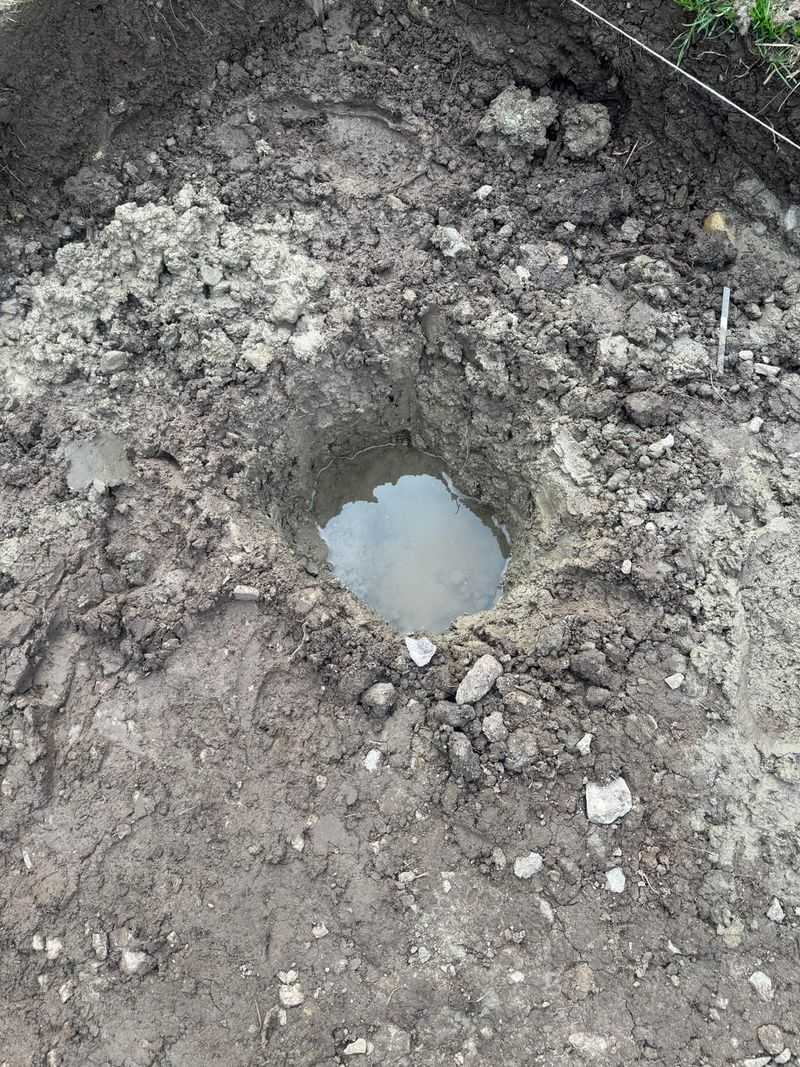
Sometimes the most direct approach is also the most straightforward. Flooding active mole tunnels is a simple, chemical-free way to make underground living deeply uncomfortable.
Moles create two types of tunnels: deep permanent ones and shallow feeding runs near the surface. Target the shallow runs first, as those are the fresh, active pathways moles use daily.
Push a garden hose nozzle into the tunnel opening and let water flow steadily for 60 to 90 seconds. The flooding disrupts the tunnel structure and makes the ground unstable for continued digging.
Do this in the early morning when moles are most active near the surface. Catching them mid-activity increases the chance they experience the disruption directly.
Repeat flooding every two to three days on the same tunnel network. Consistent pressure convinces moles that your yard is too much trouble to maintain as a home base.
Avoid over-watering your lawn in the process, as soggy soil actually attracts more earthworms. Use targeted flooding rather than soaking the entire lawn surface at once.
Combine flooding with castor oil granule applications for a stronger combined approach. Wet soil carries the castor oil scent deeper into tunnels where moles travel most frequently.
This method works best during dry spells when moles are actively seeking moisture. Flipping that need against them is clever, low-cost, and completely safe for your family.
Encouraging relocation is kinder than many alternatives and just as effective. A mole that moves on is a problem genuinely solved, not just temporarily paused.
7. Keep Lawn Less Irrigated To Limit Surface Earthworm Activity
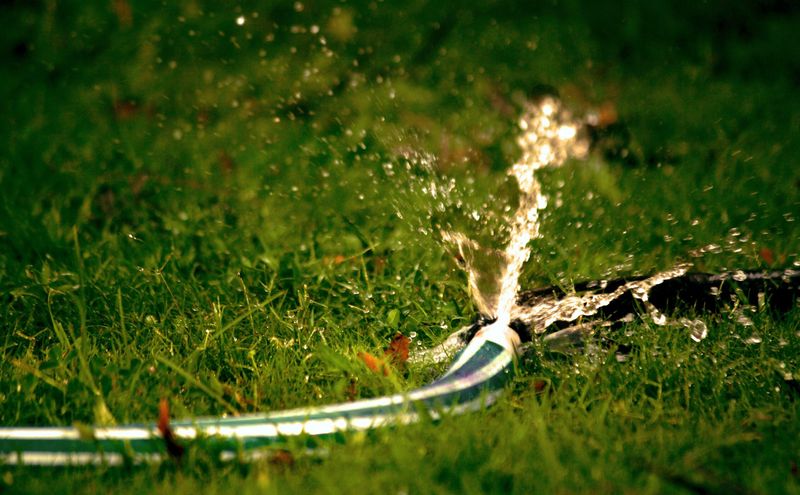
Earthworms are the main course on every mole menu. Reduce the earthworm population near the surface and you remove the number one reason moles choose your lawn.
Overwatered lawns push earthworms toward the surface where moles can easily find and eat them. Cutting back on irrigation keeps worms deeper in the soil and out of mole range.
Most Indiana lawns need about one inch of water per week during summer. Going slightly below that threshold makes the top few inches of soil less hospitable for surface-feeding moles.
Water deeply but less frequently to encourage grass roots to grow downward. Deeper roots mean a healthier lawn that needs less frequent watering overall across the season.
Early morning watering reduces evaporation and lets the surface dry out by afternoon. A drier surface layer discourages both moles and the earthworms they are hunting near the top.
Use a rain gauge to track how much natural moisture your lawn receives each week. Skipping scheduled irrigation after rainfall is an easy way to reduce unnecessary moisture buildup.
Switching to drought-tolerant grass varieties also helps long term. These grasses thrive with less water and naturally create a drier soil environment that moles find less rewarding.
Check your irrigation system for leaks or zones that water too heavily in one spot. A consistently wet patch in your lawn is an open invitation for moles to move in.
To truly mole-proof your Indiana lawn, think about what you can take away. Less water means fewer worms, and fewer worms means far less mole activity overall.
8. Encourage Owls With Nesting Boxes Nearby
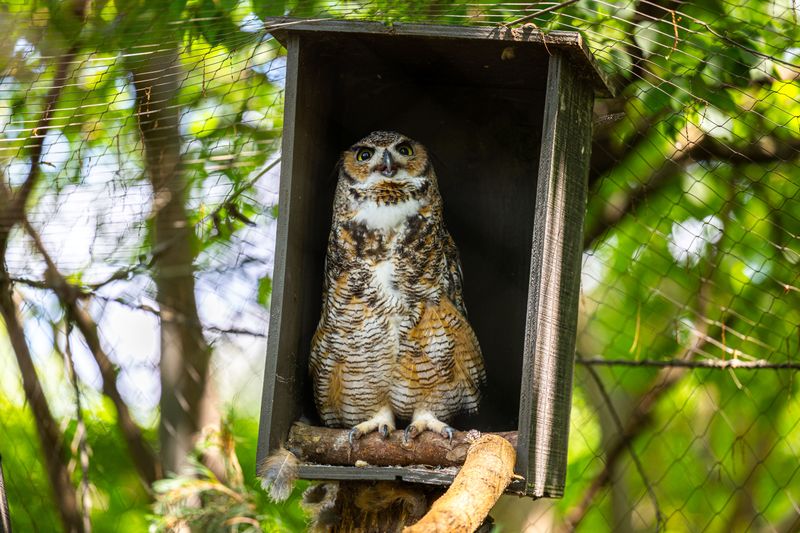
Nature already has a solution for mole problems, and it flies silently at night. Owls are natural predators that actively hunt moles along with voles and other burrowing creatures.
Installing an owl nesting box near your lawn invites these hunters to set up permanent residence. A resident owl pair can cover several acres of territory every single night.
Barn owls are the most effective species for lawn pest control in the Midwest. They are cavity nesters, which means a properly built box mimics the hollow trees they naturally prefer.
Mount the nesting box on a post at least 10 to 15 feet high. Face the entrance hole away from prevailing winds to keep the interior dry and comfortable for nesting pairs.
Place the box at the edge of your property near open lawn space. Owls prefer hunting grounds with clear sightlines, so avoid placing boxes deep inside dense tree canopy.
It may take one full season for owls to discover and claim a new box. Patience pays off enormously once a pair moves in and begins regular nightly hunting rounds.
Avoid using rodenticides anywhere near the nesting area. Owls that eat poisoned prey can get sick, and losing your resident hunters defeats the entire purpose of the box.
Keep outdoor lights near the box dim or pointed away from the entrance. Owls prefer darkness, and bright light near the box can discourage them from nesting there.
There is something magical about watching an owl glide across your mole-proof Indiana lawn at dusk. Natural balance restored is the most rewarding outcome of all.