What Carpenter Bees Nesting On Your West Virginia Porch Actually Mean
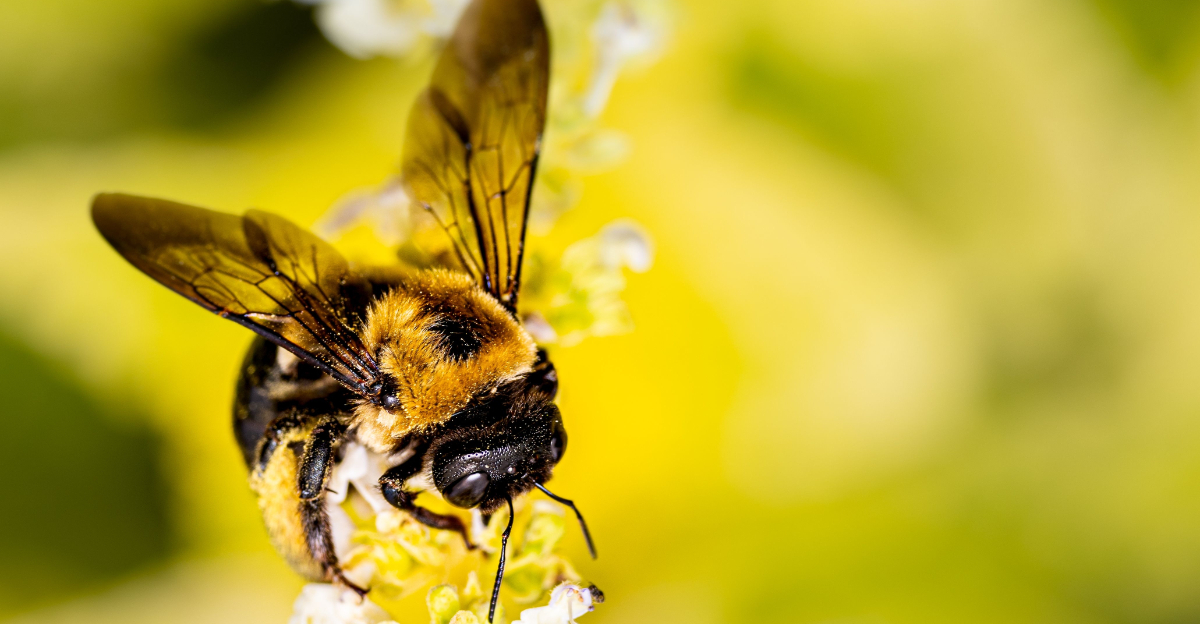
Every April, West Virginia porches get inspected twice, once by the homeowner and once by carpenter bees. The bees are often faster.
Those perfectly round holes showing up in your railing or deck boards overnight are not random, and they are not just damage. They are a very specific message about your wood, your home, and what is quietly happening beneath the surface.
Carpenter bees are among the most misunderstood insects in the state, written off as destructive pests when they are actually functioning pollinators pulling double duty between your garden and your lumber.
Once you learn to read the signs, you stay ahead of the damage.
Carpenter Bees And West Virginia Porches Go Way Back
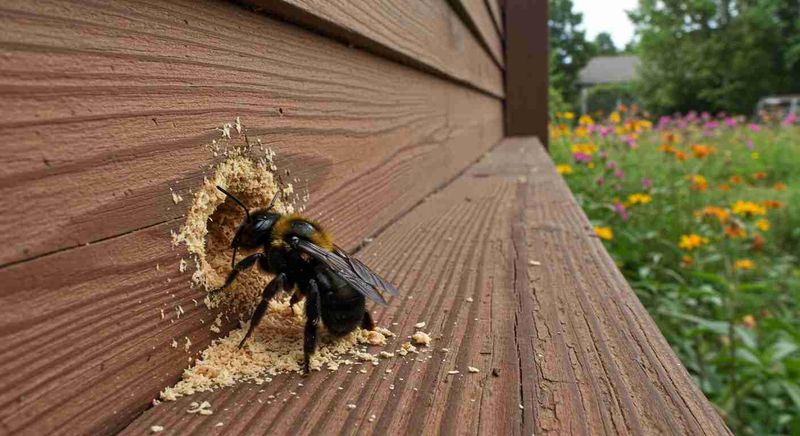
That buzzing near your porch eave is not random. Carpenter bees nesting on your West Virginia porch have been doing this long before your house was built.
These bees prefer softwoods like pine, cedar, and redwood. Those happen to be the most common porch-building materials across the Mountain State.
Female carpenter bees chew perfectly round holes, about half an inch wide, into bare or weathered wood. They are not eating the wood like termites would. They are excavating a nursery tunnel called a gallery.
Inside each gallery, a female lays her eggs, provisions them with pollen, and seals each chamber. This process takes real effort and happens every single spring.
The males you see hovering aggressively near the entry holes cannot sting. They are just putting on a show to protect territory. The females can sting but rarely do unless handled directly.
Older West Virginia homes with wraparound porches, exposed rafters, and unpainted wood are basically prime real estate for these insects. They return to the same spots year after year.
Generations of bees expand existing tunnels rather than starting fresh each season. A small hole from last spring can grow significantly deeper over several seasons as returning bees expand the same tunnel.
Knowing this history helps you understand that carpenter bee activity on your porch is rarely a one-season event. It is an ongoing relationship between your wood and the local bee population that needs active management.
What That Perfectly Round Hole Is Actually Saying
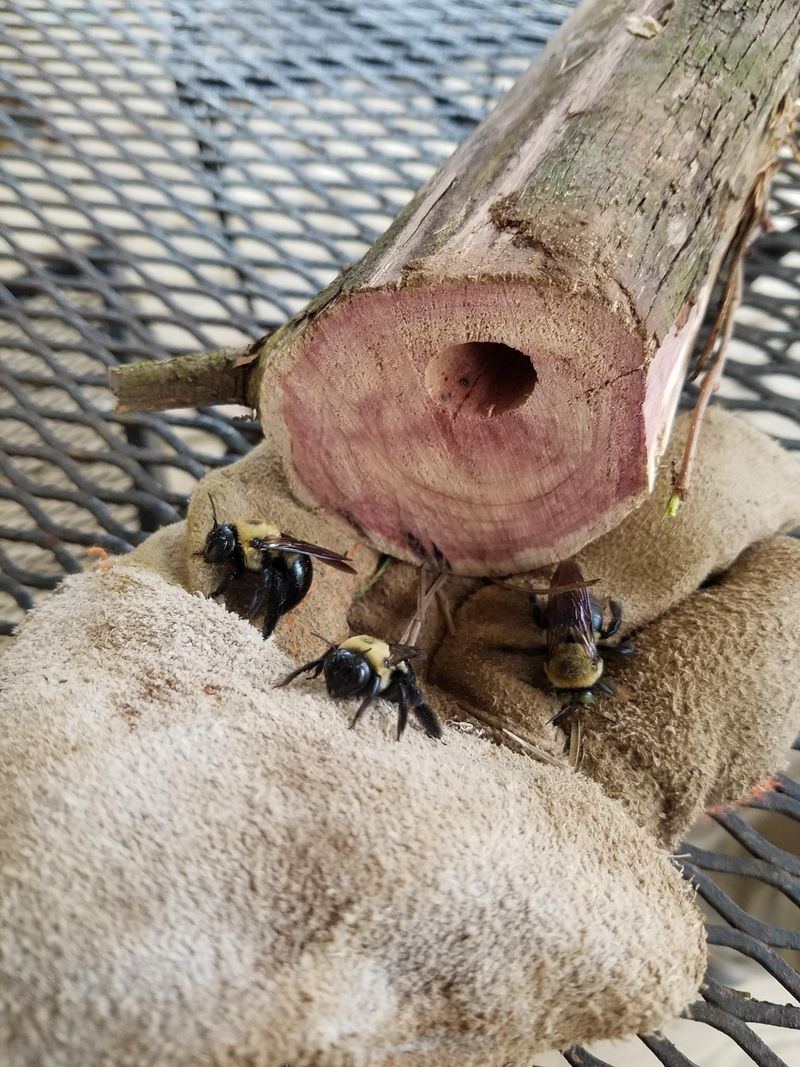
A hole that looks machine-drilled into your porch wood is the clearest sign you have carpenter bees. No other common insect leaves an entry point that clean and precise.
The diameter is almost always close to half an inch. If you see something smaller or jagged, you are likely dealing with a different pest entirely.
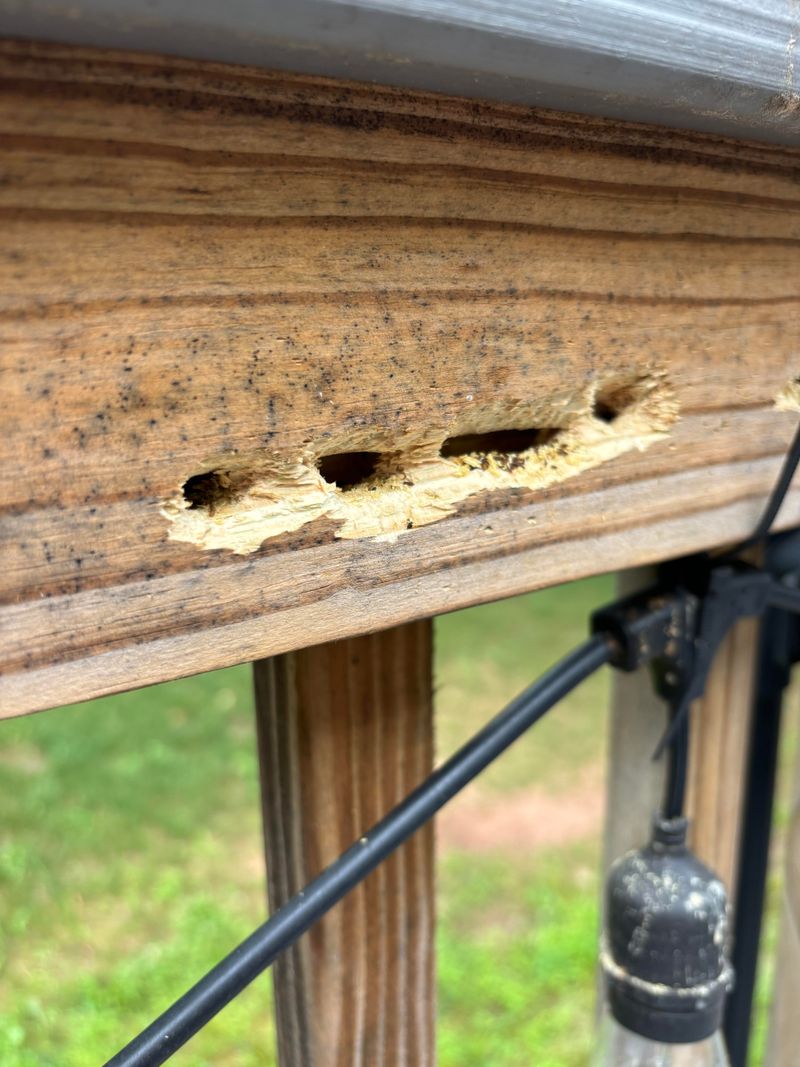
Fresh holes have bright, pale wood around the edges. Older holes look darker and may have yellow-brown staining from bee waste below the opening.
That staining is called frass mixed with excrement, and it streaks down the wood like a rust-colored drip. Spotting it means the hole has been active for at least a few weeks.
Carpenter bees do not make noise inside the tunnel the way termites do. In active nesting tunnels, the female may be chewing deeper inside, though the activity is rarely detectable from the outside.
Your West Virginia Garden Changes Every Week. Your Plan Should Too.
Gardening in West Virginia changes quickly throughout the season. Every Friday you’ll receive a simple weekly plan showing exactly what to plant, prune, fertilize, harvest, and protect so you never miss the right timing.
The tunnel typically runs straight in about an inch, then turns sharply and runs parallel to the wood grain. This L-shaped design is a signature carpenter bee construction choice.
Each chamber inside holds one egg and a pollen ball for the larva to eat after hatching. A single gallery can hold up to six of these chambers.
Finding one hole means there are almost certainly more nearby. Scout the underside of railings, the ends of joists, and the faces of fascia boards for additional entry points you may have missed.
Carpenter Bee Damage Vs. Other Wood-Boring Insects
Not every hole in your porch wood means carpenter bees. Knowing the difference between wood-boring insects saves you from the wrong treatment plan entirely.
Termites leave irregular, mud-packed galleries and soft, crumbling wood. Carpenter bees leave clean, dry tunnels without mud and structural softness around the entry point.
Powderpost beetles create tiny holes, often smaller than a pencil tip. The dust they leave behind is extremely fine, almost like flour. Carpenter bee sawdust is coarser and more visible.
Longhorn beetles produce oval exit holes with rough, chewed edges. Carpenter bee holes are smooth and perfectly circular, almost like someone used a drill bit.
Old house borers target seasoned softwood and create oval holes with a slight shine inside. If your hole has a polished look, you may be dealing with a borer instead.
The location of the damage matters too. Carpenter bees prefer exposed horizontal or diagonal surfaces like porch ceilings, railings, and eaves. Termites typically start near soil contact points at the base of wood.
Checking for termite mud tubes along your foundation while inspecting for carpenter bee holes is smart seasonal maintenance. Both can be present at the same time on older structures.
Misidentifying the pest means wasting money on products that do not work. Getting the diagnosis right is the first step to protecting the wood on your West Virginia porch for the long term.
What The Hovering Males Are Trying To Tell You
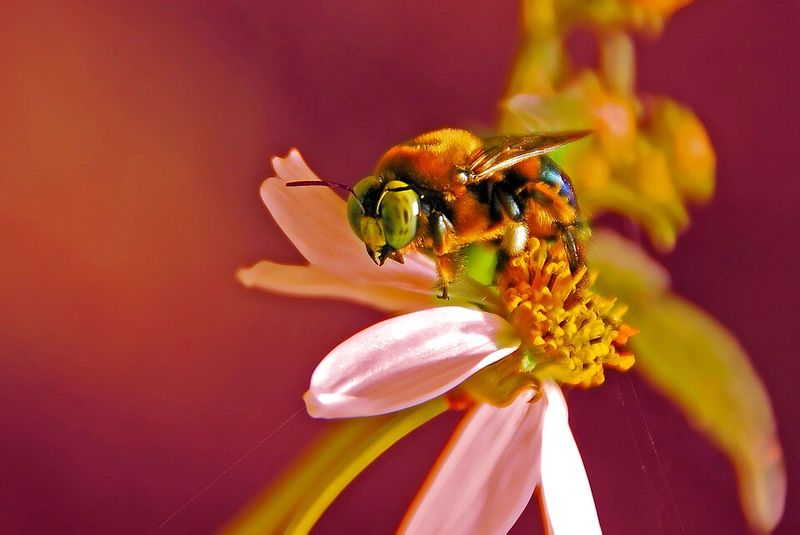
That big bee dive-bombing your head every time you walk out the front door is almost certainly a male carpenter bee. He looks intimidating, but he is bluffing.
Male carpenter bees have no stinger. Their aggressive hovering is purely territorial display behavior meant to scare off rivals and impress females nearby.
If a bee hovers right in front of your face and holds position, that is a male. He is curious and defensive, not preparing to attack. Step calmly to the side and he will move on.
Females are the ones doing the actual work of drilling. They are less flashy but far more consequential for your porch wood. A female at the entry hole means active nesting is underway.
Male carpenter bees often perch on high points like porch railings or eave edges to survey their territory. Spotting one repeatedly in the same spot means a female is nesting very close by.
The presence of multiple hovering males in one area suggests several active nesting sites. That kind of activity warrants a closer inspection of your wood surfaces nearby.
Male bees typically emerge a few days before females in spring. Seeing them first is actually an early warning system that nesting season has officially started on your property.
Use that window wisely. Spotting males early gives you time to apply deterrents before females begin drilling, which makes prevention far easier than stopping activity already in progress.
What Goes On Inside Those Perfectly Round Holes
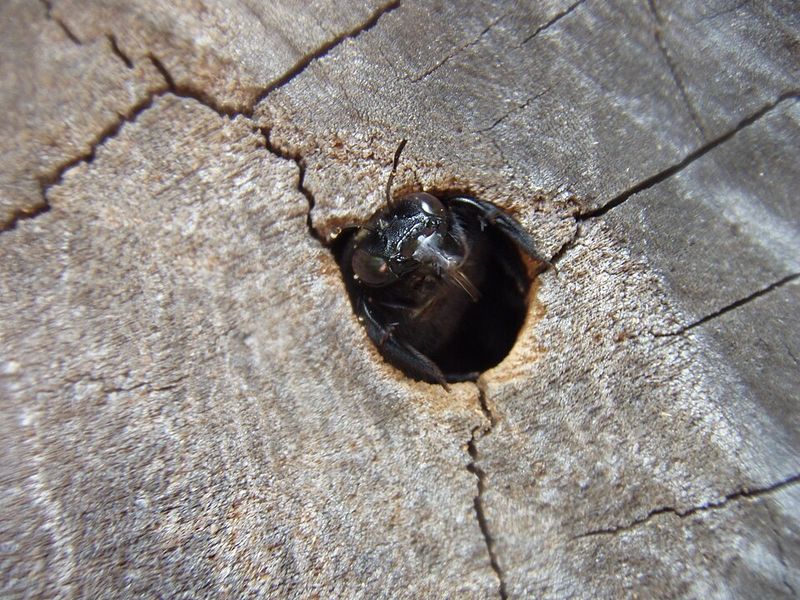
Behind that tidy entry hole is a surprisingly organized little world. The inside of a carpenter bee tunnel tells a story of careful insect engineering.
After drilling inward about an inch, the female turns and bores parallel to the wood grain. This main corridor can stretch several inches over multiple seasons as returning bees continue expanding it.
She partitions the tunnel into individual rooms called brood cells. Each cell gets a pollen ball packed with nectar, followed by a single egg laid right on top.
Then she seals the cell with chewed wood pulp and moves on to build the next one. The innermost cells hatch first, but the bees inside must wait for outer siblings to exit.
Larvae develop through the summer, feeding on the pollen provisions left for them. By late summer, they have pupated and emerged as adult bees ready for fall feeding.
These young adults spend fall building up fat reserves before overwintering inside the same tunnels where they hatched. That is why old galleries stay occupied year after year.
In spring, the overwintered bees emerge hungry and ready to mate. Females then return to familiar wood to expand existing tunnels or start fresh ones nearby.
Understanding this cycle helps you time your response correctly. Treating or sealing holes in late winter before bees emerge is far more effective than reacting after nesting is already underway inside your porch wood.
Signs That Carpenter Bee Activity Is Becoming A Structural Problem
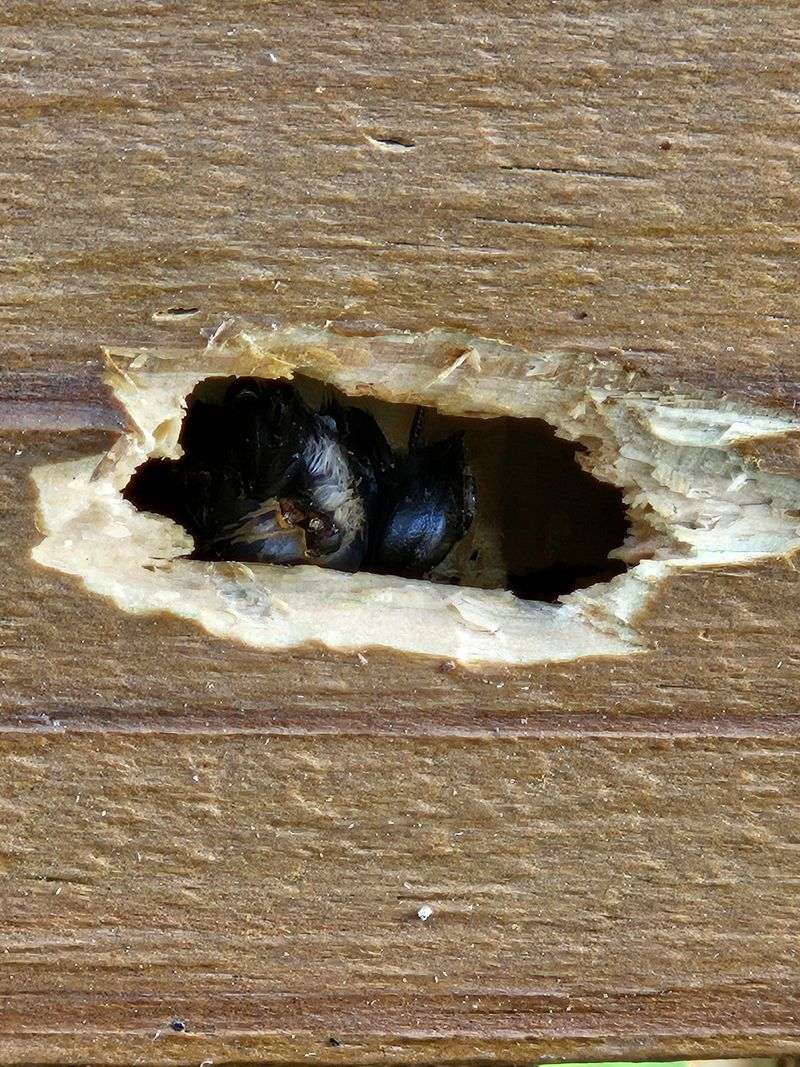
A single hole is an inconvenience. A dozen interconnected tunnels threading through a load-bearing beam is a structural concern worth taking seriously.
The real danger from carpenter bees is not the entry hole itself. It is the cumulative effect of expanded galleries weakening wood from the inside over multiple seasons.
Tap along your porch beams and joists with a screwdriver handle. A hollow sound in wood that should be solid is a red flag that tunnels are extensive beneath the surface.
Look for wood that has begun to split along the grain near entry holes. Splitting indicates that internal tunneling has compromised the fiber structure of the board or beam.
Sagging porch sections, soft spots underfoot, or boards that flex more than they should can all point to carpenter bee damage combined with moisture intrusion through the open holes.
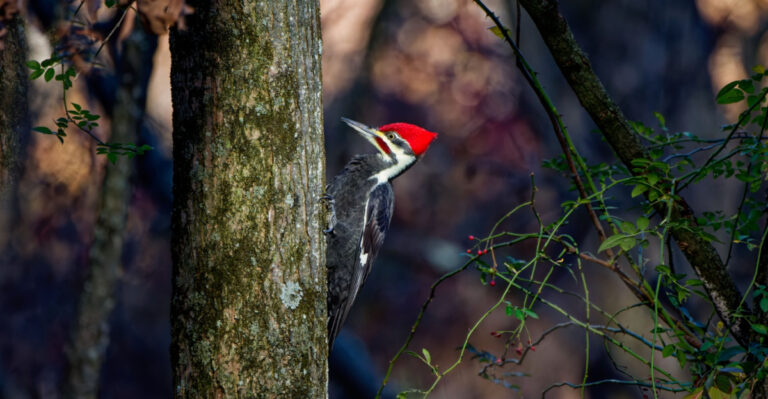
Woodpeckers make this problem worse. They hear the larvae moving inside and hammer the wood open to reach them. Woodpecker damage on top of carpenter bee tunnels can hollow a beam fast.
If you see both bee holes and woodpecker damage on the same section of wood, that area needs immediate inspection. The combination can accelerate structural failure faster than either problem alone.
Calling a pest control professional or structural inspector to assess porch beams and joists before each spring season is a smart move for any West Virginia homeowner dealing with repeat carpenter bee nesting activity.