Texas Plants That Attract Owls And What That Does To The Rat Population In Your Yard
Most Texas homeowners dealing with rats reach for traps or call pest control. And while those options work, they’re ongoing battles that never really end.
The rats come back, the traps need resetting, and the cycle just continues. But there’s a completely different approach that works around the clock, costs nothing to maintain, and honestly makes your yard a much more interesting place to spend time.
Attract owls, and let them handle it. Owls are extraordinarily efficient hunters, and rats are one of their favorite targets.
A single owl hunting your property regularly can dramatically reduce the local rodent population in a way that no trap ever could. They hunt at night when rats are most active, they’re silent, and they never need a refill or a reset.
The secret to attracting owls consistently is simpler than most people think. It starts with your plants.
The right native Texas plants create the kind of habitat and hunting environment that owls actively seek out.
1. Eastern Red Cedar
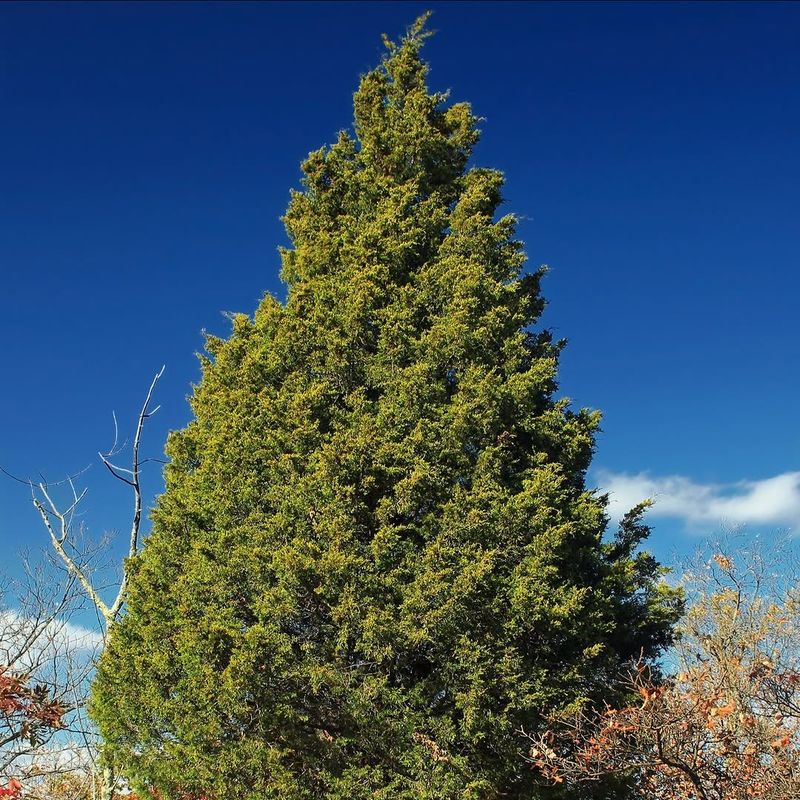
Picture a big, bushy evergreen standing tall in your yard all year long, even through the coldest Texas winters. That is exactly what the Eastern Red Cedar offers.
This tough tree keeps its deep green needles no matter the season, making it one of the most reliable owl hangouts you can plant.
Owls need safe, hidden spots to rest during the day and to watch for prey at night. The Eastern Red Cedar gives them both.
Its thick, layered branches create a sheltered canopy that owls love for roosting and even nesting. Great Horned Owls, one of Texas’s most common owl species, are especially drawn to these trees.
Once an owl claims an Eastern Red Cedar as its home base, your yard becomes a regular hunting ground. Owls are remarkably efficient hunters.
A single owl can catch several rats or mice in one night. Over weeks and months, that adds up to a dramatic drop in your local rodent population.
Rats can chew through garden hoses, damage vegetable beds, and even gnaw on wooden structures. Having a natural predator patrol your yard every night takes care of that problem without traps or chemicals.
Eastern Red Cedars are also drought-tolerant and low-maintenance, which makes them a smart, easy addition to any Texas landscape. .
Plant one near an open area of your yard so the owl has clear sightlines to hunt from its perch. You will be amazed at how quickly wildlife responds.
2. Live Oak
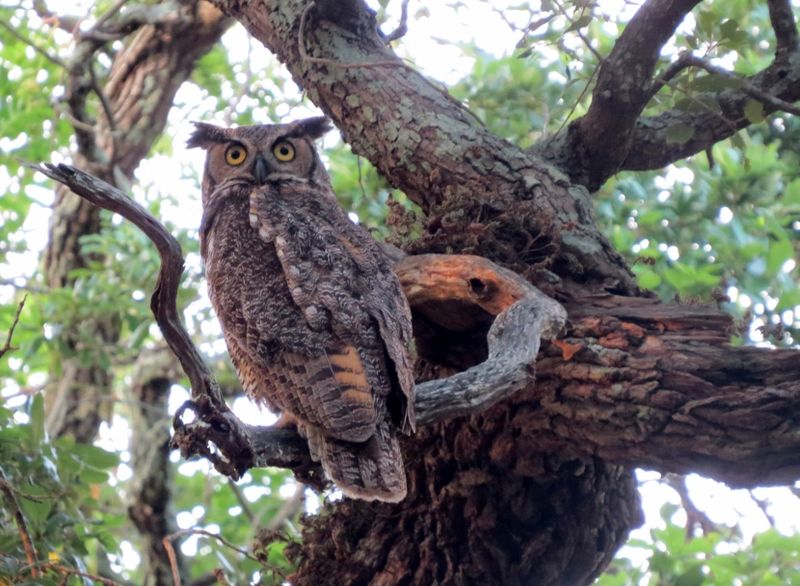
There is something almost magical about a Live Oak tree. Its wide, sweeping branches stretch out like arms ready to hold the world, and in Texas, these iconic trees are as much a part of the landscape as the bluebonnets themselves.
They are also one of the best owl magnets you can have on your property.
Live Oaks grow large and sturdy over time, offering high perches that give owls a clear view of the ground below. That elevated vantage point is crucial for hunting.
Your Texas Garden Changes Every Week. Your Plan Should Too.
Gardening in Texas changes quickly throughout the season. Every Friday you’ll receive a simple weekly plan showing exactly what to plant, prune, fertilize, harvest, and protect so you never miss the right timing.
Owls spot movement from incredible distances, and a tall Live Oak puts them right in the perfect position to zero in on rats and mice scurrying through your yard after dark.
Barn Owls and Barred Owls are two species that particularly enjoy Live Oaks. Both are expert rodent hunters.
A Barn Owl family can consume well over a thousand rodents in a single nesting season. If your Live Oak attracts a nesting pair, your rat problem could be handled almost entirely by nature.
Beyond pest control, Live Oaks support an entire ecosystem. They provide acorns for birds and squirrels, and their dense canopy creates shade that benefits other plants below.
For homeowners, this means a yard that is lively, balanced, and naturally managed. Live Oaks are also extremely hardy in Texas heat and can live for hundreds of years.
Planting one is truly a long-term investment in both your property and your local wildlife. Start with a young tree and watch your yard transform over the seasons.
3. Texas Sage
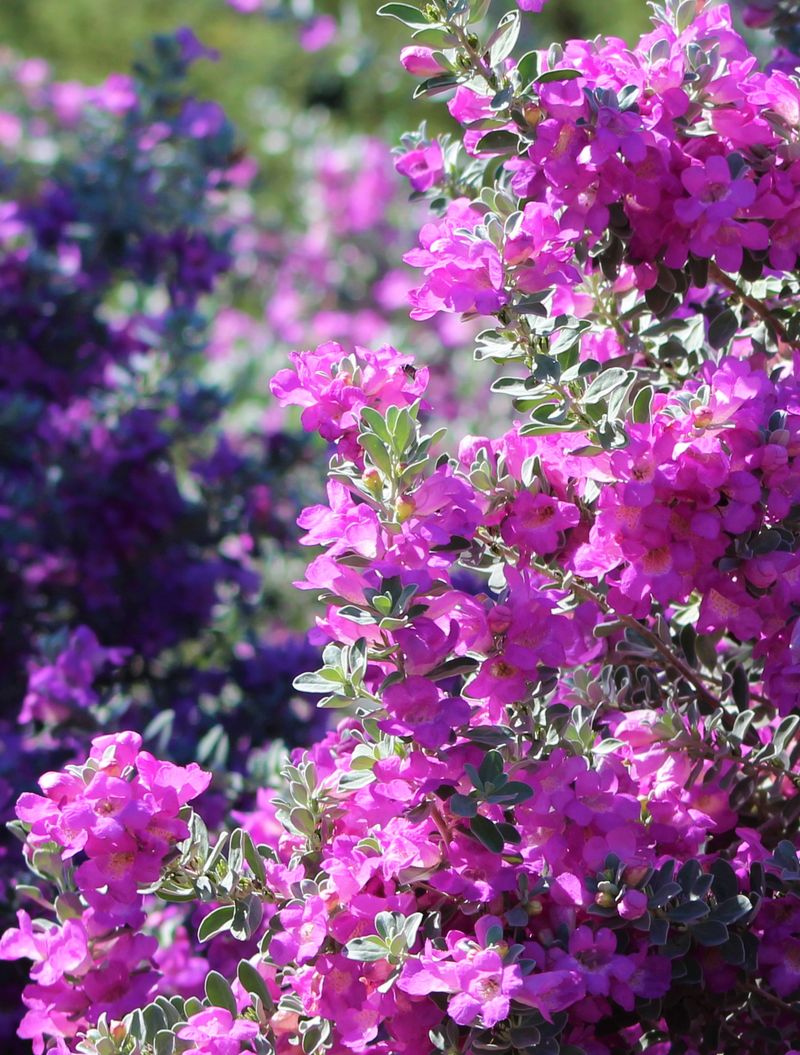
Walk through almost any Texas neighborhood in late summer and you will spot Texas Sage bursting into purple blooms after a good rain. It is one of the most cheerful plants in the Lone Star State, and it turns out it is also quietly working to bring owls into your yard.
Texas Sage grows into a dense, rounded shrub that creates excellent ground-level cover. Small animals like mice, voles, and young rats often hide in and around thick shrubbery like this.
That might sound like a bad thing, but it is actually a good thing when owls are involved. Where prey hides, predators follow.
Owls learn quickly which areas of a yard offer reliable hunting. When Texas Sage creates a consistent refuge for small rodents, owls begin patrolling those spots regularly.
Over time, the owl presence pushes the rodent population way down, even though the shrub stays in place. It becomes a natural hunting zone that keeps itself balanced.
Smaller owl species like Eastern Screech-Owls are especially attracted to areas with dense low shrubs. These compact owls are fierce hunters despite their tiny size, and they are perfectly suited for catching the mice and rats that lurk near ground cover.
Texas Sage is also incredibly easy to grow. It thrives in full sun, handles drought without complaint, and needs very little pruning.
Plant it along fences, borders, or garden edges to create the kind of layered habitat that makes owls feel right at home. The purple blooms are just a beautiful bonus on top of all that practical value.
4. Eastern Redbud
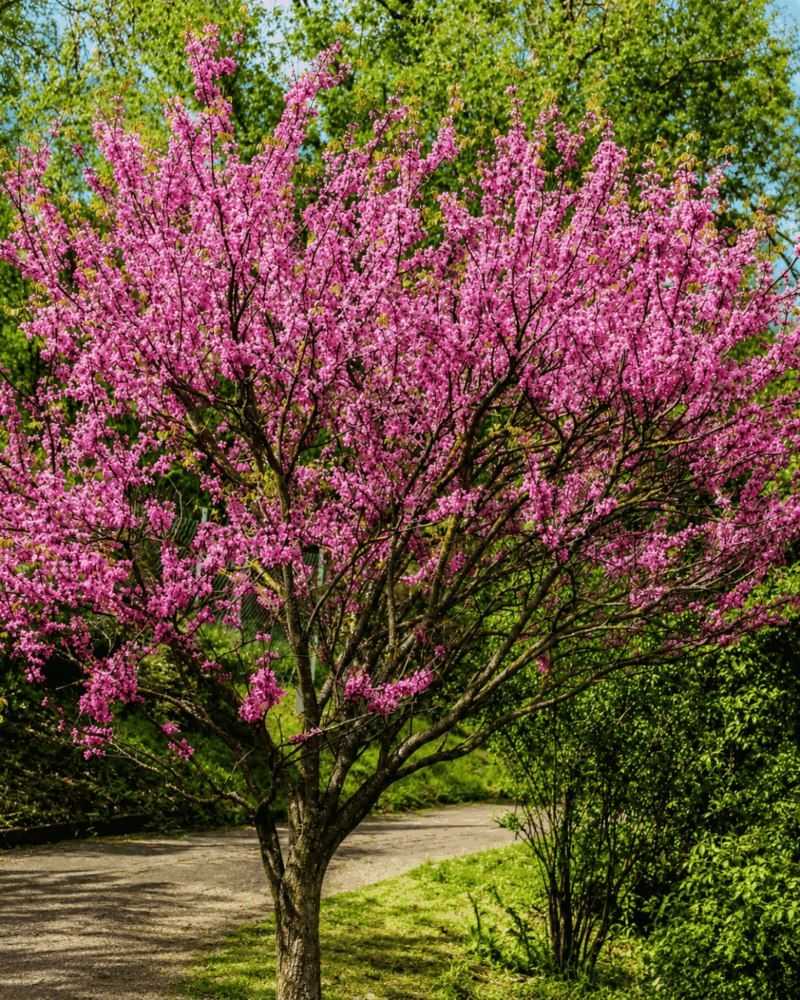
Every spring, the Eastern Redbud puts on one of the most stunning shows in the plant world.
Its branches explode with bright pink and magenta blossoms before a single leaf even appears, turning your yard into something straight out of a painting. But beyond the beauty, this tree plays a surprisingly useful role in natural pest control.
Eastern Redbuds tend to grow at a medium height with an open, airy branch structure. That makes them ideal perching spots for owls, especially along the edges of open lawns.
Owls prefer to hunt over clear, open ground where they can spot movement easily. A Redbud positioned near a grassy area gives them the perfect launch point.
Eastern Screech-Owls are particularly fond of trees like the Redbud. These small but mighty hunters are active year-round in Texas and are known to nest in tree cavities nearby.
Once they establish a territory around your yard, they hunt consistently through the night, targeting rats and mice with impressive accuracy.
What makes the Redbud even more appealing is how it fits into a complete yard ecosystem. Its flowers attract pollinators, its seeds feed birds, and its branches host hunting owls.
Everything connects in a way that benefits your yard without any extra effort from you. Redbuds are also relatively fast-growing and adapt well to Texas soil conditions.
They do best with some afternoon shade in the hottest parts of the state. Plant one near an open patch of lawn and pair it with lower shrubs nearby to build a layered habitat that owls will not want to leave.
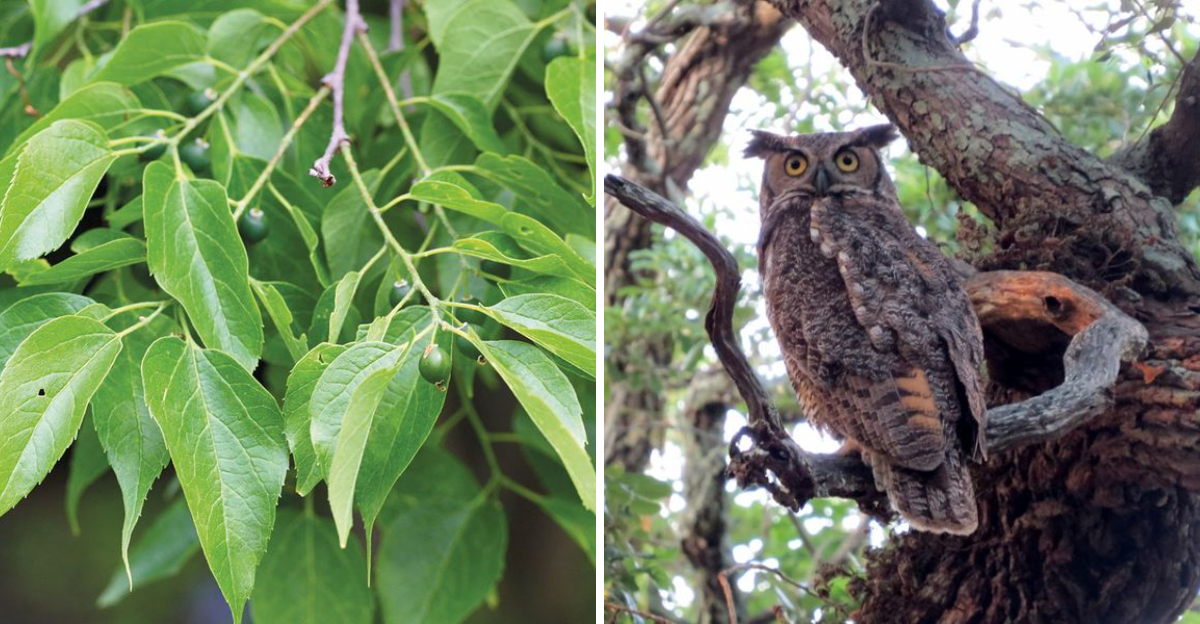
5. Hackberry
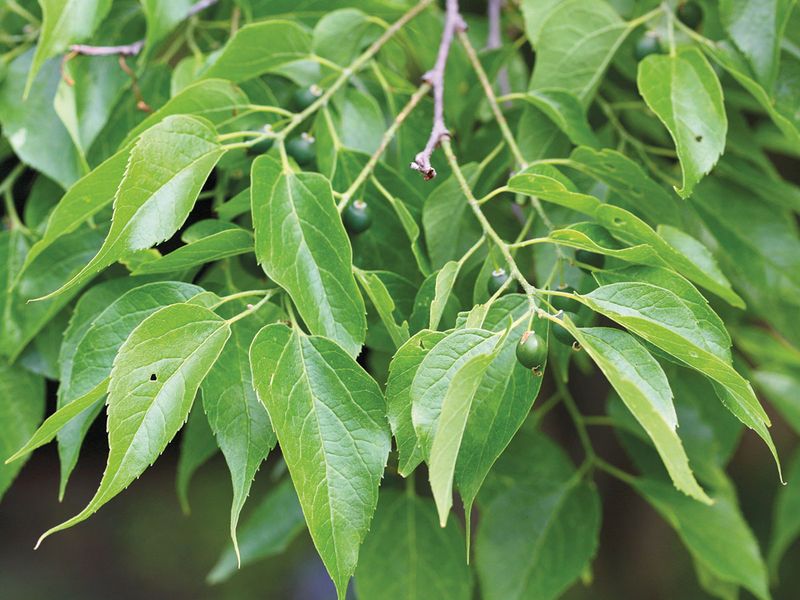
Hackberry trees do not always get the attention they deserve. They are not as flashy as a blooming Redbud or as iconic as a Live Oak, but what they lack in glamour they more than make up for in usefulness.
For owls, a Hackberry tree is basically a five-star hotel with a built-in buffet nearby.
The small, dark berries that Hackberry trees produce in fall and winter attract a huge variety of birds. More birds mean more activity in and around the tree, which in turn attracts predators.
Owls pick up on this activity quickly. A tree that is constantly visited by wildlife becomes a reliable hunting zone, and owls are smart enough to stake their claim early.
Hackberry trees grow tall and develop thick, sturdy branches that are perfect for large owl species. Great Horned Owls, which are among the most powerful predators in the Texas sky, often choose Hackberries for their perches.
From those high branches, they scan the ground below and swoop down on rats and mice with startling speed and precision.
Having a Great Horned Owl patrol your yard regularly is one of the most effective forms of rodent control available. These owls are not picky eaters.
Rats, mice, rabbits, and even larger prey are all fair game. Over a single season, a hunting owl can dramatically reduce the number of rodents living near your home.
Hackberry trees are also incredibly tough. They handle Texas heat, poor soil, and occasional flooding without much fuss. Plant one in a sunny spot and let nature do the rest.
6. American Beautyberry
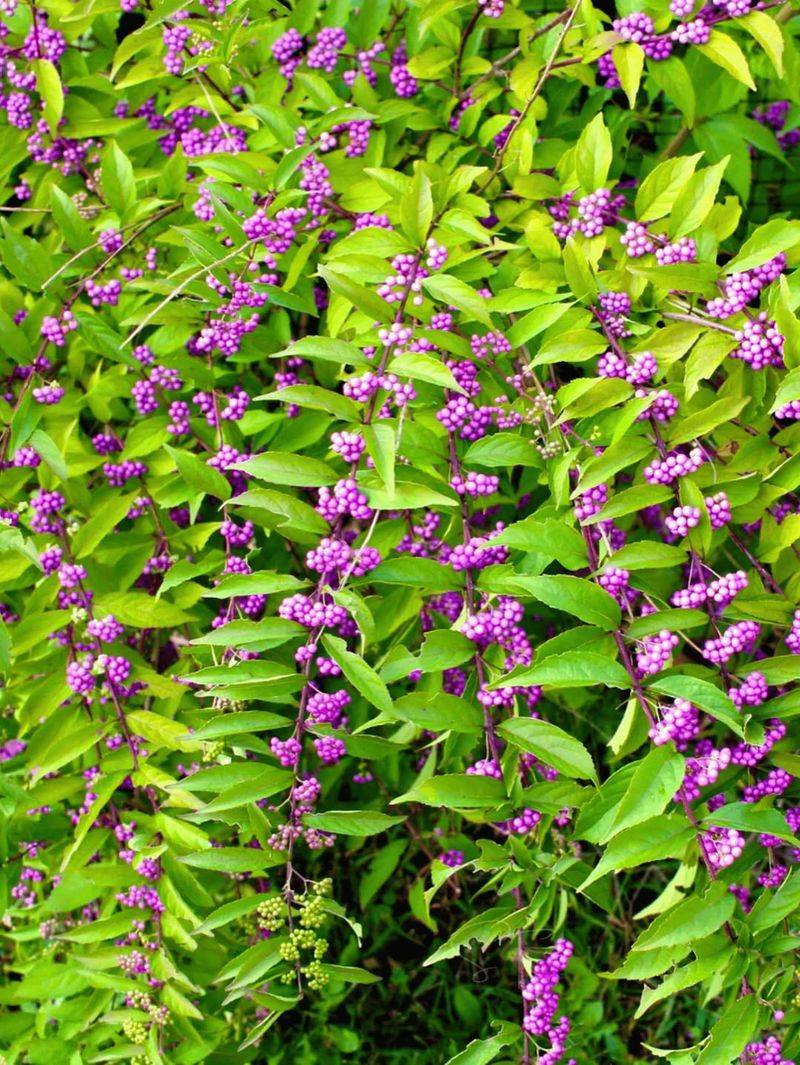
Few plants stop people in their tracks quite like the American Beautyberry. Those clusters of electric purple berries packed tightly along every stem look almost too vivid to be real.
But this showstopper is not just eye candy. It plays a genuine role in building the kind of backyard ecosystem that keeps rat populations under control.
American Beautyberry produces dense foliage and abundant berries that attract a wide range of wildlife. Song birds flock to it for the fruit.
Small mammals sometimes shelter near its base. All of that activity creates a lively, layered habitat, and where small prey animals gather, owls are never far behind.
The shrub grows to a medium height with arching branches that can provide low perching spots for smaller owl species. Eastern Screech-Owls, which are common across Texas, often hunt close to the ground along shrubby borders.
American Beautyberry planted along a fence line or garden edge creates exactly the kind of hunting corridor these owls prefer.
What makes this plant especially valuable is the balance it creates. It feeds and shelters prey animals at one level, which sounds counterproductive, but it actually sustains the food chain that keeps predators like owls coming back.
When owls visit regularly, the rodent numbers stay low even as the habitat remains rich and active. American Beautyberry is also easy to care for.
It grows in partial shade or full sun, handles Texas summers well, and comes back strong each year even after a hard winter. Add it to shaded garden borders for maximum visual impact and wildlife benefit.
7. Wax Myrtle
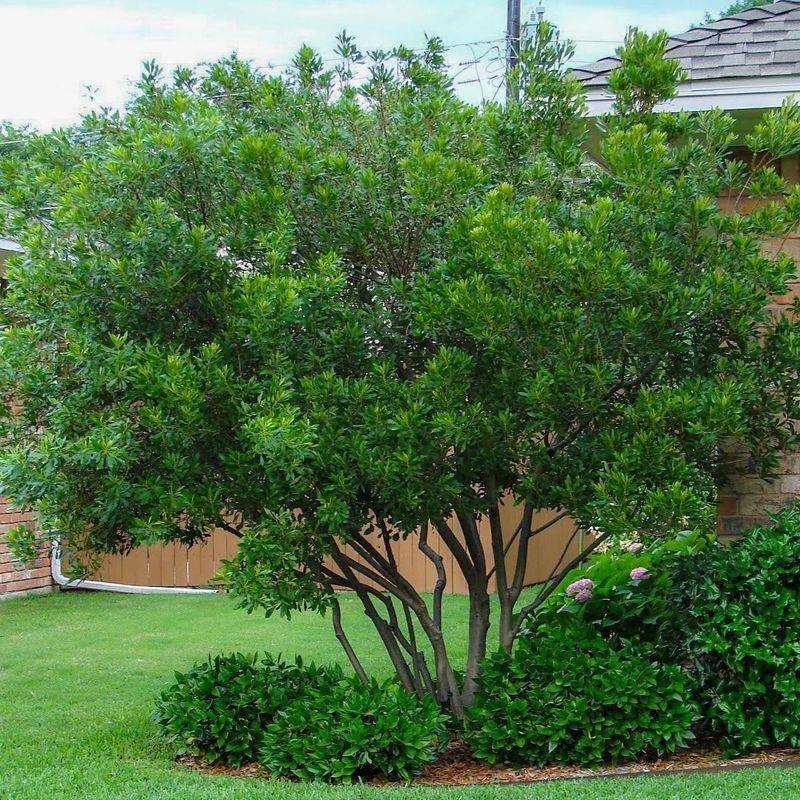
Wax Myrtle is the kind of plant that quietly does everything right. It stays green all year, grows fast, smells pleasant, and supports wildlife in ways most homeowners never even notice.
For anyone looking to attract owls and reduce rodent pressure in their yard, Wax Myrtle belongs near the top of the planting list.
The thick, evergreen foliage of Wax Myrtle creates excellent cover for small animals. Mice and other tiny creatures often shelter in and around dense shrubs like this, especially during colder months.
That steady presence of prey animals is exactly what draws owls into a yard and keeps them coming back night after night.
Wax Myrtle also produces small, waxy berries that attract songbirds throughout the year. More bird activity means more movement and noise, which signals to owls that the area is rich with life.
Owls are opportunistic hunters, and a yard buzzing with activity is far more appealing than a quiet, bare one. Eastern Screech-Owls and Barred Owls both hunt near dense shrubby cover in Texas.
Once owls begin hunting around your Wax Myrtle regularly, the rat and mouse population in your yard drops noticeably. Rodents are cautious creatures and avoid areas where predators are active.
Even the scent of an owl can be enough to make rats steer clear. Wax Myrtle is drought-tolerant, grows well in both sun and partial shade, and can be shaped into a hedge or left to grow naturally.
It is a low-effort, high-reward plant that works hard for your yard every single day.