This Underrated Michigan Patio Plant Deters Ticks And Mosquitoes While Another Attracts Them
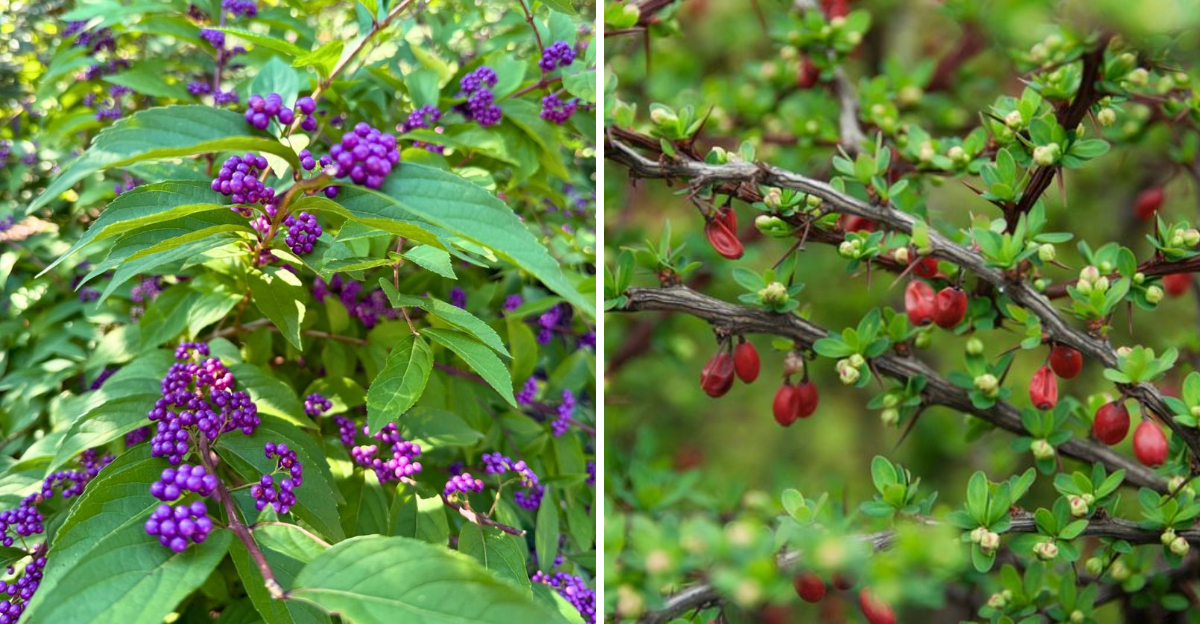
For Michigan homeowners trying to keep their yards safe for kids and pets, the choice between these two common landscape shrubs can completely change the local tick game.
Japanese barberry actively works against backyard safety by creating a dense, humid shelter where mice and deer ticks thrive, essentially turning garden beds into a breeding ground.
Swapping it out for American beautyberry does the exact opposite; its leaves contain natural oils that repel ticks and mosquitoes, while its vibrant purple berries look great and feed local birds.
For anyone dealing with real tick pressure in Michigan, getting rid of the barberry and planting beautyberry instead is one of the easiest, most practical ways to reclaim the yard.
1. American Beautyberry Is Not Usually The First Patio Pick
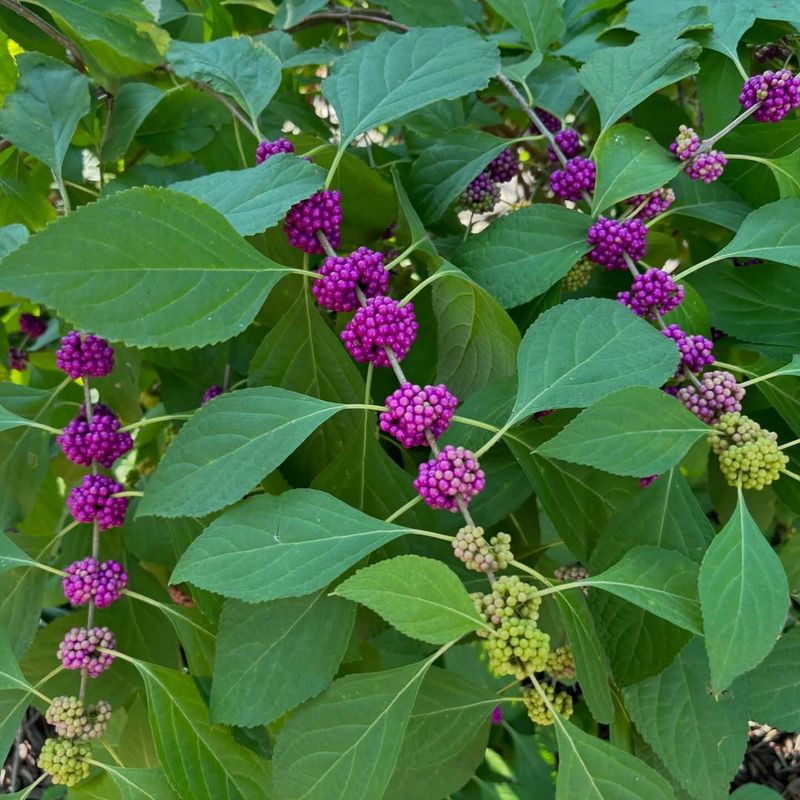
Most gardeners walk right past American Beautyberry at the nursery without giving it a second glance.
That is honestly a missed opportunity, because this native shrub carries something most ornamental plants do not: real, research-backed compounds in its leaves that have been linked to repelling both mosquitoes and ticks.
Scientists at the USDA Agricultural Research Service identified compounds called callicarpenal and intermedeol in the crushed leaves of American Beautyberry.
These compounds showed repellent activity against mosquitoes and ticks in laboratory studies, which is pretty remarkable for a plant most people grow just for looks.
Now, here is the part that matters for practical use.
Simply placing a pot of American Beautyberry on your patio does not create a force field around your seating area.
The repellent compounds are released when the leaves are physically crushed, not just by the plant sitting quietly nearby.
Rubbing a few crushed leaves on exposed skin is how the traditional use works, and even then it is not a substitute for EPA-registered repellents or smart yard maintenance.
Still, having this plant within reach on a patio makes it easy to crush a few leaves before heading into the yard.
Michigan gardeners looking for something genuinely interesting to grow near outdoor sitting areas will find that American Beautyberry earns its space for multiple reasons.
The tick and mosquito connection is a great bonus, but the plant has plenty more going for it beyond bug awareness.
2. It Works Best As A Container Plant In Much Of Michigan
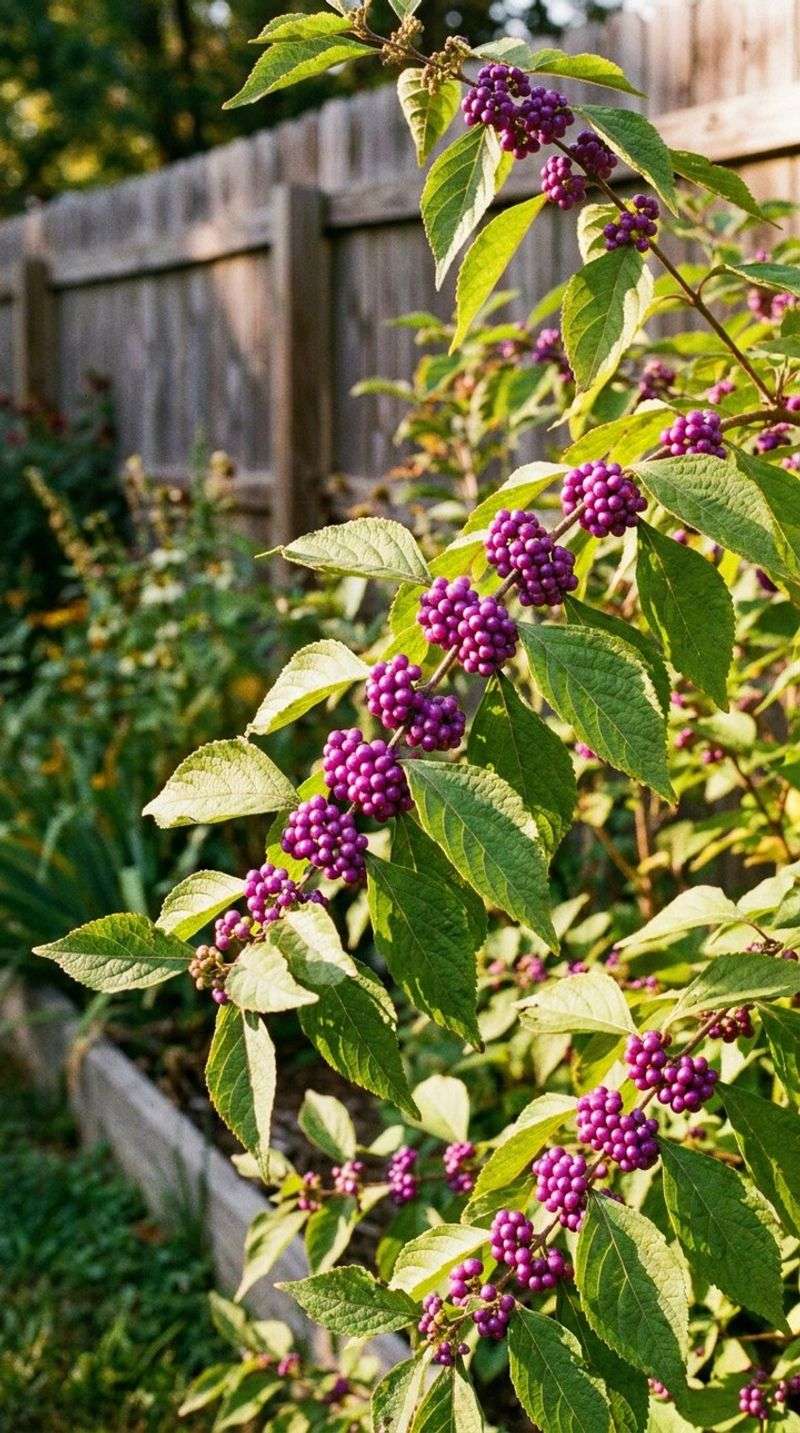
American Beautyberry is native to the southeastern United States, and that origin story matters a lot when you are gardening in Michigan.
Most references list it as reliably hardy in USDA zones 6 through 10, which means gardeners in colder parts of Michigan, especially zones 5 and below, may find it struggles to survive a harsh winter in the ground.
Growing it in a large container is actually a smart solution. A roomy pot gives the roots space to spread, and when temperatures start dropping in late fall, you can move the whole plant into a garage or cool basement to protect it from the worst of the cold.
This approach lets Michigan gardeners enjoy the plant even if their zone is not a perfect match.
Your Michigan Garden Changes Every Week. Your Plan Should Too.
Gardening in Michigan changes quickly throughout the season. Every Friday you’ll receive a simple weekly plan showing exactly what to plant, prune, fertilize, harvest, and protect so you never miss the right timing.
Choose a container that holds at least 15 to 20 gallons for a mature plant, since American Beautyberry can grow quite large and has arching branches that need room to spread.
Use a well-draining potting mix and make sure the container has drainage holes, because soggy roots are not something this plant handles well.
During the growing season, water consistently but avoid overwatering. A sunny to partly shaded patio spot works well.
The container approach also means you can position the plant right where you spend time outdoors, keeping those crushed-leaf compounds close at hand when you need them.
For Michigan gardeners who love trying something a little outside the usual, container-grown American Beautyberry is a genuinely rewarding experiment worth attempting.
3. Crushed Leaves Are The Important Detail
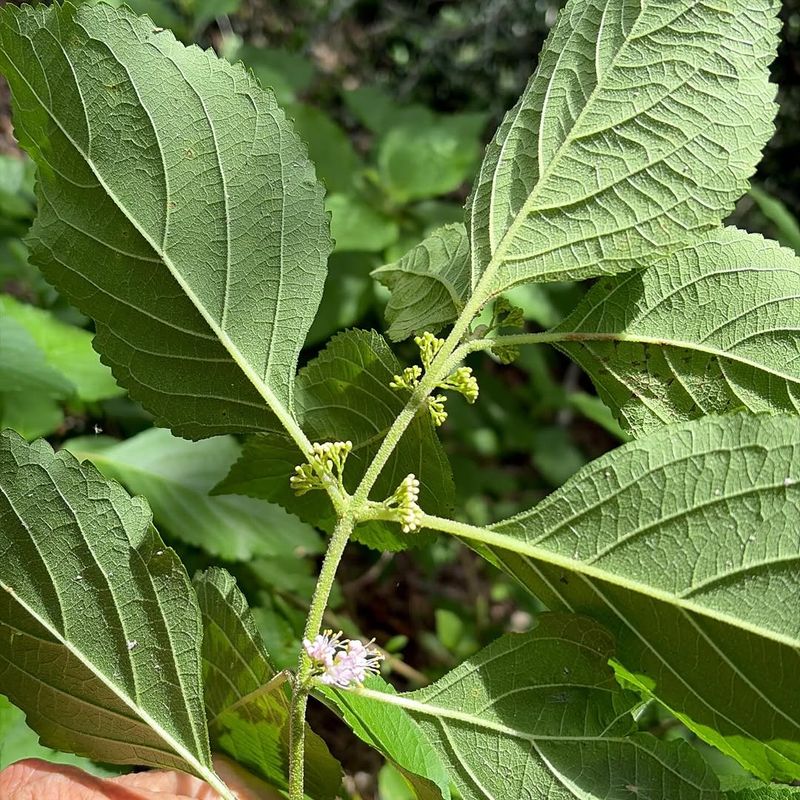
Here is something worth understanding before you get too excited about planting American Beautyberry purely for bug control.
The chemistry that makes this plant interesting is tied to what happens when the leaves are physically crushed, not to the plant passively releasing compounds into the air around your patio furniture.
Research published by USDA scientists found that callicarpenal and intermedeol, the compounds extracted from Beautyberry leaves, showed repellent activity comparable to DEET in some tests.
That is genuinely impressive. But those results came from extracted or crushed material applied to skin, not from a plant sitting undisturbed in a pot three feet away from you.
Thinking of it more like an herb garden makes the concept easier to grasp. You would not expect a basil plant to flavor your food without picking and using the leaves. American Beautyberry works in a similar way.
Crush a small handful of fresh leaves and rub them on your arms, ankles, or clothing before sitting outside or walking through the yard. That is when the repellent compounds actually do something useful.
Wording like may help, can support, and has repellent compounds is the honest way to talk about this plant. No single container plant creates a perfect bug barrier around a patio.
American Beautyberry is one helpful tool in a broader approach that should also include removing leaf litter, trimming tall grass, checking for standing water, and using personal repellent when spending extended time outdoors.
The plant earns its place, but context matters.
4. It Adds Beauty Beyond Bug Interest
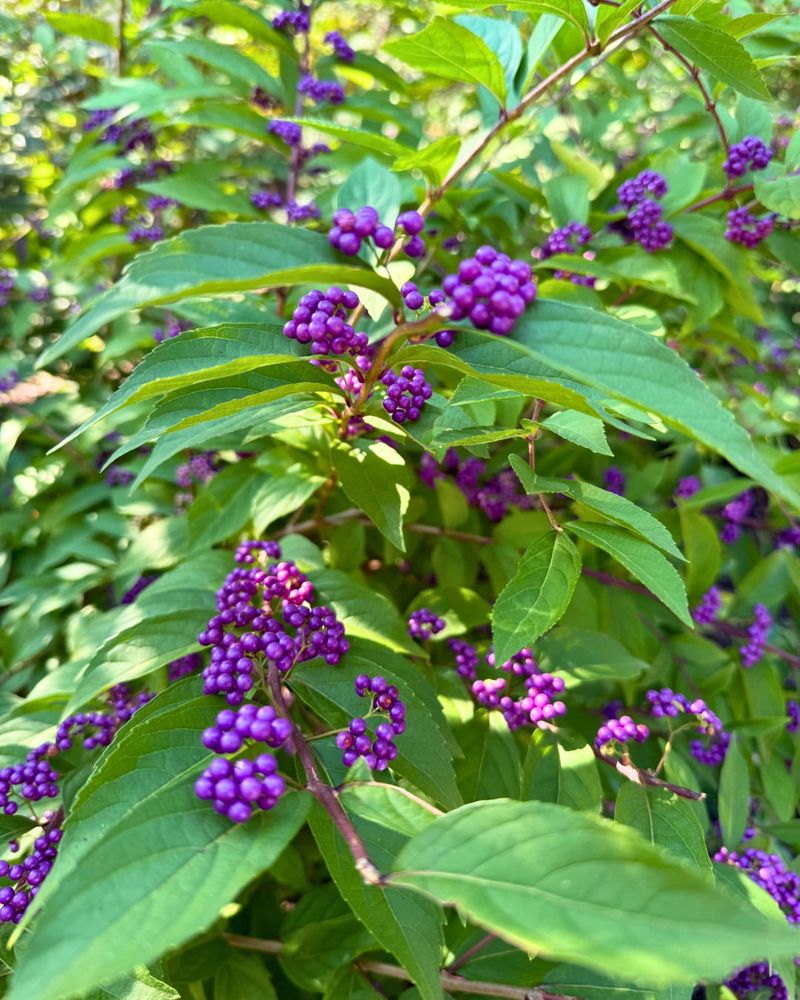
Even if the tick and mosquito topic had never come up, American Beautyberry would still be worth growing for how it looks.
This plant has a seasonal rhythm that keeps it visually interesting from early summer all the way through fall, which is more than most single-season ornamentals can offer.
Small, pale pink to lavender flowers appear along the stems in early to midsummer, attracting pollinators like bees and butterflies.
Then, as summer transitions into fall, those flowers give way to the plant’s showstopper feature: tight clusters of vivid magenta-purple berries that wrap around each stem in a way that looks almost too perfect to be real.
Few plants in the Michigan garden palette produce that kind of saturated purple color so late in the season.
Birds, including mockingbirds, robins, and cedar waxwings, are drawn to the berries and will visit regularly once the fruit ripens.
This makes American Beautyberry a genuine wildlife plant, not just a novelty.
For gardeners who want their patio space to feel alive with activity, this kind of wildlife value is hard to match.
In terms of growing conditions, the plant prefers full sun to part shade and needs well-draining soil.
When grown in a large container, it can reach four to six feet tall with gracefully arching branches, so give it space to stretch.
The combination of seasonal interest, wildlife appeal, and that remarkable pop of fall color makes American Beautyberry one of the most underappreciated plants available for Michigan patios and garden spaces.
5. Japanese Barberry Is The Plant To Avoid
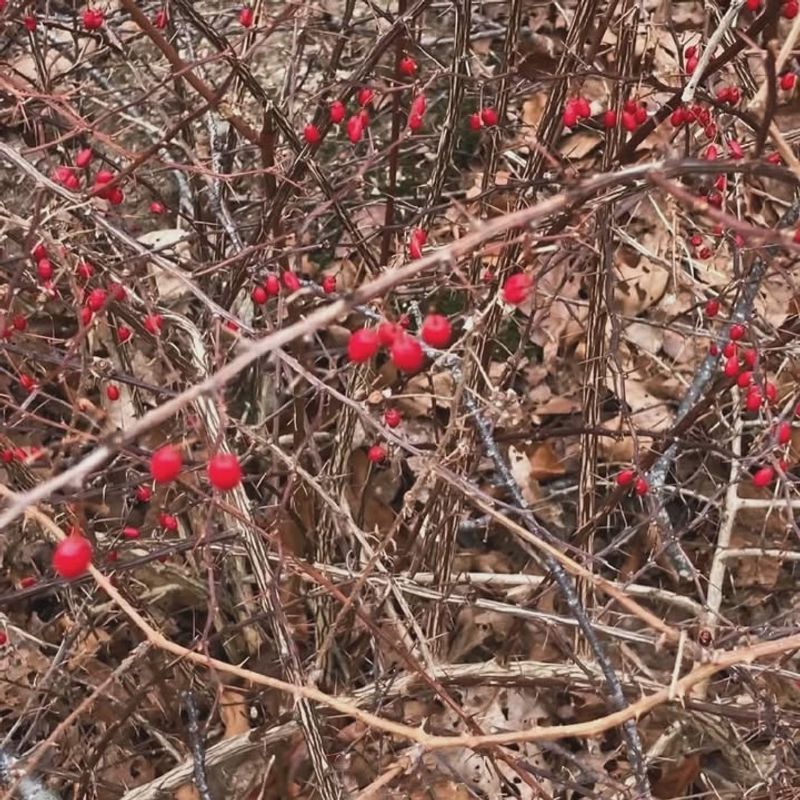
If American Beautyberry is the plant you want near your patio, Japanese Barberry is the one you absolutely want to reconsider.
This thorny ornamental shrub has been widely planted across Michigan and the broader Midwest for decades, largely because it is tough, low-maintenance, and comes in eye-catching red and purple leaf varieties.
Unfortunately, those same qualities have made it a serious ecological problem. Japanese Barberry is classified as an invasive species in Michigan.
It spreads aggressively into natural areas, forest edges, and unmaintained spaces, crowding out native plants and changing the structure of the understory.
Many states have already banned its sale, and Michigan has taken steps to address its spread as well.
Gardeners who still have it in their yards should be aware of both the ecological impact and the habitat issue it creates.
Beyond the invasive species concern, research has connected dense Japanese Barberry stands with higher populations of blacklegged ticks, also known as deer ticks.
A study published in the journal Environmental Entomology found that areas with barberry infestations had significantly higher tick densities compared to areas where barberry had been removed.
The connection is not just coincidental; it relates directly to the kind of habitat barberry creates.
Removing Japanese Barberry from areas near patios, garden paths, and outdoor seating spaces is one of the more practical steps Michigan gardeners can take toward reducing tick exposure.
The warning is strong because the evidence supports it, and the invasive status alone is reason enough to make a change in your yard.
6. It Creates Tick-Friendly Cover
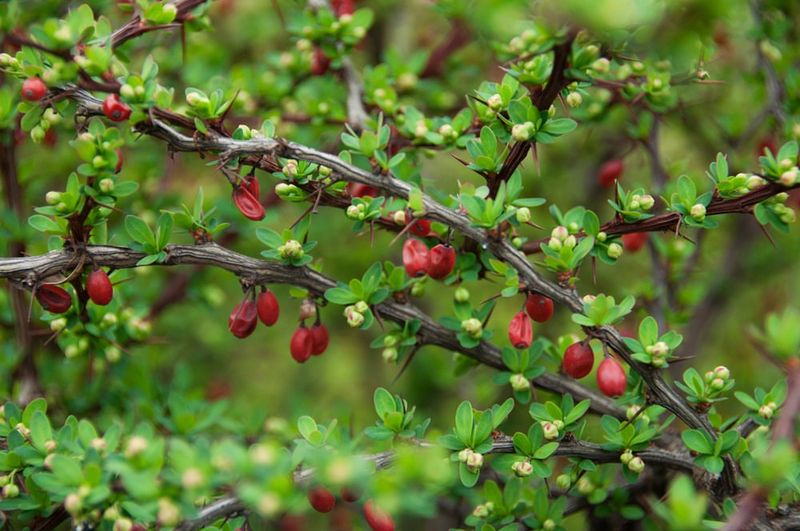
Ticks are not random. They tend to concentrate in specific environments, and Japanese Barberry creates several of those conditions at once.
Understanding why this shrub is so problematic for tick awareness starts with looking at what it does to the ground beneath it. Japanese Barberry forms extremely dense, low-growing thickets.
The tightly packed branches shade the ground heavily, which keeps soil moisture levels higher and temperatures more stable than in open areas.
Blacklegged ticks, the species most associated with Lyme disease transmission, thrive in exactly these kinds of moist, shaded, protected microhabitats.
The barberry essentially builds a comfortable environment for ticks to shelter, feed, and remain active.
Research from the Connecticut Agricultural Experiment Station found that removing Japanese Barberry from woodland edges significantly reduced tick populations in those areas.
The connection between barberry density and tick abundance has been documented enough times that wildlife extension services in multiple states now specifically recommend barberry removal as part of integrated tick management strategies.
The edges of yards, fence lines, and spots where maintained lawn meets unmaintained natural areas are especially worth watching.
These transition zones are already prime tick territory, and a dense stand of Japanese Barberry along those edges makes the situation worse.
Keeping these areas trimmed, open, and free of invasive thicket growth reduces the protected cover that ticks rely on.
Replacing barberry with well-managed native shrubs or simply keeping those edges clear goes a long way toward making a yard feel safer and more comfortable for outdoor activity throughout the season.
7. A Better Patio Choice Starts With Less Cover And Less Standing Water
Making your patio a more comfortable place to spend time outdoors does not require complicated landscaping or expensive treatments.
A few straightforward choices can shift the balance in your favor when it comes to reducing tick and mosquito exposure near the spaces where you actually relax.
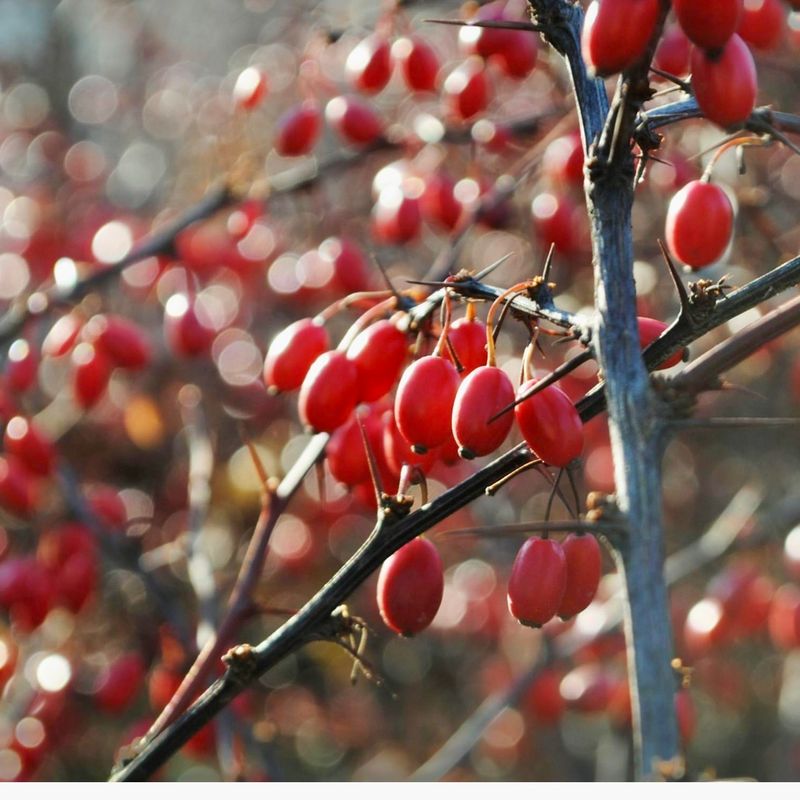
Start by removing Japanese Barberry if it is growing near your patio, garden paths, or outdoor seating areas.
Where removal is not immediately possible, cutting it back hard to reduce its density is a helpful intermediate step.
Clearing dense, shaded clutter along fence lines and garden edges removes the protected ground cover that ticks prefer and cuts down on resting sites for adult mosquitoes at the same time.
Next, do a quick check around the patio for anything that holds water.
Plant saucers, decorative pots without drainage, low spots in the lawn, and forgotten buckets or containers can all become mosquito nurseries within a few days of rain.
Emptying or eliminating these water holders regularly is one of the highest-impact steps you can take for mosquito reduction.
Once the barberry is gone and the standing water is managed, that cleared space becomes a great opportunity to try something better.
American Beautyberry in a large container brings genuine visual interest, wildlife appeal, and those researched repellent compounds right to your patio.
It is a more rewarding plant to grow, easier to manage than invasive barberry, and far more interesting as a conversation starter with visitors. Plant choice is just one piece of the overall picture.
Combining smarter plant selection with basic yard hygiene creates an outdoor space that is both beautiful and noticeably more comfortable all season long.