Iowa Gardeners, These Uninvited Plants Are Worth Keeping
You notice something growing where you definitely didn’t plant anything. It’s not a weed, or at least, it doesn’t have to be.
Every summer, Iowa gardeners pull out plants that could have stayed, plants that attract pollinators, brew into a solid cup of tea, or keep the local wildlife coming back.
The problem is that most volunteer plants never get the benefit of the doubt. They show up uninvited, and out they go. Some of the most useful plants in a garden are the ones that planted themselves.
Echinacea pushes up through gravel paths. Elderberry sprouts along the fence line. Anise hyssop appears out of nowhere smelling faintly of licorice. None of them asked permission, and that’s exactly what makes them easy to overlook.
Before you reach for the trowel, take a closer look at what’s actually growing.
1. Purple Coneflower (Echinacea Purpurea)
Most gardeners who spot purple coneflower for the first time assume it escaped from a neighbor’s yard. It probably did, and that is honestly a compliment to how determined this plant is.
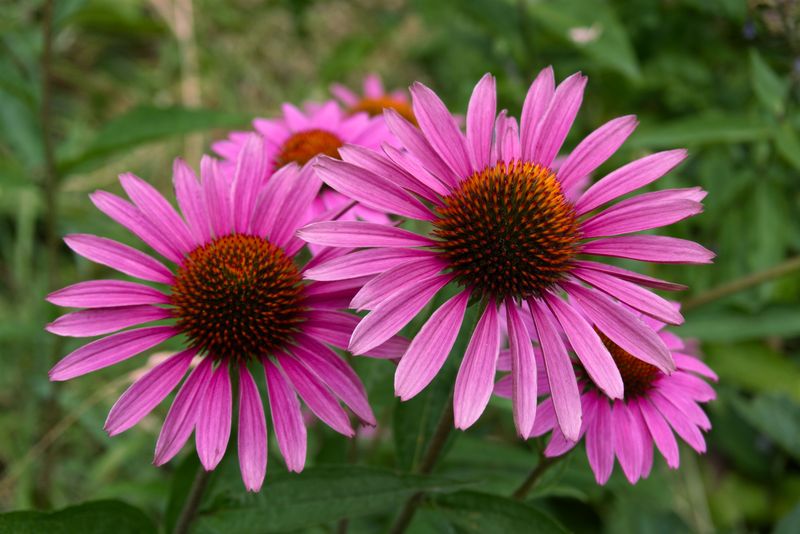
Purple coneflower, known scientifically as Echinacea purpurea, is a native prairie plant that thrives across Iowa without much help from you. Its bold magenta petals surround a spiky, cone-shaped center that goldfinches absolutely love in late summer.
Pollinators swarm these blooms from July through September. Bumblebees, honeybees, and butterflies all treat coneflower like a neighborhood diner that never closes.
Beyond its beauty, this plant has a long history in herbal wellness. Native American communities used it for generations before it became a popular supplement on store shelves.
You do not need to water it constantly or fuss over soil quality. Coneflower handles drought, clay, and neglect with a kind of quiet confidence that most garden plants lack.
Let it self-seed and it will spread slowly, filling bare patches with color each year. Remove some blooms to encourage more flowers, but leave a few seed heads standing through winter for the birds.
Purple coneflower goes from unknown visitor to garden anchor faster than almost anything else you could grow. Once you see a monarch land on those petals, you will stop calling it a weed forever.
2. Anise Hyssop (Agastache Foeniculum)
Anise hyssop smells like a candy shop and a meadow had a baby. One brush of your hand against its leaves releases a warm, licorice-sweet scent that stops you mid-step.
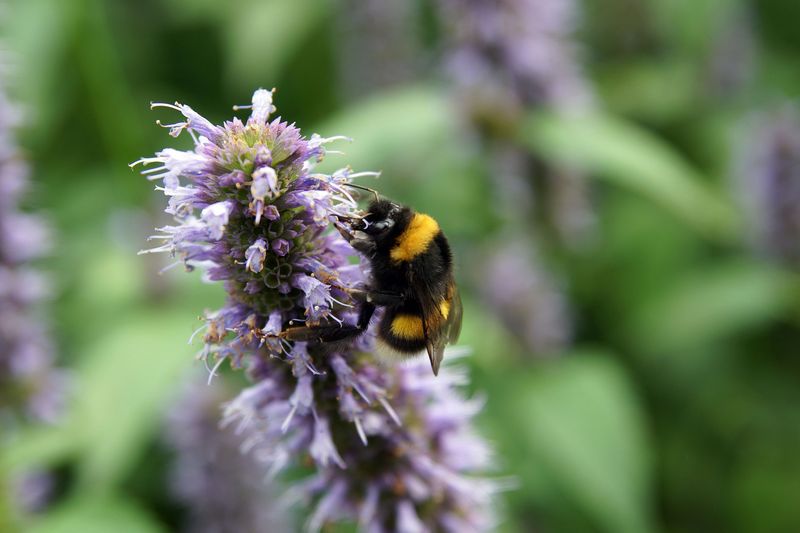
This tall, airy plant produces long purple flower spikes that bloom from midsummer well into fall. It is a magnet for bumblebees, hummingbirds, and painted lady butterflies, all of which seem genuinely delighted by its presence.
Agastache foeniculum is native to the upper Midwest, which makes it a natural fit for Iowa’s climate. It handles heat, humidity, and occasional dry spells without throwing a fit.
The leaves are edible and carry that signature anise flavor into teas, salads, and baked goods. Gardeners who grow it near the kitchen door end up using it far more than expected.
Your Iowa Garden Changes Every Week. Your Plan Should Too.
Gardening in Iowa changes quickly throughout the season. Every Friday you’ll receive a simple weekly plan showing exactly what to plant, prune, fertilize, harvest, and protect so you never miss the right timing.
Bees find the nectar especially rich, making this plant a fantastic addition near vegetable gardens that need pollination support. More bees nearby means better harvests from your squash, cucumbers, and beans.
It reseeds freely, so expect new plants to pop up each spring in slightly different spots. That wandering habit keeps the garden feeling alive and spontaneous rather than stiff and formal.
If you have been yanking this one out each spring, consider giving it a corner to call its own. A plant that feeds pollinators, smells amazing, and seasons your tea deserves more than a spot in the compost pile.
3. Goldenrod (Solidago Speciosa)
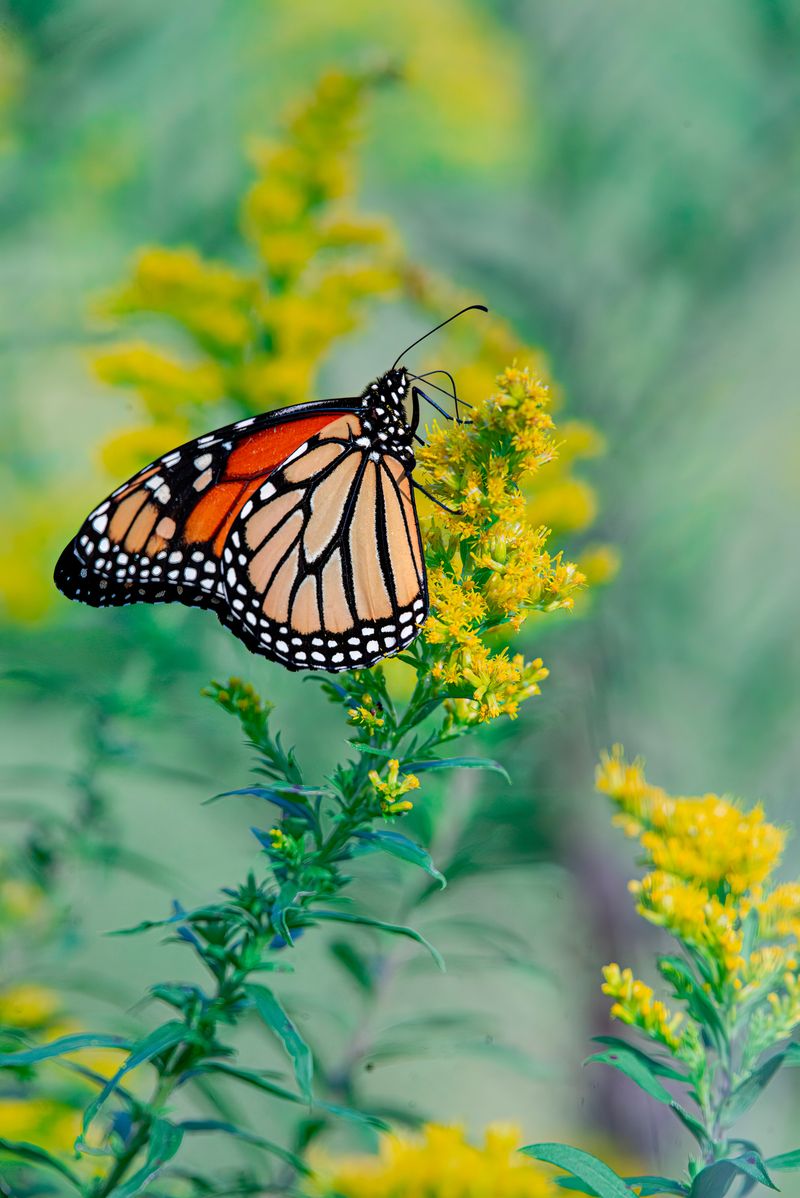
Goldenrod has a reputation problem it does not deserve. Every fall, hay fever sufferers blame those cheerful yellow plumes, but ragweed is actually the culprit hiding nearby.
Solidago speciosa, or showy goldenrod, produces heavy golden flower clusters that bloom when most other plants are already winding down. That late-season timing makes it one of the most important nectar sources for migrating monarchs crossing Iowa each autumn.
Over 100 species of native bees rely on goldenrod pollen as a key food source before winter. Removing it from your yard cuts off a critical supply line for insects that your whole garden depends on.
The plant grows in upright clumps that reach three to four feet tall. Its structure adds bold vertical interest to a garden that might otherwise feel flat by September.
Goldenrod spreads by rhizomes, so it can get ambitious over time. Dividing clumps every few years keeps it in check without eliminating its benefits entirely.
Dried goldenrod stems make excellent material for natural wreaths and arrangements. Many florists pay good money for bundles that backyard gardeners toss without a second thought.
Few plants in an Iowa yard pull this much ecological weight while asking for so little in return. Goldenrod is living proof that the most misunderstood guest at the party is sometimes the one keeping everything together.
4. Wild Bergamot (Monarda Fistulosa)
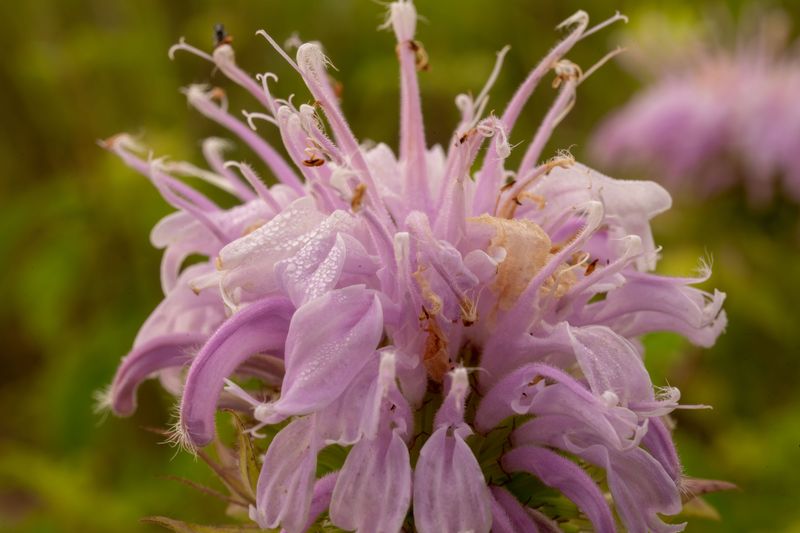
Image Credit: © Tom Fisk / Pexels
Picture a plant that smells like oregano, looks like a firework, and draws a remarkable variety of native bees to the Midwest garden. That is wild bergamot, and it has been growing in Iowa since long before any of us started gardening.
Monarda fistulosa produces shaggy, lavender-pink flower heads that bloom in July and August. Each one is basically a landing pad designed by nature specifically with bees in mind.
Native bumblebees are especially fond of this plant. Certain species of long-tongued bees actually depend on Monarda as a preferred pollen source during their active season.
The leaves carry a strong herbal scent similar to oregano and thyme. Indigenous communities across North America used wild bergamot medicinally and as a flavoring agent for centuries before European settlers arrived.
In the garden, it spreads gradually through rhizomes and forms loose, naturalistic clumps. Planting it along a fence line or at the back of a border gives it room to roam without crowding out neighbors.
Powdery mildew can appear on leaves late in summer, but it rarely harms the plant. Spacing plants with some airflow between them reduces the issue significantly.
Dry seed heads left standing through winter offer texture and shelter for small overwintering insects. A plant this giving, this fragrant, and this beautiful has absolutely no business being pulled from any Iowa garden.
5. Yarrow (Achillea Millefolium)
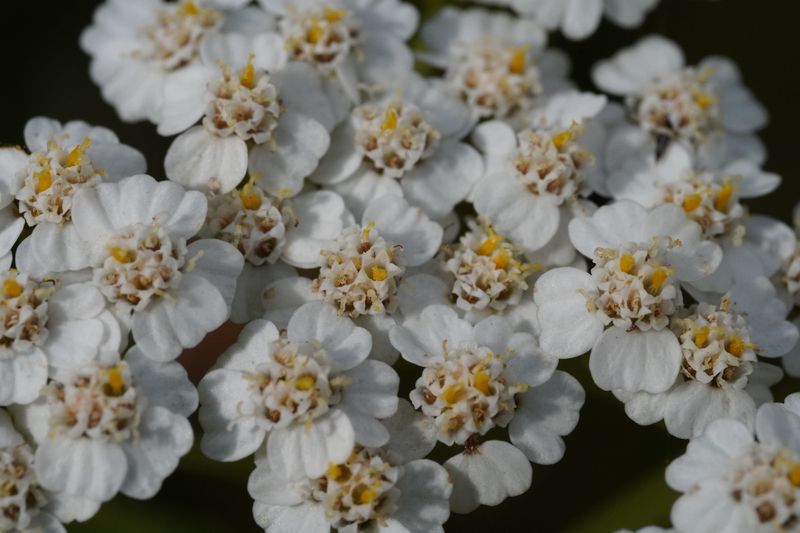
Yarrow is the garden plant that refuses to give up on you even when you forget it exists. It pushes through compacted soil, tolerates full sun and dry spells, and comes back every spring without being asked.
Achillea millefolium produces flat-topped clusters of tiny white flowers that act like a landing platform for dozens of beneficial insect species. Lacewings, parasitic wasps, and native bees all congregate on yarrow blooms throughout summer.
Those beneficial insects are your garden’s natural pest control team. Encouraging them with yarrow means fewer aphids, caterpillar eggs, and whiteflies showing up on your vegetables.
Yarrow’s feathery, fern-like foliage stays attractive even when the plant is not in bloom. It fills gaps between showier plants and adds texture that makes a border feel layered and intentional.
The plant has a rich history in traditional herbal use across many cultures. Its genus name, Achillea, traces back to the ancient legend that Achilles used it to treat wounds on the battlefield.
In Iowa’s gardens, yarrow naturalizes easily and spreads at a moderate pace. Dividing established clumps every two or three years keeps growth tidy and generates free plants for other spots.
Cut stems dry beautifully for arrangements and hold their shape for months. Yarrow earns its place in any Iowa garden by working quietly, asking for nothing, and giving back more than most plants ever do.
6. Evening Primrose (Oenothera Biennis)
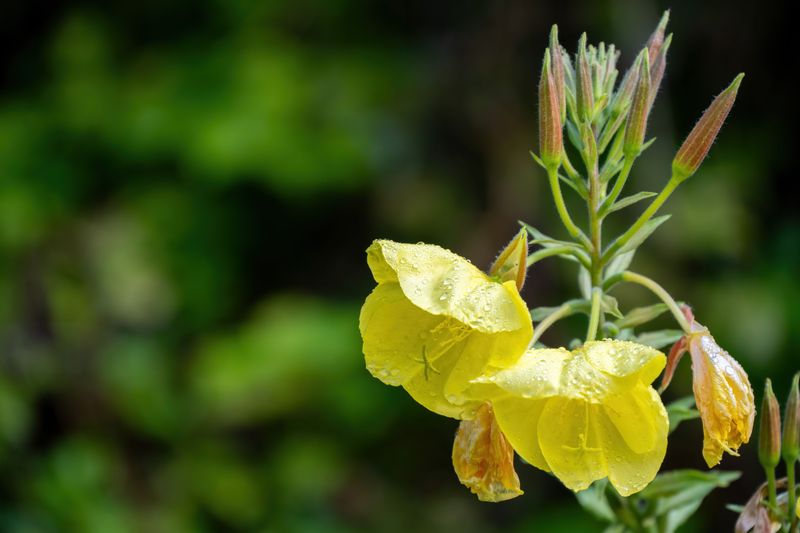
Image Credit: © Thomas P / Pexels
Evening primrose does something almost no other garden plant bothers to do: it blooms at night. As the sun goes down, those bright yellow flowers unfurl and fill the air with a soft, sweet fragrance specifically designed to attract moths.
Oenothera biennis is a biennial, meaning it grows leaves its first year and flowers in its second. That two-year cycle trips up gardeners who yank it thinking it is broken, only to miss the spectacular show it had planned.
Sphinx moths are its primary pollinators, hovering at the blooms like tiny hummingbirds after dark. Supporting moth populations matters more than most gardeners realize, since moths pollinate a surprising range of crops and wildflowers.
The plant can reach three to five feet tall, giving it a dramatic, architectural presence in the back of a border. Its tall, candle-like seed stalks stay attractive well into winter and feed birds through the cold months.
Evening primrose oil, pressed from the seeds, is used commercially in supplements and skincare products. The same seeds your garden produces for free are sold in health food stores at premium prices.
It self-seeds generously, so expect a new generation of plants each year. Pulling a few seedlings keeps populations from overwhelming a small space without removing the plant entirely.
Most garden plants work the day shift and clock out by evening, this one is just getting started. Let it stay, and your garden becomes a completely different world after sunset.
7. Elderberry (Sambucus Canadensis)
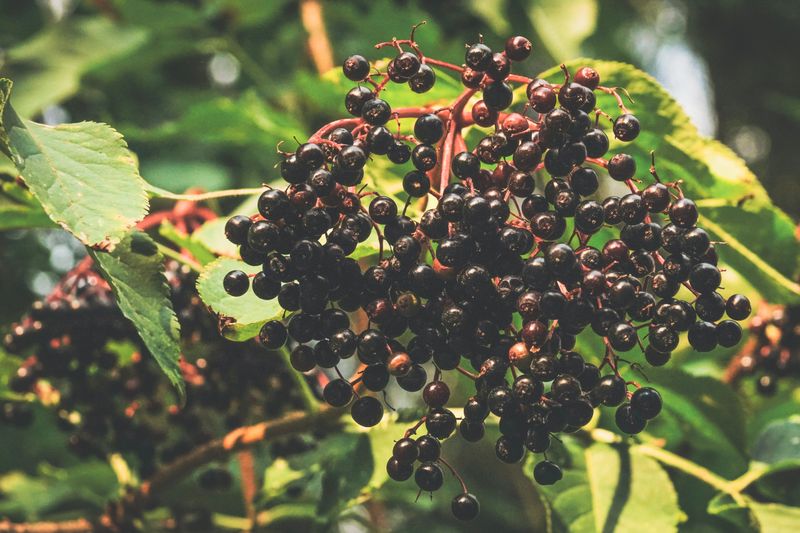
Elderberry is the overachiever of the Iowa hedgerow. It feeds birds, supports pollinators, produces medicine-cabinet-worthy berries, and looks stunning doing all of it at the same time.
Sambucus canadensis grows naturally along Iowa’s streams, fence lines, and woodland edges. When it shows up on its own, it is essentially offering you a free food-producing shrub with decades of use ahead of it.
The flat-topped white flower clusters, called cymes, bloom in June and attract hundreds of small native bee species. Smaller bees that cannot access deep flowers thrive on elderberry’s open, accessible blooms.
By late August, those flowers transform into heavy clusters of deep purple berries. Elderberry syrup, made from the cooked fruit, has become one of the most popular home wellness remedies across the country.
Birds like cedar waxwings, robins, and catbirds will strip the branches before you even notice the berries are ripe. That competition is actually a feature, not a frustration, since those birds also eat pest insects throughout your garden.
Elderberry grows fast, sometimes several feet in a single season. Pruning it back in late winter keeps the shape manageable and encourages more productive new growth the following year.
Raw elderberries can cause stomach upset, so always cook them before consuming. Once you taste your first batch of homemade elderberry syrup, you will wonder why you ever considered removing this plant from your property.
8. Chamomile (Matricaria Chamomilla)
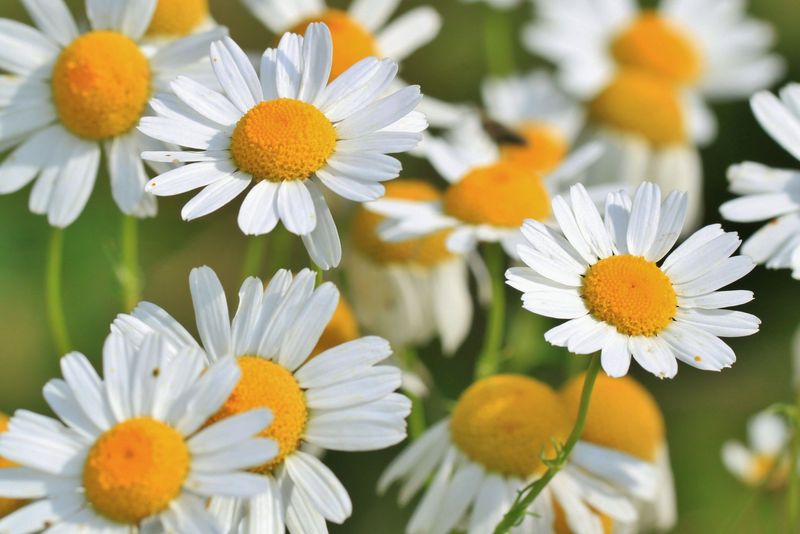
Few plants smell as instantly comforting as chamomile crushed underfoot on a warm afternoon. That apple-honey scent hits you before you even bend down to look at what you are walking on.
Matricaria chamomilla, or German chamomile, often appears in Iowa gardens without being planted. It hitchhikes in compost, birdseed, and potting soil, then quietly establishes itself in sunny patches where the soil stays loose.
The plant produces small, daisy-like flowers with white petals and raised yellow centers. Those centers are actually domed, which is one easy way to tell true chamomile apart from similar-looking lookalikes.
Harvesting the flowers at peak bloom and drying them takes about ten minutes and produces enough tea to last weeks. A single established plant can yield several generous handfuls of flowers throughout its blooming season.
Chamomile also benefits the plants growing nearby. Gardeners have long believed that chamomile benefits brassicas, onions, and cucumbers when planted in close proximity, though the research is still catching up.
It is an annual, so it completes its cycle quickly and reseeds itself with almost no effort on your part. Each fall, it scatters seeds that lie dormant through winter and sprout fresh the following spring.
Most herbs this useful take real effort to establish, but chamomile skips that part entirely and just shows up ready to work. There is something genuinely satisfying about brewing tea from a plant that chose your yard all on its own.