Florida Plants That Actually Use The Rainy Season To Double In Size
Florida’s rainy season is brutal for some plants and a genuine gift for others. The ones that struggle through it are easy to spot by August, stressed, waterlogged, and waiting for conditions to ease.
The ones built for it do something entirely different. They use every bit of that rainfall to push hard, spread wide, and arrive at the end of the season twice the plant they were in June.
Most Florida gardeners treat the rainy season as something to manage rather than something to leverage. The right plant selection flips that entirely.
A specific group of Florida plants treat summer rainfall as a signal to perform rather than endure. They root deeper, fill in faster, and establish the kind of presence that takes other plants two or three seasons to build.
Plant them now and the rainy season does the work. Your job is mostly just to stay out of the way.
1. Firebush Turns Rainy Season Into A Growth Spurt
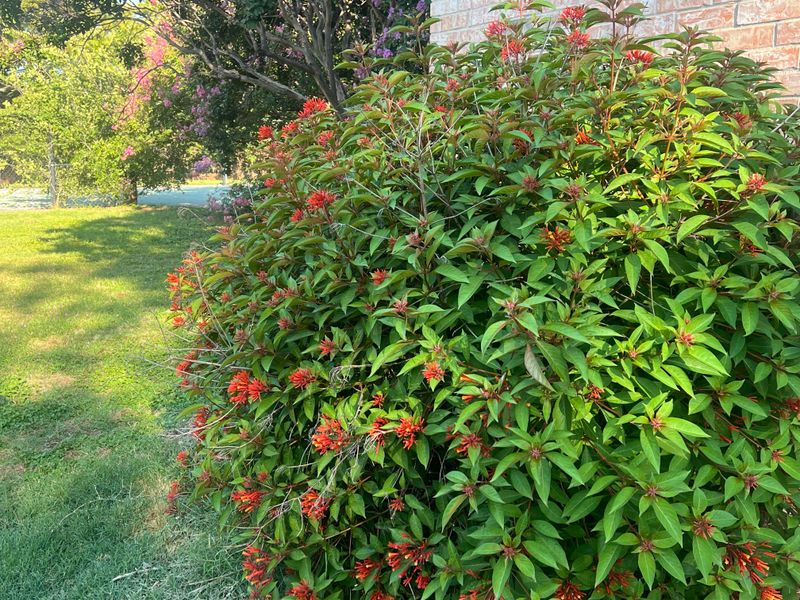
After a few weeks of summer rain, a well-placed firebush can look like a completely different shrub. Hamelia patens pushes out new stems, fuller branching, and fresh clusters of orange-red tubular flowers when warm rainfall keeps the soil consistently moist.
In southern regions especially, the combination of heat, humidity, and repeated afternoon storms gives this shrub the conditions it seems built for.
Hummingbirds and butterflies visit the tubular flowers regularly, making firebush a popular choice in pollinator beds and wildlife-friendly yards.
It grows well in full sun to part shade and fits naturally into warm home landscapes where color and wildlife activity are both welcome.
New stems can appear quickly during wet stretches, and the overall canopy can fill noticeably from early summer into fall.
Growth does vary by region and site. In northern regions, cooler winters can cut firebush back hard, meaning spring recovery takes longer before rainy-season growth really kicks in.
In warmer southern regions, established plants may already be large before summer storms arrive, and the rainy season pushes them even further. Pruning in late winter or early spring helps keep the shape manageable.
Without occasional shaping, stems can sprawl outward and the shrub may look leggy rather than lush. Good drainage matters too, since waterlogged roots slow growth even during the wettest months.
2. Scarlet Hibiscus Shoots Up Fast In Wet Summer Soil
Walk past a rain garden or a pond edge in midsummer and you might do a double take at the tall red stems rising out of the wet soil.
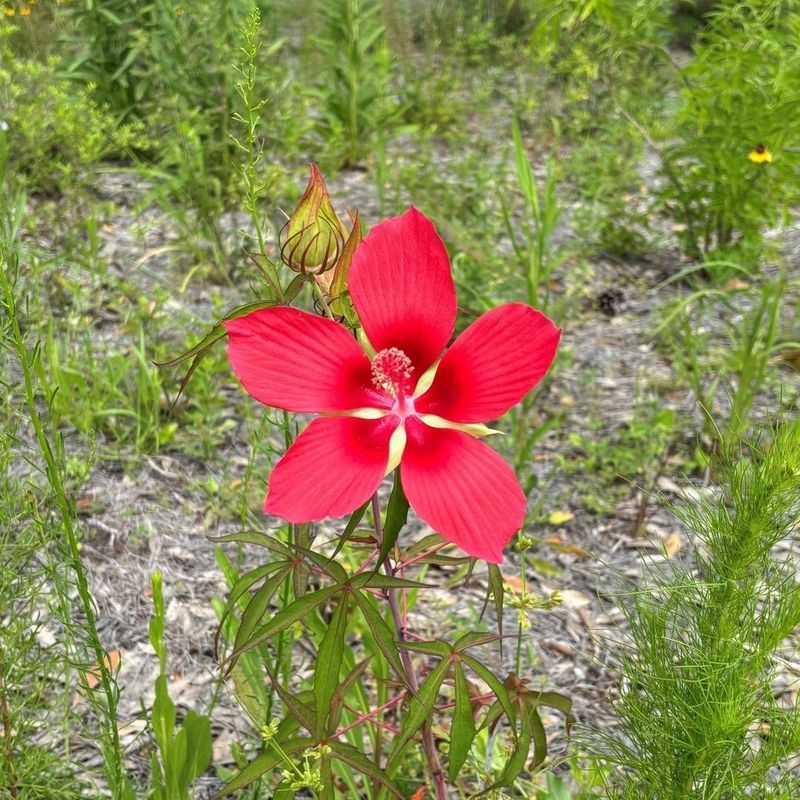
Scarlet hibiscus (Hibiscus coccineus) is a Florida native plant that genuinely thrives in moist to wet, sunny spots, and the rainy season is when it shows what it can do.
Stems can reach six feet or more, topped with large, deeply cut red flowers that catch attention from across the yard.
Wet sites are where this plant belongs. Pond edges, swales, rain gardens, and damp borders give scarlet hibiscus the moisture it wants during long wet stretches.
Seasonal flooding does not slow it down the way it would many other plants. The tall, open growth habit fits naturally in larger naturalistic landscapes where height and drama are welcome design elements.
Your Florida Garden Changes Every Week. Your Plan Should Too.
Gardening in Florida changes quickly throughout the season. Every Friday you’ll receive a simple weekly plan showing exactly what to plant, prune, fertilize, harvest, and protect so you never miss the right timing.
Placing scarlet hibiscus in a dry sandy foundation bed or a formal tight border is a mismatch. Without consistent moisture, the stems stay shorter and flowering suffers.
It is also worth knowing that the tall, somewhat open structure looks intentional in a native or wildlife bed but can look out of place in a manicured formal planting. The right wet site is genuinely what makes the rainy-season growth work here.
Cutting stems back after flowering can encourage a second round of growth before the season ends.
3. Fakahatchee Grass Gets Bolder With Every Storm
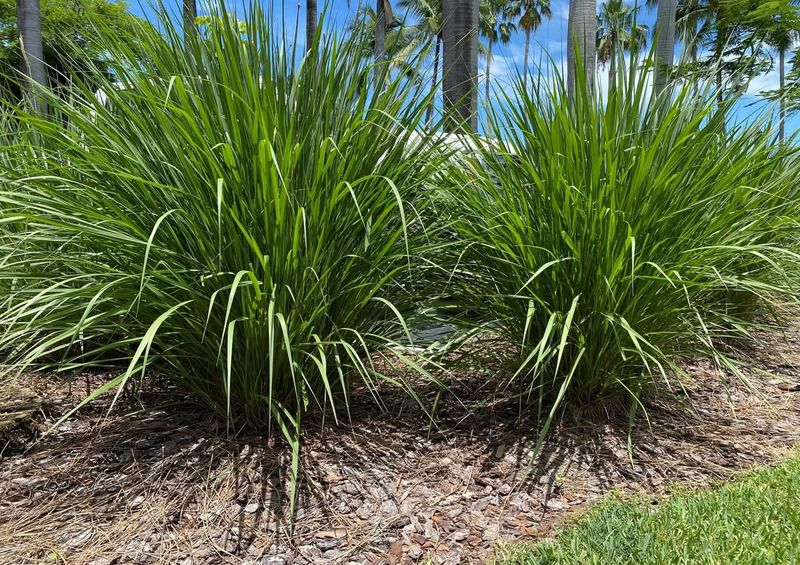
By late summer, a Fakahatchee grass clump planted near a pond edge or in a large naturalistic bed can look twice as bold as it did in spring.
Tripsacum dactyloides is a Florida native clumping grass that bulks up noticeably during the rainy season, pushing out wider, fuller growth with each wave of warm summer rain.
The long, strap-like leaves arch outward with a natural movement that catches the breeze and adds texture to larger spaces.
Wildlife value is part of what makes this grass worth planting in the right spot. Birds and small animals use the dense clumps for cover where naturalistic plantings are the goal.
Pond edges, swales, damp borders, and large open beds all suit Fakahatchee grass well. The rainy season accelerates the bulking process, turning a modest clump into a bold landscape anchor faster than dry-season growth ever would.
Room is non-negotiable. Mature clumps can spread several feet wide, and planting too close to walkways, doorways, or small beds leads to crowding problems that take real effort to fix later.
Rain helps this grass fill out, but placement is what determines whether that fullness looks intentional or overwhelming. Dividing large clumps every few years keeps the growth fresh and prevents the center from becoming woody and hollow.
A well-sited, well-maintained clump during a wet summer can genuinely transform a landscape corner.
4. Canna Lily Fills Damp Beds Before You Notice
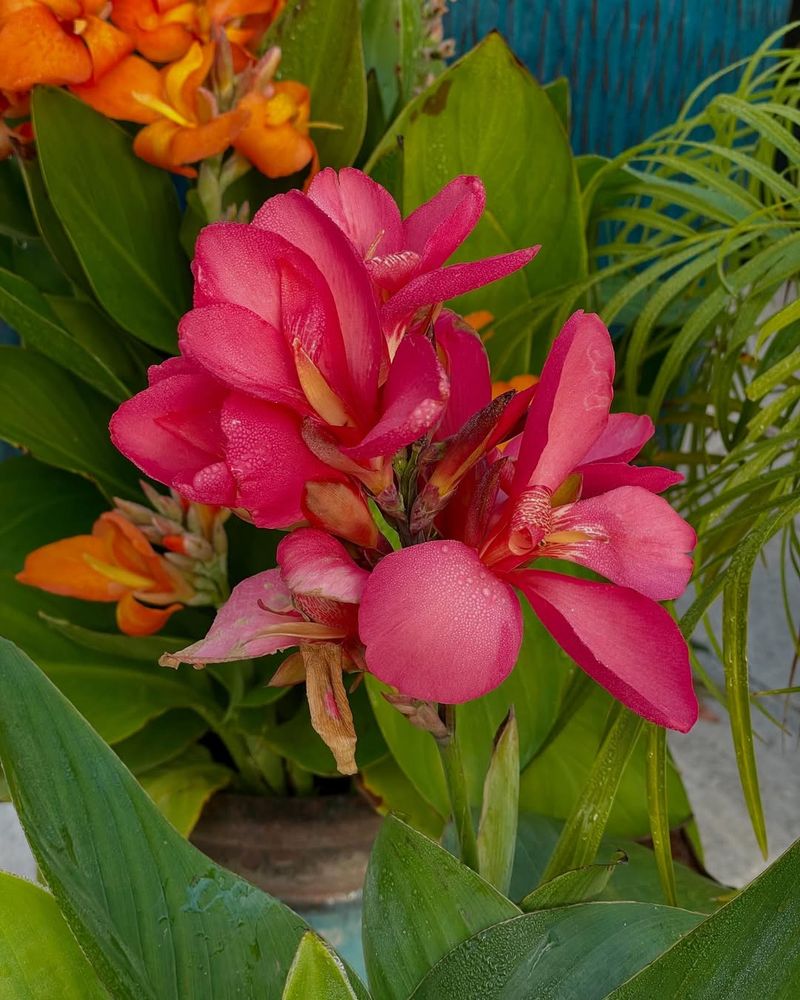
Warm, wet soil in a sunny bed can bring out something dramatic in canna lilies. Large, paddle-shaped leaves push upward quickly when moisture and heat combine, and flower spikes follow not far behind.
For gardeners who want bold foliage and color in damp spots, cannas deliver that rainy-season energy in a way few other plants match at this scale.
A note on plant selection matters here. Not all cannas are native, and some ornamental hybrid cannas can spread aggressively in warm, moist conditions.
Canna flaccida is a native species found in wet habitats across parts of this state. It is quite different from the large-flowered ornamental hybrids sold widely at garden centers.
Choosing non-invasive, regionally appropriate plants is important. This matters especially near natural areas, wetlands, or drainage features where spreading plants can become a problem.
For ornamental use in contained beds, non-invasive canna selections can bring impressive rainy-season growth without the same risk. Sun, consistent moisture, and rich organic soil push the fastest growth.
Spreading is part of the growth pattern, so leaving room around each planting helps avoid crowding. Rhizomes expand outward over time, and wet summers accelerate that spread.
Dividing clumps every two to three years keeps the planting looking fresh and prevents the bed from becoming overly dense. Choose carefully, plant in the right spot, and cannas can be a vivid seasonal performer.
5. Blue Mistflower Spreads Quickly Where Moisture Holds
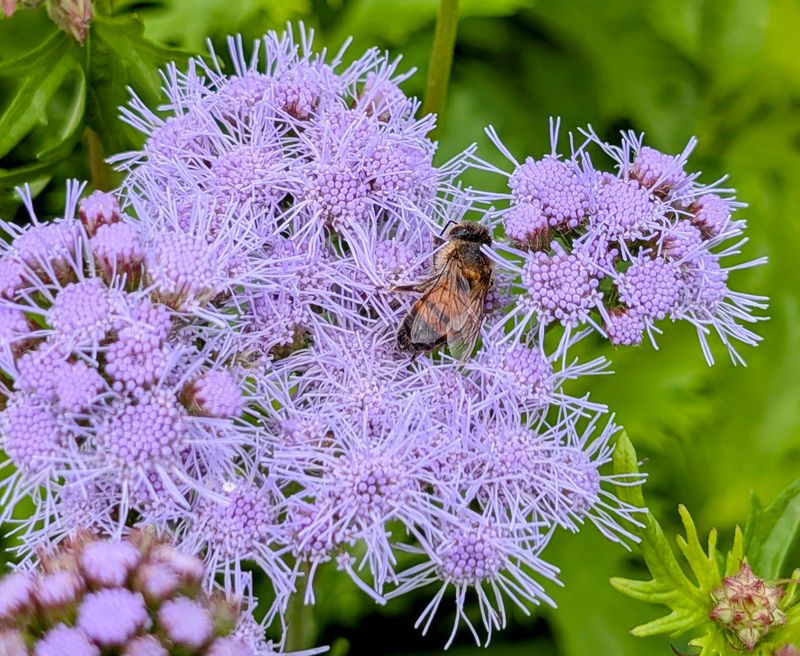
A damp, partly shaded bed that looks thin in spring can be a completely different scene by late summer if blue mistflower has taken hold.
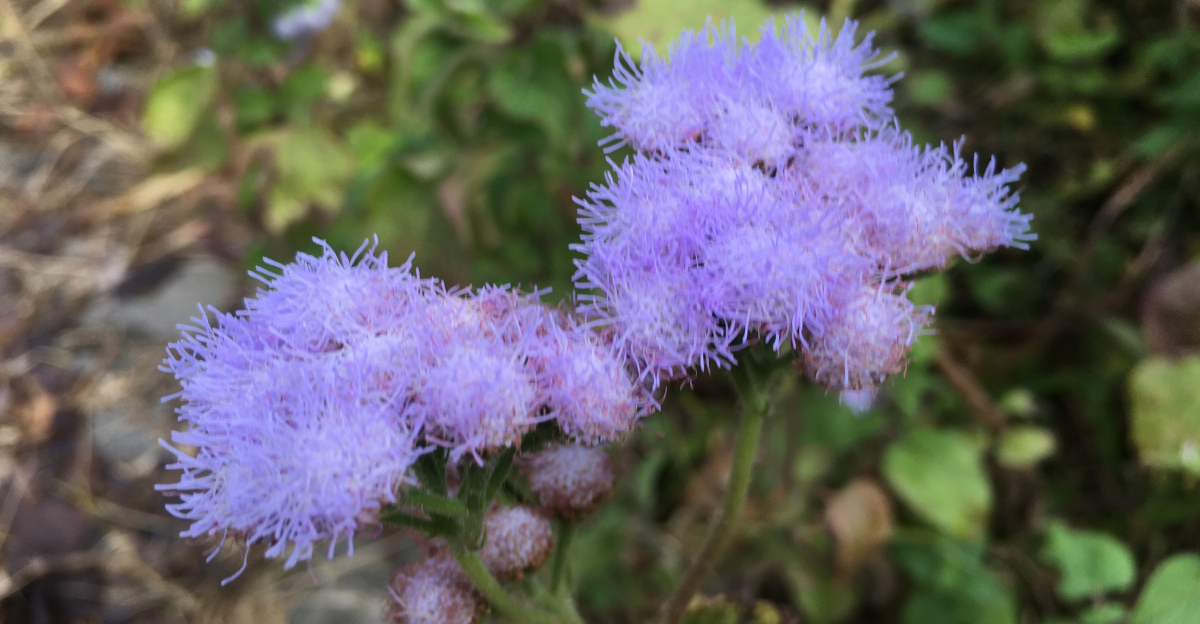
Conoclinium coelestinum is a Florida native flowering plant that spreads through underground stems, filling space steadily during warm, moist months.
When rainy-season moisture keeps the soil consistently damp, that colony-forming habit kicks into a noticeably higher gear.
The soft blue-purple flowers that appear in late summer and fall are a genuine pollinator draw. Bees and butterflies visit the blooms heavily, and the late-season color fills a gap when many other plants have finished flowering.
Naturalistic beds, shaded borders, pond edges, and rain garden edges are all places where blue mistflower can settle in and spread with purpose. The loose, airy texture fits well in informal plantings where a filled-in patch reads as intentional.
Spreading is the part that needs honest planning. Blue mistflower does not stay neatly in place, and in a tight formal bed where every stem must hold a fixed position, it will cause frustration.
Give it space to roam within a defined area, such as a large native bed or a wild corner. That lets the rainy-season spread work in the garden’s favor rather than against it.
Pulling back stems that cross into neighboring plants keeps the patch from overtaking smaller neighbors. With the right placement, the summer growth feels like a welcome bonus rather than a management problem.
6. Tropical Sage Reseeds And Fills In After Summer Rain
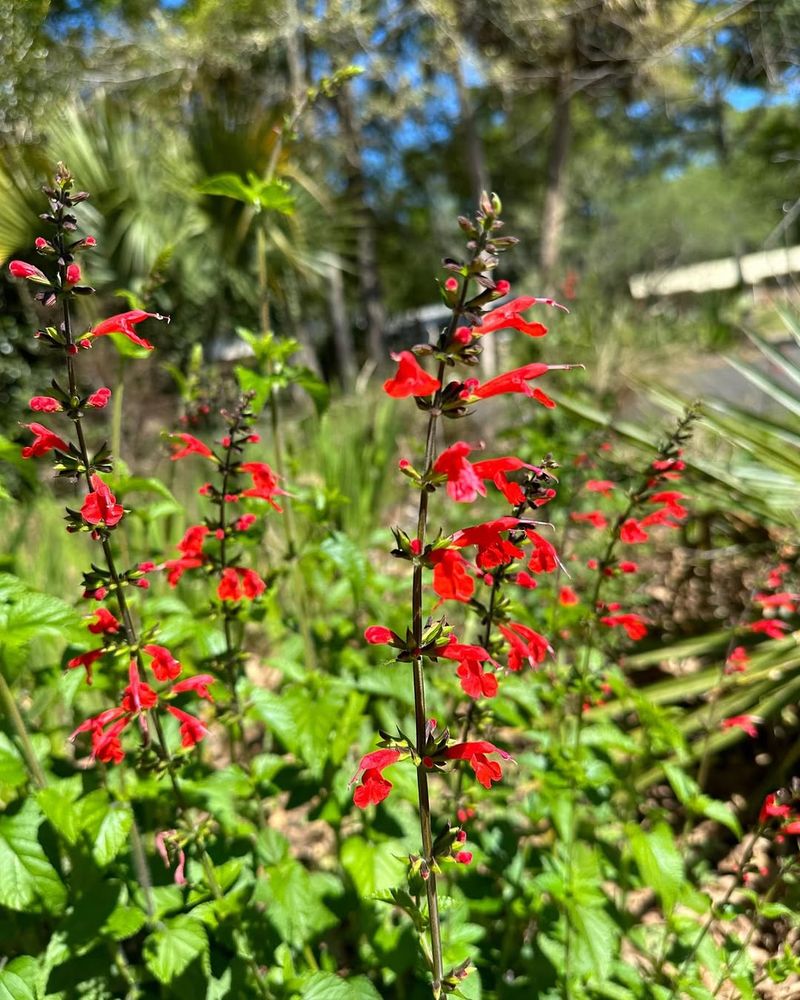
Gaps in a sunny native bed have a way of closing themselves when tropical sage is nearby. Salvia coccinea reseeds readily after warm summer rains, and new seedlings can fill empty patches faster than most gardeners expect.
The combination of heat, moisture, and open soil creates near-ideal conditions for germination, and by midsummer a thin planting can become a lively, colorful patch.
Red is the most common flower color, but pink and white forms also exist and bring their own soft appeal to mixed plantings. Hummingbirds seek out the tubular flowers, and butterflies and bees visit regularly as well.
Tropical sage fits well in native beds, pollinator gardens, and loose cottage-style plantings where a natural, slightly wild look is the goal. It grows in full sun to part shade, which gives it flexibility across different bed conditions.
Reseeding does mean the planting can look unruly if left completely unedited. Seedlings pop up in gravel paths, neighboring pots, and spots where a more structured plant is supposed to be.
Selective thinning keeps the bed looking intentional without removing the charm of the self-filling habit. Pull seedlings from the wrong places and leave them where they belong.
Cutting back tall stems after the first flowering flush can also encourage fresh growth and more blooms before the rainy season ends. A light editorial hand is all it takes to keep tropical sage looking purposeful rather than overgrown.
7. Coral Honeysuckle Climbs Hard When Heat And Rain Line Up
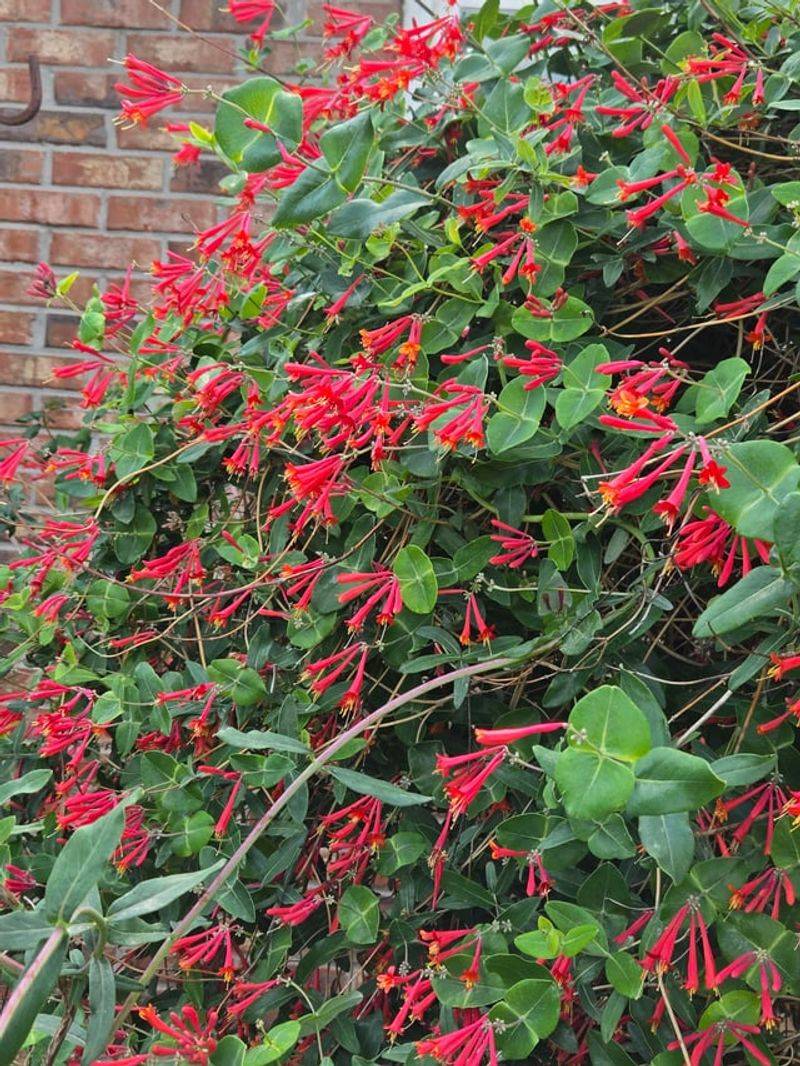
Give coral honeysuckle a trellis and a warm, rainy summer, and it will remind you just how fast a well-sited native vine can move.
Lonicera sempervirens pushes strong new growth when heat and repeated rainfall arrive together, sending stems along fences, arbors, and trellises with real energy.
The clusters of tubular red to orange-red flowers that follow the new growth attract hummingbirds reliably, making this vine a favorite in wildlife-friendly yards.
Full sun to part shade suits coral honeysuckle well, and established vines on a good support structure can put on several feet of new growth during a wet summer. Butterflies also visit the blooms, adding to the wildlife value during peak flowering.
Train the new stems early in the season, while they are still flexible and easy to direct. That keeps the vine growing in a useful direction rather than tangling into a dense, unsupported mass.
Structure is not optional here. A vine with nothing to climb will sprawl along the ground or smother nearby plants, and rainy-season growth makes that problem worse quickly.
Planting coral honeysuckle near a fence, an arbor, or a sturdy trellis before the rainy season begins gives the new stems a clear path. Checking the vine every week or two during peak growth takes only a few minutes.
Redirecting wayward stems makes a real difference in how the finished planting looks. Occasional light pruning after flowering keeps the shape from becoming too heavy.
8. Tickseed Sunflower Takes Off In Rain-Soaked Edges
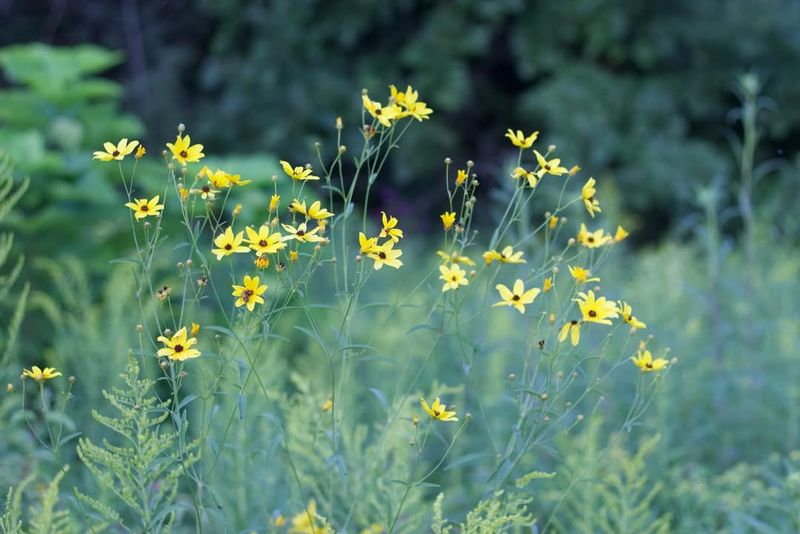
Along a sunny pond edge or at the low end of a swale, heavy summer rains can trigger a burst of growth from tickseed sunflower. That growth can turn a sparse wet edge into a cheerful mass of yellow.
Bidens laevis is a Florida native wet-site plant that responds strongly to warm temperatures and saturated soil. Once the rainy season is underway, it pushes stems upward and outward with real speed.
The bright yellow flowers are a reliable pollinator draw, bringing bees and butterflies to wet garden edges where many other plants would struggle. Ditches, pond margins, rain gardens, and damp borders are the natural home for this plant.
Seasonal wetness is not a problem for tickseed sunflower; it is the condition that makes the rainy-season growth work. A well-sited patch can look impressively full by midsummer when rainfall has been consistent.
Spreading is part of the picture. Tickseed sunflower can colonize a wet edge over time, and in a loose naturalistic planting that is often exactly what is wanted.
In a dry, manicured foundation bed, it would be the wrong plant entirely. Keeping the patch within its intended area by pulling back stems that move into neighboring plants is straightforward maintenance during a wet season.
The reward for that small effort is a long season of yellow flowers and steady pollinator activity. It works along edges where moisture is a design feature rather than a drainage problem.
9. Muhly Grass Flushes Full In The Heart Of Rainy Season
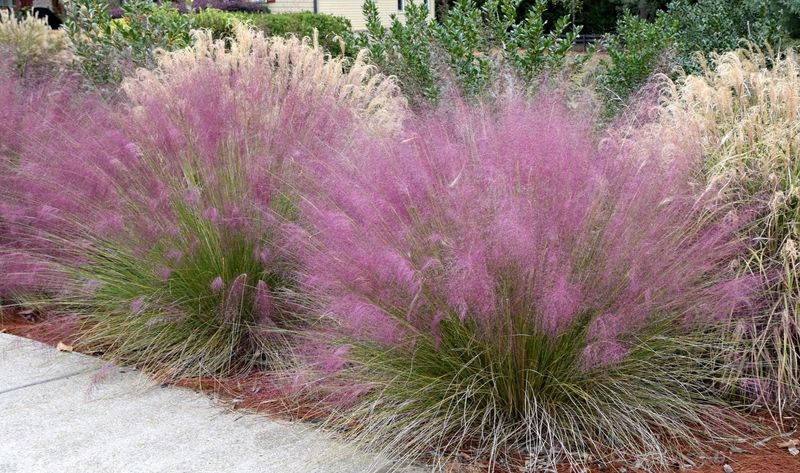
Few sights in a warm-season landscape match a muhly grass clump in full flush after a summer of steady rain. Muhlenbergia capillaris is a native clumping grass that builds its fullest, most impressive form during the warm, wet months.
That growth sets up a spectacular show of pink to rose-purple flower plumes in fall. The rainy season does much of the quiet work that makes that autumn display possible.
Full sun is where muhly grass performs best, and well-drained to moderately moist soil suits it well. Sandy soils that drain quickly between storms work in its favor, since muhly grass does not want to sit in standing water for extended periods.
The clumps bulk up steadily through summer, and by the time fall arrives, a well-established plant in a sunny bed can look dramatically fuller than it did in spring.
Placement in an open, sunny spot where the plumes can catch afternoon light makes the most of the fall display. Crowding muhly grass with taller plants blocks the light that makes the plumes glow.
Cutting the clump back hard in late winter, before new spring growth begins, refreshes the plant and prevents a buildup of old thatch at the base.
Without that annual cutback, the center of the clump can become dense and the overall shape loses its clean, graceful form.
A little seasonal editing keeps muhly grass looking its best year after year.