The Underrated Maryland Perennial That Naturally Repels Deer, Ticks, And Rabbits
Maryland summers are gorgeous until something starts quietly dismantling your garden. Beetles work through your roses before you even notice.
Aphids settle onto your pepper plants and make themselves at home. Most gardeners eventually reach for chemical sprays, ugly netting, or just replant the same struggling flowers every single year.
There is a better way, and it has been growing wild in Maryland meadows for centuries without anyone paying much attention.
Seasoned gardeners quietly tuck this native perennial along their borders and never feel the need to explain why. Pollinators go absolutely crazy for it.
Pest insects, on the other hand, treat it like a warning sign and keep moving. It thrives in summer heat, handles drought well, and returns stronger every spring.
If your garden keeps running into the same problems season after season, this fragrant native is the quiet fix that finally changes everything.
It Naturally Repels Deer, Ticks, And Rabbits
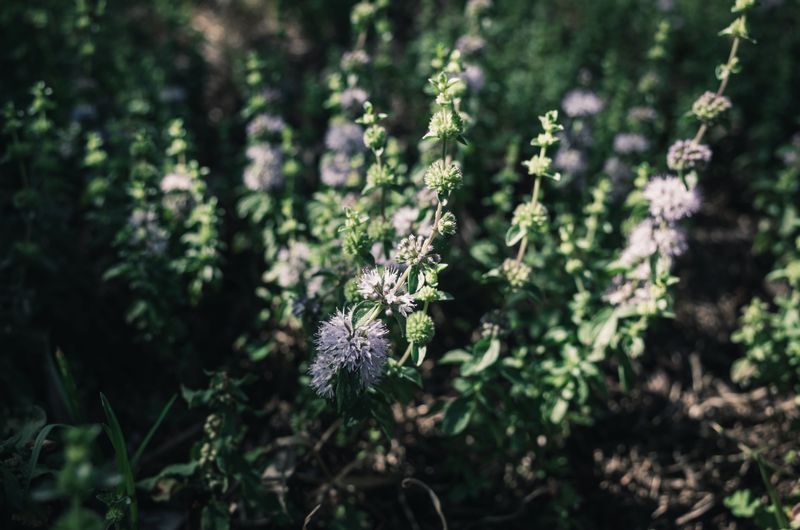
Picture this: a plant that smells like a breath mint, attracts every pollinator in the neighborhood, and sends deer ticks and rabbits running in the opposite direction.
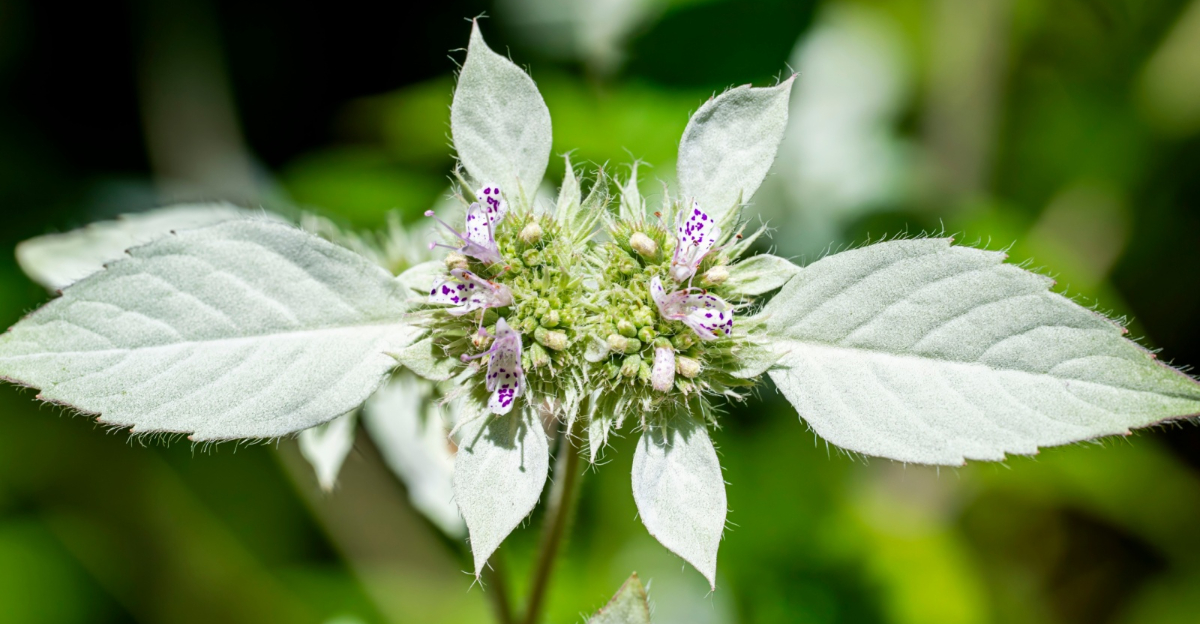
That plant is Mountain Mint, and it is widely overlooked in Maryland gardens. Native to the eastern United States, Mountain Mint belongs to the Pycnanthemum genus.
It has been growing wild in Maryland meadows and woodland edges for centuries. Mountain Mint consistently earns strong reviews from native plant gardeners across the Mid-Atlantic region. They wish they had planted it years ago.
The secret is in its powerful essential oils. The leaves release a sharp, minty scent that overwhelms the senses of small pests and ticks alike.
Rabbits rely heavily on smell to find food. When Mountain Mint is nearby, their instincts tell them to move along fast.
For deer ticks, the strong aromatic compounds in the plant may make it harder for them to orient toward a host, though research specific to Mountain Mint is still emerging. That may translate to fewer ticks lingering in your lawn and garden beds.
Mountain Mint is also incredibly hardy. Once established, it handles Maryland summers, droughts, and clay soil without much fuss at all.
This is the underrated Maryland perennial your garden has been missing. Keep reading to see exactly how it works its magic.
Why Deer, Ticks, And Rabbits Are Such A Persistent Challenge For Maryland Gardeners
Maryland is gorgeous, but it comes with some frustrating wildlife neighbors. Deer, rabbits, and deer ticks are practically part of the landscape here.
The Mid-Atlantic region sits in one of the highest tick-density zones in the entire country. That is not a fun distinction to hold.
Rabbits breed fast and eat faster. A single pair can produce dozens of offspring in one season, all of them hungry for your hostas and herbs.
Deer are no better. They treat suburban gardens like an easy, reliable food source, especially during dry summers when wild food sources get scarce.
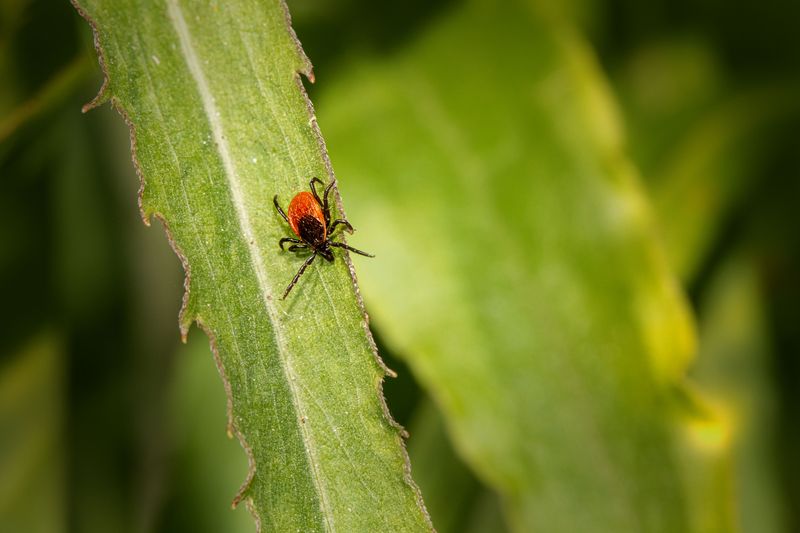
Ticks are the most serious concern of the three. Deer ticks in Maryland carry Lyme disease, and their populations have surged dramatically over the past decade.
Your Maryland Garden Changes Every Week. Your Plan Should Too.
Gardening in Maryland changes quickly throughout the season. Every Friday you’ll receive a simple weekly plan showing exactly what to plant, prune, fertilize, harvest, and protect so you never miss the right timing.
Traditional solutions like sprays and repellent granules work temporarily. But they wash away with rain and need constant reapplication to stay effective.
Fencing helps with rabbits and deer, but it does nothing about ticks hiding in your mulch or low-growing ground covers. You need a plant-based strategy.
That is exactly where Mountain Mint offers a genuinely practical solution. Its scent works around the clock without any effort from you at all.
Understanding the scale of this problem makes the solution feel even more satisfying. Maryland’s native landscape already holds many of the tools gardeners need to manage these challenges naturally.
The Unique Mechanism Behind Its Natural Pest-Repelling Power
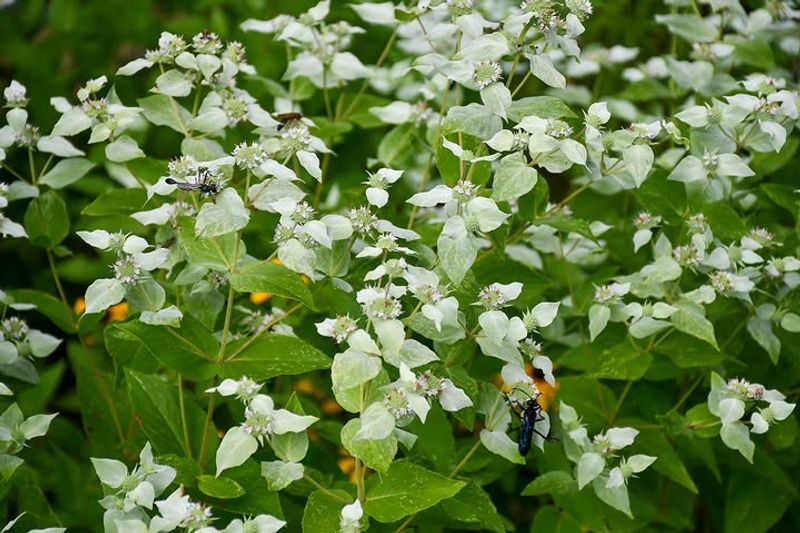
Mountain Mint does not just smell nice by accident. Its chemistry is specifically designed by nature to protect itself from being eaten.
The leaves are packed with pulegone, carvacrol, and other volatile compounds. These oils are potent enough to affect insect and animal behavior significantly.
Rabbits have an extraordinarily sensitive sense of smell. When they detect the intense minty compounds in the air, they associate the area with danger and discomfort.
It is not that the plant hurts them. Their instincts simply flag it as an unpleasant zone and redirect them elsewhere in your neighborhood. Ticks operate differently but react just as strongly.
Some plant-based volatile compounds have been studied for their potential to interfere with how ticks orient toward hosts, though research specific to Mountain Mint is still emerging.
That is a powerful passive defense for any yard. The oils are most concentrated in the leaves and stems just before the plant blooms. Brushing against it releases a fresh burst of that protective fragrance.
Pollinators like bees and butterflies love the flowers but are not bothered by the oils the way pests are. Nature drew a clever line there.
This underrated Maryland perennial works as a continuous passive deterrent without any effort from you. That kind of effortless protection is hard to beat.
How It Disrupts Tick Habitat Along Your Maryland Yard
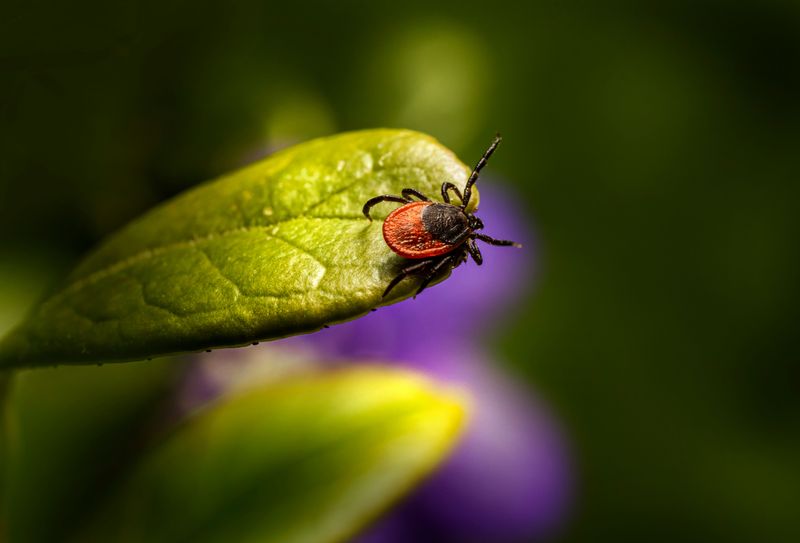
Ticks do not just appear out of nowhere. They thrive in specific conditions: tall grass, leaf litter, moist shaded edges, and dense low-growing vegetation.
Maryland yards often have all of those things, which is why tick encounters feel so common during warmer months.
Planting Mountain Mint along your yard borders creates a fragrant barrier that ticks find deeply inhospitable. The scent alone discourages them from hanging around the edges.
But there is a structural benefit too. Mountain Mint grows in dense, upright clumps that dry out faster than sprawling ground covers. Ticks avoid dry, exposed conditions.
When you replace low-growing weedy patches with Mountain Mint, you are eliminating exactly the kind of habitat ticks seek out. You are shifting the habitat conditions in your favor.
The plant attracts beneficial insects like parasitic wasps, which help keep a range of garden pest populations in check. So your garden starts working as a tick-control system from multiple angles.
Planting it along fence lines, walkways, and garden perimeters gives you the widest coverage. Think of it as drawing a scented boundary line around your outdoor living space.
Dogs and kids playing in the yard get passive protection just by being near it. That peace of mind is genuinely reassuring for Maryland families.
Shifting your landscaping strategy to include this underrated Maryland perennial could change how comfortable your yard feels all season long.
The Right Way to Plant It For Maximum Pest Protection
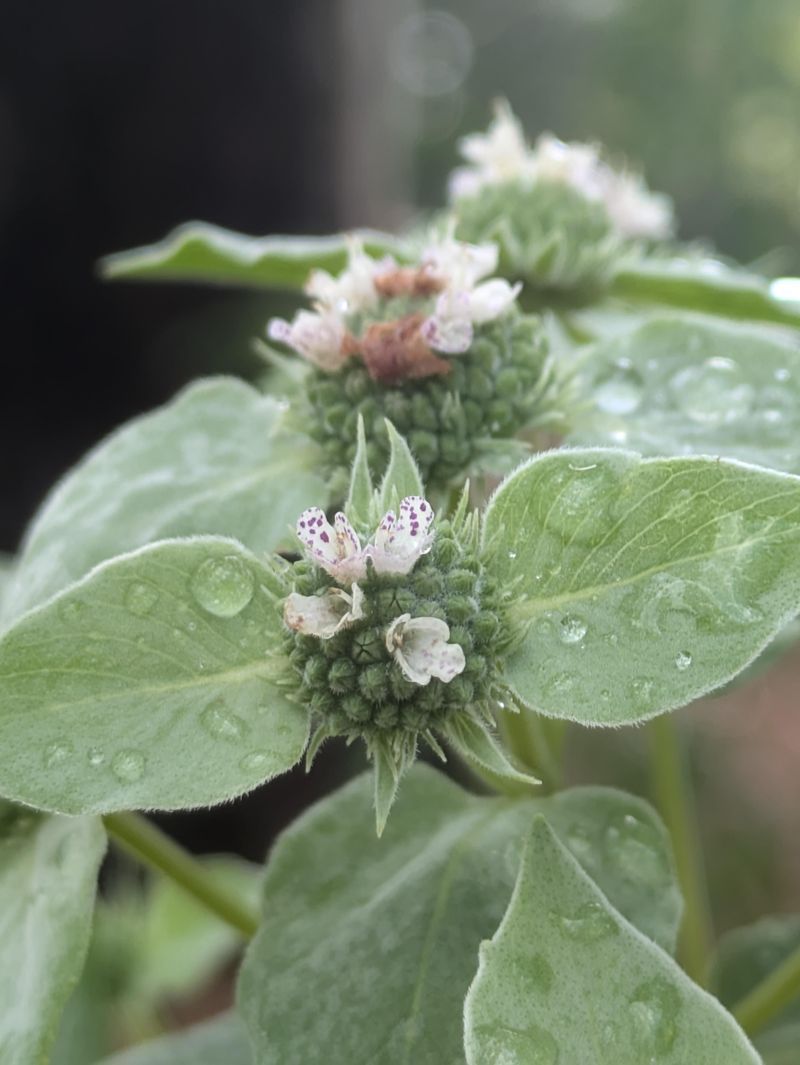
Planting Mountain Mint is refreshingly straightforward, even for beginners who have struggled with fussier perennials in the past.
Start by choosing a spot with full sun to partial shade. Mountain Mint handles both well, but it gets more fragrant and bushy with at least six hours of direct sunlight daily.
Maryland’s clay-heavy soil is not a dealbreaker here. Amend it with some compost before planting, and the roots will establish themselves without drama.
Space plants about 18 to 24 inches apart. They spread through rhizomes, so give them room to expand without crowding out their neighbors too aggressively.
Water regularly for the first growing season to help roots settle in. After that, Mountain Mint is remarkably drought-tolerant and rarely needs supplemental watering.
Avoid planting it in soggy, waterlogged areas. Standing water is the one condition that genuinely stresses this otherwise tough plant out.
To maximize pest protection, plant it in clusters rather than single specimens. A dense grouping releases far more scent than one lonely plant in a corner.
Trim the plants back in early spring before new growth starts. This keeps them tidy and encourages the lush, fragrant growth that does the heavy pest-repelling work.
Getting this underrated Maryland perennial established correctly in year one means years of effortless, chemical-free protection ahead. That first planting is absolutely worth doing right.
Best Maryland Garden Combinations To Pair With It
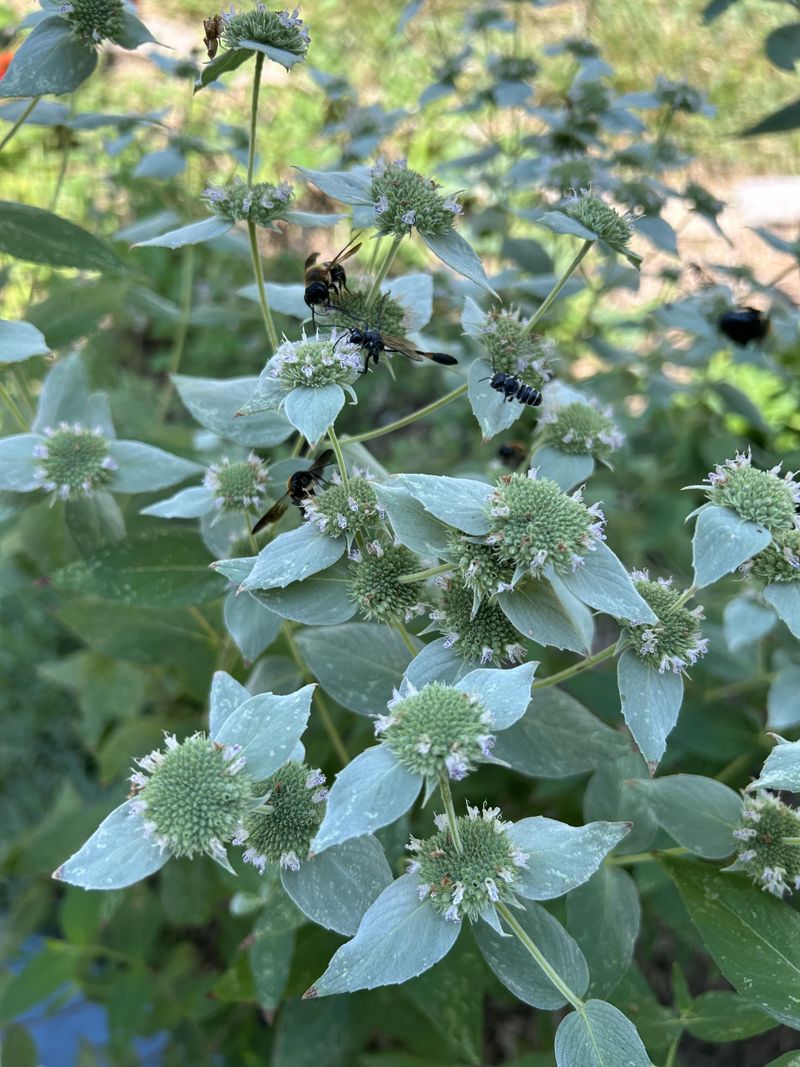
Mountain Mint plays extremely well with others, and pairing it strategically can amplify both its beauty and its pest-deterrent effect significantly.
Black-eyed Susans are a natural match. Both are Maryland natives that love full sun, and together they create a wildflower border that looks effortlessly intentional.
Purple coneflower, also called echinacea, is another excellent companion. The two bloom at overlapping times, creating a long pollinator season while the mint scent blankets the entire bed.
Lavender is a powerful pairing for pest control. Both plants release aromatic oils that layer together, creating an even stronger sensory barrier against rabbits and other browsing animals.
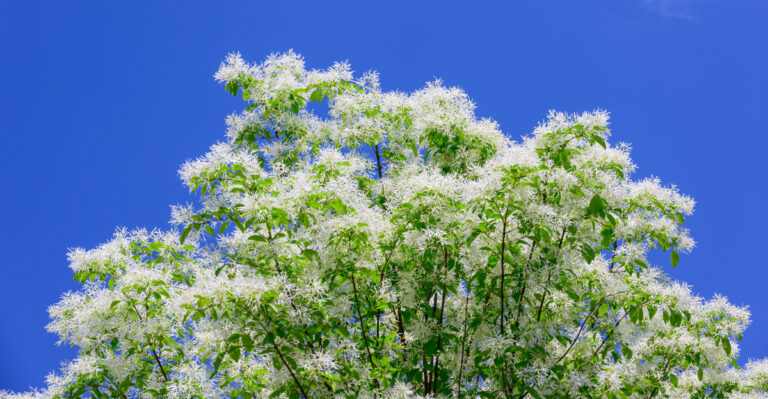
Russian Sage pairs beautifully along the back of a border behind Mountain Mint. The silvery-blue spikes complement the mint’s white flowers without competing for the same space.
Avoid pairing it with moisture-loving plants like astilbe or cardinal flower in the same bed. Their water needs conflict, and one group will always end up unhappy.
Ornamental grasses make great structural partners in the middle of a border. They add height and movement while Mountain Mint handles the fragrant, low-growing pest-repelling work up front.
Native sedges work beautifully along shadier edges where Mountain Mint gets less sun. The combination keeps your entire yard boundary protected without any bare or vulnerable patches.
Thoughtful plant pairings turn your garden into a layered, self-defending ecosystem. That is what smart Maryland gardening looks like in practice.
Where To Find It And How To Get Started This Season
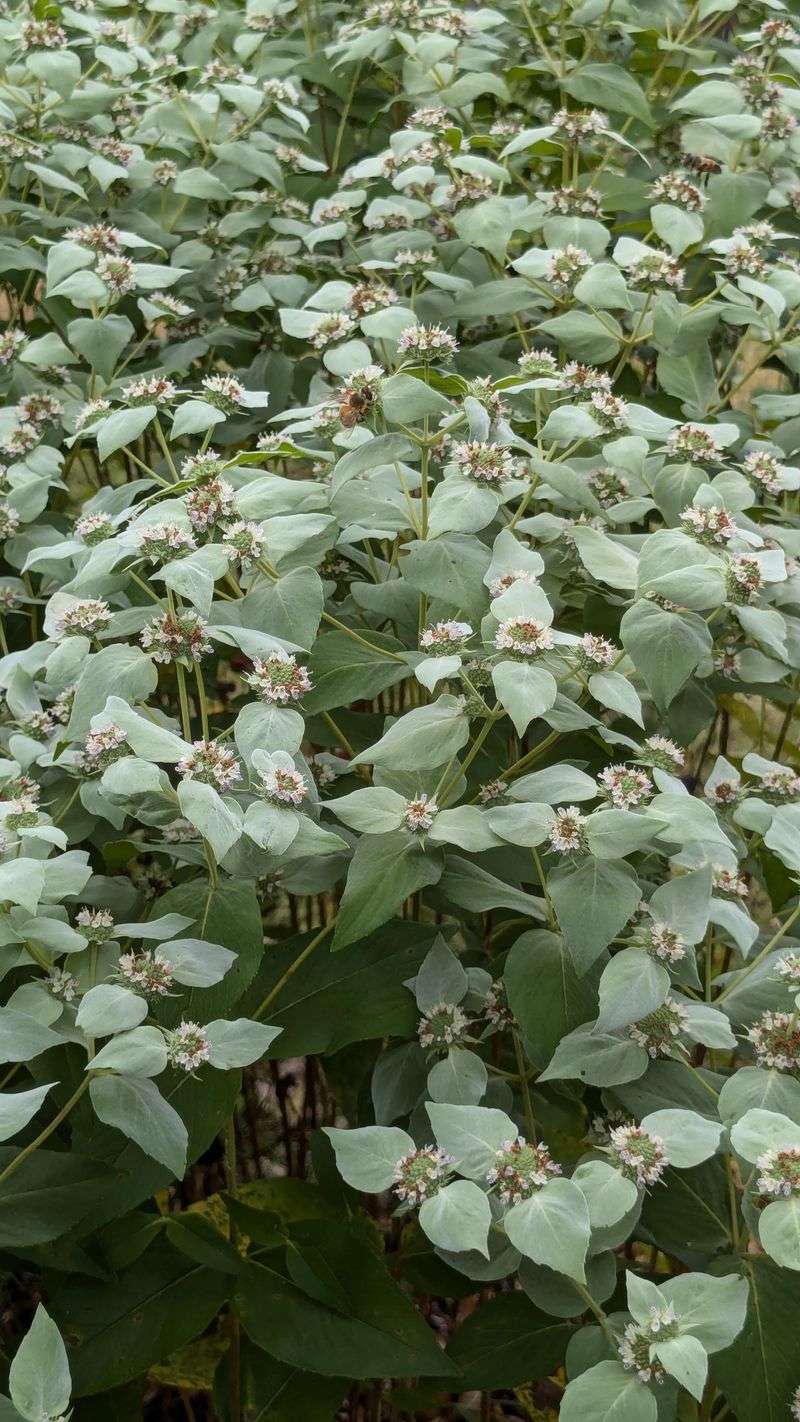
Finding Mountain Mint has gotten much easier over the past few years as native plant gardening has surged in popularity across the Mid-Atlantic region.
Local native plant nurseries are your best starting point. Lauren’s Garden Service in Howard County, Maryland carries it regularly and ships online.
Big-box garden centers are catching up too. Look for it labeled as Pycnanthemum muticum or Pycnanthemum virginianum, which are the two most common species available for sale.
Online native plant retailers like Prairie Moon Nursery ship directly to Maryland and often have better variety selection than local stores carry in stock.
Spring is the ideal planting window, but fall planting works well too. Cooler temperatures reduce transplant stress and give roots time to settle before winter arrives.
If you already know someone with an established clump, ask for a division. Mountain Mint divides easily in early spring and spreads generously when shared between neighbors.
Seeds are an option but require patience. Starting from transplants or divisions gets you to that pest-repelling, fragrant, full-coverage growth stage much faster and more reliably.
Budget around seven to fifteen dollars per plant at most nurseries, depending on pot size and source. A few strategically placed clumps go a long way toward protecting your entire outdoor space naturally.
This underrated Maryland perennial is finally getting the attention it deserves. Get it in the ground this season and let nature handle the rest for you.