What Yellow Maryland Tomato Leaves Are Telling You, And What To Do About It
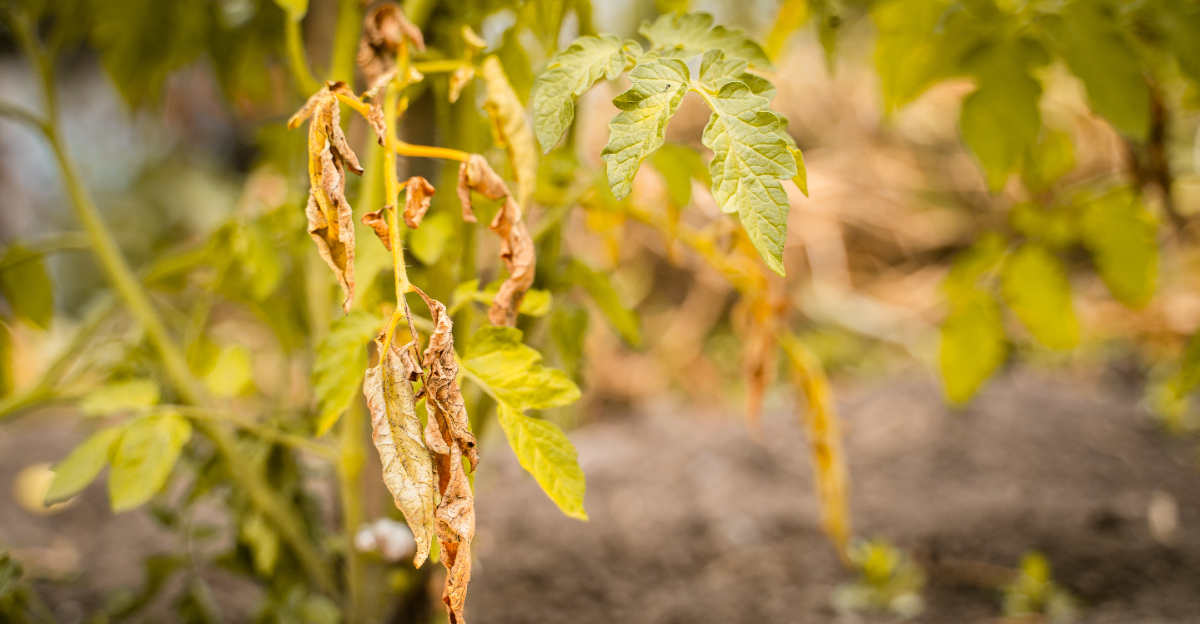
You head out to check your tomato plants and stop mid-step. The leaves are yellow. Some are spotted. A few are curling at the edges.
Yellowing leaves are one of the most misread signals in the garden. Gardeners water more, hoping that helps. It usually makes things worse. Others pull the plant entirely when a simple fix would have saved it.
Maryland’s clay-heavy soils, sticky humidity, and swings between drought and downpour set up conditions that punish guesswork.
But here’s what most gardeners miss: the leaves are not the problem. They’re the messenger.
The color, the pattern, the location on the plant, all of it points to something specific happening underground or in the air around your garden. Once you know how to read those signals, the fix becomes obvious.
Your Tomato Leaves Are Telling You Something Is Off Below The Surface
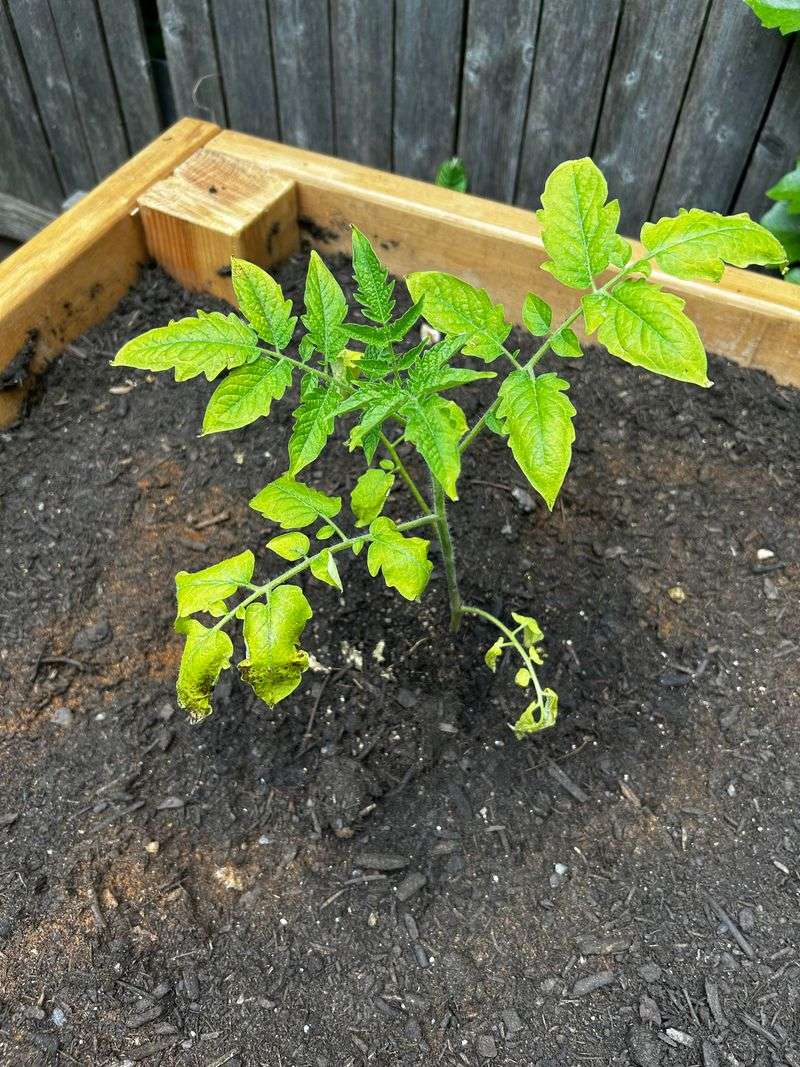
Something is wrong underground, and your leaves are the messenger. Yellowing tomato leaves are rarely just a surface problem.
Roots that are stressed, compacted, or waterlogged cannot move nutrients up the stem efficiently. When that pipeline breaks down, the leaves show it fast.
Maryland soil tends to be heavy with clay, especially in the central and western parts of the state. Clay holds water longer than sandy or loamy soil, which means roots can sit in wet conditions for days after a rainstorm.
Oxygen-starved roots struggle to absorb iron and magnesium, and overall nutrient uptake slows down significantly. Without those minerals, leaves start turning yellow from the bottom of the plant upward.
The pattern of yellowing tells you a lot. Yellowing that starts on older, lower leaves usually points to a root or nutrient problem rather than a disease.
Before you spray anything or add any product, dig around the base of the plant. Check if the soil smells sour or looks waterlogged. That single step can save you time and money.
Yellow Maryland tomato leaves that come from root stress often improve quickly with better drainage or a raised bed setup. Fixing the foundation always beats treating the symptom.
Nutrient Deficiencies That Show Up First On The Leaves
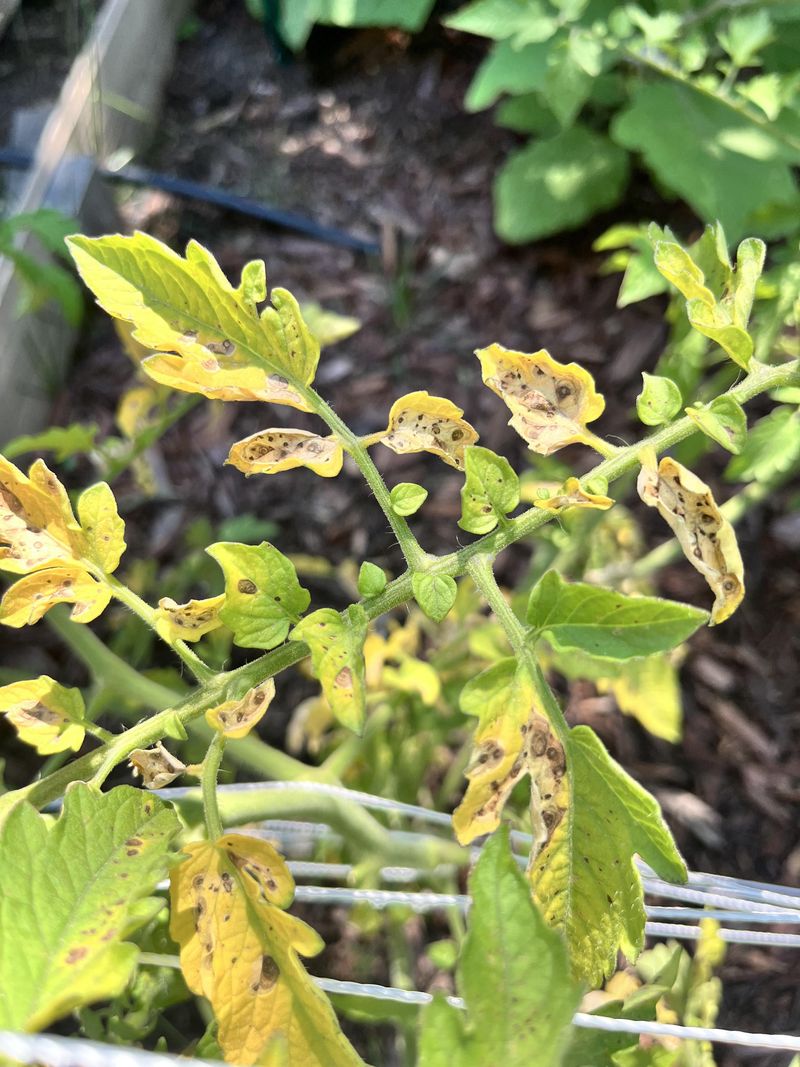
Pale leaves that fade from green to yellow are one of the first signs that your plant is running low on something critical. Nitrogen is usually the first suspect.
When nitrogen runs low, older leaves turn a uniform, washed-out yellow. The plant pulls nitrogen from the bottom leaves to feed new growth at the top.
Magnesium deficiency looks a little different. The leaf veins stay green while the tissue between them turns yellow, creating a striped or marbled pattern.
Maryland soils are often low in magnesium, especially after heavy rainfall washes nutrients deeper into the ground. A simple foliar spray of Epsom salt mixed with water can give plants a quick boost while you work on a longer-term fix.
Iron deficiency shows up on young leaves at the top of the plant, not the bottom. New growth turns yellow while the veins remain green, which is a telltale sign that pH is off.
Your Maryland Garden Changes Every Week. Your Plan Should Too.
Gardening in Maryland changes quickly throughout the season. Every Friday you’ll receive a simple weekly plan showing exactly what to plant, prune, fertilize, harvest, and protect so you never miss the right timing.
Tomatoes prefer a soil pH between 6.0 and 6.8. When pH climbs above that range, iron becomes locked in the soil and roots cannot absorb it, even if plenty is present.
A basic soil test from your local extension office costs just a few dollars and tells you exactly what is missing. Yellow Maryland tomato leaves caused by nutrient gaps are among the easiest problems to correct once you know the culprit.
Fungal Diseases And Moisture Problems Maryland Gardeners Face
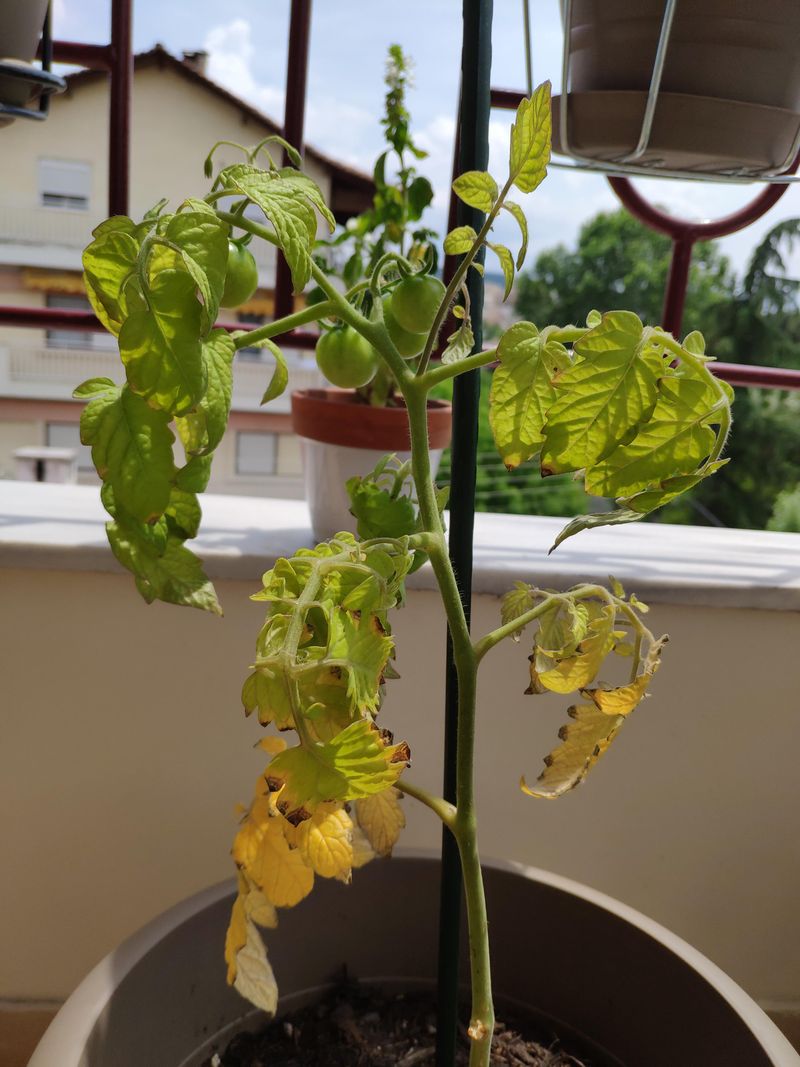
Maryland summers are gorgeous, but they are also brutally humid. That sticky air is a paradise for fungal spores looking for a new home.
Early blight is one of the most common fungal problems in the region. It shows up as dark brown spots surrounded by a yellow halo, usually starting on the lowest leaves first.
Septoria leaf spot is another frequent offender. Tiny, circular spots with dark borders and lighter centers spread rapidly when leaves stay wet for extended periods.
Both diseases thrive when plants are watered from overhead or when rain splashes soil up onto the lower leaves. Soil carries fungal spores, and every splash sends them higher up the plant.
Switching to drip irrigation or soaker hoses makes a significant difference. Keeping foliage dry is one of the simplest and most effective prevention strategies available to home gardeners.
Spacing your plants correctly also matters more than most people realize. Tomatoes need airflow between them to dry out quickly after morning dew or rain. Crowded plants stay wet longer, and wet leaves invite fungal growth.
Copper-based fungicide sprays are approved for organic gardening and work well as a preventive treatment. Apply them before symptoms appear or at the very first sign of spotting.
Yellow Maryland tomato leaves linked to fungal disease spread fast, so early action always wins over waiting to see what happens next.
Pests That Cause Yellowing You Might Be Overlooking
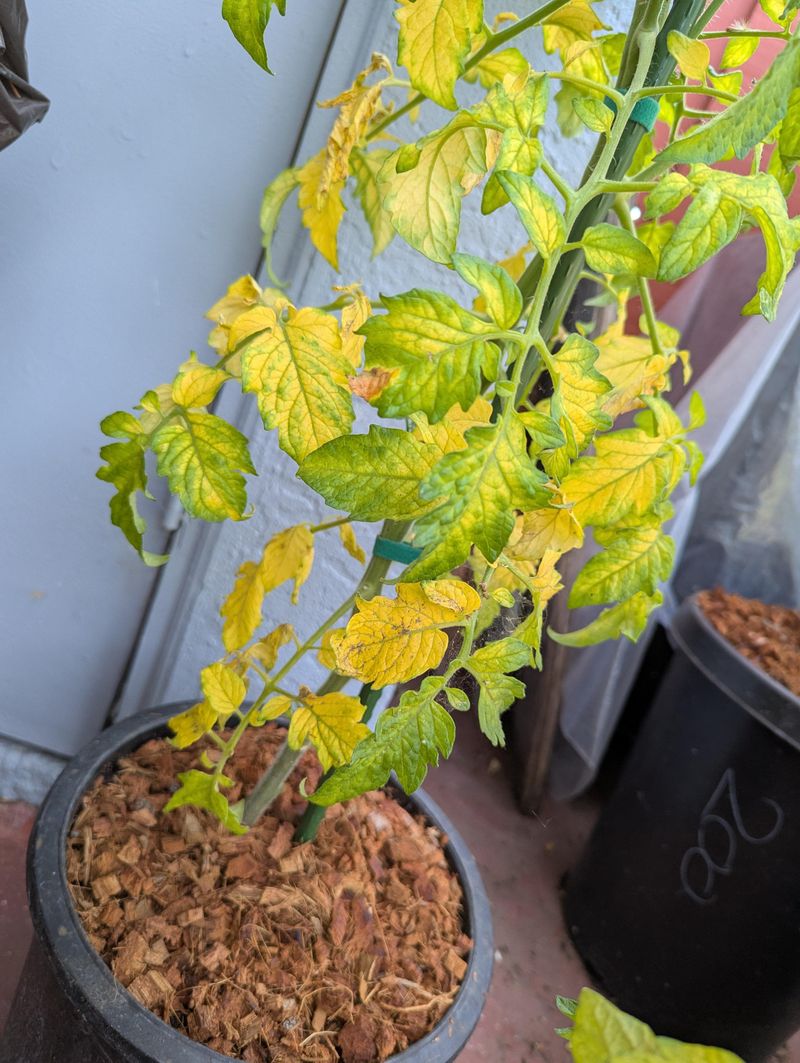
Some of the most damaging pests are barely visible to the naked eye. If your leaves are yellowing and you cannot find an obvious cause, flip the leaf over.
Spider mites are tiny reddish-brown specks that live on the undersides of leaves. They pierce the leaf tissue and suck out the contents, leaving behind a stippled, pale, or yellowing surface.
A fine webbing stretched across the underside of the leaf is the giveaway. Once you see that webbing, you know mites have already built a colony.
Aphids cluster near new growth and along stems, draining sap and leaving behind a sticky residue called honeydew. That residue can also encourage a secondary fungal problem called sooty mold.
Whiteflies behave similarly. Shake a branch and watch for a cloud of tiny white insects to scatter. If that happens, you have an infestation worth addressing immediately.
A strong spray of water from a garden hose knocks many soft-bodied insects off plants without any chemicals involved. Repeat the process every two to three days to break their reproductive cycle.
Neem oil is a reliable organic option that disrupts insect feeding and reproduction. Mix it according to package directions and apply it in the early morning or evening to avoid burning leaves in direct sun.
Overlooked pest damage is a surprisingly common reason behind yellow Maryland tomato leaves, so always check both sides of every leaf before drawing conclusions.
Soil And Watering Habits Worth Reconsidering
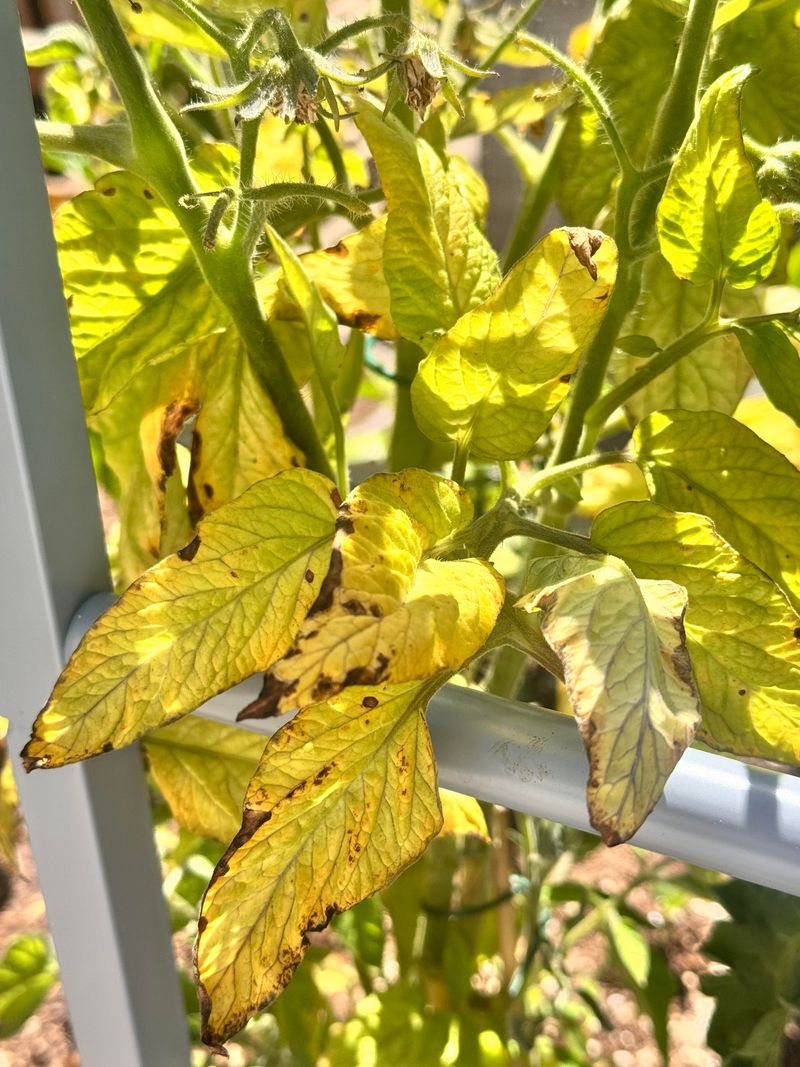
Watering tomatoes sounds simple, but most gardeners either water too much or not enough. Both extremes lead to the same frustrating result: yellow leaves.
Overwatering tends to be a bigger problem than underwatering in Maryland, especially during rainy stretches in June and July. When roots sit in soggy soil, they cannot breathe or function properly.
Underwatering causes a different kind of stress. Leaves curl inward first, then start to yellow as the plant shuts down non-essential functions to conserve moisture.
A moisture meter is a cheap and useful tool that removes the guesswork entirely. Stick it into the soil near the root zone, and it tells you whether to water or wait.
Tomatoes generally need about one to two inches of water per week, depending on heat and humidity. During a hot Maryland August, that number can climb higher without any warning signs.
Mulching around the base of your plants helps regulate soil moisture between waterings. A two-to-three-inch layer of straw or shredded leaves keeps the soil from drying out too fast or getting waterlogged after heavy rain.
Soil compaction also restricts root growth and water movement. Loosening the top few inches of soil with a hand fork once a season improves drainage and aeration significantly.
Rethinking your watering schedule and soil prep is one of the most powerful ways to address yellow Maryland tomato leaves before they spread further.
Steps Maryland Gardeners Can Take To Turn Things Around
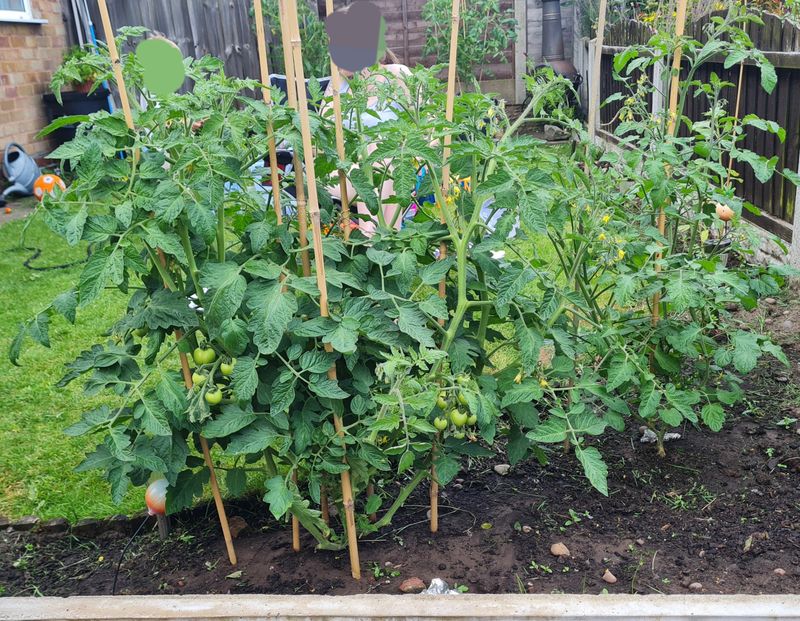
Fixing yellow tomato leaves does not require a complicated plan. It requires a few smart, consistent actions taken in the right order.
Start with a soil test before adding any amendments. Guessing at what your soil needs wastes money and can make existing imbalances worse.
The University of Maryland Extension program offers soil testing services with specific recommendations for your situation, check their current availability and pricing before the season starts.
Trim off any yellowed or spotted leaves as soon as you notice them. Removing affected foliage slows the spread of disease and helps the plant redirect energy toward healthy growth.
Always dispose of removed leaves in the trash, not the compost bin. Most home compost piles do not get hot enough to kill fungal spores or pest eggs, so the safest move is the trash.
Add a balanced tomato fertilizer every two to three weeks during the growing season. Look for formulas with calcium included, since calcium deficiency causes a separate but related problem called blossom end rot.
Stake or cage your plants to keep foliage off the ground. Leaves touching the soil pick up pathogens and pests far more easily than leaves held up in open air.
Rotate your tomato planting location each year so that soil-borne diseases do not build up in the same spot. Yellow Maryland tomato leaves become far less common when gardeners build consistent, preventive habits season after season.