Your Texas Lantana May Be Losing Blooms To This Tiny Pest
Your lantana has a secret, and it is hiding in the one place you never bother to check.
The plant might look a little washed out, a little less colorful, or just not as full of blooms as it should be by midsummer, and the usual suspects get blamed first. Too much heat. Not enough water. Bad luck.
A tiny insect tucked onto the underside of the leaves is often the real story, and it works so quietly that most gardeners never catch it red-handed.
By the time the damage is obvious from across the yard, the population has typically had weeks to build undisturbed, feeding away from view while every other explanation gets investigated first.
Here is the good news: catching this pest does not require a microscope, a chemistry degree, or a trip to the garden store. It requires flipping a leaf over and knowing what you are looking at once you do.
So, are you ready to find out what has been hiding under those leaves all along?
Meet The Lantana Lace Bug
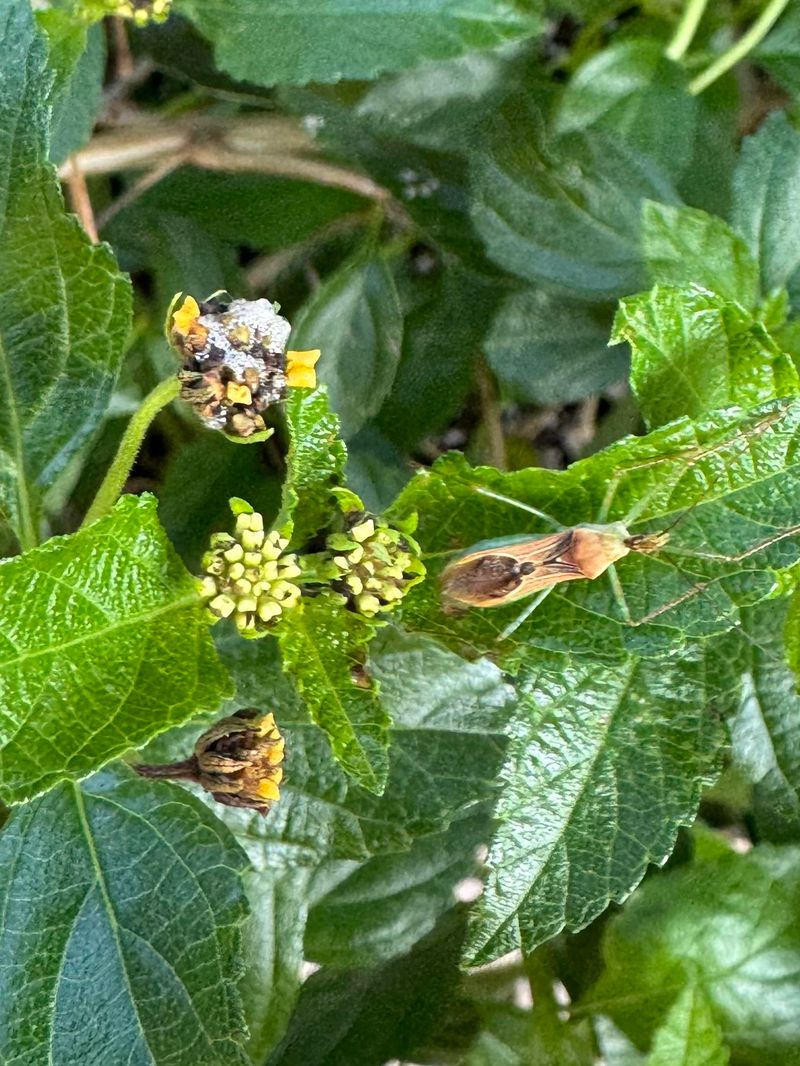
Many gardeners have never heard of the lantana lace bug, yet this tiny insect is one of the most common reasons Texas lantana stops blooming at its best.
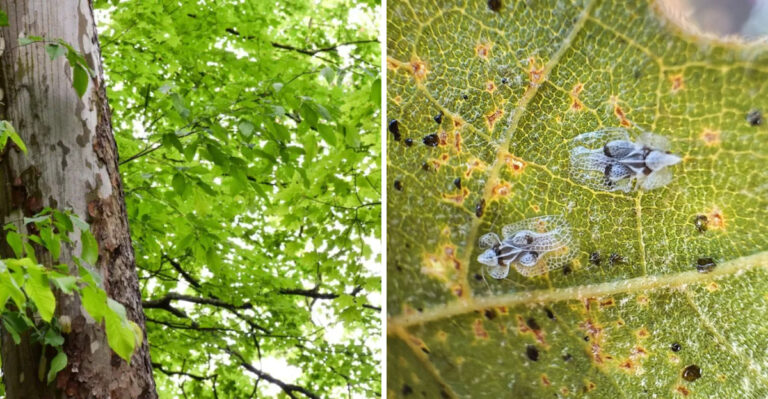
Its scientific name is Teleonemia scrupulosa, and it is a small, flat bug with wings that look like delicate lace under magnification.
Adult bugs measure only about an eighth of an inch long, making them very easy to overlook during a quick garden walk.
Lace bugs belong to the family Tingidae, a group known for feeding on the underside of plant leaves.
They pierce the leaf tissue and suck out the plant’s fluids, slowly draining the energy the plant needs to produce flowers.
Because they stay hidden beneath the foliage, many gardeners blame the weather, the soil, or even the plant variety before ever suspecting a pest.
Texas A&M AgriLife Extension has documented lantana lace bugs as a significant ornamental pest in Texas landscapes.
The bug is actually native to Mexico and Central America and was once studied as a possible biological control agent for invasive lantana in other parts of the world.
In Texas, though, it feeds freely on ornamental lantana in home gardens and public landscapes.
Knowing this pest exists is the very first step toward keeping your lantana healthy and full of color all season long, and most of the work from here is simply learning where to look.
Tiny Insects Hide Under Leaves
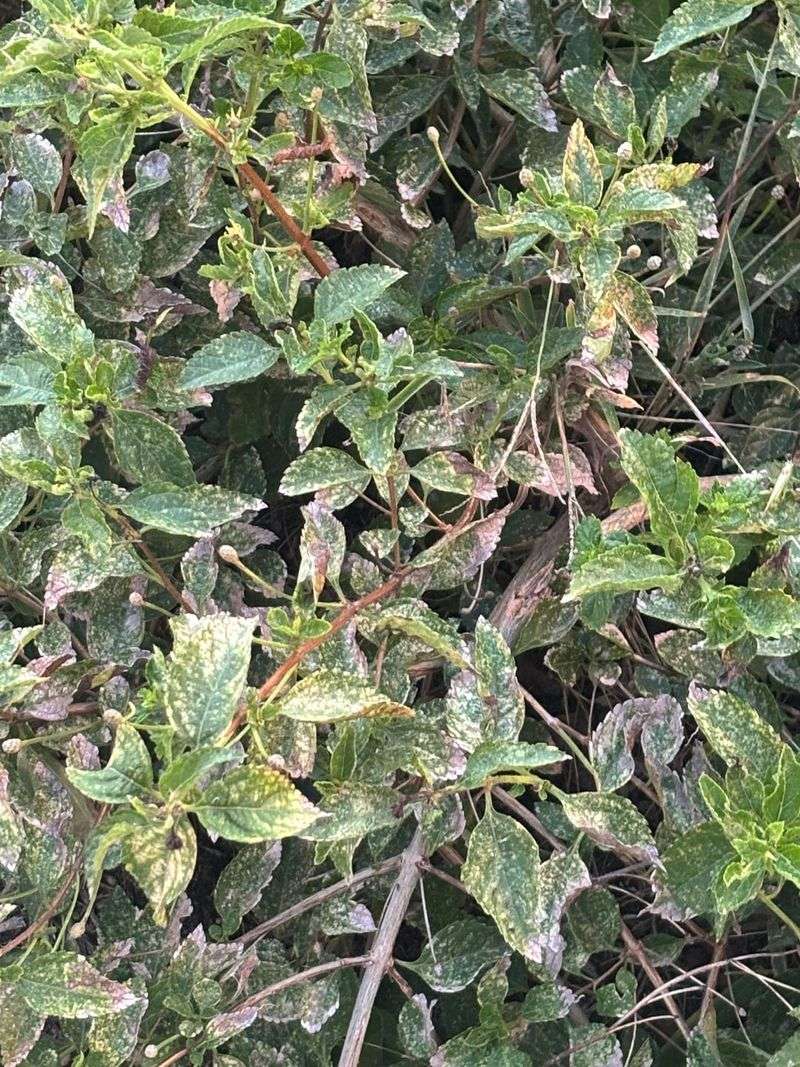
Checking your lantana from above is a habit that will almost always let lace bugs go undetected.
These insects spend nearly their entire life cycle on the underside of leaves, where they feed, lay eggs, and shelter from sun and predators.
A plant can host a large population for weeks before any visible damage shows up on the top side of the foliage.
To find them, flip a few leaves over and look closely.
Lace bugs are small and pale, so they blend in with the leaf tissue surprisingly well. A magnifying glass helps a lot. You may see adults, nymphs in various sizes, and dark waste spots all clustered together in the same spot.
Your Texas Garden Changes Every Week. Your Plan Should Too.
Gardening in Texas changes quickly throughout the season. Every Friday you’ll receive a simple weekly plan showing exactly what to plant, prune, fertilize, harvest, and protect so you never miss the right timing.
Nymphs are wingless and look like tiny dark specks with spiny edges, quite different from the lacy-winged adults.
Texas summers give these insects warm, protected spaces to thrive.
The dense, somewhat rough texture of lantana leaves provides good grip for eggs and shelter for young nymphs.
Checking the undersides of leaves once a week during the growing season, especially in June through September, is one of the best habits a Texas gardener can build.
Focus on leaves in the middle and lower sections of the plant first, since those tend to host the highest numbers.
A quick flip of ten or fifteen leaves during your regular garden walk costs almost nothing and can catch a problem before it gets out of hand.
Pale Speckles Show Feeding Damage
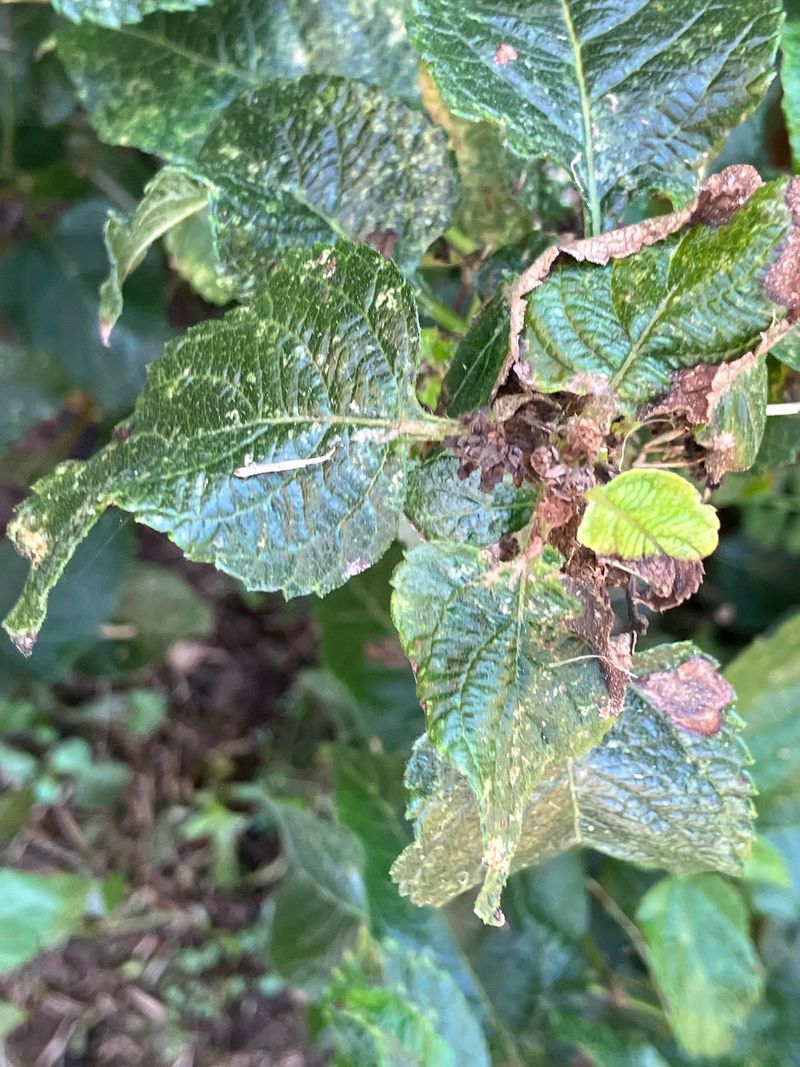
One of the earliest signs that lace bugs have moved in is a subtle change in leaf color.
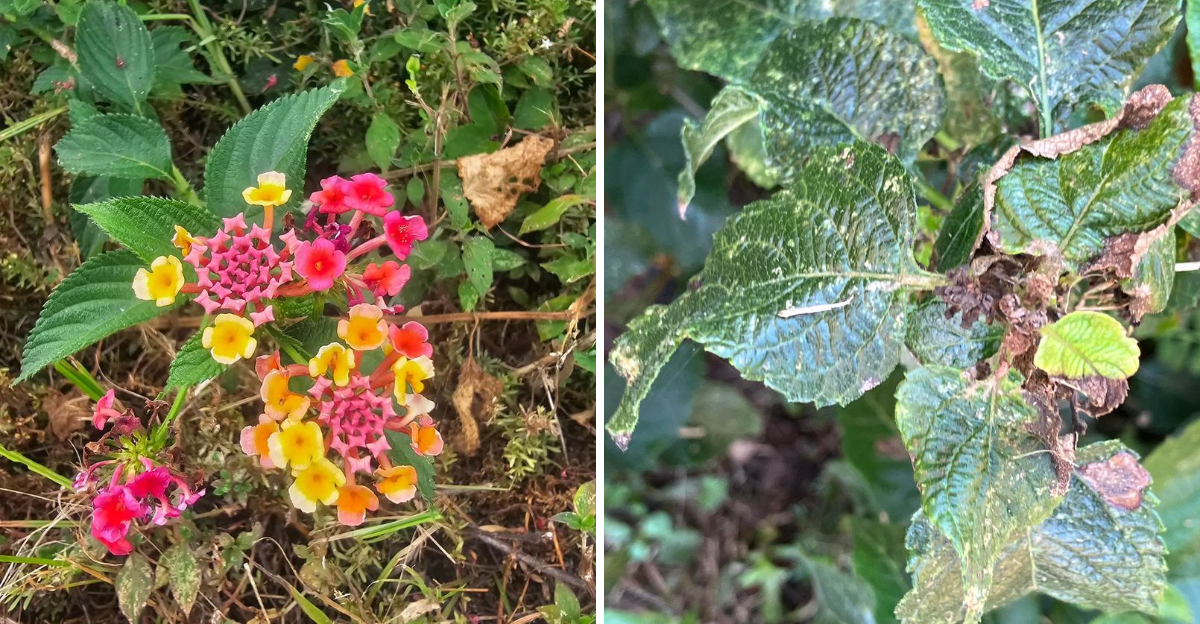
Healthy lantana leaves are a rich, deep green. When lace bugs begin feeding, tiny pale dots start appearing across the leaf surface, a pattern called stippling.
Each dot marks a spot where a bug pierced the leaf and removed the green chlorophyll-containing cells underneath.
At first, the stippling may look like normal sun stress or minor drought damage, which is exactly why so many gardeners miss it early on.
As feeding continues, the dots multiply and merge, giving leaves a bleached, silvery, or grayish appearance. The plant looks washed out and tired even when it has been watered properly and is growing in full sun as it prefers.
Heavily stippled leaves lose their ability to photosynthesize efficiently. That means less energy for the plant to grow new shoots and push out flowers.
Leaves may eventually curl slightly or feel papery to the touch. Catching this damage early, when only a few leaves show light speckling, gives you the best chance to act before the whole plant declines.
If you notice your lantana looking a bit faded and dull in midsummer, do not assume it just needs more water.
Flip those leaves over first and look for the tiny culprits that may have been snacking on your plant from below.
Black Spots Mark Egg Sites
Flip a badly infested lantana leaf over and you will likely see something that looks like someone dotted it with a tiny black marker.
Those dark spots are lace bug excrement, technically called frass, and they are one of the clearest signs of an active infestation. The spots are sticky and dark, often clustered near the leaf veins where bugs prefer to feed and rest.
Alongside the frass, female lace bugs also lay their eggs directly into leaf tissue, often along the midrib or secondary veins.
The eggs are tiny, brownish, and partially embedded in the leaf. They are covered with a dark cap that blends in with the frass, making them hard to spot without magnification.
A hand lens or jeweler’s loupe makes identification much easier during your inspection.
One female lace bug can lay dozens of eggs during her lifetime, and in warm Texas summers, multiple generations can develop in a single season.
Eggs hatch in roughly two to three weeks depending on temperature, and nymphs begin feeding almost immediately. This fast reproductive cycle is exactly why populations can seem to explode overnight.
A plant that looked fine one week can show significant frass coverage and stippling the next.
Spotting those dark spots early is like reading a clue left behind by the pest itself, and it makes the whole problem far easier to manage at this stage than later.
Bud Feeding Reduces Flowering
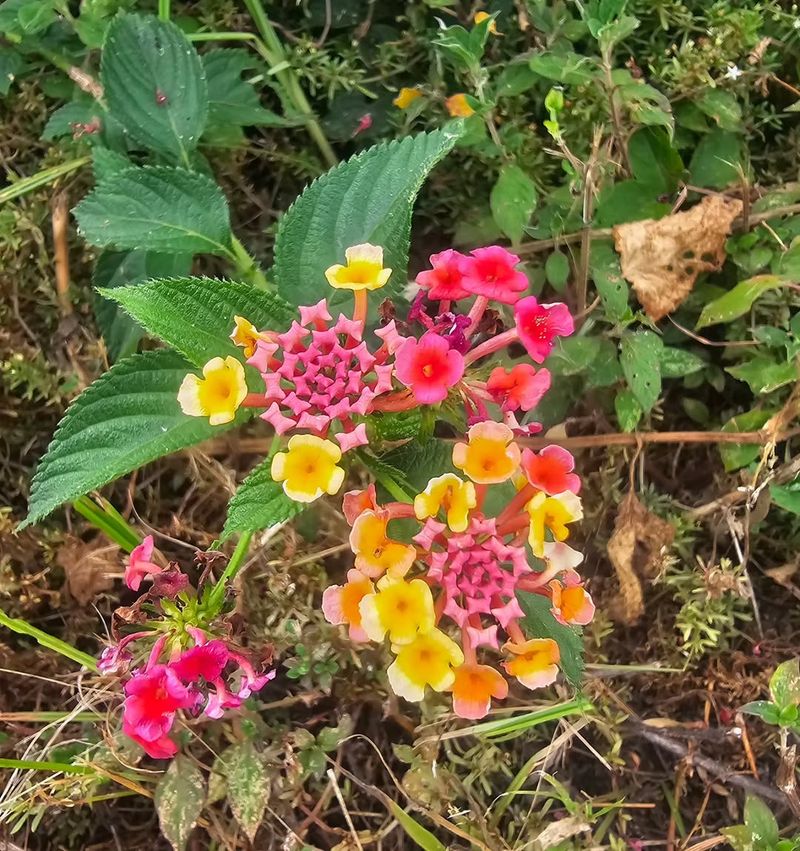
Here is where lace bugs really make their presence felt in the garden.
When populations grow large enough, these insects do not stay limited to mature leaves. They move to tender new growth, including developing flower buds.
Feeding on buds and young tissue can interfere with the plant’s ability to open flowers fully, leading to fewer blooms, smaller flower clusters, or buds that simply fail to develop.
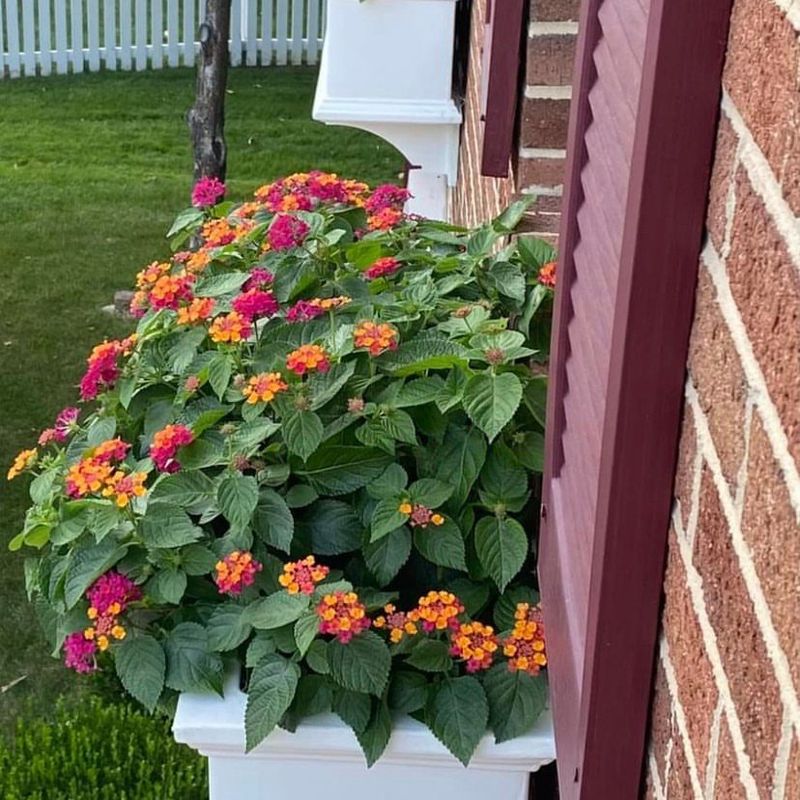
Lantana is prized in Texas landscapes for its bold, non-stop color from late spring through fall.
When lace bugs reduce that floral display, the plant loses much of its ornamental value right during the season gardeners want it most.
A heavily infested plant may still produce some blooms, but the clusters will be smaller, less vibrant, and more spaced out than a healthy plant would produce.
The connection between lace bug feeding and bloom reduction is not always obvious to gardeners, because the insects are hidden and the damage to buds can look like normal bud drop from heat or stress.
Comparing an infested plant to a healthy nearby lantana can make the difference clearer. The healthy plant will look lush and covered with flower clusters, while the infested one will look thin and patchy.
Acting before peak bloom season, ideally in late spring, gives your lantana the best shot at putting on its full summer performance without interruption.
Heat Helps Populations Build Fast
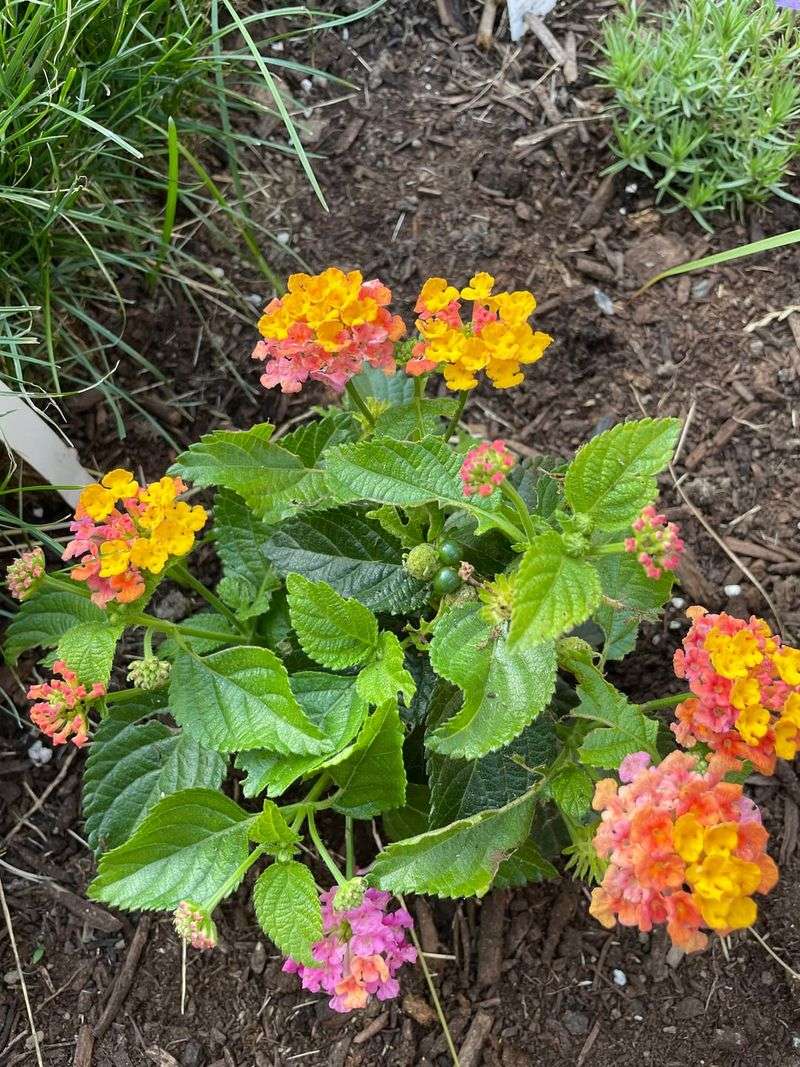
Texas summers are legendary for their heat, and while lantana loves those warm conditions, so does the lace bug.
High temperatures speed up the insect’s development from egg to adult, compressing the time between generations.
In peak summer heat, a new generation can mature in as little as three to four weeks, meaning populations can build rapidly if left unchecked.
From June through September, lace bug pressure tends to be at its highest across most of Texas.
Plants growing in areas with poor air circulation or in dense plantings where leaves stay warm and sheltered tend to show higher populations.
Stressed plants, whether from inconsistent watering or nutrient issues, are often more vulnerable to heavy infestations because they have less vigor to recover from feeding damage.
Monitoring frequency matters a lot during these months.
Checking plants every seven to ten days instead of once a month gives you a much clearer picture of what is happening beneath those leaves. Keep a simple garden journal or snap a quick photo with your phone each time you inspect.
That way you can compare leaf condition over time and catch a population spike before it becomes a full-scale problem.
Staying ahead of the curve during summer is far easier than trying to recover a heavily infested plant in August when the heat is relentless.
Strong Water Blasts Help Early
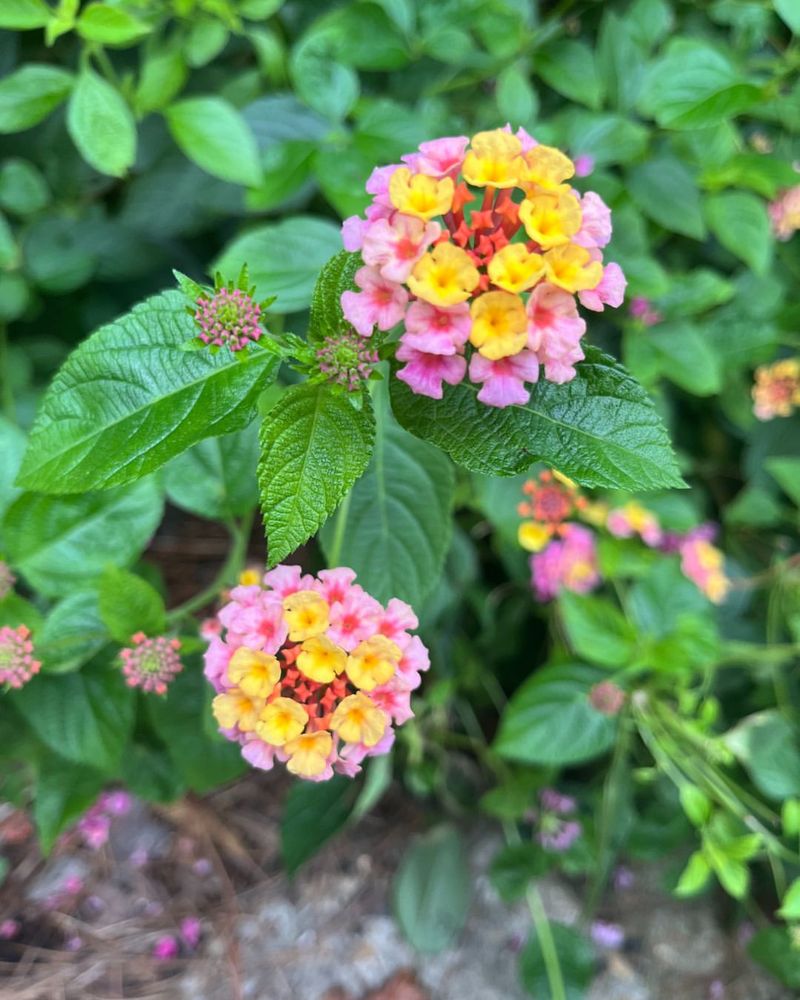
Before reaching for any spray product, try the simplest tool in the garden shed: a hose with a strong nozzle.
A firm blast of water directed at the underside of lantana leaves can physically knock lace bugs off the plant, disrupting feeding and reducing numbers without any chemical inputs at all.
This approach works best when populations are still small and the infestation has not yet spread across the entire plant.
The key is aiming the water stream at the undersides of the leaves, not just the top of the plant.
Lace bugs and their nymphs have a weak grip compared to some other insects, and a focused stream can dislodge a surprising number of them.
Bugs that land on the ground are less likely to find their way back to the plant quickly, especially if you repeat the treatment every few days during the early stages of an infestation.
Water sprays work best in the morning so leaves have time to dry before evening, which helps prevent fungal issues.
They are not a perfect solution for large or heavily infested plants, but as an early-season tool, they are genuinely useful and completely safe for pollinators, beneficial insects, and nearby plants.
Gardeners who make this a habit alongside their regular leaf inspections often catch infestations early enough that no further treatment is needed at all.
Targeted Care Protects Pollinators
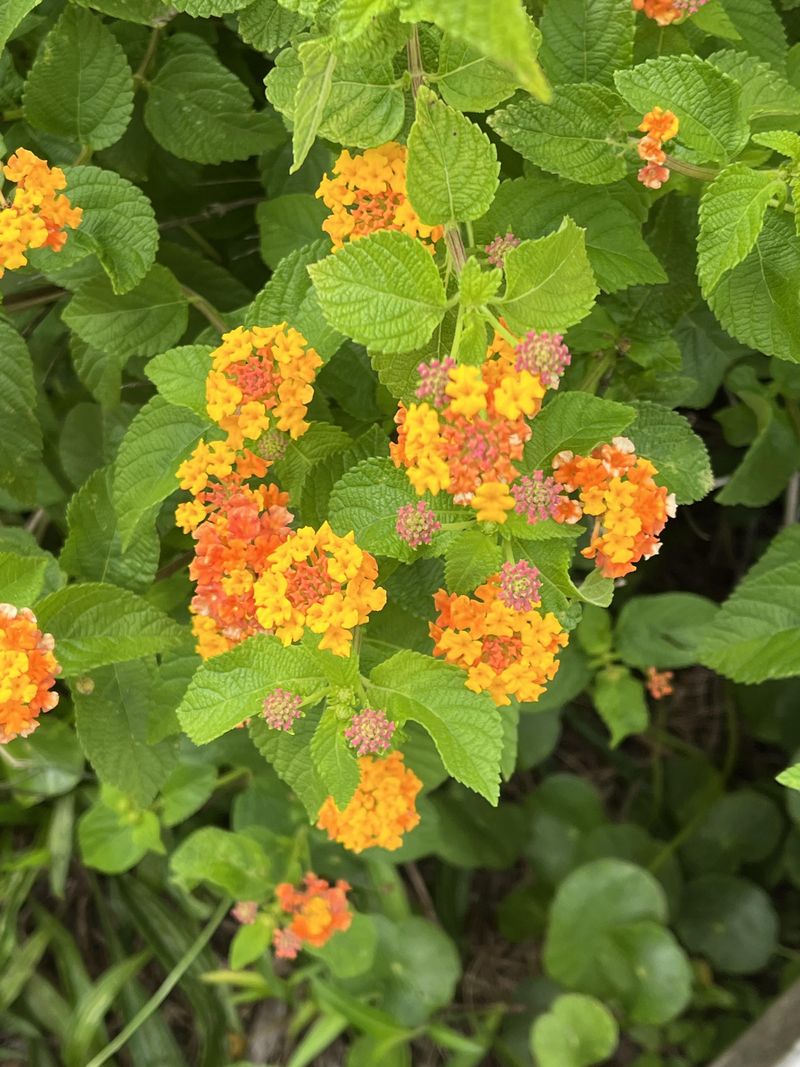
When water sprays are not enough and lace bug numbers keep climbing, a targeted treatment may be the right next step.
Products labeled for lace bugs on ornamentals, such as insecticidal soap or neem oil, can reduce populations when applied directly to the underside of leaves where the insects feed.
Always read the full product label before use and follow all application directions carefully.
Timing matters enormously when pollinators are involved. Lantana is a magnet for bees, butterflies, and other beneficial insects, especially when in full bloom.
Treating in the early morning or late evening, when pollinators are least active, significantly reduces the risk of harming them.
Avoid spraying open blooms directly, and try to treat during periods when the plant has fewer open flowers if possible.
Systemic insecticides should be used with caution on flowering plants because they can move into pollen and nectar, posing risks to visiting pollinators.
Choosing the least-disruptive effective option first and targeting sprays precisely at the pest rather than blanketing the entire garden is the smarter, more sustainable approach.
Spot treatments on the most infested parts of the plant work better than whole-plant applications, and your lantana can stay a welcoming habitat for butterflies and bees all season long while you manage the lace bugs.