The Florida Native Plant That Helps Fireflies Through Their Whole Life Cycle Most Gardeners Skip
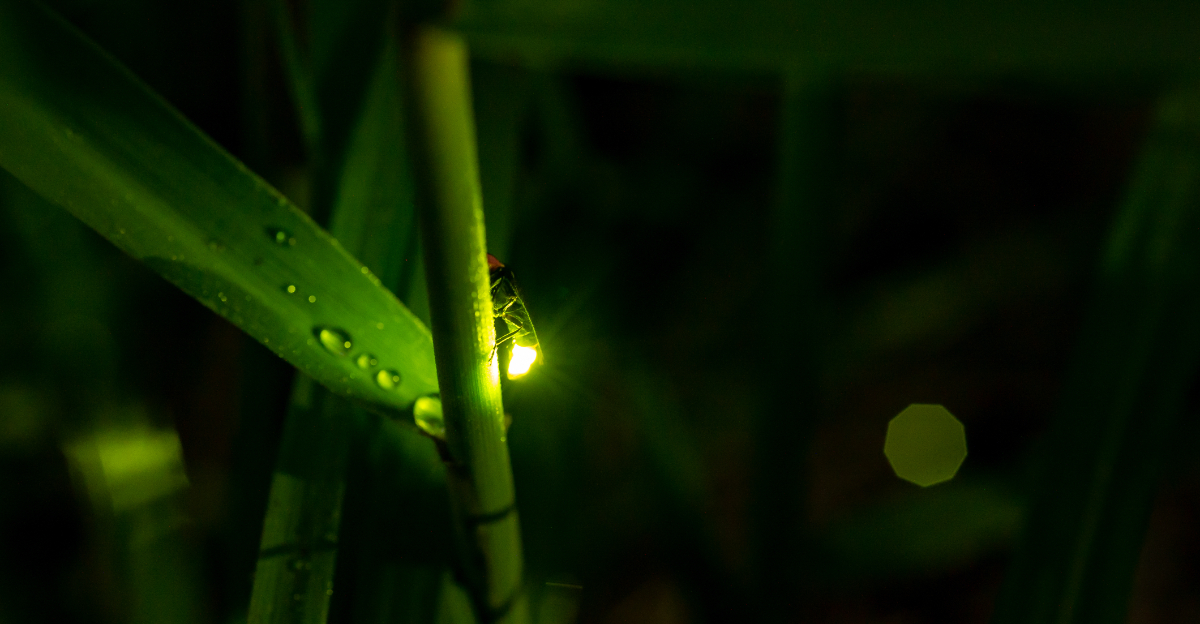
Most firefly advice in Florida focuses on the adult stage. Turn off outdoor lights, leave some moisture around, hope for the best during the brief window they are visible at night.
That advice helps, but it ignores most of what a firefly actually needs to survive long enough to put on that display in the first place. Fireflies spend the overwhelming majority of their lives as larvae, hidden in leaf litter and soil.
They hunt for the prey that keeps them alive before they ever grow wings. That stage depends on specific habitat conditions that most manicured Florida yards do not provide.
One native Florida plant supports that entire life cycle in a way most gardeners never consider.
Larval shelter, the moisture retention fireflies need at ground level, and a structure that protects them through the stretch of their life that nobody gets to see.
Most yards are missing this piece entirely.
1. Switchgrass Creates The Low Shelter Fireflies Need
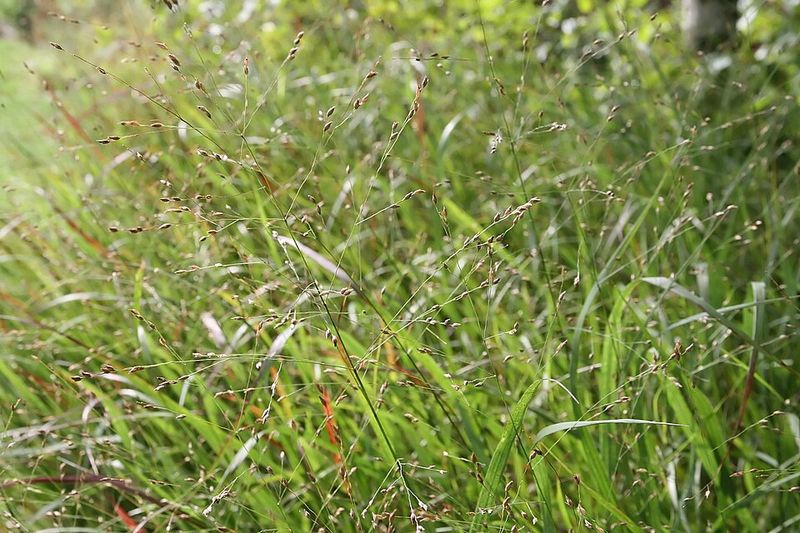
A grass clump standing at the edge of a moist swale can do more for firefly habitat than most Florida gardeners expect.
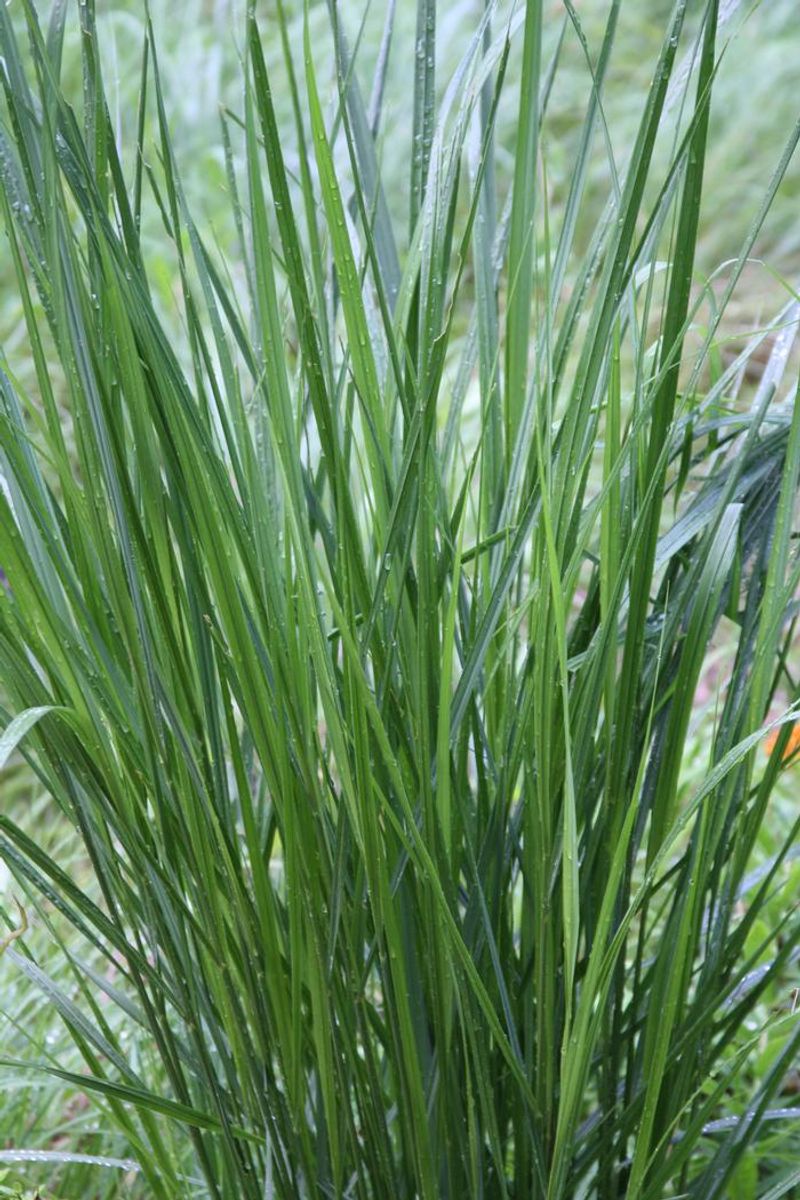
Switchgrass (Panicum virgatum) is a native warm-season grass accepted as native across much of the eastern United States, including many regions of our state.
Its upright, clumping habit creates vertical structure without sprawling into a tangled mess.
Near moist edges, pond margins, swales, and low-disturbance garden beds, switchgrass provides the kind of layered cover that makes a yard feel wilder at ground level.
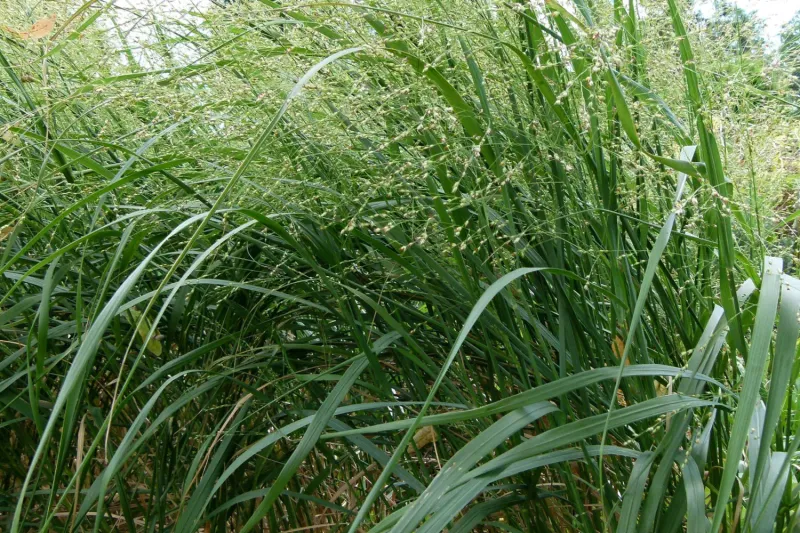
Blades stay upright through summer, and the seedheads add fine texture through fall and into winter.
That seasonal structure matters because it keeps the bed from looking bare during the months when larvae are most active underground.
Switchgrass supports habitat structure, not fireflies by itself. Site fit matters as much as the plant.
A dry, compacted, heavily foot-trafficked area will not give switchgrass the conditions it needs to help. Moist to average soil, open sun to part shade, and low disturbance are the real ingredients.
When those conditions line up, switchgrass creates shelter that benefits far more than just fireflies.
2. Firefly Eggs Need Moist Ground More Than Bare Mulch
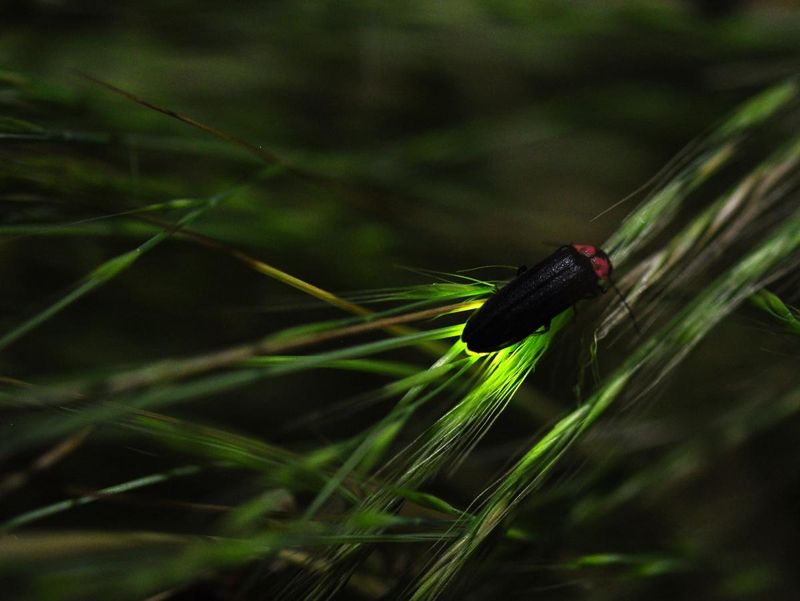
Damp leaves tucked beneath tall blades hold more value than most gardeners realize. Female fireflies commonly lay eggs in moist soil, leaf litter, moss, or protected ground-layer habitat.
Dry, bare, or compacted ground offers far less support for eggs that need humidity to develop safely.
A switchgrass planting can help here in a practical way. When the bed is not over-cleaned, the grass shades the soil surface and reduces evaporation during warm months.
That shading can help the ground layer stay slightly more humid than an open, raked bed baking in full afternoon sun. Our state’s sandy soils drain quickly, so anything that slows moisture loss at the surface matters.
Bare mulch piled thick and kept perfectly clean looks tidy, but it offers less ground-layer complexity. Compacted soil from foot traffic or heavy equipment is even less useful.
Your Florida Garden Changes Every Week. Your Plan Should Too.
Gardening in Florida changes quickly throughout the season. Every Friday you’ll receive a simple weekly plan showing exactly what to plant, prune, fertilize, harvest, and protect so you never miss the right timing.
Moisture does not mean standing water or soggy conditions around every plant. A bed that holds natural humidity through a mix of leaf litter, light mulch, and grass shade gives eggs a better environment.
It does this without creating a mosquito problem or drowning nearby plants.
3. Larvae Hunt In Leaf Litter Below The Grass
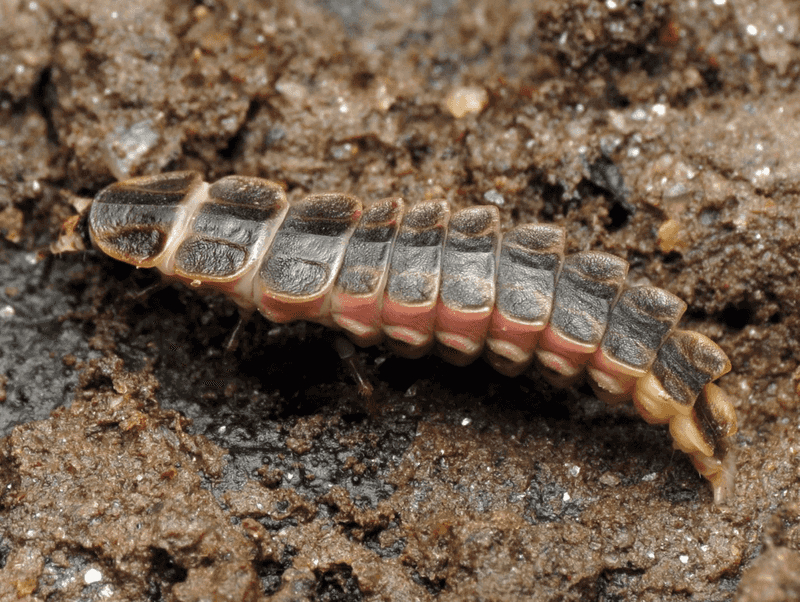
Firefly larvae live close to the ground and are active predators. According to entomology sources including the Xerces Society, firefly larvae prey on small, soft-bodied invertebrates.
These include snails, slugs, worms, and other soil-dwelling creatures. They need a ground layer that supports both themselves and the prey they hunt.
Leaf litter beneath or near switchgrass provides exactly that kind of layered environment. When leaves accumulate naturally around grass clumps, they shelter larvae and help maintain the moist, slightly protected zone where prey animals also live.
Raking every leaf away, spraying the soil with broad insecticide treatments, or keeping beds sterile removes the habitat value that larvae depend on.
A tidy outer edge can absolutely coexist with a wilder interior. Many experienced Florida native-plant gardeners keep a clean border along pathways or lawn edges while allowing the inner bed to hold leaf litter and natural debris.
That approach satisfies both curb appeal and habitat needs. The goal is not a messy yard but a ground layer complex enough to support a small predator working quietly underground through the seasons.
4. Tall Blades Give Adult Fireflies Places To Rest
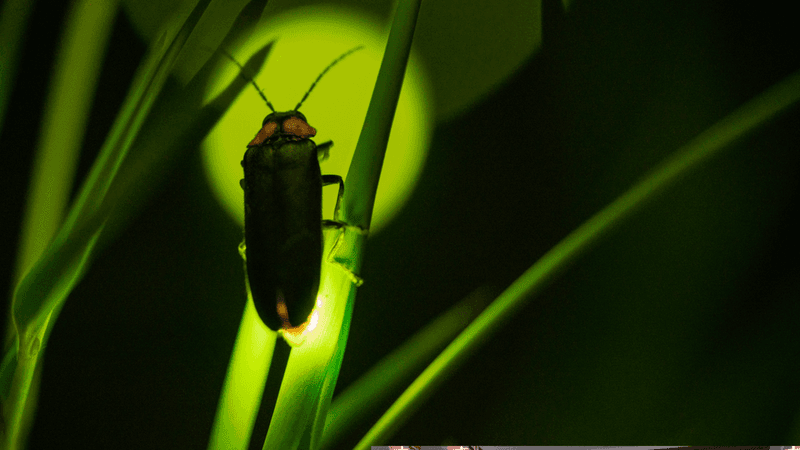
When dusk settles over a native grass bed, adult fireflies need somewhere to land. Research supported by sources including the Xerces Society and firefly conservation literature notes that adult fireflies use vegetation.
They use it for resting, climbing, and signaling. A blade of grass at the right height can serve as a launching point for a male rising to flash or a female waiting to respond.
Switchgrass blades and seedheads offer vertical structure without requiring a large shrub or tree. In a meadow-style bed or along a swale edge, the grass creates a tiered environment where adults can move through different heights.
That layered structure in a calmer, darker part of the yard is where switchgrass adds quiet value for adults.
Claiming that adults require switchgrass specifically would go too far. Many native grasses, wildflowers, and low shrubs can provide similar perching cover.
The real point is that having upright vegetation in a low-disturbance, darker area gives adults the kind of resting habitat they prefer. Mowed-down, bare, or brightly lit areas offer far less.
A switchgrass bed left standing through summer and fall keeps that structure available during peak adult firefly season.
5. Dark Edges Matter As Much As The Plant Itself
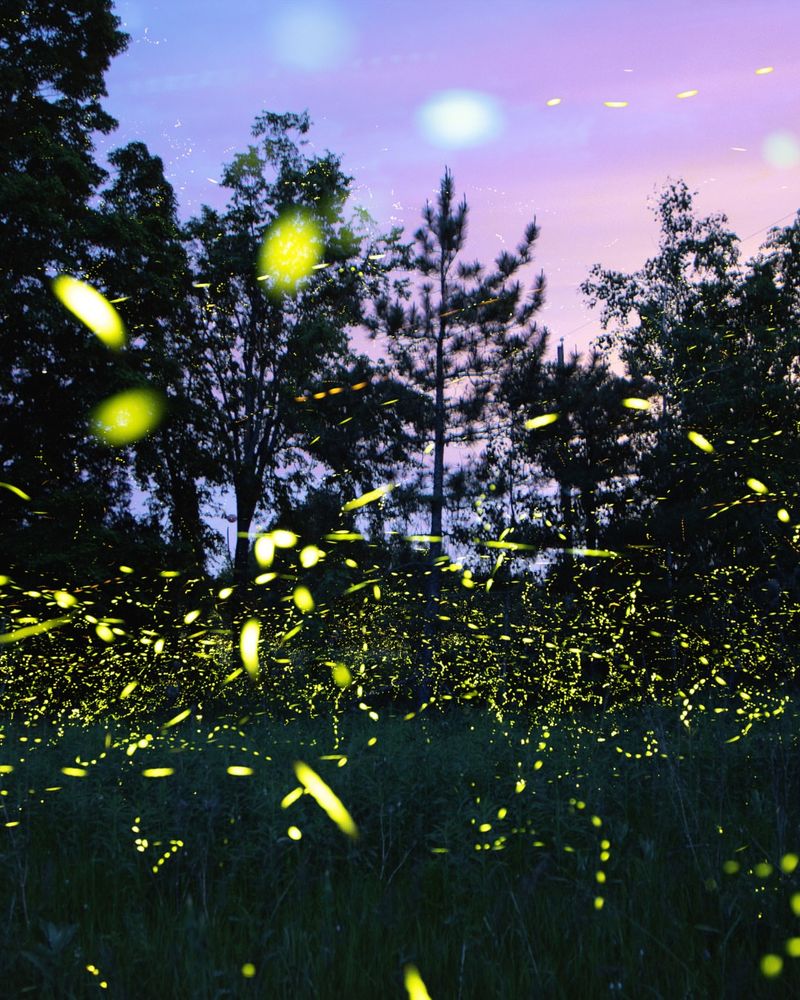
A porch light washing over a dark corner every evening can undo a lot of careful planting. Artificial light interferes with firefly signaling.
According to firefly conservation sources including Firefly Conservation and Research, light pollution disrupts the flash patterns that males and females use to find each other.
That makes a yard less suitable for successful firefly activity regardless of what plants are growing there.
Common sources of nighttime light in home landscapes include porch lights, floodlights, pathway lights, landscape uplighting, and bright security lights. Any of these pointed toward or near a switchgrass bed can reduce its habitat value significantly.
The plant creates structure, but darkness makes that structure usable for adult fireflies trying to signal through the night.
Practical steps help a lot here. Motion-sensor lights that stay off when no one is present are a reasonable swap for lights that run all night.
Shielding fixtures to direct light downward and away from garden beds reduces spill into habitat areas. Turning off unnecessary lights during peak firefly season, roughly late spring through summer in our state, can make a noticeable difference.
Switchgrass cannot compensate for a bed lit up like a parking lot every night.
6. Pesticide-Free Beds Keep Larvae Safer Underground
Broad pesticide use near firefly habitat is one of the quieter problems in Florida home gardens. Firefly larvae live close to or within the soil and depend on small invertebrate prey to survive.
When insecticides or broad pest-control products are applied casually to lawns, soil, or garden beds, they can disrupt the soil community. Larvae and their prey both rely on that community.
The Xerces Society and other invertebrate conservation sources note that fireflies, like many beneficial insects, are sensitive to broad-spectrum insecticide treatments.
Soil-applied products intended for grubs, mosquitoes, or general lawn pests can reach the same zones where firefly larvae live and hunt.
Systemic products absorbed through plant tissue add another layer of concern for any insect interacting with treated vegetation.
Targeted, label-following pest management used only when genuinely needed is a far better approach near firefly habitat areas.
Avoiding casual spraying around switchgrass beds, swale edges, pond margins, and moist garden corners protects the soil community that makes the habitat work.
A bed treated regularly with broad pesticide products may look healthy above ground while quietly losing the invertebrate life that larvae need below the surface.
7. Moist Soil Helps The Whole Habitat Work Better
Fireflies are strongly associated with moist environments. Sources including UF/IFAS Extension and firefly conservation literature note that fireflies are more commonly observed near wetland edges and damp soil.
They are also found near pond margins, swales, irrigated meadows, and humid low spots. Moisture supports the whole habitat chain, from eggs in the ground layer to larvae hunting prey to adults emerging after dark.
Switchgrass fits moist to average soil conditions well across much of its range. It tolerates wet sites better than many ornamental grasses and can handle periodic flooding in swale or retention-area settings.
That makes it a practical choice for the kinds of low spots and moist edges where firefly activity tends to be higher.
Pairing the grass with natural mulch, preserved leaf litter, and thoughtful watering during establishment helps the bed hold enough moisture through dry stretches.
Moist does not mean flooded, stagnant, or poorly drained around every planting. Soggy soil that never drains can harm plant roots and create mosquito-friendly standing water, which is worth avoiding carefully.
The goal is steady soil humidity at the ground layer, not a saturated bog. A well-sited switchgrass bed near a natural low point or shaded swale edge often holds that balance without extra intervention.
8. The Real Secret Is A Grass Bed Left A Little Wild
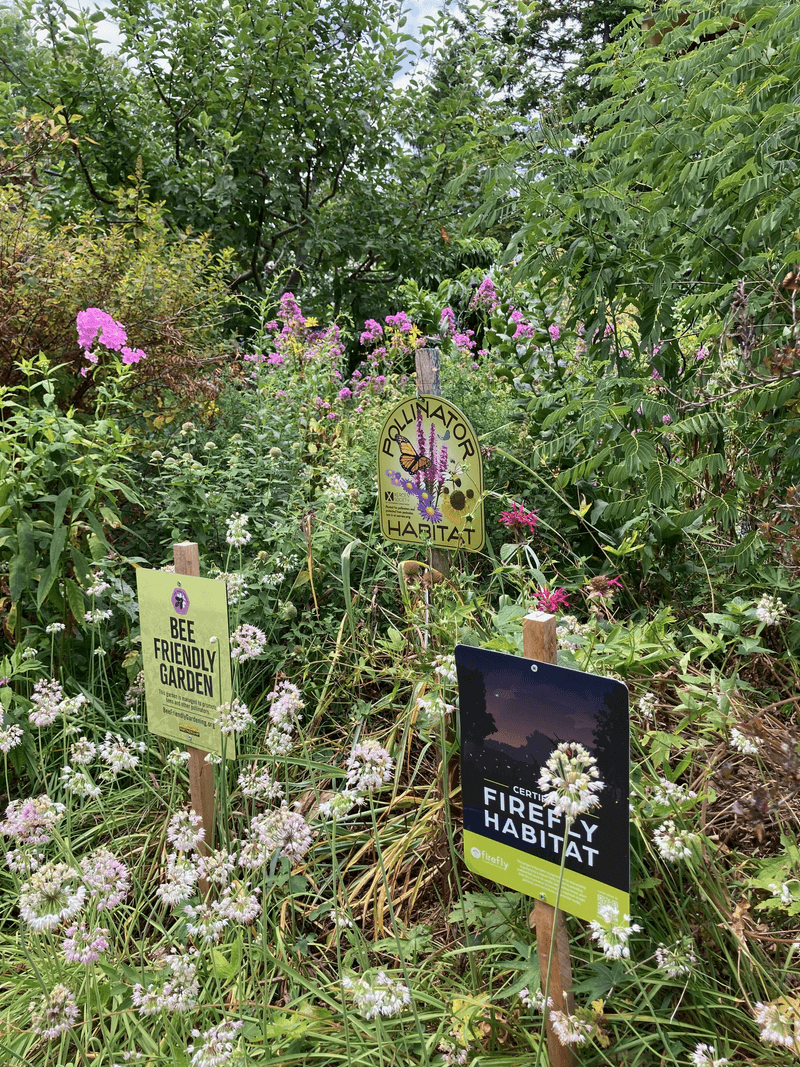
A mower cutting too close to a meadow edge removes more than just grass height. Switchgrass helps most when the bed around it is not treated like a clipped lawn or a stripped-clean ornamental display.
Leaving some leaf litter in place and reducing mowing frequency near the grass clumps help keep the habitat layer intact. Allowing the seasonal seedheads to stand through winter helps too.
Reducing nighttime glare over the bed and skipping casual pesticide applications are key pieces of the habitat plan. Keeping foot traffic light through the interior completes the picture.
A clean outer edge along the lawn or pathway still satisfies the need for a tidy appearance. That border tells neighbors and visitors that the bed is intentional, not neglected.
Inside that edge, the ground layer can stay complex enough to support eggs, larvae, and resting adults through the seasons.
No single plant creates firefly habitat alone. Switchgrass is one piece of a larger system that includes moisture, darkness, leaf litter, low disturbance, and a soil community worth protecting.
When those conditions come together around a well-sited native grass bed, the result feels quietly alive at ground level. A perfectly manicured yard rarely feels that way.