The Illinois Tree You Should Cut Down To Keep Spotted Lanternflies Away
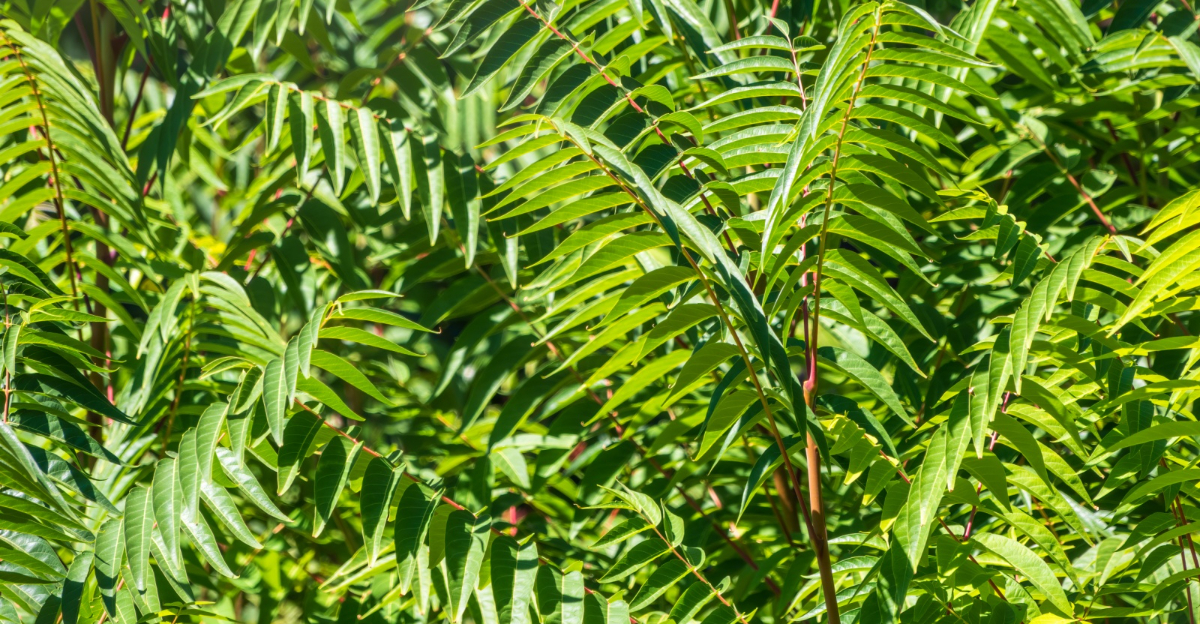
There’s a plant growing in countless backyards right now that spotted lanternflies can’t seem to stay away from, and most homeowners walk right past it without a second glance.
This fast-spreading invader looks unassuming enough, a little scraggly, easy to mistake for just another weed tree.
But to one of the most troublesome insects currently working its way across the Midwest, it’s one of their favorite places to settle.
If you live in Illinois or anywhere nearby, this is worth tackling now, not after the infestation spreads.
The Illinois Department of Agriculture has already flagged the situation as a growing concern for homeowners, not just commercial growers.
These pests feed relentlessly, leaving plants stressed and covered in a sticky residue that attracts mold and disease.
Fruit trees, grapevines, and ornamental plants all become vulnerable once lanternflies settle in nearby.
Knowing what to look for, and how to remove it safely, could save your yard a lot of trouble down the road.
The Tree Of Heaven Is The One To Remove
Walk through almost any Illinois neighborhood and you will spot it. The Tree of Heaven, known scientifically as Ailanthus altissima, is considered one of the most important trees to remove if you want to keep spotted lanternflies away.
Originally from China, this tree was brought to the United States in the 1700s as an ornamental plant. Nobody knew back then that it would take over roadsides, backyards, and forest edges across the country.
The Tree of Heaven grows incredibly fast, sometimes shooting up six feet in a single season. That speed makes it hard to control and easy to overlook until it is already massive.
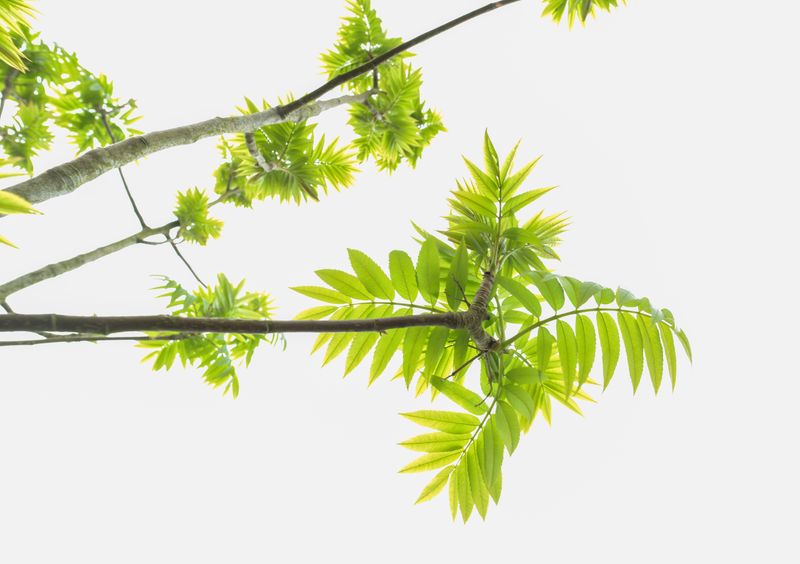
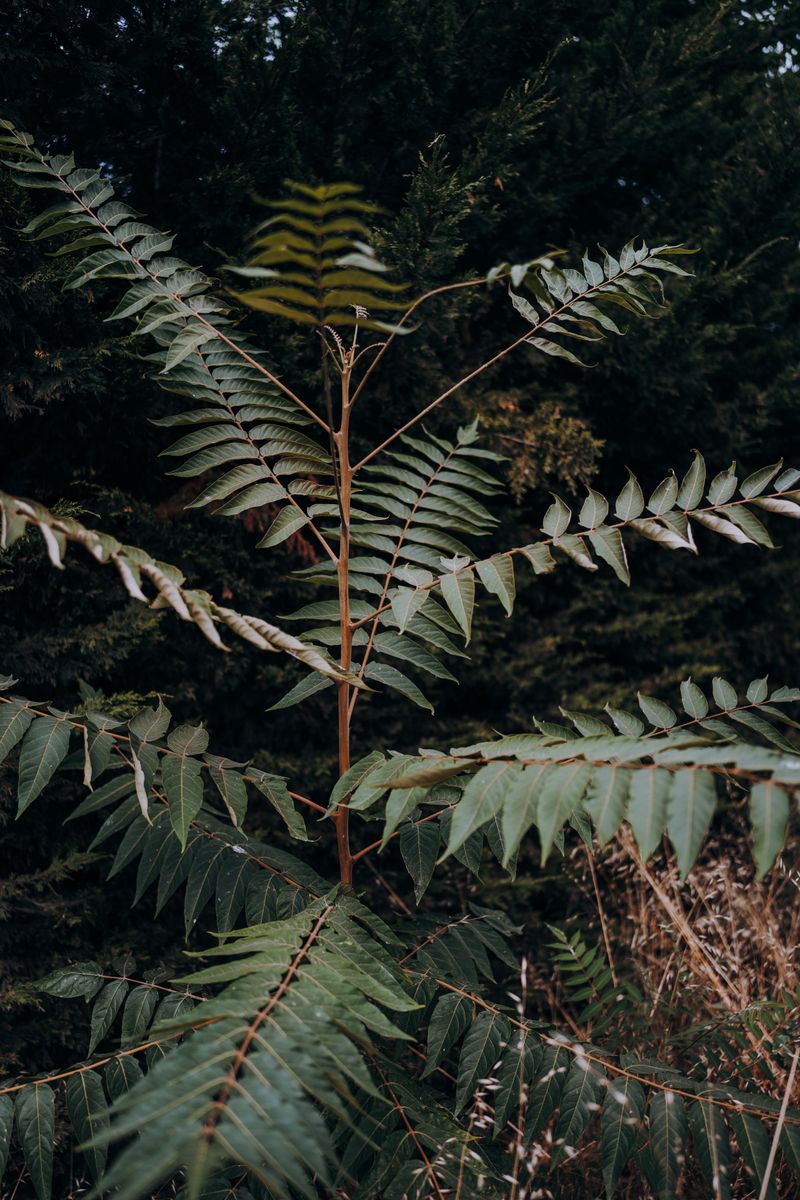
One of the sneakiest things about this tree is how ordinary it looks. Many homeowners mistake it for sumac or walnut, both of which are harmless native species.
The leaves are long and feathery, with anywhere from 10 to 40 leaflets arranged along a central stem. Crush a leaf and you will notice a strong, unpleasant smell, almost like peanut butter gone bad.
In late summer, the tree produces clusters of papery, winged seeds that spin through the air and spread everywhere. One mature tree can produce up to 325,000 seeds in a single year.
Spotted lanternflies use this tree as a preferred feeding and egg-laying site. Removing it is one of the most powerful steps you can take to protect your property from an infestation that is spreading fast across the Midwest.
Spotted Lanternflies Rely Heavily On This Host Tree
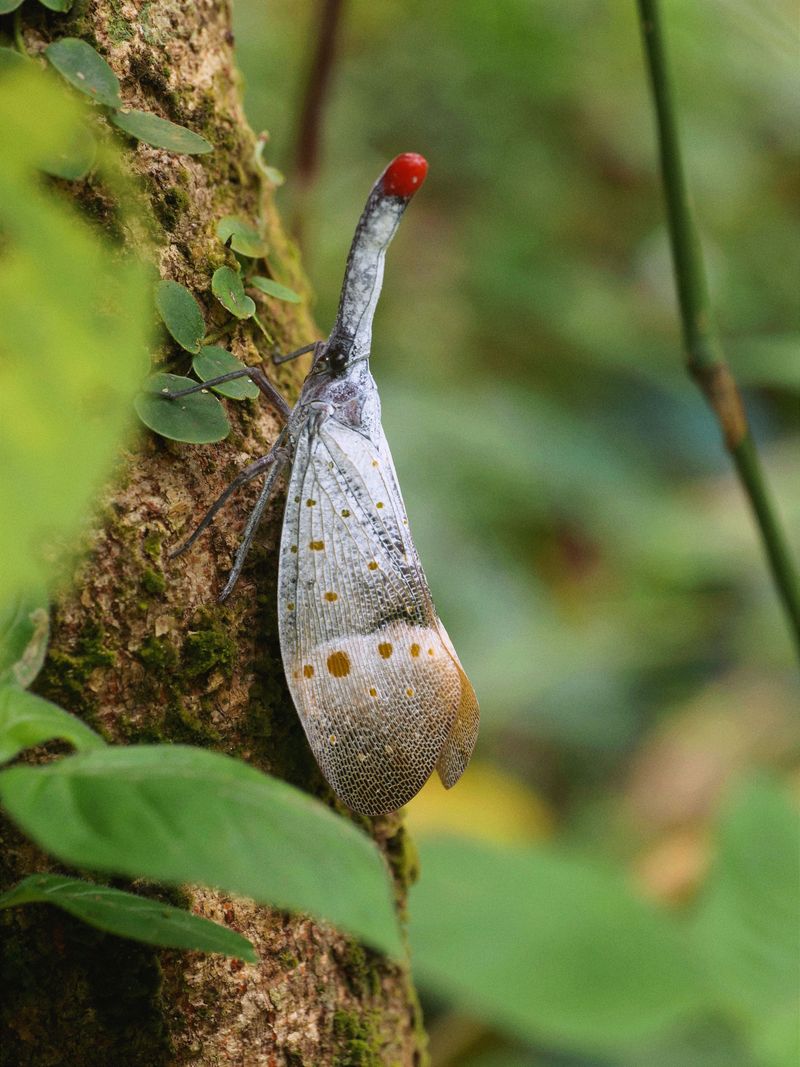
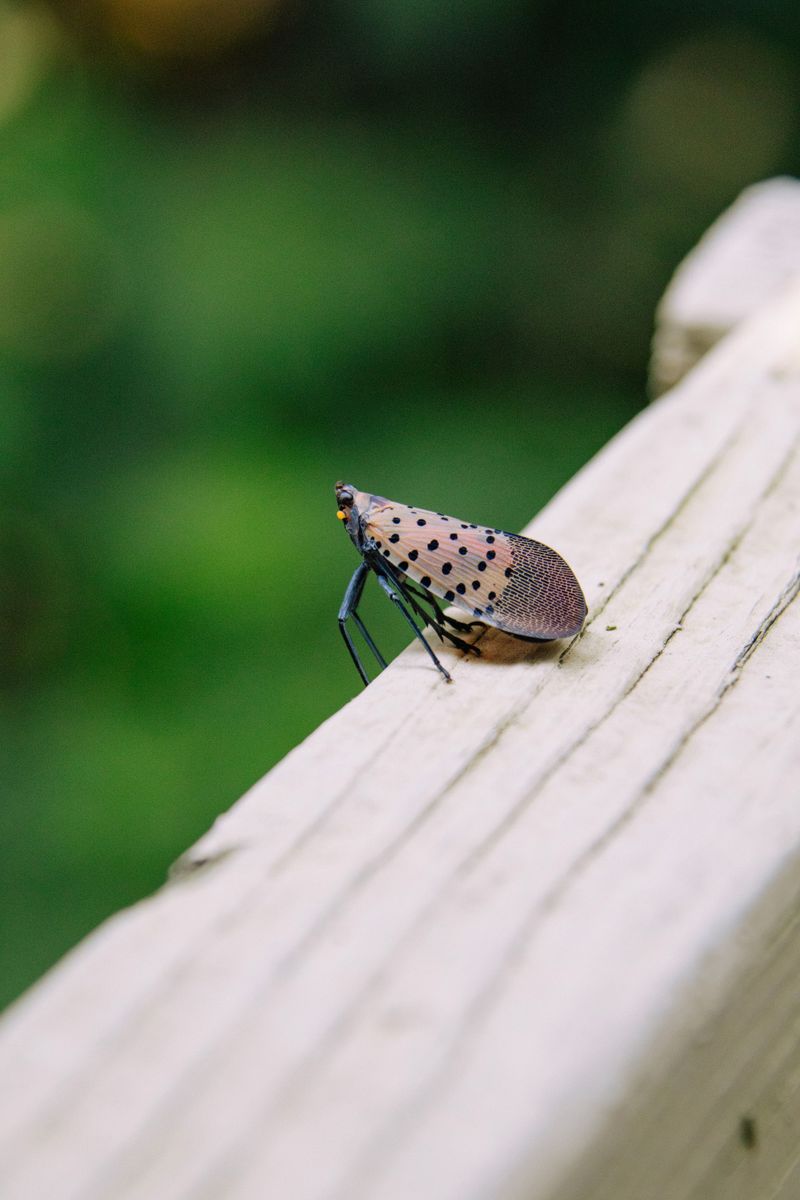
Hundreds of red-winged insects can gather on a single tree trunk when feeding. That is what spotted lanternfly activity often looks like on a Tree of Heaven.
Spotted lanternflies, or Lycorma delicatula, were first found in Pennsylvania in 2014. Since then, they have spread to numerous states across the eastern and midwestern U.S., with Illinois confirming its first detection in Cook County in 2023.
These insects feed by piercing plant tissue and sucking out sap. That feeding weakens plants, reduces fruit production, and leaves behind a sticky waste called honeydew that promotes black mold growth.
Your Illinois Garden Changes Every Week. Your Plan Should Too.
Gardening in Illinois changes quickly throughout the season. Every Friday you’ll receive a simple weekly plan showing exactly what to plant, prune, fertilize, harvest, and protect so you never miss the right timing.
While spotted lanternflies can feed on over 70 plant species, the Tree of Heaven is their top preference. Studies show that populations grow much larger when this tree is nearby.
Researchers have found that lanternflies lay more egg masses on Tree of Heaven than on almost any other plant. Each egg mass holds 30 to 50 eggs, and a single female can lay multiple masses in one season.
When the Tree of Heaven is removed from an area, spotted lanternfly populations often decrease, though other host plants nearby can still support some activity.
The insects do not disappear entirely, but their numbers shrink significantly without their favorite food source.
Keeping the Tree of Heaven on your property increases the likelihood that these pests will move in and multiply. Taking action against this invasive tree is one of the smartest moves a homeowner can make right now.
Telling Tree Of Heaven Apart From Sumac And Walnut
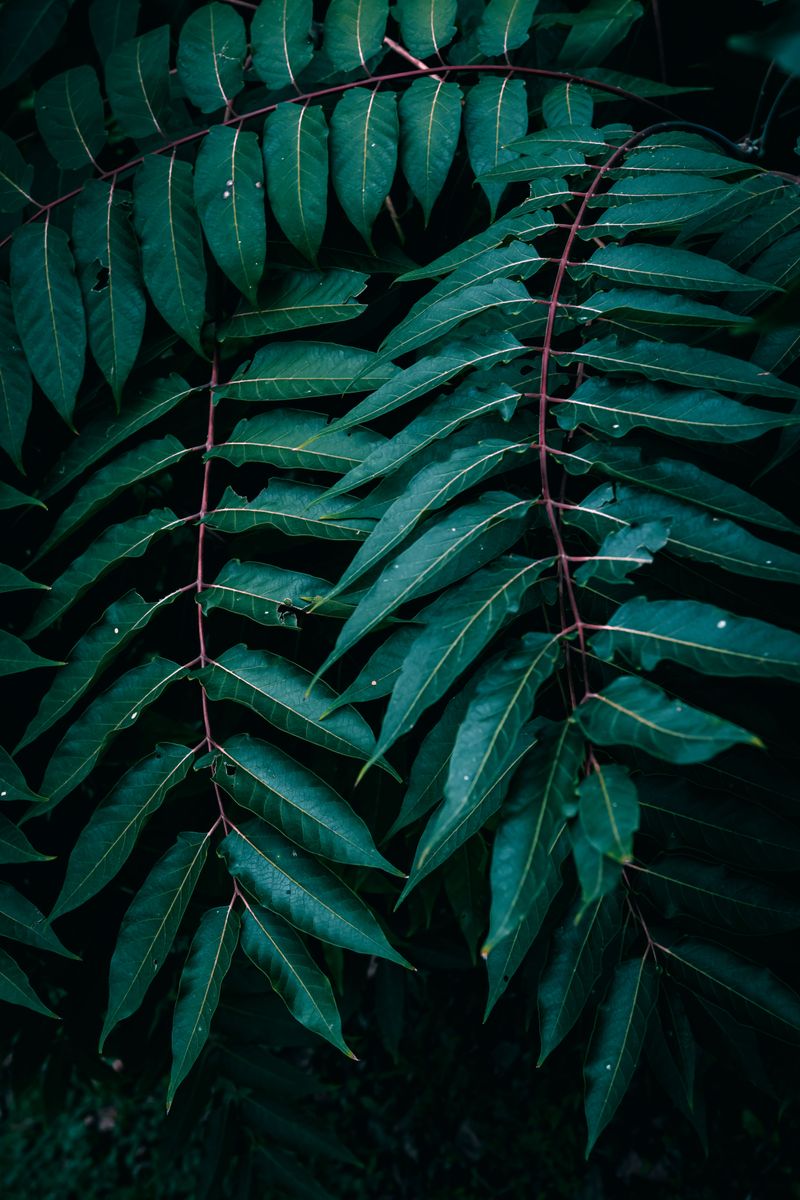
Before you grab a chainsaw, make absolutely sure you are cutting down the right tree. Mistaking a native sumac or black walnut for the Tree of Heaven is a common and costly error.
All three trees have long, compound leaves with multiple leaflets. At a glance, they look almost identical, especially to someone who is not a trained botanist.
The easiest way to identify Tree of Heaven is by its smell. Crush or snap a leaf stem and take a whiff. The odor is sharp, rotten, and distinctly unpleasant.
Sumac leaves smell earthy and mild. Black walnut leaves have a sharp but pleasant citrus-like scent. Neither one smells like the Tree of Heaven does.
Look at the base of each leaflet for another clue. Tree of Heaven leaflets have small, rounded bumps called glands near their base. Sumac and walnut leaflets do not have these glands.
The bark on a mature Tree of Heaven is light gray and looks like the skin of a cantaloupe, with a slightly rough, interlocking pattern. Sumac bark tends to be smoother and darker.
Sumac also produces fuzzy red berry clusters at the tips of its branches, which are used to make a tart, lemony drink. Tree of Heaven produces flat, papery seeds, not berries.
Getting the identification right protects native trees that birds and wildlife depend on. When in doubt, contact your local cooperative extension office for a free identification check before removing anything.
Cutting It Down Alone Can Actually Backfire
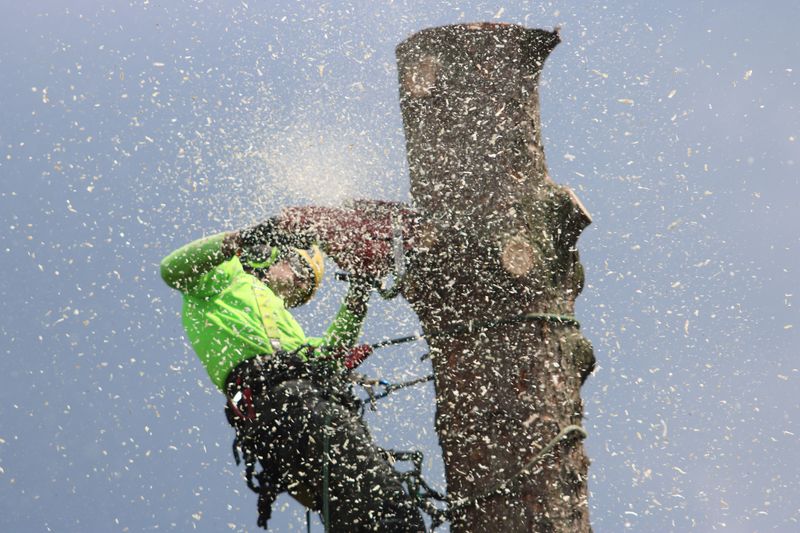
Here is the part that surprises most homeowners. Simply cutting down a Tree of Heaven without treating the stump can make your problem significantly worse.
When this tree is cut and left untreated, it responds by sending up a flood of new sprouts from the stump and the roots. One stump can produce dozens of shoots within weeks.
Those new sprouts grow even faster than the original tree did. In a single season, they can reach heights of 10 feet or more, creating a dense thicket where one tree once stood.
The root system of a Tree of Heaven is aggressive and wide-spreading. Roots can extend far beyond the canopy and sprout new growth many feet away from the original trunk.
This is why cutting the tree down in spring can result in a dense cluster of new growth by fall if the stump isn’t treated. The tree will continue regrowing aggressively if you do not follow up correctly.
Cutting alone also does nothing to address egg masses that may already be on the bark. Spotted lanternfly eggs can survive on a cut log or stump through winter and hatch the following spring.
Any cut wood should be chipped, burned where permitted, or bagged and sealed before disposal. Leaving logs on the ground can allow any eggs present to remain viable and hatch.
The lesson here is that removal is a multi-step process, not a one-afternoon job. Incomplete removal often leads to regrowth and additional work later.
A Proper Removal Or Herbicide Treatment Plan
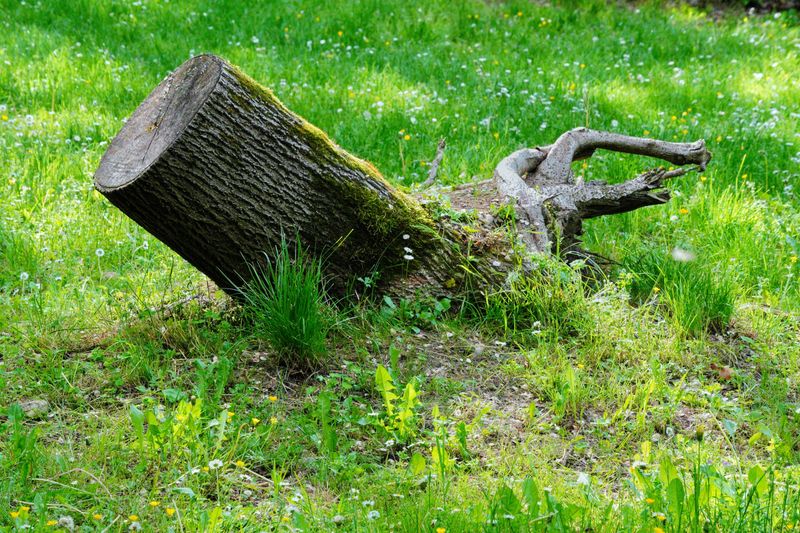
Effective Tree of Heaven removal takes a plan, not just muscle. The most reliable approach combines physical cutting with targeted herbicide treatment to prevent regrowth.
For smaller trees under two inches in diameter, you can pull or dig them out by the roots entirely. Getting the full root system out prevents resprouting, but it takes real effort.
For larger trees, the cut-stump method works well. Cut the trunk low to the ground, then immediately apply a concentrated herbicide to the freshly cut surface within minutes of cutting.
Timing is critical here. The herbicide must go on while the stump is still actively drawing moisture.
Waiting too long after cutting can reduce how well the treatment penetrates into the root system.
Triclopyr and glyphosate are two herbicides commonly recommended for Tree of Heaven. Always read the product label and follow all safety guidelines before applying any chemical treatment.
Another method called basal bark treatment works on trees up to six inches in diameter. You mix triclopyr with a bark-penetrating oil and paint it around the lower 12 to 18 inches of the trunk.
This method skips the cutting entirely and lets the chemical move through the bark into the root system. It works best in late summer through early fall when the tree is moving nutrients downward.
Whichever method you choose, plan to monitor the area for at least one to two years. Follow-up treatments on any new sprouts are almost always necessary for full control.
Additional Steps For Keeping Lanternflies Away Long-Term
Removing the Tree of Heaven is a huge step, but it is not the whole picture. Keeping spotted lanternflies away for the long haul requires a few more smart habits.
Start by checking your property regularly for egg masses, especially from September through June. Egg masses look like a smear of dried mud, usually about an inch long, on tree bark, rocks, or outdoor furniture.
Scrape any egg masses into a bag filled with rubbing alcohol or hand sanitizer. Seal the bag tightly and throw it in the trash to prevent hatching.
Sticky band traps placed around the trunks of fruit trees and grapevines can catch nymphs as they crawl upward in spring. Replace the bands often so they stay effective throughout the season.
Be careful with sticky traps around trees where birds and small animals could get caught. Use a mesh or cage barrier around the sticky surface to protect wildlife while still trapping the insects.
Report any spotted lanternfly sightings to the Illinois Department of Agriculture. Early reports help officials track the spread and respond faster to new infestations in your area.
When you travel, always check your car, camping gear, and outdoor equipment before heading home. Spotted lanternflies hitchhike easily on vehicles and luggage, spreading to new areas without anyone realizing it.
Staying alert, staying informed, and removing the Tree of Heaven from your yard is the best combination for keeping spotted lanternflies away from your property for years to come.
Why Replacing The Tree Of Heaven Matters Too
Cutting down a problem tree leaves a gap in your yard, and what fills that gap matters more than most people realize. Planting a native replacement is one of the best things you can do after removal.
Native trees support local birds, pollinators, and other wildlife in ways that invasive species simply cannot. They have evolved alongside local insects and animals over thousands of years.
Good native options for Illinois include the eastern redbud, serviceberry, and native dogwood. All three are beautiful, manageable in size, and loved by local wildlife.
Spotted lanternflies can technically feed on many plants, but they show far less interest in native species than in the Tree of Heaven. Replacing one with the other reduces the attractiveness of your yard to these pests.
Choose a planting spot that gets the right amount of sunlight for your chosen species. Native trees planted in the wrong conditions struggle to establish and become vulnerable to pests and disease.
Water your new tree deeply once a week during its first two summers. Getting the roots established quickly gives the tree its best chance at long-term health and resilience.
Avoid fertilizing heavily in the first year, which can push weak, fast growth that attracts insects. A light layer of compost around the base is usually all a young native tree needs to thrive.
A healthy, native yard is your strongest long-term defense against the Tree of Heaven and the spotted lanternflies that come with it. Every tree you plant is a win for your whole neighborhood.