8 Steps To Revive Heat-Damaged Rose Plants In Florida
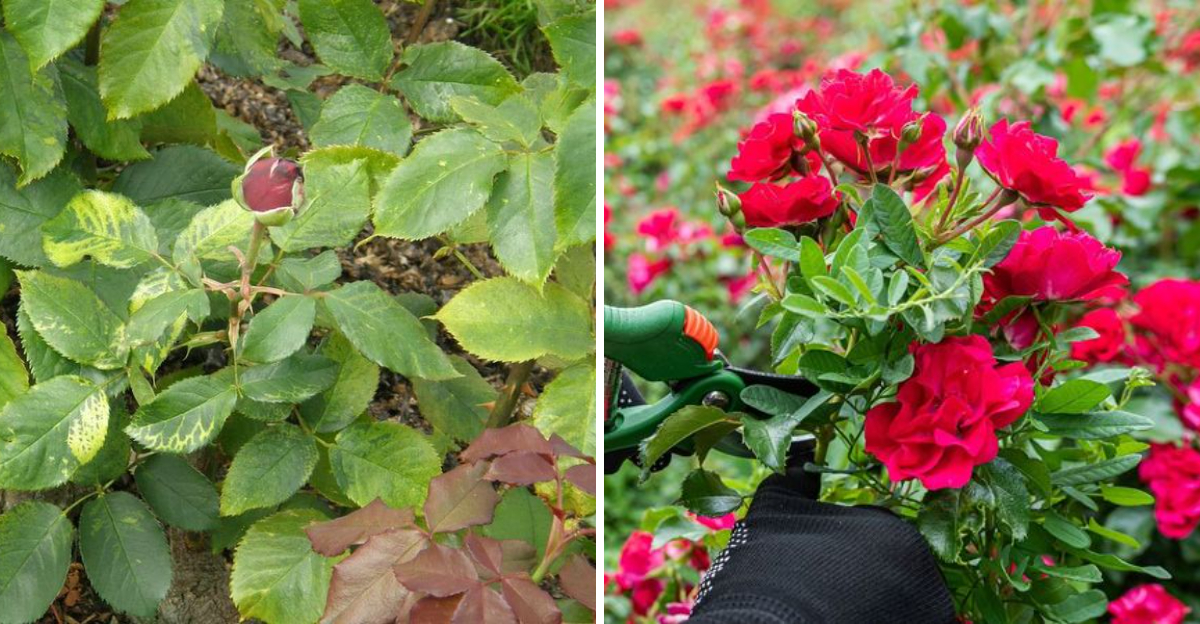
Roses in Florida already fight an uphill battle most of the year. Add a serious heat stretch on top of that and even well-established rose bushes start showing real stress.
Scorched leaves, dropped buds, blooms that brown before they fully open. A plant that looked strong in spring can look finished by midsummer.
Heat damage on roses is not always as final as it appears. Roses carry more reserve than people give them credit for, and the right response at the right time makes a genuine difference in recovery speed.
Most Florida gardeners either overcorrect with heavy fertilizing and watering, or give up and wait for fall. Neither approach serves a stressed rose bush well in the middle of the growing season.
Eight steps give a heat-damaged Florida rose a clear, realistic path back. Not a guarantee, but a real shot at recovery before the season closes out.
1. Check The Canes Before Cutting Anything Back
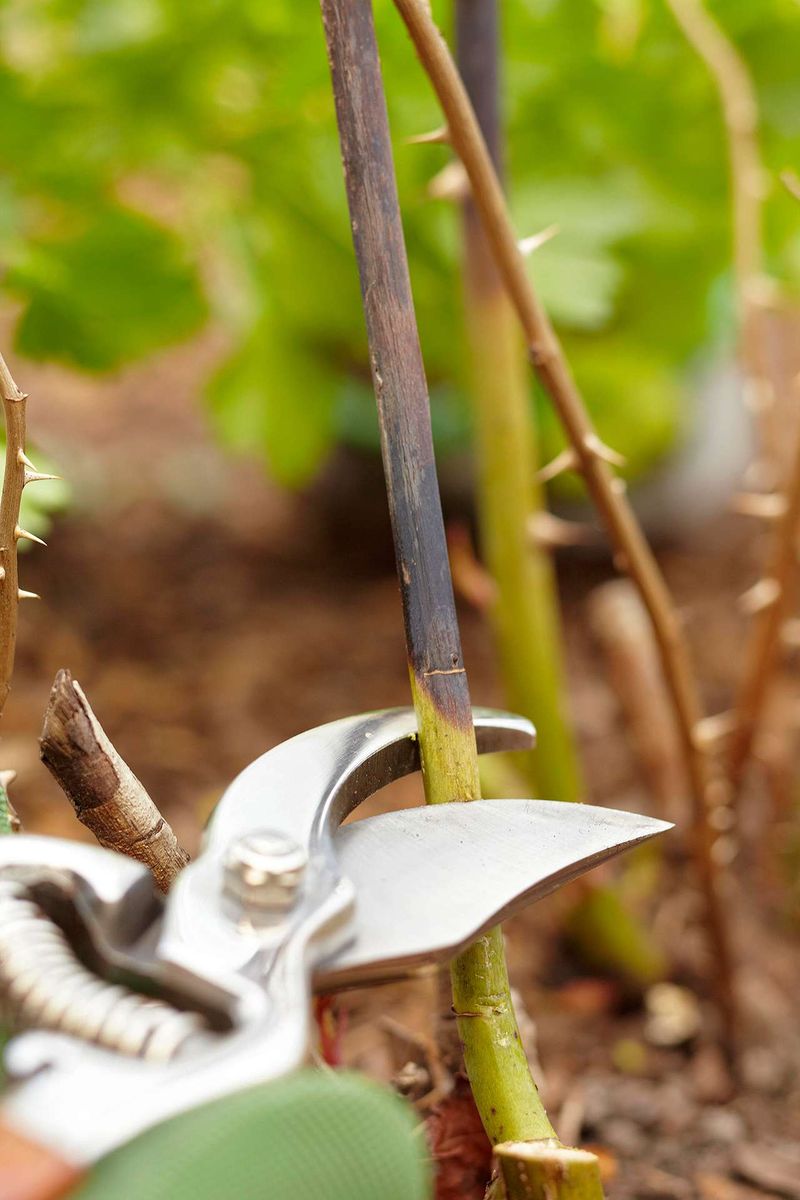
A rose with crispy leaves and a few brown tips does not always mean the canes are gone. Heat stress can scorch foliage while the woody canes underneath stay alive and ready to push new growth once conditions improve.
Rushing to cut everything back can actually reduce the plant’s ability to recover by removing material it still needs.
Start by looking at the cane color. Healthy or stressed-but-alive canes are usually green or greenish-brown and feel firm when gently squeezed.
A cane that is shriveled, mushy, or gray-black through most of its length is more likely to be failed material. Scratch the surface lightly with a fingernail near a node to check for green tissue beneath.
Look for dormant buds at leaf nodes along the cane. Even on a plant that looks rough, swollen buds signal that the cane has life left in it.
Damaged or withered canes show a very different picture, with no viable buds, hollow or brown pith, and no green layer under the bark.
The pattern of damage matters too. If one side of the plant is crispy and the other side still has some green leaves, reflected heat or wind exposure may be the main cause.
Withered, diseased, or clearly broken canes can be removed, but leave stressed-but-alive material alone until the plant shows signs of recovery.
2. Move Potted Roses Out Of Harsh Afternoon Heat
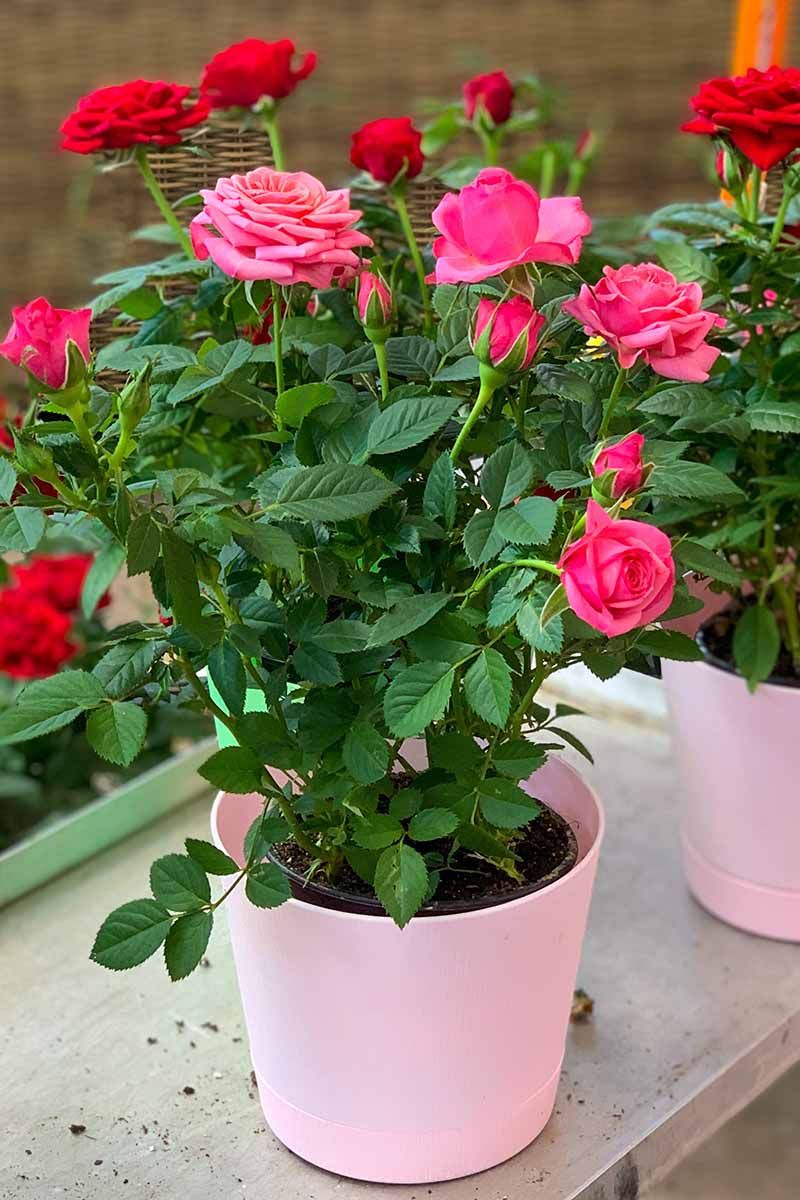
A pot sitting on a sun-baked driveway or concrete patio in this state during July is a tough place for any rose.
Container roots heat up far faster than roots in the ground, and dark-colored pots on reflective hardscape can push soil temperatures well beyond what roots can tolerate.
Pool decks, balconies, and south-facing walls with reflected sun are especially harsh spots.
Moving a container rose to a location with strong morning sun and relief from the worst afternoon heat can make a real difference during recovery.
East-facing spots often work well because they offer good light in the morning and natural shade as the afternoon builds.
Your Florida Garden Changes Every Week. Your Plan Should Too.
Gardening in Florida changes quickly throughout the season. Every Friday you’ll receive a simple weekly plan showing exactly what to plant, prune, fertilize, harvest, and protect so you never miss the right timing.
Avoid tucking the plant into deep shade for weeks, since roses still need strong light to recover and grow.
Airflow around the container matters too. Pots crowded against walls or stacked near other containers can trap heat and reduce the air circulation that helps leaves stay cooler.
Give potted roses a little breathing room whenever possible.
If moving the container is not an option, try placing it on a wood surface or plant stand rather than directly on hot concrete. Light-colored or glazed pots also absorb less heat than dark plastic or black containers.
Once the plant shows steady new growth and temperatures ease, it can return to its regular spot with better preparation for the next heat cycle.
3. Water Deeply Without Keeping Roots Soggy
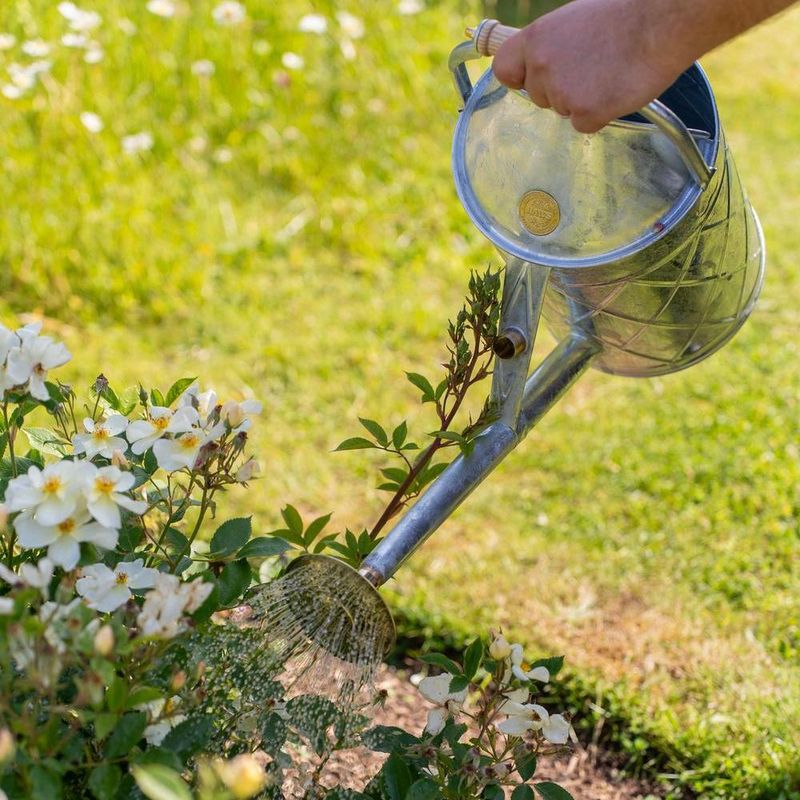
Wilt after a week of summer rain can be just as confusing as wilt after a dry stretch. Both situations look similar from above, but the cause is completely different.
Roots sitting in soggy soil can become damaged and lose their ability to deliver water to the plant, which means adding more water only makes things worse. Checking the soil before watering is always worth the extra minute.
For roses in sandy soil, which is common across much of this state, moisture drains quickly and roots can dry out between waterings faster than expected. Deep, infrequent watering encourages roots to grow downward and find more stable moisture.
Shallow daily splashing at the surface does not reach the root zone effectively and can encourage disease on lower leaves.
Water at the base of the plant rather than overhead whenever possible. Drip irrigation and soaker hoses work well for this.
Hand watering is fine as long as the water is directed at the root zone and allowed to soak in slowly.
Adjust your watering schedule based on recent rainfall, pot size, mulch depth, and drainage. A moisture check two to three inches into the soil gives a much clearer picture than a fixed schedule.
When the soil feels consistently moist at root depth but not saturated, the rose has what it needs to begin working toward recovery.
4. Refresh Mulch Before Soil Temperatures Spike Again
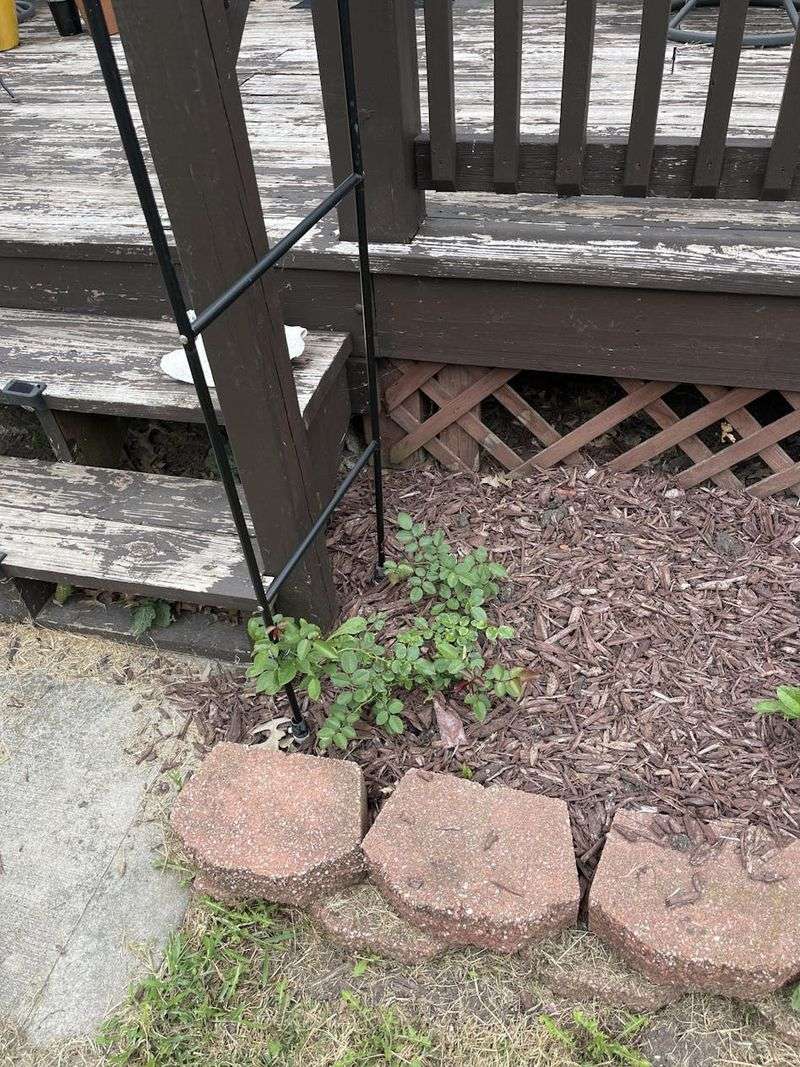
Bare soil around a rose during a Florida summer absorbs heat quickly and loses moisture even faster. A fresh layer of organic mulch acts as a buffer, moderating soil temperature and slowing evaporation between waterings.
That cooler, more stable root environment gives a heat-stressed rose a better foundation for recovery.
Pine bark, wood chips, and shredded leaves all work well as mulch around roses. Aim for a layer about two to three inches deep across the root zone.
Pull the mulch back a few inches from the base of the canes and away from the crown of the plant. Piling mulch against the canes or stems, sometimes called a mulch volcano, traps moisture against the wood and can invite rot and disease.
Fresh mulch also helps reduce soil splash during heavy summer rains. Splash carries fungal spores from the soil onto lower leaves, which can contribute to black spot and other foliar diseases that compound heat stress.
Keeping a clean, even mulch layer under the canopy is a low-effort way to reduce that risk.
Mulch works best as part of a complete approach. If drainage is poor or watering is inconsistent, mulch alone will not fix the problem.
When combined with correct moisture management and root-zone protection, a proper mulch layer becomes one of the most reliable tools. It can help a stressed rose get through a brutal summer.
5. Remove Crispy Leaves Without Stripping The Plant Bare
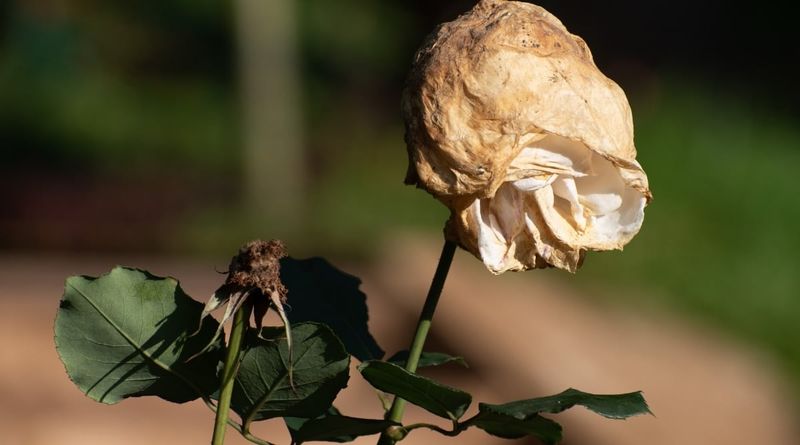
Crispy, brown, or spotted leaves on a stressed rose can look bad enough to make a Florida gardener want to pull everything off and start fresh. That instinct is understandable.
But stripping a stressed plant of every leaf removes the green tissue it is still using to photosynthesize and generate energy for recovery. Leaves that are damaged but still partially green are doing some work, even if they look rough.
Selective cleanup is the better approach. Remove leaves that are fully brown, crispy, or showing signs of disease such as black spots with yellow halos.
Pick up any fallen leaves from around the base of the plant as well. Diseased leaf debris left on the soil can reintroduce fungal spores during rain events or irrigation.
Work gradually rather than all at once. Removing a few problem leaves at a time is less stressful for the plant than a full defoliation session.
Use clean hands or clean pruners, and avoid tearing leaves in ways that leave ragged wounds on the stem.
Healthy green leaves still attached to the plant are a resource, not a cosmetic problem. Once the rose begins pushing fresh new growth, older damaged leaves will naturally drop or can be cleaned up as part of light maintenance.
Patience here pays off. A plant with some imperfect foliage is usually in better shape than one that has been stripped bare during summer stress.
6. Pause Heavy Fertilizer Until New Growth Looks Steady
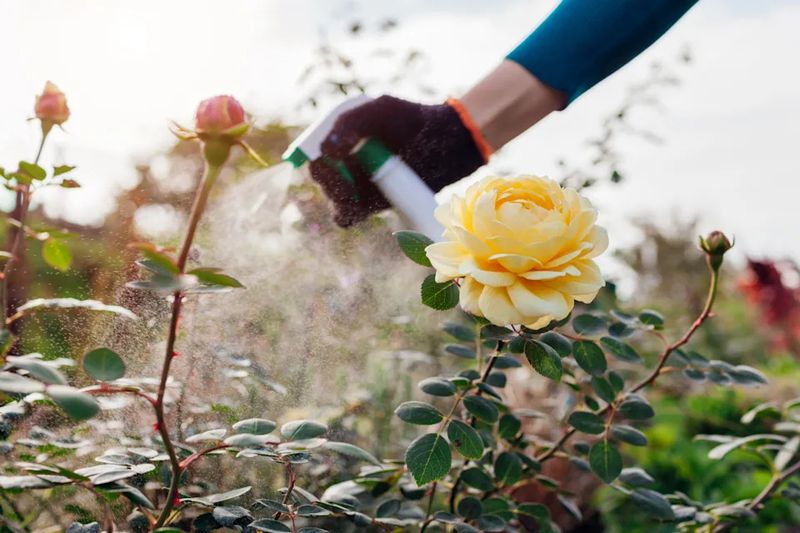
Reaching for fertilizer when a rose looks stressed is a common impulse. More nutrients should mean more growth, right?
Not exactly. A rose that is dealing with heat-damaged roots, scorched foliage, or inconsistent moisture is not in a position to take up fertilizer efficiently.
Pushing nutrients into a plant that cannot process them can add stress rather than relieve it.
Heavy fertilizer applications on stressed roses can also contribute to salt buildup in the soil, especially in containers or areas with limited drainage. That extra salt load can further damage already-stressed roots.
Waiting until the plant is visibly recovering, meaning new leaves are opening and growth looks steady, gives fertilizer a much better chance of actually helping.
When the time is right, follow label directions carefully. Fertilizer labels carry legally required use instructions, and using more than directed does not speed recovery.
Many Florida gardeners in this state also need to be aware of local fertilizer ordinances. During the rainy season, those rules may restrict certain applications to protect water quality.
Fertilizer supports growth but does not repair scorched leaves, restore damaged roots, or substitute for correct watering and root-zone protection. A rose working through summer stress needs stability first.
Once new growth is coming in consistently and the plant looks more settled, a balanced, appropriately timed feeding can help it build strength heading into fall.
7. Watch For Black Spot And Chilli Thrips After Heat Stress
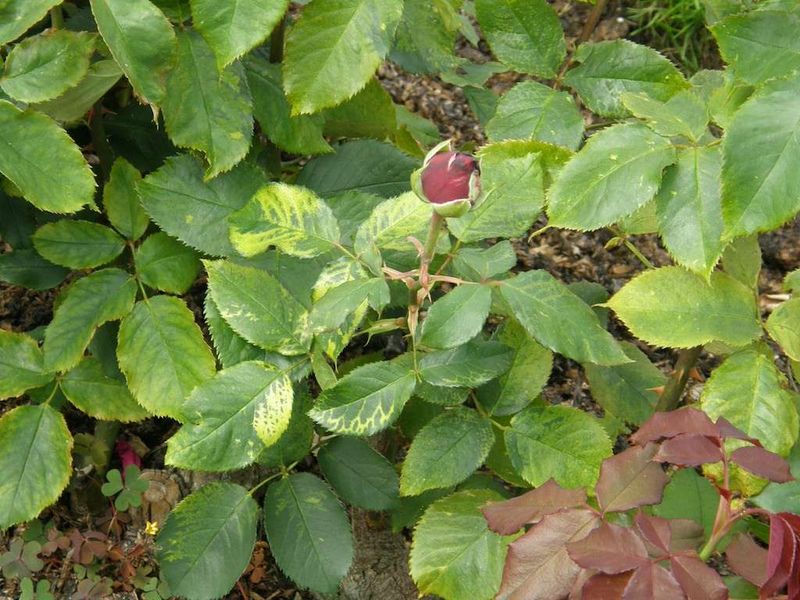
Stressed roses are more vulnerable to problems they might otherwise shrug off. Hot, humid conditions in this state create an environment where black spot (Diplocarpon rosae) can become a serious issue.
Chilli thrips (Scirtothrips dorsalis) can become a serious problem at the same time. Knowing what to look for helps Florida gardeners respond accurately instead of guessing.
Black spot appears as circular dark spots with fringed or feathery edges on upper leaf surfaces, often surrounded by yellow tissue. Infected leaves drop early, and repeated defoliation weakens the plant over time.
Good sanitation, prompt fallen-leaf removal, and better airflow around the plant all help reduce black spot pressure. Choosing resistant varieties when replanting helps too.
Chilli thrips cause a different kind of damage. Look for distorted, bronzed, or crinkled new growth, damaged buds, and scarring on young stems.
Affected new growth often looks twisted or fails to open properly. Correct identification matters because treatments for thrips and fungal diseases are different.
Broad spraying without diagnosis can harm beneficial insects that help the garden naturally.
If damage is severe or the cause is unclear, contact your local UF/IFAS Extension office or a qualified nursery professional for guidance. Extension resources specific to this state offer reliable, research-based advice on rose pest and disease management.
Always read and follow pesticide or fungicide label directions before applying any product.
8. Prune Lightly Only When The Rose Starts Recovering
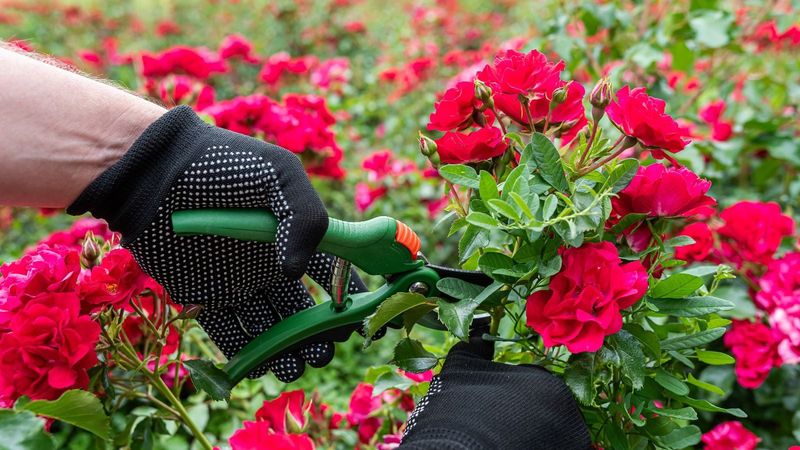
Pruning shears used too early on a heat-stressed rose can set recovery back significantly. Hard pruning removes the foliage and cane tissue the plant is relying on to generate energy, and cutting during extreme heat adds wound stress at exactly the wrong time.
The better approach is to wait for clear signals that the rose is moving in the right direction.
Signs that light pruning may be appropriate include steady new leaf growth, firm green canes at the tips, and a general look of stability rather than decline.
At that point, removing withered or weak stem tips and cleaning up crossing branches can help improve airflow.
Light shaping can also encourage more organized regrowth. Keep cuts clean and angled just above a healthy outward-facing bud.
Use clean, sharp tools. Dull or dirty pruners can crush cane tissue and introduce pathogens.
Wipe blades with a clean cloth between plants if disease was present. Avoid making large cuts during the hottest weeks of summer even if the plant looks better.
Save more significant shaping for cooler weather when the rose can respond more easily.
Recovery from summer heat stress in this state is often a slow, patient process. Correct watering, protected roots, reduced stressors, and careful timing matter far more than aggressive cutting.
A rose that gets steady, thoughtful care through summer usually comes back with real strength once temperatures begin to ease in fall.