The Georgia Shrubs That Benefit From A July Trim And The Ones You Should Leave Alone
A pair of pruning shears can solve one problem and create another. It’s one of those gardening jobs that looks simple until you realize every shrub has its own growing schedule.
A quick trim might leave one plant looking healthier, while another spends months recovering from a cut it didn’t need. That’s why midsummer pruning often causes more confusion than confidence.
July isn’t automatically the wrong time to prune, but it isn’t the right time for everything either.
Some shrubs continue growing happily after a light trim, while others are already focusing on next season and shouldn’t be disturbed.
Georgia’s warm weather can speed up growth, but it also makes proper timing more important.
Before making a single cut, it’s worth finding out which shrubs actually benefit from summer pruning and which ones are better left exactly as they are.
1. Lightly Trim Gardenias After They Finish Blooming
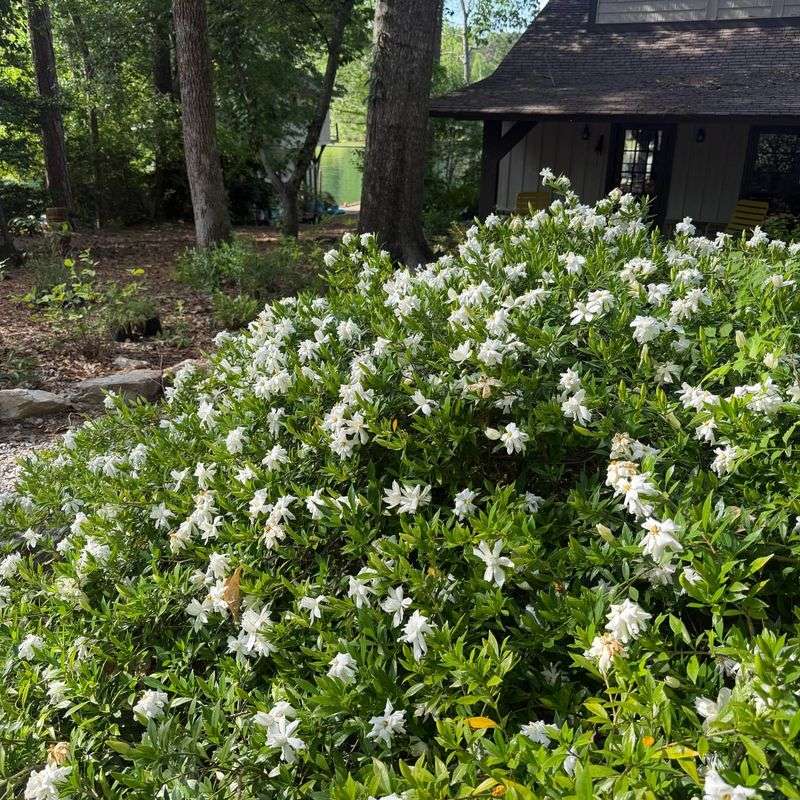
Gardenias are one of those shrubs that reward patience. Once the last white blooms start to brown and drop, that is your green light to grab the pruners.
A light trim right after blooming keeps the shape tidy without cutting into wood that holds next season’s buds. Focus on removing spent flowers and any leggy branches that broke out of the natural form.
Do not go deep into old wood during July.
Gardenias in warm, humid climates tend to push out a second round of light growth after a trim. That new growth will harden off before fall and set up the plant for a strong bloom cycle next spring.
Skip fertilizing right after you prune unless you are sure the plant is actively growing. Too much nitrogen late in summer can push soft growth that struggles when temperatures drop.
A slow-release fertilizer applied in early summer before blooming is usually enough to carry the plant through.
Watch for sooty mold on the leaves after pruning. Whiteflies and scale insects love gardenias, and a stressed plant is easier for them to move in on.
Check the undersides of leaves and treat early if needed.
Always use clean, sharp pruners to make smooth cuts and reduce the risk of spreading disease between plants.
Water your gardenia well after pruning if the weather stays hot and dry, as consistent moisture helps it recover and produce healthy new growth.
2. Shape Oakleaf Hydrangeas Soon After Flowers Fade
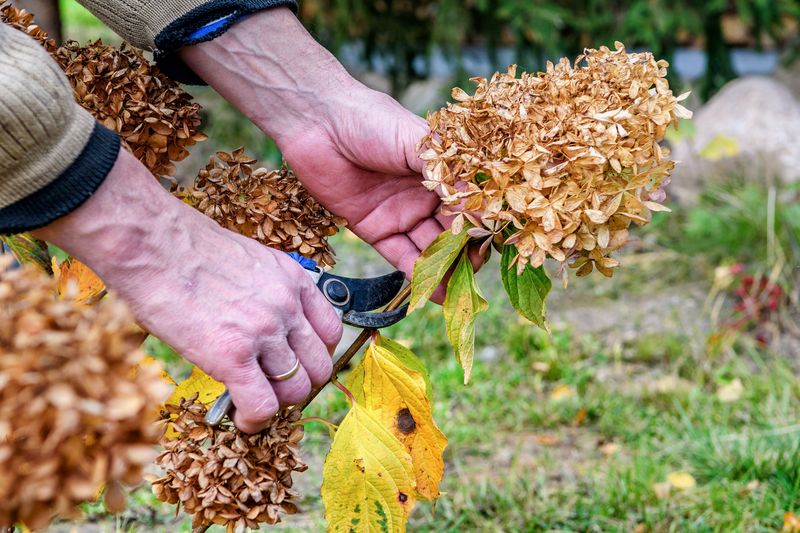
Oakleaf hydrangeas are native to the Southeast and genuinely tough, but they do have a pruning window that closes fast. Once those cone-shaped flower clusters start to turn papery and bronze, it is time to act.
Prune oakleaf hydrangeas right after the blooms fade, ideally no later than mid-July. Waiting too long pushes you into the period when new flower buds are forming on old wood.
Cut then and you lose next year’s blooms entirely.
Shaping is simple. Remove damaged or crossing branches first.
Then step back and look at the overall silhouette before cutting anything else. Oakleaf hydrangeas have a naturally arching, layered shape that looks best when you work with it rather than against it.
Your Georgia Garden Changes Every Week. Your Plan Should Too.
Gardening in Georgia changes quickly throughout the season. Every Friday you’ll receive a simple weekly plan showing exactly what to plant, prune, fertilize, harvest, and protect so you never miss the right timing.
Hard pruning is rarely needed unless the shrub is severely overgrown. Removing up to one-third of the oldest canes at the base can open up airflow and encourage fresh growth from the bottom.
Do not shear it flat like a boxwood.
One thing worth knowing: the exfoliating bark on mature stems is genuinely attractive in winter. Leaving some older canes in place adds seasonal interest even after the leaves drop.
Pruning with that in mind gives you a shrub that earns its space year-round.
Water the shrub during extended dry spells after pruning, as steady soil moisture helps it recover and supports healthy bud development for the following season.
3. Prune Summer-Blooming Spirea To Encourage Fresh Growth
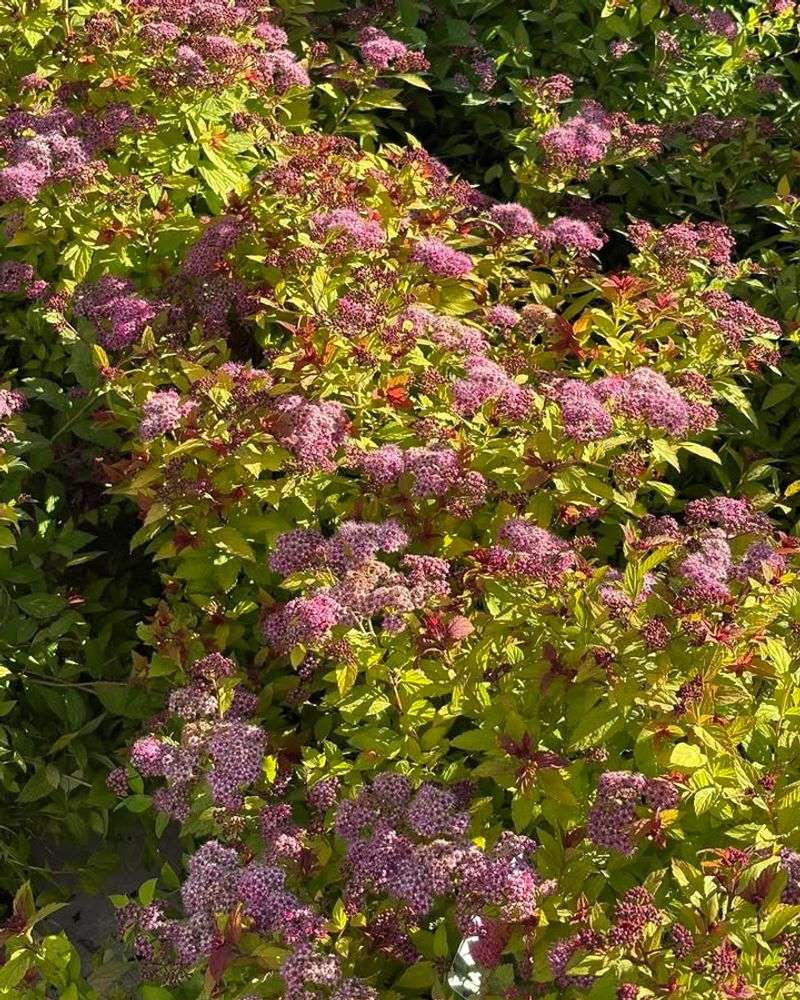
Summer-blooming spirea is one of the easiest shrubs to manage in July. Cut it back after the first flush of flowers and it almost always pushes out a second round of blooms before fall.
Varieties like ‘Anthony Waterer’ and ‘Goldflame’ respond well to deadheading and light shearing. Remove the spent flower clusters down to a set of healthy leaves.
If the plant looks ragged overall, cutting it back by about one-third is completely fine at this stage.
Spirea blooms on new wood, which is what makes summer pruning safe and productive. Cutting it back in July gives the plant enough warm weeks to push out fresh stems and set new buds before temperatures cool down.
Do not confuse summer-blooming spirea with spring-blooming types like bridal wreath. Spring bloomers flower on old wood and should never be pruned in summer.
Check the tag or look up your specific variety before cutting.
After pruning, water the shrub well if rainfall has been sparse. July heat can stress plants that are trying to push new growth.
A layer of mulch around the base helps hold soil moisture and keeps roots from overheating during the hottest weeks of summer.
Avoid heavy fertilizing after pruning, as excessive new growth late in the season may not have enough time to harden before cooler weather arrives.
4. Cut Back Glossy Abelia After Its First Flush Of Blooms
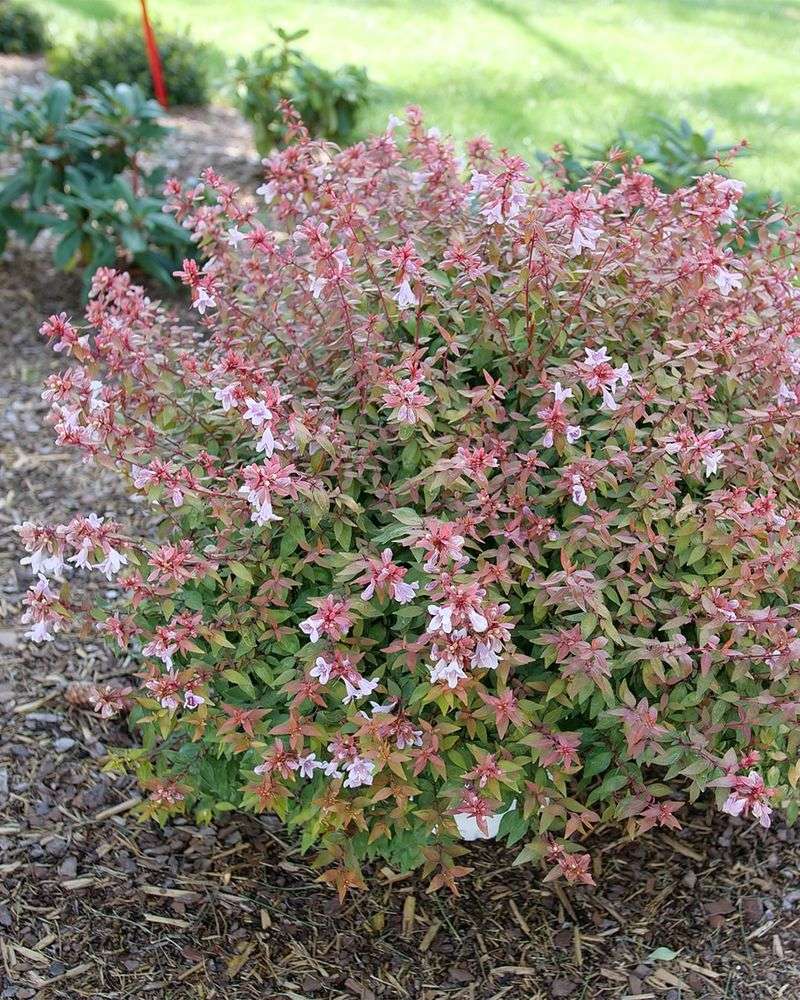
Glossy abelia is a workhorse shrub that blooms from late spring all the way into fall. Most gardeners overlook it, but a light trim after the first big flush of flowers keeps it looking sharp and blooming strong.
By early July, abelia typically finishes its heaviest bloom period. That is the right moment to remove older, woodier stems and lightly shape the outer edges.
Abelia tolerates pruning well and bounces back quickly in warm weather.
Cutting back about one-quarter to one-third of the plant redirects energy into new flowering stems. New growth on abelia tends to be arching and graceful, which gives the shrub a softer, more natural look than a hard shear would produce.
Abelia also has attractive reddish-bronze foliage that deepens in color as summer progresses. Avoid cutting too far into the interior where the older leaves and stems provide structure.
Focus trimming on the tips and any branches that have gone past the desired shape.
One practical note: abelia is semi-evergreen in most parts of the South, meaning it holds some leaves through mild winters. That makes it a reliable year-round plant in the landscape.
Keeping it tidy in July sets it up to finish the season looking intentional rather than overgrown.
Use clean, sharp pruners for every cut, as smooth cuts heal faster and reduce the chance of disease entering the stems.
5. Leave Bigleaf Hydrangeas Alone To Protect Next Year’s Flower Buds
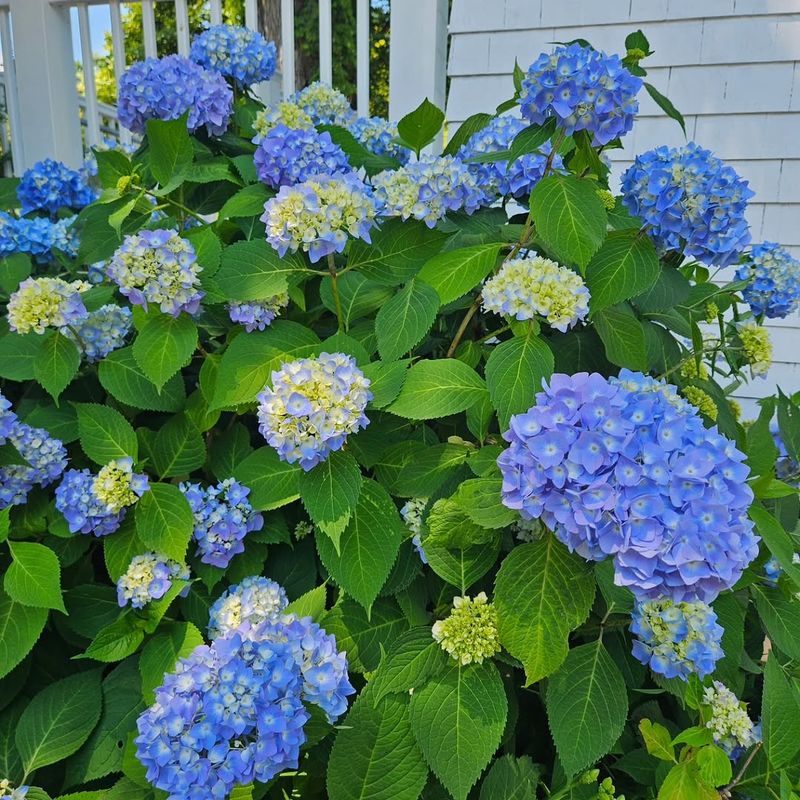
Bigleaf hydrangeas are gorgeous, and they are also one of the most commonly over-pruned shrubs in the South. July is exactly the wrong time to touch them.
Most bigleaf hydrangeas, including mophead and lacecap types, bloom on old wood. Flower buds for next year begin forming on this season’s stems as early as midsummer.
Prune now and those buds are gone, along with your spring blooms.
If a stem is broken, diseased, or clearly not going to recover, removing it is fine. Otherwise, leave the plant alone.
Resist the urge to clean it up just because it looks a little tired after blooming.
Some newer bigleaf varieties like the Endless Summer series can rebloom on new wood, which gives them a little more flexibility. Even so, summer pruning is risky unless you know exactly which variety you have.
When in doubt, wait until late winter to do any real shaping.
Watering matters more than pruning for bigleaf hydrangeas in July. Hot, dry spells cause dramatic wilting that looks alarming but is usually temporary.
Water deeply at the base a few times a week during dry stretches. Healthy, well-watered plants set better buds and come back stronger each spring regardless of whether you pruned them or not.
6. Skip Pruning Camellias During The Summer
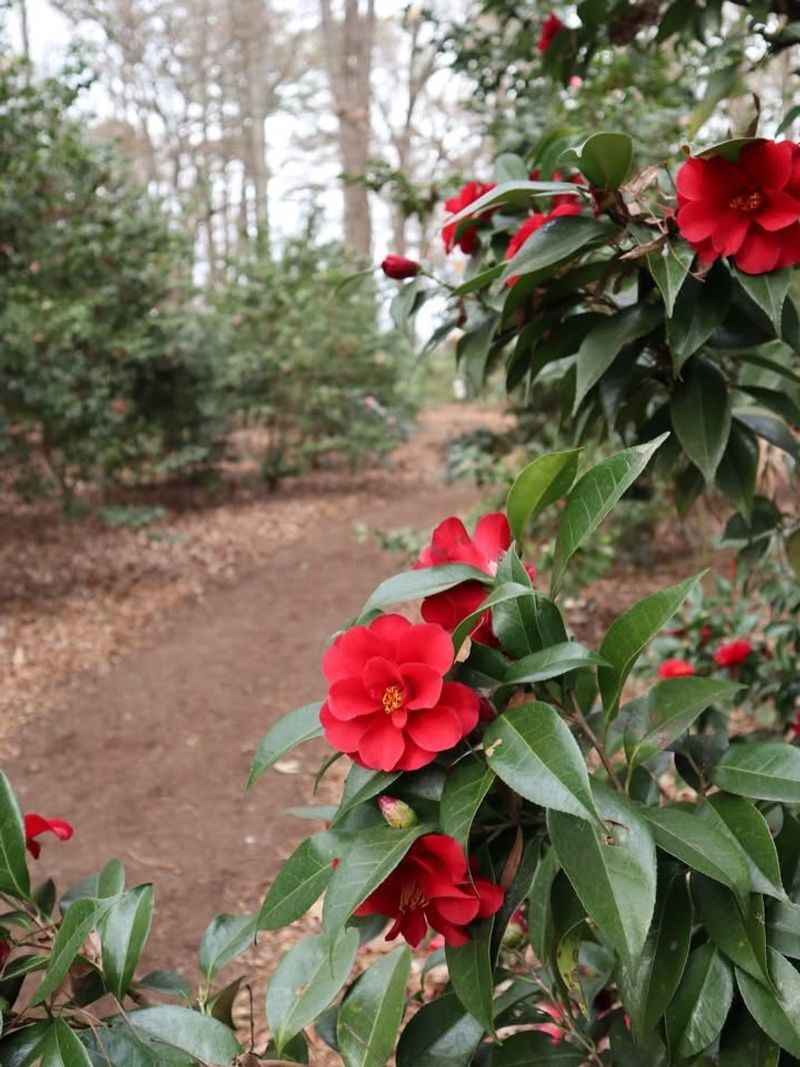
Camellias are a classic across the South, and they are surprisingly easy to mismanage with a pair of pruners. Summer pruning is one of the most common mistakes camellia growers make.
By July, camellias are actively setting flower buds for fall and winter blooms. Cutting into the plant now removes those buds before they ever get a chance to open.
That means no blooms during the season when camellias are at their most impressive.
Camellia japonica and Camellia sasanqua both follow this pattern, though their bloom times differ slightly. Sasanquas bloom in fall, japonicas in late winter and early spring.
Either way, summer pruning is a bad idea for both.
If the shrub has damaged wood or a branch that is clearly struggling, removing just that section is acceptable.
Avoid any shaping or size reduction until right after the plant finishes blooming in its natural season. That post-bloom window is the safest time to cut.
Camellias also prefer consistent moisture during summer bud set. Drought stress during July and August can cause bud drop later in the season.
Mulching thickly around the base and watering during dry spells gives the plant what it needs to hold onto those buds and deliver a strong bloom show when fall finally arrives.
Resist the urge to tidy up healthy branches in midsummer, as even light cosmetic pruning can remove developing flower buds and reduce the next bloom display.
7. Avoid Pruning Azaleas Once They Start Setting Flower Buds
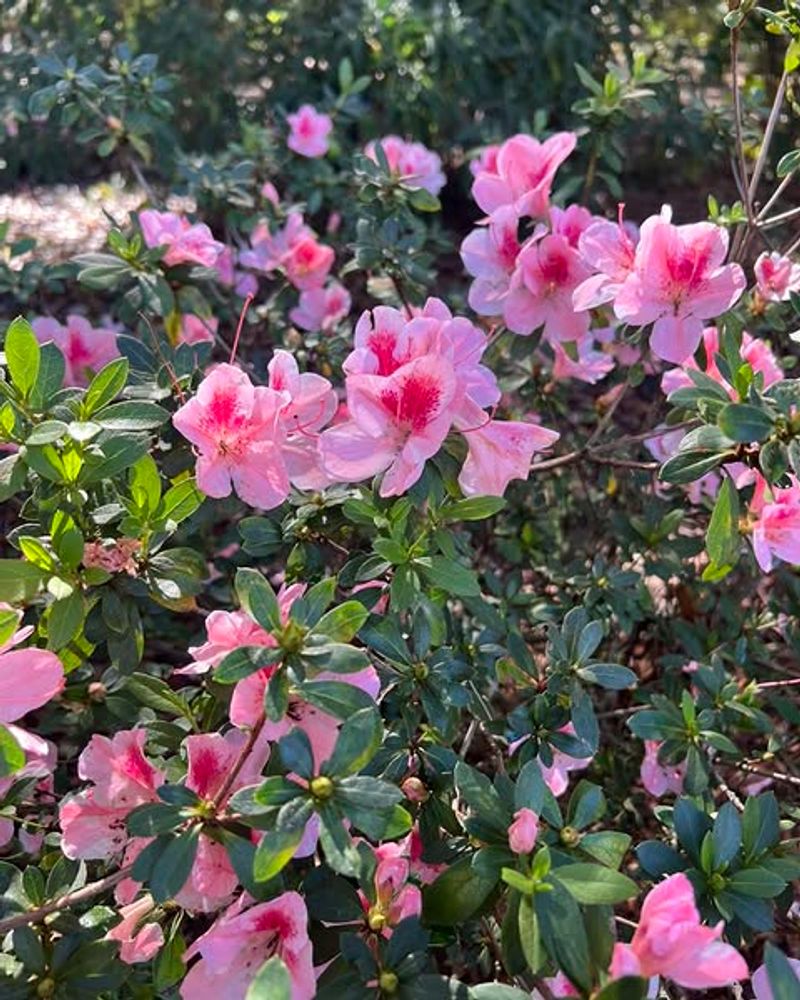
Azaleas are one of the most beloved shrubs in the region, and their pruning window catches a lot of gardeners off guard. Once summer rolls in, that window is already closing.
Azaleas should be pruned right after they finish blooming in spring, typically by late May at the latest. By July, most azaleas have already begun forming buds for next spring.
Cutting into the plant now removes those buds and results in a bloom-free spring.
Even a light trim in July can set back bloom production on a plant that was otherwise on track for a great show. Unless a branch is broken or clearly unhealthy, leave azaleas completely alone from midsummer through winter.
Overgrown azaleas that need serious reshaping should be pruned immediately after flowering. If renovation pruning is necessary, it can be done in late winter, but expect reduced flowering that season.
Azaleas in Georgia benefit from good drainage and acidic soil.
If yours look pale or yellowish in summer, the issue is likely soil pH rather than a need for pruning.
A soil test can confirm whether an acidifying amendment like sulfur or an acid-forming fertilizer would help. Fixing the root cause matters far more than any trimming decision during the hottest months.
8. Let Crape Myrtles Grow Without A Summer Trim
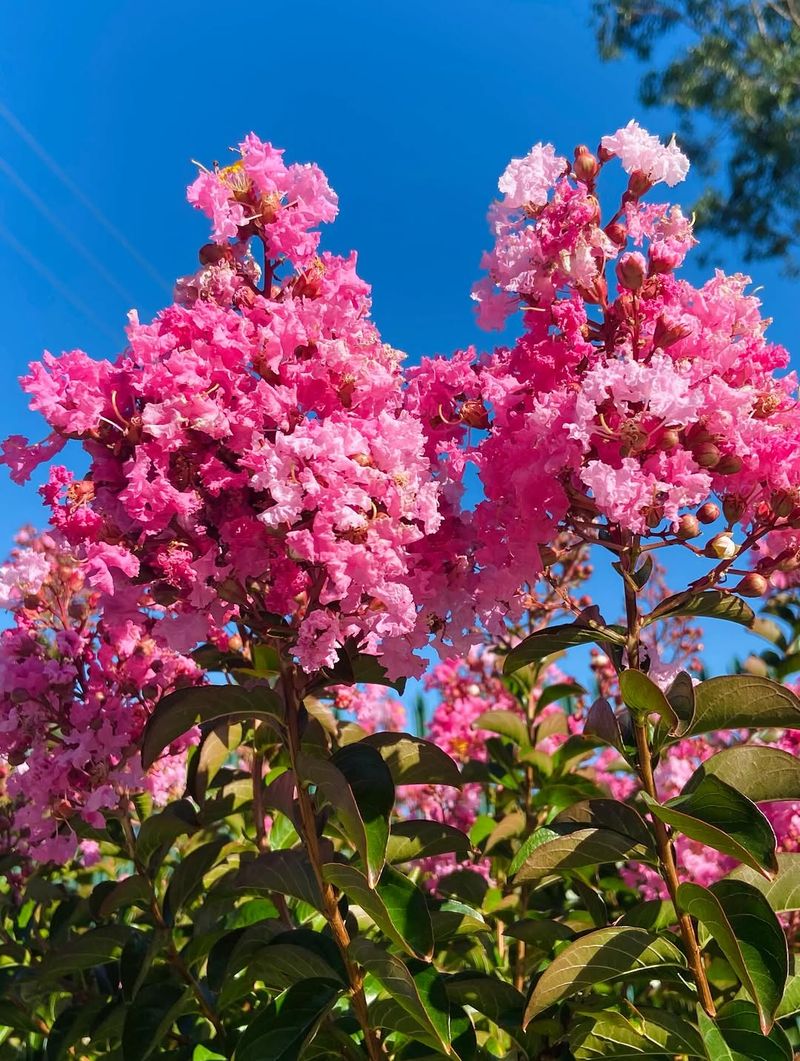
Crape myrtles are blooming right now, and that is exactly why July is not the time to cut them. Pruning during active bloom interrupts the whole show.
Crape myrtles bloom on new growth produced earlier in the season. By midsummer, those flower clusters are at peak color and the plant is doing exactly what it is supposed to do.
Cutting it back now shortens the bloom period without offering any real benefit.
The bigger concern is a practice called crape murder, which involves heavy topping that leaves ugly knobby stubs at the top of each trunk. Avoid this at any time of year.
It weakens the structure, encourages crowded regrowth, and reduces the natural elegance of a well-grown crape myrtle.
If cleanup is needed, wait until late winter before new growth begins.
At that point, removing crossing branches, low suckers, and any damaged wood is completely appropriate.
Light shaping at that stage keeps the tree looking clean without harming its bloom potential.
Crape myrtles are remarkably heat-tolerant and actually prefer the intense summers common across the South. They need full sun and good drainage more than any pruning intervention.
A healthy crape myrtle left to grow on its own schedule will outperform a repeatedly topped one every single time.
Allow the blooms to finish their full cycle before doing any pruning, so the tree keeps its natural shape and full seasonal display.