Why Florida HOAs Are Quietly Dropping Restrictions On Native Plants In 2026
Florida HOAs and native plants have had a tense relationship for a long time. Anything that did not look like traditional landscaping got flagged, cited, or removed.
Ecological value did not always factor into it. Neither did alignment with state water and conservation goals.
That dynamic is continuing to shift in 2026 as more homeowners and HOA boards pay attention to existing Florida-Friendly Landscaping protections.
State law, water-conservation priorities, and homeowner pushback are pushing some HOA boards to take a harder look at outdated landscaping rules.
Native and Florida-Friendly plantings that might have triggered a violation letter two years ago are now being allowed in more communities. In some places, they are even being encouraged.
The change is not uniform and not complete. Some HOAs are ahead of it.
Others are still catching up. A few have not moved at all.
But the direction is clear. Blanket restrictions are getting harder to defend, and Florida homeowners who wanted to go native but held back now have more room to move than they did last season.
1. Follow The Law Before The Lawn Rules
A lot of HOA boards are discovering a problem hiding in their old rulebooks. Florida Statute 720.3075 is clear: HOA governing documents cannot prohibit, or be enforced in a way that prohibits, Florida-Friendly Landscaping.
That is not a suggestion. It is state law, and it applies to communities governed by Chapter 720 of the Florida Statutes.
However, this does not mean homeowners can plant anything they want without any oversight. HOAs may still use reasonable approval processes, design standards, and review procedures.
The key word is reasonable. Rules that function as a total ban on Florida-Friendly Landscaping cross a legal line, and native plants often qualify when they are site-appropriate and part of a maintained landscape.
Many HOA boards are now reviewing covenants written years ago when turf-heavy yards were the only accepted standard. Some of those documents include blanket bans on groundcovers, reduced lawn areas, or plants that are not traditional turf grass.
Boards that ignore this mismatch between old rules and current law are creating real risk for the community. Updating documents before a dispute arises is smarter than defending an outdated rule in front of a mediator.
Legal awareness is the first step toward fair, enforceable landscaping standards that work for everyone.
2. Put Florida-Friendly Landscaping First
Florida-Friendly Landscaping is not just a trendy phrase. It is a science-based approach developed by the University of Florida Institute of Food and Agricultural Sciences, better known as UF/IFAS.
The program focuses on nine core principles that guide homeowners toward smarter, lower-impact landscape choices.
Those principles include watering efficiently, fertilizing appropriately, mulching around plants, and protecting the waterfront. They also include reducing stormwater runoff, recycling yard waste, and reducing pesticide use.
Proper plant selection is also a central part of the approach. That means choosing plants suited to the specific site, whether native or non-native, as long as they are not invasive and match the local conditions.
A common misunderstanding is that Florida-Friendly Landscaping means letting a yard go wild. That is not accurate.
Your Florida Garden Changes Every Week. Your Plan Should Too.
Gardening in Florida changes quickly throughout the season. Every Friday you’ll receive a simple weekly plan showing exactly what to plant, prune, fertilize, harvest, and protect so you never miss the right timing.
UF/IFAS guidance emphasizes maintained, intentional landscapes that conserve water and support local ecosystems without creating eyesores. Mulched beds, defined plant borders, and efficient irrigation systems are all part of the picture.
Homeowners who follow this approach tend to spend less on water, reduce chemical inputs, and still maintain yards that look clean and cared for. For HOAs, recognizing this approach as lawful and beneficial makes the most sense.
3. Replace Blanket Bans With Smarter Standards
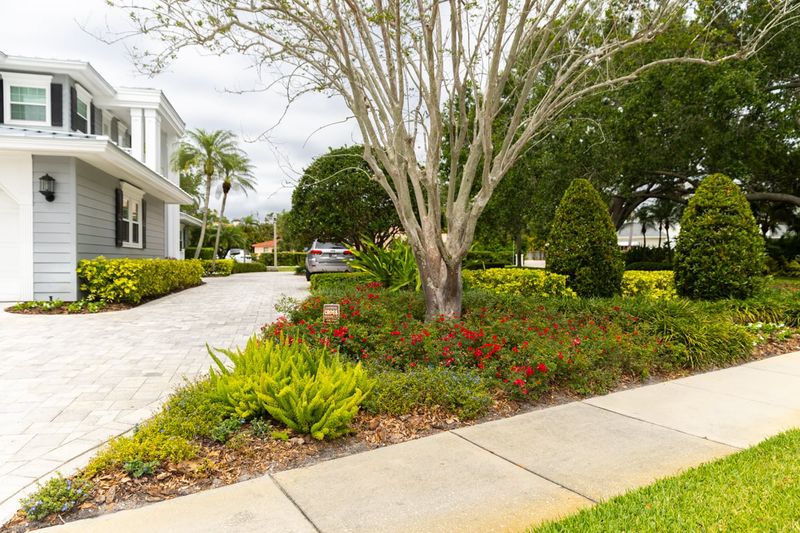
Broad rules that ban native plants, restrict meadow-style planting, or require a minimum percentage of traditional turf grass are becoming harder to defend.
Some of those rules were written decades ago when water bills were low and nobody worried much about drought or runoff.
Times have changed, and the rules need to catch up.
HOAs do not have to abandon standards to stay on the right side of state law. The smarter move is replacing vague, sweeping bans with specific, practical guidelines.
For example, a rule requiring maintained edges along sidewalks and driveways is reasonable. A turf-only front yard rule may be hard to defend.
That is especially true if it blocks Florida-Friendly alternatives protected by state law.
Practical standards might include controlled plant height near sidewalks, visible and clear walkways, and defined bed edges. They can also include proper setbacks from property lines and expectations for regular upkeep.
These kinds of rules protect neighborhood appearance without blocking lawful landscaping choices.
Communities that make this shift find that they can still hold homeowners to a high standard while giving them flexibility to choose plants that suit their site.
Smarter standards serve everyone better than outdated blanket bans.
4. Protect Curb Appeal Without Banning Native Plants
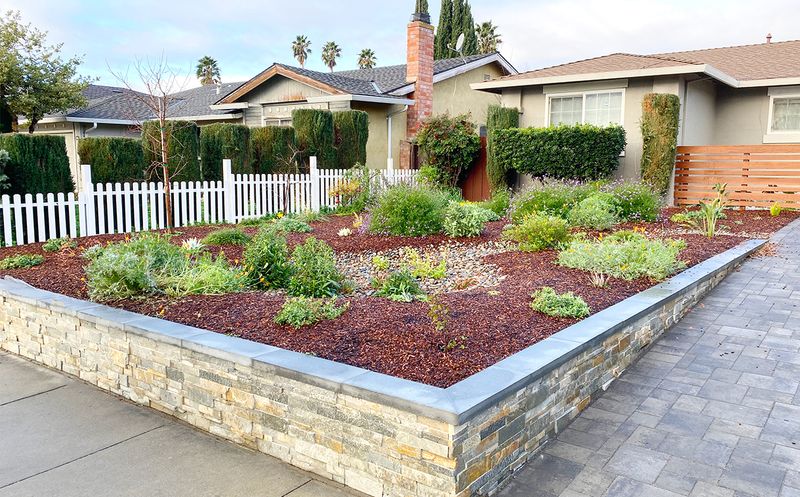
One of the biggest worries HOA boards express about native or Florida-Friendly yards is curb appeal. The fear is that allowing native plants means accepting overgrown, messy-looking front yards that bring down property values.
That concern is understandable, but it is not well-founded when homeowners design their landscapes with intention.
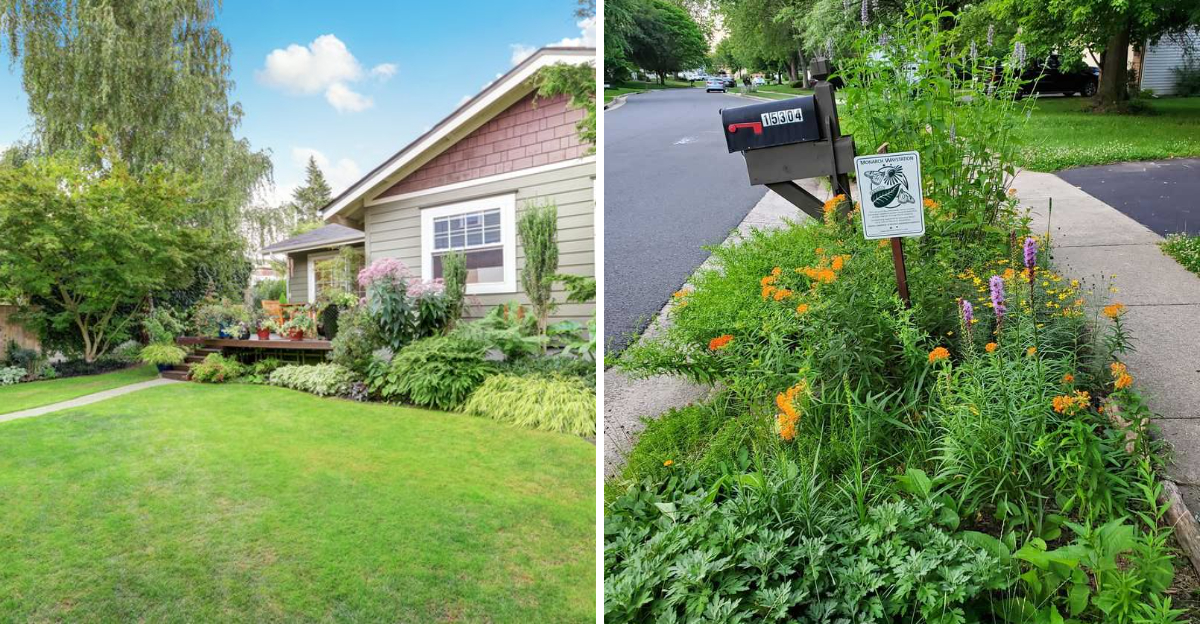
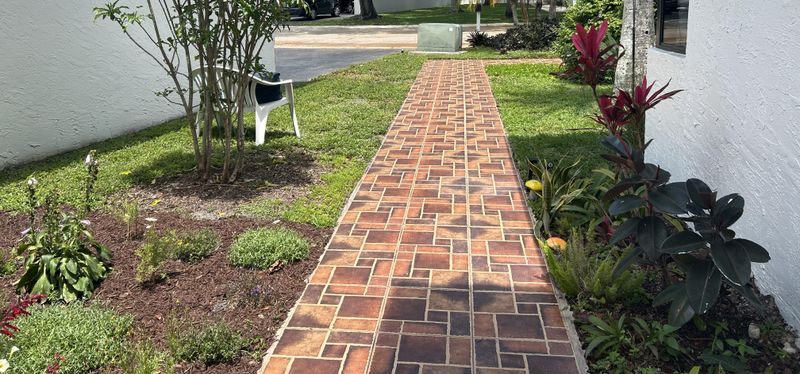
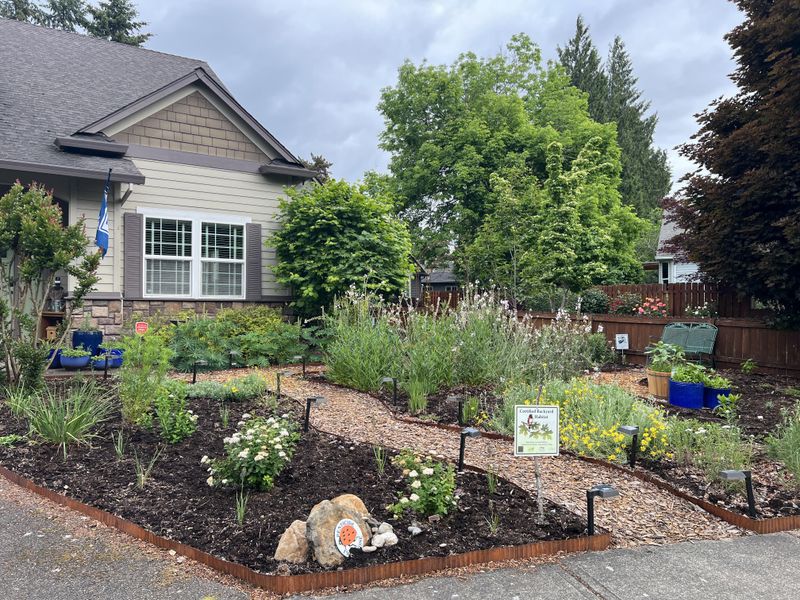
Native and Florida-Friendly yards can look polished, colorful, and well-kept. Layered planting, where groundcovers anchor the base, mid-sized shrubs fill the middle, and taller accent plants create structure, produces a finished look.
Clean bed edges, visible mulch, maintained pathways, and seasonal blooms all contribute to a yard that looks cared for rather than abandoned.
Coastal areas of the state often see salt-tolerant native plants used in tidy, attractive front yards that hold up better than turf during dry spells.
Inland neighborhoods have successfully used native grasses, wildflowers, and low-water shrubs in ways that neighbors actually admire.
HOAs can focus their standards on maintenance expectations, clear borders, and intentional design. That protects the neighborhood’s visual appeal without banning the plants that make landscapes more resilient.
A well-designed native yard is an asset, not a liability.
5. Use The Right Plant In The Right Place
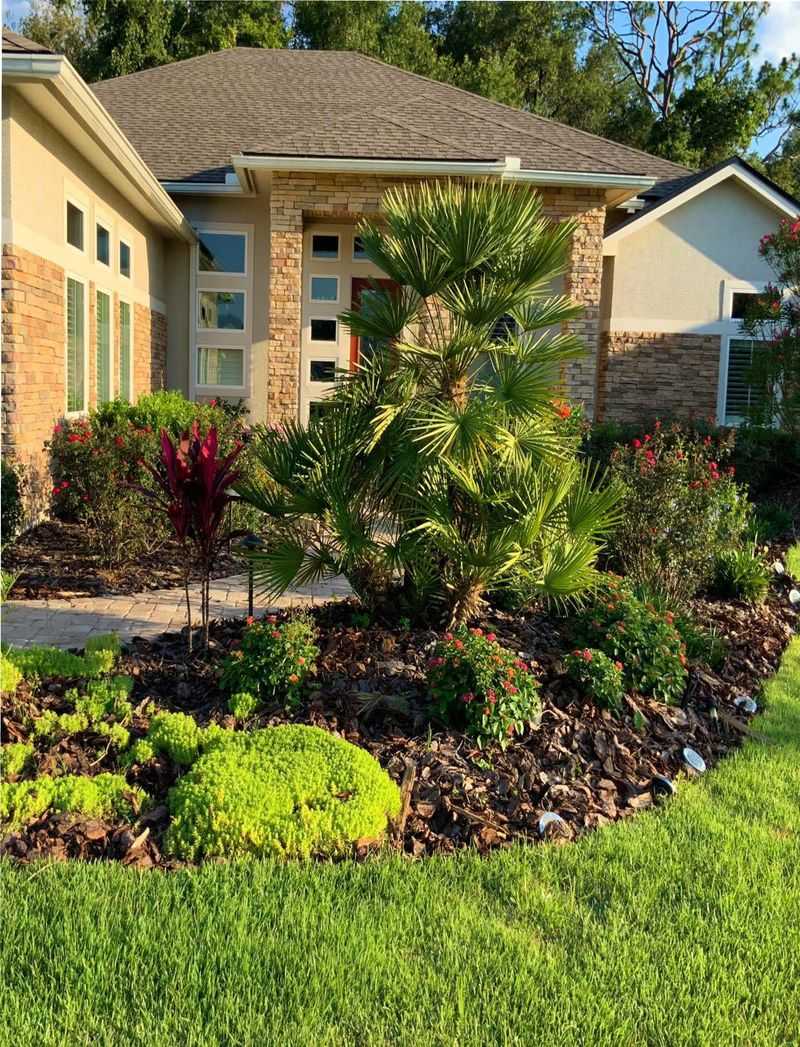
Matching a plant to its location is one of the most practical landscaping principles UF/IFAS promotes. A plant that thrives in one yard may struggle or spread aggressively in another, even within the same neighborhood.
Sun exposure, shade patterns, soil type, drainage, salt exposure, and wind all shape which plants will succeed on a given site.
Homeowners in coastal communities face different conditions than those in central or inland areas. A plant that handles sandy, well-drained soil in one region may fail in the heavy clay or poorly draining conditions found elsewhere in the state.
Mature plant size matters too. A shrub that looks small at the nursery may eventually block a sightline or crowd a walkway if spacing is not planned carefully.
Before submitting a landscape plan to an HOA for approval, homeowners benefit from building a clear plant list. It should include the mature height, water needs, sun requirements, and expected spacing for each plant.
This kind of preparation shows the HOA review committee that the plan is intentional and site-appropriate. Many county UF/IFAS Extension offices offer Florida-Friendly Landscaping resources, plant-selection information, or local guidance.
Using those resources before planting saves time, money, and avoids landscaping problems down the road.
6. Keep Approval Rules Without Blocking Better Landscapes
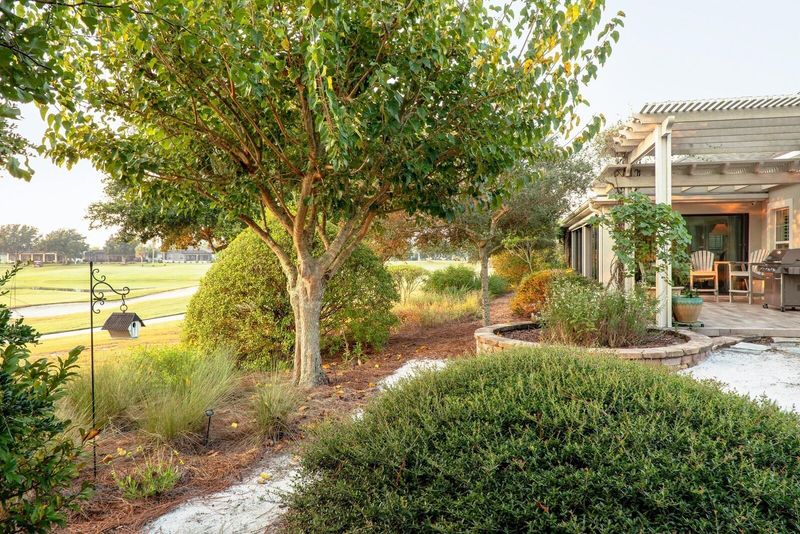
HOA approval processes are not going away, and they should not. A structured review system helps communities maintain consistent standards and gives homeowners a clear path to getting their plans approved.
The issue arises when approval rules become so burdensome that they effectively block lawful landscaping choices.
Vague criteria, long wait times, expensive submission requirements, and inconsistent enforcement can all make an approval process feel like a wall rather than a door.
When homeowners cannot get a clear answer about what is acceptable, they either give up on their plans or proceed without approval and face fines.
Neither outcome serves the community well.
A reasonable approval process for landscaping might include a simple application form, a basic site sketch, and a plant list with species names. It can also include a review timeline of two to four weeks.
Standards should be written clearly enough that homeowners can understand what is expected before they submit. Boards should also train architectural review committee members on Florida-Friendly Landscaping basics so reviews are consistent and fair.
UF/IFAS offers resources specifically for HOA boards and review committees. Using those tools helps communities build approval processes that work for both the board and the homeowner without creating unnecessary barriers.
7. Shift From Prohibition To Practical Approval
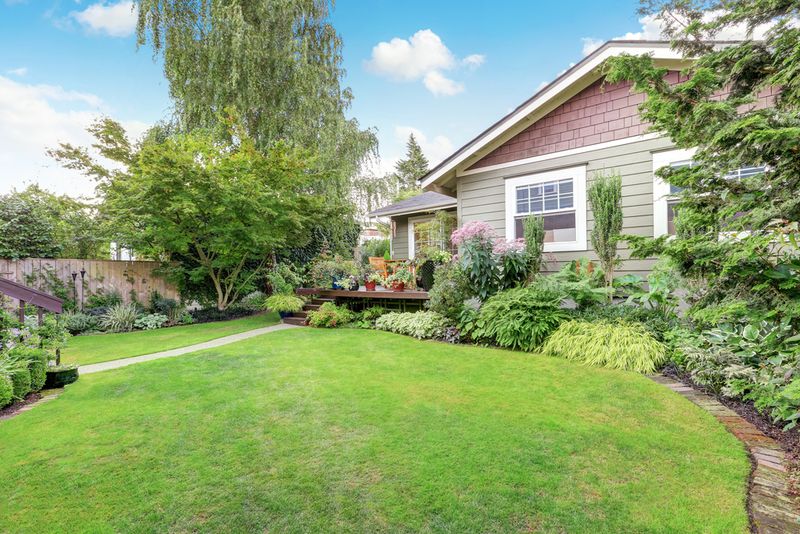
Many HOA boards are moving away from a reflexive “no” when it comes to non-traditional landscaping. The shift is not about lowering standards.
It is about creating approval pathways that actually work and that hold up under legal scrutiny.
Boards that want to make this transition can start by reviewing their current governing documents for language that conflicts with Florida Statute 720.3075.
Any provision that functions as a blanket ban on Florida-Friendly Landscaping should be flagged for revision.
From there, boards can create recommended plant lists. These can include native and site-appropriate options, along with clear maintenance expectations.
Allowing turf reduction, for example, does not mean accepting overgrown yards. It means permitting homeowners to replace some lawn area with mulched beds, groundcovers, or native plantings that require less water and upkeep.
Boards can set expectations for how those areas should look, how often they should be maintained, and what the review process involves.
UF/IFAS has published guidance documents specifically designed to help HOAs and architectural review committees understand Florida-Friendly Landscaping.
Using those materials to educate the board and the review committee makes the entire process more consistent, fair, and legally sound.
8. Drop Outdated Bans And Keep Reasonable Guidelines
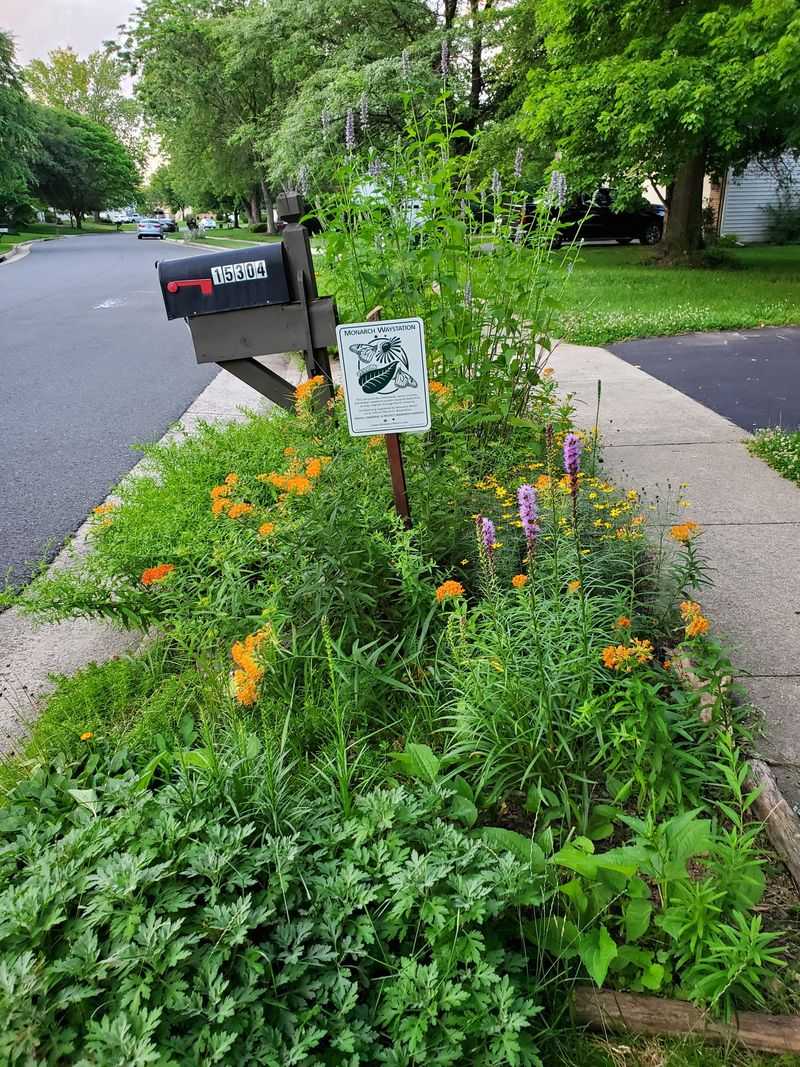
The goal for HOAs in 2026 is not to abandon all landscape oversight. It is to modernize the rules so they reflect current law, support water conservation, and still protect the neighborhood’s appearance.
Communities that strike that balance are better positioned legally and practically.
Turf-only front yard rules, groundcover bans, and limits on lawn reduction should be reviewed. If they prevent Florida-Friendly Landscaping, they should be revised.
Replacing that language with clear, measurable standards gives homeowners a fair framework and gives the board a defensible set of rules to enforce.
Fair enforcement means applying the same standards to every homeowner, regardless of plant choices.
Clear communication also matters. When homeowners understand what the rules require, why those rules exist, and how to get a landscape plan approved, disputes drop significantly.
Posting updated guidelines, offering a simple FAQ about Florida-Friendly Landscaping, and responding to homeowner questions promptly all build trust within the community.
The communities that are getting this right are not choosing between beautiful neighborhoods and sustainable landscapes.
They are proving that both goals can coexist. Dropping what no longer works and keeping what still does is not a retreat.
It is responsible, forward-thinking community leadership.