July’s Best Tennessee Harvest Starts With Feeding These Vegetables Smart
Tennessee summers hit like a switch flips overnight, one day mild, the next extended heat that lasts well into fall.
One week you’re coaxing a shovel through clay soil that cracks like old pottery, the next you’re wading through air so thick it feels like breathing through a wet towel.
Your tomatoes know it. Your peppers know it. And whether they push out a wheelbarrow of produce or just a handful of sad, stunted fruit depends on what’s happening beneath the soil line.
Most gardeners water faithfully, weed diligently, then wonder why their plants stall out right when the heat peaks. The missing piece is almost always nutrition, not effort.
Tennessee’s growing season rewards gardeners who feed strategically, matching the right nutrients to each stage of growth instead of tossing down the same fertilizer all season and hoping for the best.
Get the timing and the mix right, and your beds can pump out vegetables well past what neighbors expect from a backyard plot. This is where that transformation starts.
1. Tomatoes
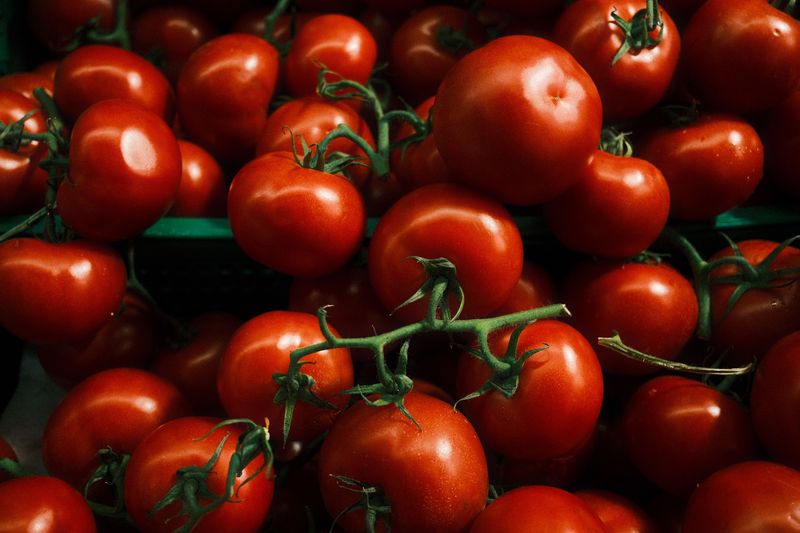
Nothing beats a sun-warmed tomato pulled straight from the vine in July. Tennessee summers push tomatoes hard, and what you feed them now determines what ends up on your table.
Tomatoes are heavy feeders, meaning they pull nutrients from soil fast. A balanced fertilizer with nitrogen, phosphorus, and potassium keeps plants strong through the heat.
Switch to a low-nitrogen, higher-potassium blend once flowers appear. Too much nitrogen at this stage pushes leafy growth instead of fruit production, while potassium supports better fruit development.
Calcium is often overlooked, but it plays a role in preventing blossom end rot. A calcium spray, combined with consistent watering, helps prevent blossom end rot symptoms from developing.
Deep watering every two to three days beats shallow daily watering every time. Roots chase moisture downward, building a stronger, more drought-resistant plant overall.
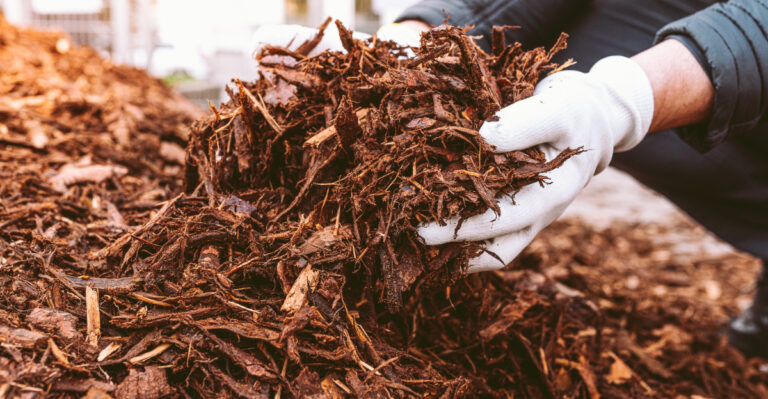
Mulching around the base with straw or wood chips locks in soil moisture beautifully. It also keeps soil temperature steady during those brutal Tennessee afternoon heat spikes.
Feeding every ten days with a liquid tomato fertilizer gives consistent results. Consistency beats one heavy feeding followed by weeks of neglect in every gardening scenario imaginable.
Watch for yellowing lower leaves as a sign of nitrogen deficiency. Catching that early means you can correct the problem before yield drops significantly.
Your Tennessee tomato harvest this July depends largely on the nutrition you provide now. Feed them well, and they will reward you generously all season long.
2. Peppers (Bell And Hot)
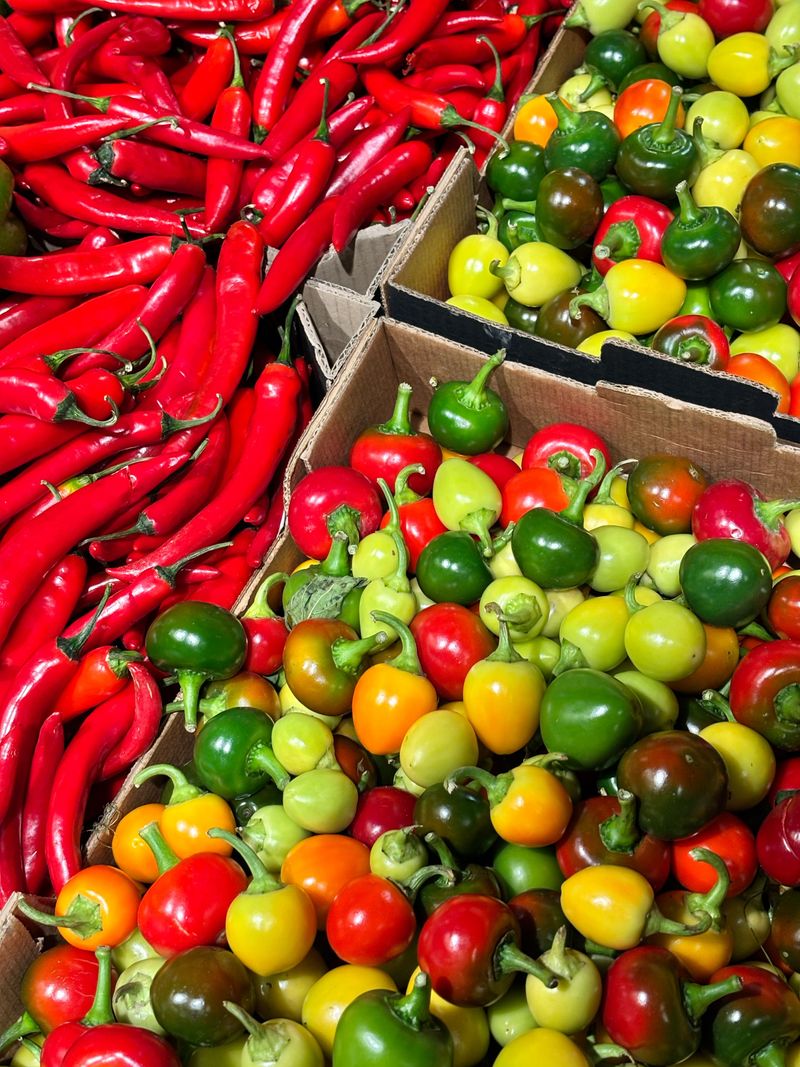
Peppers are quiet achievers in the July garden, but they have strong opinions about nutrition. Get their feeding schedule right, and both bell and hot varieties produce more heavily, with better color and flavor.
Phosphorus supports strong early root development, giving plants the foundation they need before fruiting begins.
Once flowering starts, potassium becomes the more important nutrient, supporting fruit development and translating into more peppers per plant by late summer.
Your Tennessee Garden Changes Every Week. Your Plan Should Too.
Gardening in Tennessee changes quickly throughout the season. Every Friday you’ll receive a simple weekly plan showing exactly what to plant, prune, fertilize, harvest, and protect so you never miss the right timing.
Avoid heavy nitrogen applications after plants are established and flowering. Too much nitrogen makes gorgeous, bushy plants that produce almost no fruit worth harvesting.
A fertilizer ratio with lower nitrogen and higher potassium works well for peppers in peak summer. That lower nitrogen number keeps plants focused on producing pods rather than growing extra foliage.
Hot peppers actually benefit from a little stress during fruiting. Slightly reducing water once fruit sets encourages higher capsaicin levels, making your jalapeños and cayennes noticeably spicier.
Magnesium deficiency shows up as yellowing between leaf veins on pepper plants. A diluted Epsom salt solution can help correct confirmed magnesium deficiency, though a soil test is the best way to verify the cause before applying it.
Foliar feeding with a diluted liquid fertilizer in the early morning works wonders. Leaves absorb nutrients quickly, giving plants a fast boost without waiting for roots to process everything.
Bell peppers need consistent moisture to prevent blossom drop in July heat. Irregular watering combined with poor feeding causes flowers to fall before they ever set fruit.
Feeding peppers on a steady schedule keeps July’s biggest harvest within reach. A well-fed pepper plant in Tennessee summer is a genuinely beautiful, productive sight.
3. Cucumbers
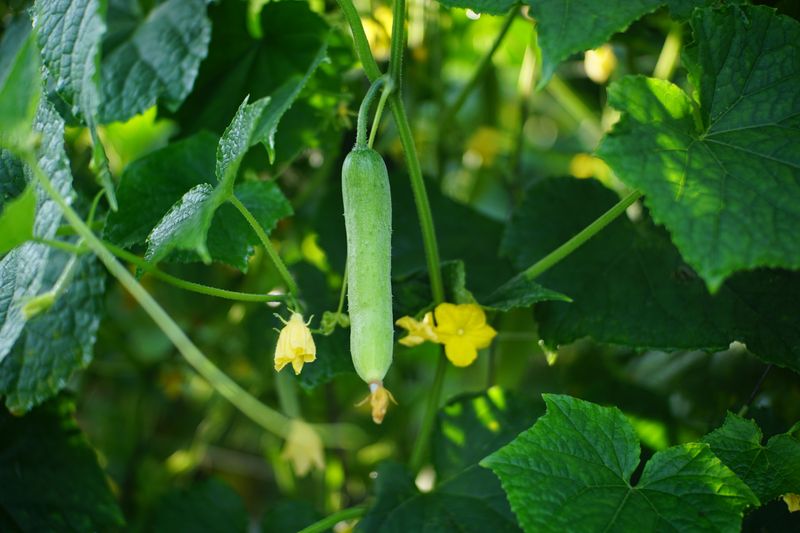
Cucumbers grow so fast in July that you can almost watch them change daily. That rapid growth demands consistent feeding, or production slows down right when the harvest should peak.
Nitrogen fuels the early vine and leaf development cucumbers need to climb and spread. Without it, plants stay small and weak before they ever get a chance to fruit.
Once flowering begins, shift your fertilizer focus toward potassium. It plays the leading role in developing strong fruit cell walls and vibrant flavor profiles, while phosphorus needs taper off after root establishment.
Cucumbers are about 96 percent water, which means their watering and feeding schedules are tightly linked. Feeding a dry plant locks nutrients in the soil where roots cannot access them.
A drip irrigation system paired with a liquid fertilizer injector makes feeding incredibly efficient. Plants get a steady, gentle nutrient supply directly at the root zone every single day.
Bitter cucumbers are often a sign of irregular feeding or moisture stress. Consistent nutrition keeps those sugars balanced and bitterness from developing in the flesh.
Trellising cucumbers improves airflow and sun exposure, which actually improves their nutrient uptake efficiency. A well-supported vine absorbs and uses fertilizer more effectively than a sprawling ground plant.
Side-dressing with compost every two weeks adds slow-release nutrients between liquid feedings. That combination of fast and slow nutrition keeps cucumbers producing without dramatic peaks and valleys.
July’s biggest harvest from your cucumber vines starts with feeding them on schedule. Miss a feeding cycle, and production drops faster than you expect.
4. Squash (Summer Squash And Zucchini)
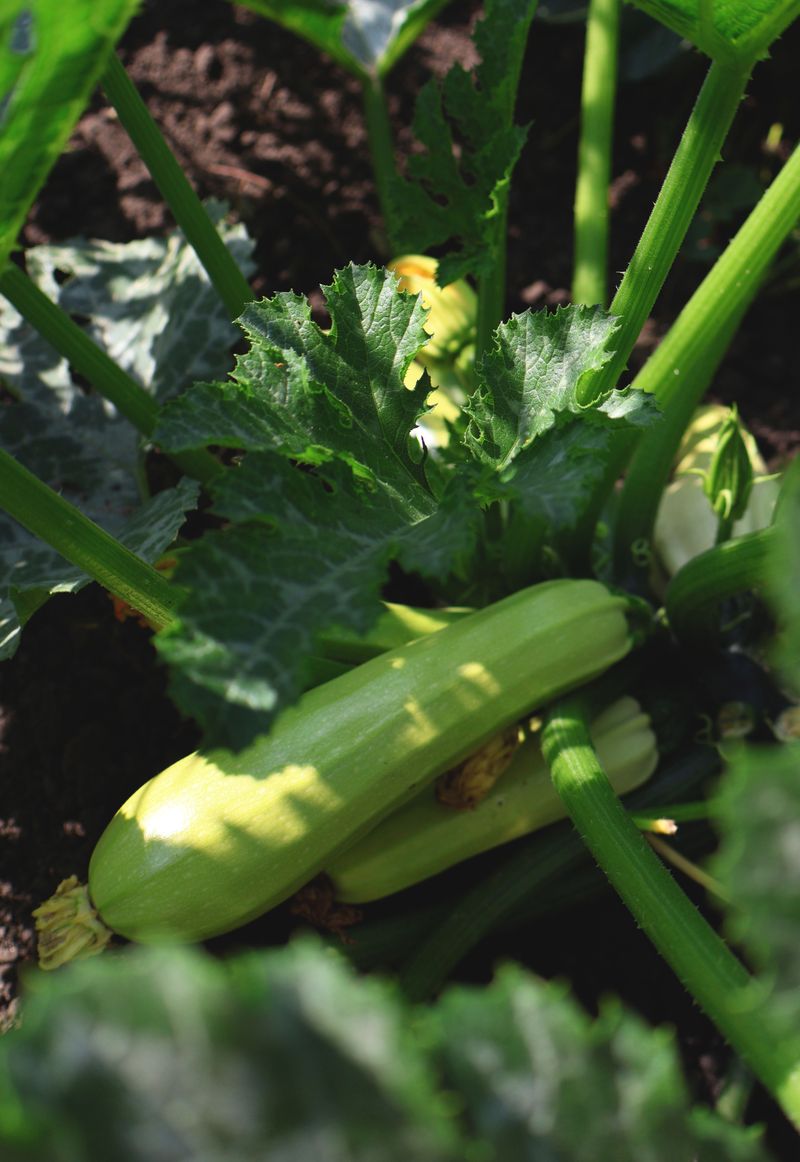
Zucchini has a legendary reputation for producing more than any gardener ever planned for. But even the most prolific squash plant needs proper feeding to stay productive through July’s relentless heat.
Summer squash and zucchini are both fast-growing and nutrient-hungry from the moment they sprout. Starting with a rich, compost-amended bed gives them the foundation they need before any fertilizer is applied.
Nitrogen drives the explosive early growth that squash is famous for producing. Apply a balanced granular fertilizer at planting, then follow up with a liquid boost every ten days.
Potassium becomes critical once fruit begins forming on the vines. It regulates water movement inside the plant and helps squash develop firm, flavorful flesh rather than watery, bland results.
Powdery mildew loves squash leaves in humid Tennessee summers. Keeping plants well-fed with adequate potassium actually strengthens leaf tissue and improves resistance to fungal pressure.
Harvest squash frequently to keep plants producing new fruit continuously. A zucchini left on the vine too long signals the plant to slow down new fruit production dramatically.
Boron deficiency causes hollow stems and poor fruit set in squash plants. A trace mineral supplement added to your fertilizer routine helps prevent this less-discussed but surprisingly common problem.
Companion planting squash with nasturtiums deters squash vine borers naturally. Healthy, well-fed plants also recover faster from minor pest damage than nutrient-starved ones ever could.
Feed your squash consistently, harvest aggressively, and July becomes your most rewarding garden month. There is nothing quite like a basket overflowing with fresh summer squash.
5. Green Beans
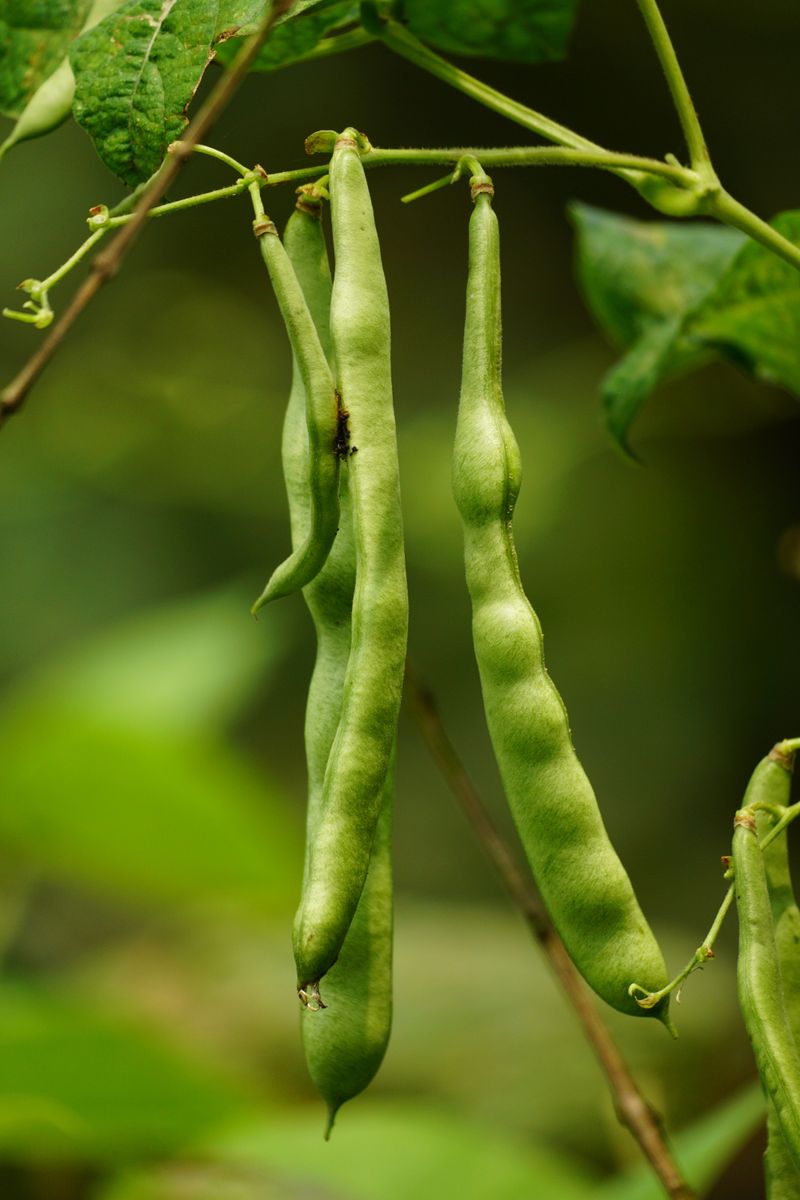
Green beans are one of the most satisfying crops to grow in a Tennessee summer garden. Pick them young and tender, and there is nothing better fresh off the vine for a summer dinner.
Unlike heavy feeders, green beans fix their own nitrogen through root bacteria called rhizobia. This means over-fertilizing with nitrogen actually backfires and reduces pod production significantly.
A light application of phosphorus and potassium at planting sets green beans up for success. After that, less is more when it comes to synthetic fertilizer throughout the growing season.
Compost tea makes an excellent gentle feeding option for green beans mid-season. It delivers trace minerals and beneficial microbes without the nitrogen overload that hinders pod development.
Bush beans and pole beans have slightly different feeding needs worth knowing. Pole beans climbing toward sunlight appreciate a light potassium boost to support strong stem and tendril development.
Consistent moisture matters as much as feeding for green bean quality. Drought stress causes pods to become tough and stringy, no matter how well you have fed the plants.
Yellowing leaves between the veins signal a manganese or iron deficiency in green beans. A chelated micronutrient spray corrects this quickly and gets plants back to healthy production.
Succession planting every two weeks keeps green beans coming all summer long. Each new planting benefits from the soil improvements left behind by the previous round of nitrogen-fixing roots.
Green beans reward restraint and smart soil management above all else. Feed smart, water steady, and your harvest baskets will overflow by midsummer.
6. Okra
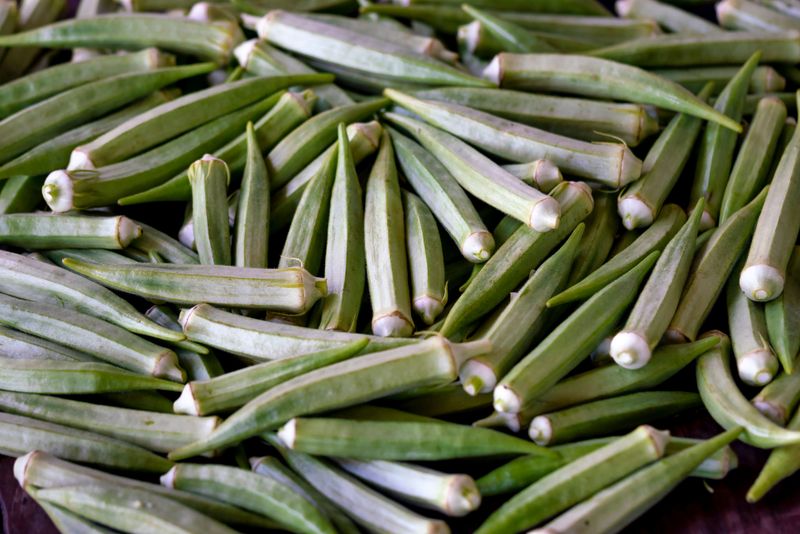
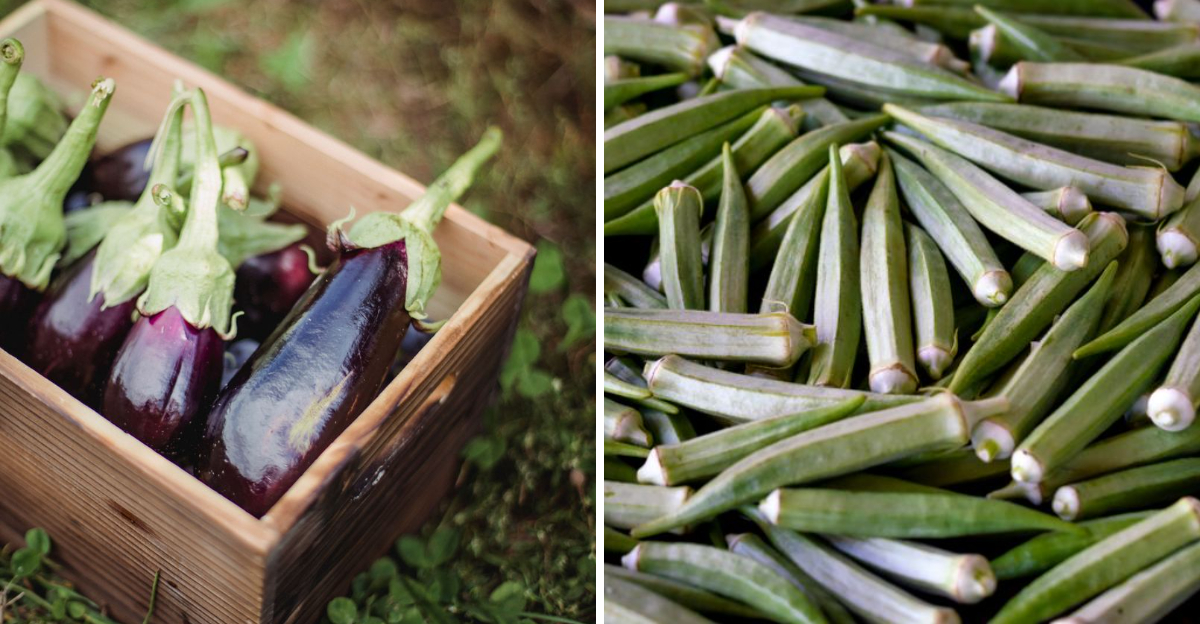
Okra thrives where other vegetables struggle with the heat. In Tennessee’s intense July heat, okra tolerates these conditions far better than most other garden vegetables.
Native to Africa, okra evolved in hot, dry conditions that would stress most garden vegetables. That history means it handles Tennessee summers better than almost anything else you can plant.
Nitrogen is important early in the season when okra is establishing its tall, sturdy frame. But once pods start forming, excess nitrogen causes the plant to keep growing up instead of producing fruit.
A balanced 10-10-10 fertilizer applied at planting and again six weeks later covers okra’s basic needs. After that, a light potassium side-dress encourages steady pod production through the hottest months.
Okra pods must be harvested every two to three days without fail. Pods left on the plant become woody and signal the plant to stop producing new ones entirely.
Phosphorus supports the deep, fibrous root system okra develops in warm soil. Strong roots mean the plant accesses water and nutrients more efficiently during dry spells between rainfalls.
A two-inch layer of mulch around okra plants conserves moisture and regulates soil temperature.
Consistent soil conditions help okra maintain steady pod production rather than cycling through feast and famine periods. Wood ash sprinkled lightly around okra adds potassium and raises soil pH.
Some Tennessee soils tend to be more acidic, which can limit okra’s performance, but wood ash should be used sparingly and only based on a soil test, since it raises pH more than many gardeners expect.
Feed okra right, harvest it often, and July becomes its finest hour. This crop is reliably productive for gardeners who stay on top of harvesting and feeding.
7. Sweet Corn
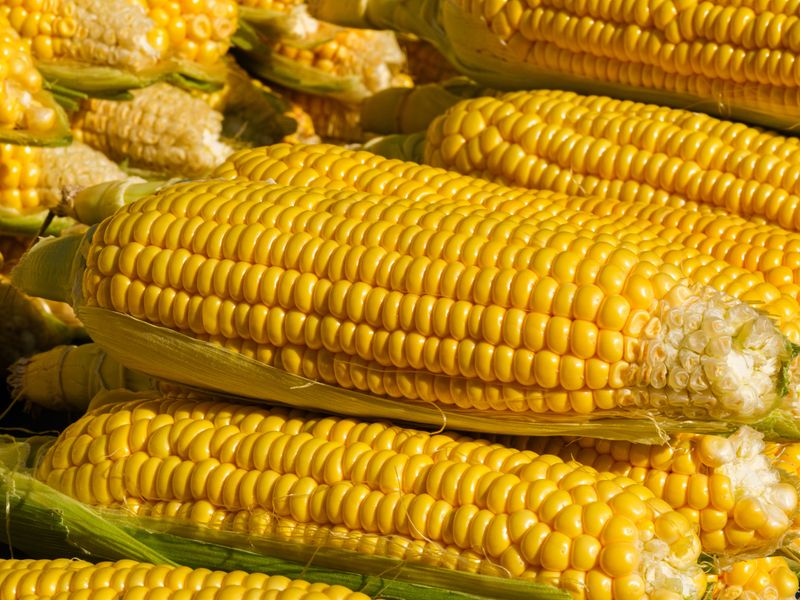
Sweet corn is the crown jewel of the July Tennessee garden, but it demands more feeding than almost any other crop on this list. Get the nutrition right, and those ears are absolutely worth every bit of effort.
Corn is a notoriously heavy nitrogen feeder throughout its entire growing cycle. A side-dress of ammonium nitrate or urea when plants reach knee height dramatically boosts ear development.
The second side-dressing happens when tassels begin to emerge at the top of the stalk. This second nitrogen hit at the right moment is what separates average ears from plump, sweet, full-kernel perfection.
Phosphorus applied at planting encourages strong early root development in corn. Roots that anchor deep early in the season support the tall stalks that carry heavy ears through summer storms.
Potassium improves stalk strength and helps corn resist lodging during July thunderstorms. Tennessee summer storms can flatten under-fed corn before harvest, which is a frustrating loss after months of work.
Zinc deficiency in corn shows up as white or yellow striping on young leaves. A zinc-containing fertilizer or foliar spray addresses this quickly before it stunts ear development.
Corn should be planted in blocks rather than long single rows for proper pollination. Good pollination means full ears, and full ears are the payoff for all that careful feeding work.
Water needs skyrocket during the silking and tasseling stage of corn growth. Feeding without adequate moisture at this critical stage still results in poor kernel fill and disappointing ears.
Sweet corn rewards bold, consistent feeding like few other garden vegetables can. Nail the nutrition, and you set the stage for a strong July harvest right in your own backyard.
8. Eggplant
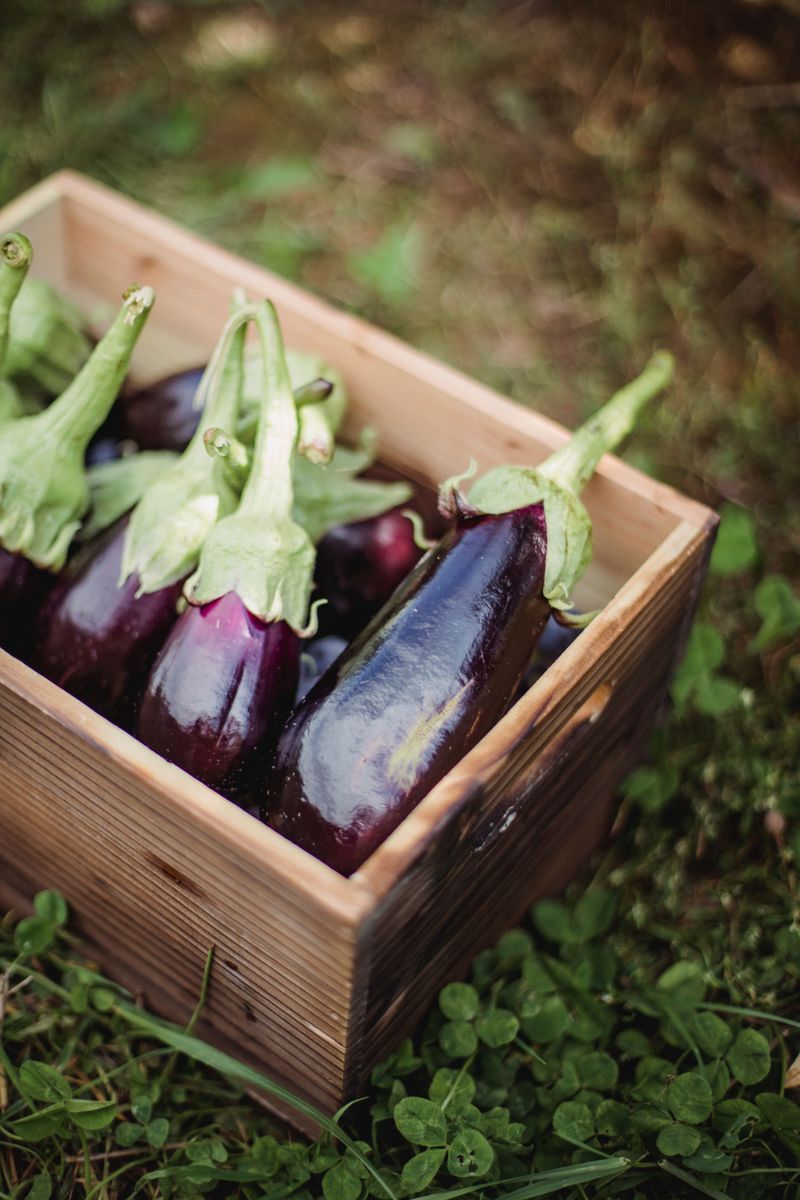
Eggplant is the quiet overachiever of the summer garden that most people underestimate. Give it the right nutrition in July, and it produces glossy, gorgeous fruit that makes any kitchen feel like a restaurant.
Eggplant shares a family with tomatoes and peppers, which means their feeding strategies overlap significantly.
Starting with a phosphorus-rich fertilizer at transplanting builds the strong root system that powers summer production.
Once the plant is established, switch to a balanced fertilizer to support both foliage and fruit. Eggplant needs steady, even nutrition rather than dramatic spikes of one nutrient at a time.
Calcium deficiency is sometimes linked to internal browning in eggplant fruit, though this is less common and less documented than blossom end rot in tomatoes.
Consistent watering remains the most reliable way to prevent fruit quality issues, with calcium amendments as a secondary measure if a soil test confirms a deficiency.
Eggplant loves heat more than almost any other vegetable in the summer lineup. Warm soil temperatures actually improve nutrient uptake, which is one reason July is its absolute peak production month.
Magnesium supports chlorophyll production, keeping eggplant leaves deep green and photosynthetically active.
An Epsom salt drench every three weeks, based on a soil test, keeps magnesium levels steady without over-supplementing other nutrients.
Flea beetles are eggplant’s biggest pest enemy in a Tennessee summer garden. Well-fed plants with strong cell walls recover from minor flea beetle damage far better than nutrient-stressed ones do.
Harvest eggplant when skin is glossy and firm, before seeds inside mature fully. Overripe eggplant becomes bitter and signals the plant to reduce new fruit set for the season.
Feeding eggplant consistently is the foundation of July’s biggest harvest from this crop. Consistent feeding keeps eggplant productive and reliable all season.