The July Fertilizing Mistake That Sets Florida Lawns Back All Summer
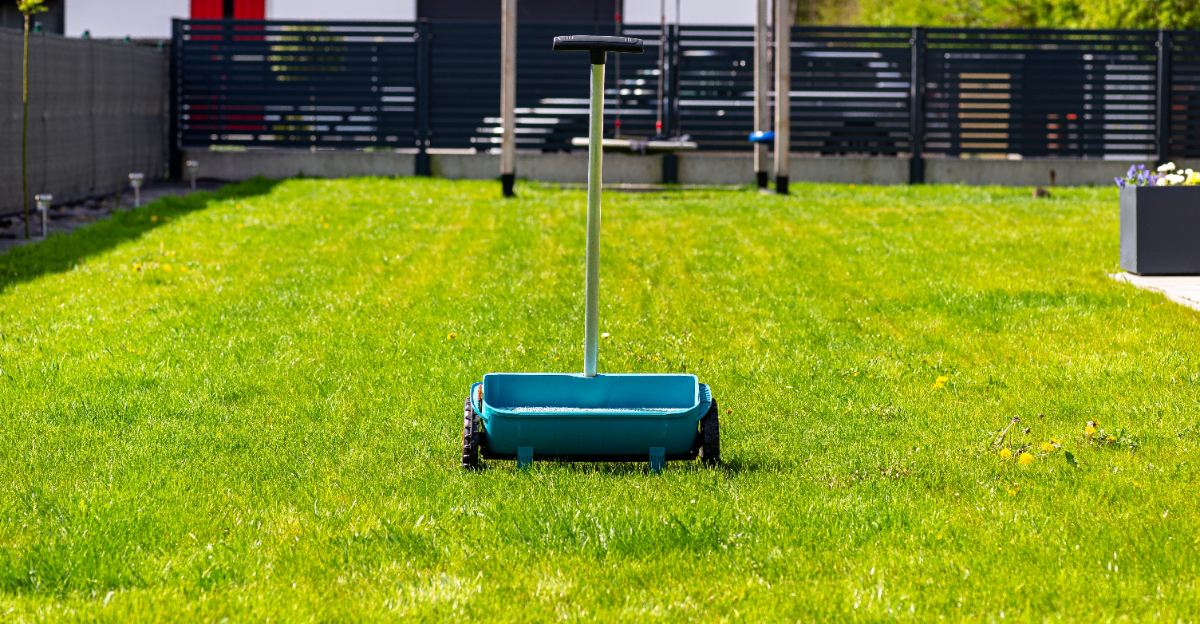
Fertilizing a Florida lawn in July feels like the responsible thing to do. The grass is working hard, the heat is relentless, and adding nutrients seems like exactly the kind of support a struggling lawn needs.
That instinct is costing homeowners healthy lawns every single summer. July fertilizing done the wrong way does not strengthen a Florida lawn.
It stresses it. Pushes new growth at exactly the moment the grass has the least capacity to support it, and sets off a chain of problems that plays out through August and into fall.
The mistake is specific. Not fertilizing in July itself, but how it gets done, what gets applied, and when during the month it happens.
Those details are the difference between a lawn that responds well and one that spends the rest of summer recovering from help it never needed. Most Florida homeowners find out the hard way.
There is no reason to.
1. Stop Fertilizing Before Heavy July Rain
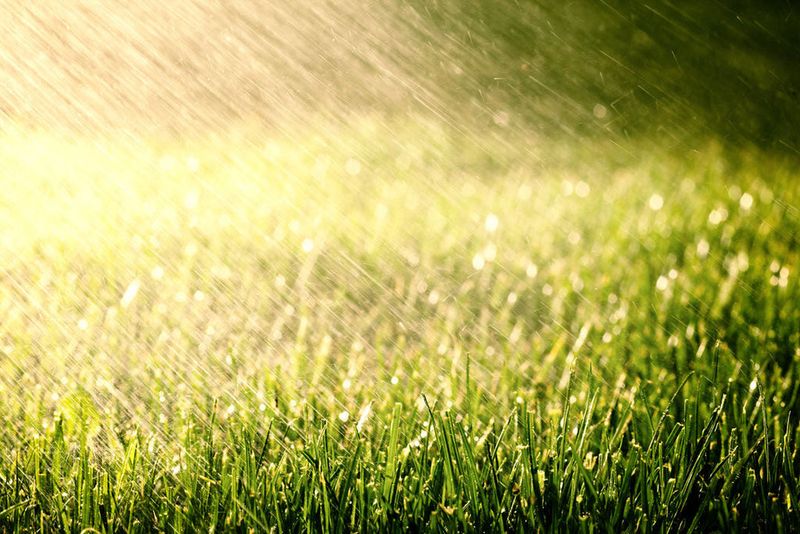
Picture this: you spend a Saturday morning spreading fertilizer across your lawn, feeling good about the effort. By early afternoon, a heavy summer storm drops two inches of rain in under an hour.
That fertilizer you just applied is now washing across the yard, down the driveway, and into the storm drain before your grass ever had a chance to absorb it.
Spreading fertilizer before a heavy July storm is one of the most common and costly mistakes warm-season lawn owners make. The nutrients move with water.
When the soil is already wet or when a downpour arrives shortly after application, granules dissolve and flow away from the root zone where they are actually needed.
UF/IFAS, the University of Florida’s agricultural extension program, recommends avoiding fertilizer applications when heavy rain is expected within 24 hours.
This guidance exists because runoff carries nitrogen and phosphorus toward storm drains, ditches, canals, and local ponds.
That harms water quality and wastes your investment entirely.
The mistake is usually well-intentioned. Homeowners want that quick green color boost, and summer seems like the right time since grass is actively growing.
But applying fertilizer right before a downpour works directly against the lawn. Timing matters more than enthusiasm.
Checking a reliable weather forecast before you spread anything is one of the simplest and most effective steps you can take.
2. Check Local Rules Before Spreading Anything
Not every yard in the Sunshine State plays by the same rules. Fertilizer ordinances can vary significantly from one city to the next, and what is allowed in one neighborhood might be restricted just a few miles away.
Assuming a single statewide rule applies everywhere is one of the easiest ways to end up in violation without even knowing it.
Many local governments have adopted fertilizer ordinances across central, coastal, and southern regions. These ordinances restrict or ban certain fertilizer use during the rainy season.
These blackout periods often run from June through September, the peak of storm season. Some ordinances limit nitrogen content, restrict phosphorus use, and require buffer zones near water bodies.
Your Florida Garden Changes Every Week. Your Plan Should Too.
Gardening in Florida changes quickly throughout the season. Every Friday you’ll receive a simple weekly plan showing exactly what to plant, prune, fertilize, harvest, and protect so you never miss the right timing.
They also set rules about how close to storm drains you can apply product. Before buying a bag of fertilizer or pulling out the spreader, check your city’s official website, your county extension office, and your HOA documents.
Water management districts such as the Southwest Florida Water Management District and the St. Johns River Water Management District also publish guidance that is worth reviewing.
Local extension offices are a reliable and free resource. They can tell you exactly what applies to your area, which products meet local requirements, and what timing works best for your turf type.
A quick phone call or website visit before you spread anything can save you from fines, wasted product, and a lawn that ends up worse off than before.
3. Feed Only When Grass Can Use It
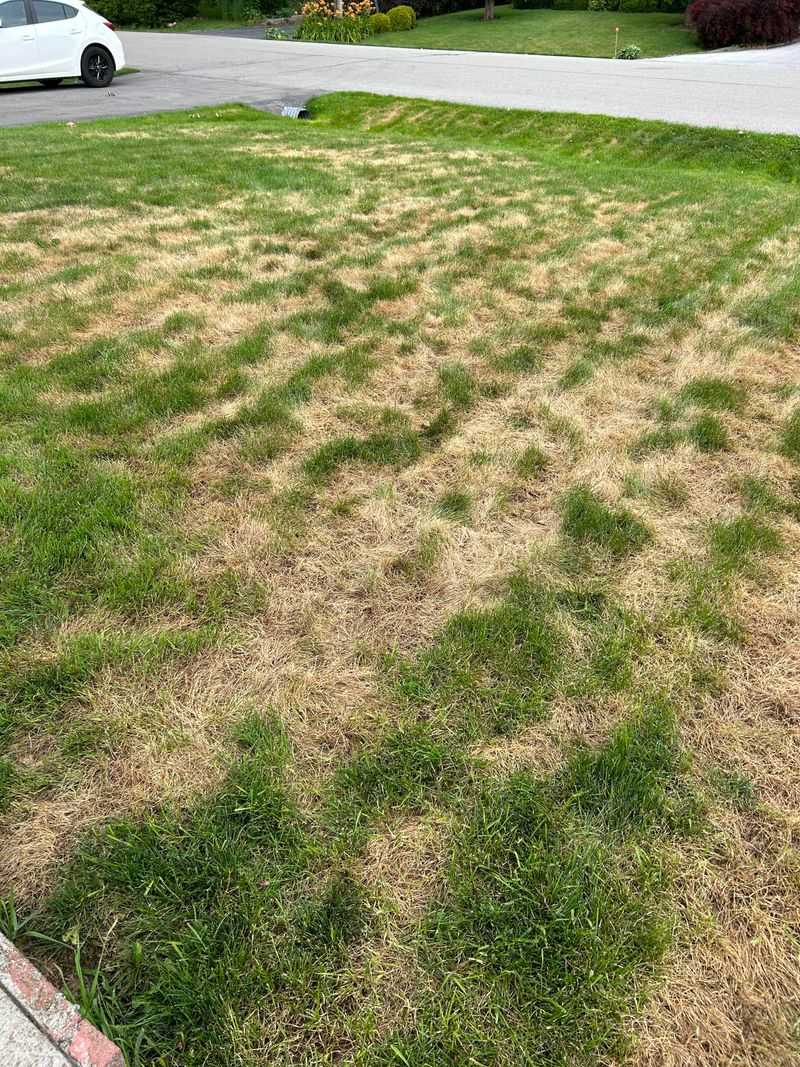
Fertilizer works best when the turf is ready to use it. Spreading nutrients on grass that is flooded, severely drought-stressed, freshly damaged, or showing signs of disease is poorly timed.
It is a little like offering a meal to someone in the middle of a medical emergency. The timing is off, and the body cannot respond the way it should.
Warm-season grasses like St. Augustine, Bermuda, Zoysia, and Bahia are actively growing through the summer, which makes July a reasonable window for feeding, but only when the lawn is in good shape.
Roots need to be healthy and soil moisture needs to be in a reasonable range for nutrients to move into the plant effectively.
When grass is under severe stress from heat, standing water, or disease, the root system is already struggling. Adding fertilizer in that condition does not speed up recovery.
It can actually make things harder by pushing the plant to produce new growth when it does not have the resources to support it.
Walk the lawn before reaching for the fertilizer bag. Look at the color, texture, and overall condition of the grass.
Check for pest activity, brown patches, or signs of fungal disease. If the lawn looks like it needs a rest more than a feeding, hold off and address the underlying problem first.
Extension-style guidance consistently recommends evaluating turf condition before applying any product. That is better than sticking to a rigid calendar schedule regardless of what the grass actually needs.
4. Avoid Pushing Growth In Peak Stress
More fertilizer does not always mean a better lawn, especially in July. Applying too much nitrogen during peak summer heat can push fast, tender new growth at exactly the wrong time.
That soft, rapidly produced grass tissue is more vulnerable to fungal disease, insect pressure, and heat stress than steady, well-established growth.
July in the Sunshine State brings intense heat, high humidity, frequent afternoon storms, and significant pest activity. Chinch bugs, sod webworms, and fungal diseases like gray leaf spot thrive in warm, moist conditions.
A lawn that is being pushed to grow quickly with excess nitrogen becomes an easier target for all of these problems at once.
Heavy nitrogen applications can increase thatch buildup over time and raise mowing frequency demands. They can also put more strain on an irrigation system that is already working hard.
The goal in summer is not to make the lawn grow as fast as possible. The goal is to keep it healthy, stable, and resilient through some of the most demanding conditions of the year.
UF/IFAS and county extension resources consistently advise following the recommended application rates for your specific turf type and region. Product labels are a legal document and should be followed carefully.
Applying extra fertilizer to boost color quickly is not a shortcut. It is a setup for more problems later in the season, including the kind of damage that takes weeks of steady care to correct.
5. Water Fertilizer In The Right Way
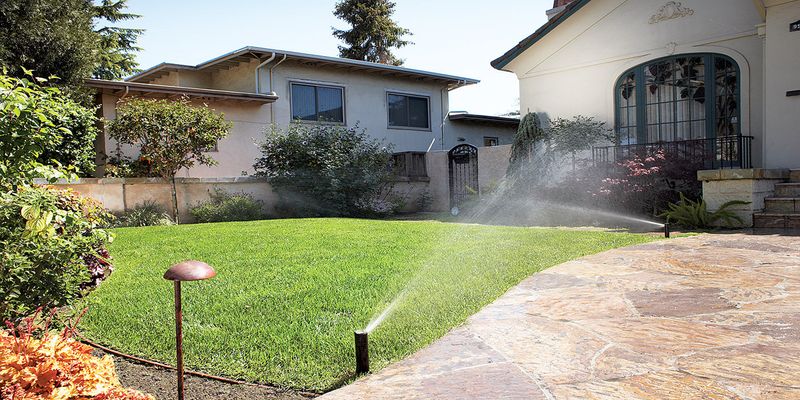
There is an important difference between watering fertilizer in correctly and applying fertilizer right before a downpour.
Some granular fertilizers need a light watering after application to move the granules off the leaf blades and into the soil where roots can reach them.
That is a normal and label-recommended step. A heavy rainstorm is a completely different situation.
When the fertilizer label calls for watering in after application, use a light, controlled irrigation cycle. The goal is to rinse the granules down through the turf canopy without creating runoff or moving nutrients past the root zone.
A short irrigation run of about a quarter inch is typically enough to activate granular products without oversaturating the soil.
Watering too much after fertilizing can push dissolved nutrients downward through the soil profile, past the root zone, and eventually into groundwater. Not watering when the label requires it can leave granules sitting on leaf blades.
That may cause leaf burn and reduce the effectiveness of the application significantly.
Always follow your local watering restrictions as well. Many areas have specific irrigation schedules during the summer months, and watering outside of allowed times can result in fines.
Matching your fertilizer application to a day when your irrigation schedule lines up with the label requirements takes a little planning. It makes the whole process more effective and keeps you on the right side of local rules.
6. Keep Nutrients Away From Stormwater

Fertilizer granules that land on hard surfaces are a direct path to the nearest storm drain. Driveways, sidewalks, patios, curbs, and streets do not absorb anything.
When rain arrives, even a brief afternoon shower, those granules dissolve and flow directly into the stormwater system. That system connects to local ditches, canals, ponds, and coastal waterways.
Sweeping fertilizer off hard surfaces and back onto the lawn right after application is one of the simplest habits in responsible Florida lawn care. It takes about two minutes and makes a real difference in how much nutrient runoff leaves your property.
A stiff broom or a leaf blower set to a low speed both work well for this task.
Spreader calibration matters too. A spreader that is set too wide or loaded too heavily can throw granules onto pavement without the applicator realizing it.
Checking your spreader settings before each use and walking a straight, controlled path along lawn edges helps keep product where it belongs.
Many local fertilizer ordinances also require buffer zones between fertilizer application areas and the edges of water bodies.
These buffer zones, often 10 feet or more depending on local rules, are designed to prevent direct nutrient loading into ponds, lakes, ditches, and canals.
Respecting those zones is not just a legal requirement in many areas. It is a straightforward way to protect the water quality that the whole community shares, including the wildlife that depends on those waterways year-round.
7. Use Slow Release Nitrogen Wisely
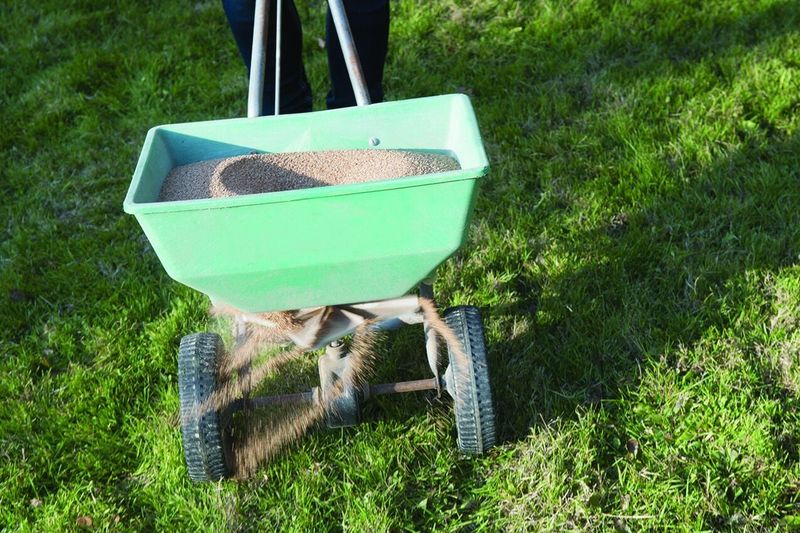
Slow-release nitrogen fertilizers have a solid reputation for good reason. They feed turf gradually over several weeks rather than delivering a large nutrient surge all at once.
For warm-season grasses in summer, that steady feeding pattern tends to support more consistent growth. It avoids the spike-and-crash effect that fast-release products can create.
That said, slow-release nitrogen is not a pass to skip the timing and weather checks. Applying a slow-release product the day before a major storm still carries the same runoff risk as any other fertilizer.
Granules need time to incorporate into the soil and begin releasing nutrients before heavy rain arrives and moves them away from the root zone.
Reading the product label carefully is essential. Labels specify the percentage of slow-release versus fast-release nitrogen, the recommended application rate for your turf type, and the coverage area per bag.
Applying more than the label recommends, even with a slow-release product, does not improve results. It can create the same excess nitrogen problems as over-applying any other type.
Some local ordinances specify minimum slow-release nitrogen percentages for summer applications. Checking your county or city rules before purchasing a product ensures you choose something that is both effective and compliant.
Your local extension office can recommend products that meet area requirements and work well with the turf types common in your part of the state. Choosing the right product is just as important as choosing the right timing.
8. Let Strong Roots Lead The Recovery
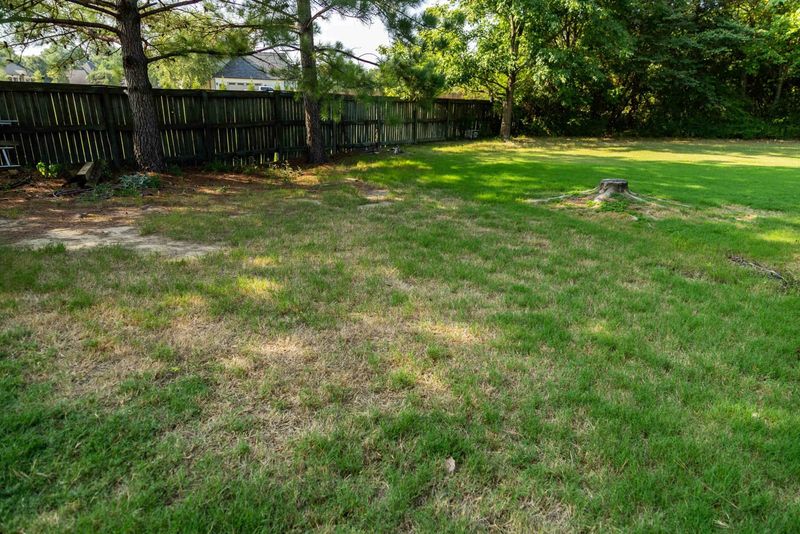
A lawn that has been set back by a poorly timed fertilizer application does not recover fastest with more fertilizer. Recovery starts below the surface, with the root system.
Strong, deep roots help warm-season turf handle summer heat and bounce back from storm stress. They also hold up through the rest of the season far better than a quick surface green-up ever could.
Mowing at the right height is one of the most effective ways to support root health in July. Cutting grass too short removes too much leaf blade at once.
That limits the plant’s ability to produce energy and puts extra stress on roots already dealing with summer conditions.
Following UF/IFAS recommendations for your specific turf type keeps the canopy at a height that shades the soil and supports deeper root growth.
Watering correctly matters just as much. Deep, infrequent irrigation encourages roots to grow downward in search of moisture, which makes the lawn more resilient overall.
Shallow, frequent watering keeps roots near the surface, where they are more vulnerable to heat and drought. Checking for pest activity and disease symptoms regularly also helps catch problems before they become harder to manage.
The steadiest path to a healthy summer lawn runs through consistent habits, not rushed fixes. Wait for the right conditions before fertilizing again.
Apply product carefully and according to local rules. Let the roots do the long-term work.
A lawn managed with patience and accurate information through July will be in much better shape heading into fall.