This Is The Invasive Insect Spreading Through Texas Vegetable Gardens At An Alarming Rate Right Now
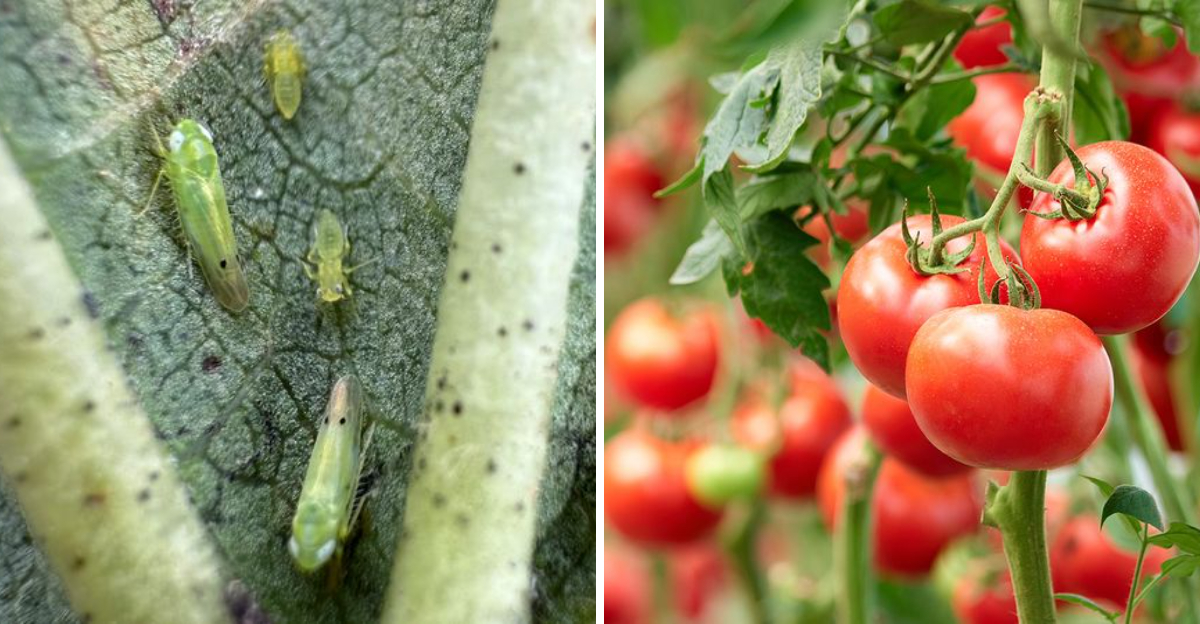
Something is moving through Texas vegetable gardens right now, and it’s spreading faster than most gardeners are prepared for. Plants that looked healthy just days ago are suddenly showing damage that’s hard to explain at first glance.
Yellowing leaves, stunted growth, distorted stems, produce that never quite develops the way it should. And by the time most people figure out what’s causing it, the pest has already moved on to the next plant.
This invasive insect is small, fast moving, and remarkably good at going undetected until the damage is already done. It arrived in Texas relatively recently but has wasted no time establishing itself in vegetable gardens across the state.
Reports of infestations are climbing, and extension offices and master gardeners are seeing more cases this season than in previous years. If you have a vegetable garden in Texas right now, this is something you need to know about before it finds you.
Meet Cotton Jassid
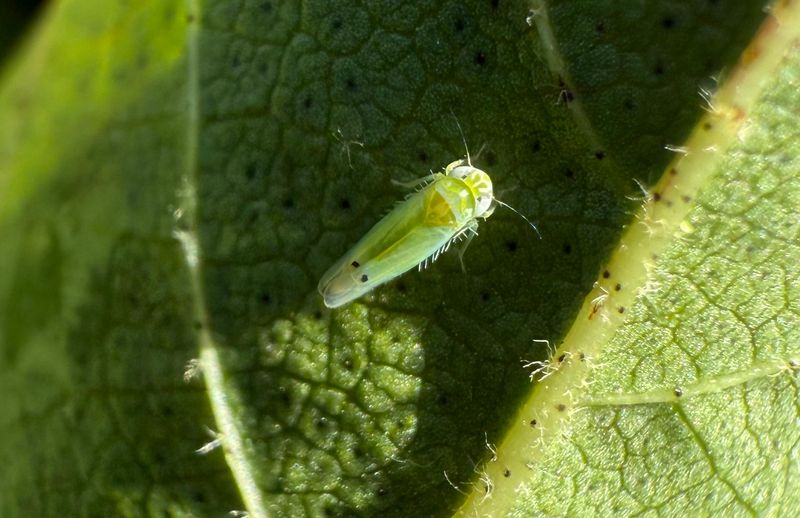
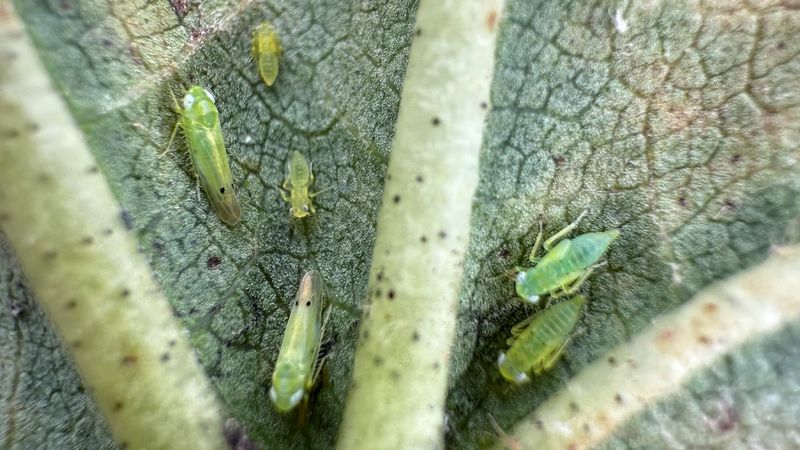
Barely the size of a sesame seed, the cotton jassid is one of the most deceptive pests to ever show up in a Texas garden.
Its scientific name is Amrasca biguttula biguttula, but it goes by several common names, including the two-spot cotton leafhopper and the okra leafhopper.
Texas A&M AgriLife Extension has flagged it as an emerging pest of concern in the United States, which means researchers are actively watching how fast it spreads and how much damage it can cause.
So what does it actually look like? The cotton jassid is a pale green insect, roughly 2 to 3 millimeters long, which makes it easy to overlook at a glance.
Look closely and you will notice two tiny dark spots near the base of its wings. Those spots are its trademark.
Like other leafhoppers, it moves quickly, jumping or flying away when leaves are disturbed. That quick movement is one reason gardeners often miss it during a casual check of their plants.
Cotton jassid belongs to the family Cicadellidae, which includes hundreds of leafhopper species worldwide. Many leafhoppers are minor pests, but this one is considered especially damaging in warm climates.
It feeds by piercing plant tissue and sucking out cell sap, which weakens plants over time. It also injects a toxic saliva while feeding, which causes a specific type of plant damage that sets it apart from other common garden insects.
Getting familiar with what this insect looks like is the very first step toward protecting your garden from it this season.
Why Texas Is Watching It Closely
Not every garden pest gets the attention of state government officials, but the cotton jassid is not just any pest. In 2026, the Texas Department of Agriculture took the serious step of issuing an emergency quarantine specifically targeting cotton jassid.
That kind of action signals that this is not a wait-and-see situation. State officials moved quickly because the pest has the potential to spread through plant material, nursery stock, and even garden tools if people are not careful.
Your Texas Garden Changes Every Week. Your Plan Should Too.
Gardening in Texas changes quickly throughout the season. Every Friday you’ll receive a simple weekly plan showing exactly what to plant, prune, fertilize, harvest, and protect so you never miss the right timing.
The quarantine was put in place to protect several important agricultural industries in Texas. Cotton farming is a massive part of the Texas economy, and cotton jassid, as its name suggests, has a long history of damaging cotton crops in Asia and Africa.
But the quarantine also covers nursery plants, ornamental plants, and home gardens. That means even backyard vegetable growers are part of the bigger picture when it comes to stopping this insect from spreading further.
Texas is a huge state with a long growing season and warm temperatures that suit this pest perfectly. It can move from county to county through infested plants purchased at nurseries or through natural movement on its own.
Experts worry that without action, it could establish itself permanently in Texas and neighboring states. The emergency quarantine restricts moving certain plants from infested areas to clean ones.
If you buy plants from a nursery, it is worth asking where they came from and checking them carefully before bringing them home. Staying informed is one of the most powerful tools gardeners have right now.
What Plants It Goes After
One thing that makes cotton jassid particularly concerning is how many different plants it can feed on. Some pests stick to one or two crops, which makes them easier to manage.
Cotton jassid has a much wider appetite, and that makes it a real threat to a variety of home gardens across Texas. Knowing which plants are at risk helps you focus your attention where it matters most.
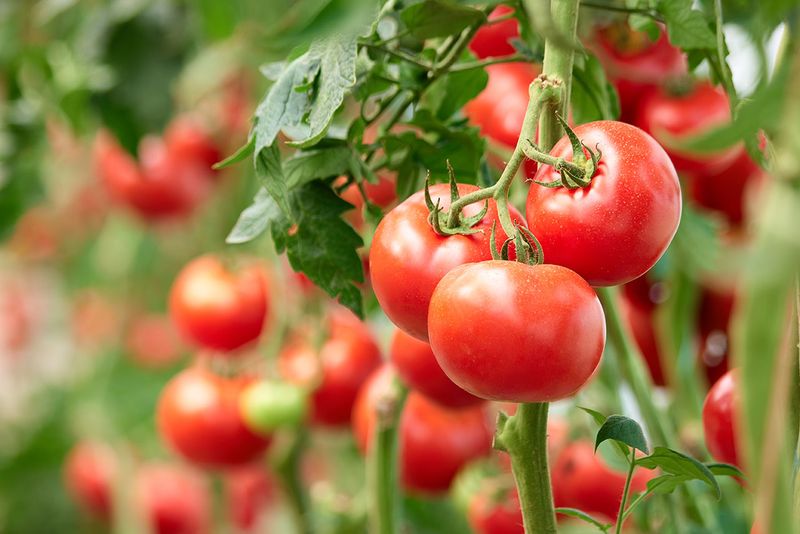
Okra is considered one of its favorite hosts, which is a big deal in Texas where okra is a beloved summer staple. Eggplant, tomato, and pepper are also commonly affected, along with cucumber, cowpea, peanut, potato, and sunflower.
If you grow any of these vegetables, your garden is already a potential target. Plants in the hibiscus family, which includes both ornamental hibiscus and okra, are especially attractive to this pest.
Cotton, of course, is a major commercial host as well. The pest does not attack all plants equally. It tends to prefer tender young leaves and actively growing tips, where the plant tissue is softer and easier to pierce.
Seedlings and young transplants are especially vulnerable because their leaves are still developing. Older, tougher leaves may show less feeding damage, but that does not mean the plant is safe.
If cotton jassid populations build up on a plant, they will spread to every available leaf surface. Checking all of your warm-season vegetables regularly, especially during summer, is the smartest approach to catching an infestation before it gets out of hand.
Why Summer Makes This Pest Explode
July in Texas is already tough on gardeners. The heat is relentless, water bills climb, and plants can struggle to stay healthy.
Now add a rapidly reproducing invasive insect to that mix, and summer becomes even more challenging. Cotton jassid thrives in hot weather, and Texas summers give it almost perfect conditions to multiply at a shocking pace.
The pest reaches its peak reproductive activity during the hottest months of the year. In Texas, it can complete its entire life cycle, from egg to adult, in just 2 to 3 weeks.
That is incredibly fast. Because generations overlap, meaning adults are laying eggs while earlier eggs are still hatching, populations can build up very quickly on a single plant.
What starts as a small group of insects can become a serious infestation within a month if nothing is done.
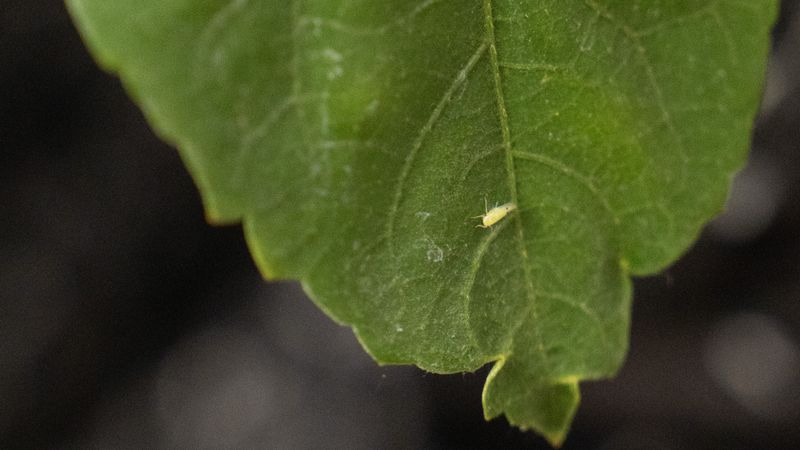
The female cotton jassid lays her eggs directly inside plant tissue, which protects them from many sprays and environmental conditions. Nymphs, which are the young immature insects, look similar to adults but are smaller and wingless.
They are just as damaging as the adults and often more concentrated on the undersides of leaves. High temperatures speed up every stage of development, which is why summer scouting is so critical.
Gardeners who check their plants only once in a while during summer may miss the early signs of a growing population.
Setting a weekly or even twice-weekly schedule for inspecting your plants during July and August can make a meaningful difference in catching this pest before numbers get out of control.
What The Damage Looks Like
Spotting the insect itself is one challenge, but recognizing the damage it leaves behind is just as important. Cotton jassid causes a very specific type of injury to plants called hopperburn.
The name comes from the burnt, scorched appearance that leaves develop after the insect feeds on them repeatedly. If you have ever seen your vegetable leaves turn yellow and curl upward at the edges, hopperburn could be the reason.
Early signs include a slight yellowing along the leaf margins, which are the outer edges of the leaves. As feeding continues, those edges start to curl upward, and the color shifts from yellow to a brownish or bronzed tone.
In more advanced cases, the leaves may drop off entirely, and the whole plant can look stunted and weak. New growth may be twisted or underdeveloped.
Flowers and fruit production can slow down or stop altogether as the plant struggles to keep up with the damage being done to its leaves.
Here is the tricky part: hopperburn looks a lot like drought stress or a nutrient deficiency. Many gardeners see curling, browning leaves in summer and assume the plant just needs more water or fertilizer.
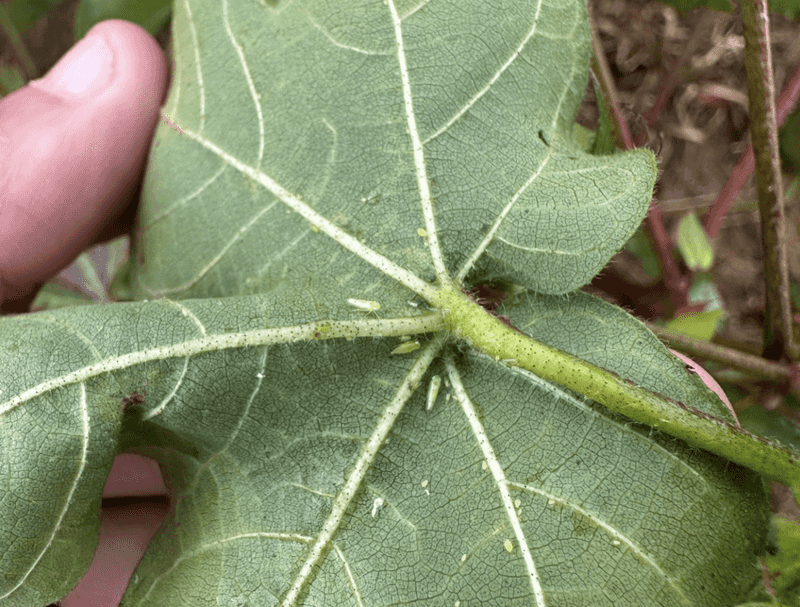
They water more, add compost, and wait, but the problem keeps getting worse because the real cause, the insect, is still there feeding away. If your plants show these symptoms and watering does not help, flip the leaves over and look carefully at the undersides.
Tiny green insects, or even the pale shed skins they leave behind, are the real clue that cotton jassid is at work on your plants.
What Gardeners Should Do Right Now
Finding out your garden has an invasive pest can feel overwhelming, but there are clear, practical steps you can take right now to protect your plants. The most important habit to build is regular scouting.
Texas A&M recommends checking your plants at least once a week, and during peak summer months, doing it more often is even better.
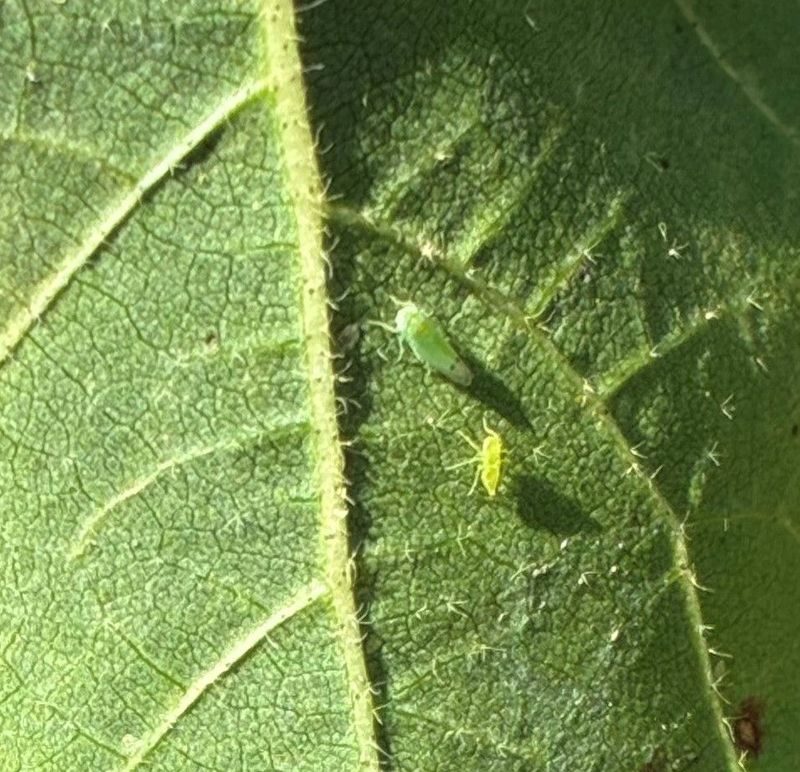
Always flip the leaves over and look at the undersides, because that is where cotton jassid nymphs and adults like to hide and feed.
When scouting, look for tiny pale-green insects that jump or fly away quickly when disturbed. Also watch for the transparent shed skins that nymphs leave behind as they grow.
These skins look like tiny ghost insects and are often easier to spot than the live insects themselves. If you find a plant that is heavily infested, removing it from the garden and disposing of it away from other plants can help slow the spread.
Controlling weeds around your garden is also helpful, since some weeds serve as host plants where the pest can hide and build up numbers.
Do not move plants or cuttings from areas where cotton jassid has been found. Water sprays and small handheld vacuums can help knock down populations on lightly infested plants.
Avoid broad-spectrum pesticide sprays when possible, because they can harm beneficial insects like parasitic wasps that naturally help control leafhopper populations.
If you suspect cotton jassid is in your garden, contact your local Texas A&M AgriLife Extension office or the Texas Department of Agriculture right away. Reporting it helps experts track the spread and protect gardens across the state.