Top Plants For Gravel Gardens In Pennsylvania Climate
Gravel gardens are perfect for Pennsylvania gardeners looking for low-maintenance landscapes that still pop with color and texture. These gardens handle heat, drainage challenges, and even unpredictable weather while giving your yard a unique, modern look.
The right plants can turn rocky, dry spaces into vibrant displays that thrive without constant care.
Many plants suited for gravel gardens enjoy well-drained soil and can tolerate the occasional drought. They often bring unusual textures, interesting foliage, or bright blooms that contrast beautifully with stones.
From compact perennials to small shrubs and hardy groundcovers, gravel gardens give you the chance to mix and match plants for year-round interest.
By choosing species that are adapted to Pennsylvania’s climate, you can create a garden that stays healthy, colorful, and resilient.
Gravel gardens are ideal for gardeners who want beauty without a lot of fuss, making them both practical and visually striking additions to any yard.
1. Lavender
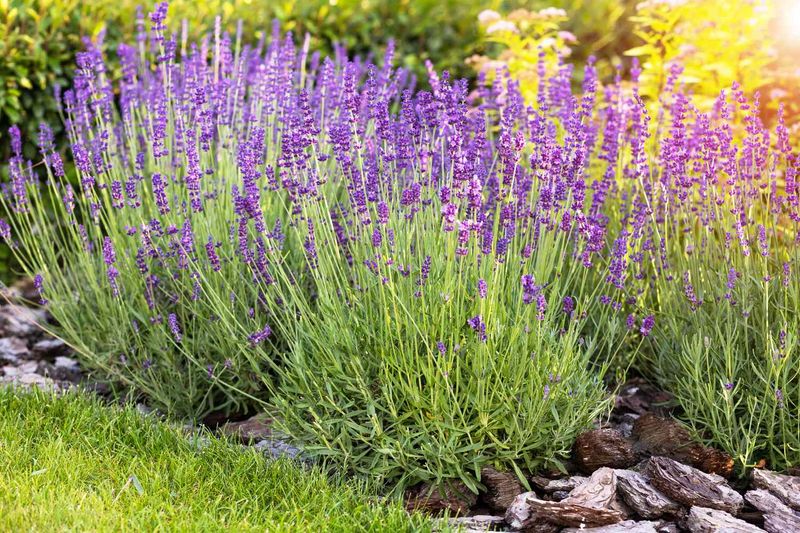
Few plants bring as much charm to a gravel garden as lavender. Its soft purple flower spikes and silvery-green leaves make any outdoor space look like something out of a magazine.
In Pennsylvania, lavender absolutely loves the sharp drainage that gravel provides, and it soaks up full sun like a champ.
Lavender grows best in USDA hardiness zones 5 through 8, which covers most of Pennsylvania perfectly. Plant it in a sunny spot where water drains away fast, because soggy roots are its biggest enemy.
Once established, it barely needs any watering at all, which makes it a dream plant for low-maintenance gardens.
One of the coolest things about lavender is how it attracts pollinators. Bees and butterflies flock to its blooms all summer long, which helps the rest of your garden thrive too. You can also cut the flowers and dry them indoors for a fresh scent that lasts for months.
Trim lavender back lightly after it finishes blooming to keep the plant compact and bushy. Avoid cutting into old wood, because new growth comes from the green stems.
English lavender varieties like ‘Hidcote’ and ‘Munstead’ are especially reliable choices for Pennsylvania gravel gardens.
Did you know lavender has been used for over 2,500 years? Ancient Romans added it to their bathwater for its calming scent.
Growing it in your Pennsylvania garden connects you to a long and wonderful history while adding real beauty to your yard.
2. Coneflower (Echinacea)
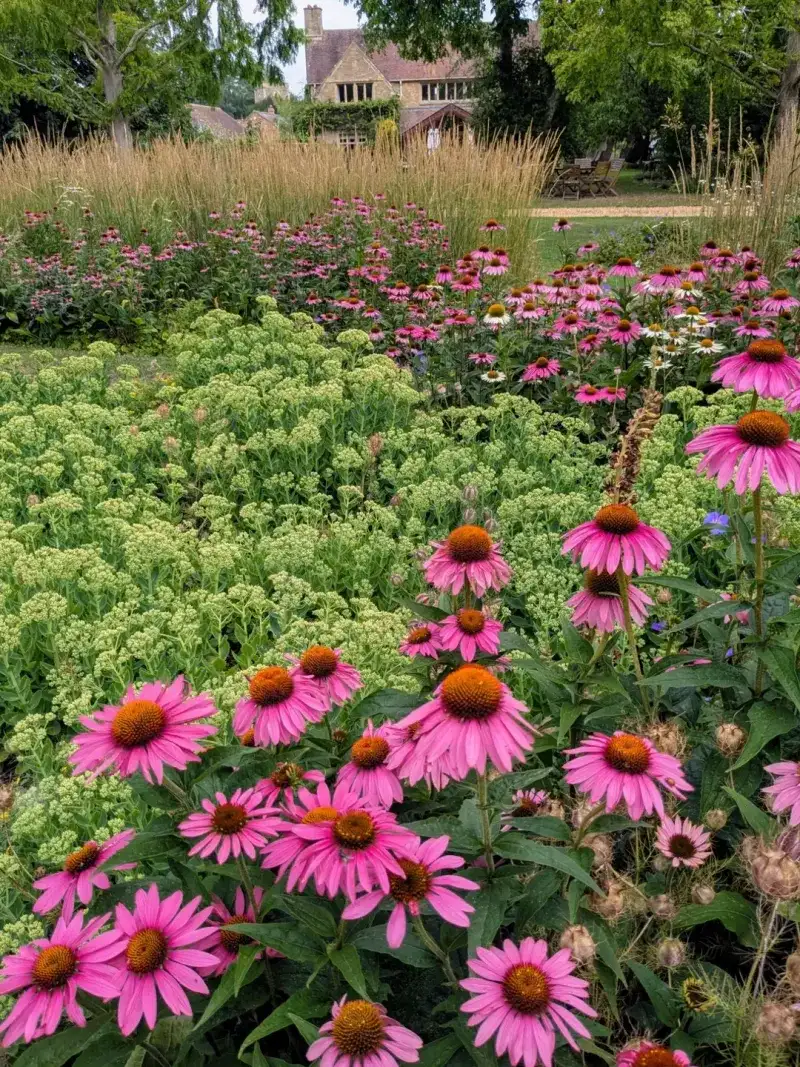
Walk through any Pennsylvania meadow in midsummer and you will almost certainly spot coneflowers. These tough native perennials are built for exactly the kind of conditions a gravel garden creates.
Poor soil, sharp drainage, and blazing sun? Coneflowers handle all of it without breaking a sweat.
Echinacea purpurea, the most common variety, produces bold pink-purple petals that surround a spiky orange-brown center cone. The blooms appear from June through September, giving your garden weeks of reliable color.
Pollinators absolutely love them, and even after the petals fall, the seed heads feed birds like goldfinches well into winter.
One thing that makes coneflowers extra special in Pennsylvania is their deep root system. Those roots push far down into the ground, helping the plant find water during dry spells. That means less work for you and a healthier plant overall.
Your Pennsylvania Garden Changes Every Week. Your Plan Should Too.
Gardening in Pennsylvania changes quickly throughout the season. Every Friday you’ll receive a simple weekly plan showing exactly what to plant, prune, fertilize, harvest, and protect so you never miss the right timing.
Plant coneflowers in full sun for the best results, though they can handle a little afternoon shade. Space them about 18 inches apart so air can move freely between plants.
Once they settle in after the first season, they spread slowly and fill in beautifully over time.
A fun fact worth sharing: Echinacea has long been used in herbal medicine to support the immune system. Native American tribes in the Great Plains were among the first to discover its healing properties.
Growing coneflowers in your Pennsylvania gravel garden means you are also honoring a rich piece of natural history.
3. Sedum (Stonecrop)
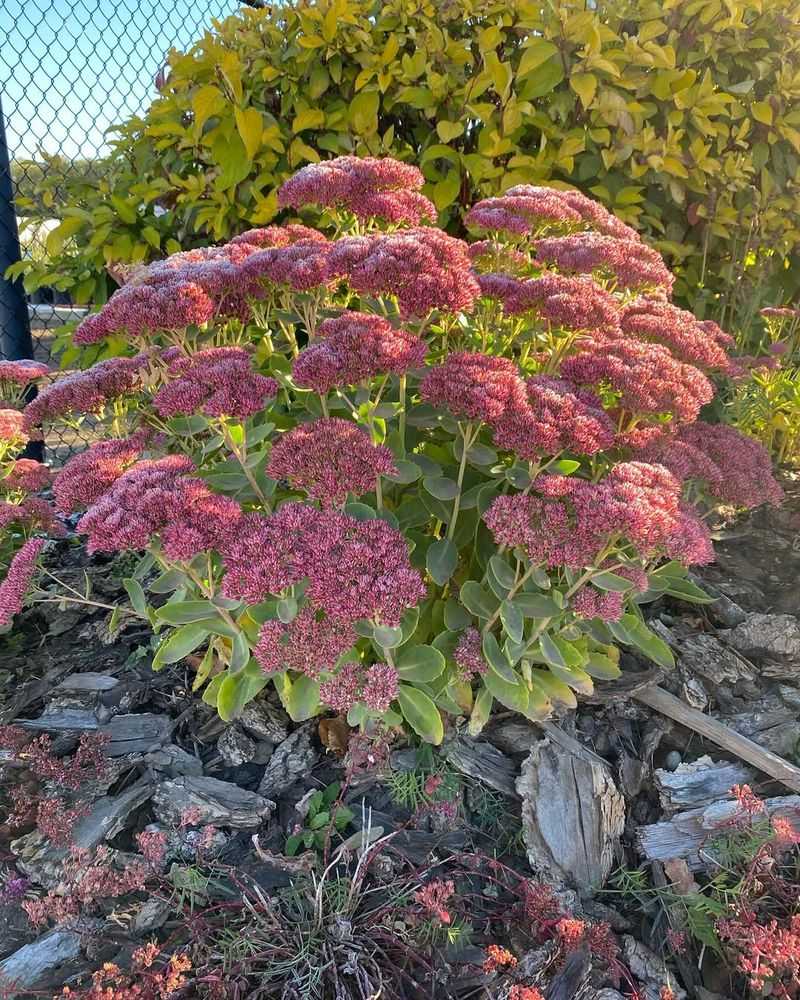
Sedum is basically the superhero of gravel gardens. It stores water right inside its thick, fleshy leaves, which means it can sail through dry stretches without any help from a hose.
For Pennsylvania gardeners who want something that practically takes care of itself, sedum is a fantastic answer.
There are dozens of sedum varieties to choose from, ranging from low ground-hugging types to upright varieties that can reach two feet tall.
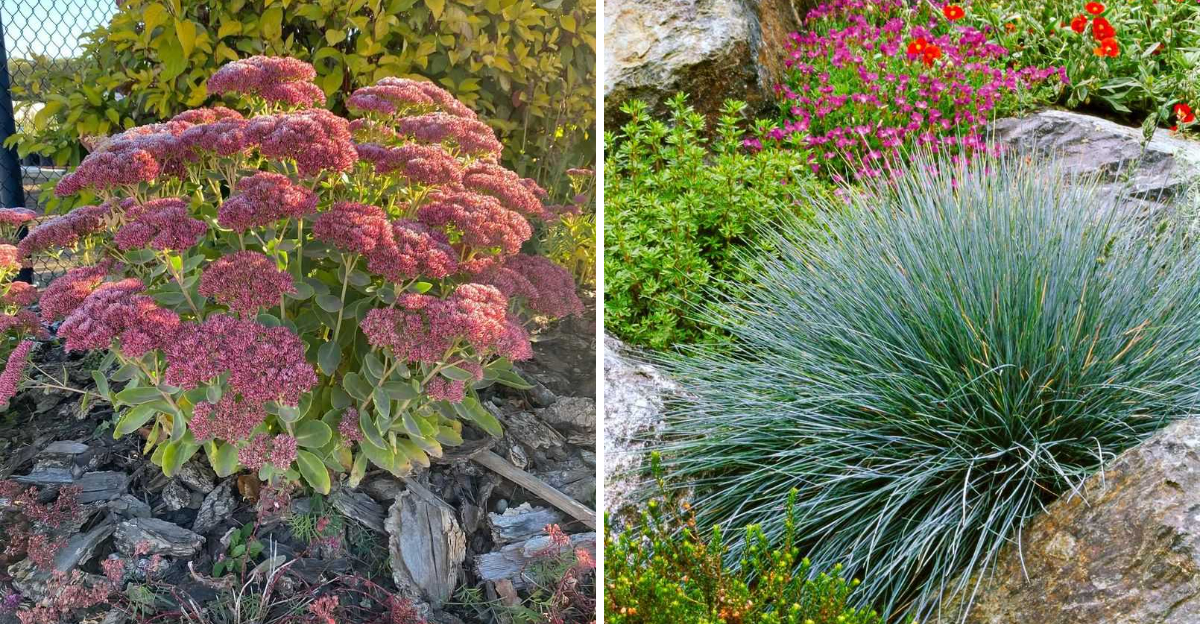
‘Autumn Joy’ is one of the most popular choices in Pennsylvania because it produces rosy-pink flower clusters in late summer and fall, right when many other plants are winding down. The blooms slowly deepen to a rich rusty red as temperatures drop.
Gravel mulch suits sedum perfectly because it keeps the crown of the plant dry. Wet crowns during winter can cause problems, but gravel allows moisture to drain away quickly.
This makes sedum one of the most reliable plants you can put in a Pennsylvania gravel garden.
Full sun brings out the best colors in sedum leaves, which can range from blue-green to burgundy depending on the variety. Plant them in groups of three or five for a bold, eye-catching display.
They also look stunning when planted along the edges of paths or between stepping stones.
Butterflies and bees are huge fans of sedum flowers, especially in late summer when other nectar sources become scarce. Leaving the seed heads standing through winter gives the garden structure and feeds birds during the coldest months in Pennsylvania.
4. Russian Sage
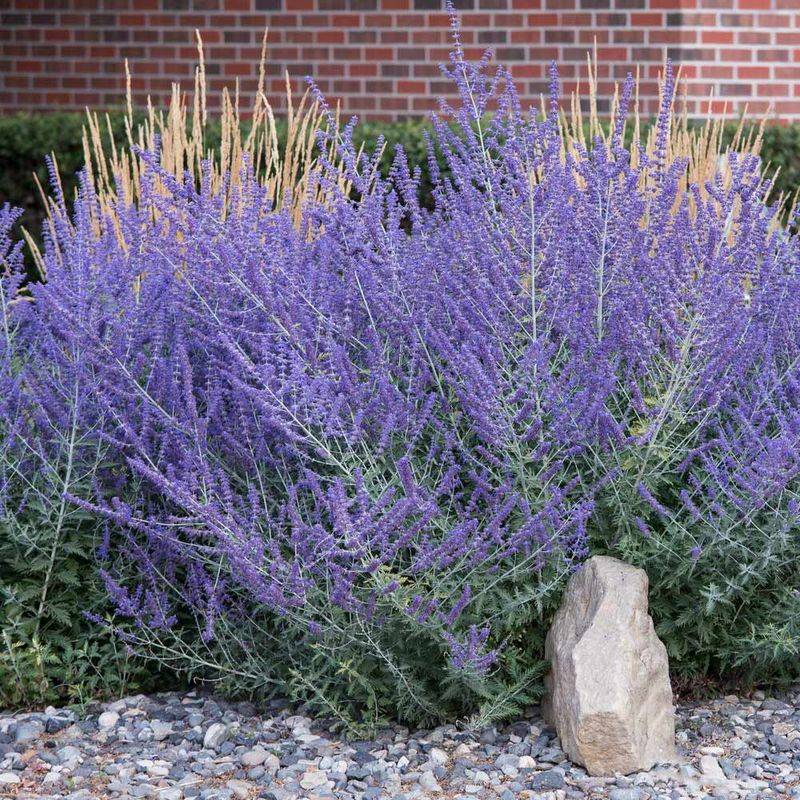
If you want a plant that looks like it belongs in a dreamy, windswept landscape, Russian sage is exactly what you need.
Its tall, airy stems are covered in tiny lavender-blue flowers that shimmer in the sunlight, and the silvery foliage adds a soft, almost magical quality to any Pennsylvania gravel garden.
Russian sage thrives in full sun and well-drained soil, which makes it a natural match for gravel gardens. It is extremely drought-tolerant once established, which is a big plus during Pennsylvania’s sometimes dry summer months.
The plant grows three to five feet tall, so it works beautifully as a backdrop for shorter plants like sedum or lavender.
One reason gardeners in Pennsylvania love Russian sage is its incredibly long bloom season. Flowers appear in midsummer and keep going all the way through early fall. That means months of color with almost no maintenance required on your part.
Bees and butterflies are wild about the nectar-rich flowers. Deer tend to stay away from Russian sage because of its strong aromatic scent, which is a real bonus if you live in a rural part of Pennsylvania where deer pressure is high.
The scent is pleasant to humans but seems to keep browsers at bay. Cut Russian sage back hard in early spring, about six inches from the ground, to encourage strong new growth. Despite the name, this plant actually comes from Central Asia, not Russia.
It earned its common name because the silvery leaves reminded early botanists of plants found in Russian steppes.
5. Yarrow
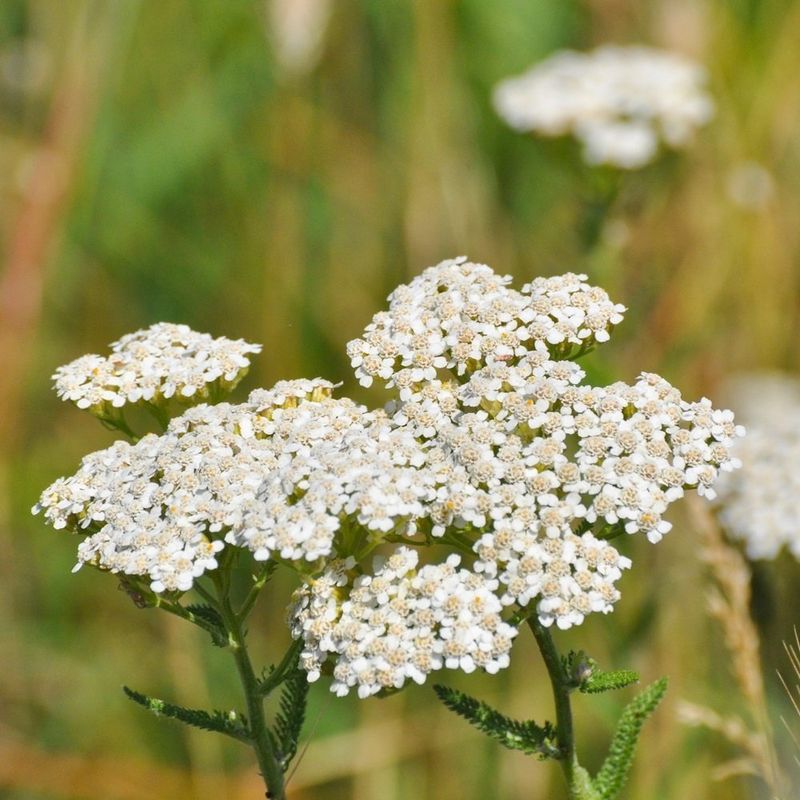
Yarrow is the kind of plant that laughs in the face of tough conditions. Rocky soil, poor drainage, summer heat, and dry spells?
None of that slows yarrow down. It just keeps blooming and spreading, making it one of the most dependable choices for Pennsylvania gravel gardens.
The flat-topped flower clusters come in a wide range of colors, from classic white and yellow to warm shades of red, orange, and pink. These blooms appear from late spring through midsummer and attract an impressive variety of beneficial insects.
Ladybugs, parasitic wasps, and lacewings all love yarrow, and those insects help control pest populations in your garden naturally.
Yarrow grows about two to three feet tall and spreads steadily over time. In a gravel garden, that spreading habit is actually a good thing because it fills in gaps and suppresses weeds without much effort from you.
Just divide the clumps every few years to keep them from getting too crowded. Full sun is where yarrow performs best in Pennsylvania. It can handle some light shade, but the stems may get a bit floppy without enough direct sunlight.
Planting it in a spot that gets at least six hours of sun each day keeps it upright and full of blooms.
Yarrow has a fascinating history as a medicinal herb. Ancient Greek soldiers reportedly used yarrow leaves to help treat wounds on the battlefield, which is why its botanical name is Achillea millefolium, a nod to the hero Achilles.
That is a pretty remarkable backstory for such a cheerful garden plant.
6. Ornamental Grasses (Switchgrass Or Blue Fescue)
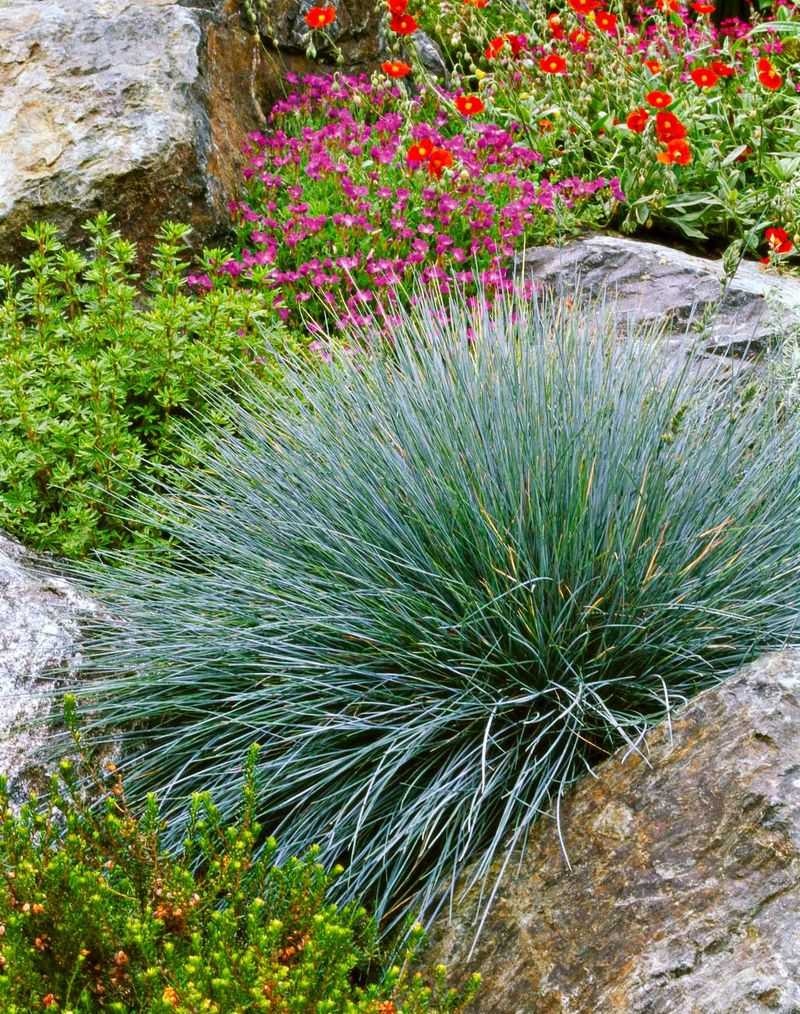
There is something deeply satisfying about the way ornamental grasses move in a breeze. They add a sense of life and rhythm to a gravel garden that no other plant quite matches.
In Pennsylvania, both switchgrass and blue fescue are outstanding choices that look great from spring all the way through winter.
Switchgrass, or Panicum virgatum, is a native Pennsylvania plant that grows three to six feet tall. It produces airy clouds of tiny pinkish-red seed heads in late summer that catch the light beautifully.
The foliage often turns a warm golden or reddish color in fall, giving your gravel garden a stunning seasonal show.
Blue fescue is a much smaller grass, growing only about 10 to 12 inches tall. Its tight, spiky mounds of blue-green foliage look almost sculptural among gravel and stones.
It works especially well along garden edges or as a repeating accent plant throughout a larger design.
Both grasses prefer full sun and well-drained soil, which makes them naturally suited to gravel garden conditions across Pennsylvania. They are also extremely low-maintenance once established.
Water them occasionally during the first growing season, and after that they can mostly fend for themselves through dry spells.
Leaving ornamental grasses standing through winter is one of the best things you can do for local wildlife. The seed heads feed birds like sparrows and juncos during the coldest months.
Cut them back to about four to six inches in early spring before new growth begins, and they will bounce back stronger than ever.
7. Black-Eyed Susan
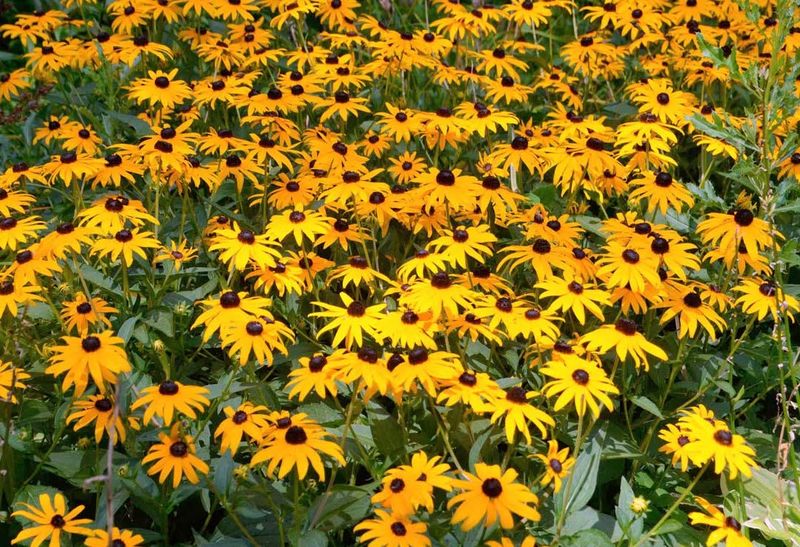
Bright, bold, and endlessly cheerful, Black-Eyed Susan is one of those plants that makes people smile every single time they see it.
The golden-yellow petals surrounding a rich dark center are instantly recognizable, and they light up Pennsylvania gravel gardens from midsummer all the way into fall.
Rudbeckia hirta is actually native to North America, which means it evolved to handle the kinds of conditions Pennsylvania throws at it. Heat, drought, poor soil, and rocky ground are no problem for this resilient plant.
Gravel gardens mimic the well-drained open habitats where Black-Eyed Susan naturally grows, so it settles in quickly and blooms generously.
Pollinators go absolutely crazy for Black-Eyed Susan flowers. Bees, butterflies, and even hummingbirds visit the blooms regularly throughout the season.
After the petals fade, the seed heads attract goldfinches and other seed-eating birds, so the plant keeps giving long after its peak bloom time has passed.
Plant Black-Eyed Susan in full sun for the heaviest flowering. It adapts to partial shade, but fewer blooms will appear in shadier spots.
In a Pennsylvania gravel garden, spacing plants about 18 inches apart gives them room to spread naturally without overcrowding each other.
Black-Eyed Susan is Maryland’s state flower, but Pennsylvania gardeners have every reason to claim it as their own favorite too. It self-seeds freely, which means new plants pop up around the garden each year without any effort from you.
Over time, a small planting can grow into a gorgeous, naturalized sweep of golden color that feels completely at home in any Pennsylvania landscape.