The Arizona Yard Features That Attract More Roadrunners During Summer
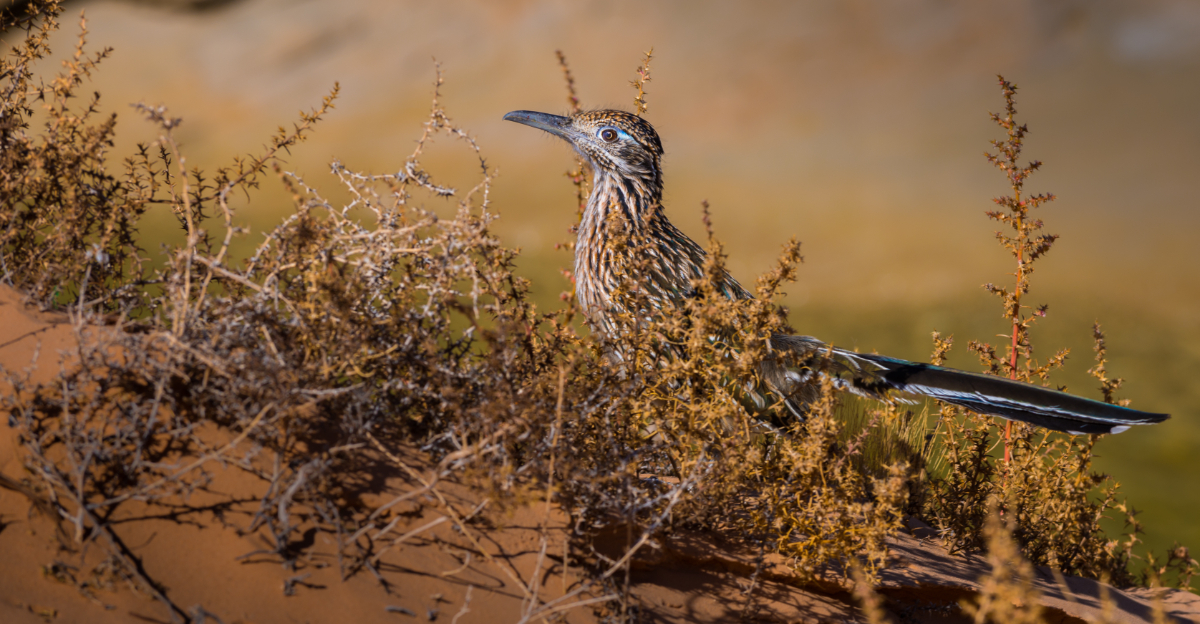
Spotting a roadrunner in your yard is not something most people expect when they look out the window. That is exactly why the moment stands out.
It is a bird that immediately grabs your attention, then disappears just as quickly, leaving you wondering why it stopped by in the first place.
Summer changes the way wildlife moves through the landscape. As temperatures rise, birds spend more time searching for places that offer food, shelter, and a break from the heat.
Some yards provide exactly what they need without homeowners realizing it.
Certain features found in Arizona landscapes are especially appealing to roadrunners during the hottest part of the year.
If these birds have become regular visitors, your yard may be offering more than you ever imagined.
1. Open Ground Makes Hunting Much Easier
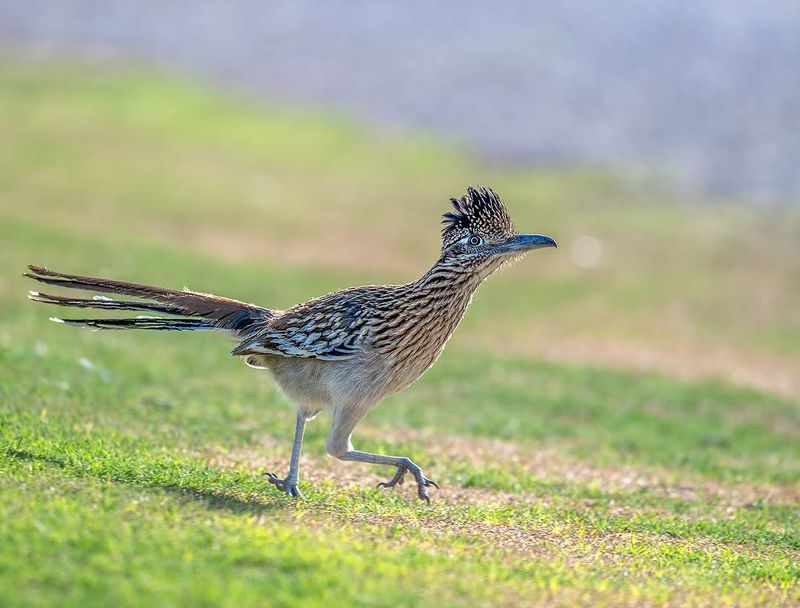
Roadrunners are built for speed, and they need room to use it. Open ground is not just a preference for these birds.
It is a core hunting requirement. Without clear sightlines and unobstructed running paths, catching fast-moving prey like lizards, insects, and small snakes becomes much harder.
Yards with large patches of bare or sparsely covered ground give roadrunners a serious advantage. They can spot movement from a distance, sprint quickly, and corner prey without tangled vegetation slowing them down.
Gravel paths, cleared desert floor sections, and low-traffic open areas all serve this purpose well.
Keeping a portion of your yard free from dense ground cover is one of the simplest things you can do. You do not need to clear everything.
Just maintain open corridors where a roadrunner can move freely and scan for food.
Avoid planting thick, low-spreading groundcovers across your entire yard. Roadrunners actively avoid areas where visibility is blocked close to the ground.
A bird that cannot see approaching threats or spot prey quickly will simply move on to a more suitable location.
Summer heat intensifies hunting activity in the early morning and late afternoon. Having open ground available during those cooler windows of the day makes your yard a preferred stop.
Even a modest cleared strip along a fence line or garden edge can make a noticeable difference in how often roadrunners visit.
2. Dense Desert Shrubs Become Reliable Shelter
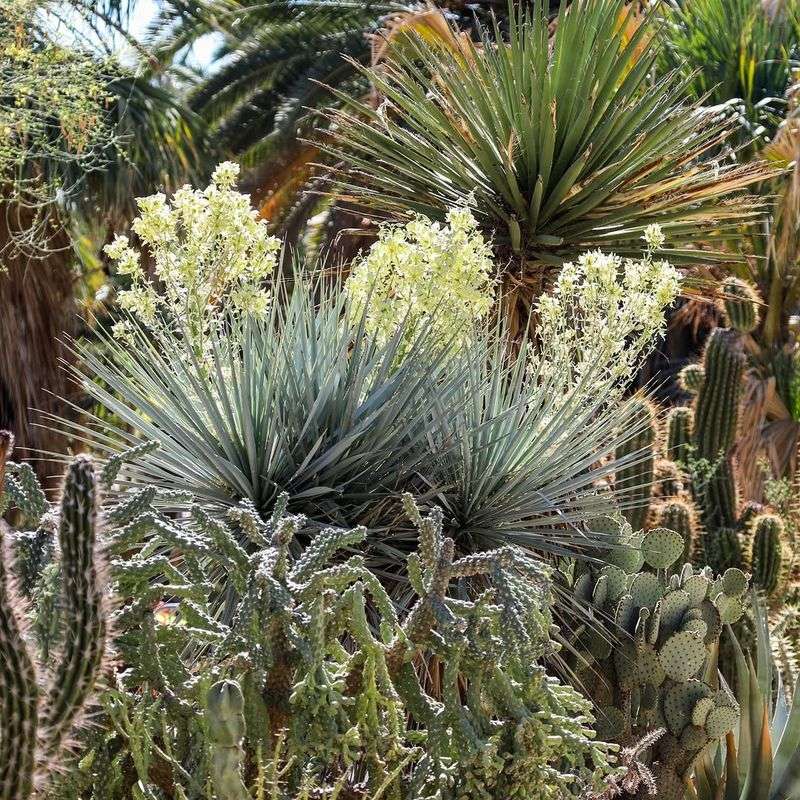
Shade is survival during a desert summer. Roadrunners regulate their body temperature by seeking out cool, shaded spots during the hottest part of the day.
Dense desert shrubs offer exactly that kind of relief without requiring the bird to leave your yard entirely.
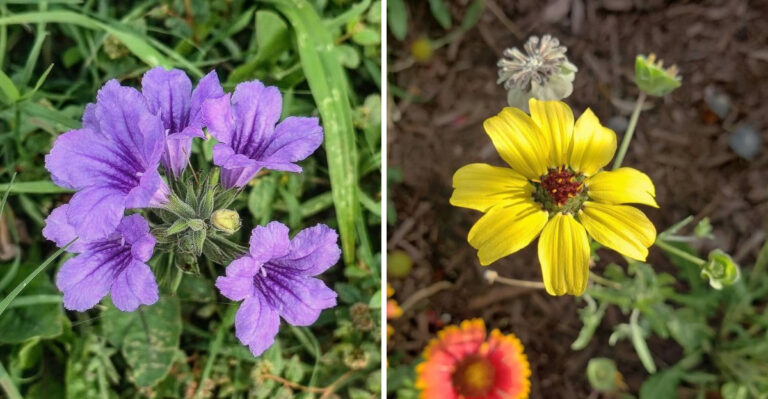
Shrubs like brittlebush, desert marigold, and globe mallow grow thick enough to block direct sun while still allowing airflow. Roadrunners use these plants as resting spots, not just cover.
Spotted in yards across the Tucson and Phoenix metro areas, these birds often tuck themselves into shrub clusters for twenty to thirty minutes at a time during peak heat hours.
Grouping several shrubs together creates a microhabitat that roadrunners find especially useful. A single isolated plant does not offer the same protection.
Clusters create layered shade and multiple entry and exit points, which matters a lot to a bird that is always watching for threats.
Your Arizona Garden Changes Every Week. Your Plan Should Too.
Gardening in Arizona changes quickly throughout the season. Every Friday you’ll receive a simple weekly plan showing exactly what to plant, prune, fertilize, harvest, and protect so you never miss the right timing.
Native shrubs also attract the insects and small lizards that roadrunners feed on. So the shelter doubles as a hunting ground.
That combination of food and shade in one location is a strong draw for any wildlife, roadrunners included.
Low maintenance is another advantage. Native desert shrubs are drought-tolerant and suited to intense summer conditions.
Once established, they require minimal watering and continue providing cover season after season. Planting a few clusters along a wall or fence line can quietly transform a plain yard into a roadrunner-friendly space.
3. Thorny Vegetation Gives Nesting Pairs Extra Protection
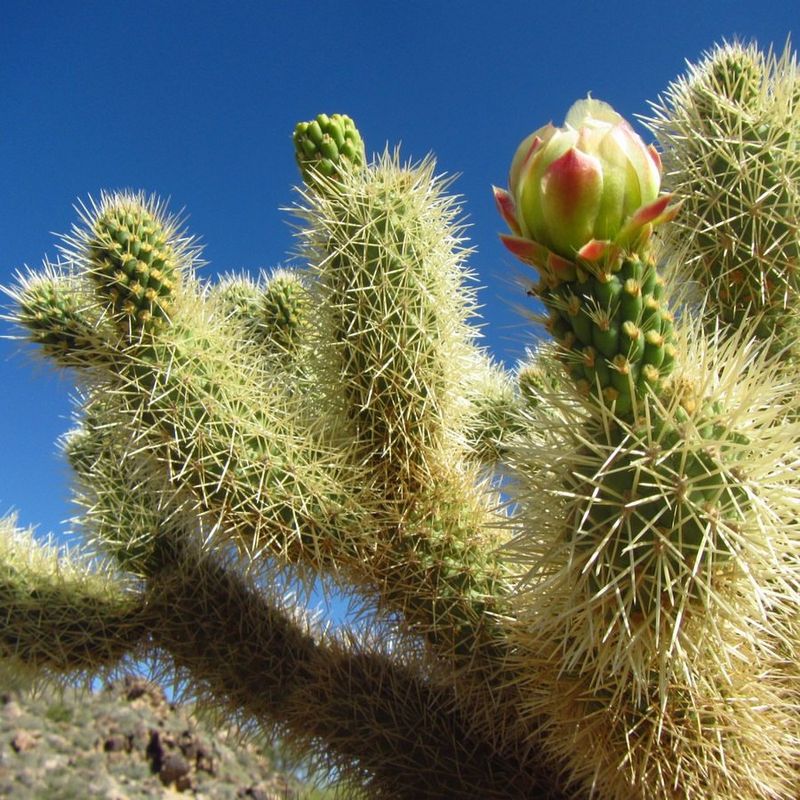
Nesting roadrunners are extremely particular about location. Safety from predators is the top priority, and thorny plants offer a natural barrier that most threats cannot easily push through.
Cholla cactus, prickly pear, and desert hackberry are all plants that nesting pairs actively seek out.
Cholla in particular is a favorite. Its dense, interlocking arms and sharp spines create a nearly impenetrable structure.
Roadrunner nests placed inside cholla clusters are well-protected from coyotes, ravens, and other animals that might otherwise reach the eggs or young birds.
Prickly pear works differently but just as effectively. Its wide, flat pads form a layered wall of spines that slows down any intruder.
Nesting pairs sometimes build nests in the crooks between pads or directly against dense prickly pear stands for added cover on one side.
If your yard already has thorny plants, leave them in place. Removing cholla or trimming back prickly pear reduces the nesting options available to visiting roadrunners.
Yards with mature, untrimmed thorny vegetation consistently attract more breeding activity than those with heavily manicured landscapes.
Adding thorny native plants is a long-term investment. Cholla and prickly pear grow slowly, but once established they need almost no care.
Planting them along a back fence or in a corner of your yard creates a protected zone that nesting pairs will return to year after year if left undisturbed.
4. Rock Piles Provide Cool Hiding Places
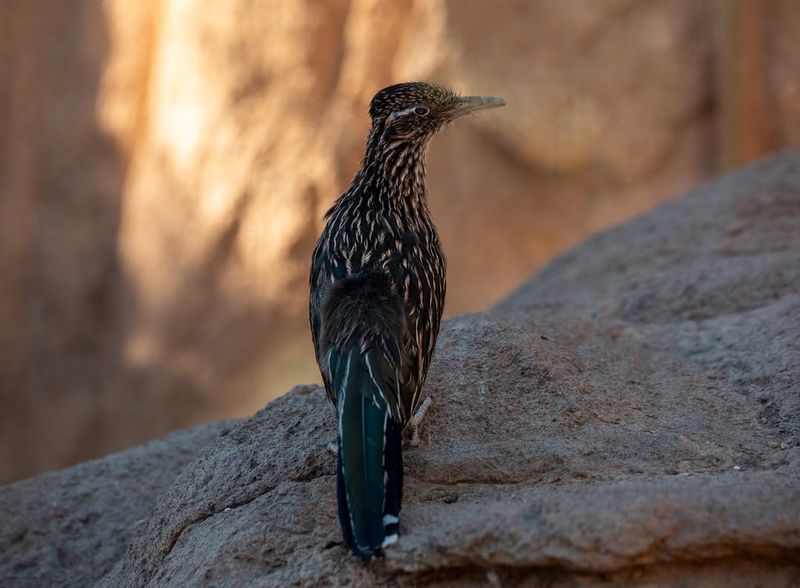
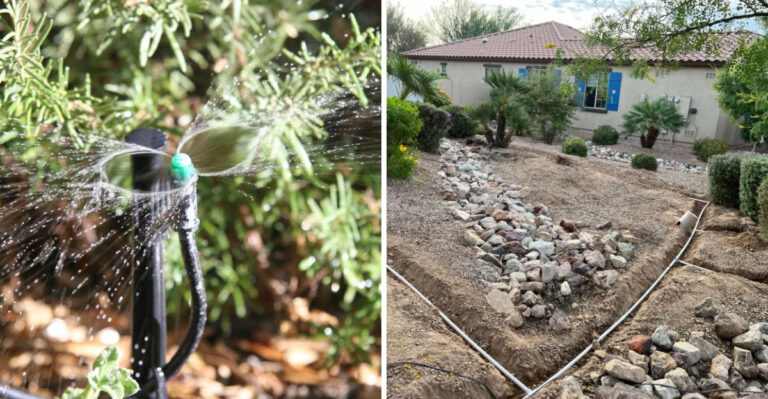
Rock piles are underrated. Most people think of them as decorative or functional for drainage, but for roadrunners they serve a very specific purpose.
Rocks absorb heat during the day and release it slowly, creating warm surfaces in the morning that roadrunners use to warm up quickly before hunting.
At the same time, gaps between larger rocks stay cool even during peak summer temperatures. Roadrunners slip into these spaces to rest, escape the sun, or wait quietly while scanning for prey.
A well-placed rock cluster near open ground is a combination that roadrunners find hard to pass up.
Rock piles also attract lizards, scorpions, and insects, which are all part of a roadrunner’s diet. So the rocks themselves become a food source, drawing prey in while also offering the bird a strategic vantage point from which to strike.
Stacking rocks of varying sizes creates more usable gaps and hiding spots. Flat rocks layered on top of rounded ones leave natural pockets that smaller prey can access, which in turn draws roadrunners to investigate.
Keep the pile loose rather than mortared so the natural structure stays intact.
Placement matters. Position rock features near open ground rather than tucked into dense vegetation.
Roadrunners prefer to approach from open areas where they can see clearly. A rock pile at the edge of a cleared section gives them both the shelter they want and the visibility they need to feel secure.
5. Mature Trees Double As Roosting Sites
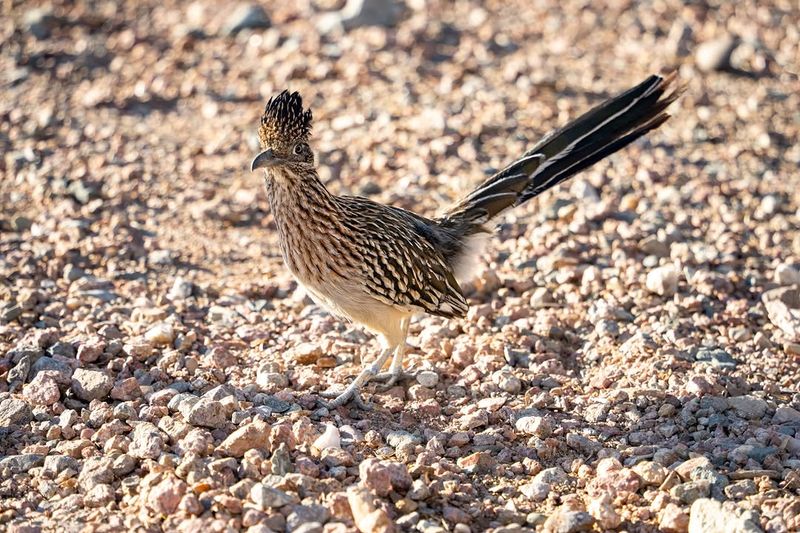
Roadrunners roost at night, and they prefer elevation when doing so. Mature trees give them a safe place to sleep above ground level where terrestrial predators cannot easily reach.
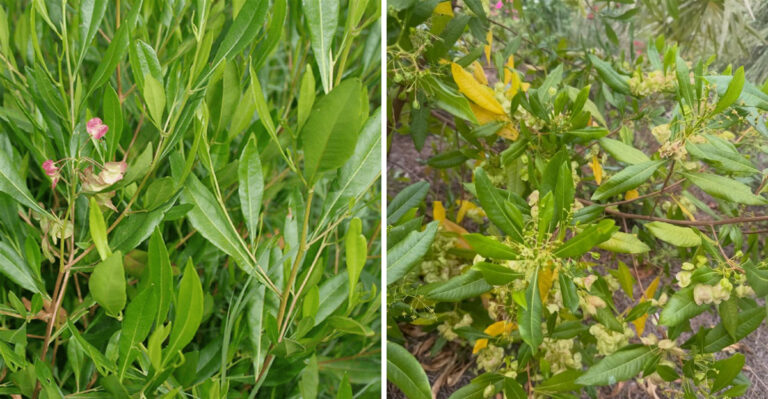
Mesquite, palo verde, and desert willow are all trees commonly used for this purpose in southwestern yards.
Mesquite is especially popular. Its dense canopy and irregular branching structure offer multiple perching spots at different heights.
Roadrunners often return to the same tree night after night if the location feels secure and undisturbed. Consistency matters to these birds once they establish a routine.
Younger trees rarely offer the same value. A sapling does not have the branch thickness or canopy density that a mature tree provides.
If you have established trees in your yard, keeping them healthy and untrimmed gives roadrunners the roosting habitat they need during summer nights.
Mature trees also provide midday shade that lowers ground temperature in nearby areas. Cooler ground under a tree canopy attracts insects and small lizards, which roadrunners will hunt around the base of the tree.
So the tree supports both roosting and feeding activity.
Avoid heavy pruning during nesting and roosting season, which runs through the warmer months. Cutting back major branches reduces the structural complexity that makes a tree useful for roosting.
A lightly managed, naturally shaped tree is far more attractive to roadrunners than one that has been trimmed into a uniform shape.
6. Birdbaths Increase Summer Activity
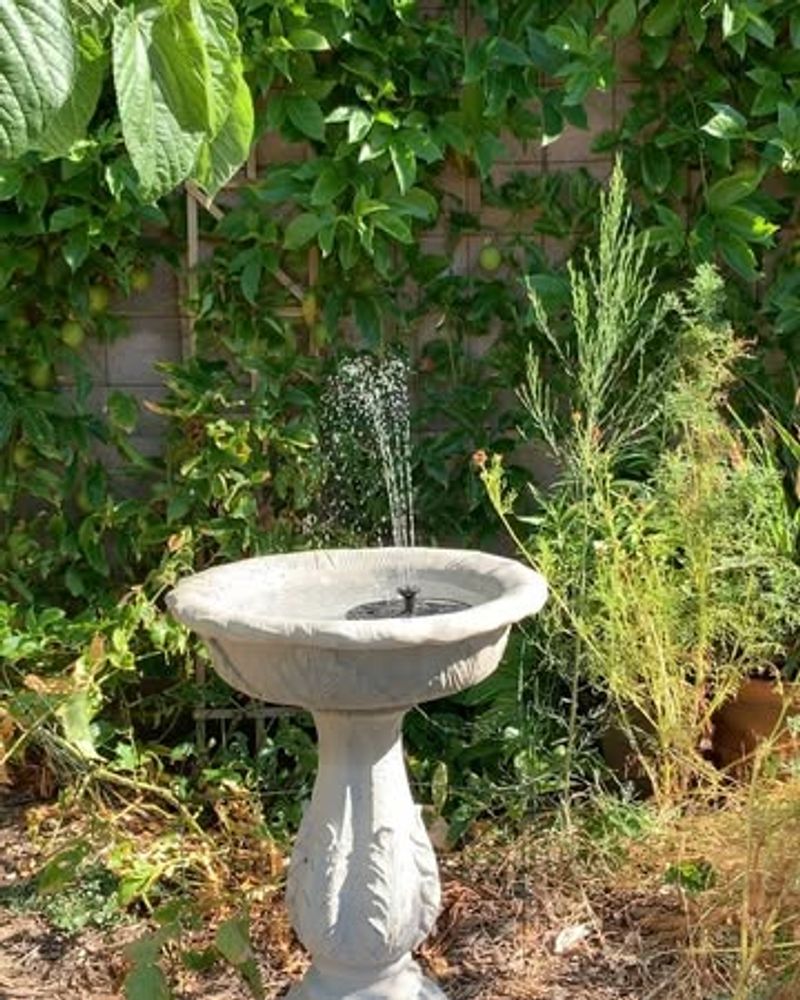
Water is scarce during a desert summer, and roadrunners know it. Adding a reliable water source to your yard is one of the fastest ways to increase wildlife activity, including regular roadrunner visits.
Shallow birdbaths work better than deep ones because roadrunners prefer to wade rather than fully submerge.
Keep the water fresh. Stagnant water in high heat becomes a health risk for birds and also drives them away.
Changing the water every one to two days during summer keeps it clean and appealing. A small solar-powered pump that creates gentle movement can also help keep the water oxygenated and cooler.
Placement is key. Position the birdbath in a spot that gives visiting birds a clear view of the surrounding area.
Roadrunners are cautious at water sources because they are vulnerable while drinking. Open sightlines on at least two sides reduce hesitation and encourage longer visits.
Ground-level birdbaths or shallow dishes placed directly on gravel or soil work particularly well for roadrunners. Elevated pedestal baths can also be used, but lower options tend to get more consistent traffic from these ground-dwelling birds.
A simple terracotta dish works just as effectively as an expensive decorative bath.
Once a roadrunner discovers a reliable water source, it returns regularly. Summer activity around a birdbath can increase noticeably within just a few weeks of setup.
Pair the water source with nearby open ground and you create a high-traffic spot that roadrunners will prioritize throughout the hottest months.
7. Native Plants Provide Food And Shelter
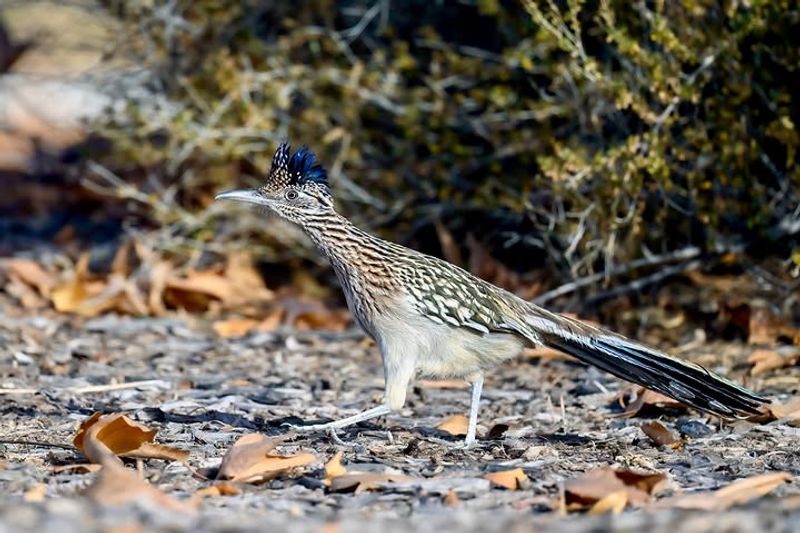
Native plants are the backbone of any yard designed to support local wildlife. For roadrunners specifically, native plantings create a layered habitat that provides both food sources and protective cover.
Non-native ornamentals rarely offer the same ecological value no matter how lush they look.
Saguaro cactus, palo verde trees, and brittlebush work together to create vertical diversity. Roadrunners use each layer differently.
Ground-level plants attract insects. Mid-height shrubs offer shade and ambush cover.
Taller cacti and trees provide elevated perching and roosting spots. That variety in a single yard is extremely attractive to these birds.
Native plants also support the insects, lizards, and small animals that make up a roadrunner’s diet. A yard full of non-native plants tends to support fewer of these prey species.
Less food means fewer visits. Switching even a portion of your landscaping to native species can shift that balance fairly quickly.
Water use is another benefit. Native desert plants need far less irrigation than imported species.
During summer, overwatering non-native plants can actually create conditions that attract mosquitoes and other pests without benefiting roadrunners at all. Native plants stay healthy on minimal water and contribute more to the local food web.
Starting small is perfectly fine. Replacing one or two sections of your yard with native plantings can show results within a single season.
Local nurseries across the region carry a solid selection of certified native species suited to summer conditions in the desert Southwest.