Start These Texas Fall Vegetables In July And Harvest Them Before The First November Frost
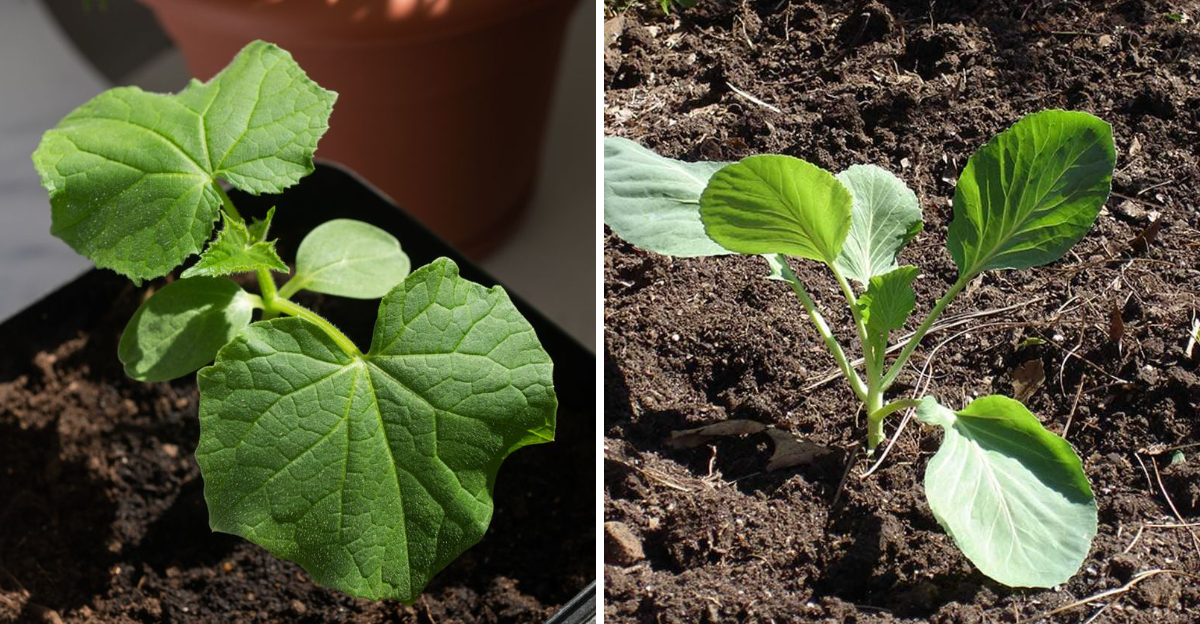
Most Texas gardeners think of July as a month to just survive, water everything, and hope the summer garden holds on a little longer. But experienced Texas growers know that July is actually a critical planting month, not for summer crops, but for fall ones.
Get the timing right now and you’ll be harvesting fresh vegetables well into October and right up to the first November frost. The math works in your favor.
Texas has a longer growing window than most states, and a well timed July start gives fall vegetables exactly what they need to mature comfortably before cold weather arrives. You’re not racing the heat anymore.
You’re working with it to get a head start on the season ahead. The key is knowing which vegetables are worth starting now and how to get them established during the hottest stretch of the Texas summer.
1. Snap Beans
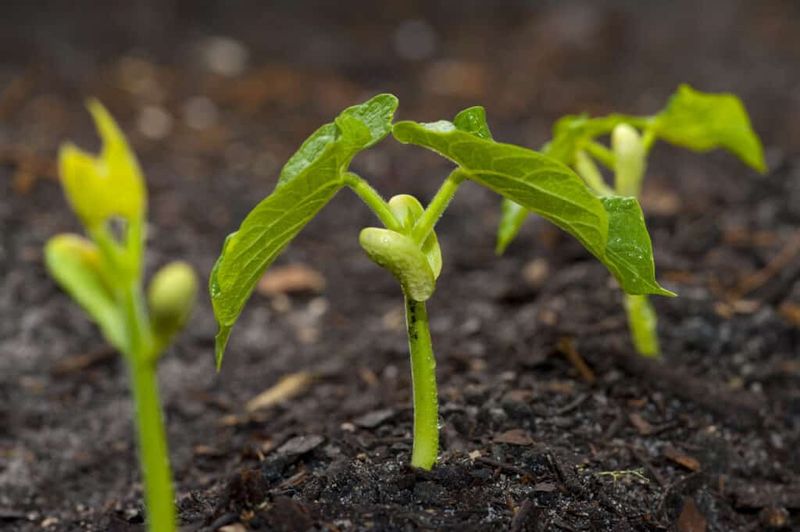
Few vegetables reward a Texas gardener as quickly as snap beans do. Bush varieties are speed champions of the vegetable garden, often going from seed to harvest in just 30 to 60 days.
Plant them in mid-July in North Texas and you can realistically be picking pods before the first November frost hits.
July heat can stress young plants, so consistent watering is the most important thing you can do. Water snap beans evenly and deeply, especially during germination. Dry soil causes pods to become tough and stringy, which nobody wants after all that effort.
Bush snap beans do not need trellises or cages, which makes them easy to manage in a busy summer garden. Plant seeds about one inch deep and two inches apart in rows.
Thin them out once they sprout to give each plant enough room to breathe and grow properly.
Soil prep matters a lot with snap beans. They prefer loose, well-draining soil with a slightly acidic pH around 6.0 to 6.8. Mix in compost before planting to give them a nutritional boost right from the start.
Mulching around the base of your snap bean plants is a smart move in July. A two-inch layer of straw or shredded leaves keeps soil moisture locked in and roots cooler during the hottest parts of the day.
Harvest pods when they are firm and snap cleanly in half. Do not let pods stay on the plant too long or the plant will slow down production significantly.
2. Cucumbers
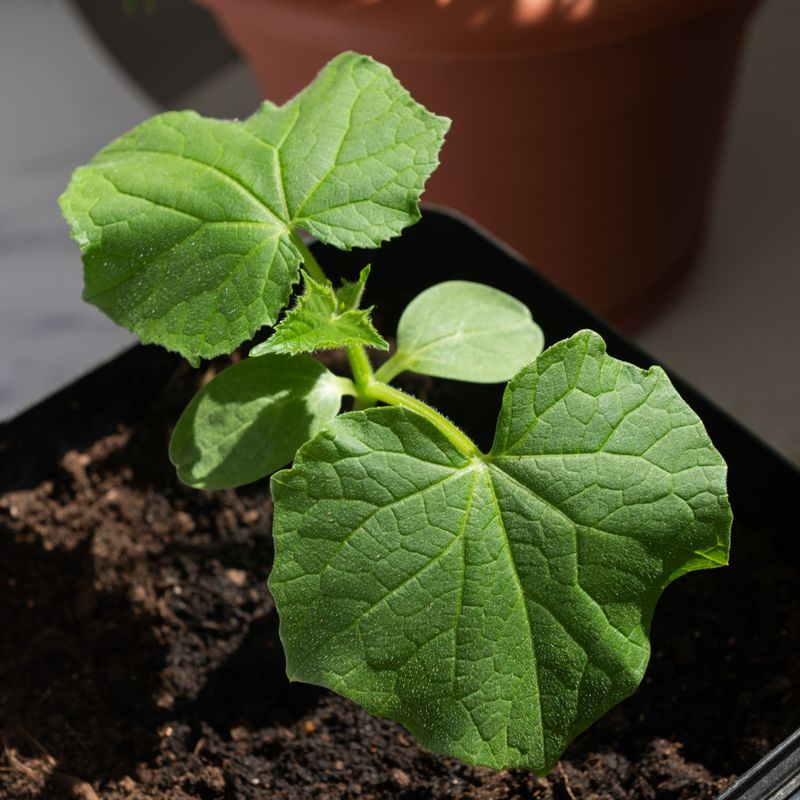
Cucumbers are one of those vegetables that seem made for a Texas summer, and they can absolutely stretch into a fall harvest if you time things right.
A late-July planting in North Texas or an early August start in Central Texas gives cucumbers the 60 to 80 days they need to produce before cold weather moves in.
Using a trellis is one of the best things you can do for cucumbers in a small or medium garden. Growing vines vertically saves ground space and improves air circulation around the leaves, which helps reduce fungal problems that love humid summer conditions.
Your Texas Garden Changes Every Week. Your Plan Should Too.
Gardening in Texas changes quickly throughout the season. Every Friday you’ll receive a simple weekly plan showing exactly what to plant, prune, fertilize, harvest, and protect so you never miss the right timing.
Even a simple wire fence works great as a support system. Mulch is your best friend when planting cucumbers in July heat. A thick layer of straw or wood chips around the base of each plant keeps the soil cooler and retains moisture between waterings.
Cucumbers are mostly water by nature, so they need consistent hydration to produce well-shaped, non-bitter fruits.
Choose varieties labeled as heat-tolerant or disease-resistant for the best results in Texas conditions. Varieties like Straight Eight, Marketmore, or Spacemaster tend to perform reliably in Southern gardens.
Check your local nursery for seed packets marketed specifically for Southern or Texas climates.
Harvest cucumbers early and often. Once fruits reach a good size, picking them regularly signals the plant to keep producing more.
Leaving an overripe cucumber on the vine slows down the whole plant. Aim to check your vines every one to two days once fruits start forming.
3. Sweet Corn
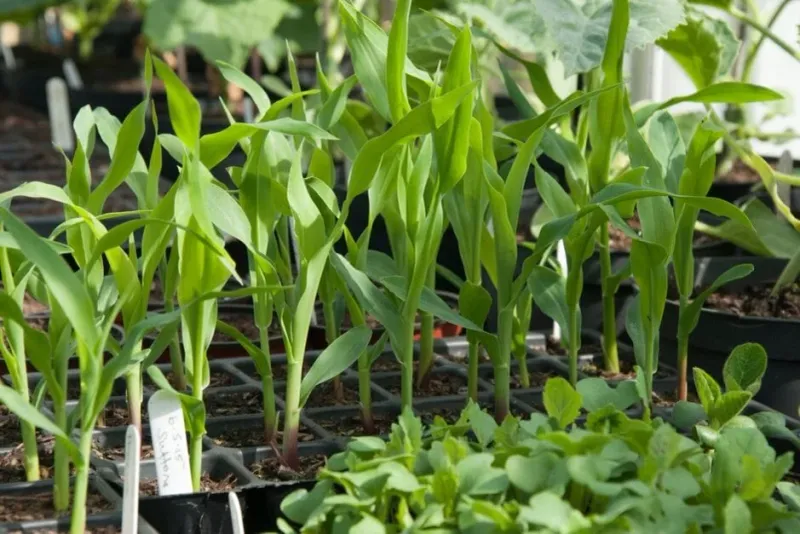
Sweet corn has a reputation for being a warm-season crop, but Texas A&M University actually lists it as a July 1 planting option for Region I, which covers North Texas.
That early July window is important because corn takes time, and you need those warm weeks to push ears to maturity before fall temperatures drop too low.
One thing many first-time corn growers get wrong is planting in a single long row. Corn is wind-pollinated, which means pollen from the tassels needs to land on the silks of nearby plants.
Planting in short blocks of at least three to four rows side by side dramatically improves pollination and gives you fuller, better-developed ears at harvest time.
Sweet corn is a heavy feeder and loves nitrogen-rich soil. Side-dress plants with a balanced fertilizer when they are about knee-high, and again when tassels begin to appear.
Well-fed corn grows faster and produces sweeter, more flavorful ears that make all the July effort worthwhile.
Water is critical during two stages: germination and silking. Dry conditions during silking can cause poor kernel development, leading to patchy or underfilled ears. Deep watering two to three times per week during dry spells keeps things on track.
Did you know sweet corn loses its sugar content quickly after picking? Plan to harvest ears and cook them the same day for the best flavor.
Pull back a small section of husk to check for plump, milky kernels as your signal that the ear is ready. Most varieties mature in 65 to 90 days from planting.
4. Southern Peas
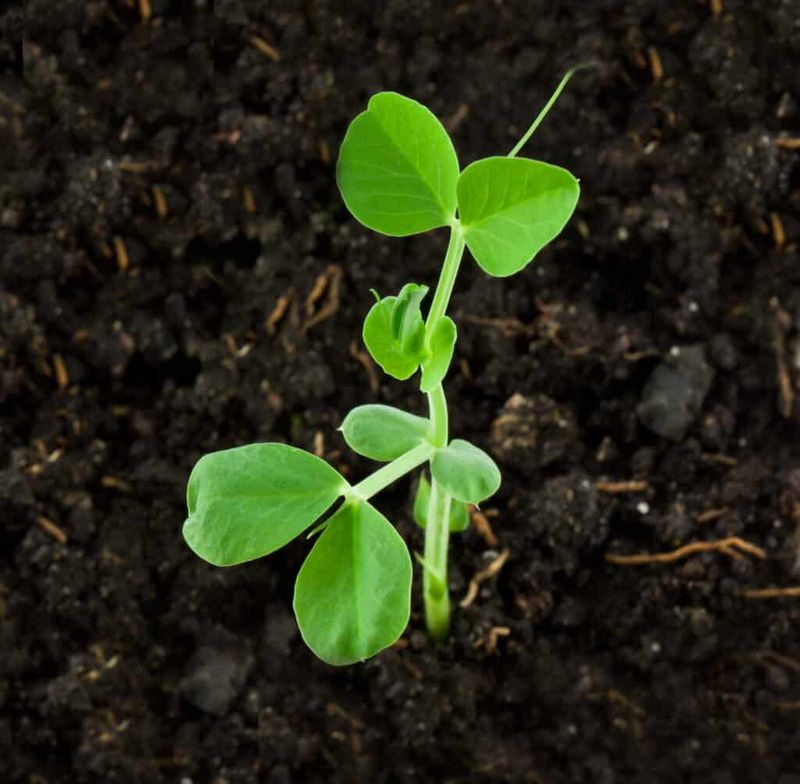
Southern peas are practically built for Texas summers. While other crops struggle to survive July heat, southern peas lean into it and keep right on growing.
That heat tolerance is exactly what makes them such a valuable choice for the transition from summer into fall gardening in Texas.
Varieties like Black-Eyed Peas, Crowder Peas, and Purple Hull Peas are all members of the southern pea family and perform well across most of Texas. Each variety has a slightly different flavor and texture, so it is worth trying a couple to find your favorite.
Most are ready to harvest in 60 to 70 days from planting, which fits nicely within the July to October window.
Southern peas fix nitrogen in the soil, which means they actually improve the ground for whatever you plant next season.
You do not need to fertilize them heavily because too much nitrogen encourages leafy growth at the expense of pod production. A light application of balanced fertilizer at planting is usually enough.
Harvest young pods while they are still green and tender if you want to eat them fresh. For dried peas, leave pods on the vine until they turn brown and papery.
Timing matters because cold weather can interrupt the drying process if you wait too long into November.
Keep an eye out for aphids and spider mites, which love southern pea plants during hot, dry stretches. A strong spray of water from a garden hose can knock pests off without needing any chemicals.
Consistent watering also keeps plants healthy enough to resist most pest pressure naturally.
5. Broccoli
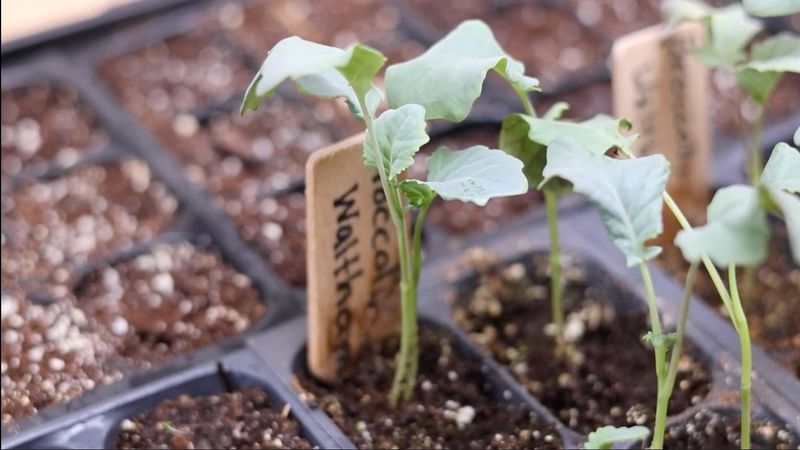
Broccoli might seem like an odd choice for a July planting in Texas, but starting transplants in mid-July gives the plants exactly the time they need to size up for a fall harvest.
Texas A&M recommends fall crops from transplants rather than direct seed, especially when you are starting them during the tail end of summer heat.
The big advantage broccoli has going for it is frost tolerance. A light freeze actually improves the flavor of broccoli heads by converting starches into sugars.
So even if November brings an early cold snap, your broccoli is not going to be bothered by it the way more tender crops would be.
Starting your own transplants indoors gives you more control over timing and variety selection. Sow seeds in small pots or trays about six to eight weeks before your intended outdoor planting date.
Keep seedlings under grow lights or in a bright window and water them consistently until they are ready to move outside.
Once transplants are in the ground, water them every day if needed during the first week or two until roots establish. After that, deep watering two to three times per week is usually sufficient.
Broccoli is a heavy feeder, so side-dress plants with nitrogen fertilizer about three weeks after transplanting to push steady growth.
Watch for caterpillars, especially cabbage loopers, which love broccoli leaves. Row covers are an easy and chemical-free way to protect young plants from both pests and excessive sun.
Remove covers once plants are established and temperatures begin to cool in September and October.
6. Cabbage
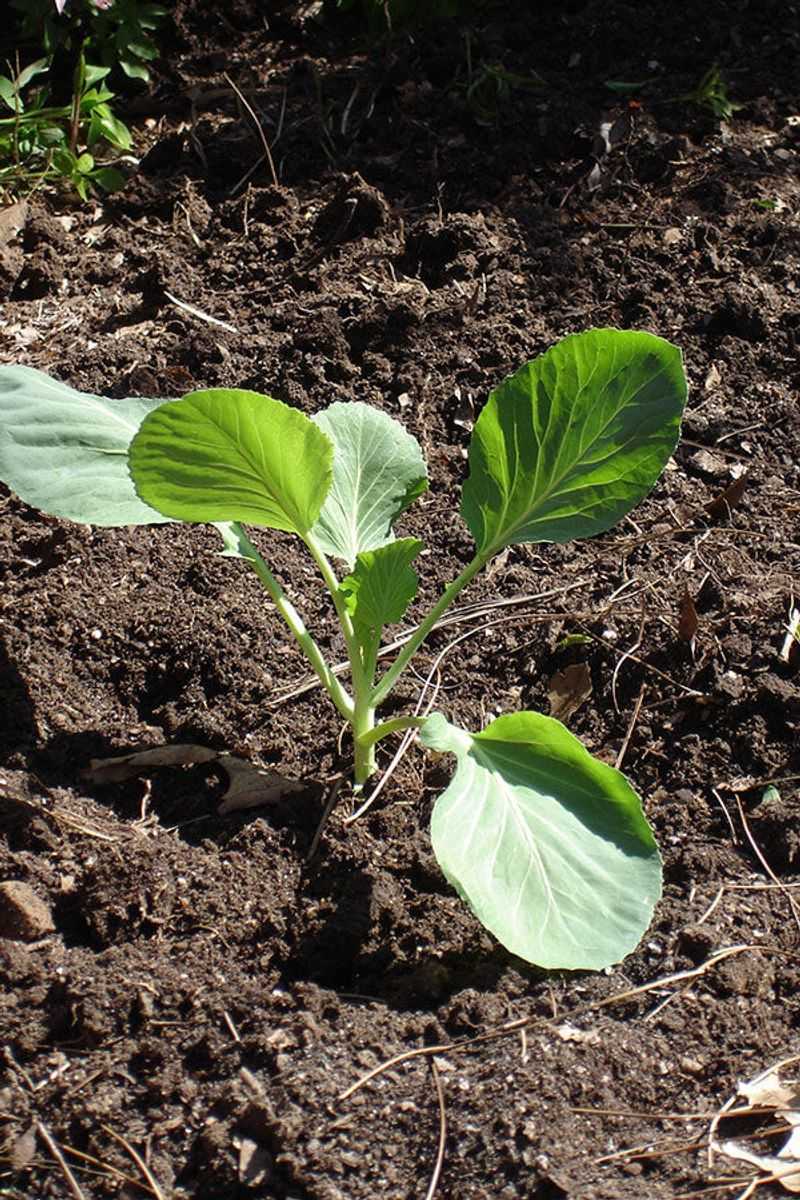
Cabbage is one of those vegetables that takes patience and planning. It needs more time than quick crops like snap beans, which is exactly why July transplants are so important if you want a harvest before a November frost in North Texas.
Skipping the July window usually means missing the fall harvest window entirely. Buy transplants from a local nursery or start your own from seed indoors in late June. Look for varieties suited to Southern conditions, such as Golden Acre, Stonehead, or Savoy types.
These tend to handle heat stress better during the establishment period and still produce solid heads by fall.
Young cabbage plants need daily watering during their first week in the ground. July heat can be brutal on freshly transplanted seedlings, and wilting during the first few days is common.
Do not panic if leaves droop slightly in the afternoon heat. Just keep the soil consistently moist and the plants will bounce back once roots take hold.
Cabbage is a heavy nitrogen user. Feed transplants with a balanced fertilizer at planting, then side-dress with additional nitrogen about three weeks later.
Healthy, well-fed cabbage plants form tight, dense heads that store well and taste noticeably better than underfed ones.
Pest management is a real consideration with cabbage. Cabbage worms and loopers can shred leaves quickly if left unchecked.
Row covers work well early in the season, and organic sprays like Bacillus thuringiensis, commonly called Bt, are effective and safe to use around edible crops. Check plants every few days to catch problems early before they get out of hand.
7. Carrots
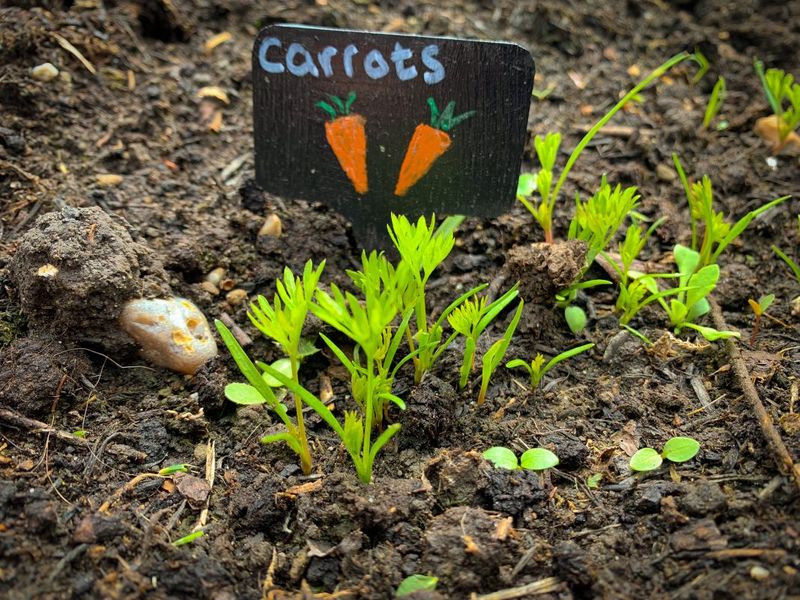
Carrots are a fall garden classic, and Texas Region I actually lists July 15 as the planting date for getting a good fall crop.
That specific timing matters because carrots are a 60 to 80 day crop and need enough warm growing days to develop their roots before cold weather slows things down in November.
The trickiest part of growing carrots is getting the seeds to germinate. Carrot seeds are tiny and slow to emerge, sometimes taking two full weeks to show any signs of life above the soil.
The seedbed must stay consistently moist during this entire period. Letting the surface dry out even once can interrupt germination and leave you with spotty, uneven rows.
Loose, deep, and rock-free soil is non-negotiable for straight, well-formed carrots. Rocky or compacted soil causes roots to fork, twist, or stay stubbornly short.
Work the soil at least 10 to 12 inches deep before planting and mix in compost to improve both drainage and texture.
Thin carrot seedlings to about two to three inches apart once they reach one inch tall. Crowded carrots compete for space and produce narrow, underdeveloped roots.
Thinning feels wasteful at first, but it genuinely makes a big difference in final root size and quality at harvest time.
Carrots get sweeter after a light frost because cold temperatures trigger the plant to convert starch into sugar. A late October or early November frost can actually work in your favor if roots are already close to full size.
Harvest by loosening soil around roots with a garden fork before pulling to avoid snapping them off underground.