The Underrated Texas Porch Plant That Makes Wasps Less Welcome Around Your Outdoor Living Space
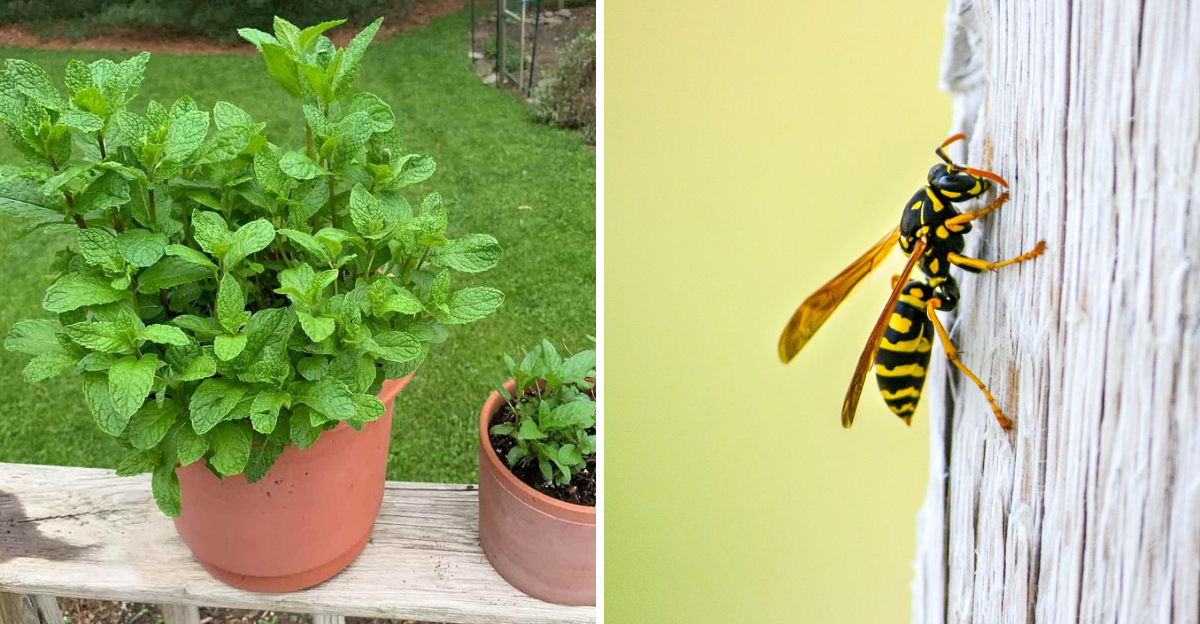
If you have ever tried to enjoy a peaceful Texas porch moment only to have a wasp show up and completely derail the situation, you are in very good company.
Sweet drinks, outdoor meals, flowering plants nearby: it does not take much to attract some unwanted buzzing company on a warm afternoon.
Here’s where things get interesting though. Some Texas gardeners have started quietly adding spearmint to their patio container setups, and not just because it smells incredible.
Research on mint oils suggests the fragrance can be repellent to some wasps, which makes a potted spearmint plant a genuinely appealing addition to a sunny porch corner.
Now, full transparency: spearmint is not a force field.
It works best alongside practical habits like clearing food scraps and managing sugary drink containers. But as low-effort patio additions go, a good-smelling herb that might help with wasps is hard to argue with.
1. Spearmint Brings A Strong Scent To Porch Containers
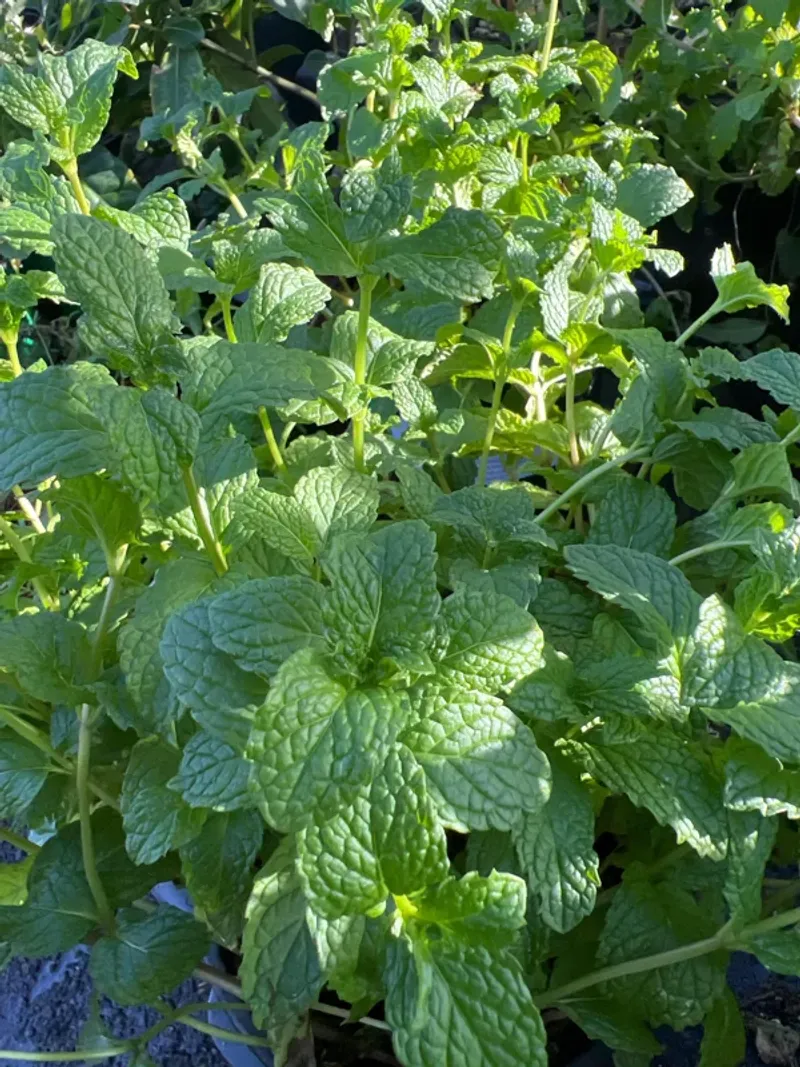
That pot of spearmint sitting near the porch chair is doing more than just looking fresh.
Spearmint releases a sharp, cooling fragrance that most people find pleasant, and that same scent is what makes it an interesting choice for Texas outdoor spaces where wasps tend to linger.
The plant contains natural compounds, including carvone and limonene, that give it that recognizable minty smell.
When you brush against the leaves or the breeze moves through the pot, those aromatic oils release into the air around your seating area. Research on mint-family plants suggests that the scent can be off-putting to some insects, including certain wasp species.
It is not a force field, but it adds a layer of sensory deterrence that a plain decorative pot simply cannot offer.
For Texas gardeners who already enjoy growing herbs on the porch, spearmint fits right in without requiring a lot of extra effort. It grows vigorously, fills a container quickly, and keeps producing fragrant leaves through much of the growing season.
A single well-placed pot near your favorite outdoor chair can make that corner of the porch smell noticeably fresher while potentially making it slightly less comfortable for wasps scouting for food or resting spots nearby.
2. A Potted Mint Plant Is Smarter Than In-Ground Planting
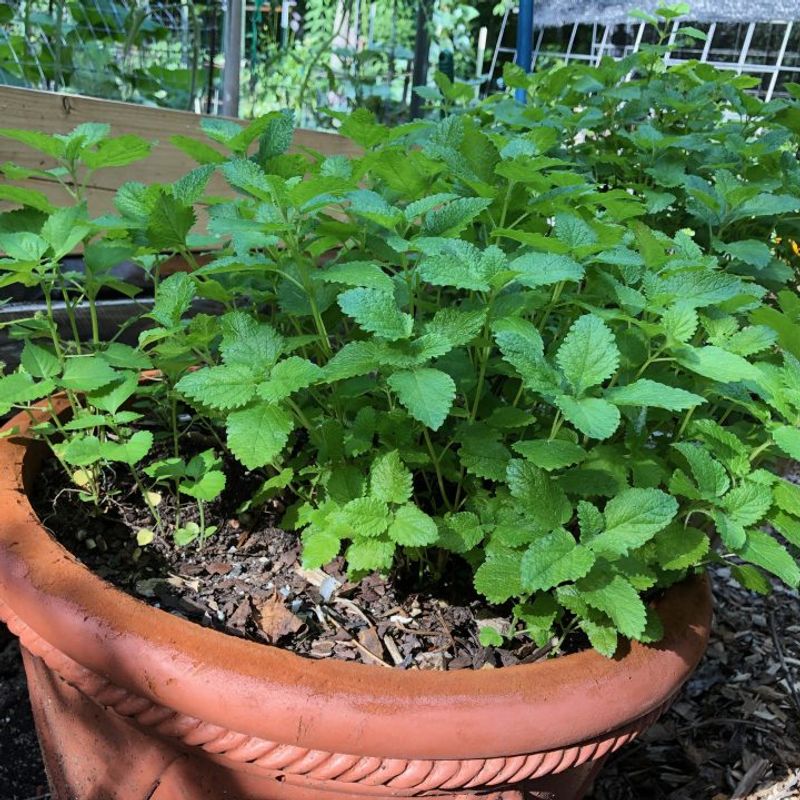
Mint has a reputation among Texas gardeners for spreading aggressively once it gets comfortable in the ground. What starts as a tidy herb patch can turn into a sprawling, hard-to-manage situation within a single growing season.
Keeping spearmint in a container solves that problem before it starts. A pot gives you full control over where the plant grows and how far it spreads.
You can move it around the porch depending on where you need the scent most, whether that is near the grill during a cookout, beside the outdoor dining table, or close to a seating area where sweet drinks are often enjoyed.
That kind of flexibility is genuinely useful on a Texas porch where the layout might shift depending on the season or occasion.
Container growing also makes it easier to manage the plant’s health. You can adjust sunlight exposure, swap out potting mix when it gets depleted, and keep the roots from drying out by choosing a pot with good moisture retention.
Your Texas Garden Changes Every Week. Your Plan Should Too.
Gardening in Texas changes quickly throughout the season. Every Friday you’ll receive a simple weekly plan showing exactly what to plant, prune, fertilize, harvest, and protect so you never miss the right timing.
A container with drainage holes is essential in the Texas climate, where heavy rains can saturate soil quickly and cause roots to suffer.
Choosing a larger pot, at least twelve inches wide, gives spearmint enough room to grow without becoming rootbound too quickly, which helps it stay healthy and aromatic all season long.
3. The Scent May Make Wasps Less Comfortable Nearby
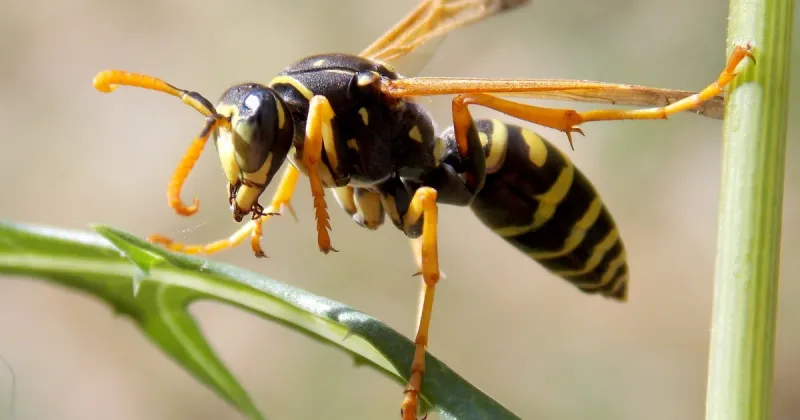
Wasps circling around a cold glass of lemonade on a Texas summer afternoon is one of those frustrating porch experiences most people know well. Understanding why they show up helps explain why spearmint might make a small difference in how often they linger.
Wasps are strongly driven by food, sweetness, and familiar scents tied to feeding opportunities.
Studies on peppermint and spearmint oils have found that the volatile compounds in mint can act as a repellent to some wasp species under controlled conditions.
A living spearmint plant does not produce the concentrated levels found in essential oils, but it does release those same aromatic compounds into the surrounding air, especially when leaves are disturbed or trimmed.
That low-level scent presence may make a porch corner slightly less appealing to wasps that are casually scouting the area.
The key word here is “may.”
Spearmint is not a wasp repellent in any certified or guaranteed sense. Wasp behavior is shaped by many factors, including nearby nesting sites, insect prey, flowering plants, and food availability.
A pot of spearmint placed near your seating area is a soft, scent-based layer of deterrence, not a solution on its own.
But when paired with other smart porch habits, it can be a genuinely useful part of making your Texas outdoor space feel a little less wasp-friendly on a regular basis.
4. Flowers And Food Still Matter More Than Mint Alone
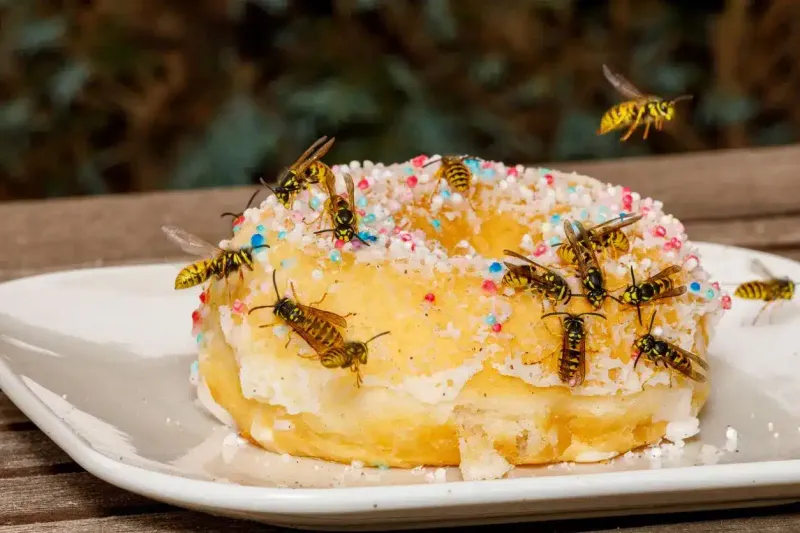
Food crumbs left on the porch table after a backyard cookout are far more attractive to wasps than any herb you can grow in a pot.
Wasps are opportunistic feeders, and they are especially drawn to proteins during late summer and sugary substances throughout the warmer months.
No amount of minty fragrance is going to override the pull of a half-eaten burger or an open can of soda sitting in the Texas heat.
Flowering plants also play a big role in wasp activity around Texas porches. Many wasp species feed on nectar as adults, so brightly blooming plants near your seating area can invite regular visits.
If your porch has flowering annuals, hanging baskets of blooming petunias, or nectar-rich herbs like basil in flower, wasps will be drawn in regardless of how much spearmint you have nearby.
Managing food and drink is one of the most effective wasp-awareness habits you can build. Covering sweet drinks, cleaning up food scraps promptly, and keeping outdoor trash cans sealed all reduce the sensory signals that attract wasps to your space.
Spearmint adds a pleasant scent-based layer to that effort, but it works best when the bigger attractants are already being managed.
Thinking of spearmint as a supportive tool rather than a standalone fix helps set realistic expectations for what it can do on your Texas porch.
5. Porch Placement Makes The Biggest Difference
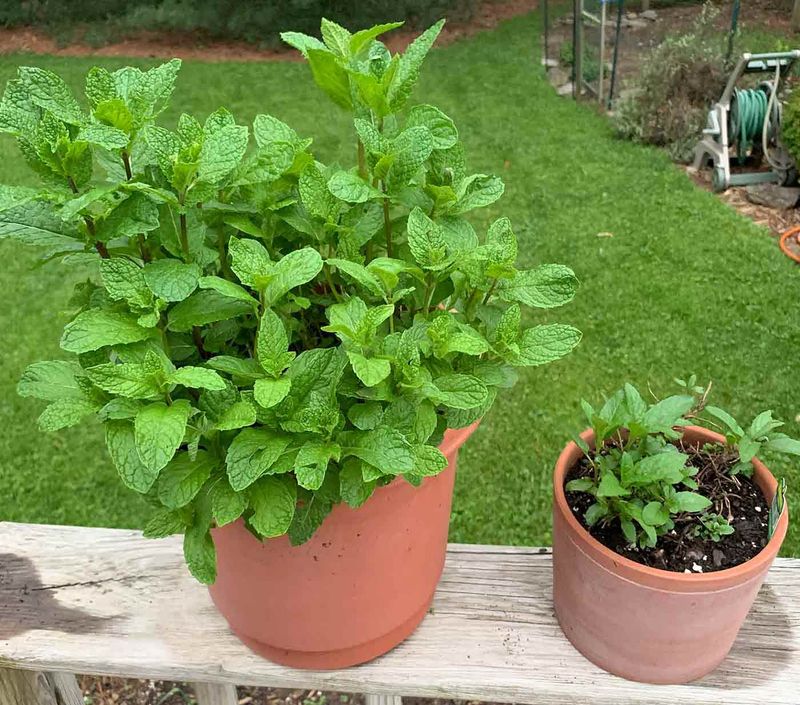
Where you set a spearmint pot on your porch matters more than most people realize. Placing it across the yard or at the far edge of the patio does little good if the area where you actually sit and eat is ten feet away.
For the scent to have any effect on nearby insects, the plant needs to be close to the space you are trying to protect.
A shaded porch corner on a Texas property can be a smart spot for spearmint during the hottest months, since the plant handles partial shade reasonably well and benefits from some relief from intense afternoon sun.
Placing a pot within arm’s reach of your outdoor chair means the scent stays present in your immediate area, especially on days when there is a light breeze moving through the porch.
If your Texas porch has multiple seating zones, consider using two smaller pots rather than one large one to spread the fragrance more evenly.
Hanging baskets of spearmint near entry points or along porch railings can also help extend the scent zone without taking up floor space.
Apartment balconies and small patios benefit from this approach too, since a compact container placed strategically near a seating chair or small bistro table can make a noticeable difference in how the space smells.
It may also influence how often wasps decide to explore that particular corner of your outdoor setup.
6. Regular Trimming Helps Keep The Fragrance Fresh
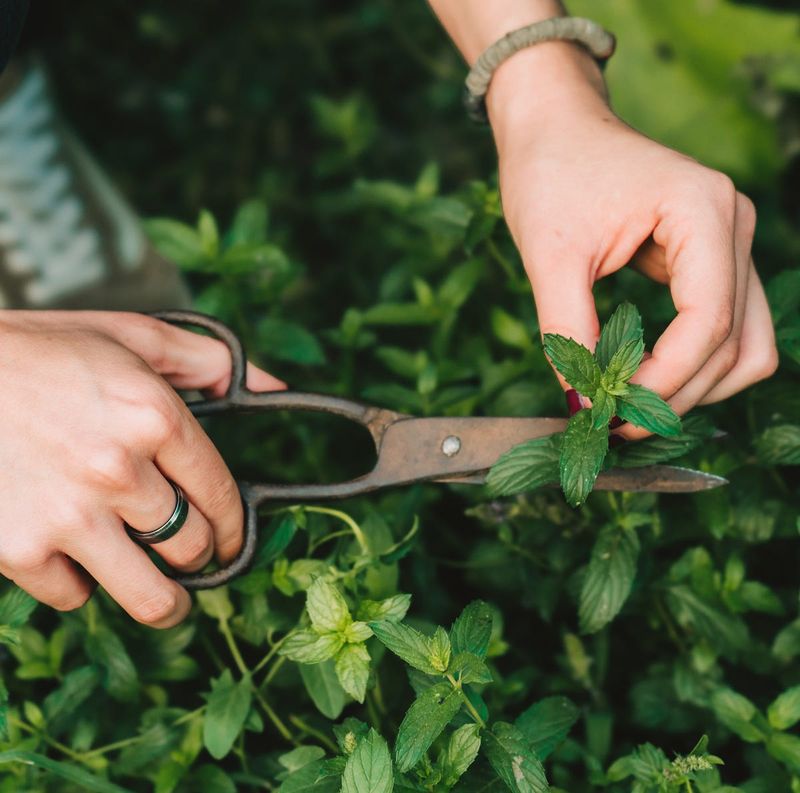
That burst of cool, minty fragrance you notice right after clipping a spearmint stem is not just a pleasant bonus. It is actually the moment when the plant’s aromatic oils are most active and present in the air around you.
Regular trimming is one of the best ways to keep a spearmint plant producing that fresh scent consistently throughout the Texas growing season.
When spearmint is left untrimmed for too long, it tends to bolt, meaning it puts energy into producing flowers and seeds rather than the fragrant leaves you want.
Once the plant flowers, the leaf fragrance often becomes less intense and the overall plant quality starts to decline.
Trimming stems back by about one-third encourages bushy, leafy regrowth and keeps the plant in its most aromatic state.
A light trim once every week or two during the active growing season is a reasonable rhythm for most Texas porches. You do not need special tools, just a clean pair of scissors or garden snips.
The trimmings are completely usable in the kitchen for teas, salads, or cold drinks, so nothing goes to waste.
Keeping spearmint tidy also prevents it from becoming leggy and top-heavy in a container, which can make the pot tip over in wind or look unkempt next to your outdoor furniture.
A well-maintained plant simply performs better in every way.
7. Mint Needs Enough Moisture In Texas Heat
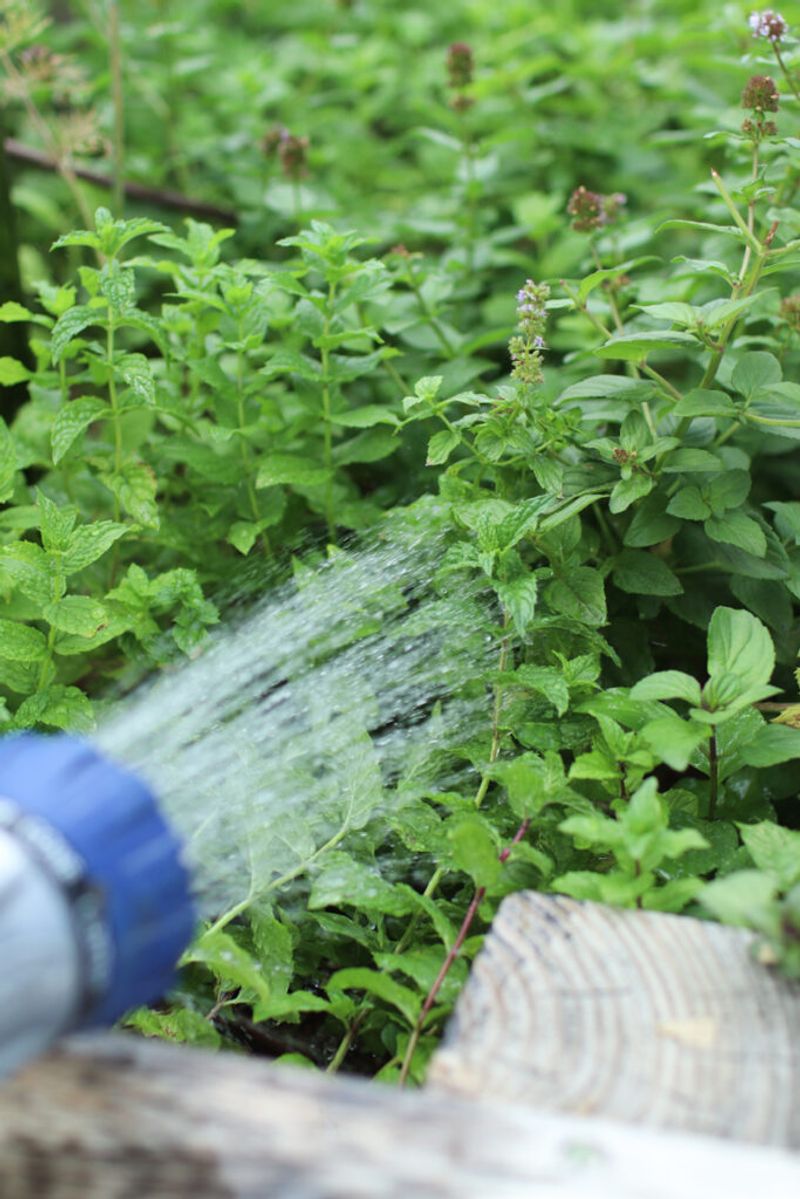
A porch container drying out in the middle of a Texas summer is one of the fastest ways to lose a spearmint plant before it has a chance to do much good.
Spearmint is a moisture-loving herb, and containers dry out far more quickly than in-ground beds, especially when temperatures climb into the nineties and beyond.
Keeping the soil consistently moist without letting the pot sit in standing water is the main watering challenge to manage.
Terracotta pots, while attractive and breathable, tend to lose moisture faster than glazed ceramic or plastic containers.
If your Texas porch gets a lot of direct sun and heat, switching to a darker-colored or double-walled container can help retain moisture longer between waterings.
Adding a layer of mulch or compost on top of the potting mix also slows evaporation and keeps the root zone cooler during the hottest parts of the day.
Checking the soil with a finger before watering is more reliable than following a fixed schedule, since Texas weather can shift dramatically between weeks. If the top inch of soil feels dry, the plant is ready for water.
Spearmint that is consistently under-watered will show wilting, yellowing leaves, and reduced fragrance, all signs that the plant is stressed and no longer performing at its best.
Keeping it well-hydrated is one of the simplest and most impactful things you can do for a porch spearmint container.
8. Spearmint Works Best As Part Of Wasp-Aware Porch Care
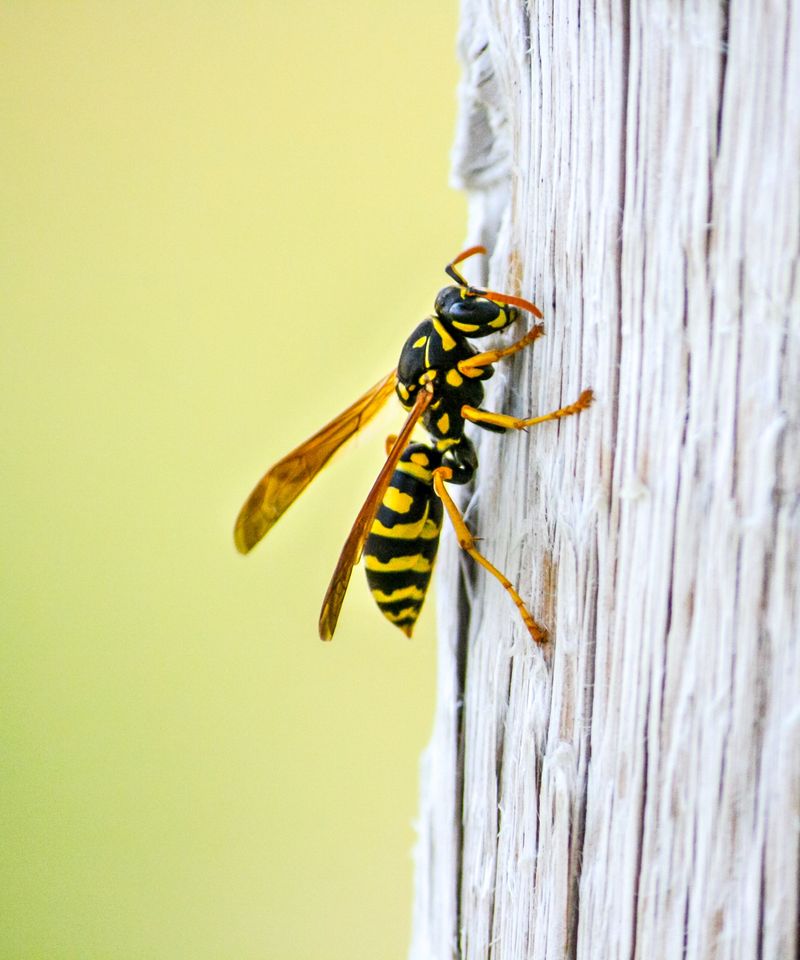
Spearmint earns its place on a Texas porch not by working miracles, but by contributing something genuinely useful to a broader set of habits that make outdoor living more comfortable.
When you pair a fragrant mint container with smart food management, covered drinks, clean table surfaces, and awareness of nearby nesting sites, the overall effect on wasp activity around your seating area can feel more noticeable.
Checking your porch eaves, outdoor furniture joints, and nearby shrubs for early-stage wasp nests at the start of the season is one of the most proactive things a Texas homeowner can do.
Small nests caught early are far easier to manage than large established ones later in the summer.
Spearmint does nothing to address an existing nest, so being observant about where wasps are building is a separate and important habit to maintain.
Combining a well-placed spearmint pot with covered trash cans, prompt cleanup after outdoor meals, and reduced use of heavily floral perfumes or scented candles near the seating area creates a porch environment that is simply less rewarding for wasps to visit.
Texas outdoor spaces can be genuinely enjoyable all season with a little thoughtfulness about what draws wasps in.
Spearmint is one approachable, affordable, and pleasant-smelling piece of that puzzle, and for many Texas porch gardeners, that makes it more than worth the small effort it takes to grow.