That Tiny White Flower Spreading Through Your Michigan Lawn Is Actually A Native Pollinator Plant
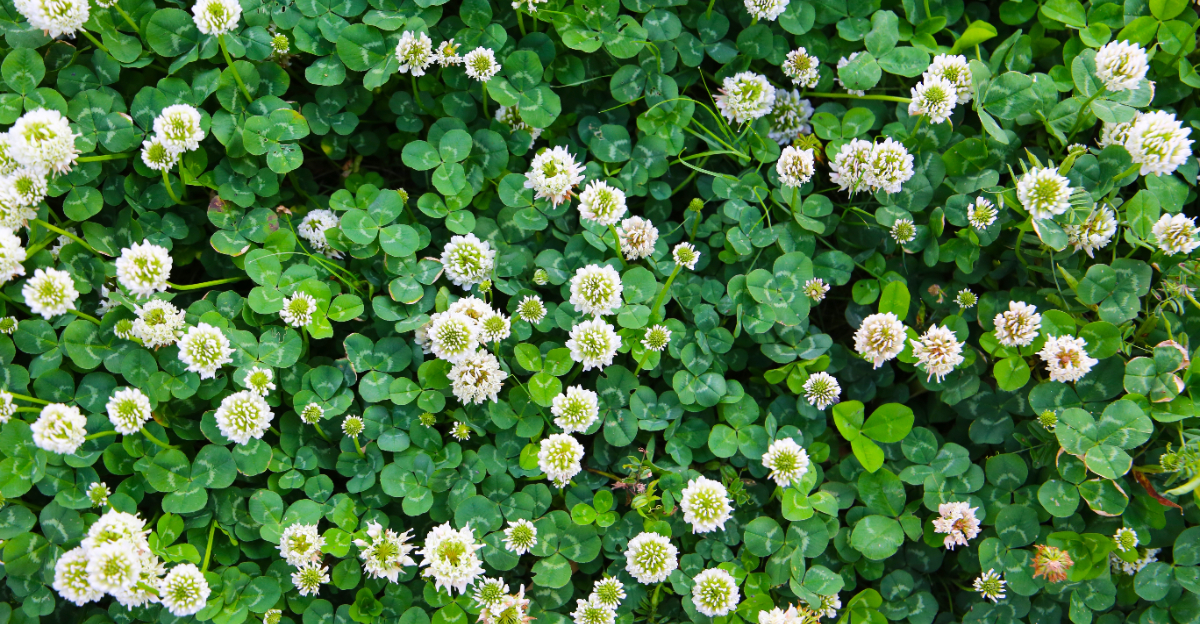
Most people’s first instinct when something starts spreading through the lawn is to get rid of it. Especially something low-growing with small white flowers that showed up without an invitation.
But before you reach for anything, it’s worth taking a closer look at what you’re actually dealing with. What a lot of Michigan homeowners are pulling out or spraying over turns out to be a native plant with a genuinely useful role in the local ecosystem.
Bees find it before almost anything else blooms in the season. It asks nothing from you, handles foot traffic better than most plants its size, and fixes nitrogen into the soil as a quiet bonus.
The lawn care industry spent decades telling people it was a weed. The pollinator science tells a pretty different story, and more Michigan gardeners are starting to listen to that side of the argument.
1. White Clover Is Native And Adapted To Michigan Lawns
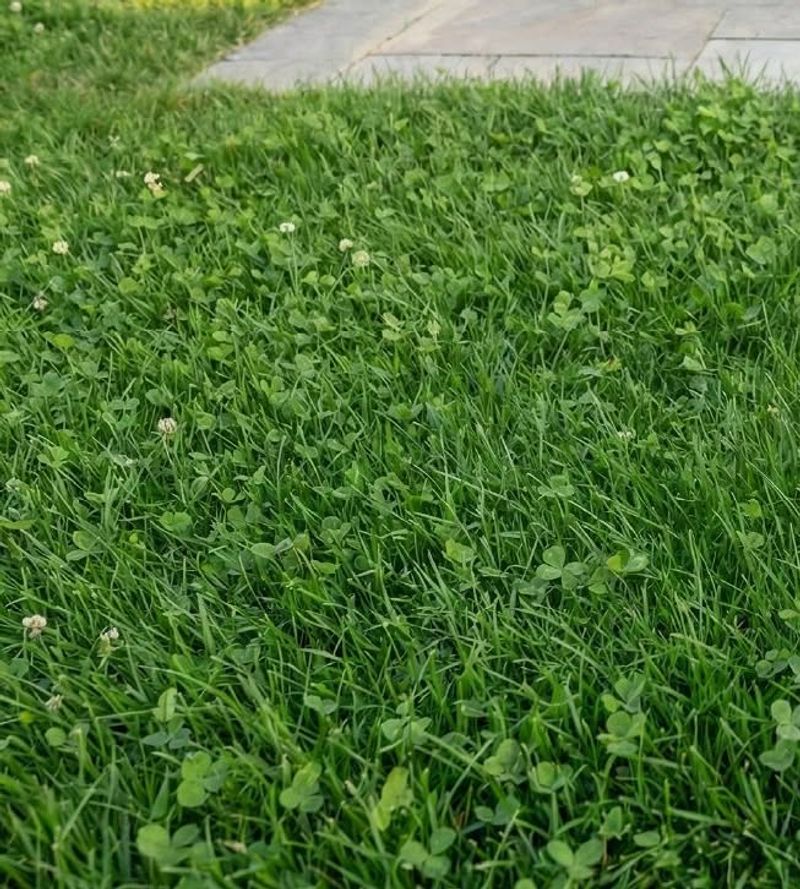
Most people pull white clover out of their lawns without a second thought, treating it like a weed that snuck in uninvited. The truth is far more interesting.
Though introduced from Europe centuries ago, white clover (Trifolium repens) has completely naturalized in Michigan, thriving in its clay soils and harsh winters without human assistance.
Michigan lawns can be tricky to maintain. The freeze-thaw cycles, late spring frosts, and hot summers stress out plenty of turf grasses, but white clover handles all of it with ease.
Its deep root system anchors it firmly through wet springs and dry Augusts alike. It rebounds quickly after mowing and stays green even when surrounding grass turns dull and stressed.
Rather than fighting this plant, many Michigan gardeners are choosing to embrace it. Allowing white clover to grow alongside grass creates a more resilient lawn that requires fewer inputs.
Soil health improves naturally, bare patches fill in faster, and the lawn stays greener through dry spells.
Thinking of white clover as a lawn partner rather than a problem completely changes how you approach yard care, and honestly, it makes the whole process a lot more enjoyable.
2. Early Spring Blooms Support Pollinators
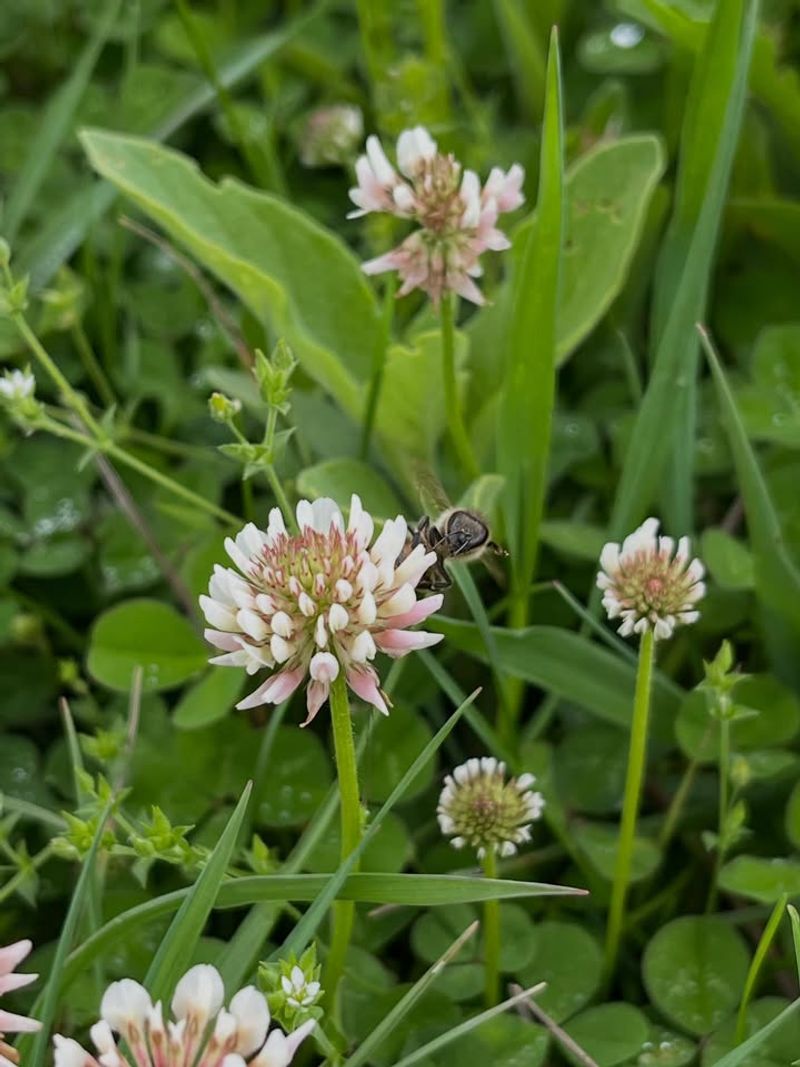
Bees wake up hungry. After a long Michigan winter, pollinators emerge in early spring searching for food, and most garden flowers have not bloomed yet.
White clover steps in right when it matters most, producing nectar-rich blooms as early as late April and continuing well into summer.
For bumblebees, honeybees, and native solitary bees, those small white flower heads are essentially a buffet that shows up exactly on schedule.
Each white clover bloom is actually a cluster of tiny individual flowers packed tightly together. A single flower head can contain up to 200 individual florets, each producing nectar independently.
That means one small patch of clover supports a surprisingly large number of pollinator visits every single day. Butterflies, including cabbage whites and sulfurs common to Michigan, also visit clover regularly for both nectar and resting spots.
The timing of white clover’s bloom period fills a genuine gap in the Michigan pollinator calendar. Many early-season flowers fade by mid-May, and summer bloomers like coneflowers and black-eyed Susans do not kick in until July.
Your Michigan Garden Changes Every Week. Your Plan Should Too.
Gardening in Michigan changes quickly throughout the season. Every Friday you’ll receive a simple weekly plan showing exactly what to plant, prune, fertilize, harvest, and protect so you never miss the right timing.
White clover bridges that gap through June, ensuring pollinators have consistent food during a critical window. Leaving even a small patch unmowed in a corner of your yard can meaningfully support local bee populations throughout the season.
3. Fixes Nitrogen Naturally In The Soil
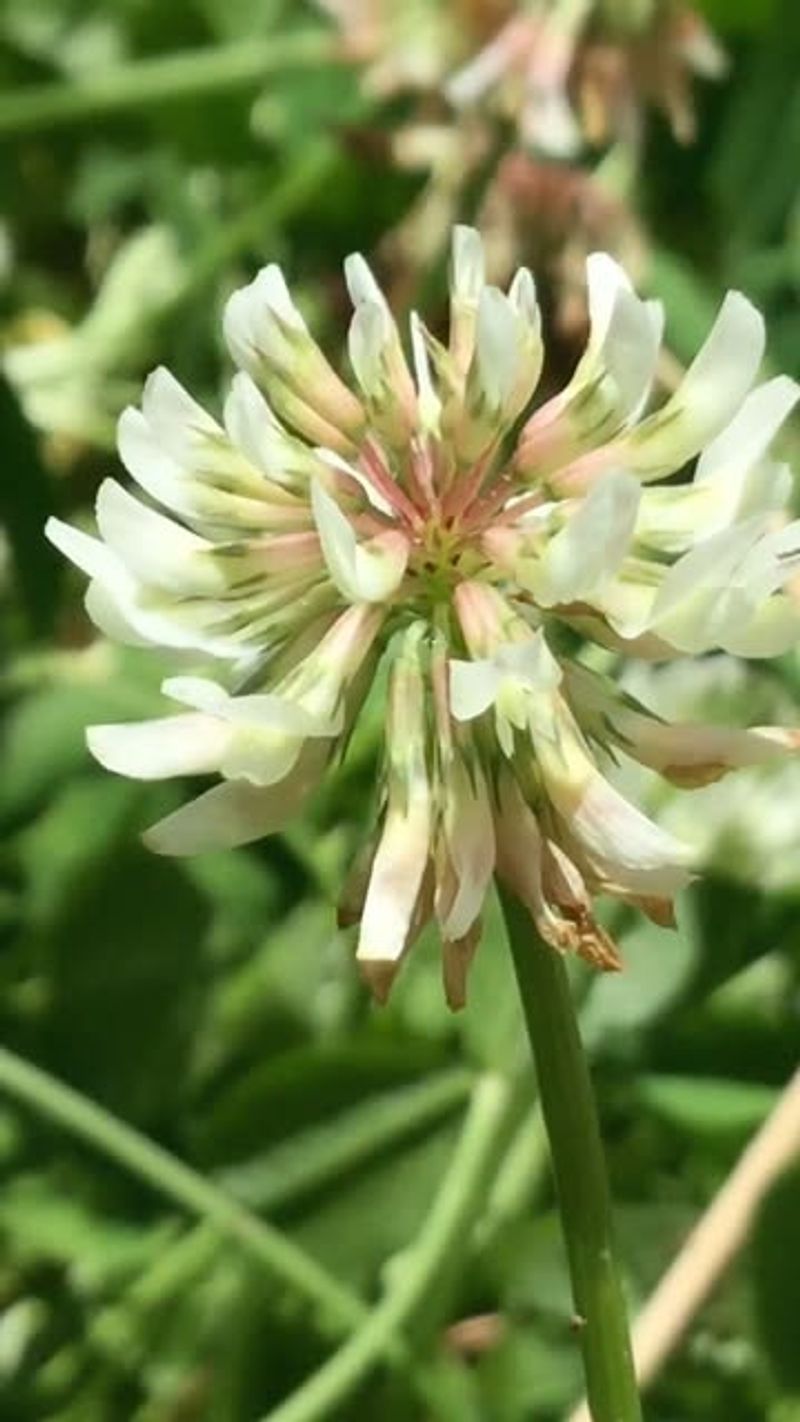
Fertilizer bags are expensive, and applying too much synthetic nitrogen can actually harm your lawn over time by disrupting soil biology. White clover offers a completely free alternative, and it works quietly underground while you go about your day.
Through a fascinating partnership with soil bacteria called Rhizobium, white clover captures nitrogen gas directly from the atmosphere and converts it into a form that plants can actually use.
You can see this process at work if you gently pull up a clover plant and examine its roots. Tiny pink or white nodules cling to the roots, and each one is packed with nitrogen-fixing bacteria.
As clover grows and eventually breaks down, that stored nitrogen releases into the surrounding soil, feeding nearby grass and garden plants without any effort from you.
Studies have shown that a healthy stand of white clover can fix between 100 and 200 pounds of nitrogen per acre annually, which is a meaningful amount for any lawn.
For Michigan gardeners who want to reduce chemical inputs, this is a genuine game-changer. Mixing clover into a lawn at around 5 to 10 percent coverage can noticeably improve grass color and density over a single growing season.
The grass literally gets greener because the clover is feeding it. Skipping one or two fertilizer applications per year becomes completely realistic when clover is doing the work for free.
4. Thrives In Sun And Partial Shade
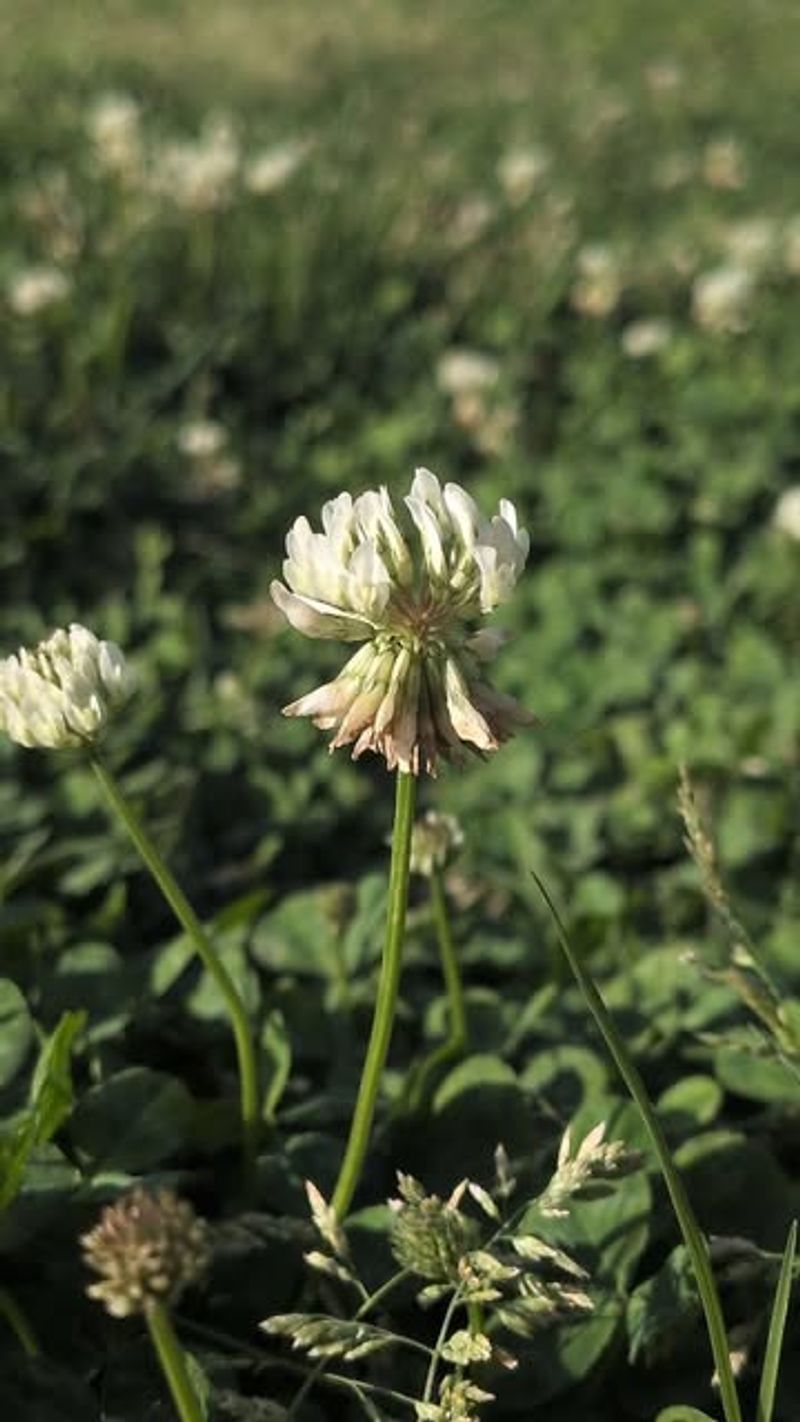
One of the most frustrating spots in any Michigan yard is the shady patch under a big oak or maple where grass refuses to grow properly. Thin, patchy, and pale, struggling turf in partial shade is a headache many homeowners know well.
White clover handles those tricky spots far better than most lawn grasses, growing comfortably in anywhere from full sun to about 50 percent shade without losing its vigor or stopping bloom production.
In full sun, white clover grows low and spreads quickly, producing abundant flowers and staying dense enough to crowd out less desirable weeds.
In partial shade, it adjusts naturally, growing slightly taller to reach available light while maintaining its characteristic green, three-leafed appearance.
This adaptability makes it genuinely useful across the different microclimates found in a typical Michigan yard, from open sunny areas near the street to shaded spots near the house foundation.
Michigan’s diverse landscape means yards often have multiple growing conditions within a single property. A south-facing slope gets intense afternoon sun while the north side of the house stays cool and shaded most of the day.
White clover moves comfortably between both environments, filling in where other plants struggle.
Gardeners looking for a ground cover that works across varied conditions without constant replanting will find white clover to be one of the most versatile options available right in their own backyard.
5. Spreads Gradually Without Overwhelming Grass
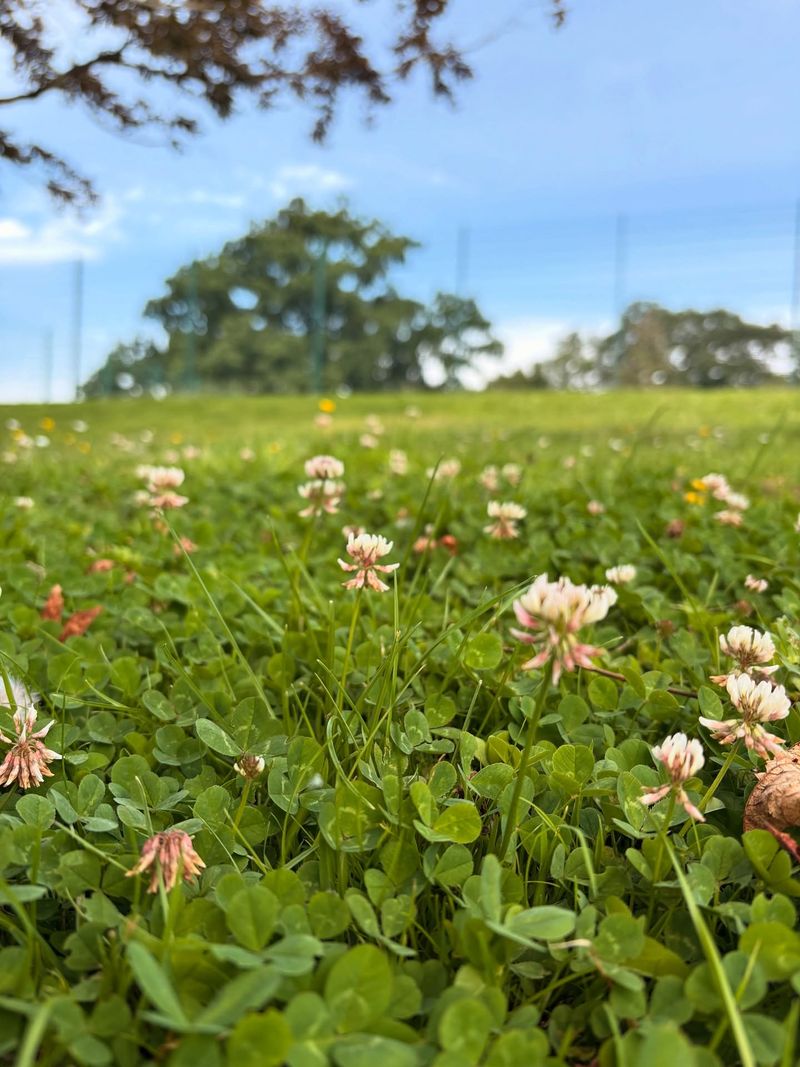
Worried that white clover will take over your entire lawn? That concern is understandable, but the reality is much more manageable.
White clover spreads through horizontal stems called stolons that creep along the soil surface, rooting at intervals as they go.
This growth pattern forms low, spreading mats rather than tall, aggressive clumps, which means it fills in gradually and coexists naturally with grass rather than smothering it.
Regular mowing is genuinely the most effective tool for keeping clover balanced within a lawn. When you mow at the standard height of three to four inches, white clover stays low and compact while grass maintains its usual appearance.
The two plants share space comfortably at this height, with clover occupying gaps and thin areas while grass dominates healthier, denser sections of the lawn. There is no dramatic takeover when mowing stays consistent.
In fact, many Michigan homeowners who allow white clover to spread naturally report that it fills bare spots faster than grass seed does, especially in areas with compacted or poor soil.
Because clover improves soil conditions as it grows, grass often starts growing better in those same areas over time.
The balance shifts organically without requiring intervention. Thinking of clover as a lawn repair tool that happens to spread on its own makes the whole dynamic feel far less concerning and a lot more useful.
6. Low Maintenance And Tolerant Of Foot Traffic
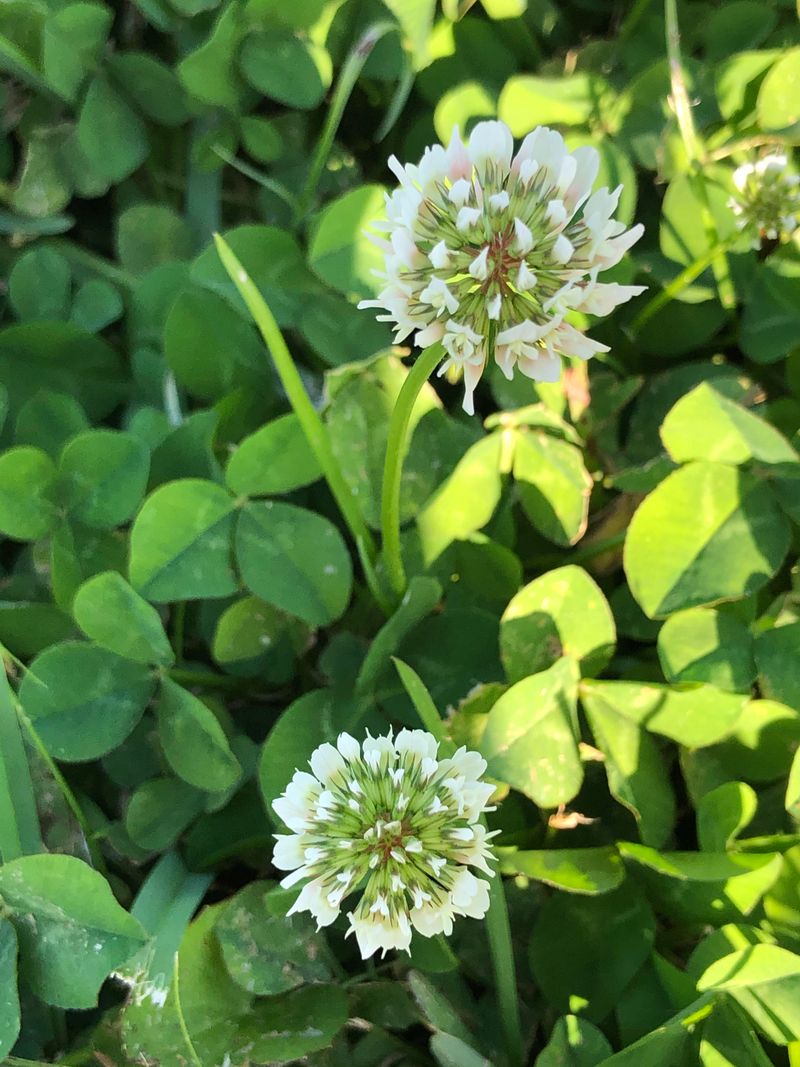
Some ground covers look beautiful in a catalog but fall apart the moment a dog runs across them or kids start playing in the yard. White clover is not one of those plants.
It bounces back from light foot traffic remarkably well, recovering quickly after being stepped on and continuing to grow without skipping a beat.
For families with active backyards, that kind of durability matters more than almost anything else in a lawn plant.
Michigan summers can swing from soaking wet to genuinely dry within the same month, and many lawn plants struggle with that inconsistency.
White clover handles variable moisture conditions gracefully, tolerating both short dry spells and temporary waterlogging without showing serious stress.
Once established, it rarely needs supplemental watering, which translates to real savings on your water bill during hot stretches in July and August.
Mowing is equally no problem for white clover. Unlike some low-growing ground covers that look ragged after being cut, clover trims cleanly and rebounds within days.
It does not require special mower settings, edging, or precise timing to stay healthy. For Michigan gardeners who want a yard that looks presentable without demanding constant attention, white clover delivers exactly that kind of easygoing reliability.
Adding it to your lawn means spending less time managing it and more time actually enjoying it during those all-too-short Michigan summers.
7. Flowers Provide Continuous Seasonal Interest
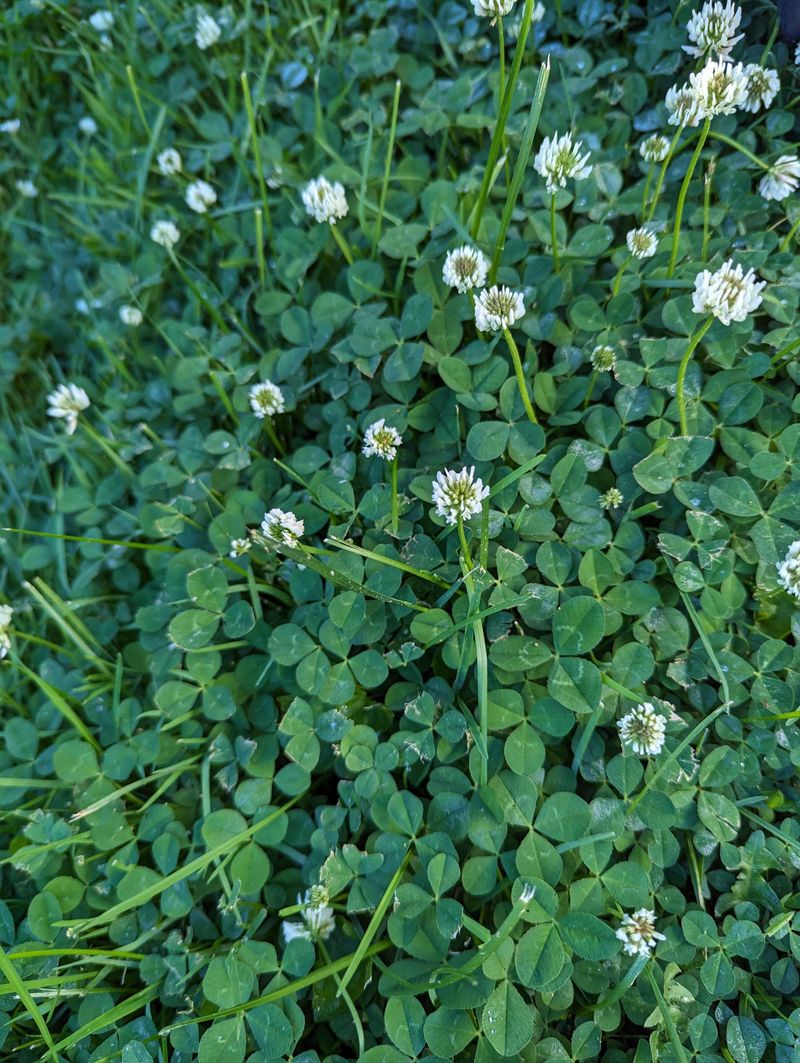
There is something quietly charming about a lawn dotted with small white blooms. White clover flowers are not flashy, but they add a soft, natural texture to a yard that feels intentional rather than unkempt when you understand what you are looking at.
In Michigan, blooms typically begin appearing in late April or early May, depending on how warm the spring runs, and continue producing fresh flowers right through June and into July in cooler years.
Each individual flower head lasts roughly one to two weeks before fading, but new blooms constantly replace older ones throughout the season.
This rolling bloom cycle means the visual interest never disappears all at once, which gives the lawn a consistent, lived-in look rather than a sudden burst of color followed by nothing.
During peak bloom, a lawn with clover integrated into it can appear almost meadow-like, which appeals strongly to gardeners interested in naturalistic or cottage-style outdoor spaces.
Beyond the aesthetic appeal, the bloom timing aligns perfectly with Michigan’s active outdoor season.
From Memorial Day cookouts through Fourth of July gatherings, white clover keeps producing flowers right when yards see the most use and attention.
Guests walking barefoot across a lawn notice those tiny blooms underfoot in the best possible way.
For a plant that requires zero effort to flower, the seasonal payoff is genuinely impressive and adds real character to an otherwise ordinary lawn.
8. Supports Beneficial Insects Beyond Pollinators
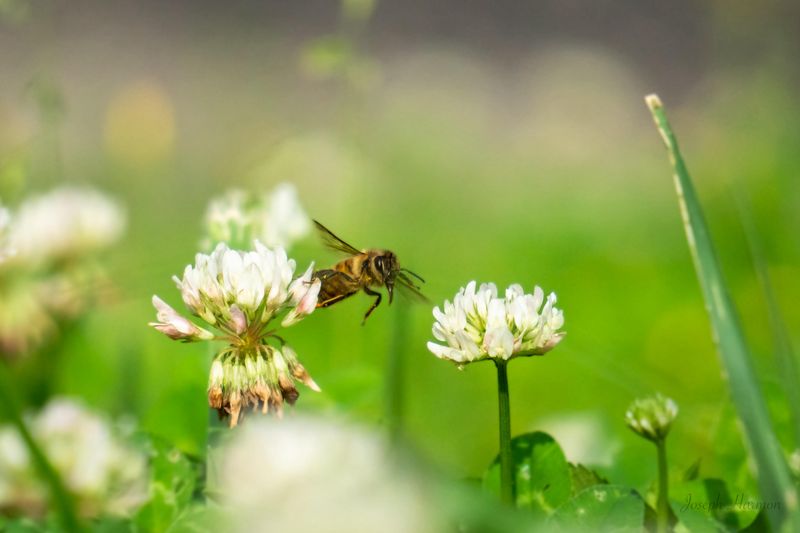
Most people know that white clover attracts bees, but the ecological benefits stretch well beyond pollination.
White clover acts as a habitat plant for a wide range of beneficial insects that gardeners rarely think about but absolutely depend on.
Ground beetles, which are voracious predators of common lawn pests like grubs and caterpillars, shelter beneath clover’s low-growing mats and use them as hunting grounds throughout the growing season.
Ladybugs are another welcome visitor to clover patches. Both adults and larvae feed on aphids and soft-bodied insects that damage garden plants, and they use clover as a resting and overwintering site.
Parasitic wasps, which are tiny and completely harmless to humans, also patrol clover areas looking for pest insects to parasitize.
These natural predators collectively reduce pest pressure across the entire yard, including in vegetable gardens and flower beds nearby.
Chemical treatments for Michigan lawn pests, like Japanese beetle grubs, sod webworms, and chinch bugs, often backfire by destroying the beneficial insects that naturally control them.
Allowing white clover to grow supports a balanced insect community that handles a surprising amount of pest control on its own.
Encouraging biodiversity at the ground level creates a lawn ecosystem that manages itself more effectively, reducing the need for interventions that cost money and time.
9. Can Be Integrated Into Pollinator-Friendly Lawns
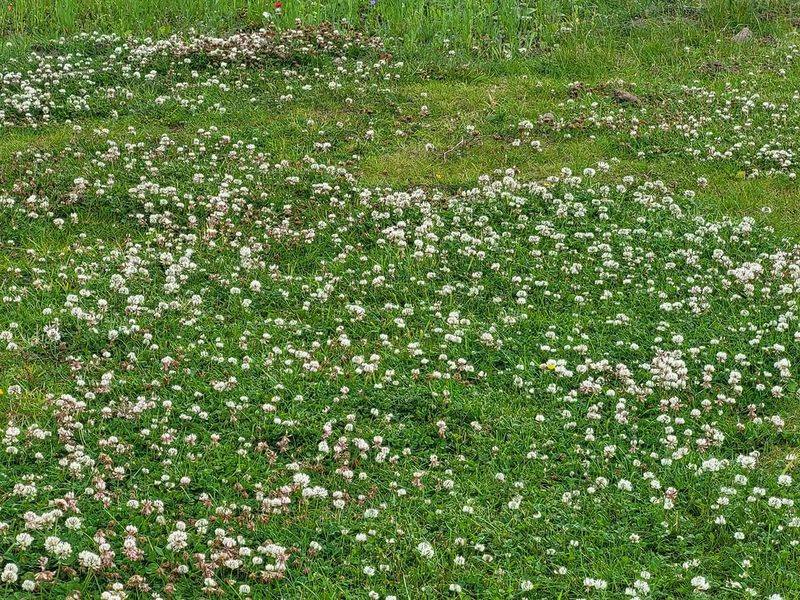
Turning part of your Michigan lawn into a pollinator-friendly space does not require ripping everything out and starting from scratch.
White clover integrates beautifully into existing turf with very little effort, and intentionally encouraging it in specific areas of your yard is one of the simplest upgrades a gardener can make.
Seeding clover into thin or bare patches costs almost nothing, and the plants establish quickly even in moderately compacted soil.
Selective mowing is the most practical management tool for keeping clover and grass balanced in a mixed lawn. Mowing high, at around three to four inches, allows clover to bloom regularly while keeping grass at a healthy height.
Leaving a designated unmowed strip or corner through June and July gives pollinators a reliable feeding area during peak activity.
Even a patch the size of a parking space provides meaningful habitat when clover is blooming consistently. Avoiding herbicides in areas where you want clover to thrive is equally important.
Most broadleaf herbicides will remove clover along with dandelions and other plants, so skipping those treatments in pollinator zones preserves everything you are trying to encourage.
Pairing white clover with other low-growing native plants like wild violets or creeping thyme creates a layered ground-level habitat that supports insects across different bloom times.
Building a pollinator-friendly lawn in Michigan is genuinely achievable, and white clover is the easiest and most rewarding place to start.