These Texas Houseplants Are Highly Toxic To Your Pets
Houseplants and pets seem like a perfectly natural combination. A little greenery inside the home, a curious cat or dog exploring their surroundings.
But some of the most popular and beautiful houseplants found in Texas homes are genuinely dangerous to the animals sharing that space. And a lot of pet owners have no idea until something goes wrong.
This is not a small risk. Some common houseplants can cause serious harm to dogs and cats, ranging from stomach upset and excessive drooling all the way to organ failure and worse.
The frightening part is that many of these plants are sold without any warning labels, displayed attractively at garden centers and home stores with no indication that they could send your pet to the emergency vet.
If you have pets in your Texas home, knowing which houseplants pose a real danger is one of the most important things you can do to keep them safe.
1. Sago Palm
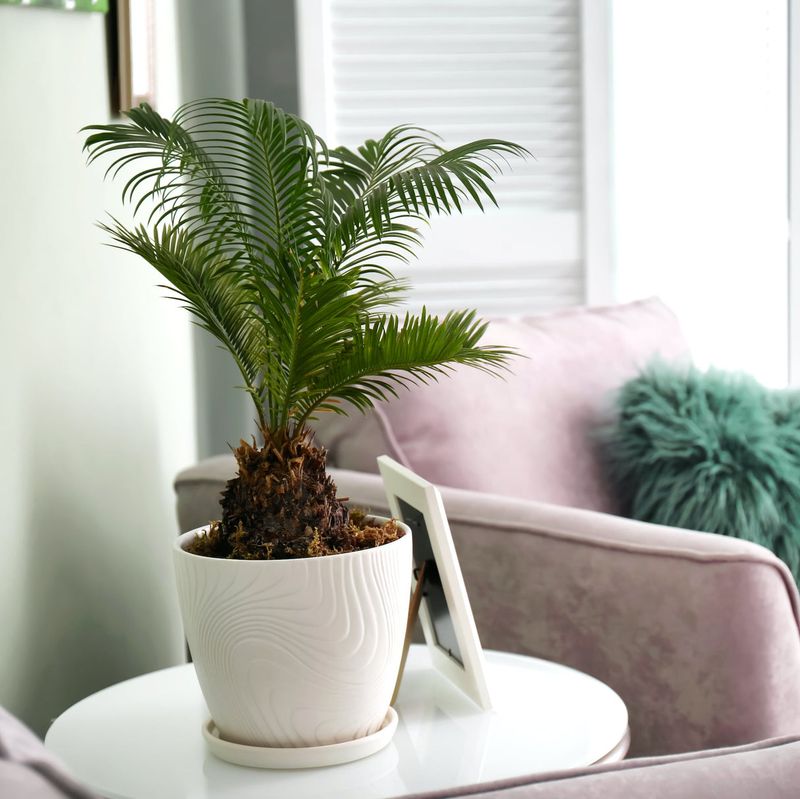
Walk into almost any Texas home or garden center, and you will likely spot a Sago Palm sitting proudly in a decorative pot. It looks tropical, elegant, and tough, making it a go-to choice for plant lovers.
But behind that beautiful appearance is one of the most hazardous plants a pet owner can bring home.
Every single part of the Sago Palm is toxic to both cats and dogs. The seeds, also called nuts, carry the highest concentration of a poison called cycasin.
Even a tiny amount of this toxin can cause serious liver damage in pets. You do not need your pet to eat a large amount for the effects to be severe.
Symptoms usually appear within a few hours of ingestion. Watch for vomiting, extreme tiredness, loss of appetite, yellowing of the skin or eyes, and unusual thirst or urination.
These are all warning signs that something is seriously wrong and that your pet needs immediate veterinary care.
If you currently have a Sago Palm in your home and you have pets, consider moving it to a location that is completely out of reach, or replacing it with a pet-safe plant altogether.
Outdoor Sago Palms in your yard can also be a hazard, especially if your dog spends time in the garden.
When it comes to plant safety, the Sago Palm is not worth the risk. There are plenty of gorgeous, pet-friendly alternatives that can give your home that same lush, tropical feel without putting your animals in danger. Your pet’s safety always comes first.
2. Dieffenbachia
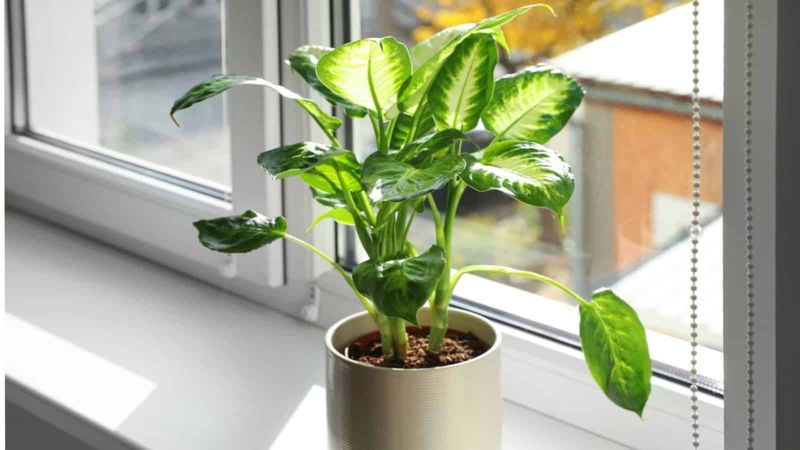
Most people know this plant by its nickname, dumb cane, and once you learn why it earned that name, you will never forget it.
Dieffenbachia is a lush, leafy houseplant with stunning green and white patterned leaves that make it a favorite in Texas living rooms and offices. It looks harmless, even inviting, but it packs a painful punch for pets.
Inside every leaf and stem of this plant are tiny, needle-like crystals called calcium oxalates. When a pet chews on the plant, these crystals are released into the mouth and throat.
Your Texas Garden Changes Every Week. Your Plan Should Too.
Gardening in Texas changes quickly throughout the season. Every Friday you’ll receive a simple weekly plan showing exactly what to plant, prune, fertilize, harvest, and protect so you never miss the right timing.
The result is immediate and intense. Pets experience burning pain, heavy drooling, swelling of the lips and tongue, and serious trouble swallowing.
Cats are especially drawn to the wide, wavy leaves of the Dieffenbachia because they love to bat at things and chew on greenery. Dogs may also take a curious bite, especially younger pups who explore the world with their mouths.
Even a small amount of contact can cause visible discomfort very quickly. If your pet chews on this plant, rinse their mouth gently with water and contact your veterinarian right away. Do not wait for symptoms to get worse before seeking help.
The swelling can sometimes make it difficult for your pet to breathe, which is a serious emergency.
Keeping Dieffenbachia on high shelves or in rooms your pets cannot access is one option. However, the safest choice is to remove it from your home entirely if you have curious cats or dogs. There are many equally beautiful plants that will not harm your beloved animals.
3. Pothos
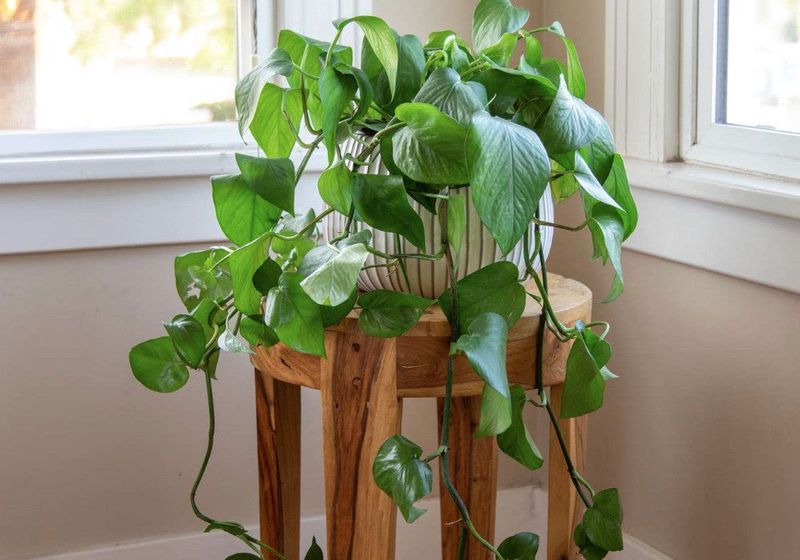
Pothos might just be the most popular houseplant in America, and for good reason. It is nearly impossible to neglect, it grows in low light, and those long trailing vines look stunning in hanging baskets or draped along a bookshelf.
Texas plant lovers absolutely adore it. But if you share your home with a cat or dog, Pothos deserves a second look.
Also called devil’s ivy, Pothos contains the same calcium oxalate crystals found in other toxic plants. When a pet chews on the leaves or stems, those crystals irritate the soft tissues of the mouth, tongue, and stomach lining.
The burning sensation is uncomfortable and can cause your pet to drool heavily, paw at their mouth, or vomit shortly after chewing.
One tricky thing about Pothos is how tempting it is to pets. Those long, dangling vines practically invite cats to swipe and chew at them.
Dogs may also sniff around the base of the pot and take a nibble out of fallen leaves. Even a leaf that has dropped to the floor can be a hazard.
The good news is that Pothos toxicity is rarely life-threatening when only a small amount is chewed.
But it still causes real pain and distress for your pet, and that is reason enough to act carefully. Rinse your pet’s mouth with water, and call your vet if symptoms do not improve.
Hanging your Pothos well out of reach is one solution, but determined cats can still find their way to it. Swapping it out for a safe alternative like a spider plant or Boston fern gives you the same trailing vine look without the worry.
4. Philodendron
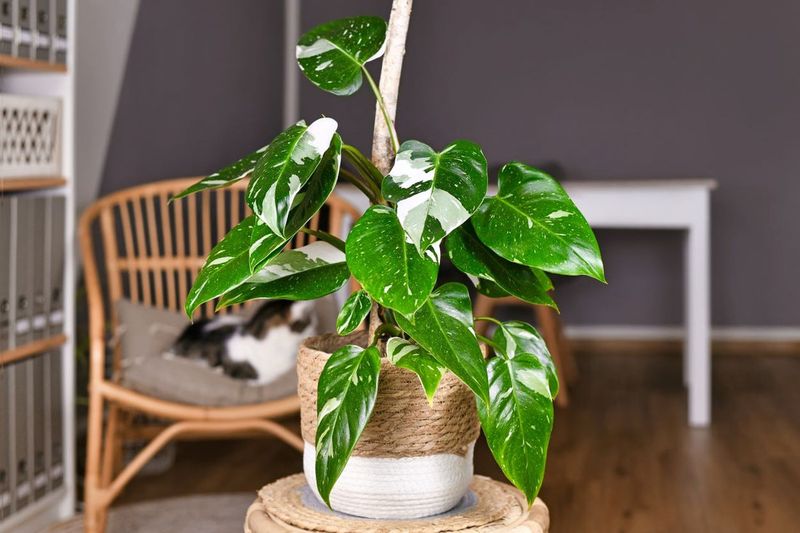
Few plants bring that bold, jungle-like energy to a room quite like a Philodendron. With its big, glossy leaves and easy-going growth habits, it has earned a loyal following among Texas houseplant enthusiasts.
You can find it in homes, offices, and even waiting rooms across the state. But pet owners need to know that this beauty has a dangerous side.
Philodendrons contain calcium oxalate crystals, just like several other plants on this list. When cats or dogs chew on the leaves or stems, those tiny crystals dig into the soft tissues of the mouth and throat.
The reaction is fast and unpleasant. Pets will often drool excessively, paw at their face, vomit, and show signs of swelling around the lips and tongue.
Cats seem to have a particular fondness for chewing on Philodendron leaves, possibly because the large flat surfaces are easy to bite into. Dogs, especially puppies, may also take a curious nibble.
Repeated exposure over time can also cause more lasting irritation to the digestive system, so this is not a plant to brush off as a minor concern.
If you catch your pet chewing on a Philodendron, stay calm and act quickly. Rinse their mouth out with clean water and call your vet to describe what happened.
Your vet will guide you on whether your pet needs to be seen in person based on how much was eaten and what symptoms appear.
Choosing a pet-safe alternative like a Calathea or Areca palm lets you keep that lush, tropical vibe in your home while protecting your animals from unnecessary harm.
5. Peace Lily
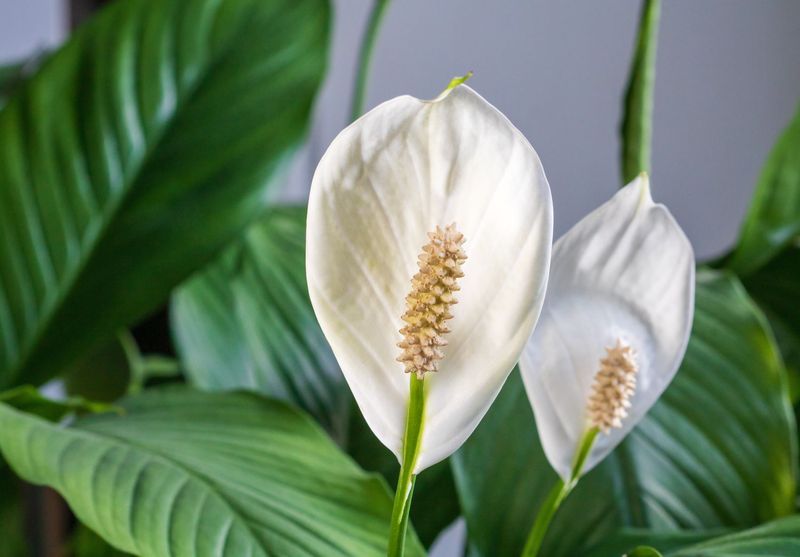
There is something undeniably calming about a Peace Lily. Its deep green leaves and soft white blooms give any room a serene, clean look.
It is also praised for its air-purifying qualities, which makes it even more appealing to health-conscious plant lovers in Texas. Sadly, for pet owners, this plant is far from peaceful when it comes to animal safety.
Peace Lilies are toxic to both cats and dogs, and the effects can show up quickly after your pet takes a bite. Like other plants on this list, Peace Lilies contain calcium oxalate crystals that irritate the mouth, gums, and throat immediately upon contact.
Pets will start drooling, may vomit, and often have trouble swallowing because of the swelling and discomfort inside their mouth.
Cats are at particular risk with this plant. Felines are naturally drawn to soft, broad leaves and will often chew on them out of boredom or curiosity.
Even licking the pollen or the water in the drainage tray of a Peace Lily pot can cause mild irritation in some sensitive cats.
If you notice your cat or dog chewing on a Peace Lily, act right away. Rinse their mouth with water and contact your veterinarian immediately.
Let the vet know what plant was involved and roughly how much your pet may have eaten. Getting ahead of the symptoms early leads to much better outcomes.
Replacing a Peace Lily with a Boston fern or a Parlor palm gives you that same elegant, leafy look without putting your pets at risk. Making small swaps like this can make your home both beautiful and safe for every member of the family.
6. ZZ Plant
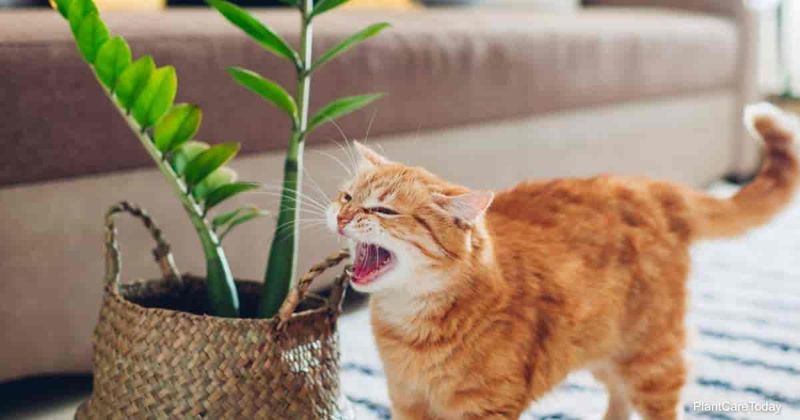
Ask any plant lover what the toughest, most low-maintenance houseplant is, and the ZZ Plant will likely top the list. It thrives in low light, barely needs water, and looks incredibly polished with its thick, waxy, dark green leaves.
For busy Texas households, it seems like the perfect plant. But if you have pets at home, there is an important side to the ZZ Plant you need to know about.
The ZZ Plant, known scientifically as Zamioculcas zamiifolia, contains calcium oxalate crystals throughout its leaves and stems. If your pet chews on any part of the plant, those crystals cause immediate irritation to the mouth and stomach lining.
Symptoms include drooling, vomiting, and visible signs of oral discomfort like pawing at the face or rubbing the mouth on the floor.
One thing that makes the ZZ Plant particularly tricky is how slow-growing and sturdy it is. Leaves and stems do not wilt or fall easily, which means your pet may have access to the same leaves repeatedly.
Dogs that love to chew on anything within reach may keep returning to a ZZ Plant if it is placed too low to the ground.
Moving your ZZ Plant to a high shelf or a room your pets do not enter is a smart first step. Because this plant grows slowly and stays compact, it is usually easy to relocate without much fuss. Keeping it behind a closed door is the most reliable option.
If your pet shows any symptoms after being near the ZZ Plant, call your vet promptly. Quick action always leads to better results, and your vet can advise you on the best next steps based on your pet’s size and symptoms.
7. Snake Plant
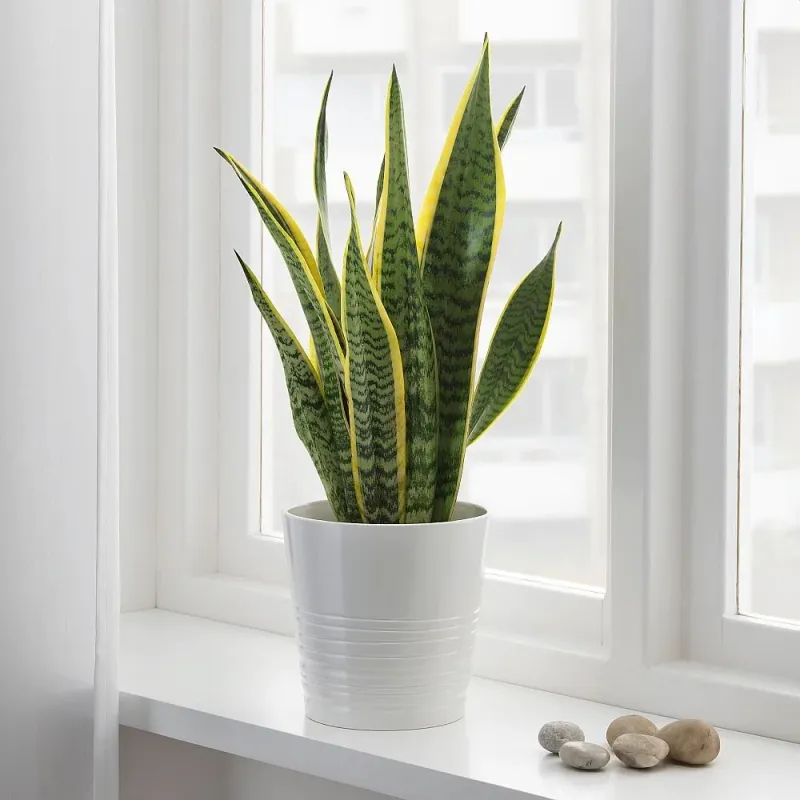
Bold, architectural, and nearly indestructible, the Snake Plant has built a massive fan base among Texas plant enthusiasts. Its tall, stiff leaves with striking yellow edges make it a natural focal point in any room.
It handles neglect like a champ, tolerates low light, and rarely needs watering. For most people, it sounds like the ideal houseplant. For pet owners, though, it comes with a real caution label.
Also called mother-in-law’s tongue, the Snake Plant contains saponins, which are natural chemical compounds the plant uses as a defense against insects and fungi. When cats or dogs chew on the leaves, those saponins cause gastrointestinal upset.
Expect symptoms like nausea, vomiting, and diarrhea if your pet eats a significant amount. While this plant is considered less severely toxic than others on this list, it still causes real discomfort and distress.
Cats are often attracted to the tall, upright leaves of the Snake Plant. The firm texture seems to invite chewing, especially for cats that like to nibble on grass or other fibrous plants.
Dogs may also give the lower leaves a curious bite, particularly in households where the plant sits on the floor or a low table.
Fortunately, most pets experience only mild symptoms after chewing on a Snake Plant, especially if the amount eaten was small. That said, you should still contact your vet if you suspect your pet has been chewing on it.
Always describe the plant and estimate how much was consumed so the vet can advise you properly.
Swapping your Snake Plant for a pet-safe option like a Haworthia gives you a similar spiky, sculptural look that is completely safe for your furry companions.