8 Plants North Carolina Gardeners Use To Fill The Gap After Spring Bulbs Fade
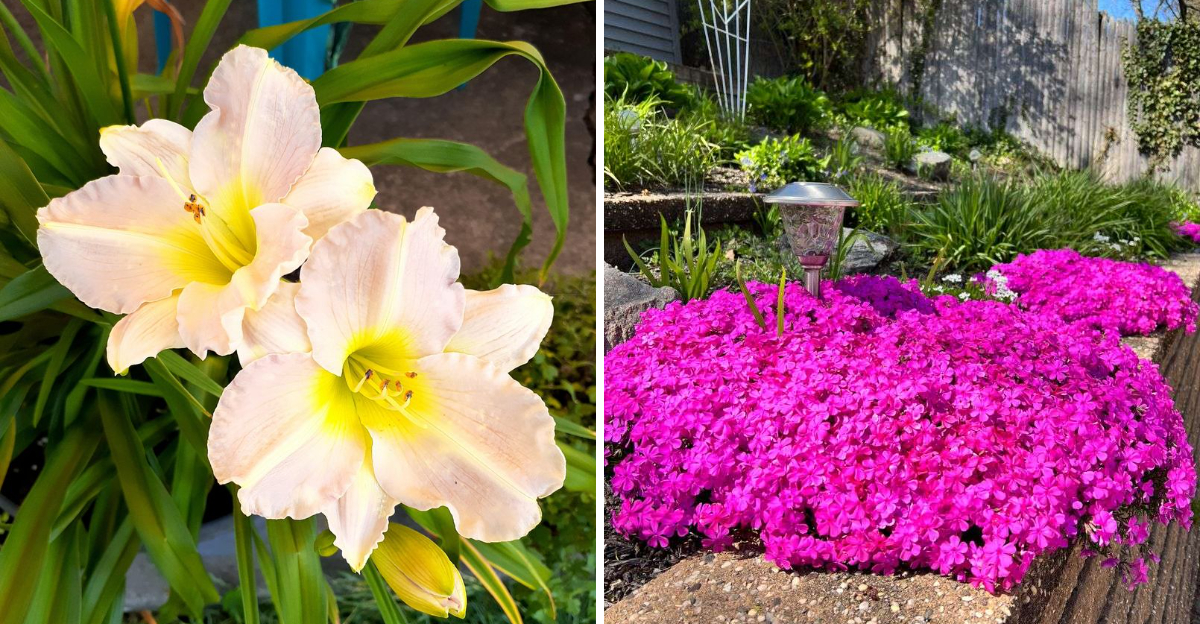
Every spring, tulips and daffodils put on a show that makes your whole yard feel alive.
Then, almost without warning, the blooms are finished and the foliage starts to yellow, leaving behind bare patches that look a little lost.
That awkward in-between period is one of the most common frustrations in North Carolina gardening, and it catches people off guard every single year.
The secret is knowing which plants step up right when the bulbs go quiet.
Some fill in fast with bold color. Others offer soft texture that hides the mess left behind. A few do both at once, and some of the best options are already growing in North Carolina yards with barely any attention required.
Whether your beds get blazing sun across the Piedmont, humid afternoons along the coastal plain, or cool shade in the mountains, there is something on this list that will make your garden look like it was planned that way all along.
Eight plants North Carolina gardeners rely on to carry the season from late spring straight through the heat of summer.
1. Tuck In Summer Annuals For Fast Color
Some gardeners panic when the tulips finish and bare soil appears almost overnight.
Summer annuals are the fastest fix in the garden toolkit, and they do not apologize for being showy about it.
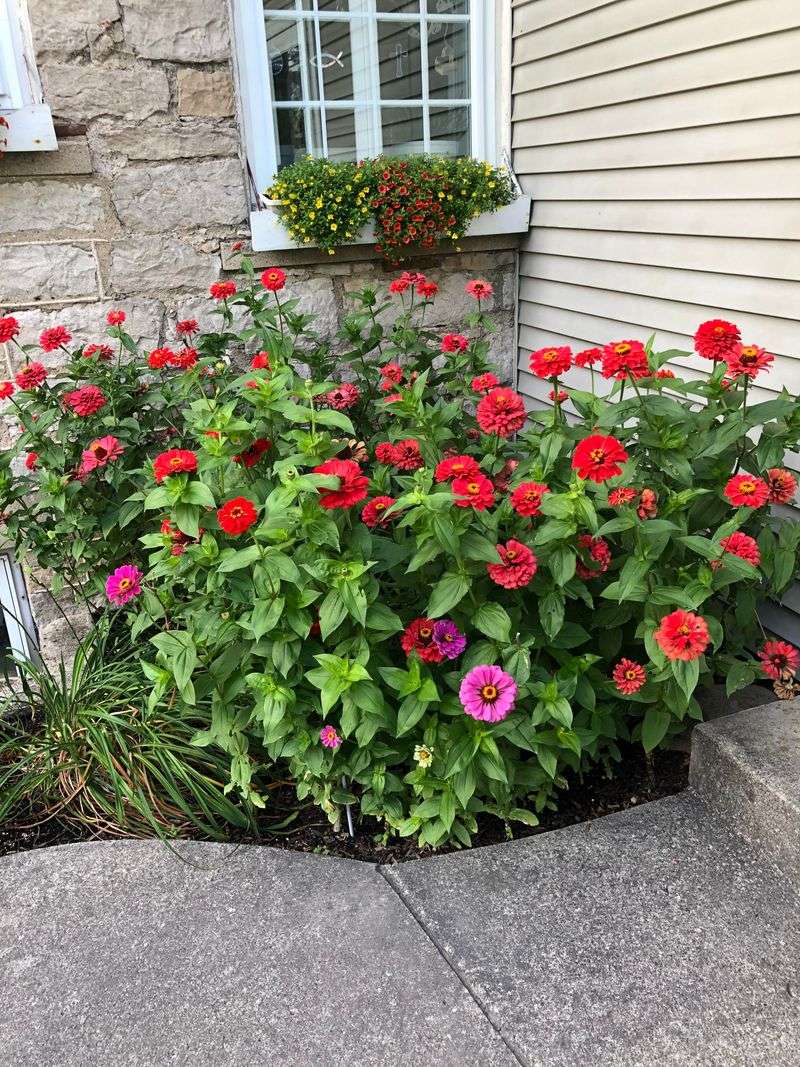
Zinnias, coleus, begonias, and pentas are all top picks for North Carolina beds.
They grow quickly, love the warm temperatures that arrive after bulb season, and their full, leafy growth covers yellowing foliage with zero fuss.
You simply tuck them in around the bulb clumps as the flowers fade, and within a few weeks the bed looks intentional again.
Zinnias are real sun lovers and thrive in the hot, humid summers across the Piedmont and coastal plain.
Plant them from transplants or seed them directly once nighttime temperatures stay above 55 degrees.
Coleus steals the show in shadier spots with its wild, painted leaves. Begonias handle both sun and part shade, making them flexible for tricky beds.
Pentas attract butterflies and hummingbirds all summer long, adding life beyond just color.
Plant them close together for a lush, full look rather than sparse coverage. NC State Extension recommends amending beds with compost before planting summer annuals to support fast, healthy growth in North Carolina’s clay-heavy soils.
Feed lightly every few weeks and deadhead spent blooms to keep the color coming strong through September.
2. Add Hostas Where Shade Takes Over
Shade beds can feel empty and forgotten once spring bulbs go quiet, but hostas have a way of making you forget there was ever a gap at all.
Few plants fill space with such effortless confidence.
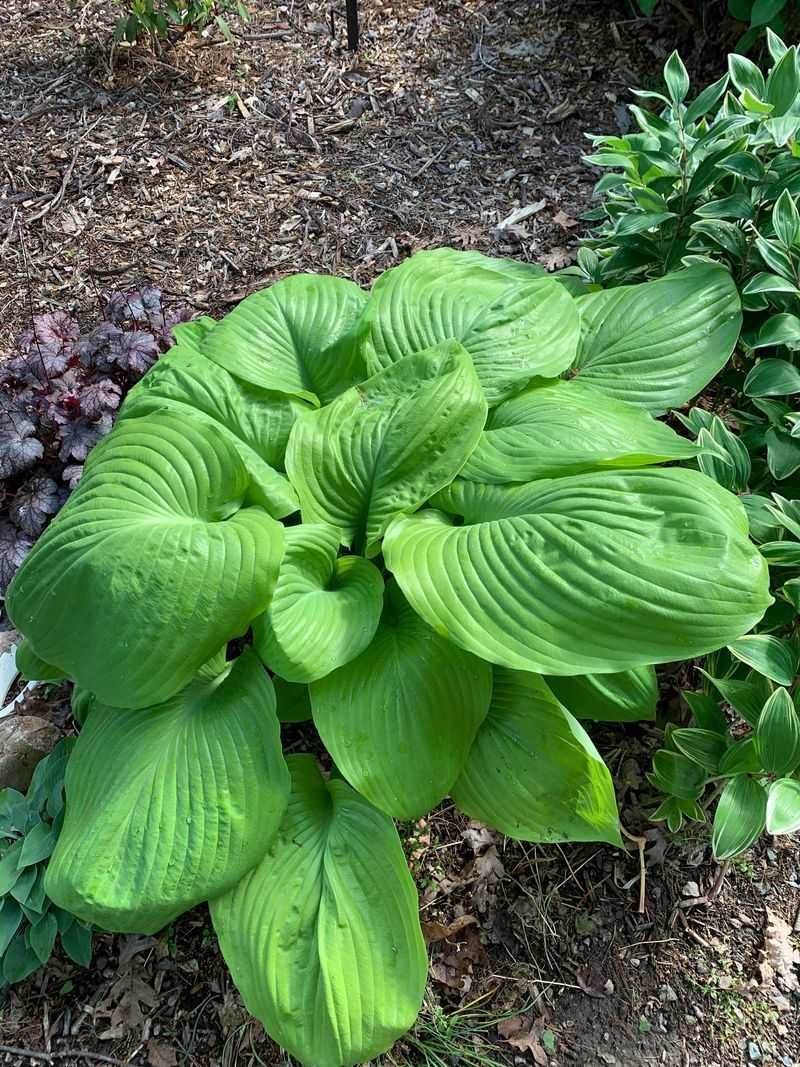
Hostas are grown almost entirely for their broad, beautiful leaves, which come in shades of deep green, blue-green, gold, and variegated combinations.
Their foliage emerges right as bulb leaves begin to yellow, providing a natural, seamless handoff. A single large hosta can cover a surprising amount of bare ground by midsummer.
North Carolina gardeners have good luck with hostas across most of the state, especially in the Piedmont and mountain regions where summer afternoons offer some relief from intense heat.
Your North Carolina Garden Changes Every Week. Your Plan Should Too.
Gardening in North Carolina changes quickly throughout the season. Every Friday you’ll receive a simple weekly plan showing exactly what to plant, prune, fertilize, harvest, and protect so you never miss the right timing.
In the coastal plain, choose heat-tolerant varieties like Sum and Substance or Halcyon and give them afternoon shade to prevent leaf scorch.
Hostas are low-maintenance once established, needing only consistent moisture and a layer of mulch to stay happy.
They return reliably year after year, spreading slowly to fill beds even further over time. Plant them in groups of three or five for the best visual impact.
Pair them with ferns or astilbe for a layered, lush look that makes shaded corners feel like a real destination rather than an afterthought.
3. Use Ferns To Hide Yellowing Leaves
Yellowing bulb foliage is one of the less glamorous parts of spring gardening, but ferns handle the situation with quiet grace.
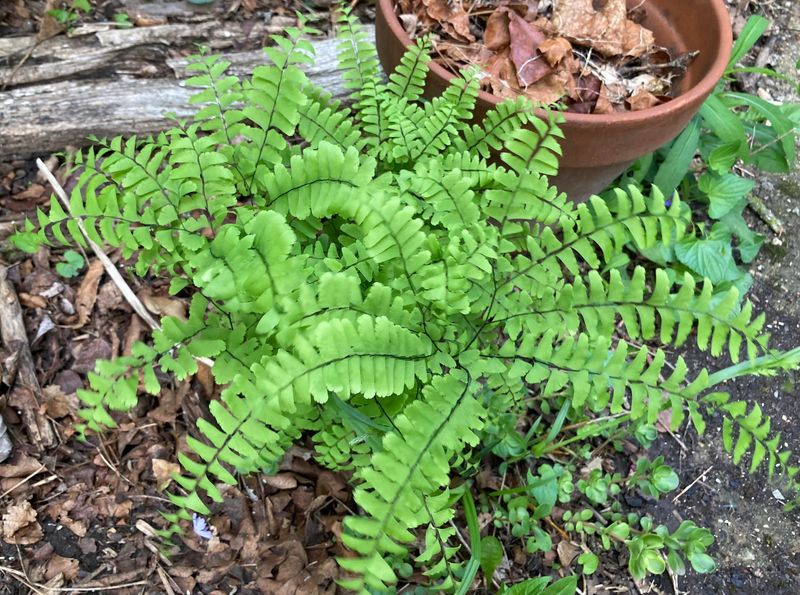
Their feathery fronds unfurl right on schedule, spreading outward just as the bulbs start to look tired.
Native ferns like Autumn Fern, Southern Lady Fern, and Christmas Fern are outstanding choices for North Carolina beds.
They tolerate the part-shade conditions that many bulb beds share, and their soft, arching texture creates a natural, woodland feel that looks intentional rather than accidental.
Ferns do not compete aggressively with bulb roots, so the two can coexist peacefully underground.
Autumn Fern is especially popular in the Piedmont because of its coppery new growth that matures to a rich, glossy green by summer.
Christmas Fern stays evergreen through winter, giving the bed structure even in the coldest North Carolina months. Southern Lady Fern grows quickly and forms graceful clumps that soften any hard edges in a mixed border.
Plant them close to bulb clumps so the fronds naturally drape over the fading foliage as it yellows.
Ferns prefer moist, well-drained soil enriched with organic matter. Water deeply during dry spells and mulch around the base to hold moisture.
Once established, most native ferns are surprisingly resilient and ask very little from the gardener in return.
4. Plant Caladiums For Bright Shade
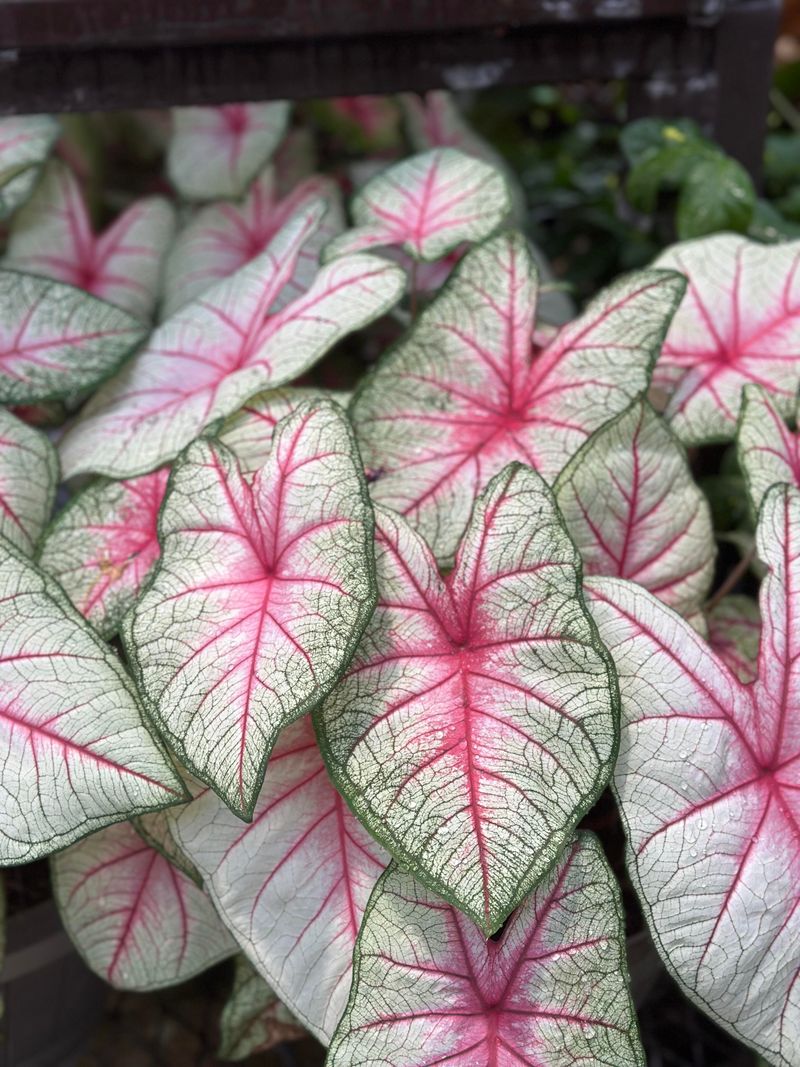
Bold is not a strong enough word for caladiums.
These tropical beauties bring a level of color intensity to shady corners that most flowering plants cannot match, and they do it entirely through their leaves.
Caladiums come in combinations of red, pink, white, and green, often with intricate patterns that look almost painted on.
They thrive in the warm, humid conditions that North Carolina summers deliver so reliably, especially in the coastal plain and Piedmont. The key is timing.
Plant caladium tubers only after the soil temperature reaches at least 65 to 70 degrees, which in most of North Carolina means late April through May.
Caladiums prefer bright, indirect light or filtered shade.
Too much direct afternoon sun will scorch their leaves, while too much deep shade reduces the intensity of their color. A spot under a high tree canopy or on the north side of a structure is often ideal.
Space them about 12 to 18 inches apart for a full, lush look, and water consistently since they do not tolerate drought well.
Mix varieties for a layered, tropical effect. At the end of the season, dig the tubers and store them indoors over winter, or simply treat them as annuals and replant fresh tubers each spring for guaranteed color in your shadiest spots.
5. Let Daylilies Carry The Summer Show
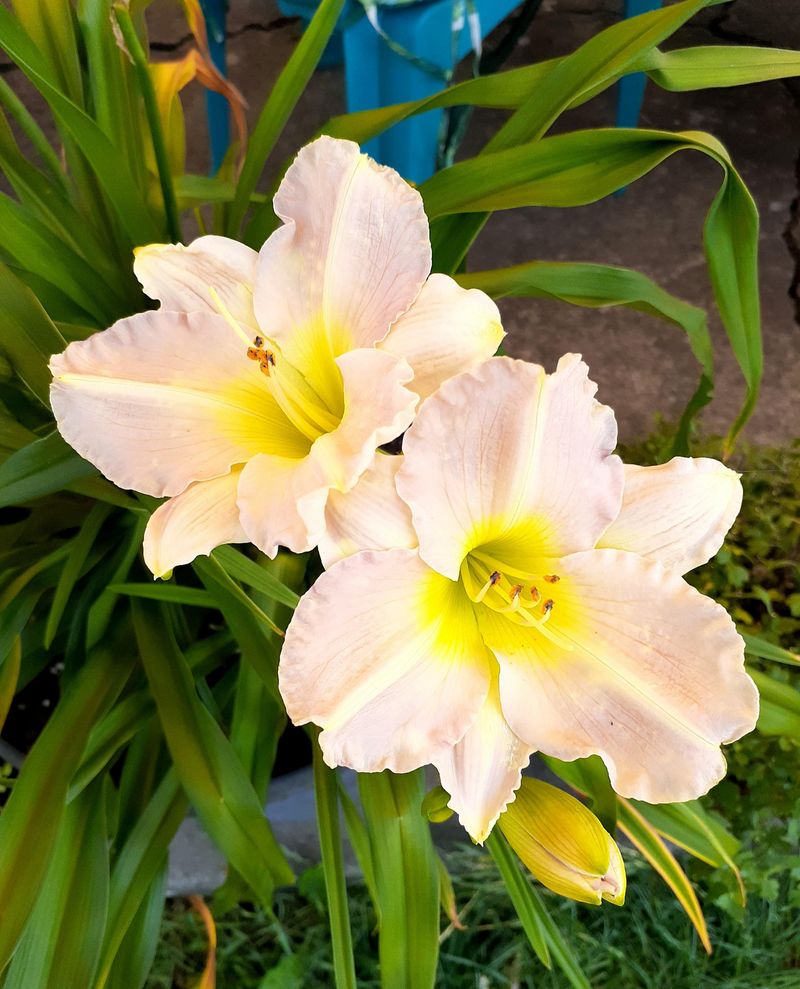
Reliable is not always a glamorous word, but in the garden it is one of the most valuable traits a plant can have.
Daylilies have earned that reputation across decades of North Carolina summers, and they back it up every single year.
Daylilies begin pushing up their strap-like foliage in early spring, right around the time bulbs are still in bloom.
By the time the tulips and daffodils have finished, daylily clumps are already lush and green, filling the spaces between with full, attractive foliage. Then, from late spring through midsummer, the flower stalks rise and the real show begins.
Extended-blooming varieties like Stella de Oro, Happy Returns, and Red Hot Returns flower repeatedly through the season rather than all at once.
This gives you weeks of color rather than a single burst. Daylilies are incredibly adaptable, tolerating clay soil, drought, and the kind of summer heat that wilts less rugged plants.
Plant them in full sun to light shade for best flowering.
Divide clumps every three to four years to keep them vigorous and blooming well. Deadhead spent flower stalks to keep beds tidy and encourage new blooms on reblooming varieties through the entire North Carolina growing season.
6. Fill Sunny Gaps With Coneflowers
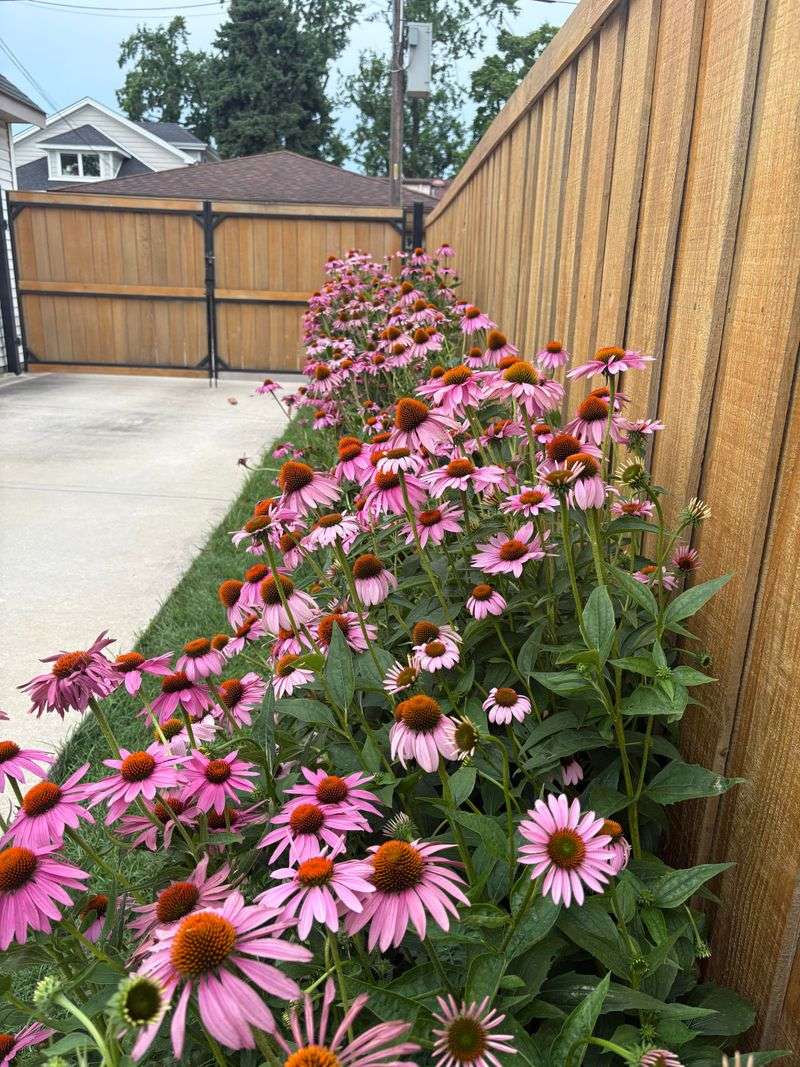
There is something deeply satisfying about a plant that looks great, feeds the pollinators, and practically takes care of itself.
Coneflowers, known botanically as Echinacea, check every single one of those boxes without breaking a sweat.
Native to much of the eastern United States, coneflowers are right at home in North Carolina’s varied climate.
They bloom from early summer well into fall, filling the sunny gaps that spring bulbs leave behind with upright, cheerful flowers in shades of purple, pink, white, orange, and red.
Their daisy-like blooms rise on sturdy stems that stand up to heat, humidity, and summer storms.
Bees, butterflies, and goldfinches are all drawn to coneflowers throughout the season, turning your bulb bed into a genuine wildlife habitat once the tulips have finished.
The seed heads that form after blooming provide food for birds into winter if you leave them standing rather than cutting them back.
Plant them in full sun with well-drained soil for the best performance.
Once established, they are drought-tolerant and need minimal watering. Mix them with black-eyed Susans and ornamental grasses for a layered, naturalistic border that looks full and intentional from late spring straight through autumn.
7. Add Salvia For Vertical Color
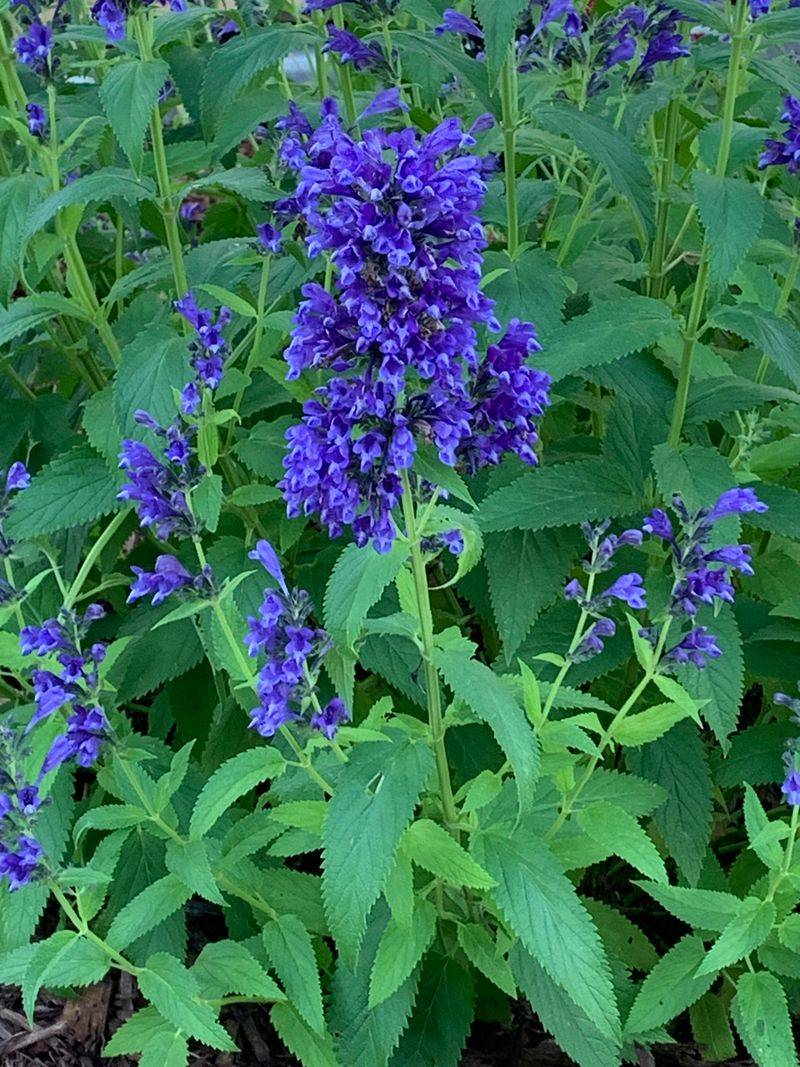
Flat, sprawling beds can start to look monotonous by midsummer, and that is exactly where salvia earns its place in the lineup.
Those tall, slender flower spikes add the kind of vertical drama that makes a garden bed look professionally designed.
Salvia comes in a wide range of species and cultivars suited to North Carolina’s climate.
Blue salvia, Salvia farinacea, is a tried-and-true annual that blooms all summer in the heat. Perennial options like Salvia guaranitica come back year after year in the Piedmont and coastal plain, reaching impressive heights of three to four feet.
Both types produce long, upright spikes covered in small, tubular flowers that hummingbirds and bees cannot resist.
Plant salvia in full sun and well-drained soil.
It handles North Carolina heat and humidity with confidence once established and asks for very little beyond occasional trimming to encourage fresh bloom spikes.
Cutting the spent flower stalks back by about a third prompts a second and sometimes third flush of color through the season.
Use it as a vertical anchor behind lower-growing plants like coneflowers or daylilies for a layered border that has both height and depth.
The contrast between salvia’s slender spikes and the broad, flat blooms of neighboring plants creates a visually interesting bed that holds attention long after the spring bulbs have gone quiet.
8. Use Low Groundcovers To Tie Beds Together
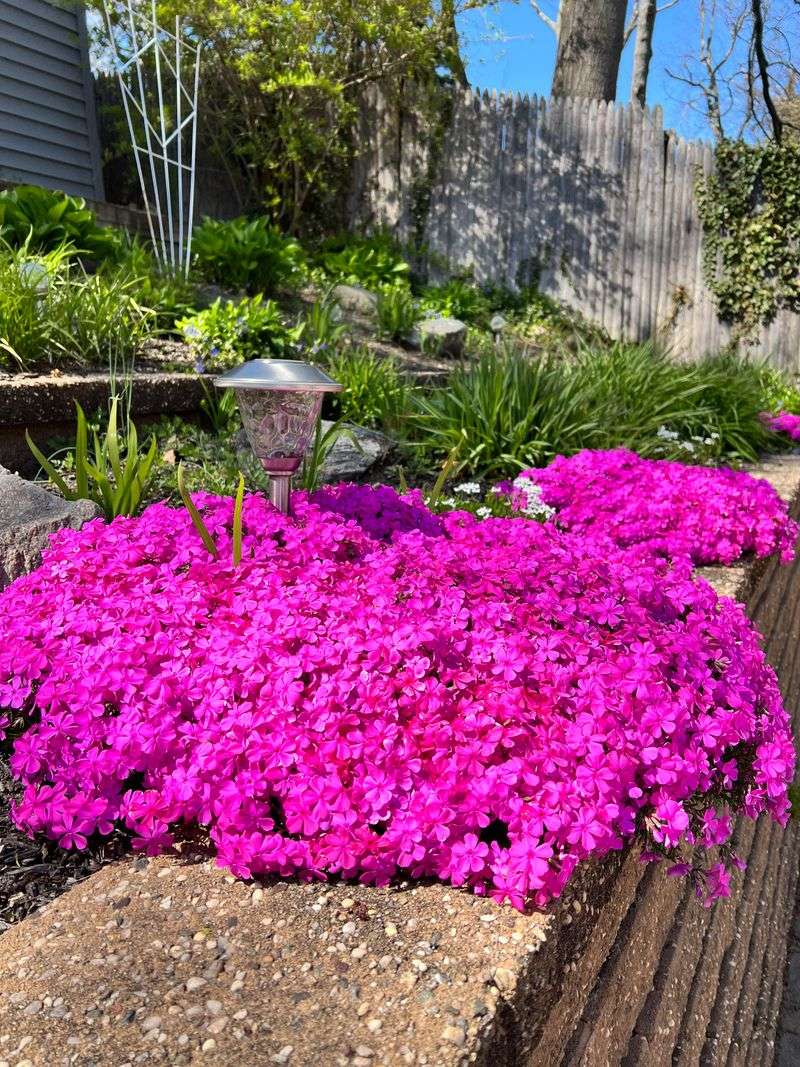
A garden bed with gaps between plants always looks unfinished, no matter how beautiful the individual plants are.
Low groundcovers are the secret ingredient that ties everything together into one cohesive, polished design.
Creeping phlox, ajuga, and native low covers like green-and-gold or wild ginger are all excellent choices for North Carolina beds.
They spread gradually to fill bare patches, suppress weeds, and create a continuous carpet of foliage that makes the whole bed feel intentional.
Creeping phlox bursts into bloom in early spring, overlapping perfectly with bulb season, then settles into a tidy mat of evergreen foliage for the rest of the year.
Ajuga is especially useful in part shade to full shade conditions.
Its low rosettes of dark, bronzy foliage spread steadily and produce short purple flower spikes in spring that complement tulips and daffodils beautifully.
Green-and-gold is a native groundcover that thrives in shade and produces cheerful yellow flowers right as bulbs finish their season.
Plant them between bulb clumps so their spread naturally fills in as the season progresses.
Most need very little maintenance once established. A light trim in late winter keeps them tidy and encourages fresh new growth.
NC State Extension recommends native groundcovers as especially sustainable choices for reducing bare soil and supporting local ecosystems across North Carolina landscapes year-round.