7 Vegetables To Plant In July For A Wisconsin Garden That Lasts Into Winter
July feels like the finish line for planting. Most Wisconsin gardeners are already thinking about harvest, not seed packets.
That mindset costs you a whole second crop. Cold-hardy vegetables planted right now will size up just as the heat fades and the flavor gets better with every cool night.
Here’s what nobody tells you: fall crops often outperform their spring counterparts. Less bolting, fewer pests, and sweeter roots once frost hits them.
The trick is timing your planting to Wisconsin’s shortening daylight, not the calendar month. Some crops need 90 days to mature. Others sprint to harvest in under 30.
Get the sequence right, and you’re pulling fresh vegetables from your beds well into November. Get it wrong, and you’re staring at frozen, half-grown plants by Halloween.
The vegetables below made the cut because they actually want cooler weather. Your July garden has more potential than you think.
1. Spinach
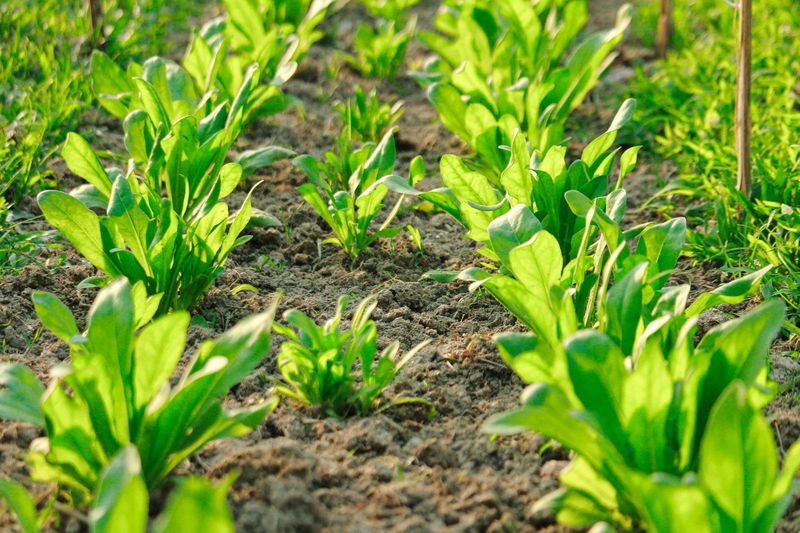
Spinach is basically a cold-weather superhero in disguise. Plant it in July and it will reward you with tender, flavorful leaves right when your summer crops are calling it quits.
Spinach actually tastes sweeter after a frost hits. The cold triggers the plant to convert starches into sugars, making late-season leaves far tastier than anything you grew in spring.
Sow seeds about half an inch deep and keep rows six inches apart. The soil should stay moist but never soggy, especially during germination in the summer heat.
Pick a spot with partial shade if you can. July sun in Wisconsin can be intense, and spinach bolts fast when it gets too hot too early.
Varieties like Bloomsdale Long Standing and Tyee hold up especially well in shifting temperatures. These types resist bolting longer than standard varieties, giving you a wider harvest window.
Spinach also pairs well with a light feeding schedule. A balanced fertilizer worked into the soil before sowing gives young plants the nitrogen boost they need for those broad, dark green leaves.
Watch for leaf miners early in the season, since they’re the main pest threat to July spinach. Floating row covers keep adult flies from laying eggs on the leaves, so you won’t find those telltale tunneling patterns later.
Expect to start picking leaves in about 40 to 50 days. You can harvest outer leaves first and let the center keep growing for a continuous supply.
A light row cover will extend your harvest deep into November. Spinach can survive temperatures as low as 20 degrees Fahrenheit with that extra layer of protection.
Growing spinach in July is one of the smartest moves a Wisconsin gardener can make, and your dinner plate will thank you all the way through the first snowflake.
2. Kale
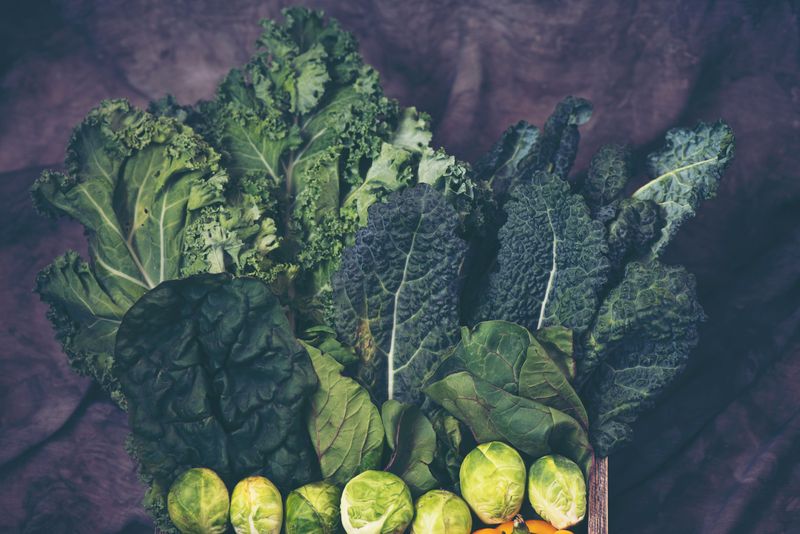
Kale is practically built for Wisconsin winters. This tough, leafy green laughs at frost and keeps producing long after most other crops have given up entirely.
July planting puts kale on a perfect timeline. By the time October rolls around, your plants will be mature, cold-hardened, and ready to deliver some of the best leaves of the season.
Your Wisconsin Garden Changes Every Week. Your Plan Should Too.
Gardening in Wisconsin changes quickly throughout the season. Every Friday you’ll receive a simple weekly plan showing exactly what to plant, prune, fertilize, harvest, and protect so you never miss the right timing.
Start seeds directly in the ground about a quarter to half an inch deep. Space plants about 18 inches apart so each one gets enough room to spread its wide, beautiful leaves.
Lacinato kale, also called dinosaur kale, is a fantastic choice for late-season growing. Its dark, bumpy leaves hold up well in cold snaps and have a richer flavor than curly varieties.
Kale needs about six hours of sun daily and consistent moisture. A layer of mulch around the base will help retain soil moisture during those dry late-summer stretches.
Harvest leaves from the outside in, letting the center keep growing for weeks of continued picking. Full-grown leaves handle cold better than young ones, so resist the urge to strip the plant all at once.
One fun fact: kale was a staple green across much of medieval Europe. It fell out of fashion for centuries before making a massive comeback in modern kitchens
Frost genuinely improves kale flavor by breaking down some of the bitter compounds in the leaves. Gardeners who wait until after the first frost to harvest often get the sweetest, most mellow-tasting kale of the year.
A Wisconsin garden that includes kale is a garden that keeps feeding you, and that kind of reliability feels like a warm reward on a cold autumn evening.
3. Swiss Chard
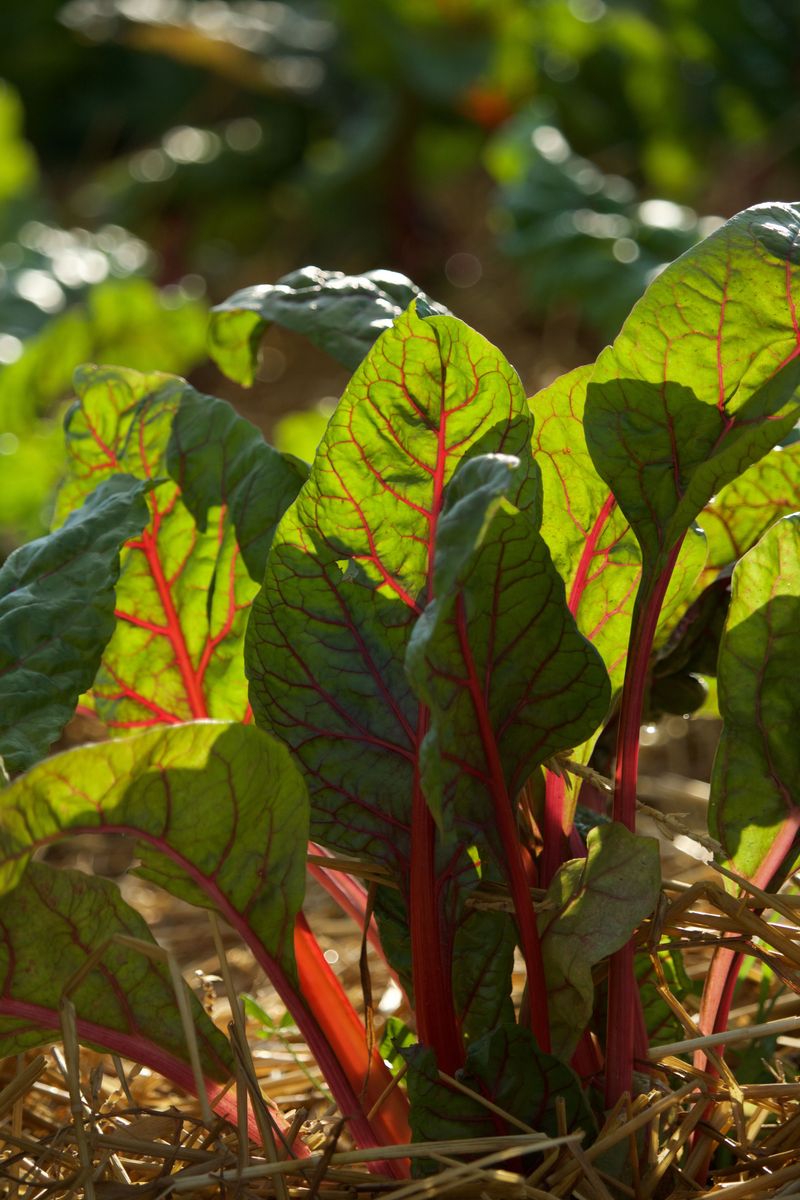
Swiss chard is the most visually dramatic vegetable you can grow this time of year. Those bold red, yellow, and orange stems look like a sunset right in your garden bed.
Beyond its good looks, chard is incredibly productive. One plant can keep feeding you for months when you harvest the outer leaves and let the center keep pushing out new growth.
Plant seeds about half an inch deep and thin seedlings to stand about 12 inches apart. Crowded plants compete for nutrients and produce smaller, less flavorful leaves overall.
Chard handles heat better than spinach and cold better than most summer greens. That flexibility makes it one of the most reliable crops for a July planting in unpredictable Midwest weather.
Bright Lights is a popular mix variety that produces stems in a rainbow of colors. Rainbow Chard and Fordhook Giant are two other solid picks that handle late-season conditions extremely well.
Chard is closely related to beets, and you can actually eat the stems and leaves in totally different ways. The stems are great sauteed with garlic, while the leaves work beautifully in soups and stir-fries.
Expect your first harvest about 50 to 60 days after planting. Keep picking regularly because leaving mature leaves on the plant too long slows down new production.
Swiss chard planted in July becomes the garden workhorse that bridges summer and fall, quietly thriving while everything else around it starts to fade and fizzle out.
4. Carrots
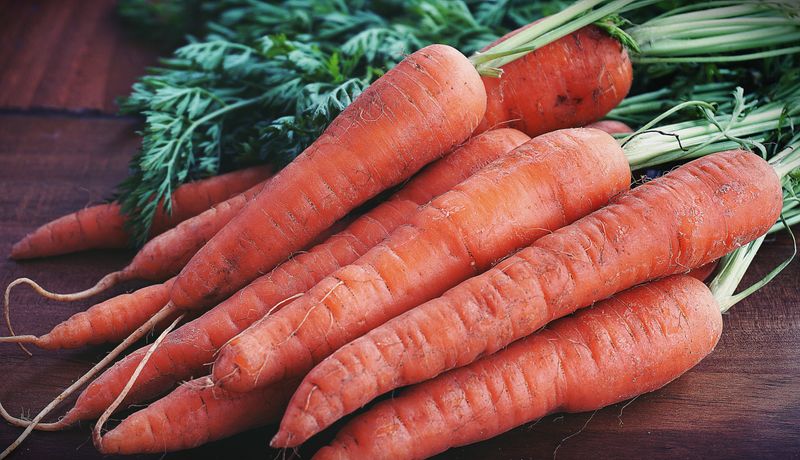
Carrots planted in July are one of the best-kept secrets in cold-climate gardening. They take time to develop, but the payoff is a sweet, crisp root that tastes incredible after a frost.
Cold temperatures cause carrots to convert their starches into sugars as a survival mechanism. That means a carrot pulled from frozen ground in October or November often tastes better than anything from a grocery store.
Choose shorter varieties like Danvers 126 or Chantenay Red Core for Wisconsin gardens. These types mature faster and handle heavier clay soils much better than long, slender types.
Loosen the soil at least 12 inches deep before planting. Rocks and compacted soil cause carrots to fork and twist, which makes them harder to harvest and less fun to eat.
Sow seeds thinly in rows about an inch apart. Once seedlings reach two inches tall, thin them to stand three inches apart so each root has room to fill out properly.
Germination can be tricky in warm July soil. Keep the seed bed consistently moist by covering it with a burlap cloth or a thin board until sprouts appear, then remove the cover immediately.
Carrots can stay in the ground well into late fall with a thick layer of straw mulch over the bed. You can even harvest them after the ground has frozen slightly, which locks in maximum sweetness.
Planting carrots for a Wisconsin garden that lasts into winter is one of those decisions you will feel genuinely proud of when you pull that first sweet root from the cold earth.
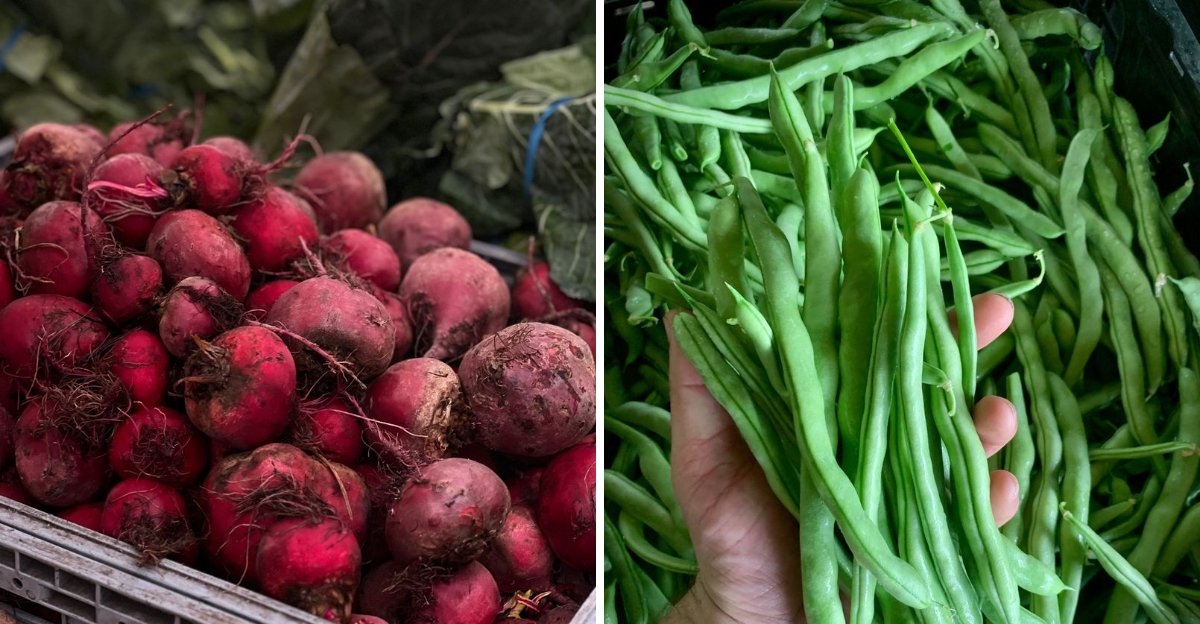
5. Beets
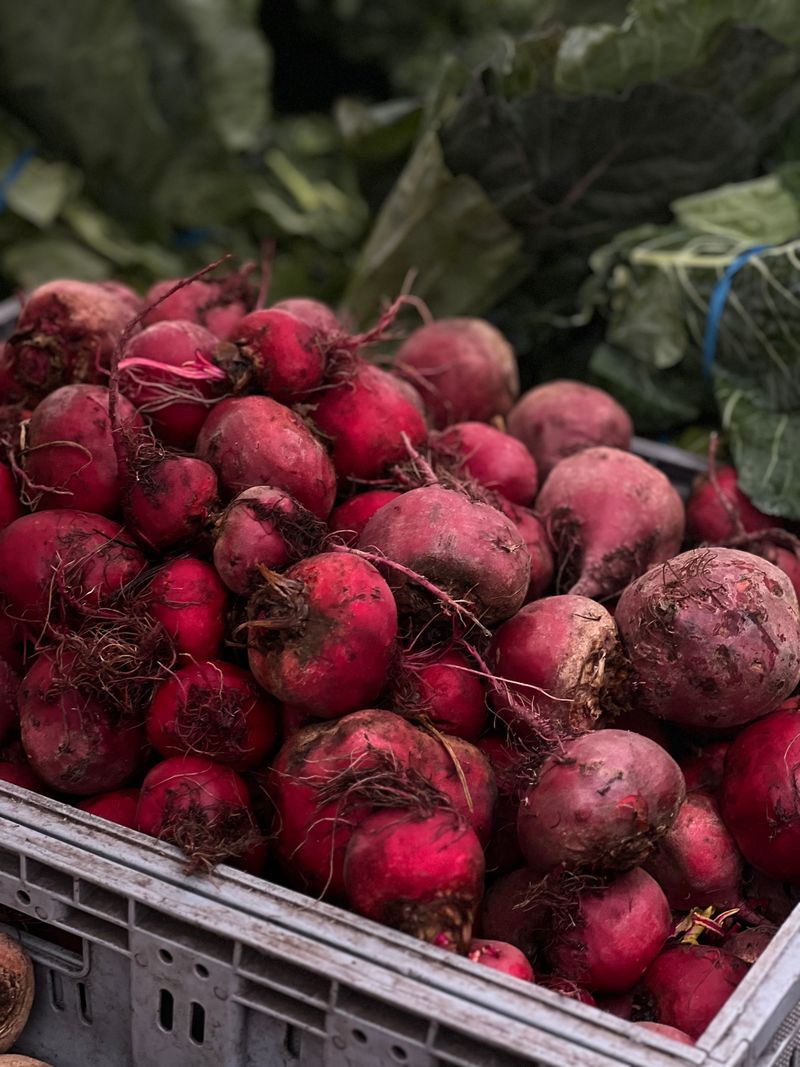
Beets are the quiet overachievers of the fall garden. Plant them in July and you get two harvests in one: the sweet, earthy roots and the tender, nutritious greens above ground.
Beet seeds are actually seed clusters, meaning each one can sprout multiple seedlings. Thin them early to stand about four inches apart, or your roots will crowd each other and stay small.
Sow seeds about half an inch deep in full sun. Beets need at least six hours of direct light daily to develop properly sized roots before the cold season arrives.
Detroit Dark Red and Bull’s Blood are two varieties that perform exceptionally well in late-season Wisconsin gardens. Bull’s Blood also has striking deep red foliage that looks stunning in the garden bed.
Beets are remarkably cold-tolerant once established. They can handle temperatures down into the mid-20s Fahrenheit without significant damage, especially when you mound a little soil or mulch around the crowns.
The greens are ready to pick in about 30 days, while the roots need closer to 55 to 70 days to mature fully. Harvest roots before the ground freezes hard, or they become difficult to pull out cleanly.
Roasting beets brings out a deep, caramel-like sweetness that boiling simply cannot match. Toss them in olive oil, wrap in foil, and let the oven do the work for about an hour.
Beets give you more edible value per square foot than almost any other crop, making them a brilliant choice for any Wisconsin gardener serious about stretching the season.
6. Turnips
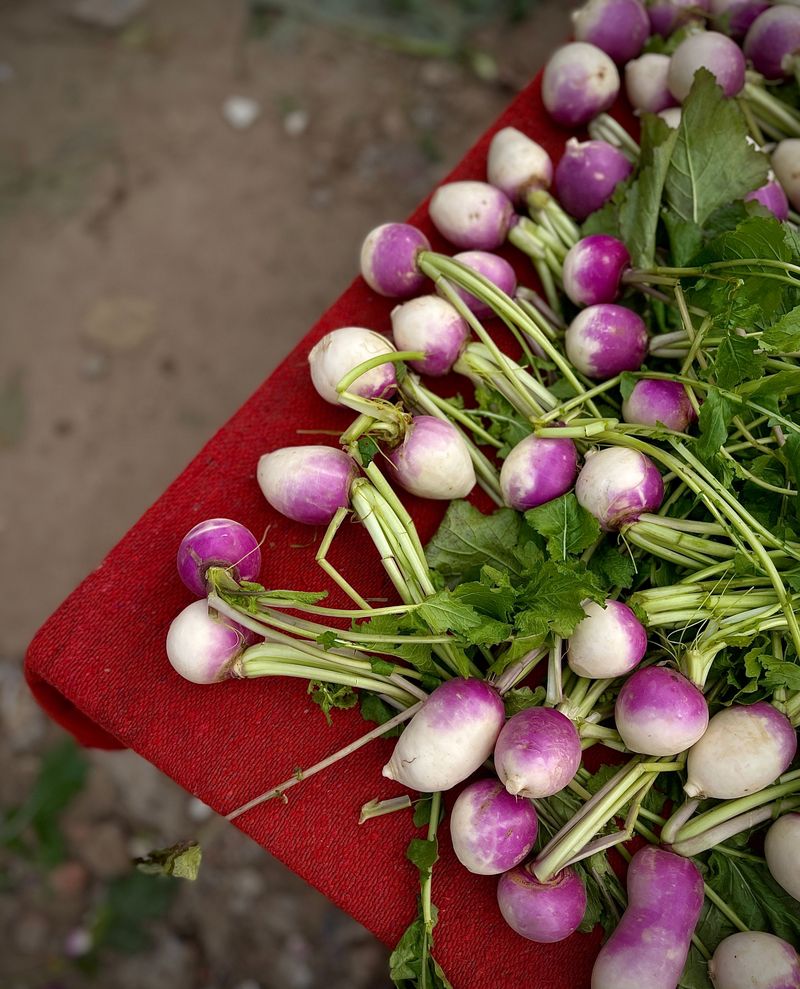
Turnips grow so fast they almost feel like cheating. From seed to harvest can happen in as few as 40 days, which makes them one of the most rewarding crops to plant in July.
The flavor of a turnip changes dramatically with cold weather. Roots that mature in cool fall temperatures are sweeter and more tender than those grown in the heat of summer.
Direct sow seeds about a quarter inch deep and thin seedlings to stand four to six inches apart. Give them a little extra space if you want larger roots instead of smaller, tender ones.
Purple Top White Globe is the classic variety most gardeners reach for, and for good reason. It is reliable, cold-hardy, and produces roots that store well through the entire winter season.
Turnip greens are edible too, and they are packed with vitamins A, C, and K. Harvest the young leaves when they are small and tender for the mildest, most pleasant flavor.
These roots actually improve after a light frost, just like carrots and beets. The cold slows their growth and concentrates the natural sugars inside, making each bite noticeably sweeter.
Turnips store beautifully in a cool, dark space like a root cellar or even an unheated garage. Properly stored, they can last several months without losing much of their quality or flavor.
Turnips are among the oldest cultivated root vegetables, eaten by ancient Romans and Greek farmers long before most modern crops existed, and they still earn their place in today’s fall garden.
7. Bush Beans
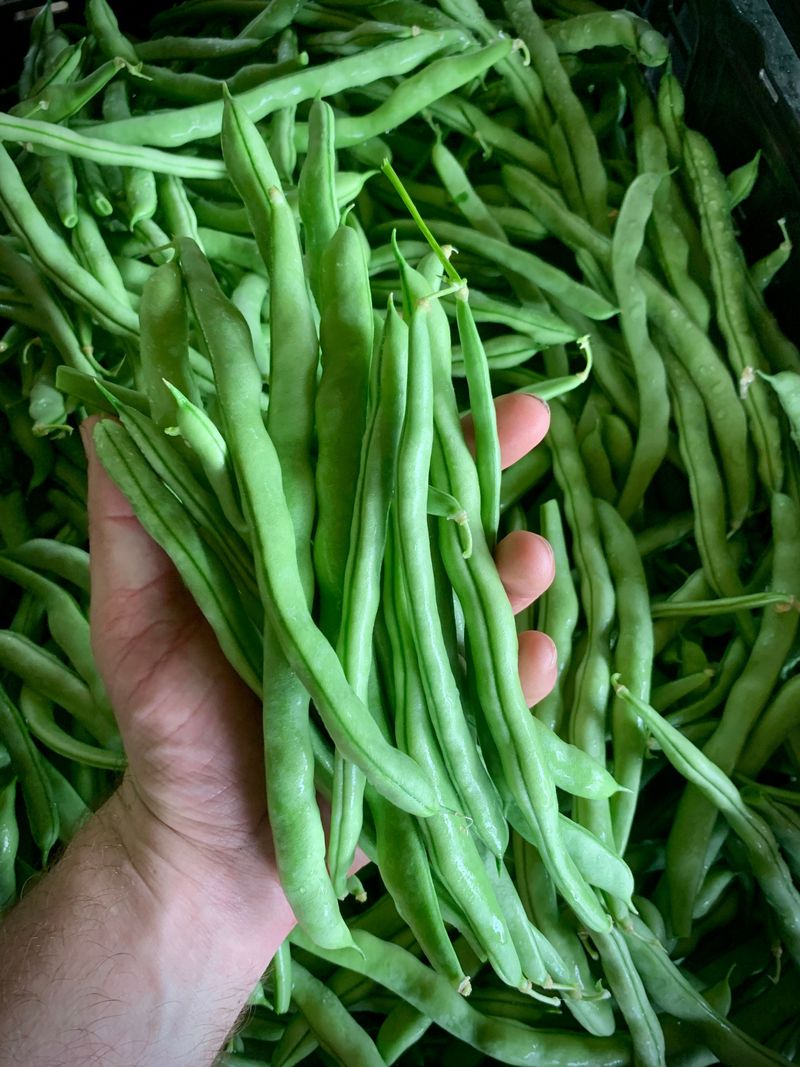
Bush beans planted in early July can still squeeze out a full harvest before the first Wisconsin frost arrives. Unlike pole beans, they do not need trellises or any support to grow productively.
The key with July plantings is timing. Most bush bean varieties mature in 50 to 60 days, so planting by mid-July gives you a solid window before average first frost dates in late September.
Sow seeds about an inch deep and three to four inches apart in rows. Bush beans fix nitrogen in the soil as they grow, which actually improves your garden bed for whatever you plant there next season.
Provider and Contender are two varieties known for tolerating cooler soil temperatures at germination. Both mature relatively quickly and produce heavy yields even when summer starts shifting toward fall.
Keep the soil consistently moist after planting, since bean seeds can rot in dry, hot conditions before they sprout. A light mulch layer helps hold moisture without making the soil too soggy.
Avoid planting beans where you grew them last year. Rotating crops prevents soil-borne diseases from building up and keeps your plants healthier with minimal effort on your part.
Harvest pods when they are firm, snap cleanly, and show no visible bumps from the seeds inside. Beans left too long on the plant become tough and stringy, so check daily once they start producing.
Ending your Wisconsin garden that lasts into winter with a fresh flush of bush beans is the kind of late-season win that reminds you why you started growing your own food in the first place.