What To Do First When Drought Hits Pennsylvania Vegetable Gardens
A dry spell can sneak up on a Pennsylvania vegetable garden faster than you might expect.
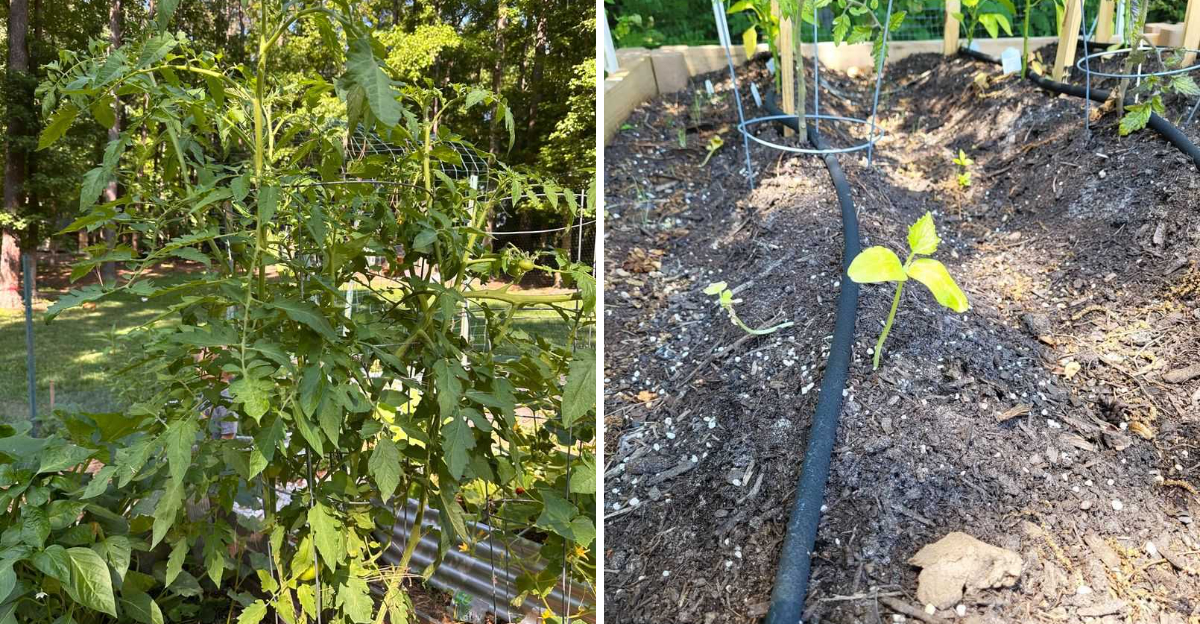
One week the soil looks fine, and the next your tomato leaves are curling, your squash is wilting by noon, and the ground feels like cracked pottery.
The transition from wet to brutally dry can happen in less than two weeks, especially in central and southeastern counties where clay soil bakes hard and holds heat.
Most gardeners respond by grabbing the hose and hoping for the best.
The problem is that random watering during a drought often makes things worse rather than better, and the decisions made in the first few days determine whether your harvest makes it through or quietly falls apart by August.
The good news is that a few smart moves made early can protect most of what you have already planted.
You do not need to spend a lot of money or have a fancy setup. You just need to know the right order of actions and which crops to protect first.
Eight steps experienced Pennsylvania gardeners take when drought conditions arrive.
1. Check Local Water Rules First
Before you drag out the hose or set up a sprinkler, a quick phone call or website check could save you from a fine.
Many Pennsylvania municipalities and water authorities put watering restrictions in place during drought conditions, and those rules can change fast.
Some townships limit outdoor watering to specific days or hours. Others ban it entirely for a stretch.
Pennsylvania American Water, York Water, and local municipal authorities all post drought alerts and stage restrictions online.
A two-minute search can tell you exactly what is and is not allowed in your zip code.
Even well owners are not always off the hook, as some Pennsylvania counties ask well users to voluntarily reduce usage during severe drought to protect the shared aquifer.
Knowing the rules also helps you plan smarter.
If you can only water on odd-numbered days, you need to make every drop count. Focus your watering on established fruiting crops and skip ornamentals entirely until restrictions lift.
Write down the watering schedule allowed in your area and post it somewhere visible near your garden tools.
A little planning now prevents wasted water and wasted effort later.
2. Water Roots Early And Deep
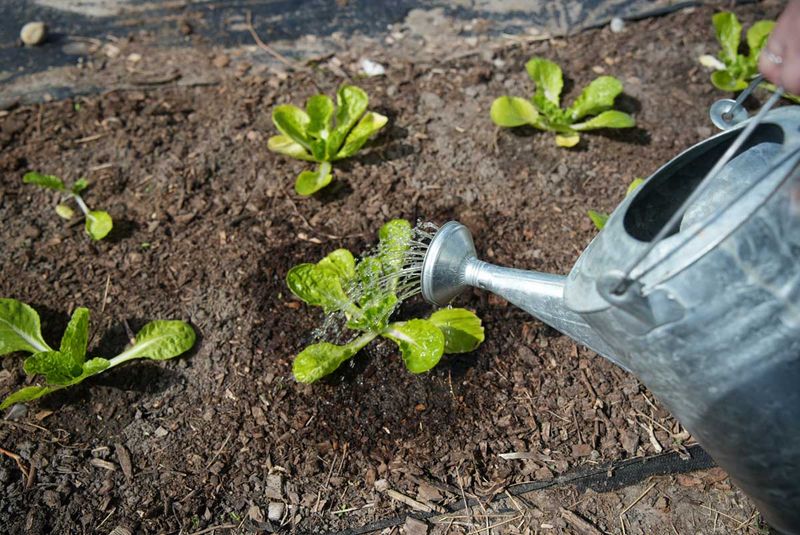
Morning is the only time that really makes sense for watering during a drought.
When you water at 6 or 7 a.m., the soil absorbs moisture before the sun heats up and pulls it away through evaporation.
Afternoon watering can lose up to 30 percent of water before it ever reaches the roots, according to Penn State Extension guidance on drought management.
Shallow splashing does almost nothing for stressed plants.
Roots chase water downward, so a brief sprinkle only encourages surface-level roots that struggle during heat spikes.
You want to water slowly and deeply, giving moisture time to sink six to eight inches into the soil where roots can actually use it.
A slow trickle at the base of each plant for several minutes beats a quick spray over the whole bed every single time.
Your Pennsylvania Garden Changes Every Week. Your Plan Should Too.
Gardening in Pennsylvania changes quickly throughout the season. Every Friday you’ll receive a simple weekly plan showing exactly what to plant, prune, fertilize, harvest, and protect so you never miss the right timing.
Use a watering wand or place your hose nozzle at ground level to direct water exactly where it belongs.
Sandy soils common in parts of southeastern Pennsylvania drain fast and need more frequent deep watering.
Heavy clay soils in central Pennsylvania hold moisture longer but can get waterlogged if you overdo it. Stick a finger six inches into the soil before watering. If it still feels slightly cool and damp at that depth, you can hold off another day.
3. Add Mulch Before Soil Bakes
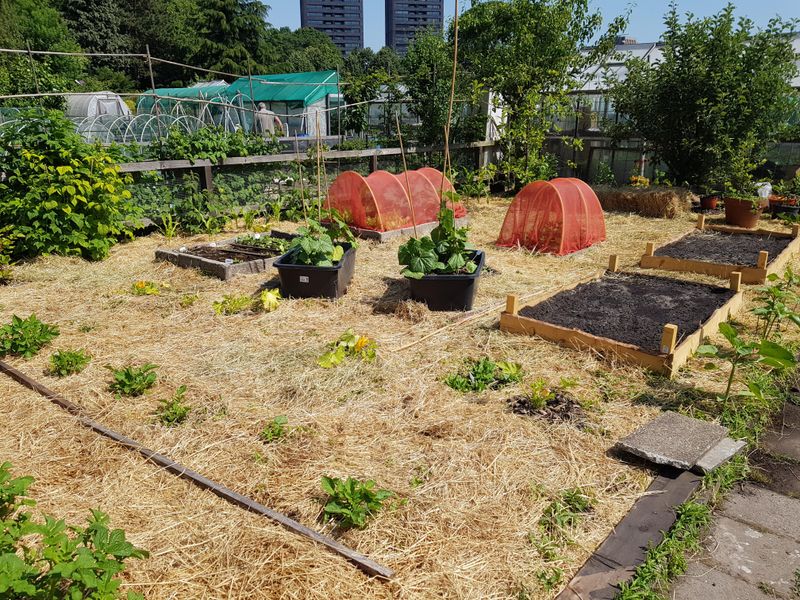
Bare soil in a drought is a problem waiting to get worse.
Once the top layer dries out and hardens, water runs off instead of soaking in, and the deeper soil loses moisture faster than you would expect.
Mulch is the simplest and most effective barrier you can put between your garden and a brutal Pennsylvania summer.
Straw is the most common choice for vegetable beds, and it works well.
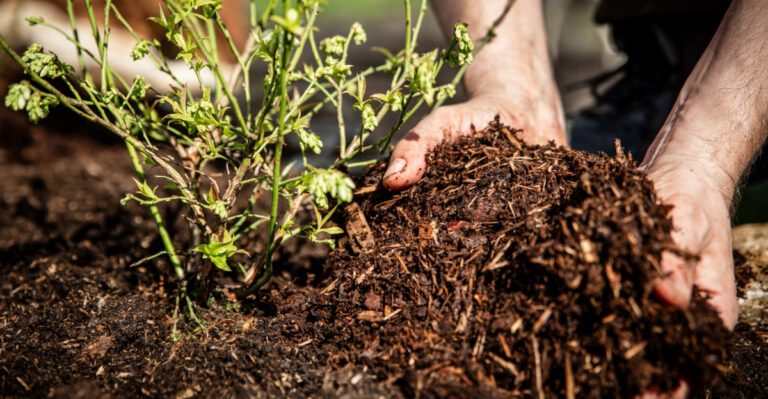
Apply a layer three to four inches thick around your plants, keeping it an inch or two away from stems to prevent rot. That layer acts like a blanket, holding soil moisture in and slowing the temperature swings that stress roots.
Grass clippings, shredded leaves, and wood chips all work too, though wood chips are better for pathways than directly around vegetables.
Straw is light, easy to move, and breaks down into organic matter by fall. You can find it at most Pennsylvania farm supply stores and garden centers for a low cost per bale.
Mulch also suppresses weeds, which is a double win during drought since weeds compete directly for the same water your vegetables need.
Apply mulch right after a good watering session or after rain, so you are locking in moisture rather than sealing out dry air.
4. Prioritize Fruiting Crops First
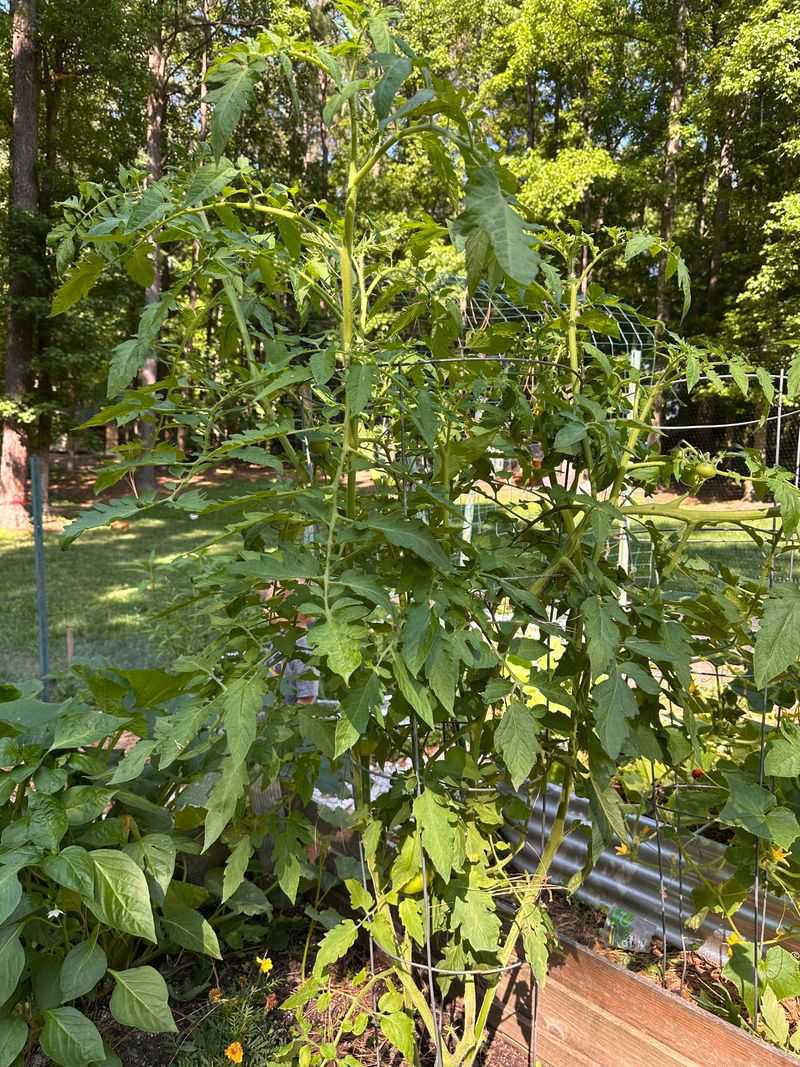
Not every plant in your garden needs the same level of attention during a drought.
Tomatoes, peppers, cucumbers, and squash are all actively producing fruit, and they need consistent moisture to finish the job.
Letting these crops dry out mid-season means dropped blossoms, cracked fruit, or blossom end rot, all of which are frustrating after months of work.
Tomatoes are especially sensitive to uneven watering.
When soil moisture swings from dry to wet and back again, tomatoes crack or develop blossom end rot from calcium deficiency caused by inconsistent water uptake.
Keeping soil moisture steady during fruit development is one of the most important things you can do in a Pennsylvania drought.
Peppers slow fruit set dramatically when stressed. Cucumbers turn bitter. Squash drops flowers before they even open.
These are all signs that water is the limiting factor in your garden.
Leafy greens and root vegetables can handle a bit more stress without ruining the harvest.
Triage your garden like a smart farmer: protect what is already producing first, then work down the list.
Use a simple map or mental list of your beds to track which crops are in peak production so you know exactly where your water should go every morning.
5. Shade Seedlings During Heat
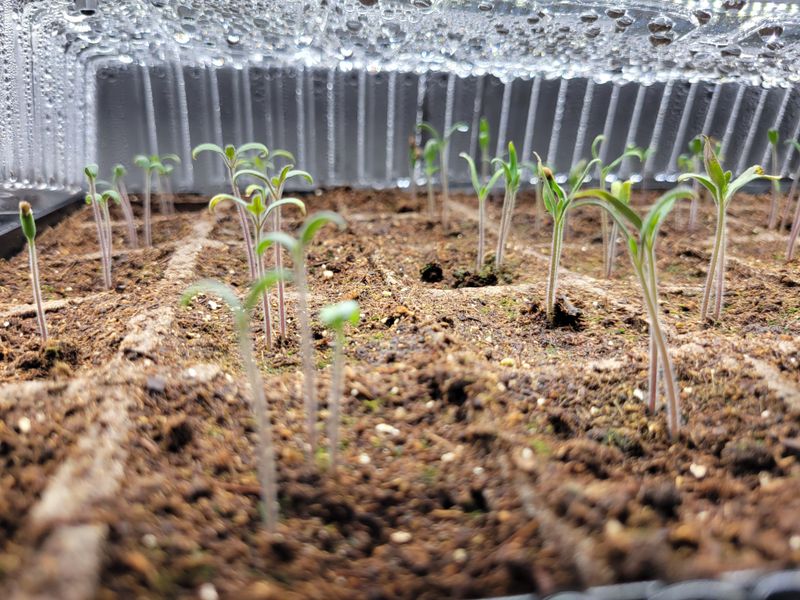
Young plants have shallow roots and almost no reserves to draw from during a heat wave.
A seedling that wilts at 2 p.m. in July is not being dramatic. It is genuinely struggling to keep up with water loss through its leaves faster than its tiny roots can pull moisture from the soil.
A little shade during the hottest hours can make the difference between a plant that survives and one that does not.
Shade cloth rated at 30 to 40 percent light reduction is enough to take the edge off without blocking the sunlight plants need for growth.
You can drape it over simple wire hoops, wooden stakes, or a PVC frame. Even an old bedsheet propped up with sticks works in a pinch.
The goal is to reduce direct sun from about 11 a.m. to 3 p.m., when soil surface temperatures in Pennsylvania can exceed 120 degrees Fahrenheit.
Shade for seedlings is a short-term tool, not a permanent fix.
As plants mature and develop deeper root systems, they handle heat much better on their own. Remove or raise the shade cloth as plants grow taller and stronger.
Position shade structures so air still flows freely around plants, since stagnant hot air under a tight cover can cause fungal issues.
6. Pause New Transplants For Now
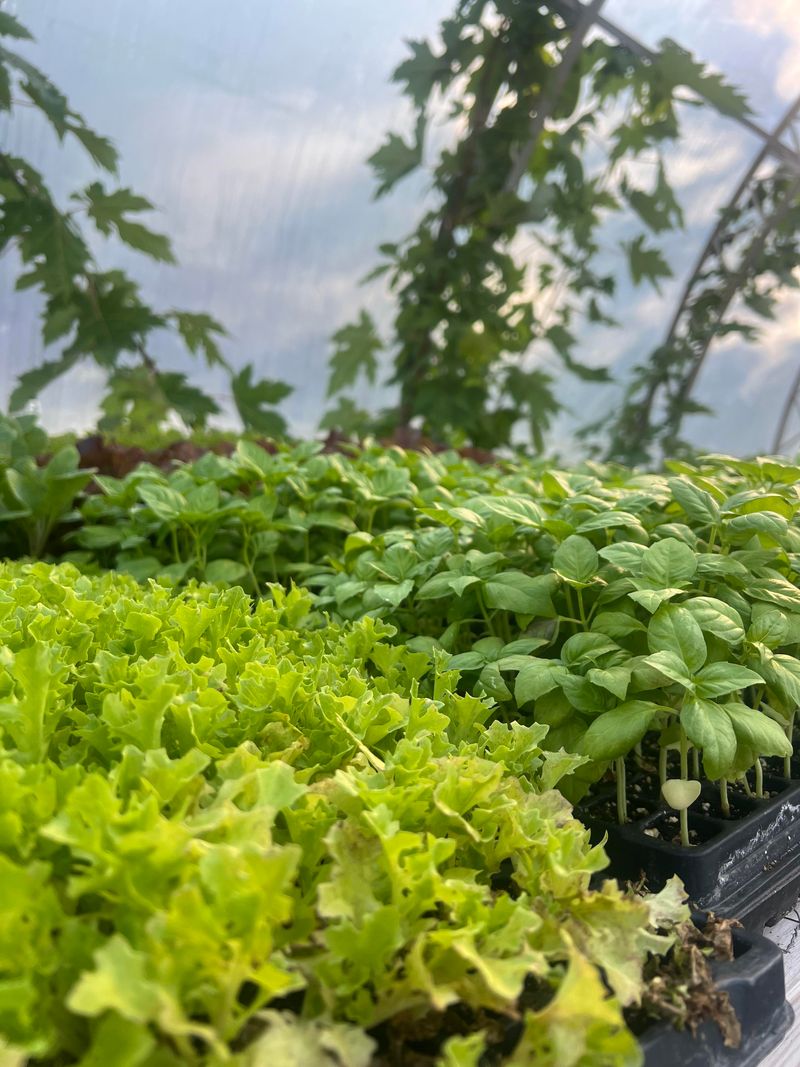
Putting a new transplant into hot, dry soil during a drought is one of the fastest ways to lose a plant.
Transplants need several days of consistent moisture and mild temperatures to establish roots in new soil.
When the ground is already stressed and the sun is blazing, a freshly moved plant faces an uphill battle it rarely wins without heavy intervention.
Transplant shock is real.
When roots are disturbed and moved into unfamiliar soil, the plant temporarily loses its ability to absorb water efficiently.
Under normal conditions, that stress lasts a few days. During a Pennsylvania drought, it can last long enough to end the plant entirely.
Waiting is not giving up. It is smart scheduling.
Keep transplants in containers in a shaded location, water them regularly, and let them grow stronger roots until the drought breaks or rain returns.
A healthy transplant set out in good conditions after a drought will outperform a stressed one planted too early every single time.
If you absolutely must transplant during a drought, do it in the evening, water deeply right away, and cover with shade cloth for the first four to five days.
Avoid midday planting entirely. A little patience now means a much stronger plant and a better harvest before the season ends.
7. Pull Weeds While Soil Is Soft
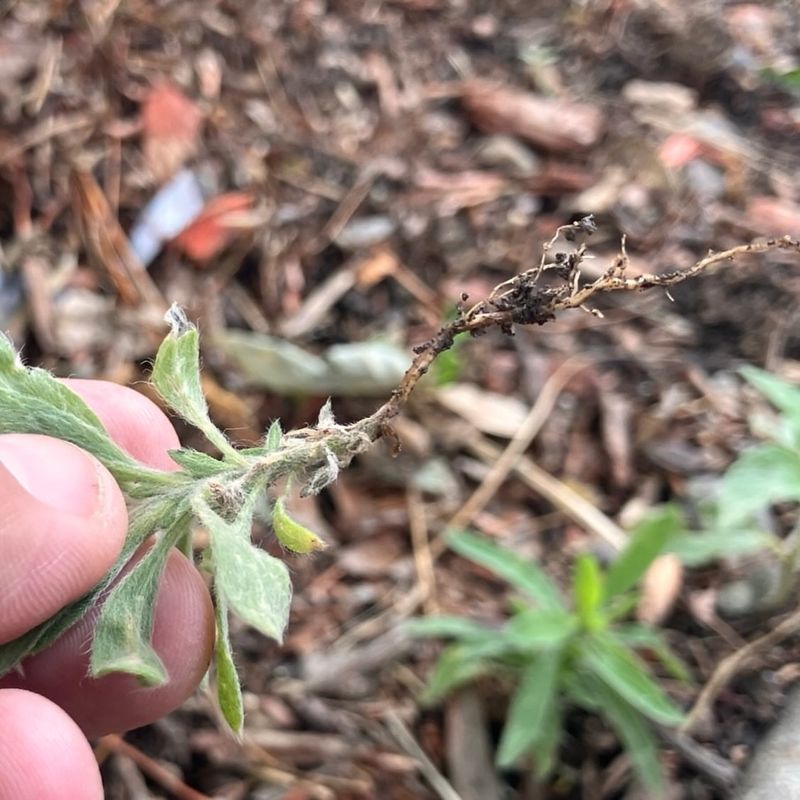
Weeds are not just annoying during a drought. They are active competitors pulling water and nutrients directly away from your vegetables.
A single large thistle or pigweed can absorb a surprising amount of soil moisture before your tomato ever gets a chance at it.
Removing weeds during drought conditions is one of the highest-return tasks you can do in your Pennsylvania garden.
The best window for weeding is right after you water or after a rain event, when soil is still soft and roots release easily.
Trying to pull weeds from bone-dry clay soil is a workout that leaves broken stems and roots still in the ground. Wet soil lets you remove the whole root system cleanly, which means the weed does not grow back within a week.
Focus first on weeds growing inside your planting beds and closest to your vegetable roots.
Annual weeds like crabgrass, lambsquarters, and purslane are especially aggressive during summer heat. Perennial weeds like bindweed and dandelion need full root removal to stay gone.
After weeding, add a thin layer of mulch to the cleared area right away.
Bare soil left after weeding dries out fast and gives new weed seeds the open ground they need to sprout again.
8. Switch To Drip Or Soaker Lines
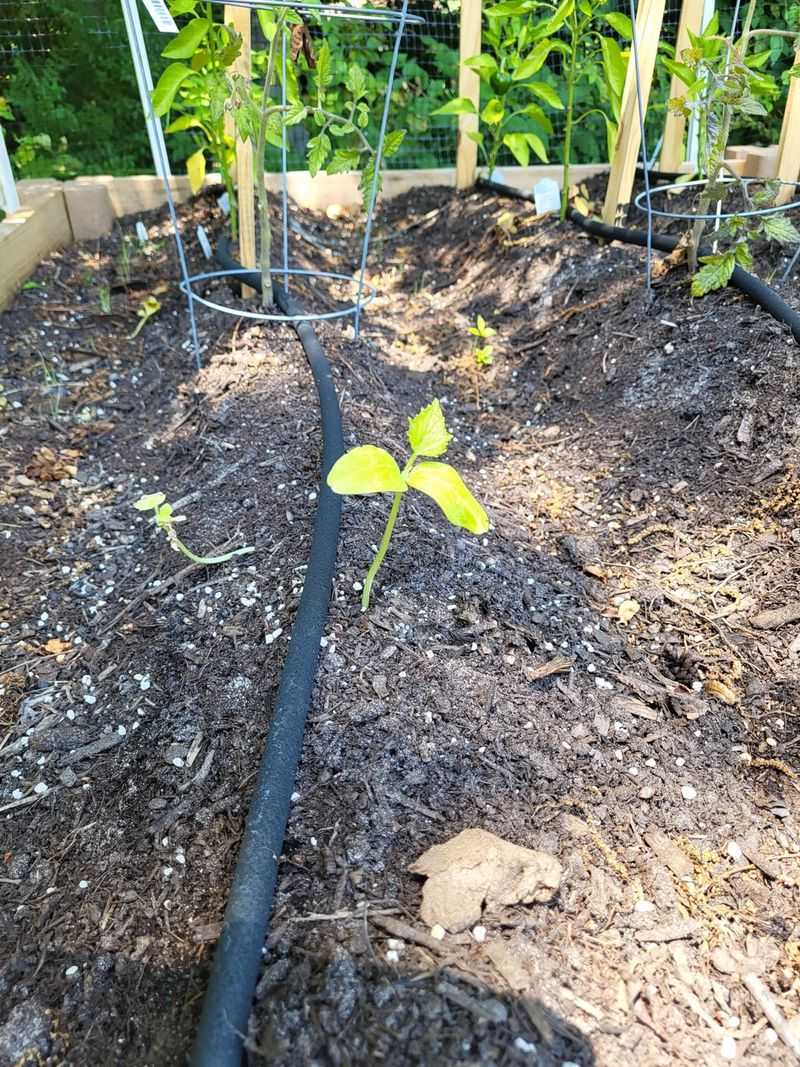
Overhead sprinklers waste a lot of water during a drought.
Water sprayed into the air evaporates before it hits the soil, wets foliage instead of roots, and often misses the root zones of closely spaced plants.
Drip irrigation and soaker hoses solve all three of those problems at once by delivering water slowly and directly to the soil surface right where roots are waiting.
Soaker hoses are affordable, easy to set up, and widely available at Pennsylvania hardware stores and garden centers.
You simply snake the hose through your planting beds, connect it to a standard outdoor spigot, and run it for 30 to 60 minutes depending on your soil type.
Water seeps out slowly along the entire length of the hose, soaking into the ground with almost no evaporation loss.
Drip systems are a step up in efficiency and allow you to target individual plants with emitters placed right at the root zone.
They can cut water use by 30 to 50 percent compared to overhead methods, which matters a lot when restrictions are in place or when your well is running low.
Pair either system with a simple timer so watering happens in the early morning without you needing to be there.
Cover soaker hoses with mulch to reduce evaporation even further. Once you try this setup during a dry stretch, going back to a sprinkler will feel like watering with a garden fork.