Yard Habits That Attract Copperheads Near Middle Tennessee Porches
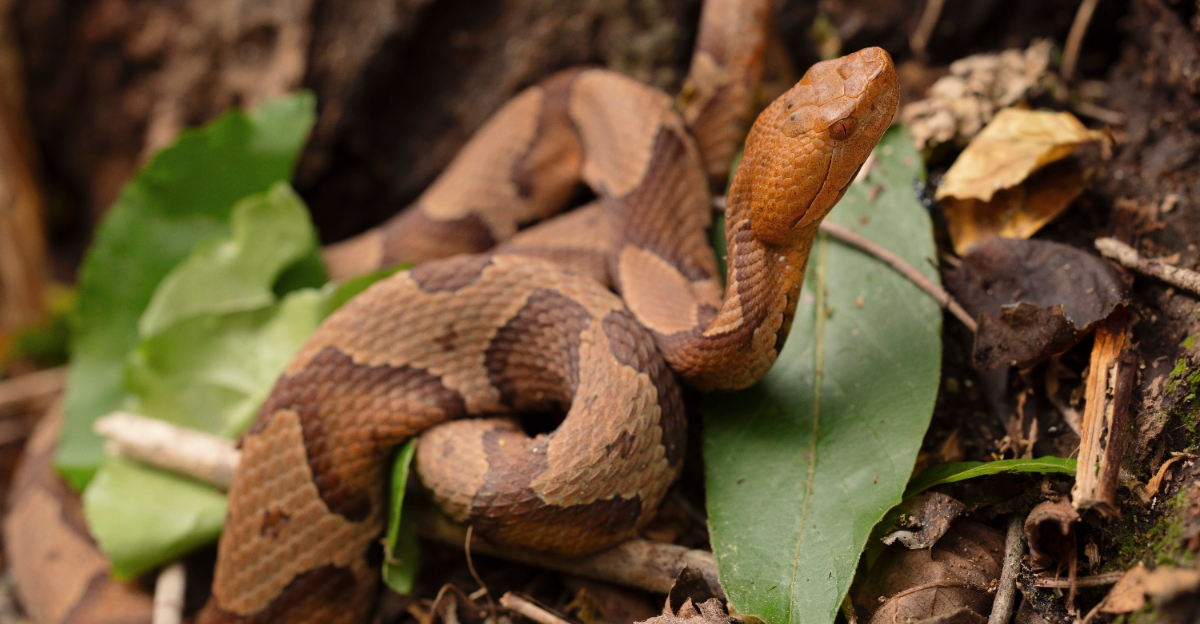
There’s a reason your neighbor stopped letting the dog out after dark. Middle Tennessee’s warm months bring more than fireflies and cicada noise. They bring copperheads out of the woods and straight into ordinary backyards.
These snakes don’t need a swamp or a forest to feel at home. A pile of leaves, a stack of firewood, or even a thick patch of mulch can look like paradise to them.
The unsettling truth is that most homeowners never realize they’ve built the perfect hideout. Copperheads are patient, well-camouflaged, and shockingly close to where kids play and pets nap.
One overlooked corner of your yard could be exactly where one is coiled up right now. The habits you consider harmless might be the very things drawing them in.
1. Overgrown Shrubs And Vegetation Near The Foundation
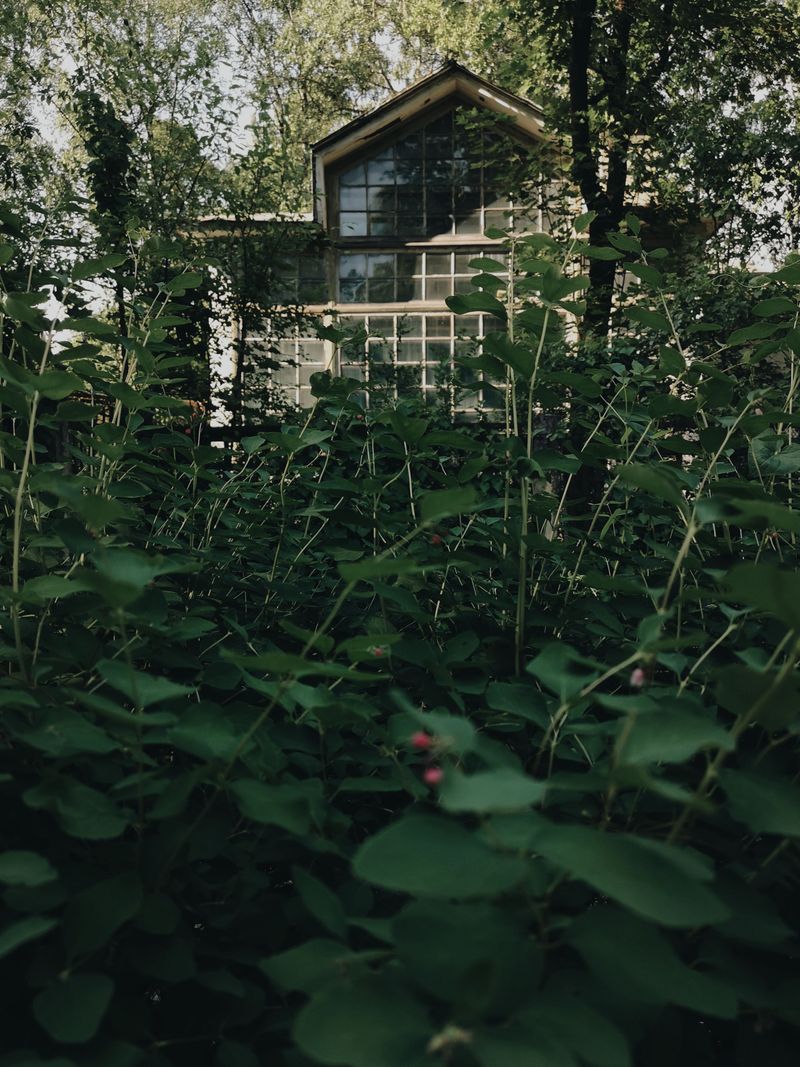
Picture this: you planted those beautiful boxwoods three years ago, and now they are touching your siding. That cozy, dark tunnel between the shrubs and your foundation is not just collecting leaves. It is practically a five-star hotel for copperheads near Middle Tennessee porches.
Copperheads love shade and moisture. Dense shrubs pressed against a house create both in abundance.
The snake does not need much space to squeeze in. Even a narrow gap between branches can give it a comfortable hiding spot all day long.
Thick vegetation also traps the warmth that radiates from your foundation at night. That warmth is like a heating pad for a cold-blooded reptile searching for comfort.
Trimming shrubs back a foot or more from your foundation makes a real difference.
Pull weeds regularly around your home’s base too. Bare soil with good airflow is far less appealing than a leafy jungle to a snake on the hunt.
Consider replacing dense foundation plantings with gravel or mulch borders. Open, dry ground near your home sends a clear message that there is no shelter available.
Yard habits that attract copperheads often start with the best gardening intentions.
2. Woodpiles Stacked Close To The House
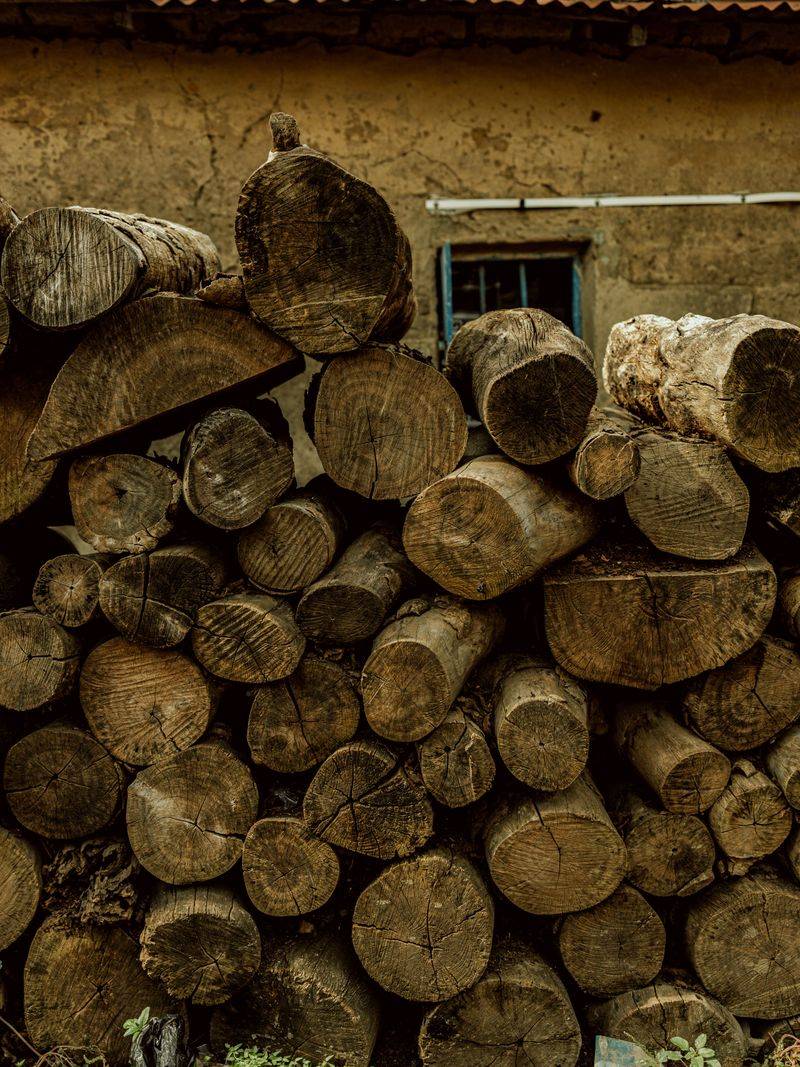
That woodpile you stacked last October might feel like smart planning, but copperheads see it very differently. Logs create a perfect maze of dark tunnels, and snakes absolutely love a good maze.
Copperheads are ambush predators. They sit still for hours, waiting for mice and frogs to wander past, and a woodpile is a buffet line for exactly those creatures.
When the prey moves in, the snake follows. Stacking wood against your house brings that whole food chain right to your back door.
Moisture builds up between logs over time. That damp, cool environment is exactly the microhabitat a copperhead seeks on a hot Tennessee afternoon.
Moving your woodpile well away from the house is one of the smartest moves you can make. Distance alone dramatically reduces the chance of a snake encounter near your porch steps.
Stack wood on a raised platform or metal rack. Keeping logs off the ground eliminates the moist, dark crawl spaces that make snakes feel right at home.
Your Tennessee Garden Changes Every Week. Your Plan Should Too.
Gardening in Tennessee changes quickly throughout the season. Every Friday you’ll receive a simple weekly plan showing exactly what to plant, prune, fertilize, harvest, and protect so you never miss the right timing.
Check the pile before grabbing logs each time. Use a long stick to poke around first, giving any hidden resident a chance to move along.
Wood storage is a classic example of yard habits that attract copperheads without anyone realizing the risk. A small change in placement can make your evenings outside feel a whole lot safer.
3. Tall, Unmowed Grass
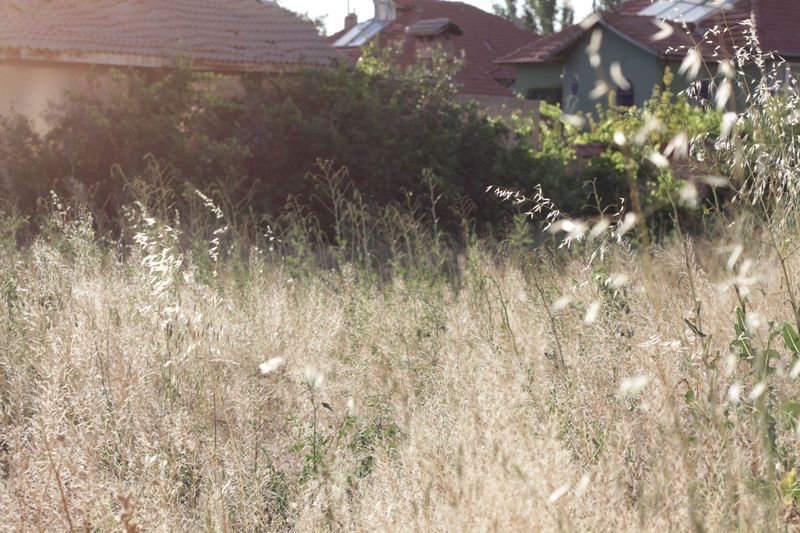
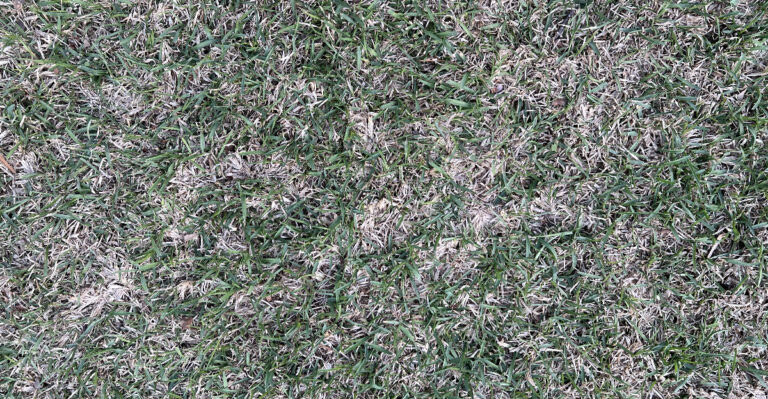
Tall grass is basically a copperhead in camouflage mode. The snake’s reddish-brown banding blends almost perfectly into dry, sun-dappled blades of unmowed lawn.
You could walk right past one and not even notice it. That is not a comforting thought when kids and dogs are running barefoot across the yard.
Snakes move through tall grass with ease. The coverage gives them confidence to travel farther from the woods and closer to your home without feeling exposed.
Mice and voles also thrive in unmowed areas. Where rodents go, copperheads follow with impressive patience and precision.
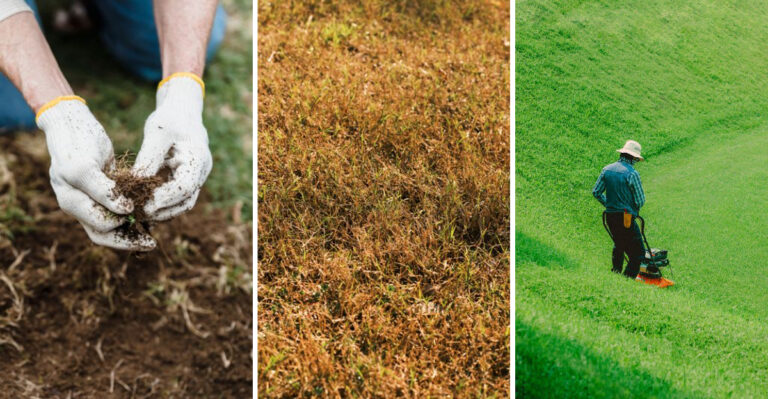
Mowing consistently every one to two weeks keeps grass short and sightlines clear. A well-trimmed lawn removes the concealment that makes your yard feel safe to a snake.
Pay special attention to the edges along fences, driveways, and garden beds. Those transition zones are where snakes prefer to travel, using the border as a guide.
After mowing, walk the yard and check around stepping stones and garden borders. Disturbing the ground helps flush out any creatures that settled in before the blade came through.
A tidy lawn does more to keep copperheads away than most people realize. Keeping things cut short is less about looks and more about creating an environment where snakes simply feel too exposed to linger near your porch.
4. Leaf Piles And Yard Debris
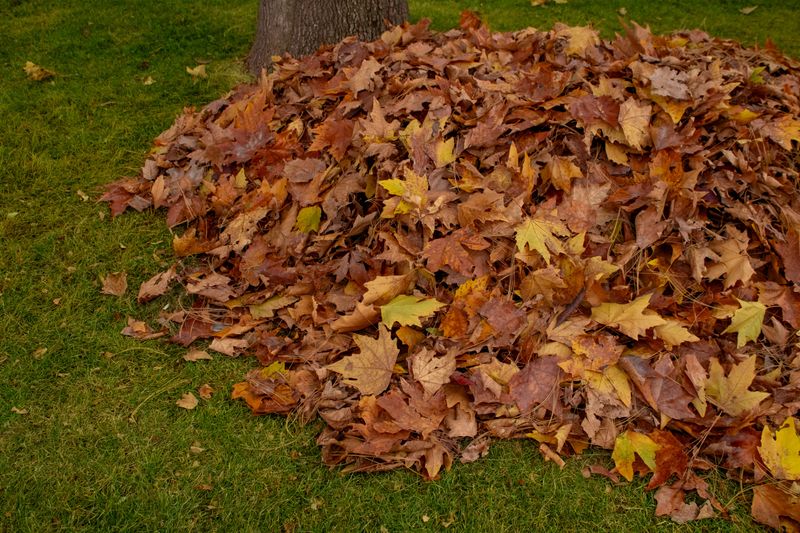
Raking leaves feels like a chore, but leaving them piled up near the porch is basically building a snake apartment complex. Leaf piles are warm, moist, and full of insects and small critters that copperheads love to eat.
A pile left sitting for even a few days becomes an attractive spot. The decomposing leaves generate heat and hold moisture, creating the perfect microclimate.
Frogs, salamanders, and mice all burrow into leaf debris. Copperheads know this trick well, which is why they patrol these areas with focused intensity.
Yard debris like fallen branches, old boards, and clumps of old plants adds to the problem. Each piece of clutter is another potential hiding spot near your foundation or steps.
Bag leaves promptly after raking and remove debris as soon as you can. Do not let piles sit near the house, the fence line, or anywhere close to where your family walks.
Compost bins should be kept far from the porch and sealed properly. An open compost pile near the house is a two-for-one deal for snakes: food and shelter in one spot.
Clearing clutter from under decks and porches is equally important. Hollow spaces beneath raised structures are among the most favored copperhead retreats in any suburban yard.
Getting rid of leaf piles and debris makes an immediate difference in how inviting your yard feels to copperheads. Clean yards simply do not offer enough cover to make the risk worthwhile for a cautious snake.
5. Unsecured Trash Cans And Outdoor Pet Food
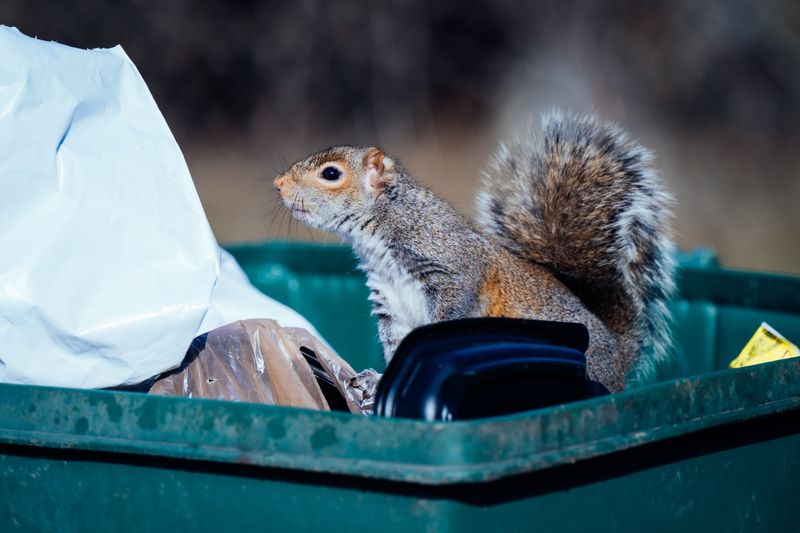
An overturned trash can smells like dinner to a mouse, and a mouse smells like dinner to a copperhead. The chain of attraction starts with something as simple as an unsecured lid.
Rodents are the number one food source for copperheads in suburban areas. Anything that draws mice and rats into your yard is also sending out an invitation to the snakes that hunt them.
Outdoor pet food is an easy one to overlook. A bowl of kibble left on the porch overnight is a mouse magnet by morning and a snake site by nightfall.
Even bird seed that spills from feeders onto the ground counts. Scattered seed feeds rodents, and rodents feed snakes in a cycle that ends uncomfortably close to your back steps.
Use locking trash cans with tight-fitting lids. Secure them to a fence post or wall so they cannot be knocked over by raccoons or strong wind.
Bring pet food bowls inside each evening before sunset. Snakes are most active at dusk and dawn, so eliminating food sources during those windows matters most.
Sweep up spilled bird seed from beneath feeders regularly. Keeping the ground clean under feeding stations removes a key link in the chain that leads snakes toward your home.
Breaking the rodent connection is essential for anyone working to change yard habits that attract copperheads. Cut off the food supply, and the snakes will look elsewhere for their next meal.
6. Bird Feeders Placed Too Close To The House
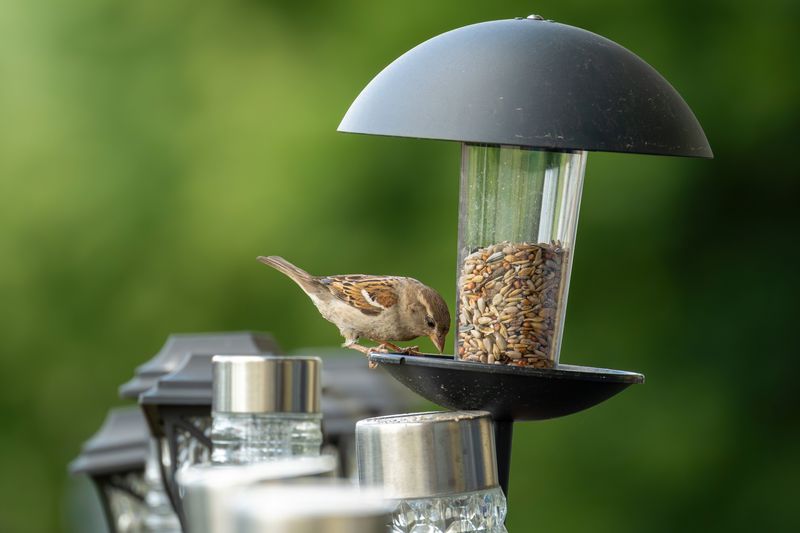
Bird feeders are delightful until you realize what else they attract. Seed spills to the ground, rodents show up to clean it up, and a copperhead is not far behind once the buffet is established.
Most homeowners never make this connection. They see sparrows and finches and feel good about supporting wildlife, never noticing the mouse activity happening below the feeder at night.
Copperheads are patient, strategic hunters. They learn the patterns of prey in an area and set up ambush positions accordingly, often right beneath a popular feeding station.
Placing a feeder right next to your porch railing puts that hunting ground uncomfortably close to where you sit each evening. The snake is not interested in you, but proximity still creates real risk.
Move feeders well away from the house, closer to the tree line than the porch. That distance alone gives you a meaningful buffer between the snake’s hunting zone and your living space.
Use feeders with catch trays that collect fallen seed. Less seed on the ground means fewer rodents, and fewer rodents means fewer reasons for a copperhead to patrol the area.
Clean beneath feeders weekly to prevent seed buildup. A tidy feeding station is far less attractive to the entire food chain that ends with a venomous snake near your steps.
7. Rock Piles And Rock Gardens Near Steps
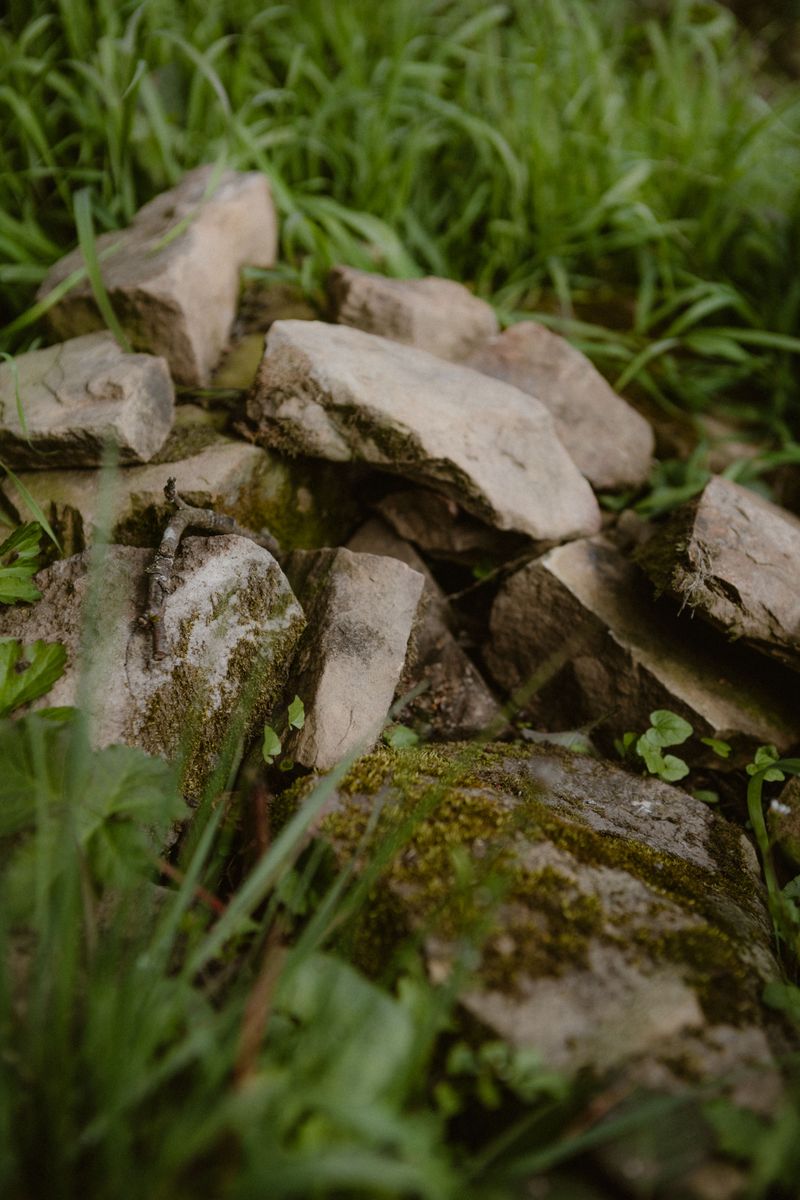
Rock gardens look stunning in a Tennessee landscape, but those beautiful flat stones are basically solar-powered heating pads for cold-blooded reptiles. Copperheads bask on warm rocks in the morning and hide beneath them when temperatures peak.
The gaps between stacked or loosely arranged stones are especially attractive. A snake can slip into a surprisingly narrow crack and disappear completely from view.
Rocks near porch steps create a dangerous situation because foot traffic is high in that zone. You step down, the snake feels threatened, and the encounter becomes a medical emergency.
Natural rock outcroppings in Middle Tennessee yards are a known copperhead hotspot. Decorative versions near the house replicate those conditions in a much more personal space.
If you love the look of a rock garden, place it far from high-traffic areas. The far corner of the yard, away from walkways and the porch, is a much safer location for that design choice.
Avoid stacking rocks in layers that create deep, dark gaps. Flat, tightly fitted stones with little space between them are far less inviting than loose, layered arrangements.
Check around and beneath decorative rocks regularly during warmer months. A quick scan before gardening or mowing near those areas could prevent a surprising and painful encounter.
Rethinking where you place stone features changes the whole equation when it comes to copperheads near your steps. Your porch steps should feel welcoming to guests, not to ambush predators lurking in the landscaping.
8. Flower Pots And Damp Spots By The Porch
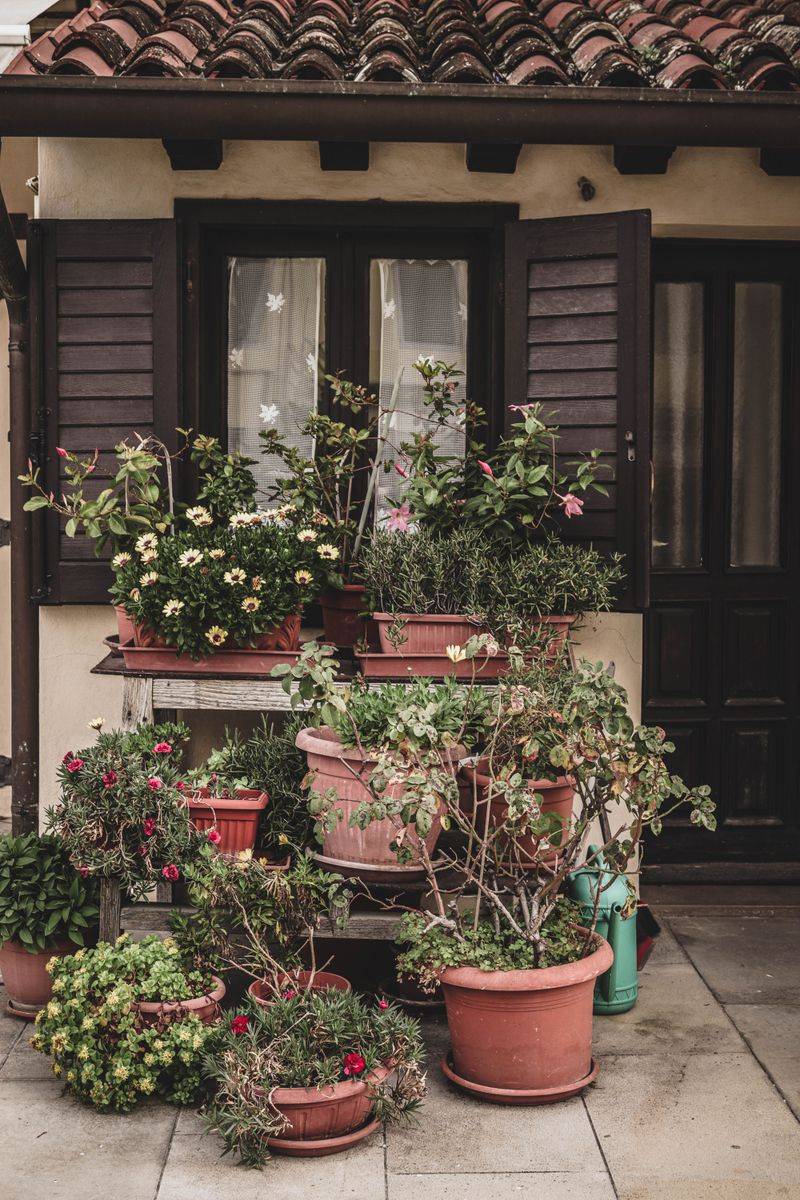
Those cheerful flower pots lined up along your porch steps make an ideal hiding spot for a copperhead. The shaded soil beneath each pot stays cool, moist, and quiet all day long.
Snakes do not need a cave. They just need a dark, damp space wide enough to coil up in, and the gap under a heavy ceramic pot fits perfectly.
Overwatering is another piece of the puzzle. Soggy soil near the porch creates the kind of damp microhabitat that attracts frogs, slugs, and earthworms, all of which are prey for small or juvenile copperheads.
A snake does not have to be full-grown to cause harm. Young copperheads are venomous from birth, and they are often found in moist, sheltered spots close to porches and entryways.
Lift and check beneath pots regularly during spring and summer. Make it a habit every time you water, taking a quick peek before setting anything back down.
Use pot feet or risers to keep containers elevated off the ground. Better airflow beneath pots makes the space less hospitable and removes the dark, sealed hiding spot entirely.
Fix any drainage issues near the porch that create standing water or perpetually wet soil. Dry ground is far less inviting to the prey species that draw copperheads into your immediate space.
Addressing damp spots and flower pot placement closes one of the last easy entry points copperheads have to the threshold of your Tennessee home.