The One Thing North Carolina Sweet Potatoes Need In July Or Soil Pests Will Destroy The Harvest
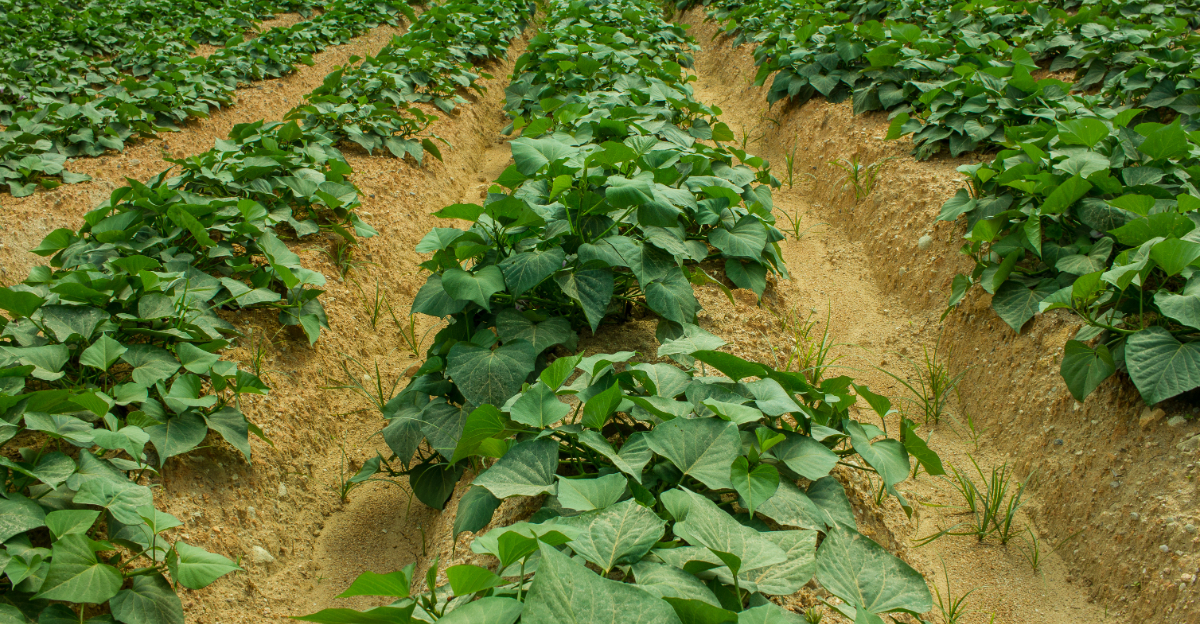
Sweet potatoes spend July doing the most important work of their entire growing cycle completely out of sight, which is exactly what makes soil pest pressure during this month so damaging and so easy to miss until harvest reveals the full extent of it.
Wireworms, grubs, and other soil-dwelling pests target developing tubers during this underground growth phase, and the damage they cause is irreversible by the time it becomes visible.
There is one specific thing sweet potato beds need in July that directly disrupts the conditions these pests depend on. Miss it and the harvest tells the story in the worst possible way.
Get it right and the tubers that come out of the ground in fall reflect the full potential of everything put into the season.
1. Keep The Bed Weed Free In July
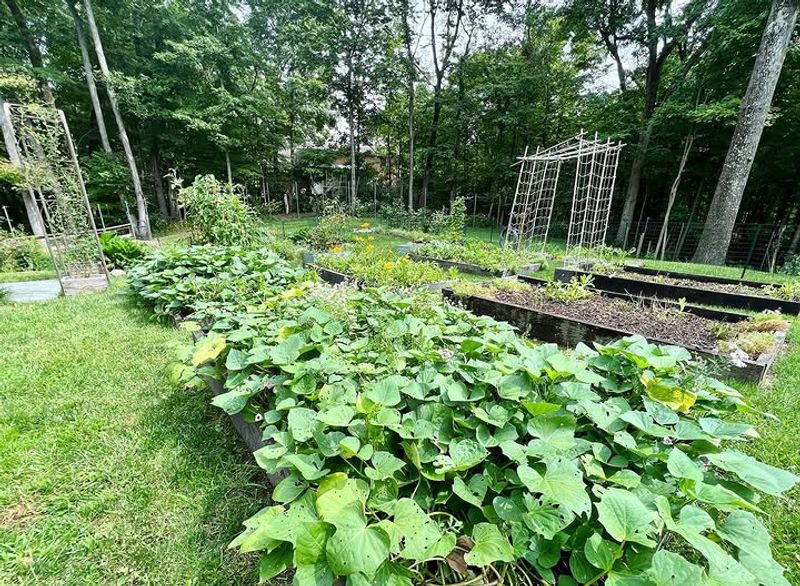
A clean sweet potato bed in July is one of the best gifts you can give your crop. Weeds that pop up between the vines do far more damage than most gardeners expect.
They compete directly with the sweet potato roots for water and nutrients at a time when those roots are actively growing and sizing up underground.
Weeds also create hiding spots for insects. Dense patches of unwanted plants along bed edges and between vines give pests a sheltered place to gather and breed.
Once pest populations build up in those weedy corners, they can spread into the crop quickly and quietly.
Another problem with a weedy bed is that it makes early pest activity nearly invisible. A gardener walking past a tidy bed can spot a damaged leaf or unusual vine stress almost instantly.
Walk past a messy, overgrown bed and those early warning signs disappear into the clutter.
The good news is that July weeding does not have to be overwhelming. Pulling weeds once a week, especially around the base of the vines and along the outer edges of the bed, keeps things manageable.
Focus on getting weeds out before they flower or set seed, because that stops the next round of problems before it even starts.
North Carolina summers are hot and humid, which means weeds grow fast. Staying consistent with removal is the real key.
A short weeding session every few days beats one big cleanup session that comes too late to make a difference for the harvest.
2. Remove Grass From The Sweet Potato Area
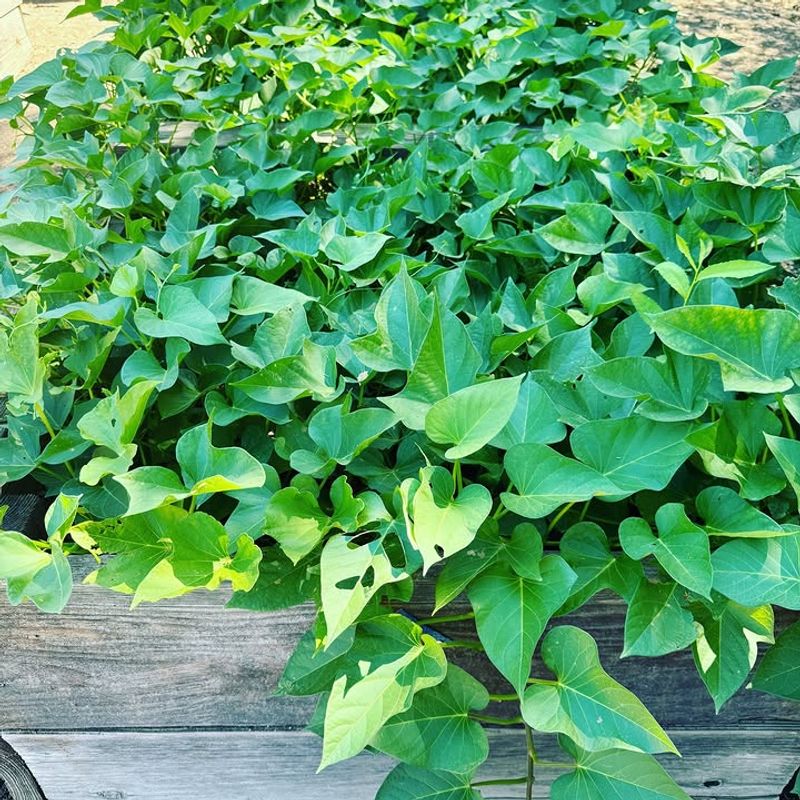
Grass near sweet potato beds might look harmless, but it carries a serious risk that many gardeners overlook entirely. Wireworms, which are the larvae of click beetles, thrive in soil that was previously covered with grass or sod.
These underground pests chew into developing sweet potato roots, leaving behind ugly tunnels and ruined tubers.
North Carolina gardeners who plant sweet potatoes in ground that was recently grass-covered, or who let grass creep back into the bed during the season, are essentially inviting wireworm trouble.
The connection between grassy soil and wireworm populations is well established in vegetable gardening research and has been confirmed by growers across the region.
Your North Carolina Garden Changes Every Week. Your Plan Should Too.
Gardening in North Carolina changes quickly throughout the season. Every Friday you’ll receive a simple weekly plan showing exactly what to plant, prune, fertilize, harvest, and protect so you never miss the right timing.
Keeping grass out of the bed is a July priority. Grass can sneak in from the edges of pathways, fence lines, and neighboring lawn areas.
Once it roots into the bed, it becomes harder to remove without disturbing the sweet potato vines. Catching it early, while it is still shallow-rooted, makes the job much easier.
Trimming the grass along the borders of the sweet potato planting area is just as important as weeding inside the bed itself.
A clean buffer zone between lawn grass and the garden bed reduces the chance that wireworms will migrate from one area to the other during the growing season.
Taking a few minutes each week to edge out grass and pull any shoots that have crept into the bed can protect your sweet potato harvest in a real, measurable way. Simple habits now pay off at harvest time.
3. Watch Bindweed And Morning Glory Relatives
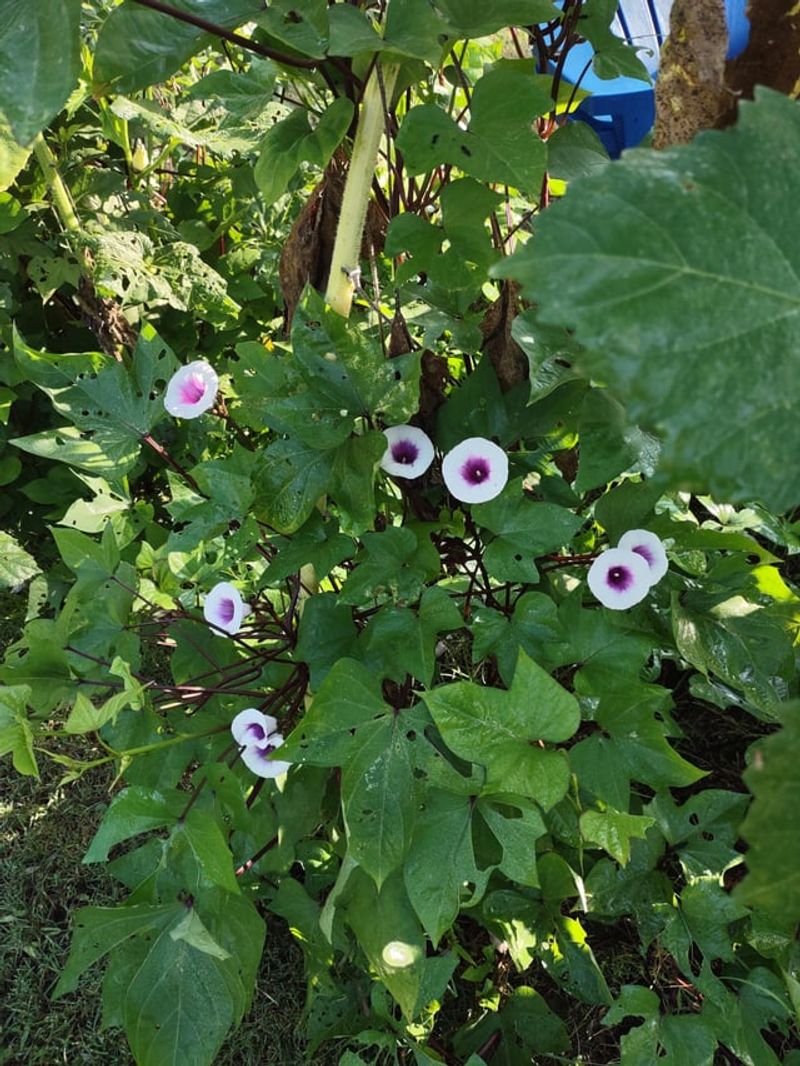
Bindweed and its morning glory relatives are among the sneakiest weeds a sweet potato gardener can face.
They spread fast, wrap around everything in reach, and blend in surprisingly well with sweet potato vines since both plants belong to the same plant family.
That family connection is exactly what makes these weeds a pest-related problem, not just a competition problem.
Sweet potato flea beetles are a real concern in North Carolina gardens, and these beetles can use plants in the morning glory family as host plants.
When bindweed or wild morning glory grows near your sweet potato bed, it can provide a ready population of flea beetles with a place to feed, multiply, and then move directly into your crop.
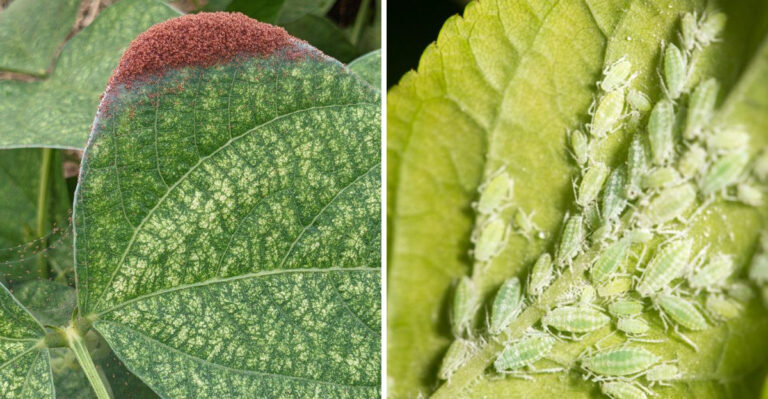
Flea beetle damage shows up as tiny grooves or pits on sweet potato leaves, and heavy infestations can stress young plants significantly.
Spotting that damage early is much easier when the bed and its surroundings are clean and free of weedy vines that could be harboring pests.
Removing bindweed before it flowers is especially important because the seeds can stay viable in the soil for years.
Pulling it out at the root, or cutting it repeatedly at the soil surface to exhaust the root system, are both effective approaches during the summer growing season.
Keeping the edges of your sweet potato bed clear of any vining weeds in the morning glory family is a targeted, practical step that directly reduces pest pressure. Clean edges really do make a difference when pest season peaks in July heat.
4. Do Not Let Weeds Hide Soil Pest Clues
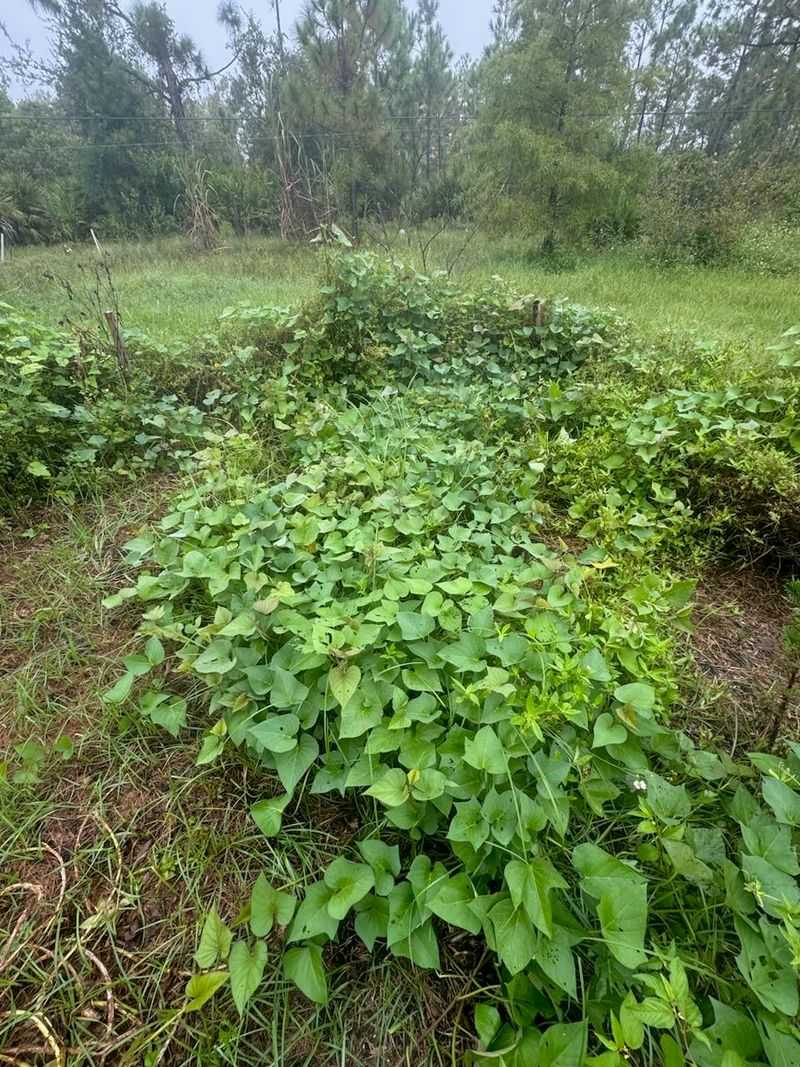
July is the month when sweet potato roots are really starting to develop, and it is also the month when pest pressure tends to peak. That combination makes weekly plant checks absolutely essential.
A weedy bed makes those checks nearly impossible because the signs of trouble hide beneath layers of unwanted plants.
Flea beetle damage is one of the earliest clues that something is going wrong. These beetles chew tiny grooves into the surface of leaves, and the vine can start to look stressed or discolored in patches.
Spotting that pattern early gives a gardener time to respond before the damage spreads to the roots themselves.
Soil surface activity is another thing worth watching. Some pests disturb the soil near the base of the vines, and a tidy bed makes those disturbances visible right away.
In a weedy bed, that same activity goes completely unnoticed until the damage is already done and the roots are affected.
A practical approach is to set a weekly schedule for checking the vines. Walk the bed slowly, part the leaves gently, and look at the lower stems and the soil right around each plant.
The whole process takes only a few minutes when the bed is clean and open. Think of weed control in July as your early warning system. Every weed you pull is one less hiding spot for a pest and one more clear view of what is actually happening in your garden.
Staying alert through the middle of summer is what separates a great harvest from a disappointing one.
5. Clear Fence Lines Beside The Bed
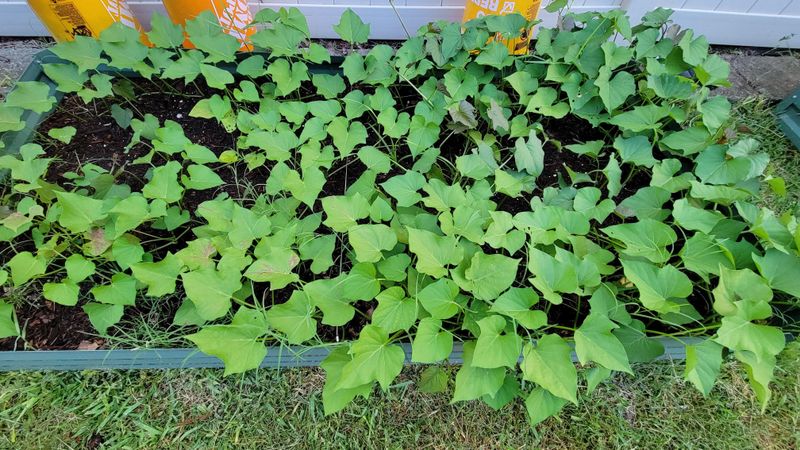
Fence lines beside vegetable beds are easy to ignore when you are focused on what is growing inside the bed itself. However, those weedy, tangled edges are exactly where insects love to shelter during the heat of the day.
Pests that build up along a messy fence line have a short trip to make when they decide to move into the sweet potato crop.
In North Carolina, July brings intense heat and humidity, and both of those conditions encourage fast weed growth along fences and borders.
Bindweed, wild morning glory, crabgrass, and other opportunistic plants can form a dense wall of vegetation beside the bed in just a few weeks if left unchecked. Clearing that fence line does not have to be a massive project.
Trimming weeds back, pulling any vining plants that are creeping toward the sweet potato rows, and removing wilted plant debris from the base of the fence all make a significant difference.
The goal is to eliminate the sheltered, shaded corridors that pests use to travel and hide.
Keeping the area between the fence and the sweet potato bed open and visible also makes it easier to notice unusual insect activity before it becomes a serious problem.
When the space is clear, a gardener can see what is actually moving around out there. A clean fence line is a simple, free form of pest management.
Spending fifteen minutes trimming and clearing the edges around your sweet potato planting in July can protect weeks of careful growing work from unnecessary pest damage.
6. Avoid Disturbing Roots While Weeding
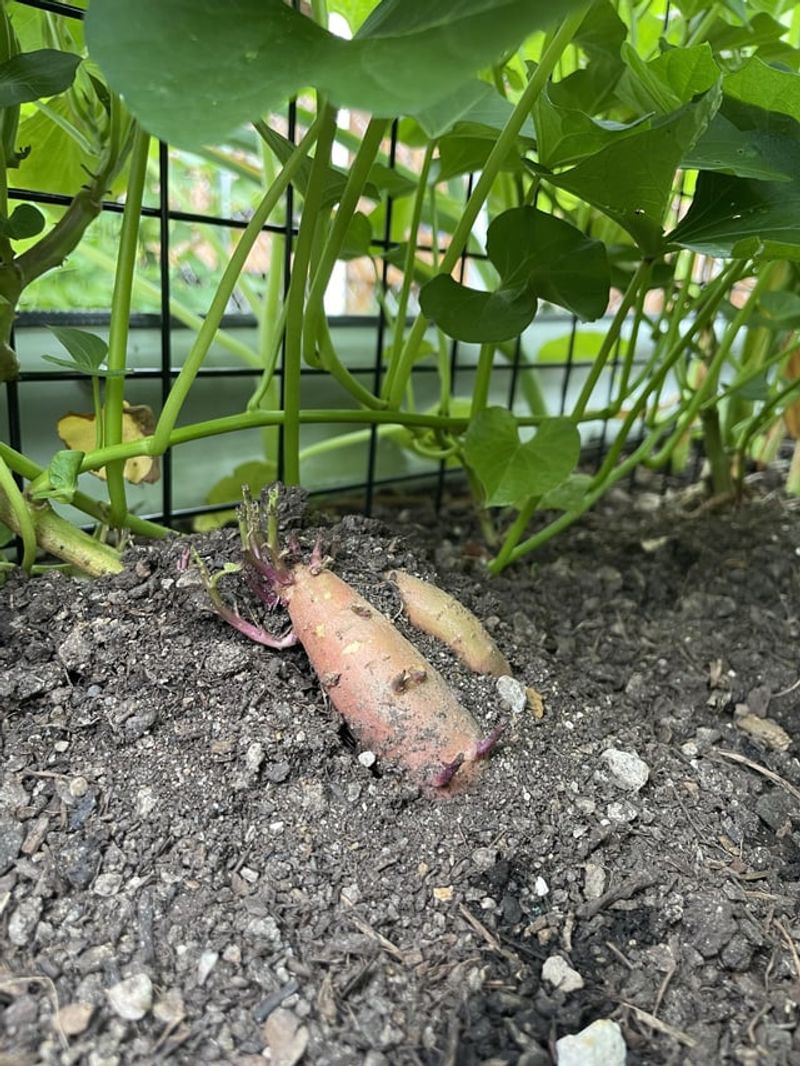
Sweet potato roots are not just starting to form in July, they are actively spreading and thickening underground. That makes how you weed just as important as whether you weed.
Careless digging or aggressive pulling near the base of the vines can snap developing roots, create entry points for rot, and set back the plant at exactly the wrong time.
The best approach for weeding close to the vines is to pull gently and slowly, working the weed out from the root without yanking the surrounding soil.
For weeds that have rooted deeply or stubbornly, cutting them off at the soil surface is a smarter move than trying to dig them out entirely.
The cut weed will not regrow as vigorously, and the sweet potato roots nearby stay undisturbed. Avoid using a hoe or any sharp tool within several inches of the sweet potato vines.
The roots can spread well beyond what you see above ground, and a deep cut with a garden tool can damage them without you even realizing it until harvest time reveals the problem.
Weeding in the morning or evening when the soil is slightly cooler and more workable also helps.
Loose, slightly moist soil releases weed roots more easily than hard, dry ground, which means less force is needed and less disturbance happens around the sweet potato plants.
Taking a careful, patient approach to July weeding protects all the growth that has already happened underground.
The roots are doing their most important work right now, and respecting that process during each weeding session pays off in bigger, healthier sweet potatoes at harvest.
7. Use Mulch To Keep New Weeds Down
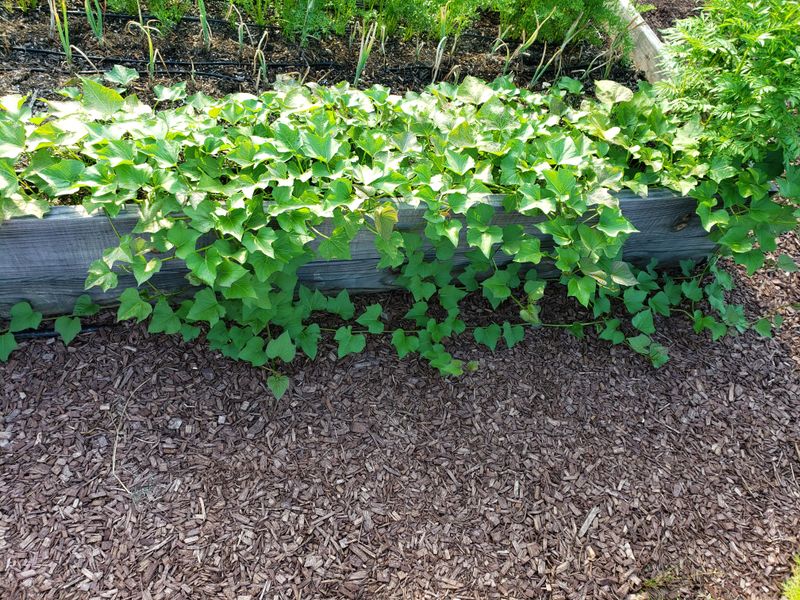
Mulch is one of the most underrated tools in the sweet potato gardener’s summer toolkit.
A light layer of organic material spread across the bed surface can dramatically slow down new weed growth, which means less time pulling and more time enjoying a tidy, manageable garden through the hottest part of the season.
Straw, pine straw, and shredded leaves all work well for this purpose. They are easy to find across North Carolina, relatively inexpensive, and break down gradually to add organic matter to the soil.
Spreading a two to three inch layer between the sweet potato vines creates a physical barrier that makes it harder for weed seeds to germinate and take hold.
Mulch also conserves soil moisture, which is a real bonus during July heat waves. Sweet potatoes need consistent moisture as their roots develop, and mulch helps the soil hold onto water between rain events or irrigation sessions.
That moisture retention also reduces the stress on the plants during dry spells.
One important thing to remember is to keep the mulch away from the crown of each vine where it meets the soil. Burying the crown with mulch can trap moisture against the stem and encourage rot.
Leave a small gap around each plant so air can circulate freely at the base. With mulch handling the majority of weed prevention, your weekly checks become faster and more focused.
You spend less time pulling and more time actually monitoring plant health, which is exactly where your attention should be during this critical growing window.
8. Pair Weed Control With Crop Rotation Next Season
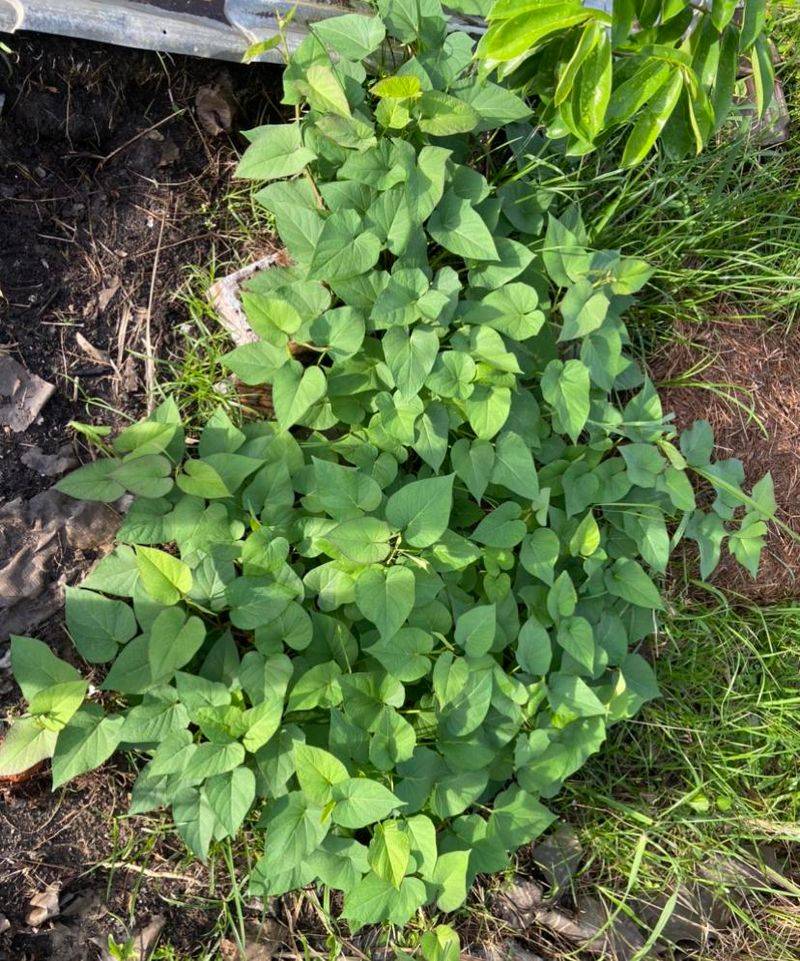
Everything you do to keep weeds out of your sweet potato bed in July matters right now, but smart gardeners also use this moment to think ahead. Weed control and pest management are not just one-season problems.
The habits and decisions you make this summer set up either a stronger harvest or a harder battle next year.
Crop rotation is one of the most effective long-term strategies for reducing soil pest pressure in sweet potato gardens. Soil pests like wireworms can build up in areas where the same crops grow year after year.
Moving sweet potatoes to a different section of the garden each season disrupts those pest cycles before they become deeply established.
A general guideline is to avoid planting sweet potatoes in the same spot more than once every three to four years.
This gives the soil time to shift its pest and disease balance, and it also helps maintain better soil fertility since different crops draw on different nutrients.
Avoiding spots that were recently covered in lawn grass or heavy weed growth is equally important when planning next year’s placement.
Those areas tend to carry higher wireworm populations, and planting sweet potatoes directly into that ground without preparation can lead to frustrating root damage that is difficult to address mid-season.
July is actually a great time to start sketching out next year’s garden layout while the current season is still fresh in your mind.
Note where pest pressure was highest, where weeds were thickest, and where the sweet potatoes thrived. Those observations are the foundation of a smarter, cleaner garden next summer.