This Native Florida Palm Is Replacing Areca Palms In Florida Landscape Design
Areca palms have been the go-to privacy screen in Florida landscapes for decades, and it is easy to see why. They grow fast, look lush, and do a great job of blocking the view of whatever you would rather not see from the pool deck.
But a growing number of homeowners and landscape designers are starting to ask a perfectly reasonable question.
Is there something better? Something that actually belongs here, handles the dramatic wet and dry swings of the rainy season, and brings real value to local wildlife at the same time?
Paurotis palm, also known as Everglades palm, is a native clumping palm that is quietly earning a reputation as a genuinely compelling alternative.
It does not look exactly like an areca palm, and for the right yard, that is honestly a feature rather than a drawback.
1. Paurotis Palm Brings A Native Clumping Look
Homeowners tired of planting the same non-native tropical screens are discovering that paurotis palm, also called Everglades palm, offers something genuinely different for Florida landscapes.
Unlike areca palm, which comes from Madagascar, paurotis palm is native to Florida, growing naturally in the Everglades and other wet subtropical areas of the state.
That native status gives it a real connection to the land that non-native screening plants simply cannot match.
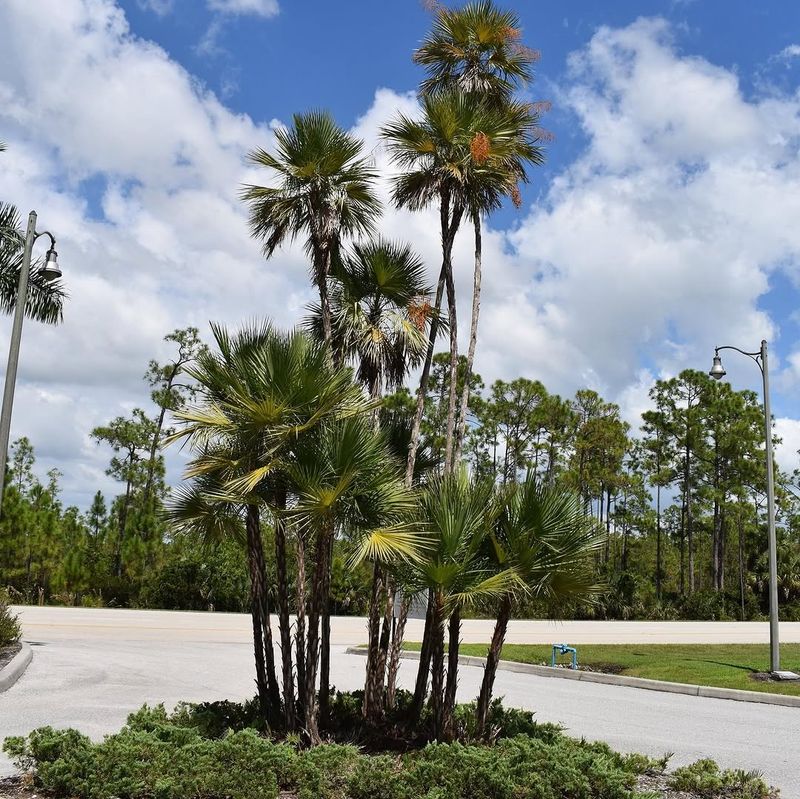
Paurotis palm grows with a clustering habit, meaning it sends up multiple trunks from a single root base over time.
This multi-trunk growth pattern is part of what makes it appealing to homeowners who want a tropical, layered presence without reaching for another non-native plant.
The clumping form creates a full, living mass of foliage that can anchor a corner bed, frame a pool area, or soften a fence line in a way that feels organic and rooted in the Florida landscape.
Choosing a palm that belongs here can also simplify long-term care in some situations, since native plants are often better adapted to Florida’s climate swings, rainy summers, and warm winters.
Paurotis palm is not the right fit for every yard, but for homeowners looking for a native clumping palm with real tropical presence, it is worth serious consideration before defaulting to another areca hedge.
2. Fan-Shaped Fronds Change The Texture
Walk past a row of areca palms and you notice the soft, feathery look right away. Those arching, pinnate fronds give areca its signature hedge-like quality that homeowners have relied on for decades.
Paurotis palm brings something completely different to the texture conversation, and that shift in look is one of the most important things to understand before making a planting decision.
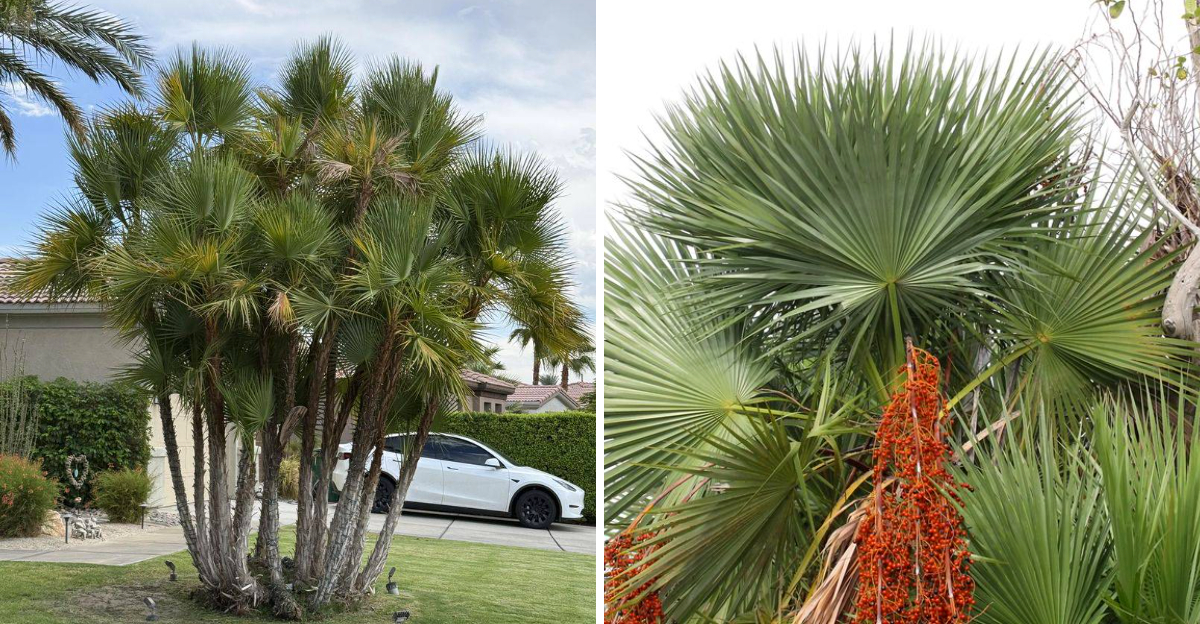
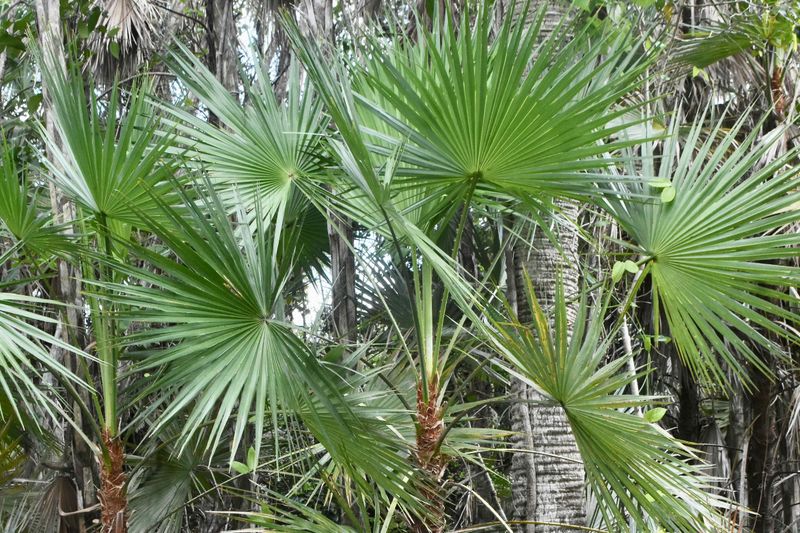
Paurotis palm has fan-shaped, or palmate, leaves. Each frond radiates outward from a central point like an open hand, creating a bolder, more architectural silhouette than the soft plume of an areca.
The individual leaves are divided into stiff, narrow segments that catch the breeze and move with a crispness that feathery palms simply do not offer. This gives a paurotis planting a stronger visual structure and a more natural, native feel.
Your Florida Garden Changes Every Week. Your Plan Should Too.
Gardening in Florida changes quickly throughout the season. Every Friday you’ll receive a simple weekly plan showing exactly what to plant, prune, fertilize, harvest, and protect so you never miss the right timing.
For some Florida landscape designs, that bolder texture is exactly what the yard needs. A pool edge, a native garden bed, or a coastal corner can benefit from the contrast that fan-shaped foliage provides against softer flowering plants or low groundcovers.
The texture also pairs well with other native plants that have bold leaf shapes, creating a layered look that feels intentional rather than generic.
Homeowners who expect paurotis to mimic the soft, hedge-like appearance of areca may be surprised, but those who appreciate structural foliage often find the fan-leaf look genuinely refreshing in a Florida yard.
3. Multiple Trunks Create Natural Screening
Privacy is one of the biggest reasons homeowners plant palms along fence lines, pool cages, and side yards in the first place.
Areca palm became popular largely because its dense, multi-stem growth fills in relatively quickly and creates a green wall that blocks views from neighboring properties.
Paurotis palm can offer a similar multi-trunk screening effect, but the way it gets there looks and feels quite different on the ground.
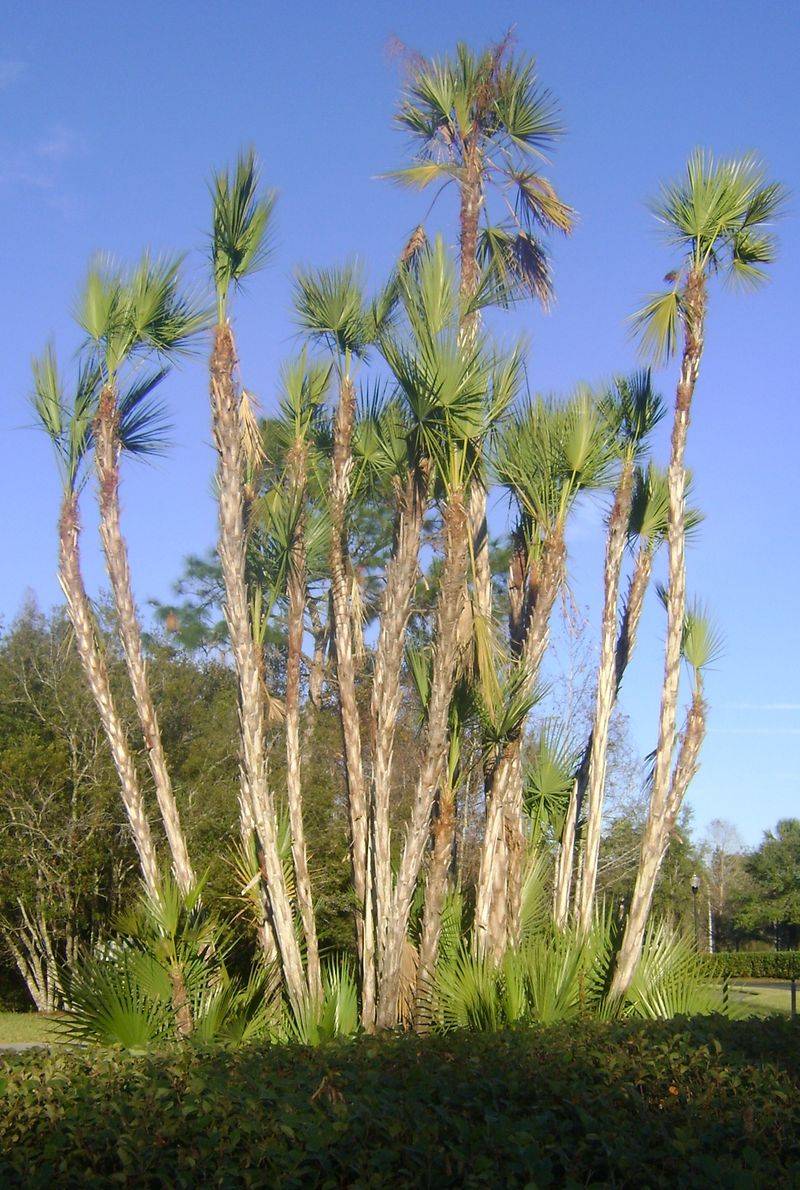
Over time, a healthy paurotis palm clump develops multiple slender trunks covered in fibrous, brownish material that gives each stem a rugged, natural texture.
As the clump matures, those trunks grow taller and the canopy of fan-shaped fronds spreads outward and upward, creating a layered screen that has more of a wild, native quality than a manicured hedge.
The screening effect depends heavily on spacing, the age of the plants, site conditions, and how much visual privacy the homeowner actually expects from the planting.
Planting paurotis palms closer together can help speed up the screening effect, but it is worth remembering that mature clumps can spread considerably.
Florida homeowners who need a tight, uniform privacy wall right away may find that paurotis takes more patience than areca.
For those willing to wait and plan for mature size, the natural screening that a well-placed paurotis clump provides can become one of the most attractive features in a Florida native landscape design.
4. Wet Soil Tolerance Sets It Apart
One of the most practical reasons paurotis palm is catching the attention of Florida landscapers is its ability to handle wetter soil conditions than many common landscape palms.
The rainy season brings heavy downpours that can leave low-lying areas soggy for extended periods, and finding palms that can tolerate those conditions without struggling is genuinely useful for homeowners dealing with damp corners or poorly drained beds.
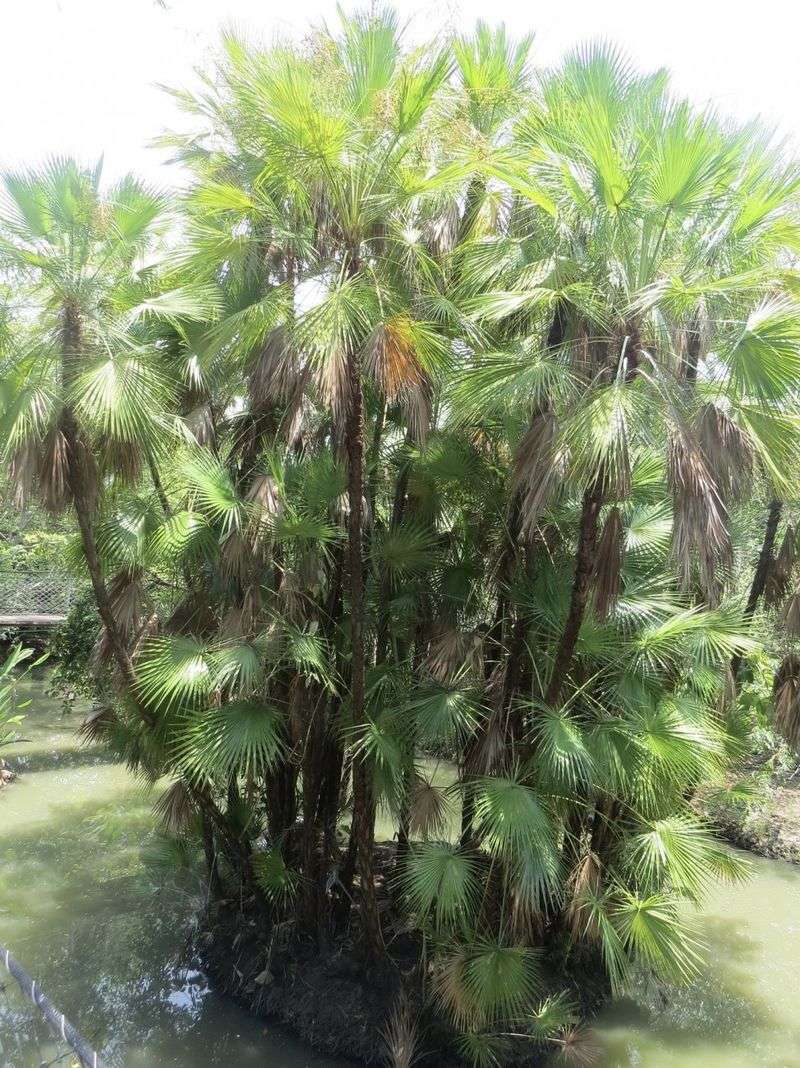
Paurotis palm grows naturally in the Florida Everglades and other wet subtropical habitats, which means it has a real tolerance for periodic flooding and moist soils that would stress many ornamental palms.
This quality makes it a candidate for spots in the yard where other palms have failed or where standing water after rain is a recurring problem.
Wet side yards, low corners near retention areas, or edges of natural drainage swales can sometimes be good planting sites for this palm.
That said, wet-soil tolerance does not mean that any poorly drained spot in the yard is automatically a good home for paurotis palm. The plant still needs adequate light, enough room to spread, and reasonable soil quality to perform well over time.
Gardeners should evaluate each potential planting site carefully rather than assuming that because a spot is wet, paurotis palm will thrive there without any additional attention.
Matching the right plant to the right site is always the foundation of smart Florida landscape planning, and paurotis palm is no exception to that rule.
5. Florida Wildlife Gets More Native Value
Swapping a non-native screening palm for a native plant can do more than just change the look of a yard.
Native palms like paurotis are part of the ecological fabric of Florida, and they tend to support local wildlife in ways that non-native ornamentals simply cannot replicate.
The fruits, structure, and habitat value of a native palm make it a more meaningful addition to a Florida-Friendly landscape than another imported tropical hedge.
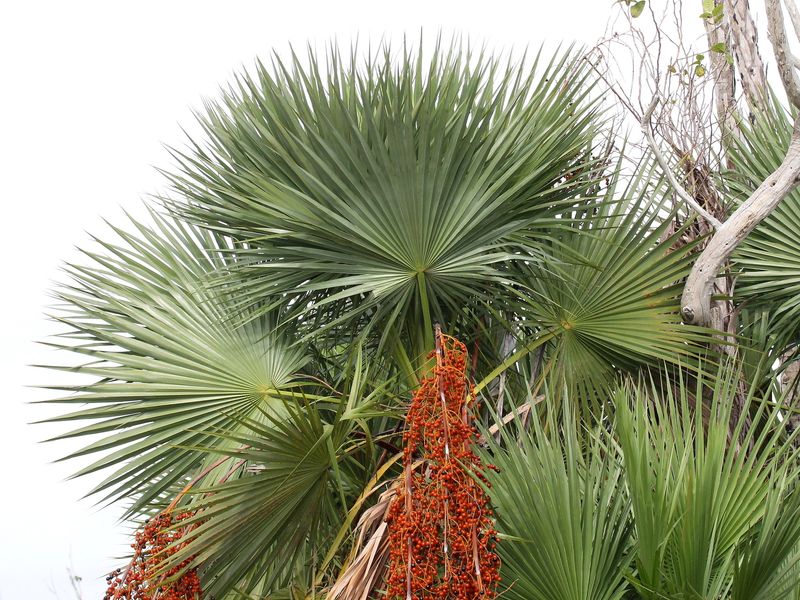
Paurotis palm produces small, dark fruits that can attract birds and other wildlife. The dense clump of trunks and fronds also offers shelter and nesting opportunities for small animals and insects that are part of the broader Florida ecosystem.
When a yard includes native plants that provide food and cover, it becomes a small but genuine piece of the larger habitat network that Florida’s wildlife depends on throughout the year.
Adding paurotis palm as part of a broader native or Florida-Friendly planting plan, rather than as a standalone trend, is the most sensible approach.
One palm will not transform a yard into a wildlife sanctuary, but it can be a meaningful piece of a thoughtful native landscape.
Homeowners who pair paurotis with other site-appropriate native plants, native groundcovers, and wildlife-friendly shrubs are likely to see the most noticeable habitat benefits over time.
The shift toward native plants in Florida landscapes reflects a growing awareness that beautiful yards and healthy local ecosystems do not have to be mutually exclusive goals.
6. Large Clumps Need Plenty Of Room
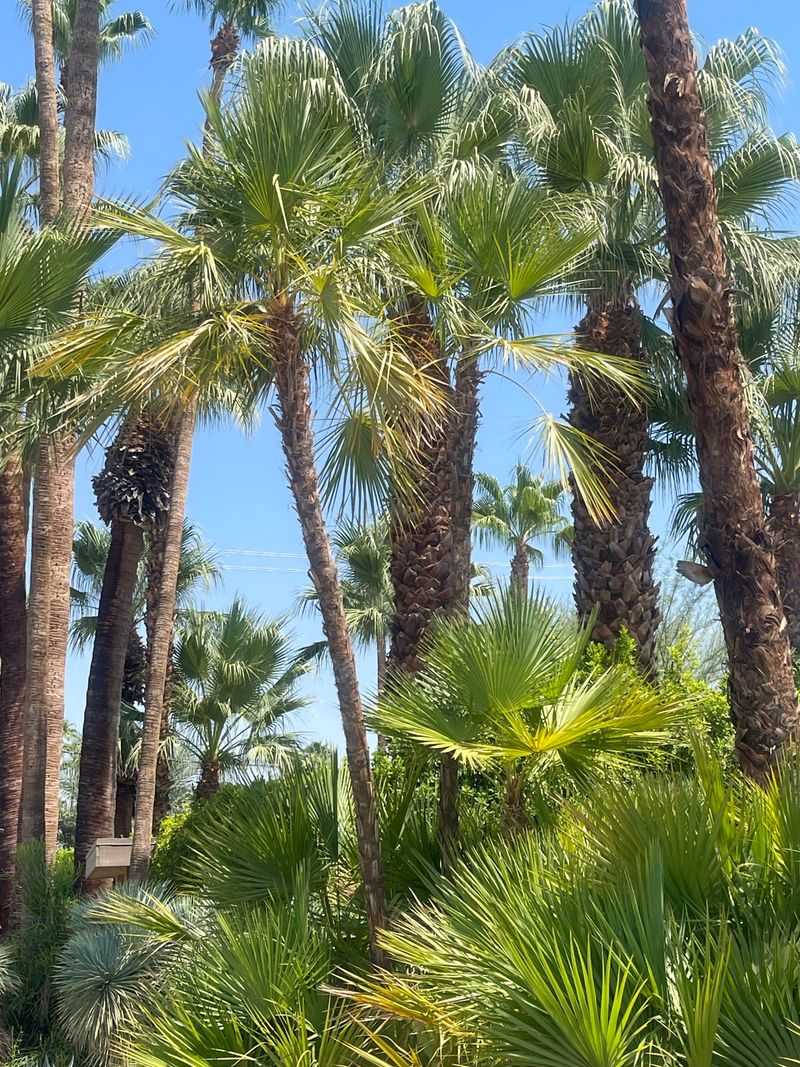
Before any palm goes in the ground, understanding its mature size is one of the most important steps a homeowner can take. Paurotis palm is not a compact plant.
Over time, a well-established clump can grow quite large in both height and spread, making it a poor fit for tight foundation strips, narrow side yards squeezed between two fences, or small planting pockets near a pool cage corner.
The multi-trunk clumping habit means that paurotis palm keeps adding new stems from the base as it matures, gradually expanding the overall footprint of the planting.
In an open Florida yard with generous space, this spreading quality becomes one of the palm’s most attractive features, creating a bold, natural mass that draws the eye and anchors the landscape.
In a crowded or confined spot, the same growth habit can become a maintenance challenge as the clump pushes against structures, fences, or neighboring plants.
Homeowners who are replacing areca palms in tight spaces should think carefully about whether paurotis palm is the right size match for that particular location.
Spacing plants too close to structures or to each other from the beginning creates problems that are difficult to correct later without significant effort.
Giving paurotis palm enough room to reach its natural mature size from the start is the most straightforward way to enjoy what this Florida native palm does best, without running into space conflicts down the road.
7. It Is Not An Areca Copycat
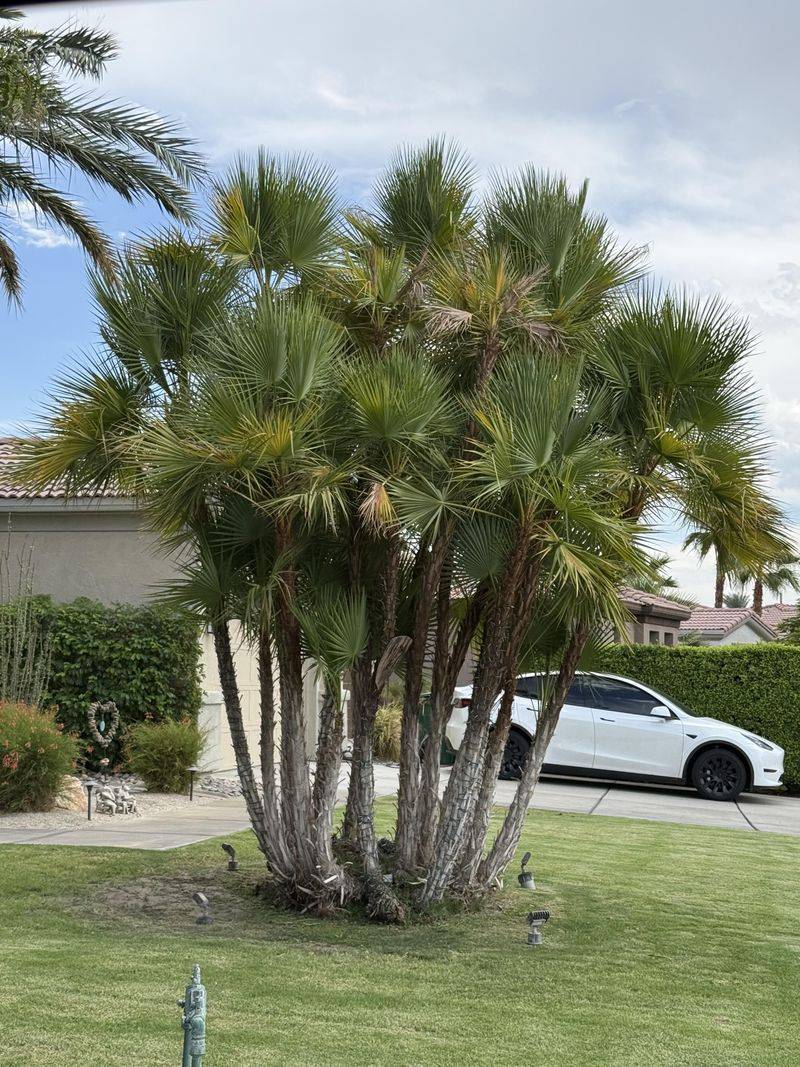
Expecting paurotis palm to look exactly like an areca palm is one of the quickest ways to end up disappointed with a Florida landscape planting. The two palms are both clumping and multi-trunked, which is where much of the surface-level similarity ends.
Areca palm is known for its soft, feathery, pinnate fronds that create a full, lush hedge effect that homeowners have come to recognize instantly as a tropical privacy screen.
Paurotis palm has a completely different visual personality. The fan-shaped leaves, the fibrous trunks, and the more open, structural canopy give it a bolder and more native look that reads differently in a Florida landscape than an areca hedge does.
Someone standing in front of a mature paurotis clump for the first time will notice right away that this is not a soft, uniform green wall. It has character, texture, and a wilder presence that reflects its Everglades origins.
That difference is not a flaw. For homeowners and designers who are specifically looking to move away from the predictable areca-hedge look, paurotis palm offers something genuinely fresh.
The key is going into the planting decision with realistic expectations about what the finished landscape will look and feel like.
Choosing paurotis because it is native, structurally interesting, and ecologically meaningful makes far more sense than choosing it simply because someone described it as a replacement for areca palm in every situation.
8. Native Design Makes The Swap Feel Fresh
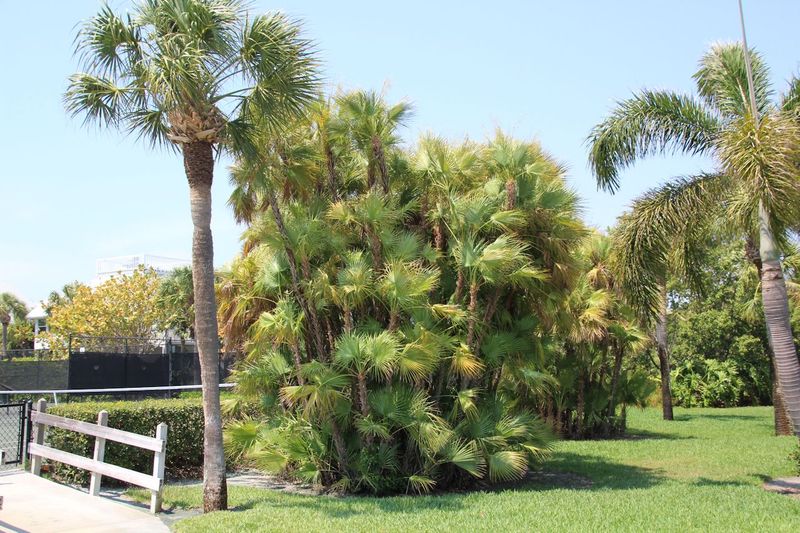
Florida landscapes have a long history of borrowing tropical plants from around the world to create the lush, green look that homeowners love. Areca palm, bird of paradise, and other non-native tropicals have defined the look of Florida yards for generations.
Shifting toward native plants like paurotis palm does not mean giving up on that tropical feeling. It means finding a version of that feeling that is rooted in Florida’s own natural heritage.
When paurotis palm replaces a row of areca palms, the change is immediately noticeable in the texture, the structure, and the overall character of the space.
Paired thoughtfully with other native Florida plants, such as saw palmetto, coontie, firebush, or native grasses, paurotis palm can anchor a landscape design that feels both tropical and genuinely Floridian.
The combination of bold fan-leaf texture, multi-trunk presence, and native ecological value gives the yard a personality that a uniform areca hedge rarely achieves.
The growing interest in Florida-Friendly Landscaping and native plant design reflects a real shift in how homeowners think about their outdoor spaces.
Using paurotis palm as part of a broader native planting strategy, rather than just swapping one hedge plant for another, is where the design swap truly pays off.
Yards that embrace native plants tend to feel more connected to the land, more interesting through the seasons, and more rewarding to maintain over the long term.