The Conditions Behind Illinois’s Best Sweet Corn Harvest In Years
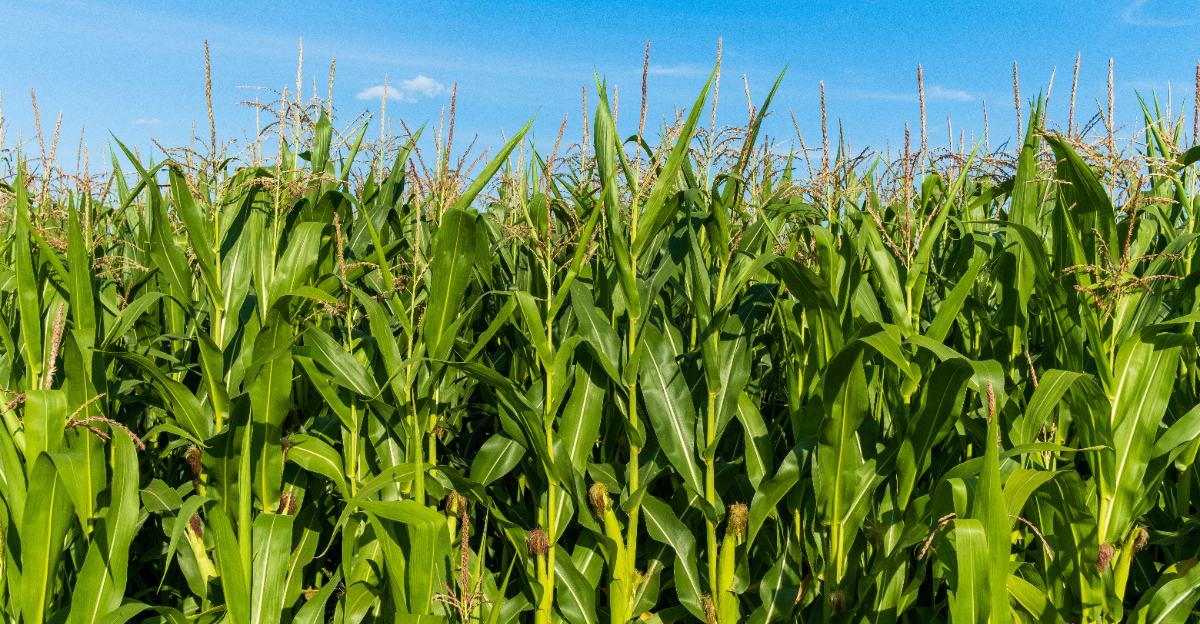
Something quietly remarkable happened across Illinois farmland this year. Roadside stands sold out before noon. And more than one longtime grower admitted this crop caught them off guard, in the best way possible.
Ask around Prairie State kitchens and you’ll hear the same thing: the sweetness hit different this year. Stalks that usually buckle under July heat stood their ground, feeding ears that grew fat and full instead of stunted.
Nobody planned this. A stretch of cool nights arrived right when the plants needed to recover, followed by rain that landed exactly on schedule rather than all at once. Soil that had been resting under cover crops paid off in ways spreadsheets don’t predict.
Call it luck, call it timing. Either way, this is a harvest many gardeners will remember for years to come.
An Early Spring Frost-Free Window
Corn farmers live and breathe by the calendar, and this year the calendar was kind. The last frost date arrived earlier than usual across much of Illinois, giving growers a rare head start on planting season.
Normally, a late cold snap can wipe out young seedlings overnight. Tender corn shoots have almost no defense against freezing temperatures, so losing that early window means replanting, which burns time and money.
This spring, temperatures held steady through late April with no significant freeze events reported. Farmers seized that window and got seeds in the ground while conditions were ideal.
An early frost-free stretch does more than just protect young plants. It extends the total growing season, giving ears more time to develop that deep, sugary flavor everyone craves at a summer cookout.
Longer growing days translate directly into better kernel development. Each extra week of warmth adds complexity to the corn’s natural sugars.
Not every field responded the same way, though. Growers on sandier soils got in earlier, while those on heavier clay waited a few extra days for the ground to firm up.
Growers who planted during that early window saw noticeably stronger stands by mid-May. Farmers who caught that early window are still talking about the head start it gave them.
Good timing is everything in farming, and spring delivered exactly that.
Warmer, Drier March Soil Conditions
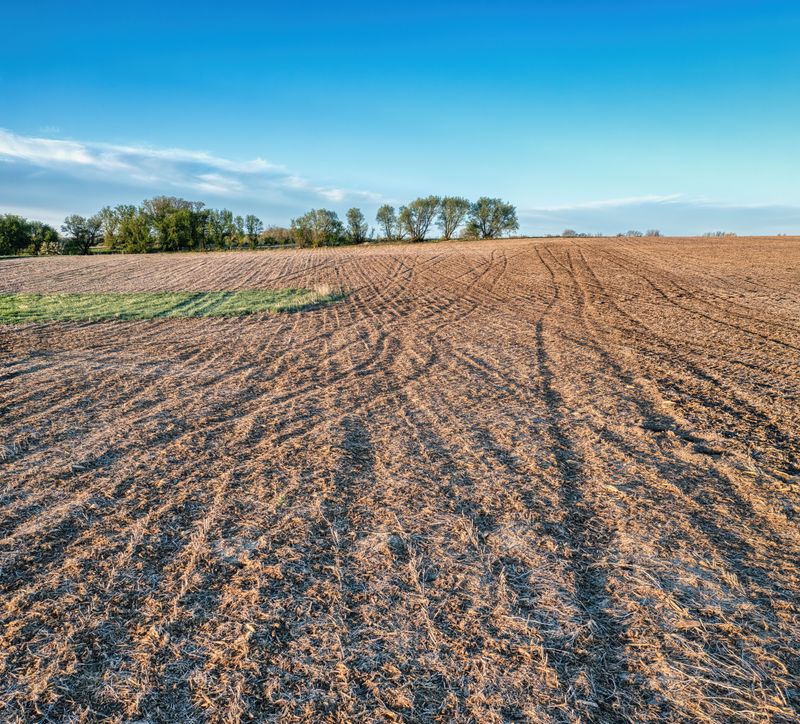
Mud is a farmer’s worst enemy in early spring. Wet, cold soil delays planting and causes seeds to rot before they ever sprout.
This March was different. Temperatures ran a bit above average, with drier stretches across central and northern growing regions.
Drier soil warms up faster, and warmer soil activates the biological activity that feeds young roots. Seeds planted into warm ground germinate quicker and with much higher success rates than those dropped into cold, soggy earth.
Soil temperature matters more than air temperature for corn germination. Once soil hits 50 degrees Fahrenheit consistently, corn seeds begin to wake up and push toward the surface.
That threshold usually isn’t reached until well into April in a typical year. Hitting it weeks early gave growers a rare shot at planting on their own timeline instead of waiting on the weather.
Your Illinois Garden Changes Every Week. Your Plan Should Too.
Gardening in Illinois changes quickly throughout the season. Every Friday you’ll receive a simple weekly plan showing exactly what to plant, prune, fertilize, harvest, and protect so you never miss the right timing.
This March hit those benchmarks ahead of schedule. Growers were able to run equipment across fields without getting stuck or compacting the soil, which protects root structure later in the season.
Compacted soil chokes roots and limits nutrient uptake, so being able to plant cleanly made a measurable difference. Fields were simply ready before the seeds even hit the ground.
Warmer, drier March conditions created the perfect seedbed. Farmers who have worked these fields for decades said it felt like the ground was almost asking to be planted.
Well-Timed Rainfall During Pollination
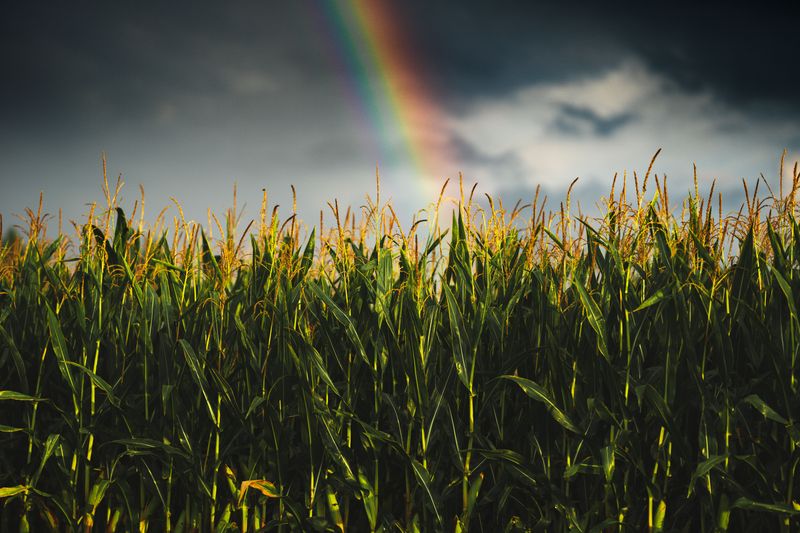
Corn pollination is a narrow, high-stakes window that can make or break an entire season. Tassels release pollen for only about a week, and every silk on the ear needs to catch some of that pollen to form a kernel.
Dry conditions during that window mean incomplete pollination, which leads to missing rows of kernels on each ear. Nobody wants to bite into a cob full of gaps.
This season, rainfall arrived at almost exactly the right moment. Moderate rain events rolled through during late June and early July, keeping humidity up without washing pollen away.
Too much rain during pollination is just as damaging as too little. Heavy downpours can knock pollen off tassels before silks get a chance to capture it.
The showers this year were steady and gentle, more like a slow drip than a downpour. That kept silks moist and receptive without flooding the pollen supply.
Farmers noticed the results almost immediately. Ears filled out tip to tip with tight, even rows of kernels, a sign of near-perfect pollination success.
When nature times the rain this well, there is very little a grower can do to improve on it. One good week of rain made all the difference between full ears and empty rows.
Tip-to-tip fill is the dream, and this year it came true.
Lower Corn Earworm Pressure This Season
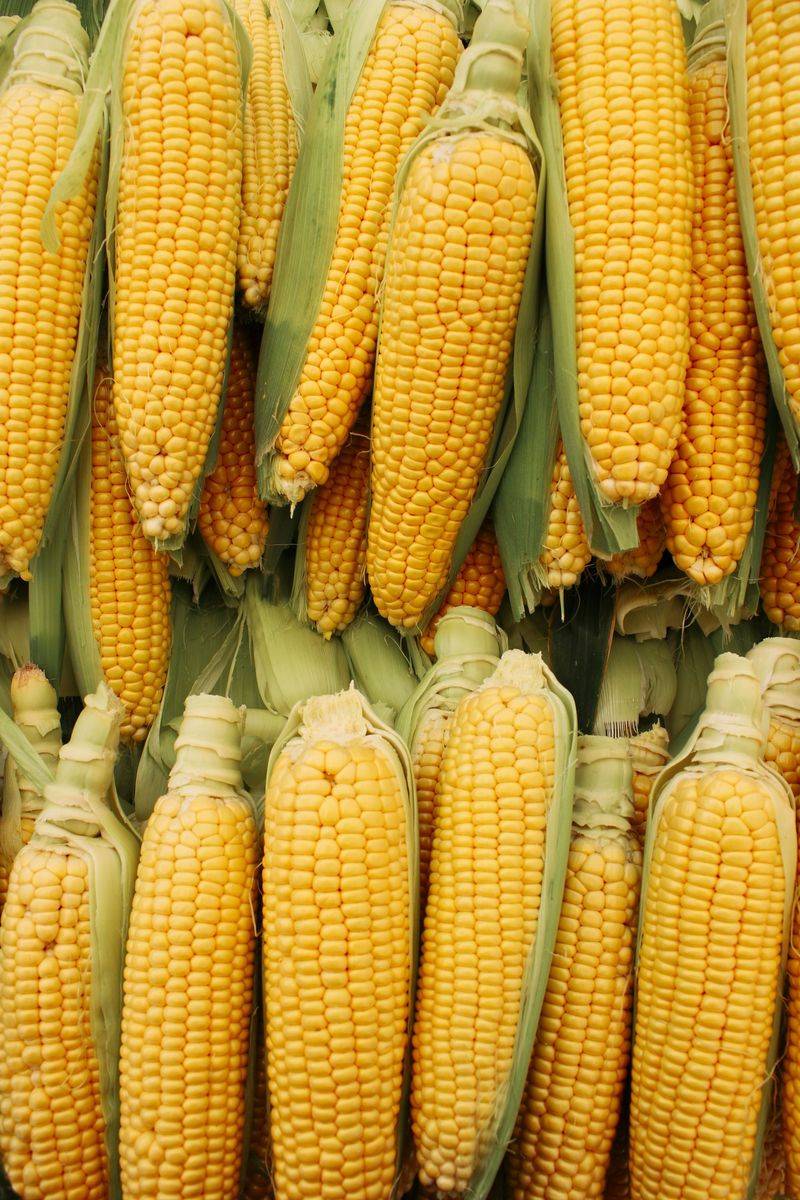
Corn earworms are the uninvited guests that show up every summer without fail. These caterpillars burrow into the tip of the ear and munch their way through kernels, leaving behind frass and damaged cobs.
In bad years, earworm pressure can affect a significant portion of the crop. Growers spend real money on traps, sprays, and scouting just to keep the damage manageable.
This season brought a welcome surprise. Earworm activity appeared lower than usual for much of the growing season, based on reports from growers and local extension offices.
Cooler nights in May and early June are believed to have slowed the first generation of moths. Fewer moths mean fewer eggs, and fewer eggs mean fewer caterpillars tunneling into ears.
Lower pest pressure allowed growers to reduce spray applications in some fields. That saved money and also meant less disruption to beneficial insects like pollinators working the field edges.
Home gardeners noticed cleaner ears at the end of the season too. Pulling back a husk to find a perfect, undamaged ear is one of summer’s best small victories.
Reduced earworm activity is not something farmers can control directly, but they can certainly appreciate it when it happens. This year’s sweet corn was cleaner tip to base, from farm stand to dinner table.
Staggered Planting for a Longer Harvest
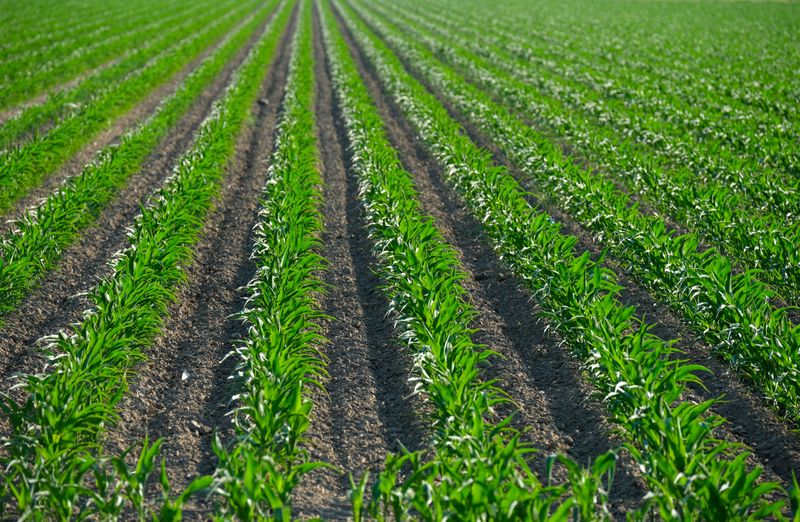
Smart growers do not plant all their corn on the same day. Staggering planting dates by one to two weeks across multiple plots stretches the harvest window from a brief rush into a comfortable, extended season.
When everything ripens at once, farmers scramble to pick, sell, and process faster than is practical. Quality suffers, waste increases, and customers at farm stands often miss out.
This year, favorable spring conditions allowed growers to execute staggered schedules with unusual precision. The early frost-free window gave them more planting days to work with than most recent seasons.
A wider planting window means more flexibility in spacing out those planting dates. Growers who planned for three or four separate planting rounds saw fresh corn coming off the stalk for six weeks or longer.
For home gardeners, the same strategy works beautifully on a smaller scale. Planting a short row every ten days keeps sweet corn showing up at the table all summer long without a flood of ears all at once.
Local farm stands benefited too. Customers could return week after week and find fresh-picked corn rather than a one-time seasonal blitz.
Staggered planting is one of those old-school farming strategies that never goes out of style. When spring cooperates the way it did this year, growers can lean into that approach and deliver a harvest that keeps giving.
More sweet corn over more weeks is always a win.
Warm June And July Temperatures
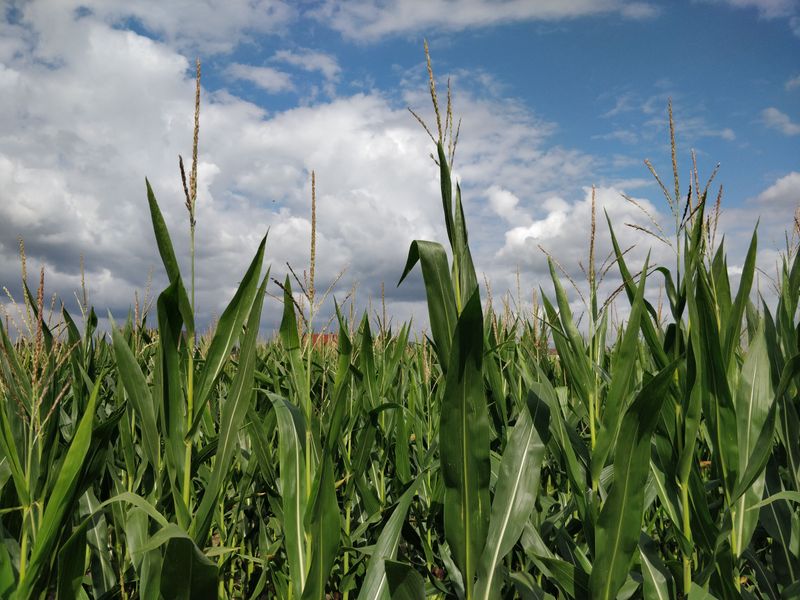
Corn is a sun-hungry crop that thrives when Illinois summer temperatures stay consistently warm. June and July are the months when stalks race toward the sky and ears begin their transformation from tiny nubs into full-sized cobs.
This year delivered back-to-back warm months without the brutal heat spikes that can stress plants. Daytime highs held in a warm, steady range for long stretches, close to ideal for corn development.
Extreme heat above 95 degrees can cause pollen to become sterile. When that happens during tasseling, pollination fails and ears come out with missing kernels no matter how good everything else looked.
The moderate warmth this season kept pollen viable throughout the pollination period. Stalks grew strong and uniform without the wilting and stress responses that come with prolonged heat waves.
Warm nights also played a role. Corn builds sugars more efficiently when nighttime temperatures stay above 55 degrees, accelerating the sweetness that makes fresh-picked ears so irresistible.
Growers who track growing degree days, a measure of heat accumulation over time, reported hitting their targets ahead of schedule. That meant ears reached peak maturity slightly earlier than average without sacrificing quality.
Consistent warmth without extreme spikes is the sweet spot every corn grower hopes for. This summer delivered exactly that, and the ears showed it in every bite. Warm days and mild nights built the flavor this harvest is known for.
Good Early Stand Establishment
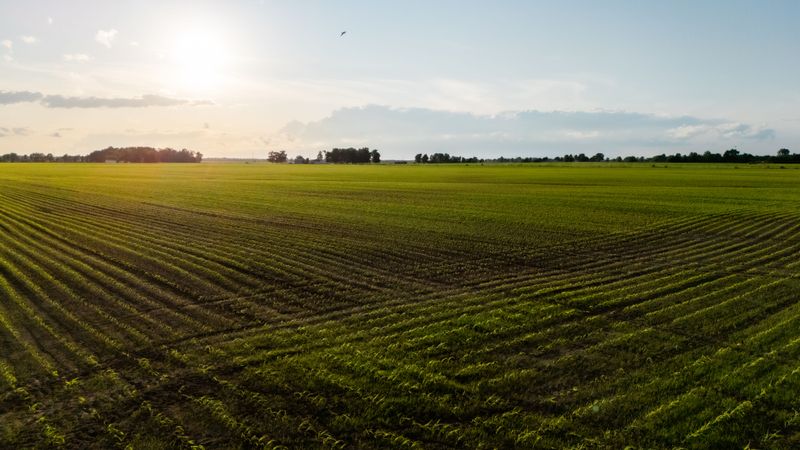
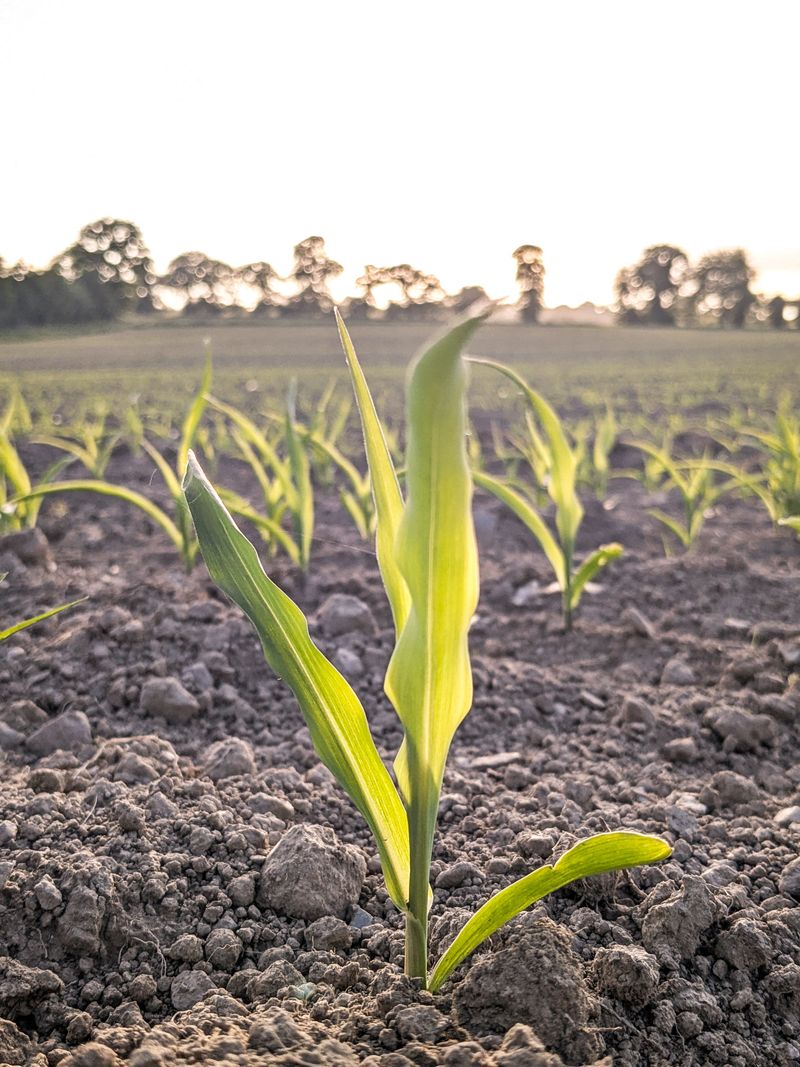
A strong start sets the tone for the entire season. When corn seeds germinate evenly and emerge from the soil at the same time, every plant has an equal shot at sunlight, water, and nutrients.
Uneven stands create competition problems. Larger plants shade out smaller neighbors, and the laggards never fully catch up no matter how good conditions get later in the season.
This year, the combination of warm soil and dry March conditions led to some of the most uniform early stands Illinois growers had seen in years. Fields that normally showed patchy emergence came in looking almost row-perfect.
Even emergence also makes field management easier. Spray timing, irrigation scheduling, and harvest planning all become more efficient when every plant is at the same growth stage.
Seed quality played a role too. Many growers invested in high-germination seed lots, and those seeds performed exceptionally well given the favorable seedbed conditions this spring.
A uniform stand also means a more consistent harvest. Ears across the field reach peak maturity within a narrow window, making it easier to pick at exactly the right moment.
Missing plants in a row are lost revenue and lost flavor. This season, growers walked their fields in May and found stands so clean and even that it almost felt too good to be true.
Strong early establishment laid the groundwork for everything that followed. The sweet corn harvest built its success from the ground up, starting with those first perfect rows of green shoots.
Favorable Soil Moisture During Ear Fill
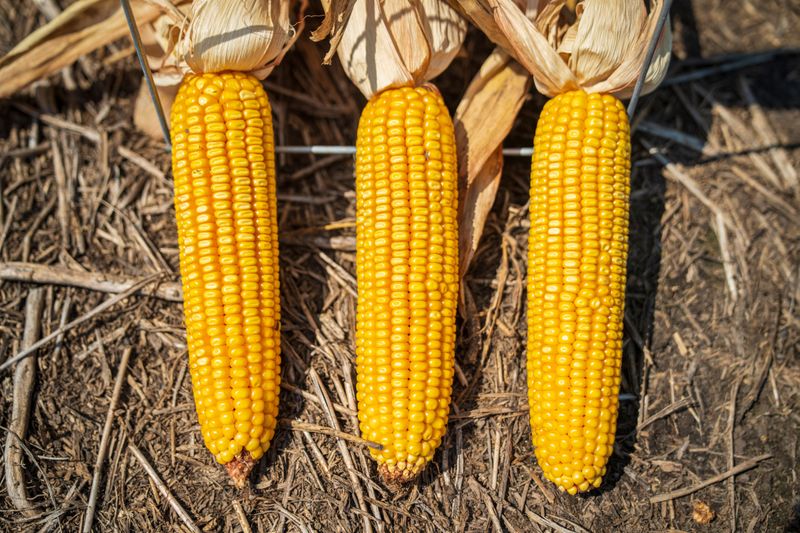
The ear fill stage is when all the season’s hard work either pays off or falls short. This is the three-to-four-week period when kernels pack in starch and sugar, swelling from tiny pale specks into the plump golden rows everyone loves.
Soil moisture during this stage is not optional. Drought stress in the final weeks before harvest causes kernels to shrink, wrinkle, and lose sweetness faster than normal.
This season brought timely late-summer rains that helped keep soil moisture in a healthy range. Fields that had been planted into well-prepared soil held that moisture longer than average, thanks to good organic matter levels.
Growers who had invested in cover crops and reduced tillage in recent years saw an added benefit. Their soils acted like a sponge, holding rainfall from earlier in the season and releasing it slowly during August.
Consistent moisture during ear fill also extends the eating window after harvest. Kernels stay tender and sweet longer when they develop under steady hydration rather than feast-or-famine conditions.
Farm stand customers noticed the difference right away. Ears peeled back to reveal kernels so full and tightly packed that juice practically ran down your hand.
Soil moisture management is one area where growers have some control, but nature has to meet them halfway. This season, it did exactly that, delivering the moisture sweet corn needed right when it mattered most.
The Illinois sweet corn harvest sealed its legacy during those final critical weeks of ear fill.