Florida Plants That Bring Ground Beetles And What That Does To Grub And Pest Problems
Florida yards deal with plenty of pest pressure at the soil level, and grubs, caterpillars, and larvae working through turf and garden beds are a familiar frustration for a lot of homeowners.
One approach that does not get enough attention is creating the kind of habitat that attracts beneficial insects, including ground beetles, which are generalist predators that naturally feed on some of the same pests causing problems in your yard.
Pretty cool when nature does some of the work for you, right? Plants with low cover, clumping grass structure, mulched edges, and native flowers can make a yard noticeably more welcoming to these helpful insects.
That said, no single plant eliminates grub or caterpillar problems on its own, and targeted pest management is still the right call when pressure gets serious.
Think of habitat plants as one useful piece of a bigger approach.
1. Muhly Grass Gives Beetles A Place To Hide
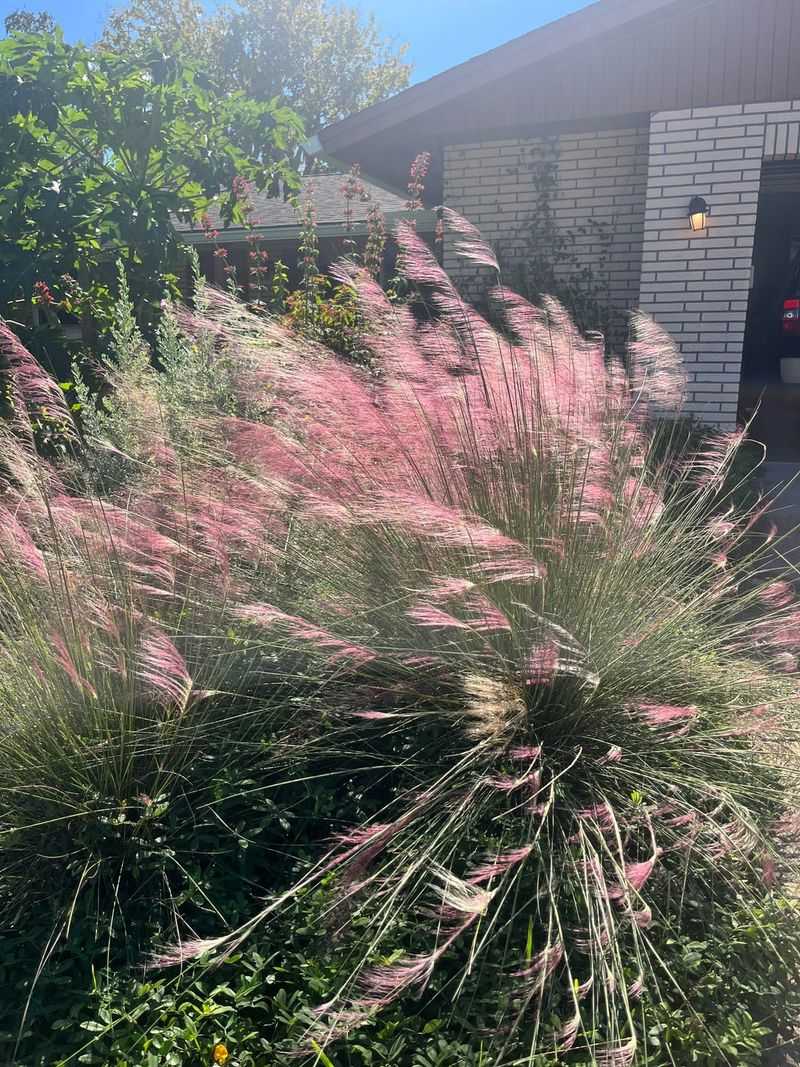
Clumping grasses tucked along a sunny bed edge can do more than look attractive through the fall season.
Muhly grass is a Florida native that forms dense, arching clumps reaching roughly three to four feet tall when mature, with soft pink or purplish plumes appearing in autumn.
Those tight clumps create a sheltered zone right at the soil line, which is exactly the kind of low, protected space where ground beetles and other beneficial insects tend to spend their time.
Ground beetles are mostly active at night and need cool, shaded, protected spots during the day. Muhly grass clumps can offer that kind of cover near lawn edges, pollinator borders, or mulched garden beds throughout Florida.
The plant itself does not lure beetles the way a food source might, but it contributes to the layered habitat structure that makes a yard more hospitable to them over time.
Muhly grass grows well in full sun and handles Florida’s sandy, well-drained soils without much fuss. It tends to be drought-tolerant once established and rarely needs heavy maintenance.
Gardeners should treat it as a habitat contributor rather than a pest-control fix.
Pairing it with other native plants and keeping mulched areas intact nearby can help build a more complete environment where ground beetles and similar predators are more likely to settle in and stay active throughout the season.
2. Fakahatchee Grass Builds Better Ground Cover
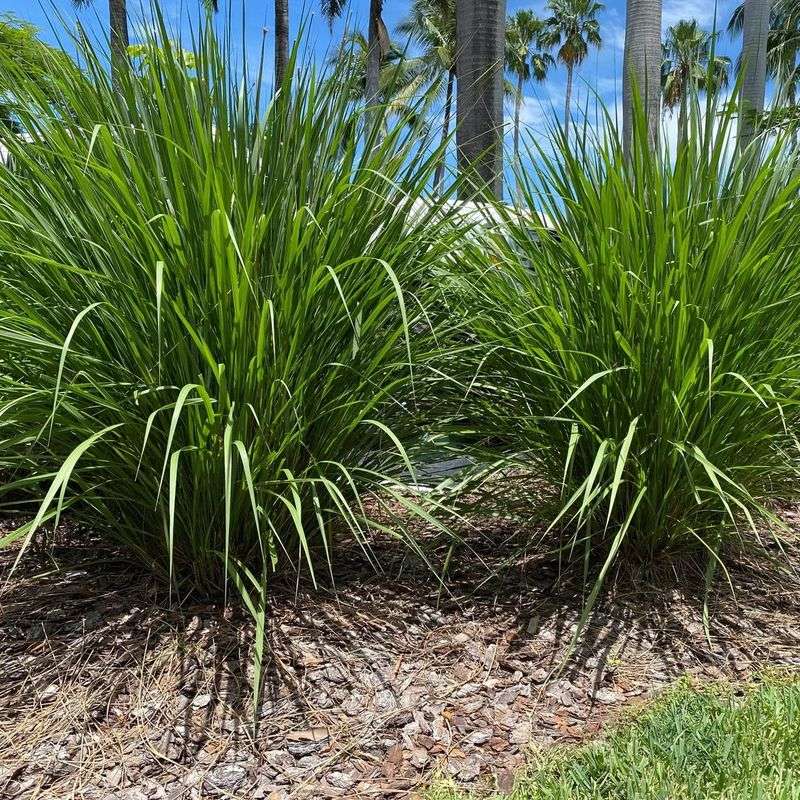
Bigger yards in Florida sometimes have open, awkward spaces that feel too shaded for most flowering plants but too sunny for shade-loving groundcovers. Fakahatchee grass fits those in-between spots well.
It is a native clumping grass that can grow four to six feet tall and equally wide, creating a bold, arching form that adds real structure to larger native beds or naturalized areas along property edges.
That structure matters for beneficial insects. The dense base of a mature Fakahatchee grass clump creates consistent ground-level cover, which gives ground beetles and similar predators a reliable place to shelter during daylight hours.
Beetles that find good daytime cover nearby are more likely to remain active in the surrounding area at night, when they are most likely to encounter soil-level prey like larvae or small caterpillars.
Your Florida Garden Changes Every Week. Your Plan Should Too.
Gardening in Florida changes quickly throughout the season. Every Friday you’ll receive a simple weekly plan showing exactly what to plant, prune, fertilize, harvest, and protect so you never miss the right timing.
Fakahatchee grass tolerates both sun and part shade, making it more flexible than many native grasses in Florida. It handles moist to moderately dry soils and fits naturally into low-maintenance landscape designs.
The main thing to remember is its size. Gardeners who try to squeeze it into a small bed may find it overwhelms nearby plants quickly.
Give it room to reach its full spread and it becomes a long-term habitat anchor rather than a crowding problem.
Used thoughtfully, it adds layered cover that makes a Florida yard more welcoming to a range of beneficial insects over time.
3. Frogfruit Fills Bare Soil Gaps
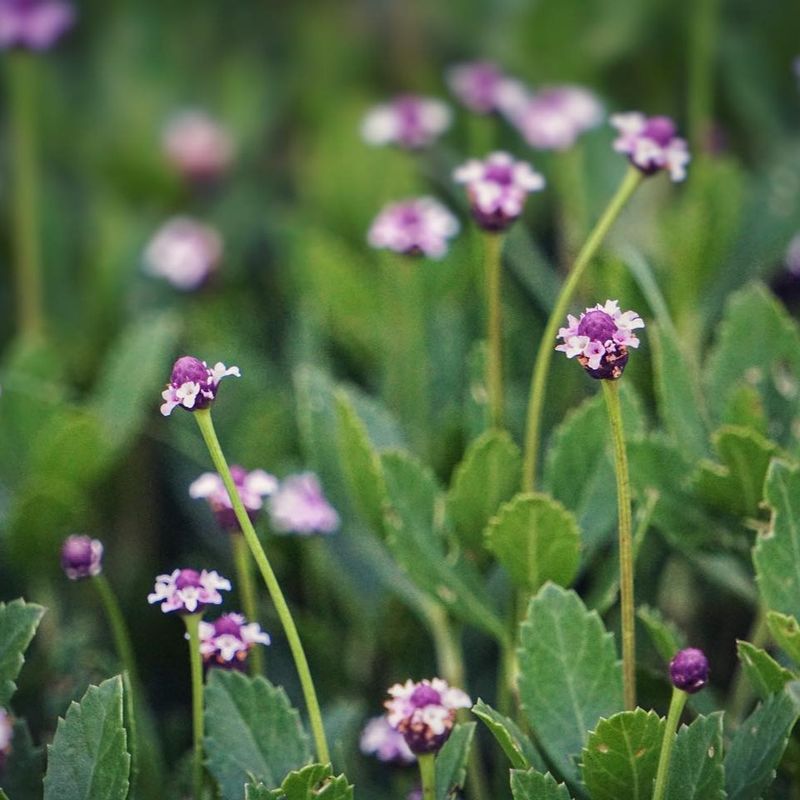
Bare patches of soil in Florida yards are more than an eyesore. Open ground heats up quickly in Florida’s climate, dries out fast, and gives beneficial insects very little reason to stick around.
Frogfruit is a low native groundcover that spreads close to the soil surface and can fill those gaps with living plant material without taking over the whole bed.
As a groundcover, frogfruit stays short and mat-forming, which keeps it useful near lawn edges, stepping stone paths, or the open spaces between taller native plants.
It produces small white flowers that attract a range of small beneficial insects, including parasitic wasps and native bees, which adds insect diversity to the planting.
More insect diversity at ground level generally supports a healthier overall habitat for predatory insects like ground beetles.
The real value of frogfruit in this context is what it does to the soil environment.
By shading the ground and holding in some moisture, it creates slightly cooler, more stable conditions near the soil surface, which can make a spot more comfortable for ground-level insects.
It is not a proven one-plant solution for luring ground beetles or managing grubs, but it does contribute to the kind of layered, low-cover habitat where beneficial insects are more likely to thrive.
Gardeners who struggle with bare patches between native plants may find frogfruit a practical and low-maintenance way to close those gaps and add useful plant diversity.
4. Sunshine Mimosa Creates Low Living Cover
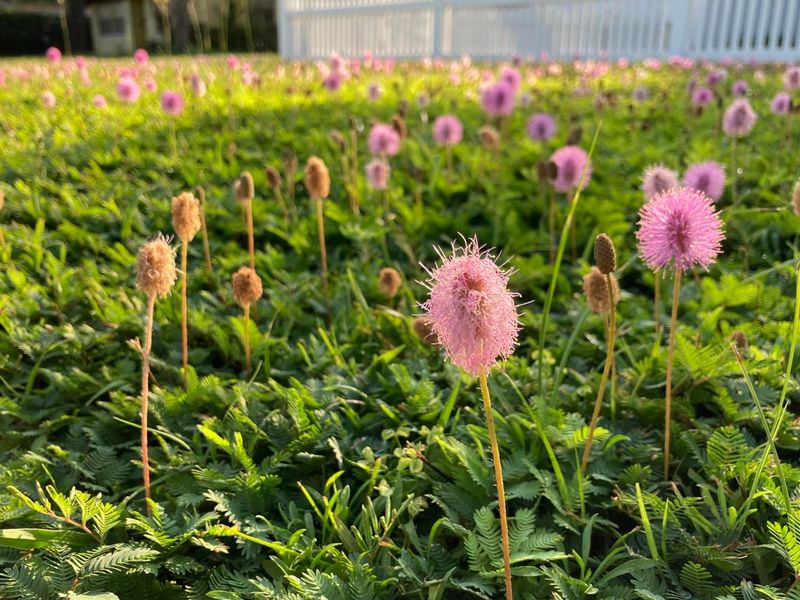
Walking across a Florida lawn edge and noticing a low, feathery plant with small pink puffball flowers is often a first introduction to sunshine mimosa for many homeowners.
This native groundcover spreads close to the ground, forming a soft, dense mat that can blend naturally into lawn borders, mulched beds, or pollinator strips without needing much attention once it gets established.
The spreading habit of sunshine mimosa is what makes it relevant to beneficial insect habitat.
A low, living layer of plant material near the soil surface creates the kind of shaded, sheltered microenvironment that ground beetles and other predatory insects tend to favor.
Rather than leaving soil exposed between taller plants, sunshine mimosa keeps the ground covered and adds structural diversity at a level where soil-dwelling insects actually spend their time.
Sunshine mimosa also produces flowers that can attract small pollinators and beneficial insects, which adds to the overall insect diversity of a Florida planting.
More diversity generally means more ecological balance, which can gradually support natural pest pressure reduction over time.
It should not be described as a direct grub-control plant, and gardeners dealing with serious turf pest problems should still pursue proper lawn diagnosis.
But as part of a Florida-Friendly planting design focused on habitat and reduced spraying, sunshine mimosa is a practical, low-growing option that earns its place in the landscape by doing several small things well at once.
5. Beach Sunflower Feeds Beneficial Insects
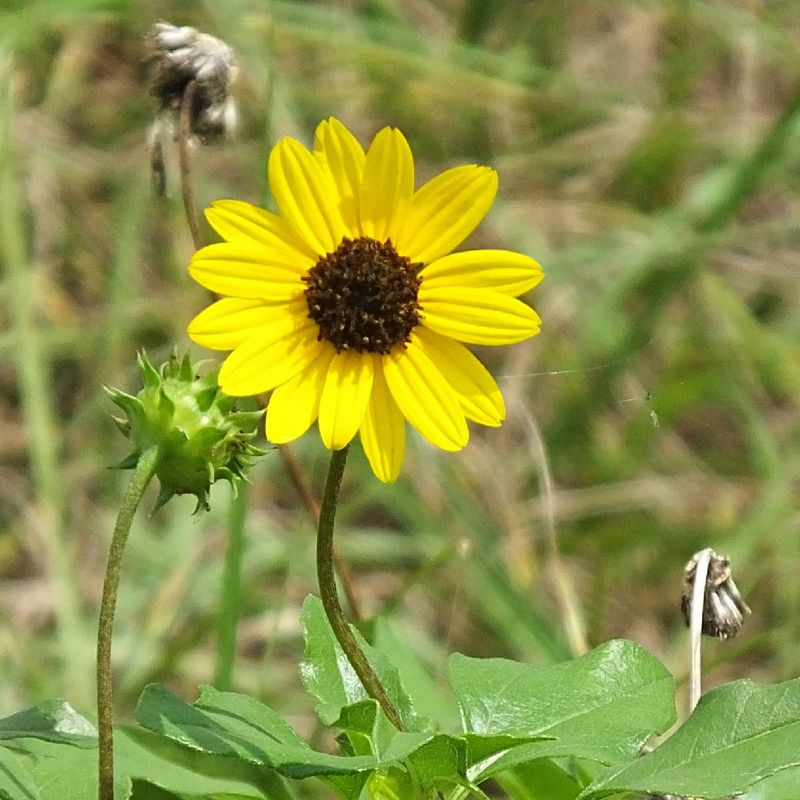
Sunny, well-drained spots can be tough to plant. Many ornamentals struggle with the heat, the sandy soil, and the dry spells that come with Florida’s climate.
Beach sunflower handles all of that without complaint, and it offers something extra in return: a steady supply of blooms that beneficial insects genuinely use.
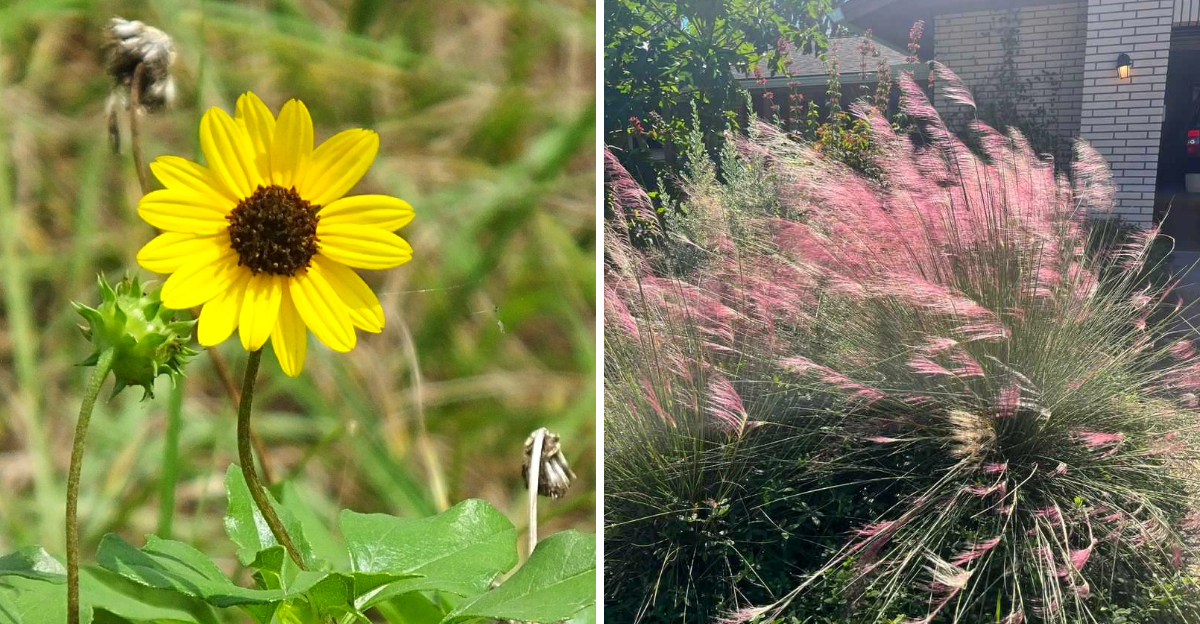
Beach sunflower is a native flowering plant with cheerful yellow blooms that appear through much of the year in warm Florida conditions.
Those flowers attract a range of beneficial insects, including small wasps, native bees, and hoverflies, all of which contribute to a more insect-diverse yard.
A yard with more insect diversity tends to support a healthier food web at multiple levels, including the ground level where predatory beetles are active.
The spreading habit of beach sunflower also helps create a layered planting near lawn edges or garden beds. As it fills in, it covers soil, reduces bare patches, and adds structure at a low to mid height that complements taller native plants nearby.
Ground beetles and similar predators benefit from that kind of varied, layered cover throughout Florida landscapes.
Beach sunflower is not a grub-management plant on its own, but it contributes meaningfully to the kind of habitat-rich yard where natural pest pressure can gradually shift in a more balanced direction.
Gardeners in coastal or inland sunny sites should find it easy to establish and satisfying to maintain through the seasons.
6. Coreopsis Brings In Helpful Predators
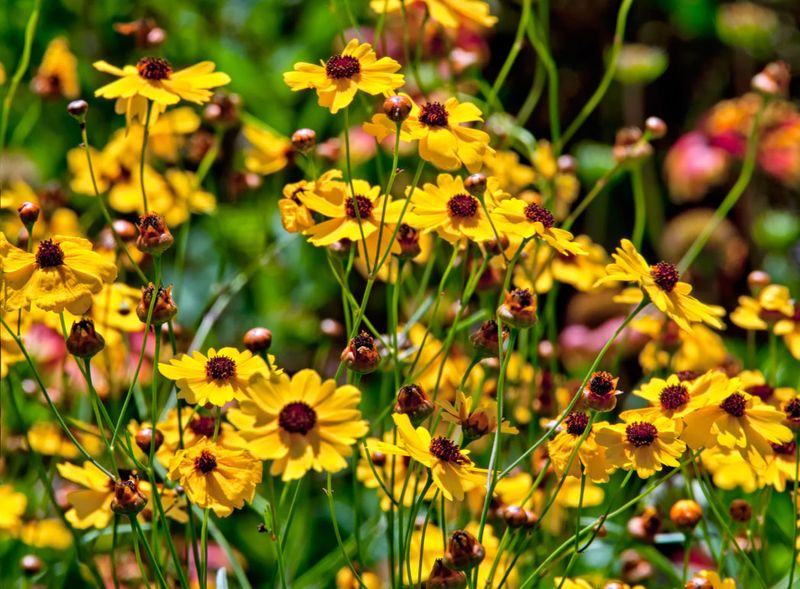
Few native flowers are as closely tied to Florida’s identity as coreopsis. It has been recognized as the state wildflower, and for good reason.
Coreopsis blooms generously in sunny Florida conditions, producing waves of bright yellow flowers that draw in a wide range of beneficial insects.
Native bees, butterflies, small parasitic wasps, and predatory flies are among the visitors, all of which help keep pest populations in check.
That insect activity matters beyond the flowers themselves. A planting rich in insect diversity tends to support a more complete food web, including ground-level predators like beetles that feed on soil-dwelling larvae and caterpillars.
Coreopsis contributes to that diversity by offering reliable seasonal blooms and a plant structure that adds variety to the garden without requiring intensive care. It grows well in Florida’s sandy, well-drained soils and handles full sun with ease.
From a habitat standpoint, coreopsis works best as part of a mixed native planting rather than a stand-alone solution.
Combining it with low groundcovers, clumping grasses, and mulched areas creates the kind of layered environment where beneficial insects are more likely to find both food and shelter across different parts of the yard.
Gardeners focused on reducing spray use and building a more ecologically balanced landscape will find coreopsis a valuable seasonal contributor.
It adds color, draws in pollinators and predatory insects, and helps make the overall yard more habitat-rich without demanding much in return from the gardener.
7. Dotted Horsemint Supports Insect Diversity
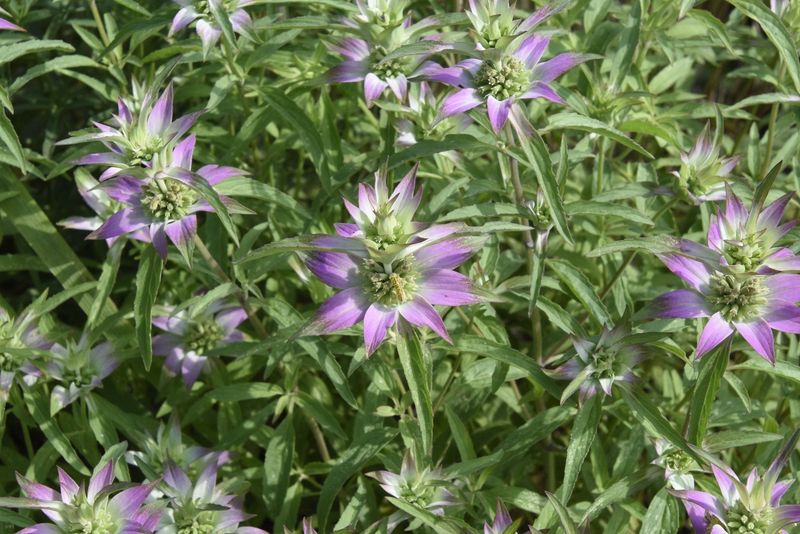
Some native plants earn their place in a Florida garden not through size or showiness but through the steady stream of insect activity they bring to a planting. Dotted horsemint is one of those plants.
Its unusual spotted flowers appear on upright stems through summer and fall, drawing a surprisingly broad mix of beneficial insects to the garden.
Native bees, parasitic wasps, and various small predatory insects are among the regulars, all genuinely useful in a low-spray yard even if they tend to go unnoticed.
That insect diversity is the core of what dotted horsemint contributes to a beneficial-insect habitat.
A yard with many different insect species, including both pollinators and predators, tends to function more like a balanced ecosystem than one with only a few species present.
Ground beetles are part of that broader system, and a more insect-rich yard generally gives them more opportunities to find shelter, cover, and prey at the soil level.
Dotted horsemint grows well in full sun and tolerates Florida’s dry, sandy soils once established. It tends to reseed itself, which can help it spread naturally through a native planting over time.
It works best as part of a mixed planting alongside clumping grasses, groundcovers, and other native flowers rather than as a stand-alone pest-control solution.
Gardeners looking to add insect diversity and seasonal interest to a sunny native border will find dotted horsemint a low-maintenance, high-value addition that supports the kind of ecological balance that makes natural pest management more realistic over time.
8. Saw Palmetto Adds Shelter In Larger Yards
Not every plant that supports beneficial insect habitat is small or subtle.
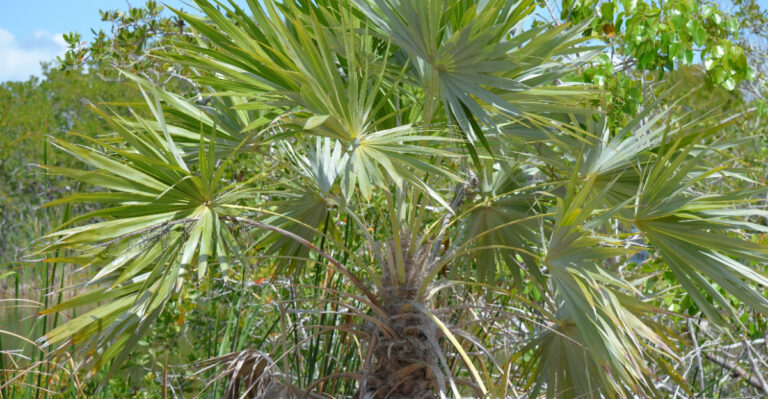
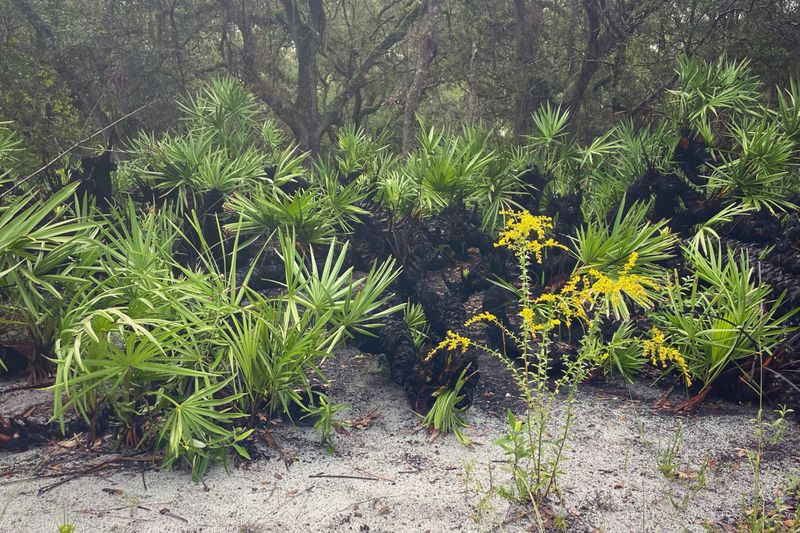
Saw palmetto is one of Florida’s most recognizable native plants, and in larger yards, it can serve as a substantial anchor for a naturalized planting that offers real structural shelter at the ground level.
Its dense, sprawling fronds and thick base create a protected zone that many ground-dwelling insects, including beetles, use for cover and refuge throughout the year.
Saw palmetto grows slowly and can spread considerably over time, which makes it a poor fit for small beds or tight spaces near walkways. In a larger yard, though, it fills a role that few other plants can match.
The layered canopy it creates near the soil surface stays cool and shaded even during Florida’s hottest months, providing stable conditions that ground beetles and similar predators tend to favor when choosing where to shelter during daylight hours.
Beyond shelter, saw palmetto produces berries and flowers that support a range of wildlife, which adds to the overall ecological value of a native planting.
More wildlife activity at multiple levels generally supports a more balanced yard environment over time.
Gardeners considering saw palmetto should plan carefully for its mature size and give it room to grow naturally without constant pruning.
Used in the right spot, it becomes a long-term habitat feature that contributes to the kind of layered, sheltered Florida landscape where beneficial insects are more likely to thrive across many seasons.