The Underrated Texas Wildflower That Makes Rats Less Welcome In Backyard Garden Borders
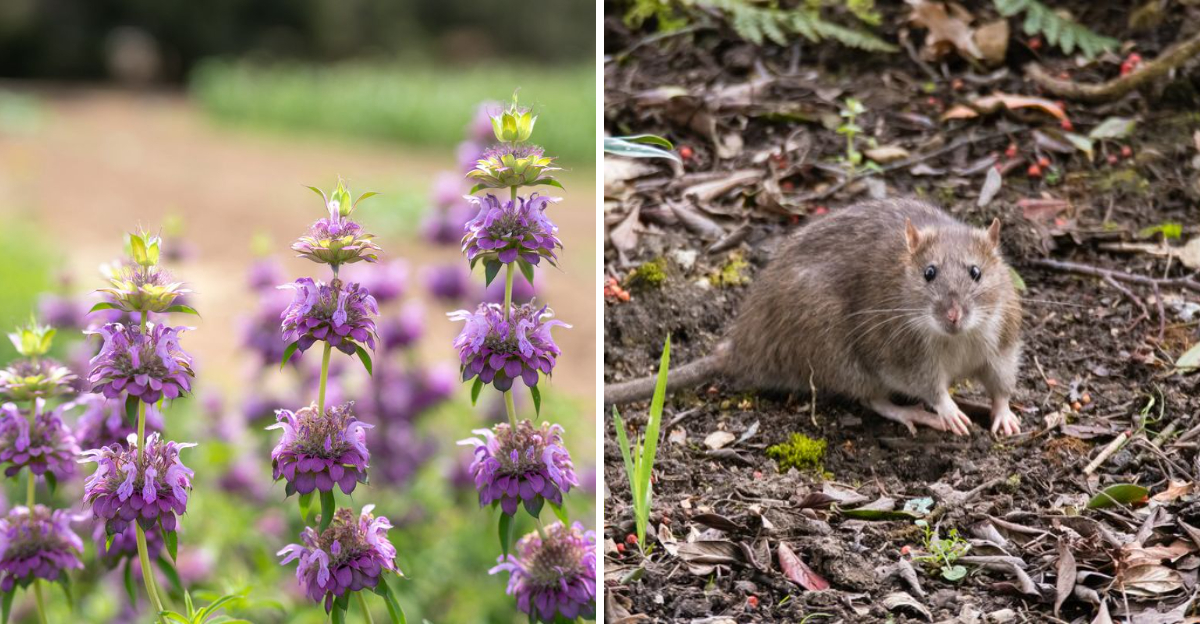
Rats in backyard garden borders are a problem most Texas homeowners discover at the worst possible moment. Chewed produce, disturbed mulch, tunnels appearing seemingly overnight.
And once rats find a comfortable spot along your garden borders, convincing them to leave becomes a real project. Most people go straight to traps or bait stations.
Those work, but they require ongoing management and come with legitimate concerns around kids, pets, and wildlife. Here’s something most gardeners have never considered.
There’s a Texas wildflower that rats genuinely want nothing to do with. It grows beautifully along garden borders, blooms with real character through the Texas growing season, and produces natural compounds that make the surrounding area far less appealing to rodents.
It’s native, low maintenance, and brings pollinators in while keeping rats at a distance. The kind of plant that earns its spot in the garden several times over. Here’s the wildflower your garden borders have been missing.
Meet Lemon Beebalm
Not every hero wears a cape. Some grow quietly along Texas roadsides, smelling like a cross between lemon and fresh mint, waiting to be noticed.
Lemon beebalm, known by its scientific name Monarda citriodora, is one of those underappreciated plants that earns its keep in ways most gardeners never expect.
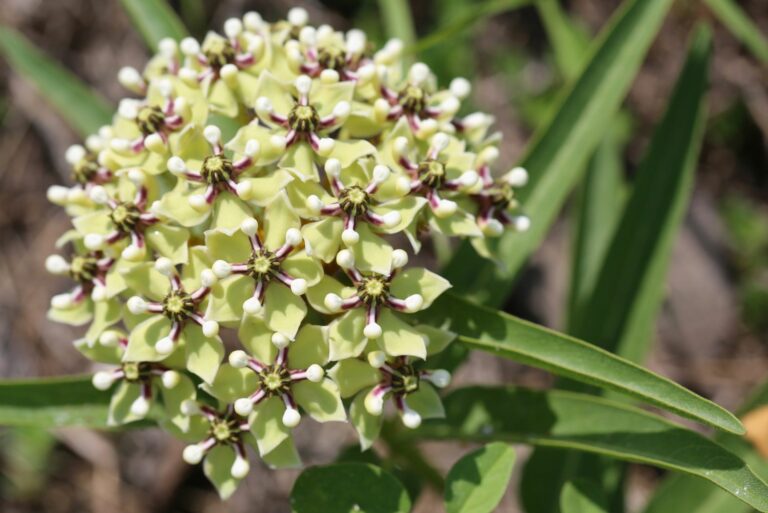
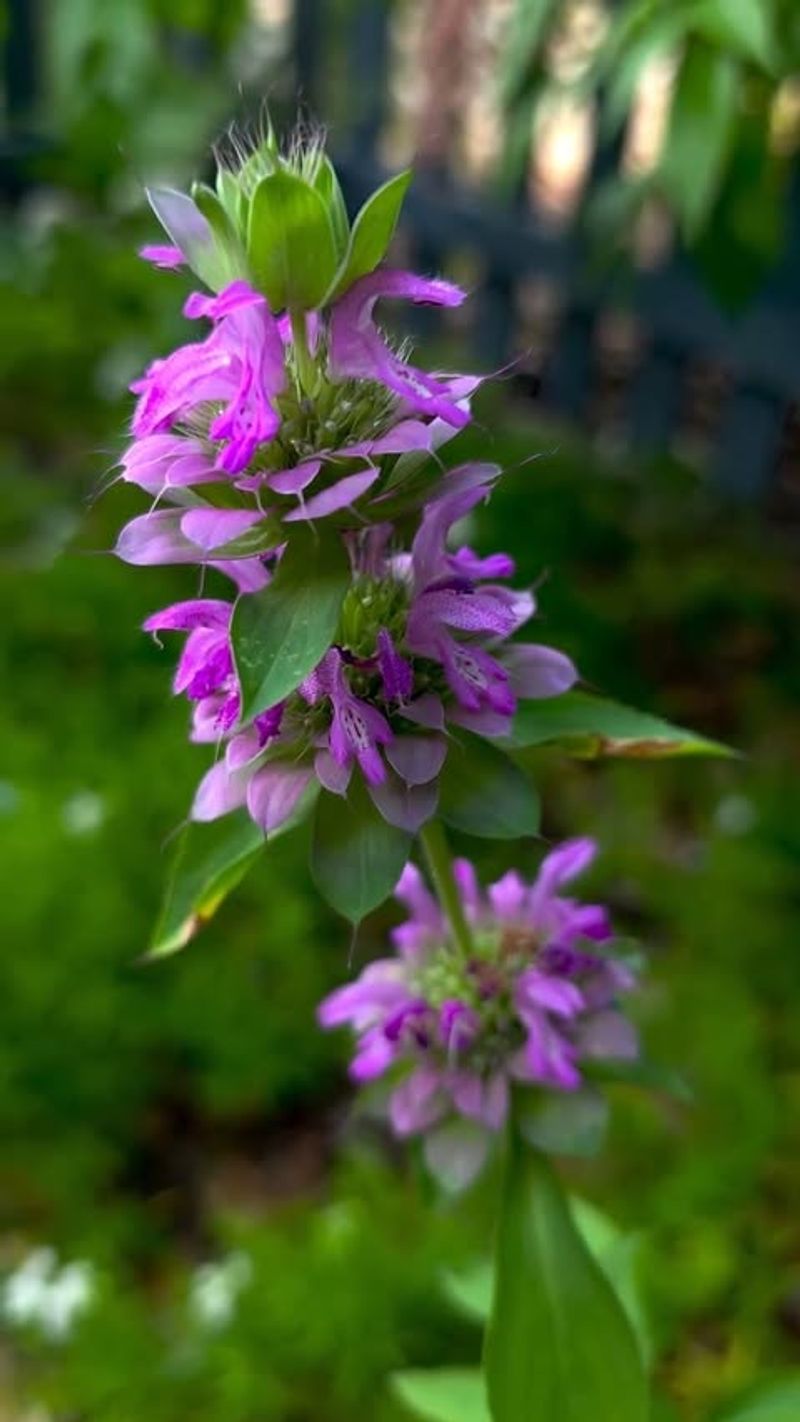
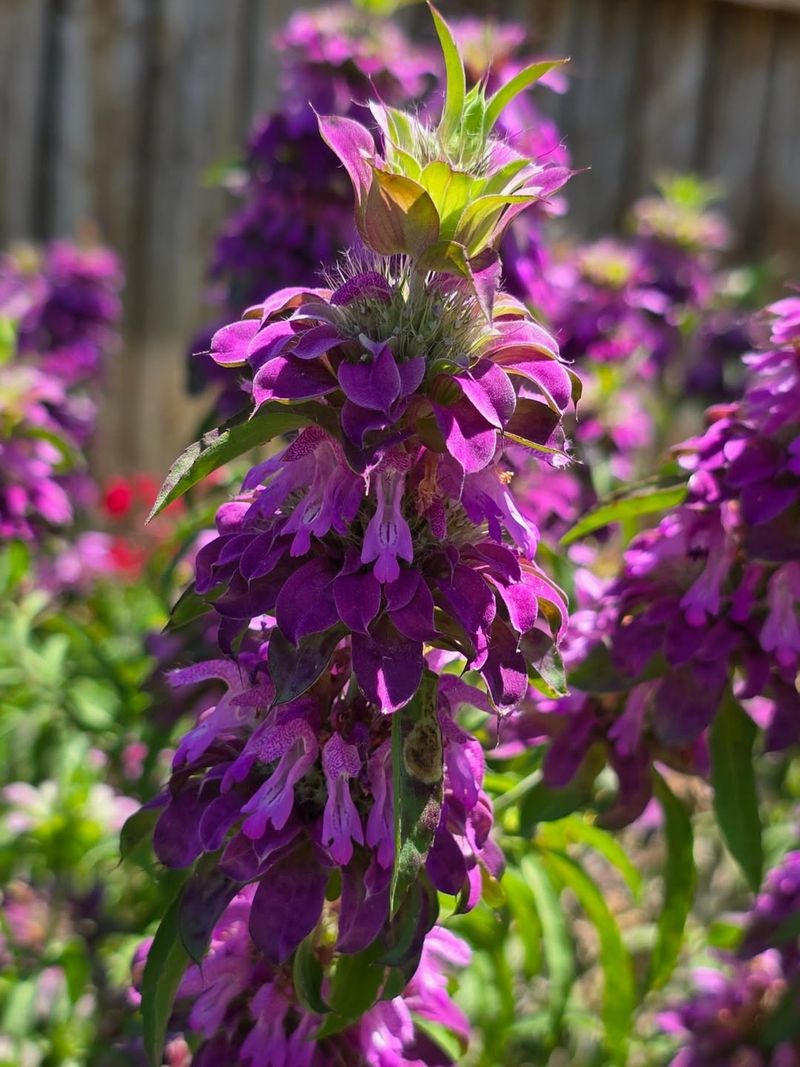
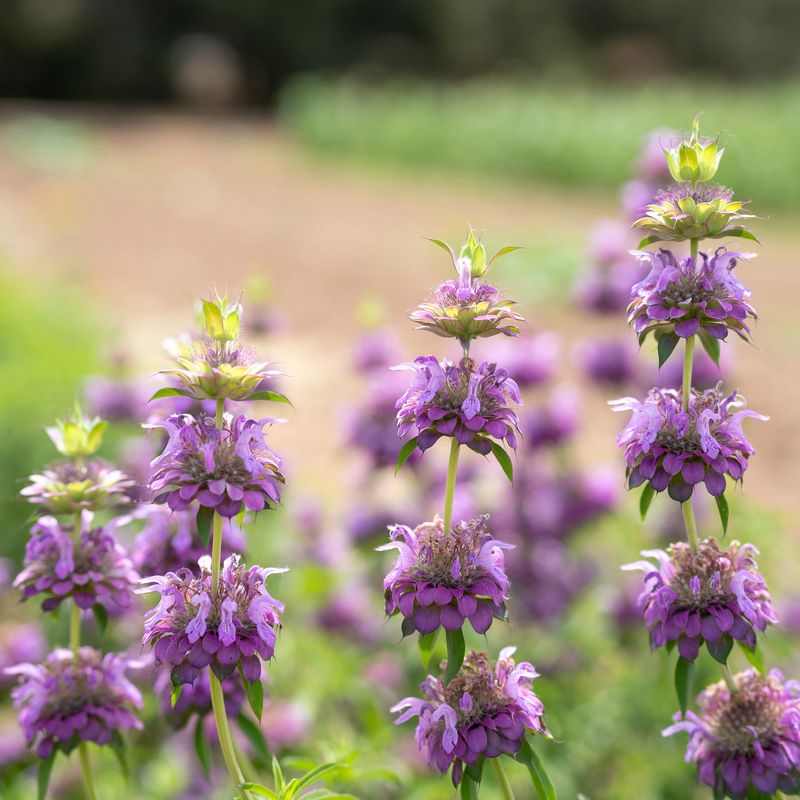
Also called horsemint or lemon mint, this native Texas wildflower produces clusters of lavender-pink blooms that stack up along tall, upright stems. The flowers are showy and eye-catching, but the real magic is in the leaves.
Rub them between your fingers and you get a sharp, citrusy, minty smell that is hard to forget. That scent comes from natural oils in the plant, and those oils are what make it interesting beyond just being pretty.
Lemon beebalm is a member of the mint family, which explains a lot. Plants in that family tend to produce strong aromatic compounds that many animals, including rodents, find unpleasant.
While it is not a guaranteed pest repellent, the intense fragrance can make a garden border feel less comfortable to critters looking for a cozy hideout.
Native plant enthusiasts in Texas have grown lemon beebalm for years, mostly for its beauty and pollinator benefits. But more gardeners are starting to realize it has practical value too.
It is low-maintenance, drought-tolerant once established, and comes back reliably each season.
For anyone wanting a plant that pulls double duty as both a wildflower showstopper and a natural border enhancer, lemon beebalm is absolutely worth getting to know better.
Why Rats Visit Garden Borders
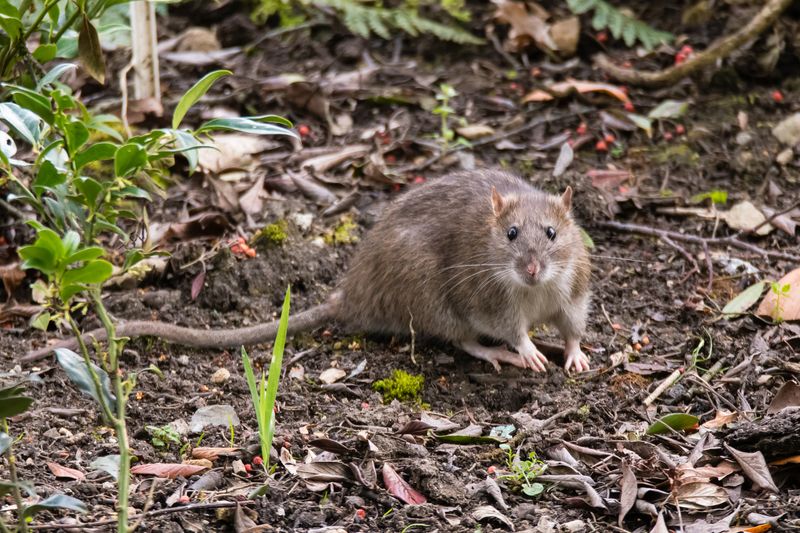
Rats are not random. They show up in your yard for very specific reasons, and once you understand those reasons, you have a real shot at keeping them away.
Garden borders are especially attractive to rats because they often offer exactly what these animals need most: food, shelter, and cover all in one convenient spot.
Food is the biggest draw. Fallen fruit from trees, spilled birdseed under feeders, kitchen scraps tossed into an open compost bin, pet food left outside overnight, and even vegetable garden trimmings can all signal to a rat that your yard is a good place to hang around.
Your Texas Garden Changes Every Week. Your Plan Should Too.
Gardening in Texas changes quickly throughout the season. Every Friday you’ll receive a simple weekly plan showing exactly what to plant, prune, fertilize, harvest, and protect so you never miss the right timing.
Rats have an excellent sense of smell, and they can detect food sources from surprisingly far away.
Shelter matters just as much as food. Dense weeds, brush piles, stacked wood, cluttered corners near fences, and thick low-growing plants all create the kind of hidden, protected spaces rats love.
A garden border packed with overgrown vegetation and debris is practically a welcome sign for rodents looking for a safe nesting spot.
Water is another factor many homeowners overlook. Birdbaths, leaky hoses, low-lying puddles, and even clogged gutters dripping near the garden can all provide rats with the water source they need to settle in comfortably.
Understanding all of these attractants together helps explain why garden borders become hot spots for rat activity.
The good news is that most of these problems are fixable with consistent habits and smarter planting choices. Awareness is truly the first step toward a less rat-friendly yard.
How Lemon Beebalm May Help
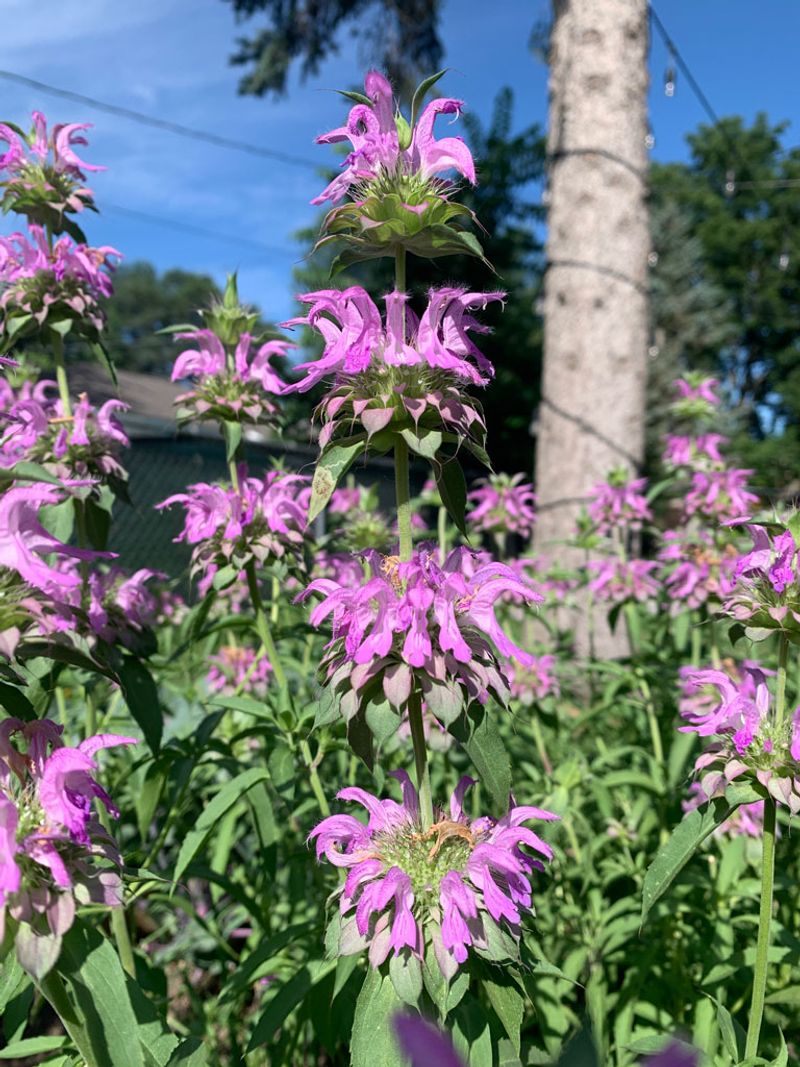
Straight talk first: lemon beebalm is not a magic rat repellent. No single plant is. Anyone who tells you otherwise is overselling the idea.
What lemon beebalm can do, though, is contribute to a garden environment that feels less welcoming to rodents, especially when you pair it with clean, open planting habits.
The strong aromatic oils in lemon beebalm produce a sharp, minty-citrus scent that many animals find off-putting. Rats rely heavily on their sense of smell to navigate, find food, and assess safety.
A border that smells intensely of aromatic herbs and wildflowers is not the kind of place a cautious rat wants to linger. It disrupts their usual scent trails and makes the area feel unpredictable.
Planting lemon beebalm in a clean, well-spaced border also helps reduce the dense, hidden cover that rats prefer.
When plants are maintained at a reasonable size and the ground around them is kept clear of debris, there are fewer dark corners and cozy hideouts for rodents to nest in.
The scent effect works best when the border is not competing with piles of leaves, wood, or clutter.
Think of lemon beebalm as one layer in a multi-step strategy. On its own, it is a fragrant, beautiful wildflower.
Combined with good garden hygiene and fewer food attractants, it becomes a meaningful part of a smarter border plan.
Gardeners who have tried aromatic plantings alongside consistent cleanup often report noticeably less rodent activity near those areas over time. That is a real and worthwhile result worth pursuing.
Why It Fits Texas Borders
Texas summers are no joke. Heat, drought, and blazing sun can wipe out plants that are not built for the conditions.
Lemon beebalm, however, was practically made for the Texas landscape. It thrives in sunny spots, handles dry to moderately moist soil, and does not need constant watering once it settles in.
For Texas gardeners tired of babying delicate plants through brutal summers, that kind of toughness is genuinely refreshing.
Beyond its durability, lemon beebalm has a wildflower look that fits naturally into a wide range of garden styles. It works beautifully in native plant borders, pollinator gardens, meadow-style beds, and even casual cottage gardens.
The lavender-pink flower clusters add real summer color when many other plants are struggling in the heat. It typically blooms from late spring through midsummer, filling in a season when color can be hard to maintain.
Growing lemon beebalm from seed is easy and affordable. Seeds can be scattered directly in a prepared border in early spring or fall, and they germinate quickly with minimal fuss.
The plants grow upright, reaching about two to three feet tall, which gives them a nice presence without overwhelming smaller neighbors in a mixed border planting.
For Texas gardeners focused on low-water, low-maintenance landscaping, lemon beebalm checks almost every box. It is native, which means it supports local ecosystems.
It is drought-adapted, which means lower water bills. And it looks genuinely beautiful, which means your garden border gets a natural, wildflower-inspired upgrade without a lot of extra effort or expense. That combination is hard to beat in a Texas summer garden.
What Else It Brings
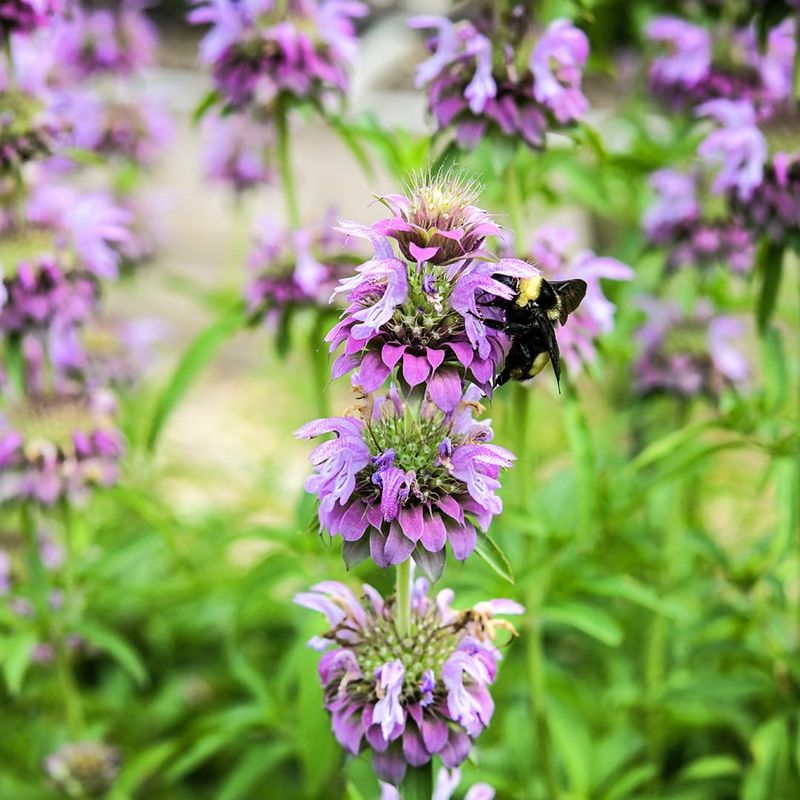
Here is a fun fact that might surprise you: lemon beebalm is one of the best pollinator plants you can grow in a Texas backyard. Bumblebees absolutely love it.
Native bees, honeybees, butterflies, and even hummingbirds are all drawn to those stacked lavender-pink flower clusters. If your goal is a backyard that buzzes with life all summer long, few plants deliver as reliably as this one.
Beyond pollinators, lemon beebalm adds fragrance to the garden in a way that most ornamental flowers simply cannot match. Walking past a border full of lemon beebalm on a warm afternoon is a genuinely pleasant sensory experience.
The lemony-mint scent carries on the breeze, making outdoor spaces feel more inviting for people even as it does the opposite for rodents. That dual effect is a real bonus worth appreciating.
Texture is another gift lemon beebalm brings to a mixed border. Its upright stems and layered flower whorls create vertical interest that contrasts nicely with lower-growing ground covers, ornamental grasses, and spreading herbs.
Planted near vegetable gardens, it may also help deter certain insects that dislike strong aromatic plants, adding another layer of practical value.
Dried lemon beebalm leaves can also be used to make a light herbal tea with a gentle citrus flavor. Some people dry the flowers for potpourri or sachets.
The plant has a long history of use by Native American communities for its medicinal and culinary properties.
So beyond looking lovely and smelling wonderful, lemon beebalm connects your garden to a rich, deep history of useful native plants in the American Southwest and Texas.
Pair It With Real Rat Prevention
Lemon beebalm is a great starting point, but keeping rats out of your garden border takes a full team effort. Think of it like a puzzle.
The plant is one piece, but you need all the other pieces too before the picture comes together.
The good news is that most of the other steps are simple habits that are easy to build into your regular yard routine. Start with food. Pick up fallen fruit from trees as soon as it drops.
Secure your compost bin with a tight-fitting lid so scraps are not sitting in the open overnight. Store birdseed, pet food, and garden seed in sealed metal or heavy plastic containers inside your garage or shed.
Never leave pet food bowls outside after dark. These steps alone can dramatically reduce the food signals that draw rats to your yard in the first place.
Next, tackle shelter. Thin out dense, overgrown plantings along fences and garden edges so there are fewer hidden spaces for rodents to nest.
Remove brush piles, stacked wood that is not being used, and any debris that collects along the base of walls or fences. Keep the ground around your lemon beebalm border clear of thick leaf litter and clutter.
Finally, think about water. Fix leaky hoses, empty standing water from containers regularly, and make sure birdbaths are placed where they are easy to monitor.
When you combine these practical habits with a fragrant, well-maintained lemon beebalm border, you create an environment that is genuinely harder for rats to settle into. Small, consistent actions add up to big results over a single gardening season.