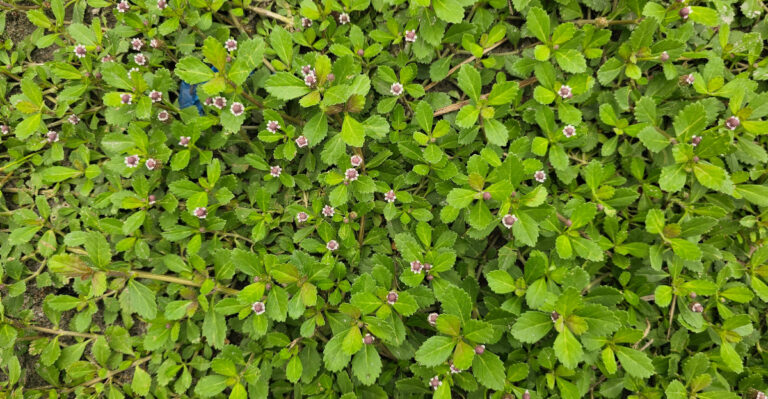
The Florida Lawn Decision That Eliminates Firefly Habitat Faster Than Anything Else
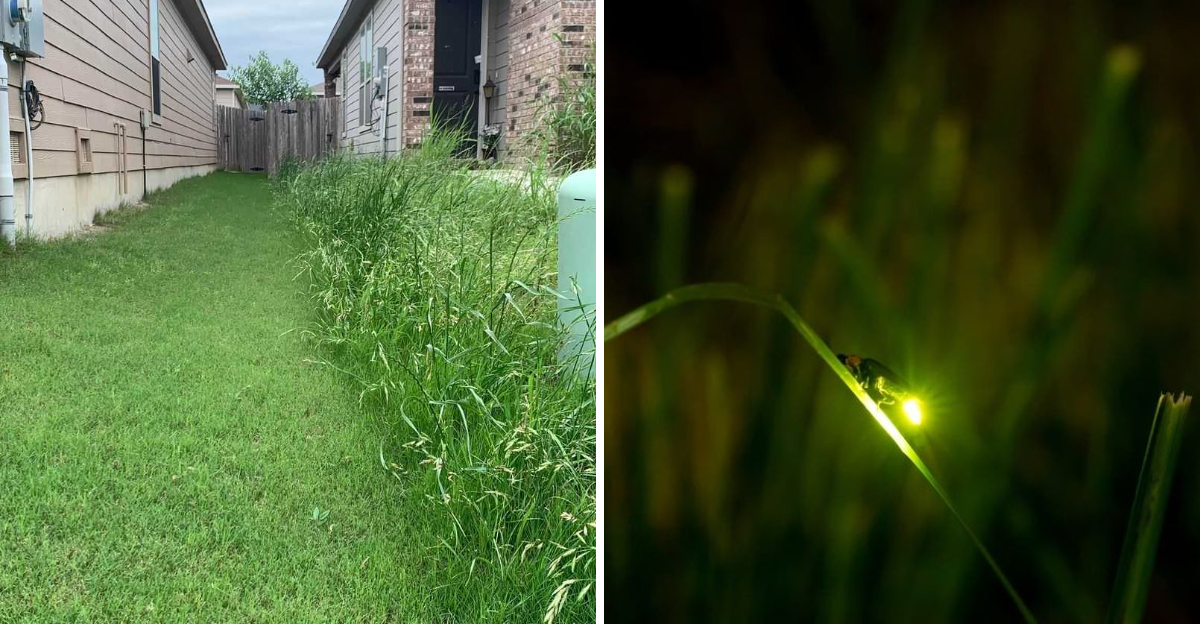
Florida firefly populations have been declining in yards across the state, and most homeowners contributing to that decline have no idea they are doing it. The cause is not pesticide use or light pollution, though both play a role.
It is a single lawn decision that gets made without a second thought and eliminates firefly habitat more efficiently than almost anything else a Florida yard can do.
Firefly larvae live in the soil and leaf litter at ground level for nearly a year before they ever produce a single flash of light.
What happens to that ground level environment determines whether a Florida yard supports fireflies or simply does not. One common lawn practice strips that habitat away completely.
It looks like responsible yard maintenance from the outside. The fireflies that were developing in that soil do not get a second chance once it happens.
This decision is worth reconsidering before the next time it gets made.
1. Stop Mowing Every Edge Into Short Turf
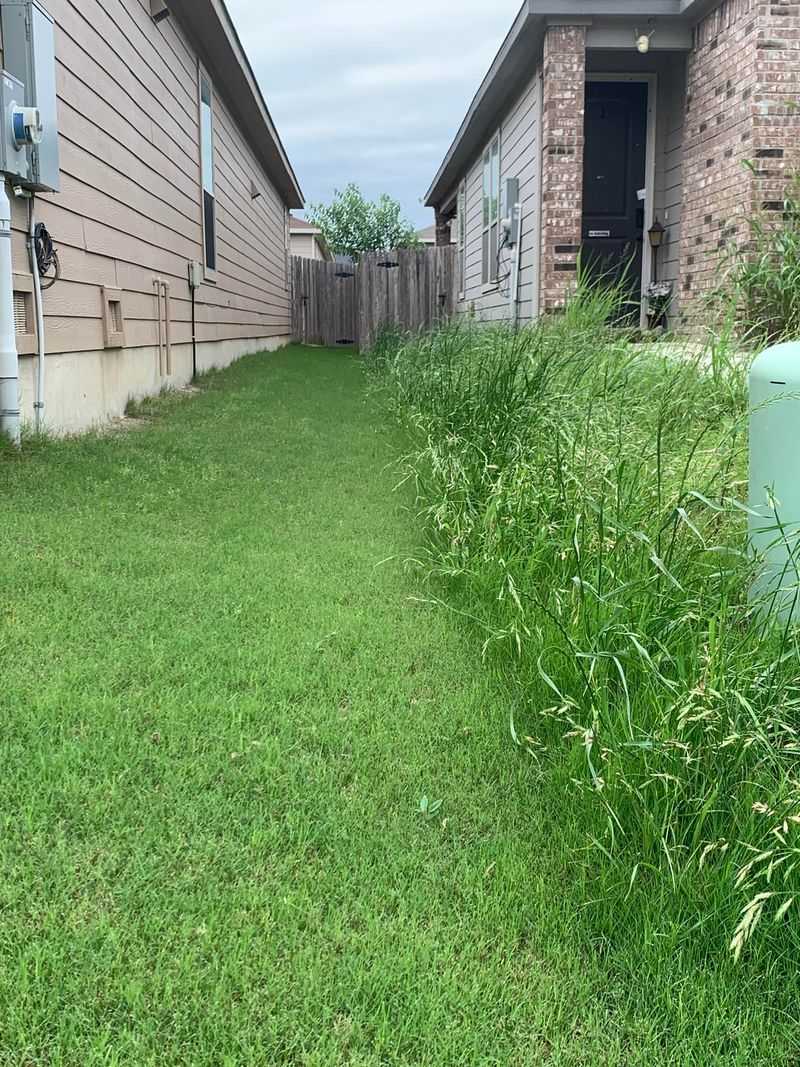
Walk your yard on a Saturday morning and count how many edges you mow right to the bone. Fence lines, tree bases, ditch banks, the strip beside the shed, the corner behind the AC unit.
Each one gets trimmed down tight, dried out, and cleared of any soft cover. That decision, repeated weekend after weekend, is the single fastest way to remove firefly habitat from a residential yard.
Firefly larvae live in the ground. They need moist, undisturbed soil covered by low vegetation, leaf litter, or soft grasses.
Close mowing along every edge dries the surface, removes shelter, and makes those areas too exposed and too dry for larvae to hunt or survive. Adult fireflies also need soft, shaded resting spots during the day, and short dry turf offers almost nothing useful.
Mowing the main lawn is not the problem by itself. A tidy central lawn is perfectly fine.
The issue is removing every rough edge and leaving zero low-disturbance space anywhere in the yard. Even a two-foot unmowed strip along a back fence can hold more habitat value than a quarter-acre of flawless turf.
Small edges matter more than most Florida homeowners expect.
2. Leave Damp Leaf Litter Where Larvae Hunt
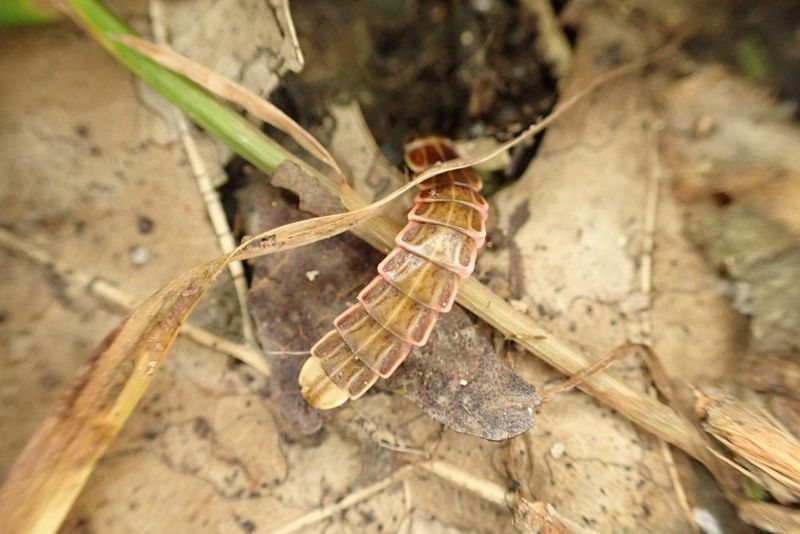
Underneath a layer of fallen oak leaves, something is hunting. Firefly larvae are slow-moving, ground-level predators that search moist organic debris for small snails, worms, and soft-bodied invertebrates.
Without that layer of leaf litter to hide under, move through, and hunt within, larvae have nowhere practical to live between hatching and adulthood.
Leaf litter also holds moisture, moderates soil temperature, and feeds the small organisms that larvae eat. Raking every leaf from every corner of the yard, then blowing the rest into the street, strips away that entire food web.
The soil dries faster, heats up more, and becomes far less hospitable to ground-level insects of all kinds.
Leaving leaves does not mean letting them pile against your house, block walkways, or clog storm drains. Smart leaf management means keeping them in low-use garden beds, under trees, along natural shrub edges, and in corners that do not affect drainage or safety.
Your Florida Garden Changes Every Week. Your Plan Should Too.
Gardening in Florida changes quickly throughout the season. Every Friday you’ll receive a simple weekly plan showing exactly what to plant, prune, fertilize, harvest, and protect so you never miss the right timing.
A thin, natural layer in the right spots can make a real difference. Start with one shaded bed near a tree and build from there.
Thoughtful leaf management is not messy; it is intentional habitat care.
3. Cut Back Pesticides Before The Glow Disappears
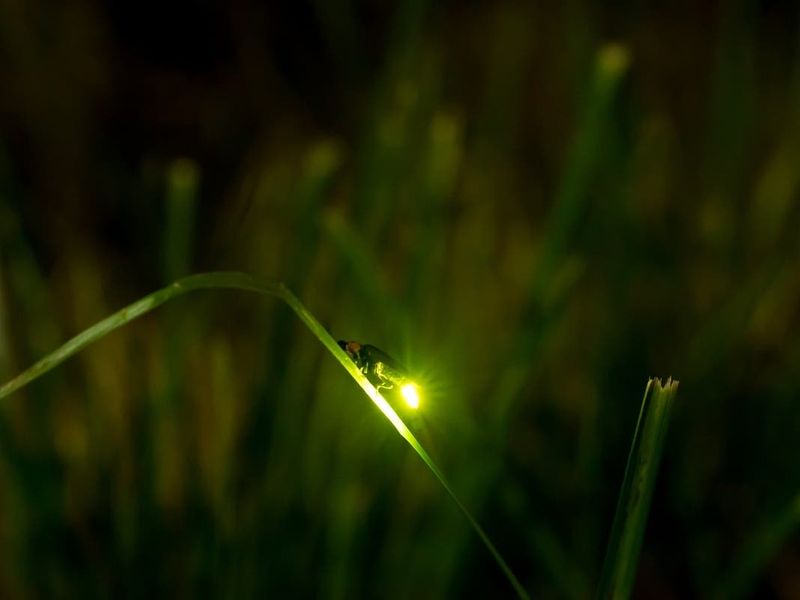
Broad lawn insecticides do not sort out the good bugs from the bad ones. When a product is applied across an entire lawn or sprayed along fence lines and garden edges, it affects whatever lives in that zone.
That includes firefly larvae moving through the soil and adults resting in low vegetation. Routine mosquito fogging and “just in case” spray treatments can reduce not just pests but the entire insect community that healthy habitat depends on.
Firefly larvae also rely on the small invertebrates in the soil food web. Pesticides that reduce earthworms, snails, or soft-bodied soil organisms can shrink the food supply larvae need to complete their development.
According to UF/IFAS and integrated pest management guidelines, the best approach is to identify the actual pest before choosing any treatment. Then select the least disruptive reliable option available.
No one is saying to ignore pest problems or let your yard go unmanaged. The point is to avoid applying broad chemical treatments on a schedule when no specific problem has been identified.
Spot treatments, targeted products, and IPM strategies protect your yard without adding unnecessary chemical pressure. That helps protect the insects and soil organisms that fireflies depend on to survive and reproduce.
4. Turn Off Lights That Break The Signal
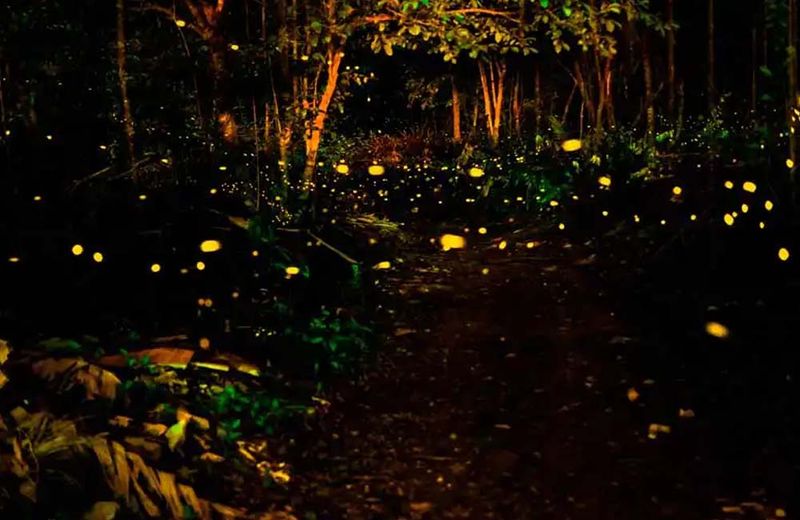
Fireflies communicate by flashing. Each species has its own rhythm and pattern, and males and females use those signals to find each other during warm summer evenings.
Bright artificial light at night floods the yard with competing brightness, making those tiny flashes much harder to detect.
What looks like a well-lit, welcoming backyard to a Florida homeowner can look like a confusing, signal-blocking environment to a firefly trying to find a mate.
Porch lights, landscape spotlights, security floodlights, string lights along fences, and even bright windows can all contribute to light pollution at the yard level.
Research on light pollution and insect behavior, including work cited by the Xerces Society, points to a clear concern.
Reducing artificial light during peak activity times supports the conditions fireflies need to communicate successfully.
Turning off unnecessary lights between roughly 9 and 11 p.m. during late spring and early summer is a simple, no-cost change. Motion-sensor security lights are a smarter option than lights left on all night.
Closing curtains on bright interior rooms also helps reduce spill-out light. Darkness alone will not guarantee fireflies in your yard.
It removes one more barrier and makes it easier to notice any that appear near softer, less-disturbed edges.
5. Keep Wild Borders Along Fences And Trees
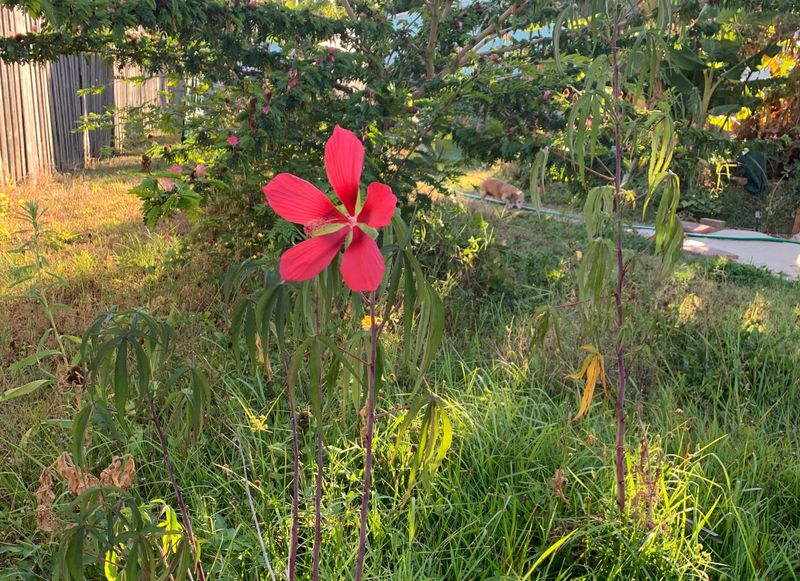
A yard can look sharp and still have room for fireflies. The secret is in the edges.
A soft border of native grasses, low shrubs, or layered vegetation along a fence line or tree base does not make a yard look abandoned.
It makes it look intentional, and it creates the kind of shaded, textured, low-disturbance cover that ground-level insects genuinely need.
Florida-Friendly Landscaping principles, supported by UF/IFAS extension resources, encourage homeowners to think in zones. The main lawn can stay well-mowed and clean.
The edges along fences, swales, pond banks, and tree drip lines are where softer, taller, more layered planting makes the most sense. Native plants in those zones hold moisture, provide resting cover, and support the full insect community that fireflies are part of.
For homeowners in HOA communities, keeping those borders clearly defined and intentionally planted makes a real difference. A neat border of native muhly grass or beautyberry along a back fence reads as landscaping, not neglect.
Clear mowing lines around the edge of a planted strip signal that the space is managed on purpose. Wild does not mean messy.
It means layered, shaded, and quietly alive in ways a closely mowed edge never can be.
6. Protect Moist Soil Without Breeding Mosquitoes
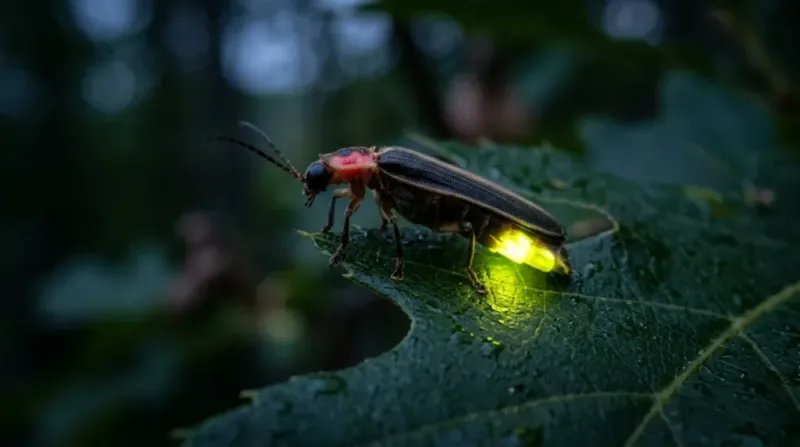
Moisture matters to fireflies at almost every stage of their lives. Larvae need humid, soft ground to move through and hunt in.
Adults are most active on warm, humid evenings near shaded, moist areas. Yards that have been heavily mowed, cleared of mulch, and left exposed to full sun tend to dry out fast.
That is especially true during warm, breezy months when soil moisture drops quickly in open turf areas.
Homeowners can support moist ground habitat without creating mosquito problems. Thick mulch in shaded planting beds holds soil moisture and stays damp without pooling water.
Native plant beds with good soil structure drain properly while still keeping the ground cooler and more humid than bare or closely mowed areas. Rain gardens, where appropriate and properly graded, can support habitat while moving water away from the house.
Standing water is a separate issue and should always be managed. Empty plant saucers, buckets, clogged gutters, tarps, old tires, and any container holding still water for more than a few days can become mosquito habitat.
The goal is moist, shaded, well-drained ground, not wet, stagnant pockets. Those two things are very different.
Keeping them separate allows homeowners to support firefly-friendly conditions while still being responsible about mosquito prevention.
7. Skip The Perfect Lawn In Low Use Corners
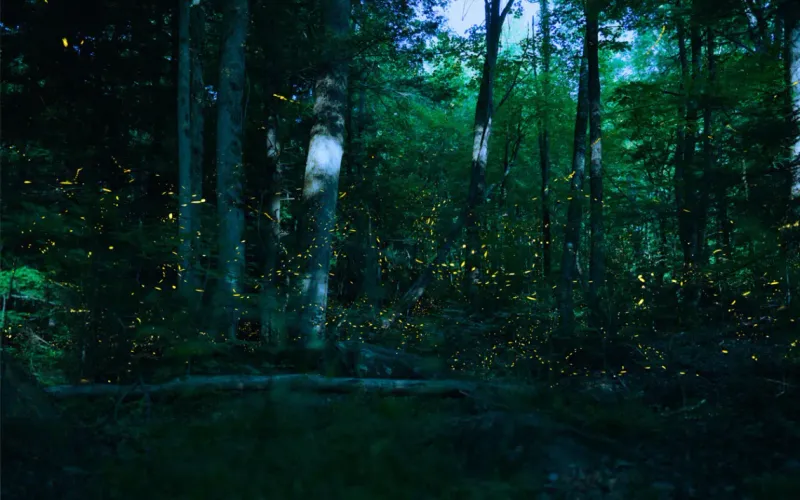
Behind the shed, under the big oak, along the back fence where nobody walks, there is usually a patch of yard that gets mowed out of habit rather than necessity. Keeping those spots in short, dry turf does not improve the yard for anyone using it.
It just removes one more potential pocket of habitat that could quietly support insects, including fireflies, with very little effort on your part.
Converting a low-use corner into a native plant bed, a leaf-litter zone, or simply an unmowed strip does not require a major landscaping project. A bag of native wildflower seed and a layer of leaf mulch can start a slow but real shift.
So can a decision to skip the weed trimmer in that one spot and protect what lives at ground level nearby.
UF/IFAS and county extension offices across the state offer free guidance on low-maintenance native plant options suited to local soil types and shade levels.
Small changes are more realistic and more sustainable than dramatic yard overhauls. Starting with one corner, one fence strip, or one shaded bed under a tree gives you a manageable starting point.
Over time, those small pockets can connect with each other and with neighboring habitat. Every soft, unmowed, shaded space you keep is one less barrier between your yard and a summer evening that actually glows.
8. Build Back Habitat One Dark Edge At A Time
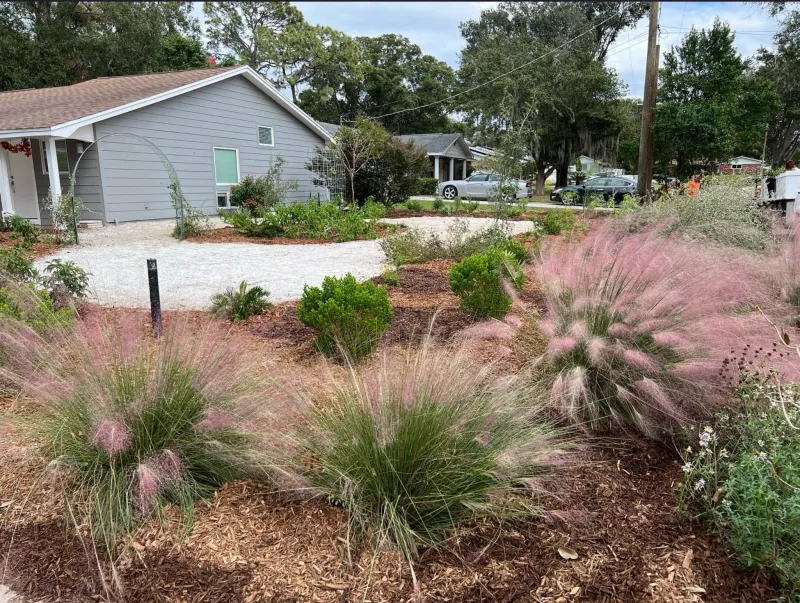
Habitat does not bounce back overnight. Firefly populations depend on more than just one yard making a change.
They need nearby populations to draw from, enough connected habitat to support a breeding group, and consistent low-disturbance conditions over more than one season.
Understanding that timeline helps set realistic expectations so homeowners do not give up after one quiet summer.
Steady, layered changes are what actually move the needle. Reducing mowing along select edges, keeping some leaf litter in shaded beds, and lowering unnecessary pesticide use all work together.
Turning off outdoor lights during peak activity hours and adding native plants to low-use corners help too. No single step fixes everything, but each one removes a barrier.
Over time, those combined changes make a yard meaningfully more hospitable than a tightly mowed, brightly lit, chemically managed space.
Results also depend on what surrounds your yard. A neighborhood with connected green spaces, nearby wetlands, tree canopy, and low light pollution gives recovering habitat a much better chance.
Share what you learn with neighbors. Encourage soft edges on shared fence lines.
Talk to your HOA about native plant borders. A Florida yard that glows again on a July evening is not just a personal reward.
It is a sign that the ground beneath it has quietly come back to life, one dark, soft, unmowed edge at a time.