What Arizona Mesquite Seed Pods Falling In Summer Are Actually Trying To Tell You
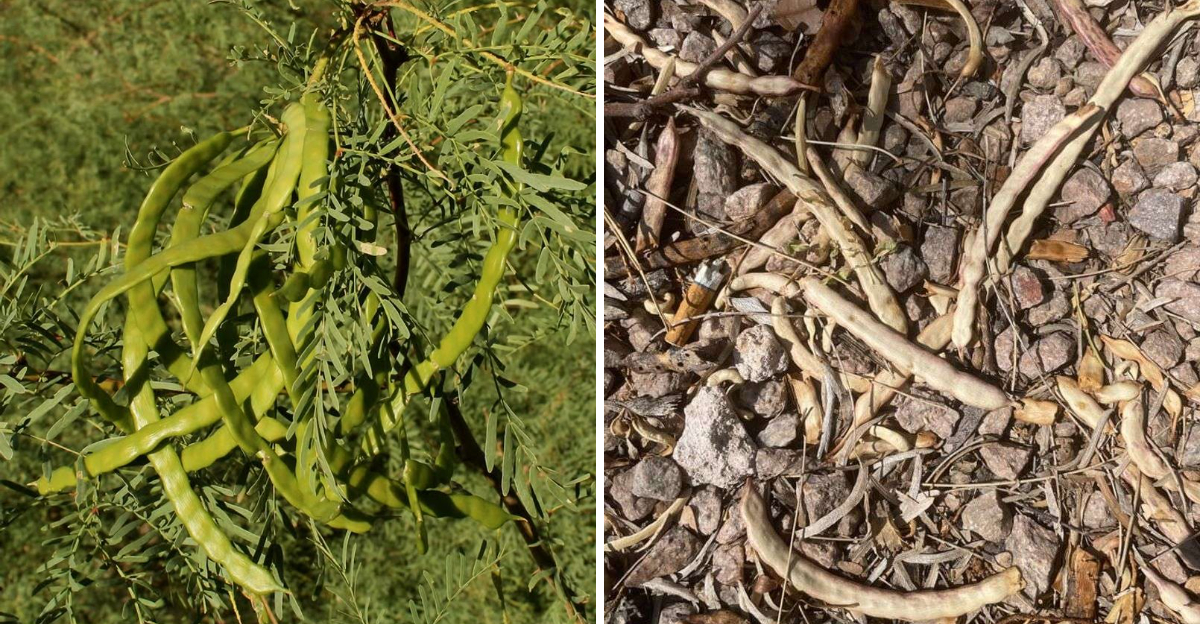
Every summer in Arizona, mesquite trees put on a quiet show that most homeowners walk right past without a second thought.
Pods start dropping from branches, piling up on patios, sidewalks, and desert soil, and the cleanup feels endless before it even really begins. Many people treat it as an inconvenience and reach for the rake without a second glance.
But those falling pods are not random at all.
They carry real information about your tree’s health, the season’s weather patterns, how successful your spring bloom was, and even the wildlife quietly depending on your yard right now.
The timing, the texture, the volume, and the condition of what lands on the ground all tell a story worth understanding.
Arizona mesquite trees have been producing pods in this desert for thousands of years, and the whole process is considerably more interesting than it looks from the porch.
Learning to read the signs turns a sweeping chore into something genuinely useful.
Here are seven things those falling pods are trying to tell you, from harvest timing and tree health to monsoon management and wildlife activity.
1. Summer Pod Drop Means Ripening Has Started
Right around the time the Arizona heat feels most relentless, mesquite trees begin releasing pods in earnest.
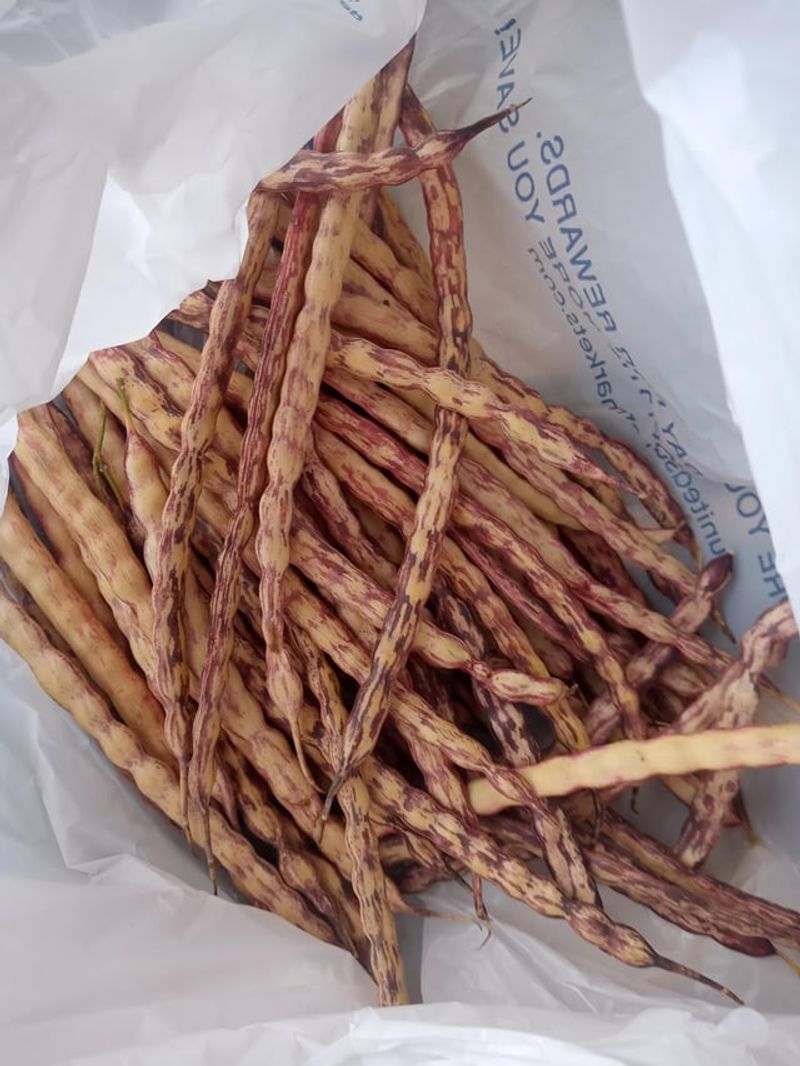
That timing is not a coincidence. Mesquite pods naturally ripen from late spring through midsummer, and when they reach full maturity, the tree simply lets them go.
It is one of the most reliable seasonal patterns in the Sonoran Desert, and it happens every year whether you are ready for it or not.
Velvet mesquite trees typically produce pods that mature between June and August.
The pods start out green and plump, then shift to a tan or golden-yellow color as they dry out and fully ripen. That color change is your first visual clue that the drop is happening on schedule.
Healthy trees drop pods in waves rather than all at once.
You might notice a big batch after a windy afternoon or a stretch of especially hot days. Wind and heat both speed up the drying process and loosen the attachment point where the pod connects to the branch.
This is completely normal behavior for a mature mesquite tree.
Homeowners sometimes worry when they see pods covering the ground, but a steady summer drop is actually a sign of a productive, healthy tree.
A mesquite at full production in July is simply finishing the job it started back in spring when it bloomed and attracted pollinators across the desert landscape. The pods on your patio are the result of that work.
2. Brittle Pods Signal Harvest Timing
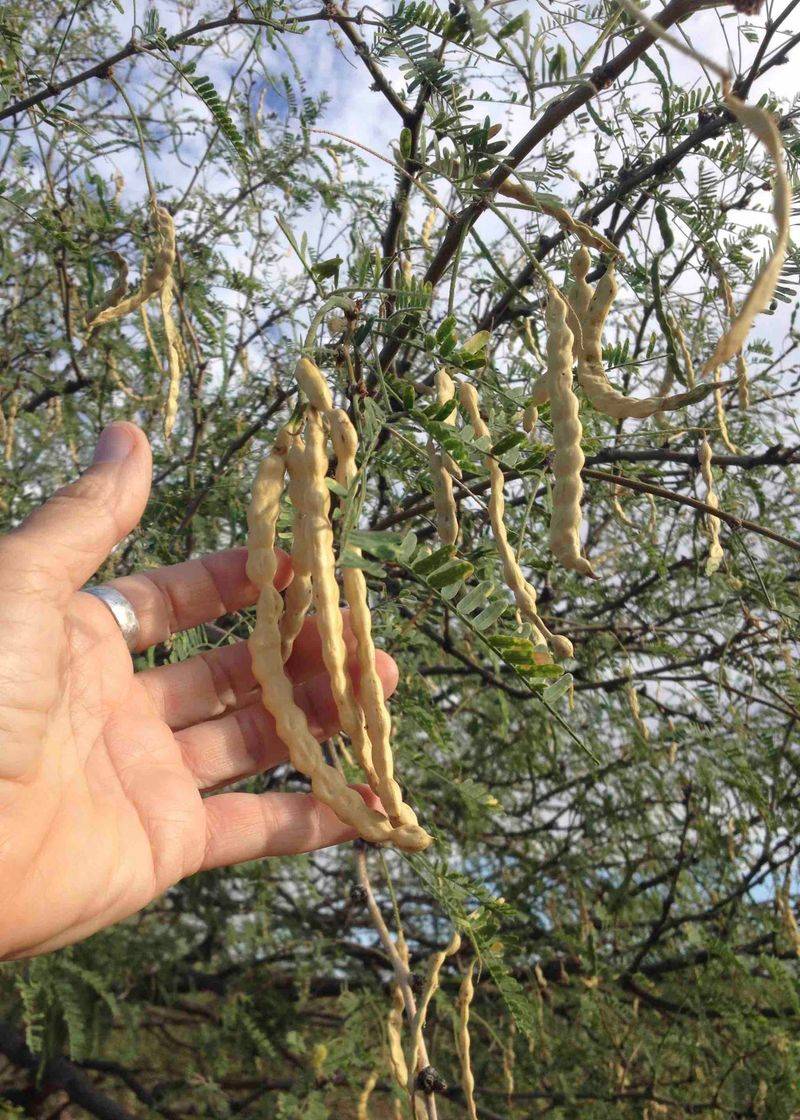
Pick up a pod from under your mesquite tree and snap it between your fingers.
If it breaks cleanly and feels dry all the way through, the tree is telling you something specific: harvest time has arrived.
Brittle, fully dried pods are the ones worth collecting if you plan to grind them into mesquite flour, a traditional food used for centuries by Indigenous peoples of the Southwest.
Your Arizona Garden Changes Every Week. Your Plan Should Too.
Gardening in Arizona changes quickly throughout the season. Every Friday you’ll receive a simple weekly plan showing exactly what to plant, prune, fertilize, harvest, and protect so you never miss the right timing.
The texture of the pod matters more than most people realize.
A pod that still bends without snapping contains too much moisture for safe storage or milling. Damp pods can develop mold quickly, especially during Arizona’s monsoon season when humidity spikes unexpectedly.
Brittle pods, on the other hand, are dry enough to store and process without that risk.
Harvesting directly from the tree or catching pods just as they fall is the recommended approach for food use.
University of Arizona Extension and Native Seeds organizations both emphasize that freshly fallen pods collected off clean surfaces are far safer than pods that have been sitting on the ground for days.
The brittle stage also signals that the seed inside has fully hardened, which is important if you are saving seeds for future planting projects.
Even if you have no plans to mill flour or plant seeds, recognizing the brittle stage helps you time your cleanup more efficiently.
Pods at this stage are lighter, drier, and easier to rake or blow into piles. Waiting until they reach full brittleness before sweeping can actually cut your yard work time in half, which is a trade worth knowing about.
3. Ground Pods Are For Cleanup Only
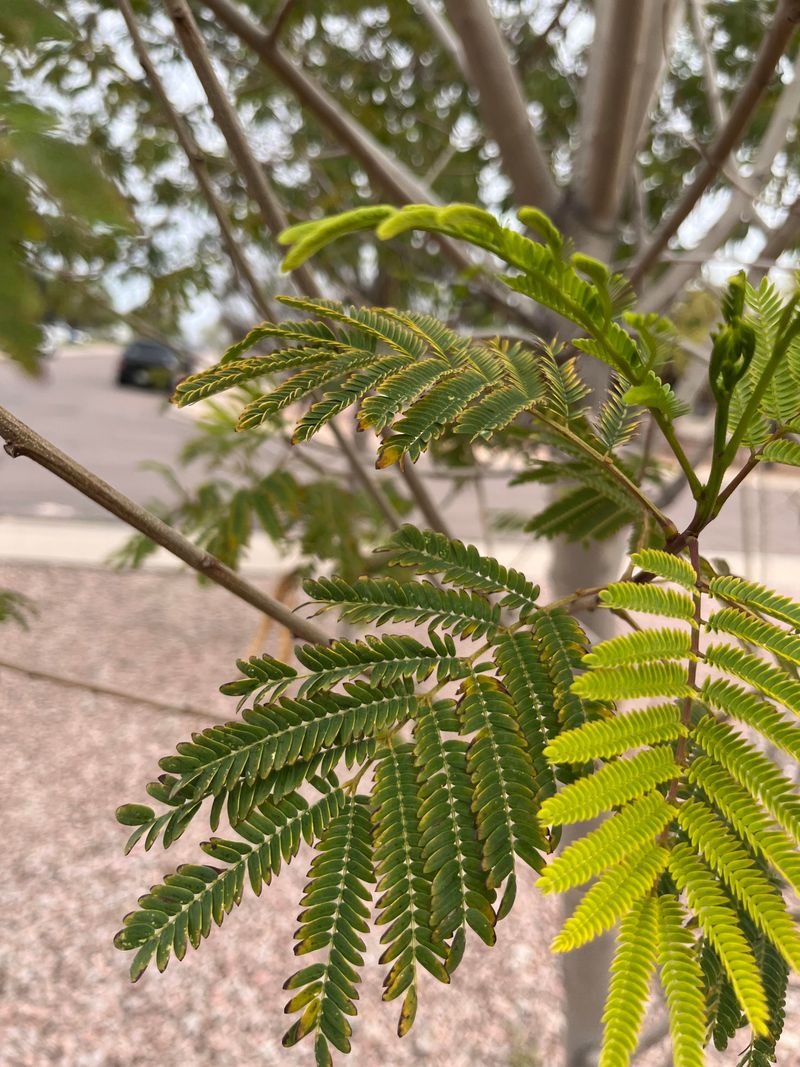
Not every pod on the ground belongs in your kitchen or your compost smoothie.
Once a mesquite pod has been sitting on bare soil, pavement, or grass for more than a day or two, it moves firmly into cleanup-only territory.
Ground contact exposes pods to bacteria, animal waste, insects, and soil contaminants that you simply cannot see with the naked eye.
Food safety is the main concern here.
Native food experts and University of Arizona Extension resources consistently advise against consuming pods that have been lying on the ground for any significant time.
The outer shell of a mesquite pod is not a sealed barrier. Moisture, mold spores, and soil microbes can all work their way in, especially during humid monsoon afternoons when temperatures and moisture levels swing dramatically.
Visually, ground pods often show signs of trouble.
Look for dark spots, soft patches, a sour or fermented smell, or a slimy texture on the surface. Any of those signs mean the pod has already started breaking down.
Pods in that condition are best raked up, bagged, or added to a compost pile rather than saved for any other purpose.
On the bright side, even pods past their prime serve a purpose.
They break down into organic matter that enriches desert soil over time. If you have a compost system, chopped or broken mesquite pods are a welcome carbon-rich addition.
So while ground pods are off the table for eating, they are absolutely not a waste.
Let them finish their job as part of the desert’s natural recycling system, and your soil will quietly benefit from the whole process.
4. Heavy Pod Load Points To A Strong Spring Bloom
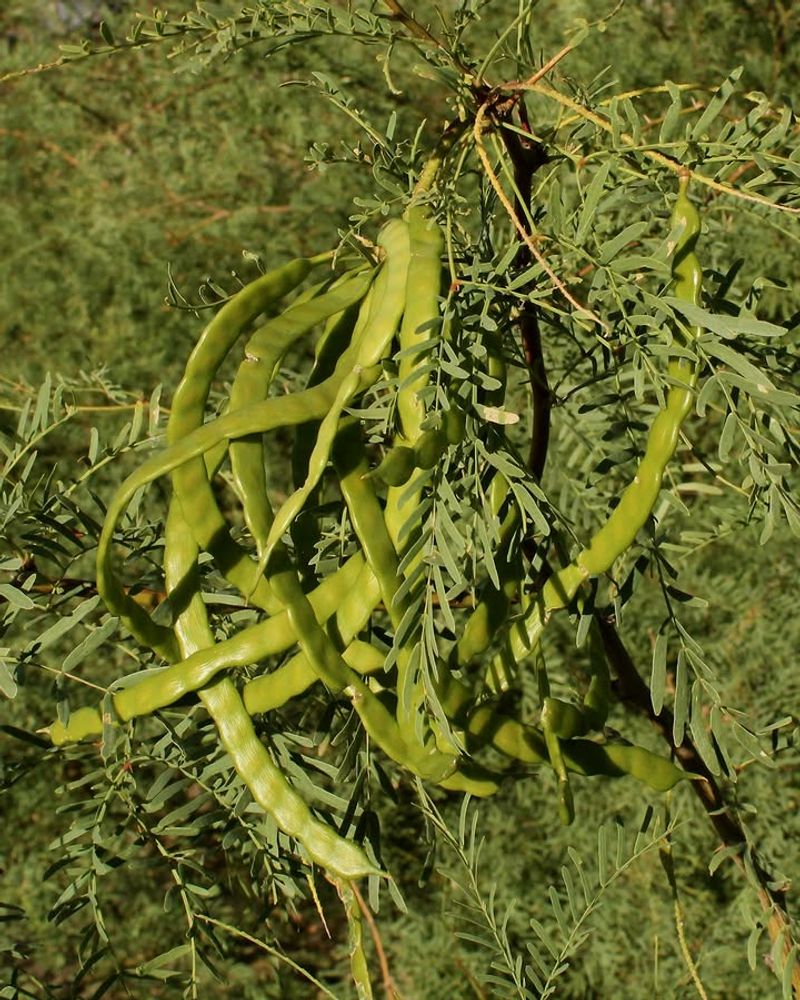
Walk under a mesquite tree absolutely loaded with pods and you are actually looking back in time, all the way to spring.
A heavy summer pod load is almost always the direct result of a strong spring bloom followed by successful pollination.
The more flowers that got pollinated back in April and May, the more pods the tree produces by June and July. It is a simple cause-and-effect relationship that plays out every single year.
Mesquite trees produce small, fragrant, yellowish flower spikes called catkins in spring.
Bees, wasps, and other native insects visit these flowers constantly, moving pollen from tree to tree. When spring temperatures are mild and moisture is adequate, flowers stay open longer and pollination rates climb.
The result shows up a few months later as an unusually heavy pod crop hanging from every branch.
A light or average spring often produces a more modest pod load by summer. If you remember noticing fewer flowers than usual back in April, do not be surprised to see fewer pods falling now.
The two events are directly connected through the tree’s reproductive cycle.
Paying attention to your mesquite’s spring bloom each year is a simple way to predict how much summer cleanup you will face.
Homeowners who notice a spectacular bloom in spring can start preparing their rakes and bags early. A bumper pod crop also means more food for wildlife and more potential seed for natural regeneration across your desert yard.
It is the tree at its most productive and most generous.
5. Extra Irrigation Can Increase Seasonal Litter
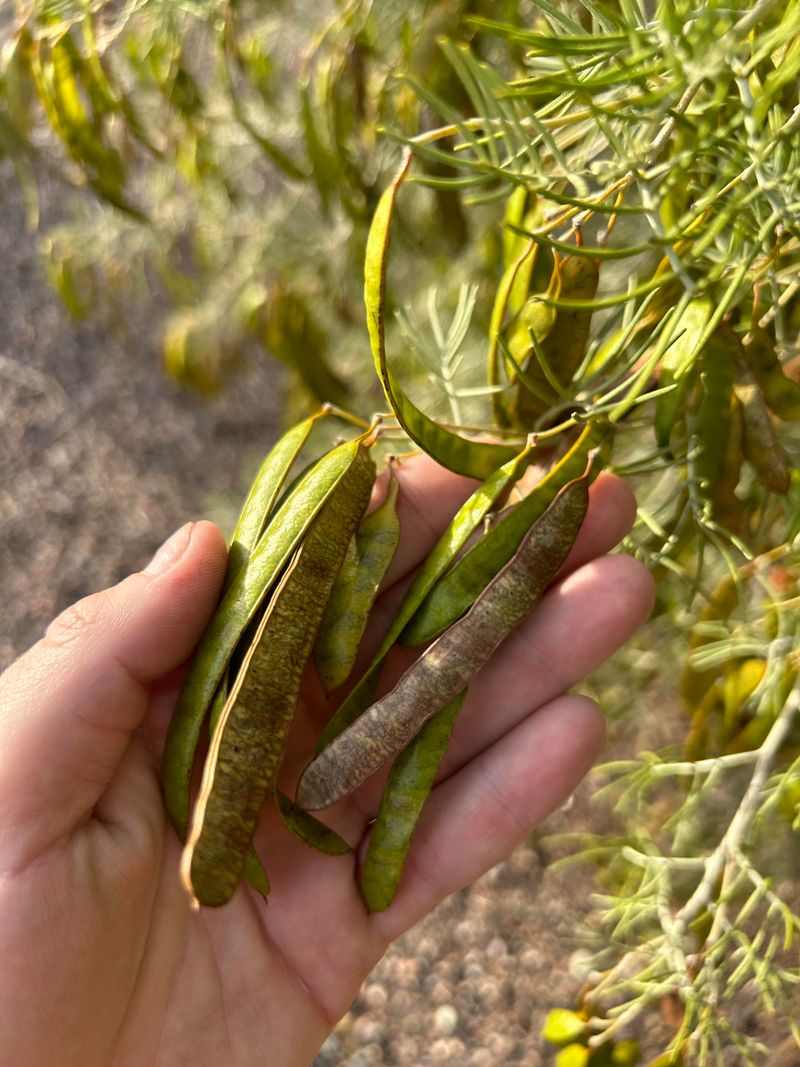
Mesquite trees are built for desert survival, which means they are remarkably efficient with whatever water they can find.
But when a homeowner adds regular supplemental irrigation to a mature mesquite, the tree tends to respond with extra vigor.
More water means more leaf growth, more branch extension, and often more pod production than you would see on a tree relying solely on rainfall.
That extra productivity sounds great, but it comes with a trade-off.
A tree producing more pods also drops more pods, and the seasonal litter can become noticeably heavier than in drier years.
If you have recently increased your irrigation schedule or installed a new drip system near your mesquite, the uptick in pod drop may be directly connected to that change in water availability.
University of Arizona Extension recommends watering established mesquite trees deeply but infrequently, mimicking natural desert rainfall patterns rather than providing constant moisture.
Over-irrigation can also lead to excessive canopy growth, which makes the tree more vulnerable to wind damage and creates more surface area for pods to develop and eventually fall.
Cutting back on summer irrigation during active pod drop is one practical way to manage litter while still keeping your tree healthy.
A mature mesquite can handle dry stretches far better than most homeowners expect. Adjusting your watering habits based on the tree’s natural seasonal cycle is one of the smartest things you can do for both the tree and your back yard cleanup schedule.
6. Wildlife Has Found A Food Source
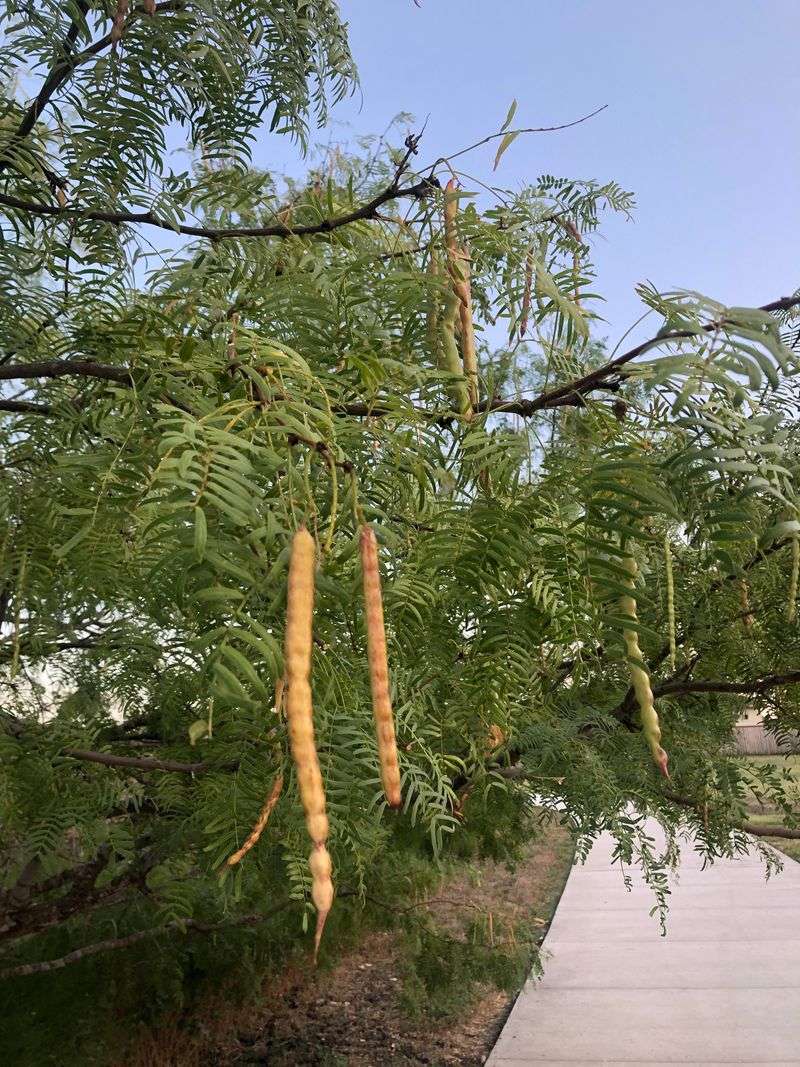
Before you grab the rake, take a moment to watch what is happening around those fallen pods.
Mesquite pods are one of the most valuable wild food sources in the Sonoran Desert, and chances are good that something in your neighborhood has already figured out where your tree is.
Coyotes, javelinas, deer, and ground squirrels all eat mesquite pods with genuine enthusiasm, often returning to the same trees day after day during peak drop season.
Birds are equally active around mesquite litter.
Curve-billed thrashers, Gambel’s quail, and various sparrow species scratch through fallen pods searching for insects attracted to the sweet outer pulp.
The pods themselves contain sugars that ferment slightly as they break down, which draws in beetles, ants, and other invertebrates that become quick meals for foraging birds.
The ecological role of the mesquite pod extends well beyond your yard fence.
Across the Sonoran Desert, mesquite trees historically provided a critical summer food bridge for both wildlife and Indigenous communities during the lean months before monsoon season brought new plant growth.
That ancient relationship is still playing out under your tree right now.
If wildlife activity around fallen pods is a concern, clearing pods promptly reduces foot traffic from larger animals near your home.
Leaving a modest amount of pod litter in a quiet corner of the yard can support native wildlife without creating safety issues.
Finding that balance between cleanup and habitat is something desert-smart homeowners can figure out with a little observation and patience.
7. Monsoon Moisture Can Spoil Pods Fast
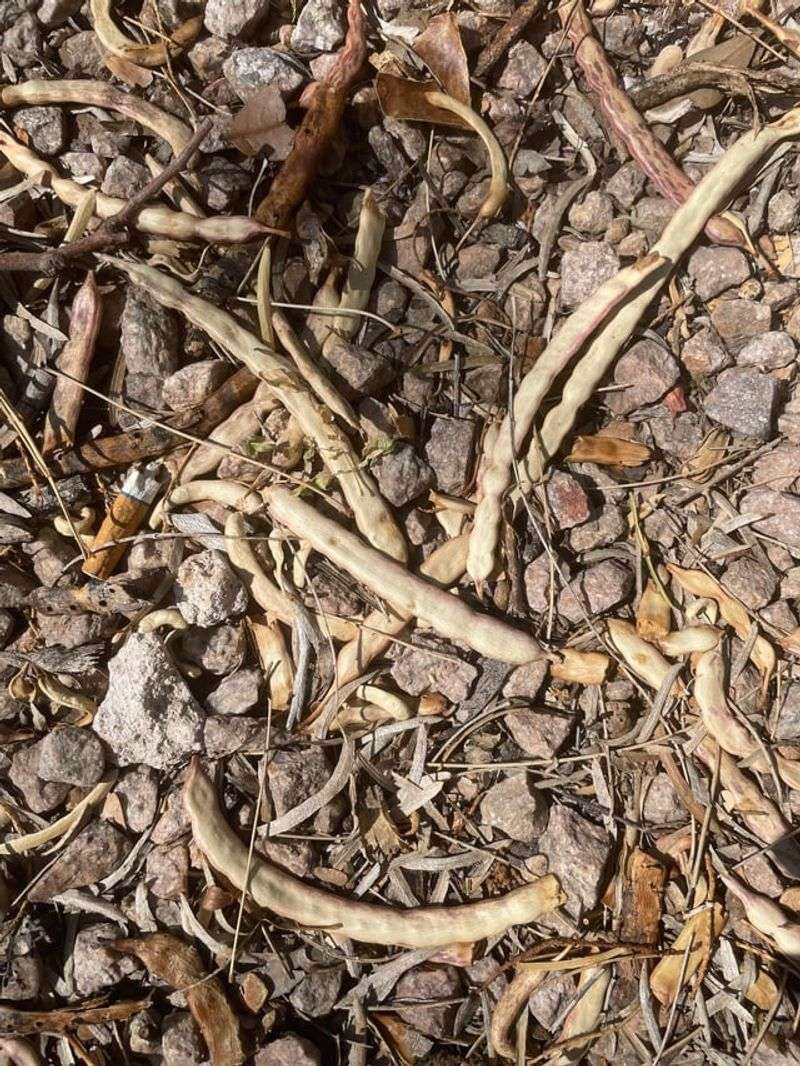
Arizona’s monsoon season and mesquite pod drop season overlap almost perfectly, and that combination creates a real cleanup challenge.
When pods fall to the ground and then get soaked by a monsoon downpour, they begin breaking down almost immediately.
The warm temperatures combined with sudden moisture create ideal conditions for mold, fermentation, and bacterial growth on the pod surface and inside the seed cavity.
Speed is everything when it comes to post-monsoon pod cleanup.
Pods that sat dry on the ground before a storm hit are especially vulnerable because they have already had time to collect dust, soil bacteria, and insect activity.
Add a quarter inch of monsoon rain and a humid overnight low, and those pods can develop visible mold within 24 to 48 hours. The smell is unmistakable: sour, slightly sweet, and distinctly fermented.
Fermented pods attract insects in large numbers, which can in turn draw unwanted pests closer to your home.
Harvester ants, in particular, go into overdrive collecting pod material after monsoon events, which can lead to large mound activity near your foundation or patio. Staying ahead of the litter keeps pest pressure lower during the back half of summer.
Check your yard within a day or two after any significant monsoon rain and rake up pods before they have a chance to fully soak through.
Bagging wet pods in sealed yard waste bags keeps the smell contained and prevents the spread of mold spores to other areas of your landscaping.
Timing your cleanup around storm events makes the whole process much more manageable, and it turns out that paying attention to the weather forecast is one of the most useful mesquite maintenance tools an Arizona homeowner can have.