Why Opossums Are Actually Good For Your California Garden
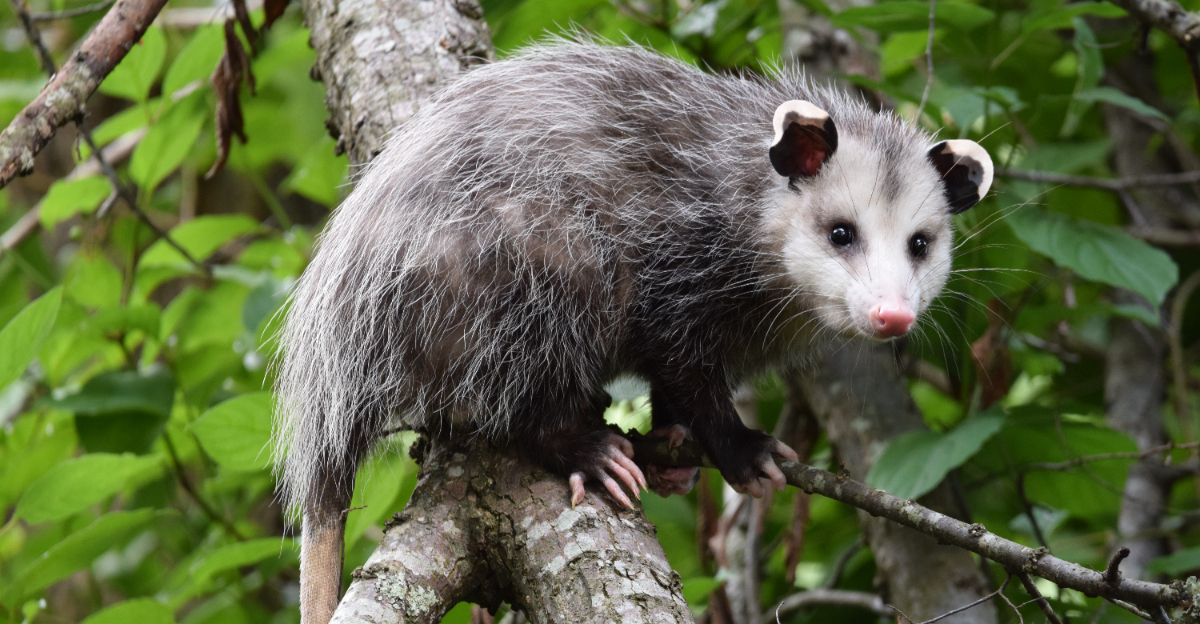
An opossum shuffling through the yard at night can look a little suspicious, but it may be doing more good than harm.
California gardeners often notice the odd face, slow walk, and dramatic attitude before they notice the benefits.
Opossums are quiet cleanup helpers. They may snack on fallen fruit, insects, and other little garden leftovers that can attract bigger problems.
They also wander through beds without the same digging habits that make some animals so frustrating. Most are not interested in bothering people or pets.
They are just passing through after dark, looking for an easy meal. Once you understand their role, an opossum starts to feel less like an unwanted visitor and more like a helpful night shift worker in the garden.
1. Opossums Clean Up Fallen Fruit At Night
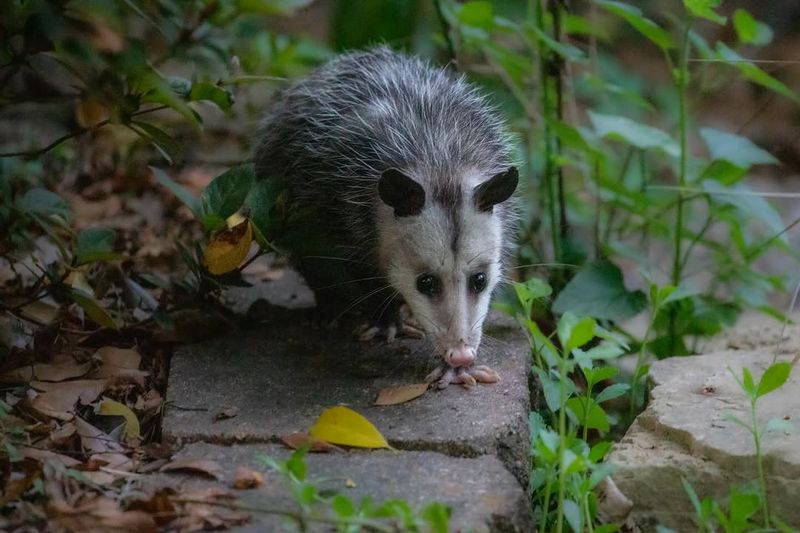
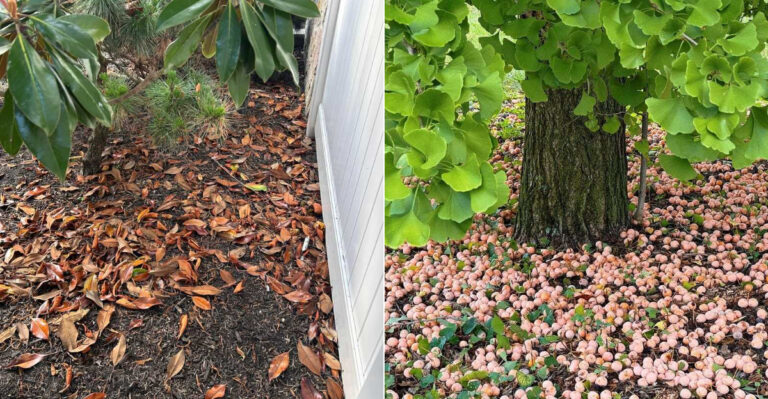
Every fruit tree eventually drops more than you can pick. Fallen apples, figs, citrus, and stone fruits pile up on the ground and rot fast, especially in warm weather.
That rotting fruit doesn’t just smell bad. It draws flies, wasps, and rodents that you definitely don’t want hanging around your garden.
Opossums are natural foragers, and fallen fruit is one of their favorite foods. They come out after dark, move slowly and quietly through the yard, and eat what’s already on the ground.
They’re not climbing your trees or pulling fruit off the branches. They’re cleaning up the mess that’s already there.
For gardeners in warmer parts of California, this is a real benefit. Citrus trees, in particular, drop a lot of fruit throughout the season.
Leaving that fruit on the ground creates a breeding ground for pests and mold. An opossum working through your yard at night can clear a surprising amount of that debris in just a few hours.
You don’t need to do anything special to encourage this behavior. Just let the opossum do its thing.
Don’t leave out pet food or other attractants that might make it want to stay longer than needed. Think of it as a free, quiet cleanup crew showing up right when you need it most.
2. They Eat Snails, Slugs, And Insects
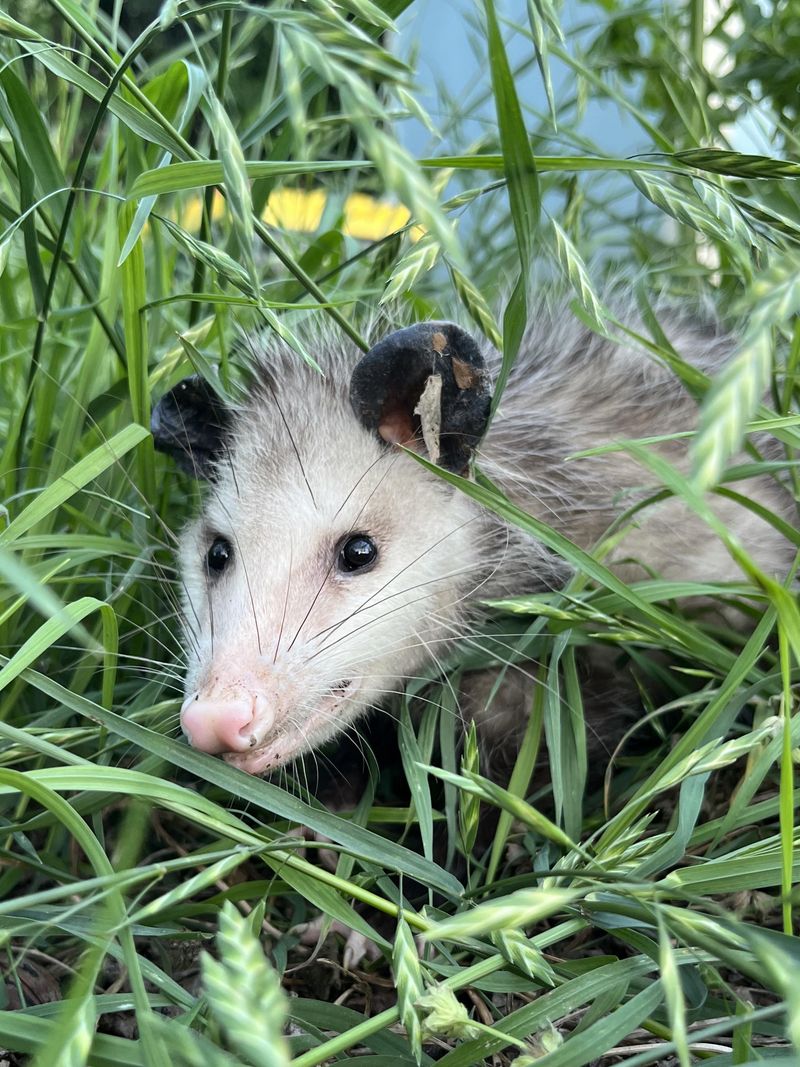
Snails and slugs are some of the most frustrating pests a home gardener deals with. They shred leaves overnight, destroy seedlings, and seem to multiply no matter what you do.
Most gardeners reach for bait or traps, but there’s a natural solution that often goes unnoticed.
Opossums eat snails and slugs regularly. They also go after beetles, cockroaches, and other insects that hide under mulch or debris.
Their diet is impressively varied, and that variety makes them useful in ways most people overlook. They’re not picky, and they’re thorough.
In the coastal and northern regions, where moisture keeps snail and slug populations high, this feeding habit is especially valuable. Gardens near wooded areas or with lots of ground cover tend to harbor more of these pests.
An opossum patrolling those areas at night can reduce populations naturally, without chemicals.
Your California Garden Changes Every Week. Your Plan Should Too.
Gardening in California changes quickly throughout the season. Every Friday you’ll receive a simple weekly plan showing exactly what to plant, prune, fertilize, harvest, and protect so you never miss the right timing.
Gardeners who rely on organic methods will appreciate this. You don’t have to worry about toxic bait affecting birds or other wildlife when an opossum is handling the job.
It’s a low-effort, chemical-free form of pest management that fits perfectly into an eco-friendly garden routine.
The opossum gets a meal, and your plants get a fighting chance to grow without being eaten alive by slimy invaders.
3. They’re Less Destructive Than They Look
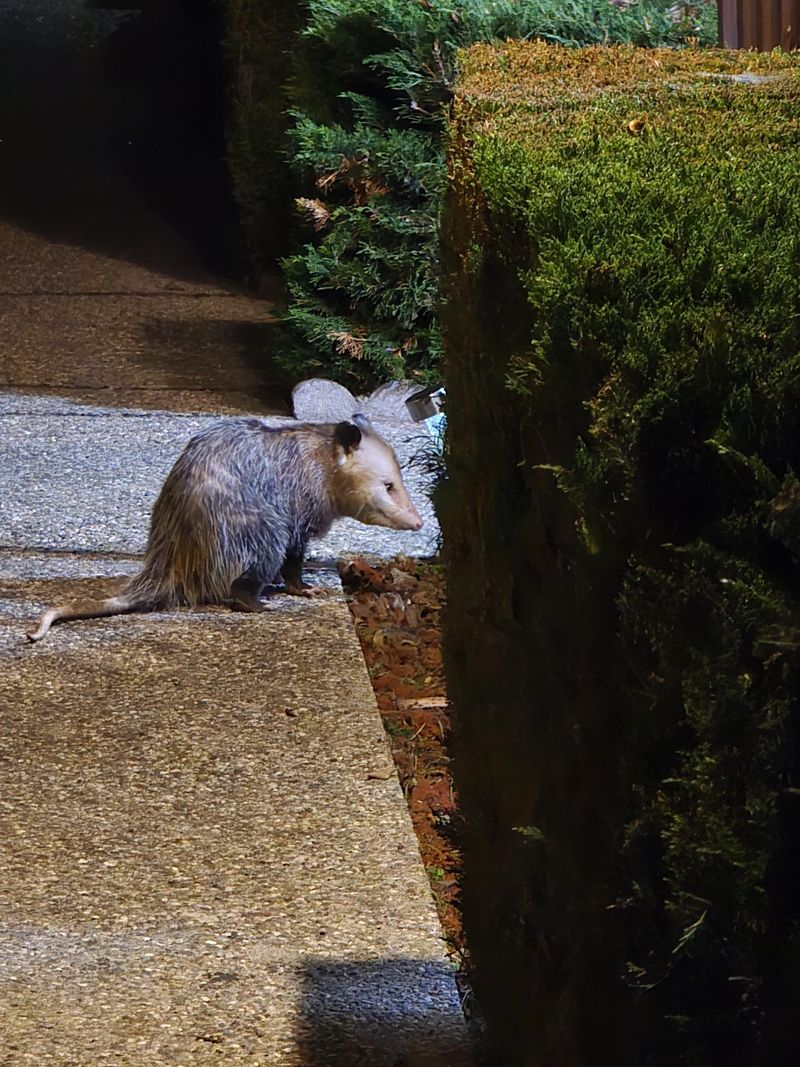
Fair warning: opossums look like they could tear a garden apart. They’re medium-sized, they move around at night, and they have sharp teeth.
It’s easy to assume they’re out there wrecking things. But that assumption doesn’t hold up when you look at what they actually do.
Opossums don’t dig like raccoons. They don’t uproot plants, shred bark, or tear open compost bins the way other nocturnal visitors do.
They move slowly and deliberately, picking up food that’s already on the ground. They don’t have the strength or the motivation to cause the kind of damage people imagine.
In most cases, if your garden looks disturbed after an opossum visit, something else is probably responsible.
Raccoons, skunks, and squirrels are far more likely culprits for dug-up soil, overturned pots, or chewed irrigation lines. The opossum often takes the blame for mischief it didn’t commit.
Gardeners across California who have learned to observe their backyard wildlife more carefully often come to the same conclusion. Opossums are genuinely low-impact visitors.
They eat, they move on, and they leave the garden mostly the way they found it. If you’ve been blaming one for garden damage, it might be worth setting up a simple wildlife camera to see who’s really responsible. You might be surprised by what you find.
4. They Usually Move Through Instead Of Moving In
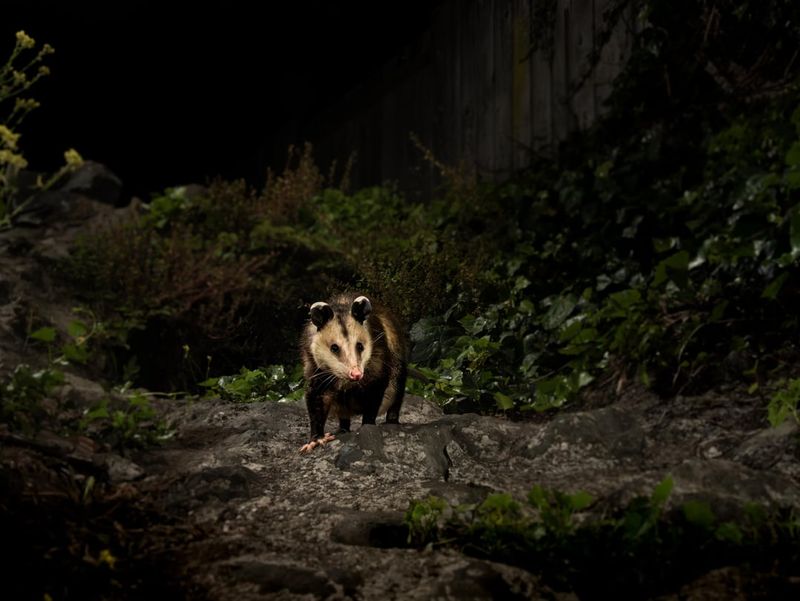
One of the biggest fears people have about opossums is that once one shows up, it’ll never leave. That concern makes sense.
Nobody wants a permanent wildlife resident setting up camp under their porch. But opossums aren’t really the settling-down type.
Unlike raccoons or rats, opossums are nomadic. They don’t hold a territory the way many other animals do.
They wander through an area, eat what they find, and move on to the next spot. Most opossums rotate through a loose home range and rarely spend more than a few nights in any one location.
This behavior makes them much easier to live with than people expect. If you see an opossum in your yard on Monday night, there’s a good chance it won’t be back until it completes its loop days later.
You’re not dealing with a squatter. You’re hosting a traveler who’s just passing through.
In densely populated neighborhoods across California, this nomadic lifestyle actually helps keep opossum populations spread out. They don’t cluster in one spot the way rats or mice do.
If you remove food attractants like open compost, pet food left outside, or overflowing trash cans, the opossum has little reason to linger.
A few simple adjustments to your outdoor routine can make your yard a brief stop rather than a regular hangout.
5. They Can Help With Rodent Pressure
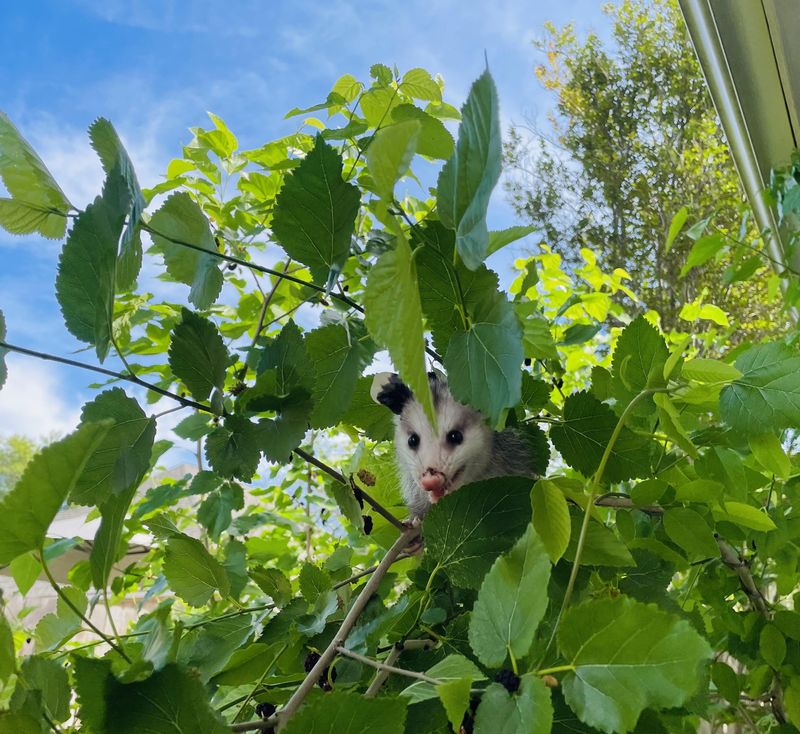
Rodents are a persistent problem in California gardens. Mice and rats eat seeds, gnaw through irrigation lines, and nest in compost piles and wood stacks.
Controlling them without chemicals or traps can feel nearly impossible. But opossums offer a natural form of competition that helps keep rodent numbers in check.
Opossums and rodents compete for the same food sources. When an opossum is active in a yard, it eats fallen fruit, insects, and scraps that would otherwise attract mice and rats.
By consuming those resources, the opossum reduces what’s available for rodents. Less food means fewer rodents sticking around.
Some opossums will also catch and eat small rodents directly, though this isn’t their primary feeding strategy. Their presence alone can discourage rodents from settling in an area.
Mice in particular tend to avoid spaces where larger animals are regularly active.
This isn’t a complete solution on its own. Good rodent control still requires removing food sources, sealing entry points, and keeping clutter to a minimum.
But having an opossum pass through your yard regularly adds one more layer of pressure on the rodent population. It’s a passive benefit that costs you nothing.
In gardens near fields, hillsides, or open spaces common in many parts of California, that extra layer of natural deterrence can make a real difference over time.
6. They Belong In California’s Backyard Wildlife Web
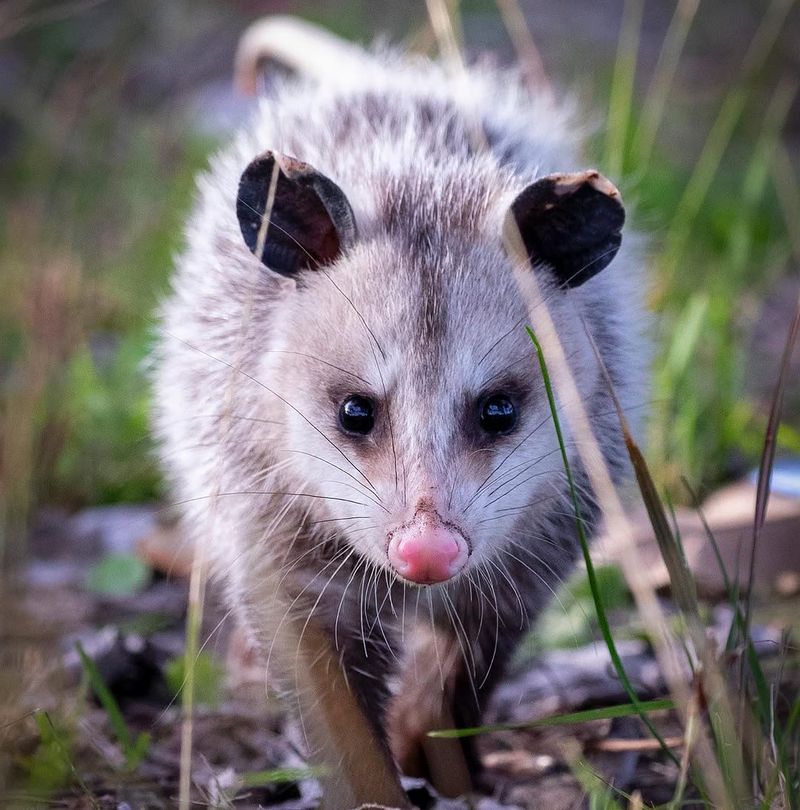
Healthy yards aren’t just pretty spaces. They’re mini ecosystems where plants, insects, birds, and mammals all play a role.
When one piece is missing or removed, the whole system can get out of balance. Opossums are a natural part of that web in our state, and they’ve been here long enough to fit in well.
Virginia opossums are native to North America and have lived alongside the wildlife of this region for thousands of years. They’re not invasive.
They’re not out of place. They’re filling a role that’s been part of the local ecosystem long before suburbs replaced open land.
In southern and central California, opossums share habitat with foxes, coyotes, owls, and hawks. They’re prey for some of these animals, which means they also support the food chain from below.
A yard that welcomes opossums, even passively, contributes to the broader health of local wildlife populations.
Gardeners who plant native species and avoid heavy pesticide use tend to attract more of this natural balance. Opossums are drawn to yards with ground cover, leaf litter, and fruit trees.
These are also the same yards that tend to support native bees, birds, and beneficial insects.
Encouraging one piece of the ecosystem often strengthens the whole thing. The opossum is a quiet but meaningful thread in that larger picture.
7. They’re Usually Shy, Not Aggressive
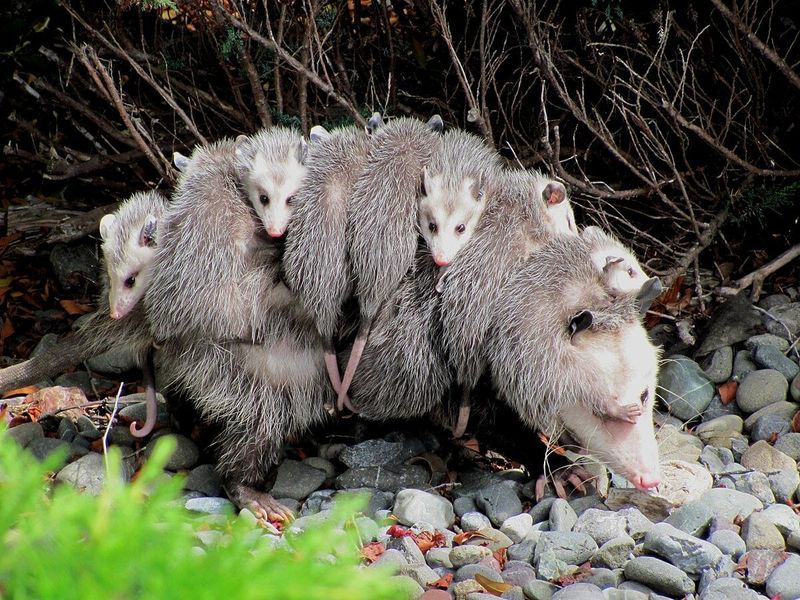
Most people who encounter an opossum up close describe the same experience. The animal freezes, stares, maybe hisses, and then either plays possum or slowly retreats.
It doesn’t charge. It doesn’t attack. It just tries to avoid confrontation at all costs.
Opossums are not aggressive animals. Hissing is their main defense, and it’s mostly bluffing.
When truly threatened and unable to escape, they’ll go limp and play like they’re gone, a reflex called “playing possum.”
This response is involuntary, meaning the animal isn’t even choosing to do it. Their nervous system just shuts down under extreme stress.
For families with pets, this matters. A dog that corners an opossum will likely get hissed at and nothing more.
Opossums rarely escalate a confrontation. They’re built to survive by avoiding danger, not by fighting through it.
That makes them far less risky to have around than many people assume.
Children who grow up in areas with backyard wildlife often encounter opossums at some point. Teaching kids that the animal is more scared than they are is usually accurate.
Opossums are not looking for trouble. They’re looking for food and a safe place to pass through.
With a little patience and distance, most encounters end with the opossum wandering off quietly into the night, leaving everyone unharmed and a little more informed.
8. They Don’t Need The Tick Myth To Be Useful
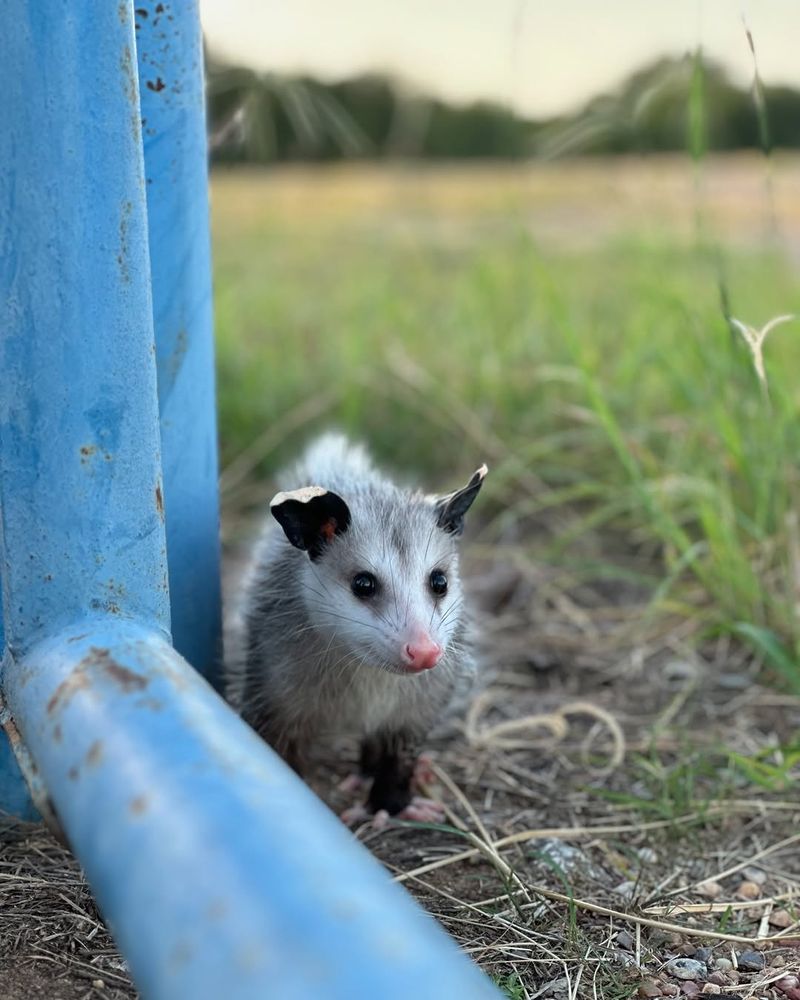
You’ve probably seen the claim online that opossums eat thousands of ticks every week. It’s a popular fact that gets shared constantly.
The problem is that the research behind it is limited, and field studies haven’t consistently supported those numbers.
Opossums do groom themselves carefully and may consume ticks during that process, but the tick-eating claim has been overstated.
Here’s what’s worth knowing: opossums don’t need that myth to earn their place in your yard.
Their real contributions, cleaning up fallen fruit, eating pest insects, reducing rodent competition, are well-documented and genuinely useful.
They stand on their own merits without exaggeration. Relying on inflated claims to defend wildlife can backfire. When people find out a fact was overstated, they sometimes dismiss everything else too.
Opossums deserve honest advocacy, not hype. The real story is interesting enough without embellishment.
In California, where gardeners are increasingly looking for natural, chemical-free ways to manage their outdoor spaces, opossums fit that goal well. They don’t need a marketing campaign.
They just need people to stop shooing them away long enough to observe what they actually do.
The next time one wanders through your yard, watch it for a minute before you reach for a broom. Chances are it’s doing something helpful, even if it doesn’t look the part.