The Native Ohio Plant To Grow Instead Of Butterfly Bush Along Fence Lines
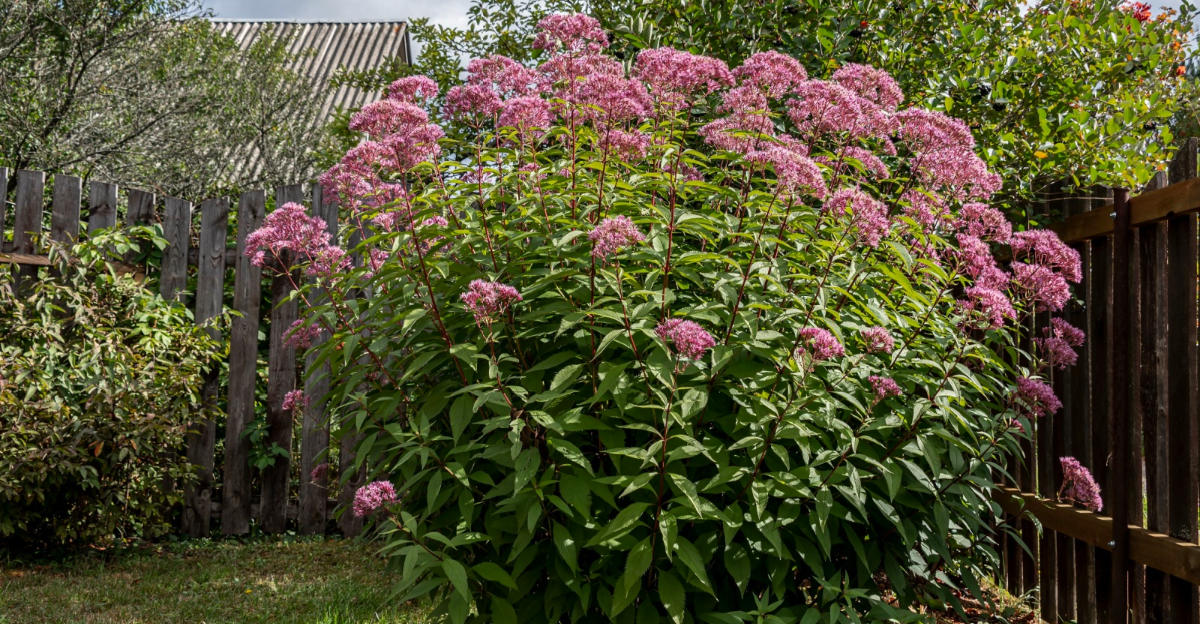
Butterfly bush along a sunny Ohio fence line looks great, and for a long time it was basically the go-to choice for gardeners who wanted height, late summer color, and pollinators showing up in impressive numbers.
But the conversation around butterfly bush has shifted, and a lot of Ohio gardeners are now asking a very reasonable question: what if there is something that does all of that and actually belongs here?
Enter Joe-Pye Weed. Yes, the name is a little underwhelming for a plant this impressive.
Get past it. This tall, showy native perennial brings bold late-summer color, serious pollinator activity, and a natural fit in Ohio’s plant communities that butterfly bush simply cannot match.
If your fence line has room for a back-of-border statement plant, Joe-Pye Weed is genuinely worth a closer look.
1. Joe-Pye Weed Brings Tall Native Color
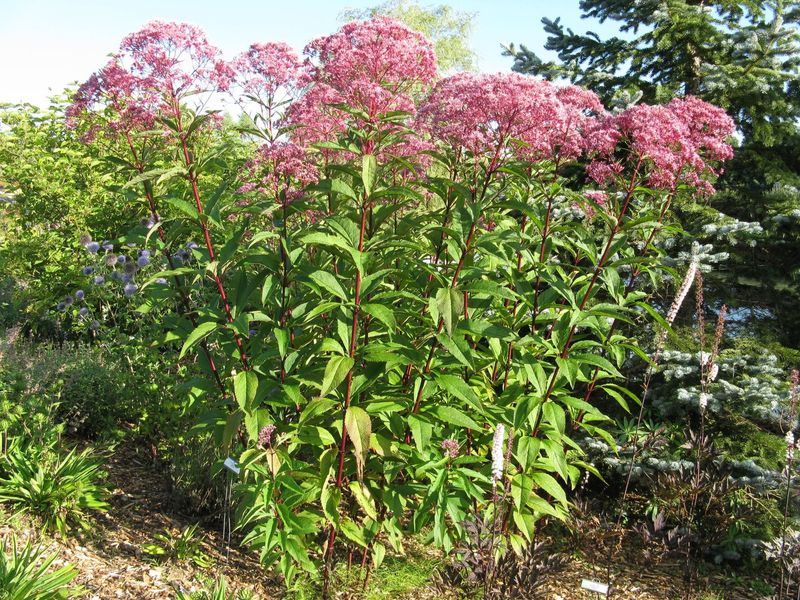
Sunny fence lines can feel bare and uninspired during the hottest weeks of summer, but Joe-Pye Weed changes that with its bold, rosy-pink flower clusters that rise well above most other perennials.
Native to Ohio and much of eastern North America, this plant brings a naturalistic, cottage-garden look that blends beautifully with other tall natives in a mixed border or along a fence.
Joe-Pye Weed typically grows between five and seven feet tall, sometimes reaching even higher in rich, moist soil. That kind of height creates a soft visual screen along a fence line without the need for a woody shrub.
The flower heads are large, domed clusters of tiny blooms in shades of dusty pink to mauve, appearing from mid-summer into early fall.
Compared to butterfly bush, which was introduced from Asia, Joe-Pye Weed is a true Ohio native that evolved alongside local insects and wildlife. Choosing it for a fence line means adding a plant that genuinely belongs in the Ohio landscape.
The color payoff is real, and the height makes it a standout plant from mid-July through September.
2. Summer Blooms Draw Busy Pollinators
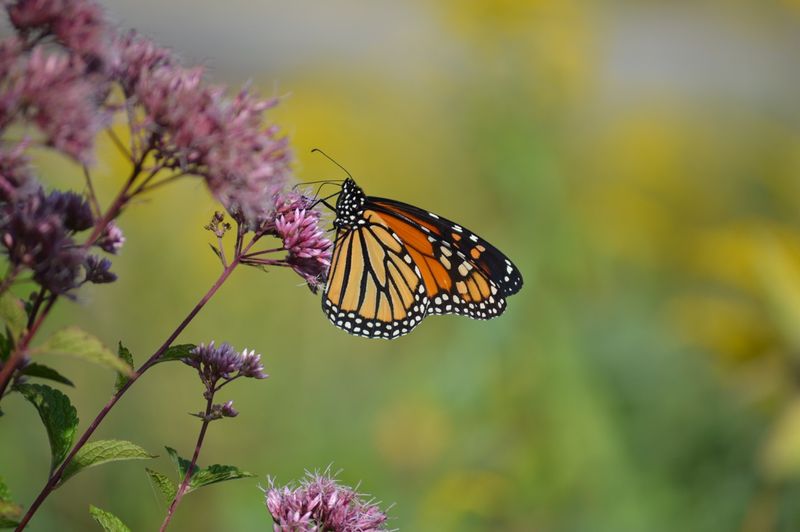
Few sights in summer garden are more rewarding than watching a Joe-Pye Weed plant absolutely covered with butterflies, bees, and other pollinators working their way across those wide, flat flower heads.
The blooms arrive in mid-summer and continue into early fall, which lines up with one of the busiest periods of pollinator activity across Ohio.
Monarch butterflies are frequent visitors, and they are often spotted nectaring on Joe-Pye Weed during their late-summer migration through Ohio. Native bumblebees, sweat bees, and a range of specialist native bees also visit the flowers regularly.
This kind of broad pollinator support is something butterfly bush simply cannot match, since butterfly bush offers nectar but little else to support the full life cycles of native insects.
Joe-Pye Weed, on the other hand, supports native caterpillars and other insects that depend on native host plants to complete their life cycles. Planting it along a sunny Ohio fence line essentially turns that stretch of yard into a working pollinator corridor.
The blooms are not flashy in a traditional way, but their soft color and steady insect traffic make them genuinely exciting to watch throughout the warmest months.
Your Ohio Garden Changes Every Week. Your Plan Should Too.
Gardening in Ohio changes quickly throughout the season. Every Friday you’ll receive a simple weekly plan showing exactly what to plant, prune, fertilize, harvest, and protect so you never miss the right timing.
3. Full Sun Helps Stems Grow Strong
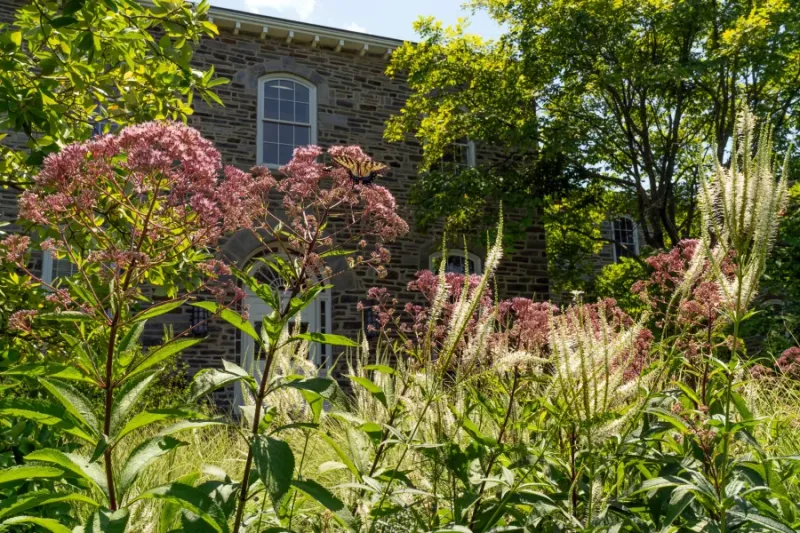
A south- or west-facing Ohio fence line that gets at least six hours of direct sun each day is close to an ideal spot for Joe-Pye Weed.
In full sun, the stems grow more upright and sturdy, which helps the plant hold its height without flopping or leaning against the fence.
Partial shade is tolerated, but stems may stretch and lean more noticeably in lower light.
One of the reasons Joe-Pye Weed works so well as a butterfly bush replacement along fence lines is that both plants prefer similar light conditions.
Most Ohio fence lines along the back or side of a yard receive plenty of sun through the summer, which suits Joe-Pye Weed well.
The difference is that Joe-Pye Weed is a perennial that grows back from its root system each spring rather than a woody shrub that needs pruning to stay manageable.
Gardeners who have struggled with butterfly bush spreading beyond its intended spot may find Joe-Pye Weed a more predictable neighbor. It forms clumps that expand slowly over time rather than self-seeding aggressively across the yard.
Giving it a full-sun fence line spot helps it perform at its best each season.
4. Moist Soil Supports Better Growth
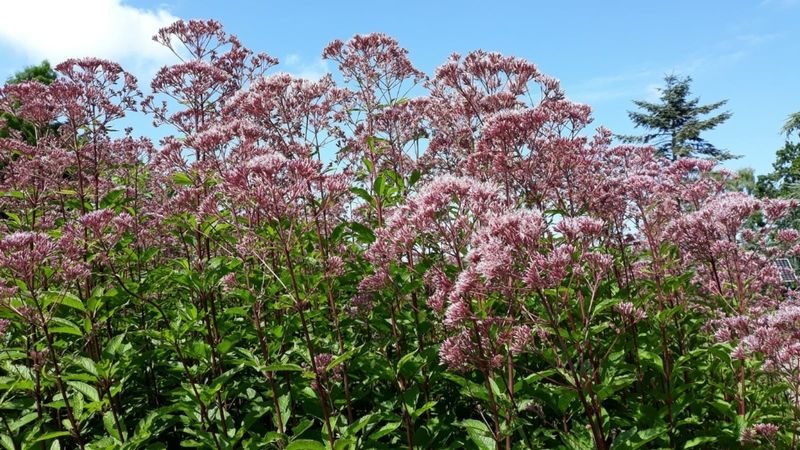
Along many Ohio fence lines, soil conditions can vary quite a bit depending on drainage, shade patterns, and how the yard was graded.
Joe-Pye Weed tends to do best in average to moist, well-drained soil, and it is especially at home near low spots, rain garden edges, or areas where moisture lingers a bit longer after rain.
Dry, sandy soil is generally not where this plant thrives.
Ohio’s clay-heavy soils, which are common in many parts of the state, can actually work in Joe-Pye Weed’s favor as long as the area does not sit in standing water for extended periods.
Amending planting areas with compost before installing Joe-Pye Weed helps improve drainage in heavier soils while still retaining enough moisture to keep the plant healthy through dry summer stretches.
One practical tip for gardeners is to check how quickly water drains from the fence-line area after a heavy rain. If the ground stays wet for more than a day or two, raised planting or additional soil amendment may be needed.
If water drains within several hours, the site is likely suitable for Joe-Pye Weed without major changes. Getting the soil conditions right makes a noticeable difference in plant vigor.
5. Fence Lines Give It Room To Rise
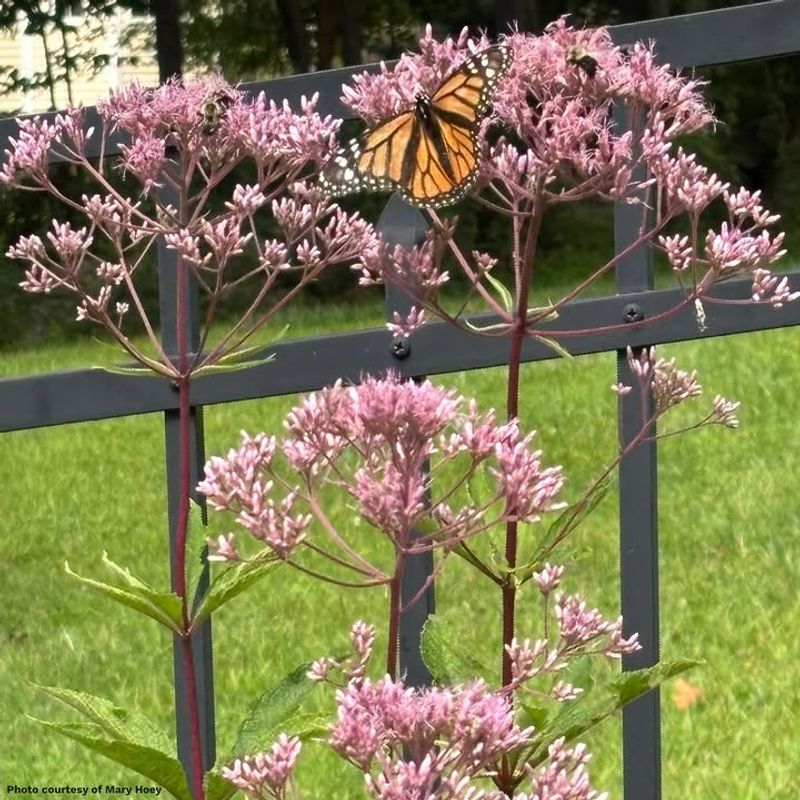
One of the reasons fence lines suit Joe-Pye Weed so well is that they offer a natural back-of-border position where a tall plant can grow without overshadowing everything else in the yard.
Along a fence, Joe-Pye Weed has room to reach its full height of five to seven feet without blocking views or crowding shorter plants that might be growing in front of it.
Fence lines in Ohio residential yards also tend to get consistent sun exposure throughout the day, especially when the fence runs along the south or west side of the property.
That steady light, combined with the structural support the fence provides nearby, creates a setting where Joe-Pye Weed can grow upright and look its best.
The fence itself acts as a visual backdrop that makes the soft pink flower clusters stand out even more.
Spacing matters when planting Joe-Pye Weed along a fence. Mature clumps can spread to three or four feet wide over several years, so planting individual specimens about three feet apart gives each plant enough room to fill in naturally without overcrowding.
A row of Joe-Pye Weed along a sunny Ohio fence line creates a flowing, naturalistic screen that looks intentional and lush by midsummer.
6. Back Borders Suit Its Height
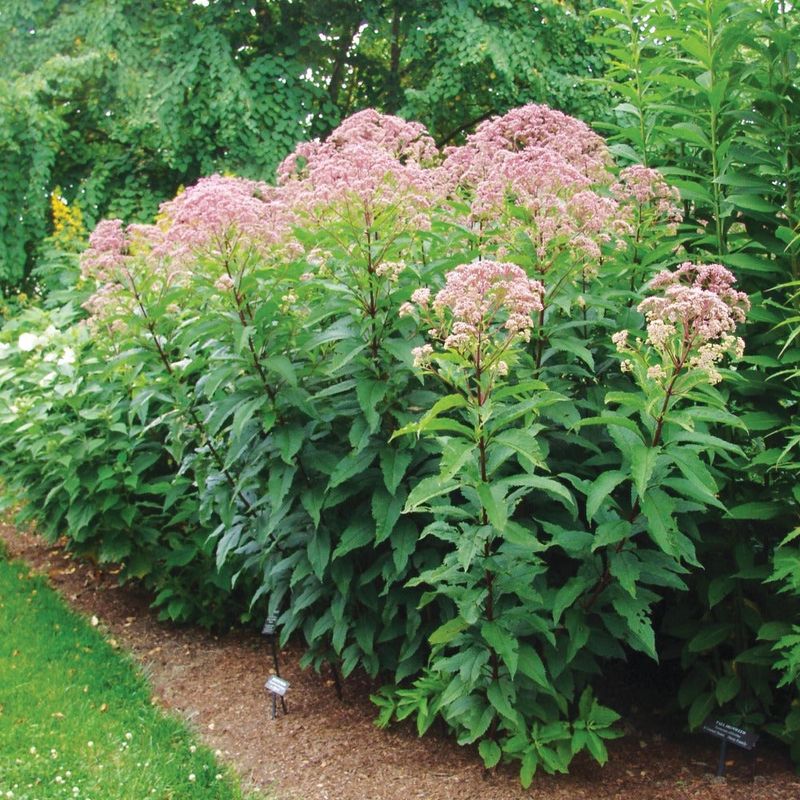
Back borders are where Joe-Pye Weed genuinely shines in an Ohio landscape. Placed at the rear of a mixed native planting bed, it provides a tall anchor that shorter natives like coneflowers, black-eyed Susans, and native grasses can be layered in front of.
This kind of tiered planting creates a full, naturalistic look that has real visual depth from early summer through fall.
Many Ohio homeowners who remove butterfly bush from their fence lines find that the space left behind is actually quite generous.
Butterfly bush can grow wide and sprawling, and the open spot it leaves is often well-suited for a clump or two of Joe-Pye Weed positioned at the back of a replanted bed.
The transition feels natural because both plants occupy a similar size range in the landscape.
Keeping Joe-Pye Weed at the back also means that its somewhat coarse lower foliage is hidden by shorter plants growing in front. The flower heads, which rise well above neighboring plants, become the focal point rather than the leaves.
For gardeners building a pollinator-friendly back border along a fence line, Joe-Pye Weed is one of the most rewarding tall natives available for that specific role.
7. Bees And Butterflies Visit The Flowers
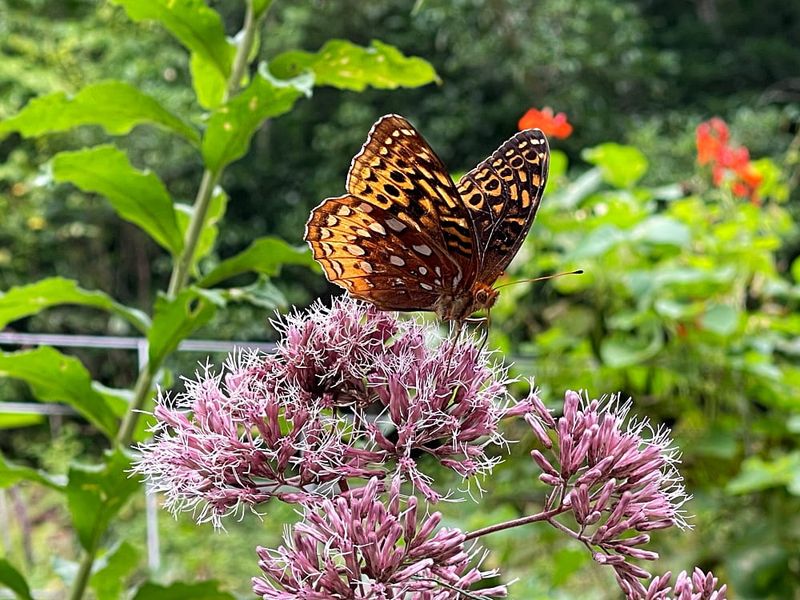
Walk past a blooming Joe-Pye Weed on a warm August afternoon in Ohio and you will almost certainly hear it before you see the insects.
The hum of native bees working through those wide, flat flower heads is one of the more satisfying sounds in a summer garden.
Native bumblebees, sweat bees, and long-tongued bees are among the most frequent visitors, and they return day after day throughout the bloom period.
Butterflies are equally drawn to the flowers. Tiger swallowtails, spicebush swallowtails, silver-spotted skippers, and of course monarchs have all been observed nectaring on Joe-Pye Weed in Ohio gardens.
The flat-topped flower clusters make landing easy for insects of many sizes, which partly explains why so many different species visit the plant.
What makes this especially meaningful for gardeners is that Joe-Pye Weed supports native insects beyond just providing nectar. Several specialist moth and butterfly caterpillars use native Eutrochium species as host plants.
That means planting Joe-Pye Weed along a fence line does more ecological work than simply feeding adult butterflies.
It helps support the full insect life cycle in a way that non-native plants, including butterfly bush, are generally not able to do in Ohio’s native ecosystems.
8. Seed Heads Add Late-Season Texture
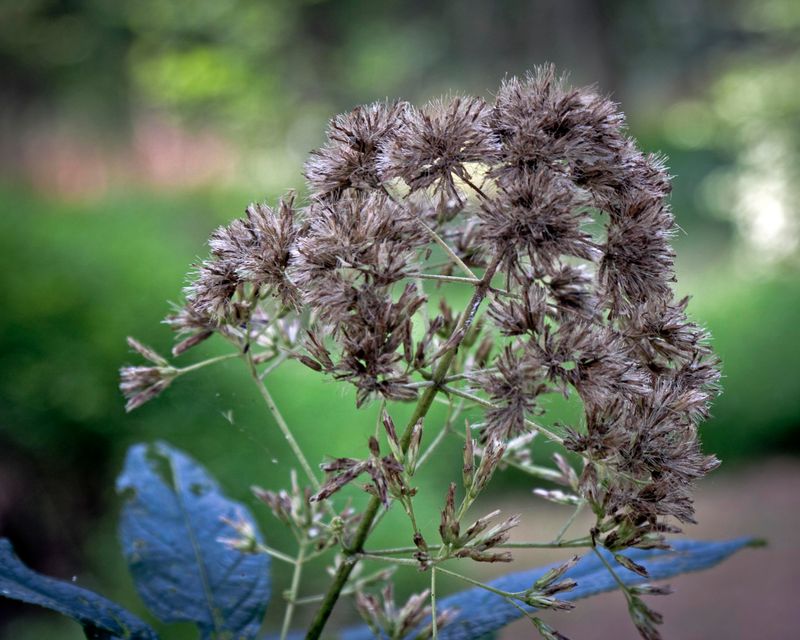
After the blooms fade in early fall, Joe-Pye Weed does not suddenly look spent or messy. The seed heads that follow have a feathery, silver-tan texture that catches the light and adds genuine visual interest to an Ohio fence line well into October and November.
Leaving the seed heads in place through winter is one of the easiest ways to extend the garden season without any extra effort.
Birds, including goldfinches and other seed-eating species, have been observed feeding on Joe-Pye Weed seed heads during fall and early winter in Ohio.
The dried stems also provide overwintering habitat for beneficial native insects that tuck into hollow or pithy plant stems.
Cutting everything down in fall removes that habitat, so many native plant gardeners in Ohio now leave stems standing until late winter or early spring.
From a design standpoint, the dried seed heads and upright stems of Joe-Pye Weed create a structural element along a fence line that looks intentional rather than neglected.
Paired with the dried seed heads of coneflowers or native grasses, a Joe-Pye Weed fence line planting can look quietly beautiful even in the gray months of an Ohio winter.
That kind of four-season value is something butterfly bush rarely offers once its blooms are finished.
9. Smaller Yards May Need Compact Choices
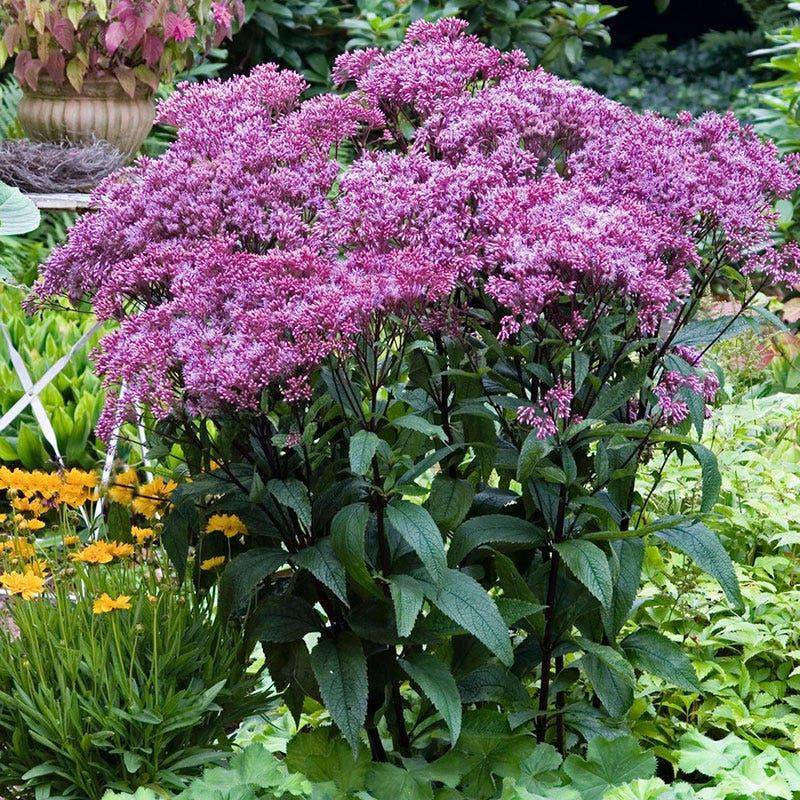
Not every Ohio yard has the space for a seven-foot-tall perennial along the fence line, and that is worth thinking through honestly before planting.
Standard Joe-Pye Weed varieties can become quite large, and in a narrow side yard or a small urban lot, that height and spread may feel overwhelming rather than beautiful.
The good news is that compact cultivars have been developed specifically for smaller garden spaces.
Little Joe is one well-known compact selection that typically tops out around four feet tall, making it more manageable for smaller Ohio yards while still delivering the pollinator-friendly blooms and native plant benefits of the species.
Baby Joe is an even more compact option, staying around two to three feet in height and width.
Both can work along a fence line in a smaller yard without taking over the space.
Gardeners with very limited fence-line space might also consider pairing a compact Joe-Pye Weed cultivar with other mid-sized Ohio natives like wild bergamot or ironweed to create a layered planting that does not rely on any single tall plant.
Checking the mature size of any cultivar before buying is a simple step that saves a lot of rearranging later.
Matching the plant to the actual space available is always the most practical starting point.