The Forgotten Texas Porch Plant That Makes Hornets Less Welcome Near Your Front Entry
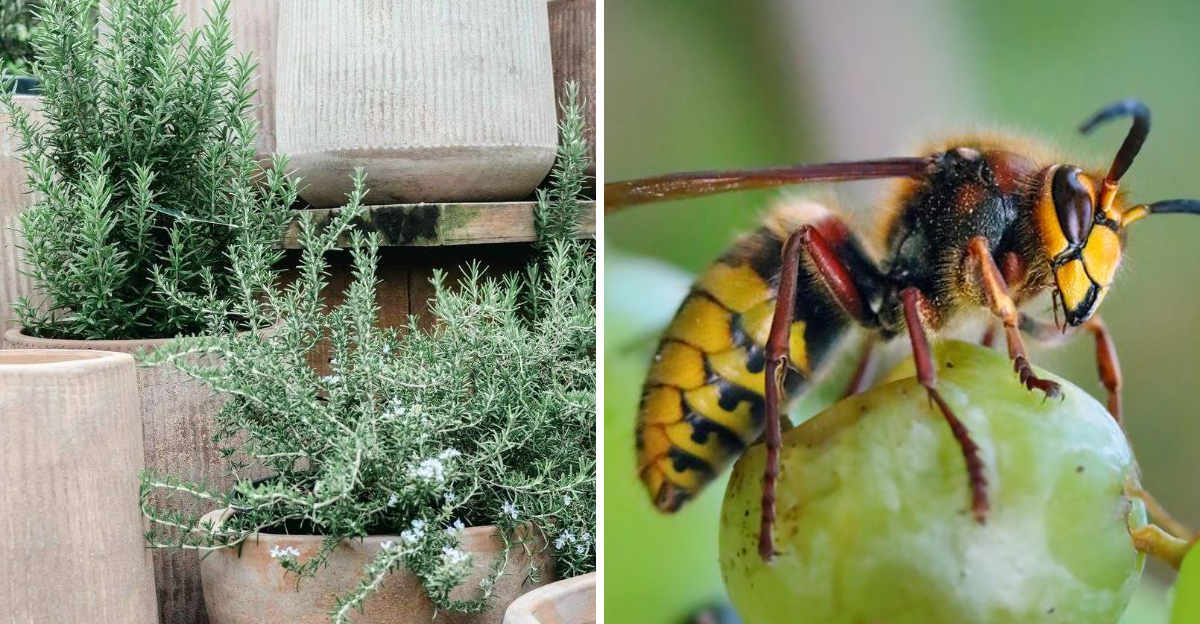
Hornets near your front entry have a way of making every trip in and out of your house feel a little tense. That nervous glance upward before reaching for the door handle, the careful scan of the eaves before stepping outside.
Most people deal with it through sprays and nest removal, which works temporarily but rarely keeps hornets away for the whole season. There’s a porch plant that takes a different approach entirely.
This forgotten Texas plant has a natural ability to make your front entry significantly less welcoming to hornets.
It produces compounds that hornets find genuinely off putting, discouraging them from building and returning to the area without any chemical intervention on your part.
It handles the Texas heat beautifully, looks great in a porch container, and has been used in Texas gardens for generations before falling out of fashion for no particularly good reason.
Here’s the porch plant worth bringing back if hornets have been making your front entry their territory.
Rosemary Makes Hornets Less Welcome

Somewhere between the trendy succulents and the classic potted ferns, rosemary got left behind. It used to be a staple on Southern porches, and honestly, it never should have gone out of style.
This evergreen herb has been growing in warm, sunny climates for thousands of years, and Texas might just be its favorite place to call home.
Rosemary is tough in a way that most plants simply are not. It handles blazing summer heat without flinching.
It stays green through dry spells that would wipe out more delicate herbs. And unlike a lot of porch plants that need constant babying, rosemary is perfectly happy being a little neglected.
The real reason to bring rosemary back to your porch goes beyond how it looks. Its strong, piney scent fills the air around your front entry in a way that is pleasant to most people but uncomfortable to certain insects.
Hornets, wasps, and yellowjackets tend to prefer calmer, less fragrant spots for nesting and foraging.
Placing rosemary near your front door creates a naturally aromatic zone that may make your entry feel less welcoming to those buzzing visitors. It is not a magic fix, but it is a smart, beautiful, and useful layer of protection. You also get fresh herbs for cooking whenever you need them.
Rosemary grows into a full, bushy shape that looks polished in a large pot or planter. It can even be trimmed into a tidy shape if you want a more formal look. For Texas porches, this plant is truly a forgotten gem worth rediscovering.
Why Rosemary Belongs Near A Texas Front Door

Texas summers are no joke. The heat alone is enough to finish off most tender herbs within a week or two.
That is exactly why rosemary fits the Texas porch lifestyle better than almost any other plant you could choose. It was practically made for this climate.
Native to the Mediterranean region, rosemary evolved in hot, dry, sun-soaked environments. Texas summers feel a lot like home to this plant. It does not need rich soil. It does not need shade.
Your Texas Garden Changes Every Week. Your Plan Should Too.
Gardening in Texas changes quickly throughout the season. Every Friday you’ll receive a simple weekly plan showing exactly what to plant, prune, fertilize, harvest, and protect so you never miss the right timing.
It does not need daily watering. Give it a sunny spot and a pot with good drainage, and it will reward you season after season.
Beyond surviving the heat, rosemary actually thrives in it. The warm temperatures help release its natural oils, which are what give the plant its signature piney, resinous fragrance.
More warmth often means a stronger scent, which is a bonus when you are counting on that aroma to make insects less comfortable near your door.
Rosemary also pulls double duty as a decorative plant. Its silvery-green needle-like leaves look elegant in a large terracotta pot or a dark-colored planter near the front steps.
When it blooms in late winter or early spring, small purple or blue flowers add a charming pop of color to your entry.
And of course, there is the kitchen benefit. Snipping a few sprigs for roasted chicken, homemade bread, or seasoned potatoes takes only seconds when the plant is right outside your door.
Rosemary is not just a porch decoration. It is a practical, hardworking plant that earns its spot every single day.
How Rosemary’s Strong Scent May Help Deter Hornets
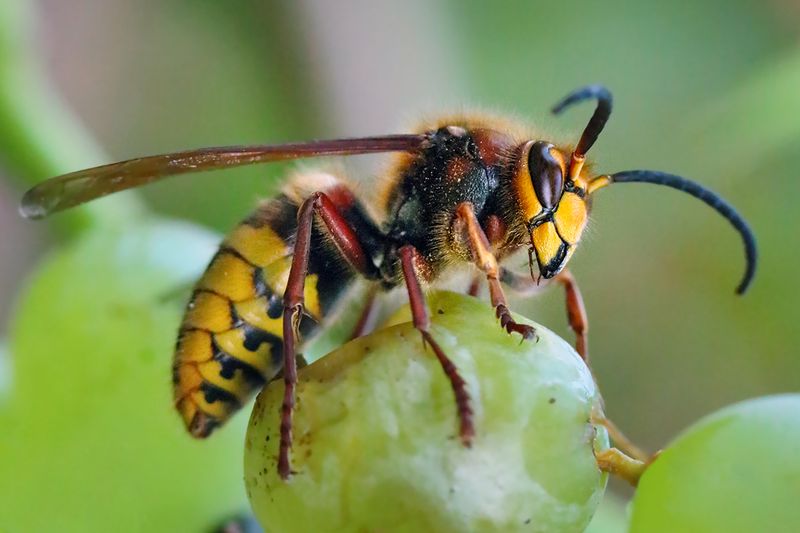
Hornets are picky about where they spend their time. They are drawn to areas that feel calm, unscented, and undisturbed.
Strong plant aromas, especially ones with resinous or camphor-like notes, can make a space feel less appealing to them. That is where rosemary steps in.
The fragrant oils in rosemary, particularly compounds like camphor, borneol, and cineole, create a scent profile that many flying insects find unpleasant.
Researchers and gardeners alike have noted that rosemary and similar aromatic herbs tend to see fewer insect visitors than unscented plants nearby.
While rosemary will not completely eliminate hornets from your yard, it can help make your front entry a less attractive target. Think of it this way. Hornets are looking for easy, comfortable spots.
A porch that smells strongly of rosemary is simply less inviting than a porch that smells like nothing at all. You are not chasing them away with force. You are just making your space feel like a less desirable address.
It is worth keeping expectations realistic here. Rosemary works best as a discouraging presence, not as a guaranteed barrier.
If there is a food source, a water source, or an existing nest nearby, rosemary alone will not solve the problem. But as part of a thoughtful porch strategy, it adds a sensory layer that many homeowners find genuinely helpful.
Brushing the leaves gently as you walk by or enter your home releases a fresh burst of fragrance into the air around the doorway.
That small action can go a long way toward keeping your entry smelling fresh while quietly making it less welcoming to unwanted flying guests throughout the season.
The Best Way To Grow Rosemary In Porch Pots
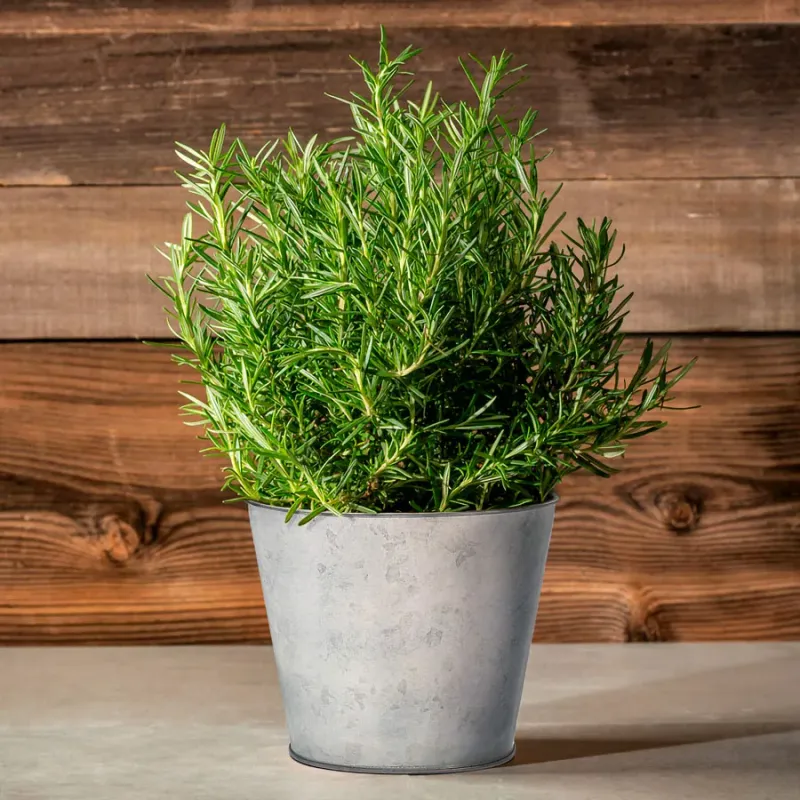
Growing rosemary in a container is one of the easiest gardening wins you can have on a Texas porch. The key is getting a few basics right from the start.
Once the plant is set up properly, it practically takes care of itself through even the hottest months of the year.
Start with the right pot. Choose a container that is at least 12 inches wide and has drainage holes at the bottom.
Rosemary absolutely cannot sit in soggy soil. Waterlogged roots will cause the plant to weaken and eventually fail, so drainage is non-negotiable.
Terracotta pots are a popular choice because they allow moisture to evaporate through the sides, which keeps the roots from staying too wet.
Use a well-draining potting mix. You can buy a cactus and succulent blend from any garden center, or mix regular potting soil with coarse sand or perlite.
The goal is soil that drains quickly and does not hold moisture for long periods. Rosemary prefers slightly lean, sandy conditions over rich, heavy soil. Watering is where most people go wrong. Less is more with rosemary.
Water it thoroughly, then let the top inch or two of soil dry out completely before watering again. In Texas summers, that might mean watering every few days. In cooler months, once a week or less may be plenty.
Place the pot where it will receive at least six to eight hours of direct sunlight each day. A south-facing porch or a sunny front step is ideal.
With the right pot, soil, and sun exposure, your rosemary will grow into a full, fragrant, and long-lasting porch companion that looks great all year long.
Where To Place Rosemary For The Most Porch Protection
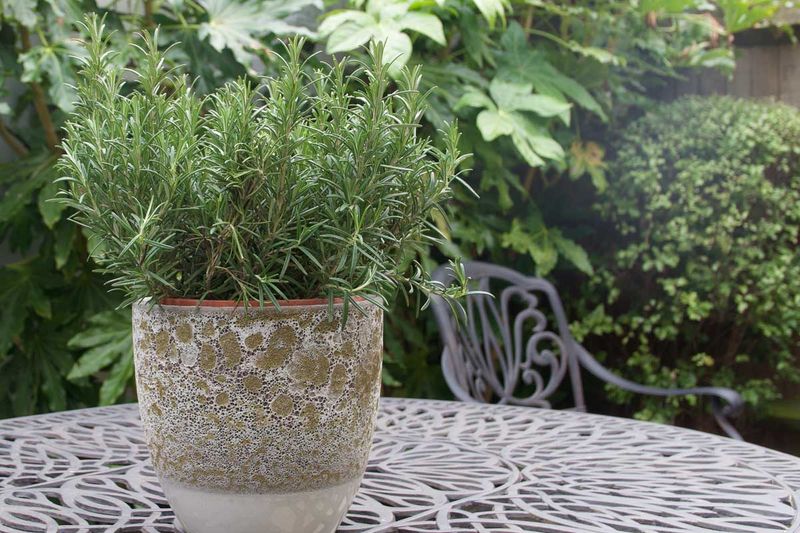
Placement matters more than most people realize when using rosemary as a natural hornet deterrent.
You can have the healthiest, most fragrant rosemary plant in the neighborhood, but if it is sitting in a corner where nobody walks near it, the scent will not do much good around your entry.
The best spots are the ones where people naturally pass by and interact with the plant. Think about placing one pot on each side of your front door, right where you step through every time you come and go.
Every time you brush past the leaves, you release a fresh wave of that piney, resinous scent into the air around the entry. That steady scent presence is exactly what you want near the doorway.
Porch steps are another smart location. Set a pot on the top step or beside the bottom step where guests and family members will naturally walk close to the plant.
Railings and entry corners work well too. Any spot where foot traffic is regular will help the plant do its job more effectively throughout the day.
Try to avoid placing rosemary in low-light corners or spots that are heavily shaded by overhangs. Rosemary needs sun to stay healthy and to produce the strong oils that give it its scent.
A struggling, leggy plant in the shade will not offer much in the way of fragrance or visual appeal.
If you have a wider porch, using two or three pots creates a more continuous scent zone across the entry.
Spacing them along the railing or staircase turns your whole front approach into a fragrant, hornet-discouraging passage that also looks polished and well-kept from the street.
Rosemary Works Best With Smart Hornet Prevention
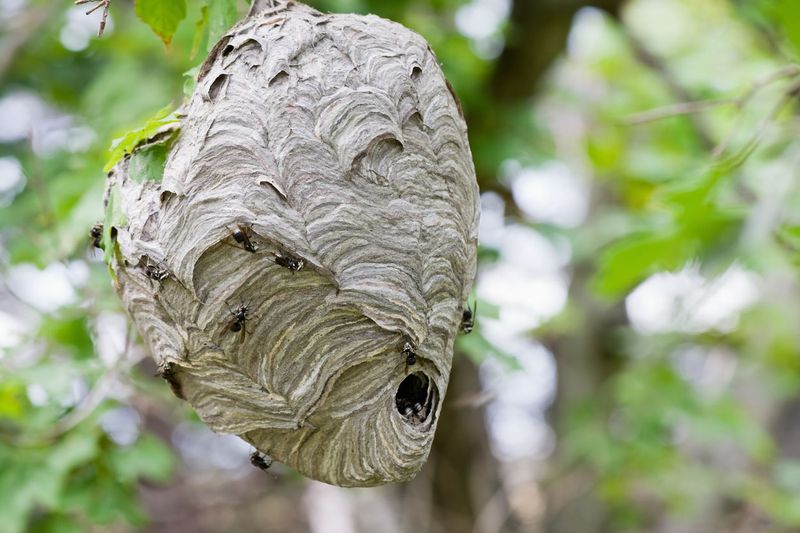
Rosemary is a wonderful tool, but no single plant can carry the full load of keeping hornets away from your porch.
Pairing it with a few smart habits makes a much bigger difference than relying on the herb alone. Think of rosemary as one important piece of a larger prevention plan.
Start by removing anything that attracts hornets in the first place. Sugary drinks, uncovered food, fallen fruit, and open trash cans are huge draws for hornets and yellowjackets.
If you enjoy eating or entertaining on the porch, keep food covered and clean up spills quickly. Empty and rinse any cups or bottles before tossing them in the recycling bin near the entry.
Check your porch eaves, ceiling corners, and any gaps around light fixtures at least once a month during spring and summer. Hornets build nests fast.
A nest that is the size of a golf ball one week can grow significantly within just a few weeks. Catching a new nest early, before it becomes established, is much easier and safer to handle than waiting until it is large and active.
Seal any cracks or gaps in your porch ceiling, eaves, or siding where hornets might try to start a nest. Caulking those small openings removes potential nesting sites before they become a problem.
Good porch maintenance goes a long way toward making your entry less attractive to nesting insects overall.
For any large, active nest near your front door, always contact a licensed pest control professional. A well-placed rosemary plant, a clean porch, and regular inspections work together to create a front entry that is naturally less inviting to hornets all season long.