The One Thing You Must Do To Texas Hostas Right Now Before August Heat Arrives
Hostas in Texas are already working harder than hostas anywhere else. The heat, the humidity, and the intensity of a Texas summer push these shade loving plants right to the edge of their comfort zone.
They’re tough enough to handle it, but only when they’re properly set up to do so. And right now, before August arrives and the conditions get even more demanding, there is one thing your Texas hostas genuinely need you to do.
Skip it and you may spend the rest of the summer watching plants that should be thriving slowly decline instead. The gardeners who take care of this now come out the other side of August with lush, healthy hostas that hold their look all the way through fall.
The ones who wait too long often find their plants struggling in ways that are hard to reverse once the real heat sets in. It takes very little time. The difference it makes is significant. Here’s exactly what to do right now.
Mulch Texas Hostas Now Before August Heat Arrives
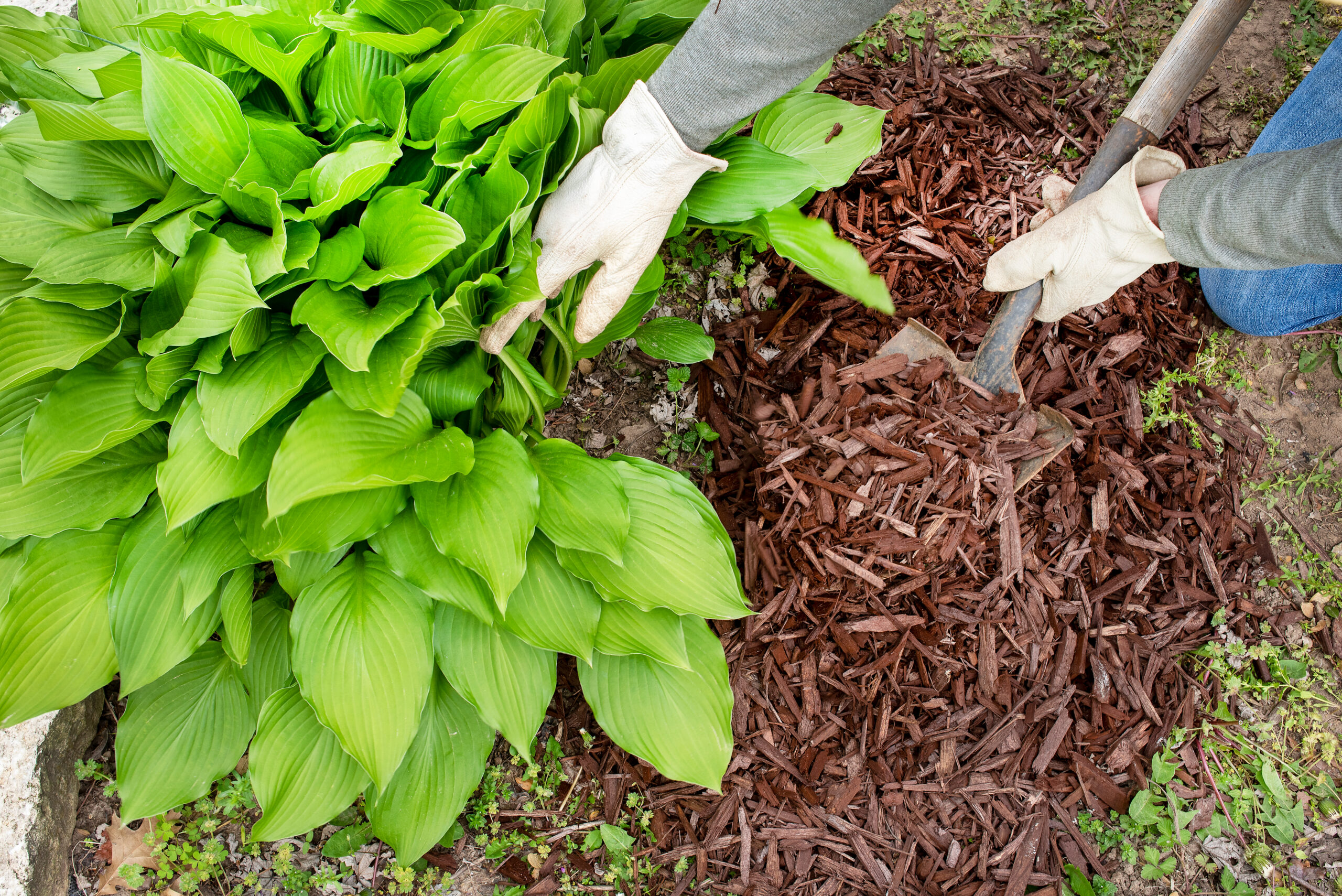
Every Texas gardener with hostas in the yard should mark this task at the top of the summer to-do list. Right now, before August turns the heat up full blast, is the perfect time to deep-water your hostas and put down a fresh layer of mulch.
Waiting until the heat is already intense makes the job harder and leaves your plants more vulnerable.
Hostas have shallow roots that sit close to the surface of the soil. That means they feel every temperature spike and every stretch of dry weather more quickly than deeper-rooted plants.
When the soil gets hot and dry, those roots can struggle to pull up enough water to keep the leaves looking good.
Mulch creates a protective layer between the blazing sun and those sensitive roots. It slows down moisture loss from the soil and helps keep the ground temperature more stable throughout the day.
Even a basic layer of mulch can make a big difference in how your hostas handle the summer months.
Start by giving your hosta beds a long, deep watering before you lay down any mulch. You want the soil to be thoroughly moist before you cover it up.
Spreading mulch over dry soil just traps the dryness in and does not help the plant much at all.
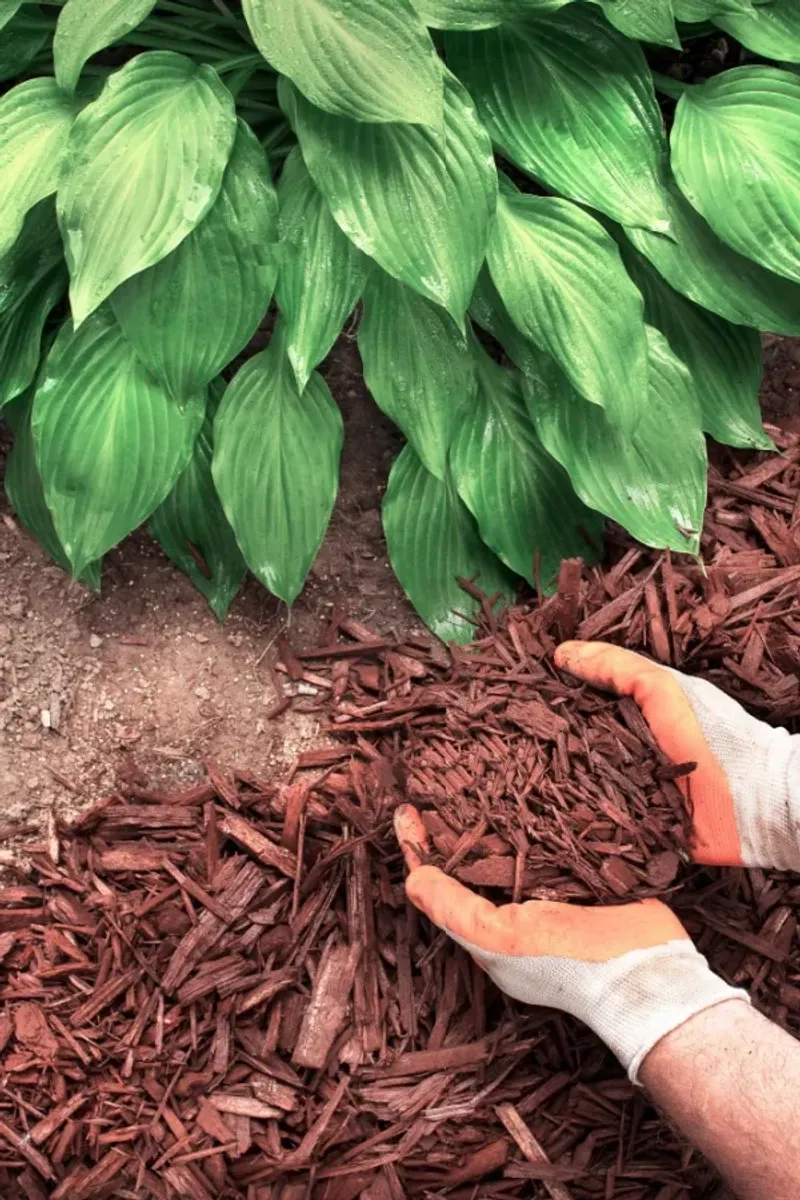
Once the soil is wet and happy, spread your chosen mulch about two to three inches thick around the plants. Keep it pulled slightly away from the crown of each hosta.
Doing this one task right now sets your plants up for a much better chance of making it through the brutal Texas summer ahead.
Why August Heat Is So Hard On Texas Hostas
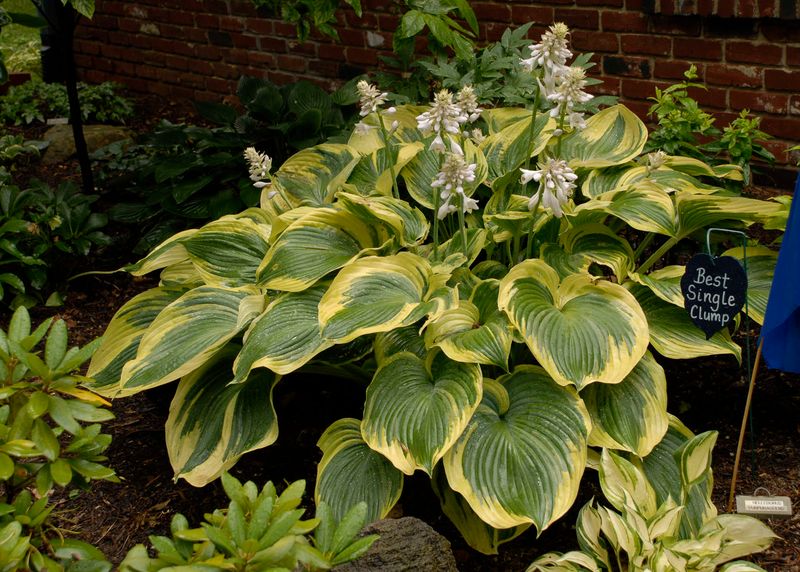
Hostas were not exactly designed with Texas summers in mind. These plants originally come from cool, shaded woodland areas in Asia, where temperatures stay mild and moisture is steady.
When you plant them in Texas, you are asking them to grow somewhere that is basically the opposite of where they feel most at home.
Your Texas Garden Changes Every Week. Your Plan Should Too.
Gardening in Texas changes quickly throughout the season. Every Friday you’ll receive a simple weekly plan showing exactly what to plant, prune, fertilize, harvest, and protect so you never miss the right timing.
August is usually the most brutal month in a Texas summer. Daytime temperatures can push well past 100 degrees Fahrenheit, and the nights barely cool down enough to give plants a break.
That kind of relentless heat puts enormous stress on hostas, especially when the soil dries out between waterings.
One of the first signs of heat stress is wilting. The leaves start to droop even when the soil is not completely dry.
That is the plant trying to reduce the amount of surface area losing water to the hot air around it.
Browning leaf edges are another common sign. The outer edges of the leaves start to turn crispy and tan, almost like they got too close to a flame.
Scorched patches can also appear in the middle of leaves, especially on plants that get any direct afternoon sun.
The soil around the crown can also become bone dry very fast in August. Even if you water regularly, the combination of high temperatures, low humidity, and intense sun can pull moisture out of the ground faster than you expect.
Knowing these warning signs helps you catch problems early and act before the damage gets too bad. Mulching now is the smartest way to stay ahead of all of it.
How Mulch Helps Hostas Survive Hot Weather
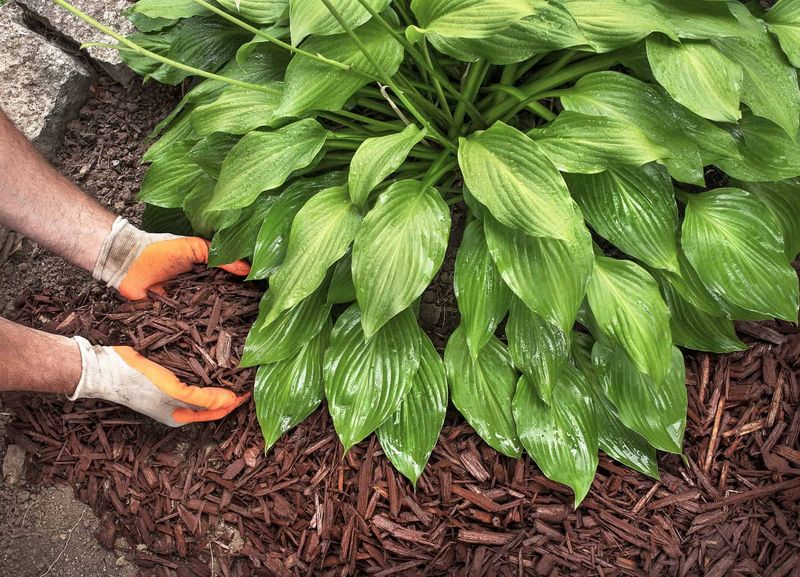
Think of mulch as a sunscreen for your garden soil. Just like sunscreen keeps your skin from absorbing too much heat, mulch keeps the soil from heating up to extreme temperatures during the hottest part of the day.
For hostas with shallow roots, that protection is genuinely valuable. Bare soil in a Texas summer can get shockingly hot. Studies have shown that uncovered soil in direct sun can reach temperatures hot enough to stress or harm plant roots.
A layer of organic mulch can lower soil temperature by as much as ten degrees or more, which gives those hosta roots a much more comfortable environment to work in.
Mulch also slows down evaporation. When the sun beats down on bare soil, moisture escapes into the air quickly.
A mulch layer acts as a barrier that traps that moisture in the ground longer, reducing how often you need to water and keeping the root zone consistently moist.
Wind is another factor that dries out soil fast, and Texas is no stranger to hot, dry winds in the summer. Mulch helps buffer the soil against that drying effect too, making it work overtime in your favor during windy stretches.
Beyond just temperature and moisture, mulch also breaks down slowly over time and adds organic matter to the soil. That improves soil structure, encourages earthworm activity, and helps the ground hold water even better in future seasons.
So the benefits of mulching are not just for this summer. Every layer you put down now is also an investment in healthier, more resilient hosta beds for years to come.
The Right Way To Mulch Hostas In Texas
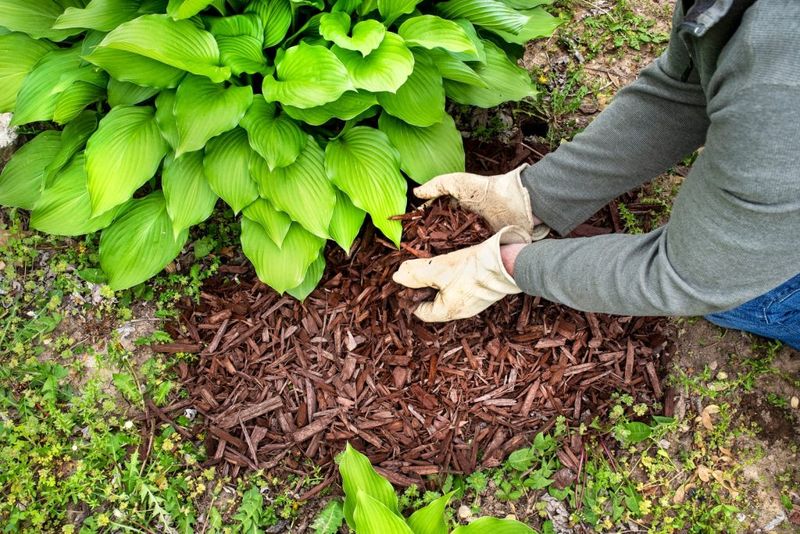
Mulching sounds simple, and honestly it is, but doing it the right way makes a noticeable difference. A few small mistakes can actually cause more problems than they solve, so it helps to know the right steps before you get started.
The first and most important step is to water your hosta beds deeply before you apply any mulch. Use a garden hose or soaker hose and let the water soak in slowly so it reaches several inches down into the soil.
You want those roots to start out in moist ground, not dry ground covered by mulch. Once the soil is well watered, spread your mulch in a layer about two to three inches thick across the entire bed.
Thinner than two inches and you lose a lot of the insulating and moisture-holding benefits. Thicker than three inches and you risk creating a soggy, airless environment that can cause problems at the root level.
One rule that many gardeners overlook is keeping the mulch pulled slightly away from the crown of each hosta. The crown is the central growing point where the leaves emerge from the soil.
Piling mulch right up against it traps moisture against tender tissue and can lead to crown rot, which is a serious problem that weakens the whole plant.
Leave a small gap of about an inch or two around each crown so air can circulate freely. After spreading the mulch, give the bed another light watering to help settle everything in place.
Done right, this simple task takes less than an hour and gives your hostas a major advantage heading into the toughest weeks of the Texas summer.
Best Mulch Options For Hosta Beds
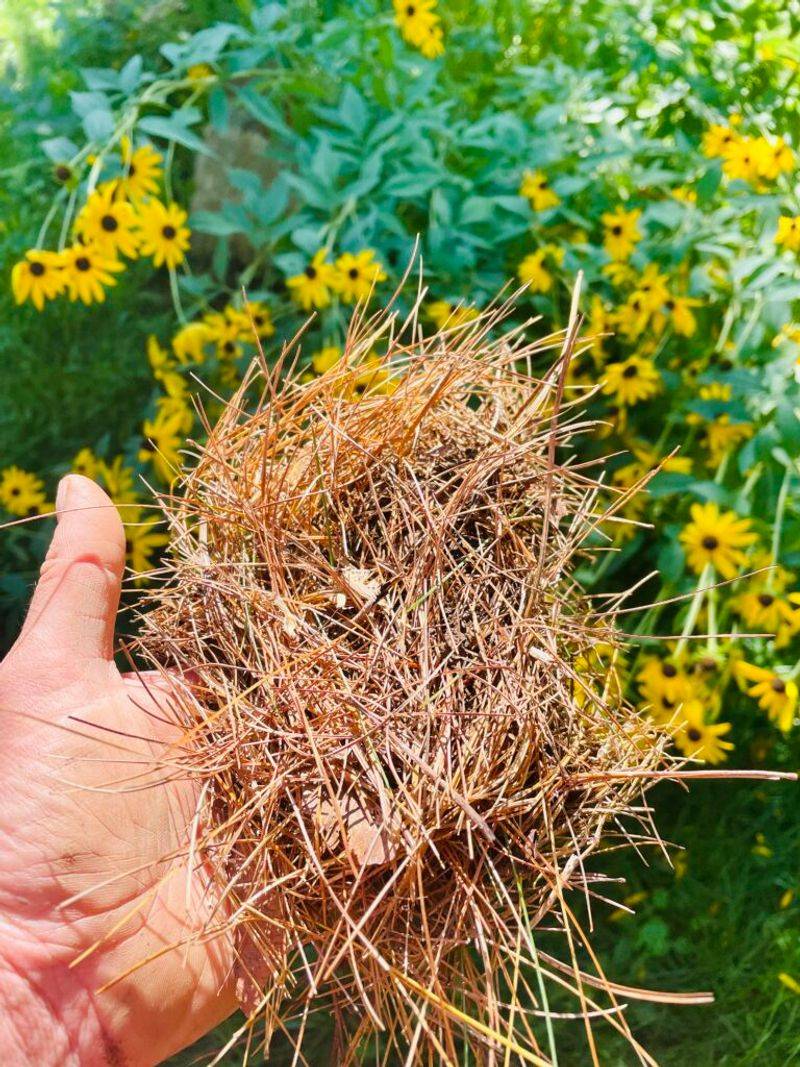
Not all mulch is created equal, and when it comes to hostas in a hot Texas climate, choosing the right type can make your efforts even more effective. Luckily, you have several solid options that work well and are easy to find at most garden centers.
Pine straw is a favorite among many Southern gardeners. It is lightweight, breathable, and breaks down slowly, which means it keeps doing its job for a long time before needing to be refreshed. It also has a natural, attractive look that suits shaded garden beds really well.
Shredded leaves are another excellent choice, especially if you have oak, maple, or pecan trees nearby. Running dry leaves through a shredder or lawn mower creates a fine, fluffy mulch that settles nicely over hosta beds without compacting too much.
It is also completely free, which is always a bonus. Fine hardwood mulch and composted bark are both widely available and work well around hostas. They break down into the soil over time and improve its quality as they decompose.
Just make sure the bark is not too chunky or coarse, since very large pieces do not provide as much coverage at the root level.
Avoid using plastic sheeting, rocks, or rubber mulch around hostas. These materials trap heat rather than reflect it and can make the soil temperature problem worse instead of better.
Heavy, dense mulch that stays soaking wet for days is also not ideal since it can encourage fungal issues near the crown. Lighter, breathable organic options give you the best results for keeping Texas hostas cool and healthy all summer long.
What Else To Do After Mulching
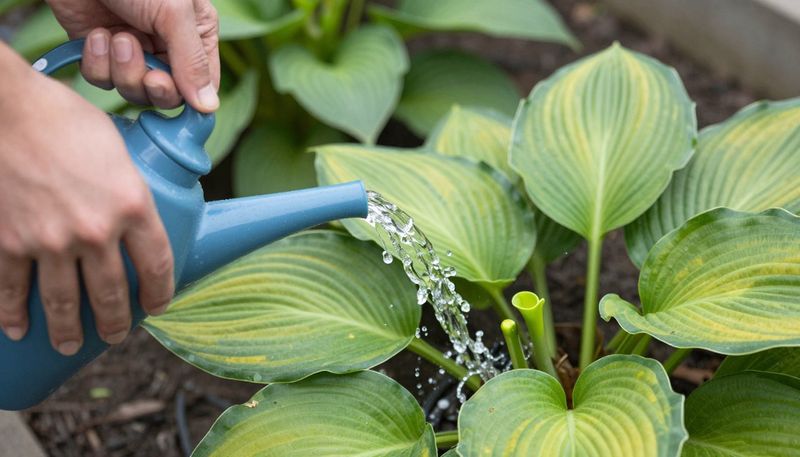
Mulching is the most important step you can take right now, but it works best when paired with a few other smart habits throughout the summer.
Think of it as building a complete care routine that keeps your hostas as comfortable as possible during the hottest weeks ahead.
Shade is your hosta’s best friend in Texas. If your plants are getting afternoon sun, consider adding a shade cloth or repositioning a nearby container plant to block some of that harsh light.
Morning sun is generally fine, but direct afternoon sun in July and August is tough on hostas even with great mulch in place.
Keep watering consistently, especially during heat waves. Deep, infrequent watering is better than shallow, daily sprinkles.
Aim to water slowly and thoroughly about two to three times per week during extreme heat, adjusting based on rainfall and how quickly your soil dries out.
If you notice leaves that are badly scorched or damaged beyond recovery, go ahead and trim them off.
Removing those leaves helps the plant put its energy into healthy growth rather than trying to support foliage that is already past saving. Use clean scissors or pruning shears to make neat cuts close to the base of the leaf stem.
Watch the mulched bed carefully for slugs and snails, which love moist, shaded environments. A little diatomaceous earth sprinkled around the edges of the bed can help deter them without harming the plants.
Remember, mulch is a powerful tool, but it cannot fully protect hostas that are planted in spots with harsh, unrelenting afternoon sun. Placement matters just as much as care.