This Forgotten Texas Porch Plant Makes Summer Gnats Regret Showing Up
Texas summer evenings are supposed to be relaxing, but a cloud of gnats hovering around your porch pots can ruin the whole mood fast.
Many folks reach for a spray can, but there is an old-fashioned porch plant that Texans used to keep around without even thinking twice about it.
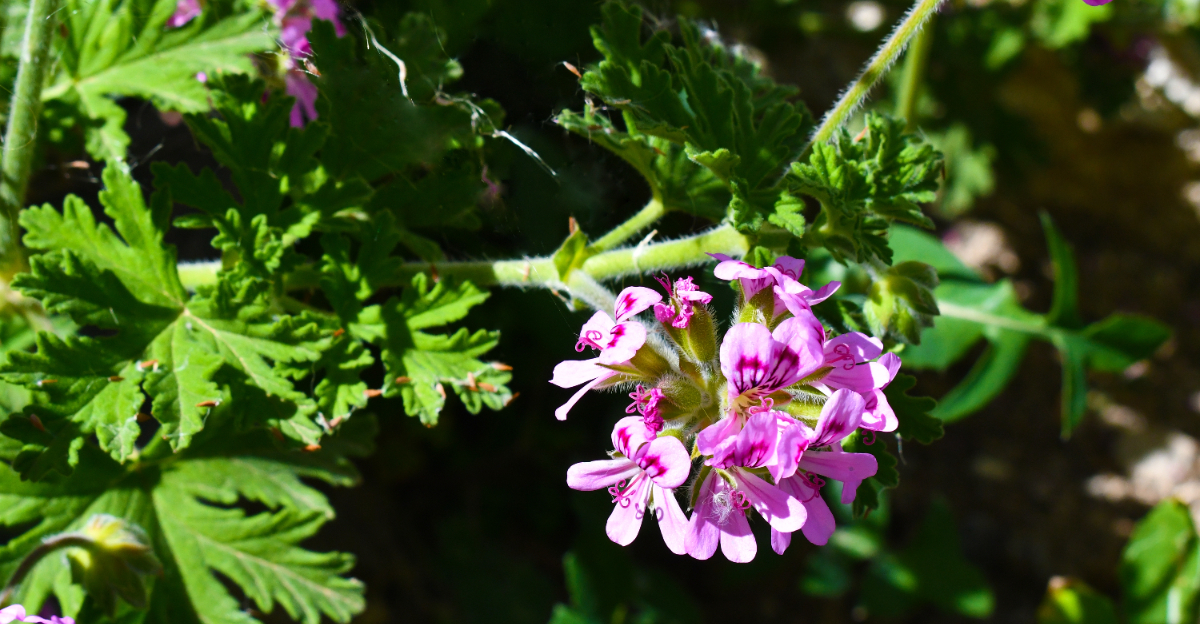
Scented geranium has been quietly sitting on grandmother’s porch steps for generations, smelling like roses, lemons, or mint depending on the variety you pick.
Somewhere along the way, flashier plants took over the garden center shelves and scented geranium got pushed to the back corner.
That was a mistake worth correcting.
The real secret here is that gnats are not drawn to your porch because of the plants themselves.
They are drawn to the wet, rich, organic potting mix sitting in those pots baking in the Texas heat. Understanding that connection changes everything about how you set up your porch for summer.
Scented geranium brings the charm and a little natural fragrance to the space, while good drainage, dry-down periods, and clean pot habits do the heavy lifting.
Here are eight reasons why this combination works so well on a Texas porch.
Scented Geranium Gets The Spotlight
Not every plant gets the recognition it deserves, and scented geranium is probably the best example of that on a Texas porch.
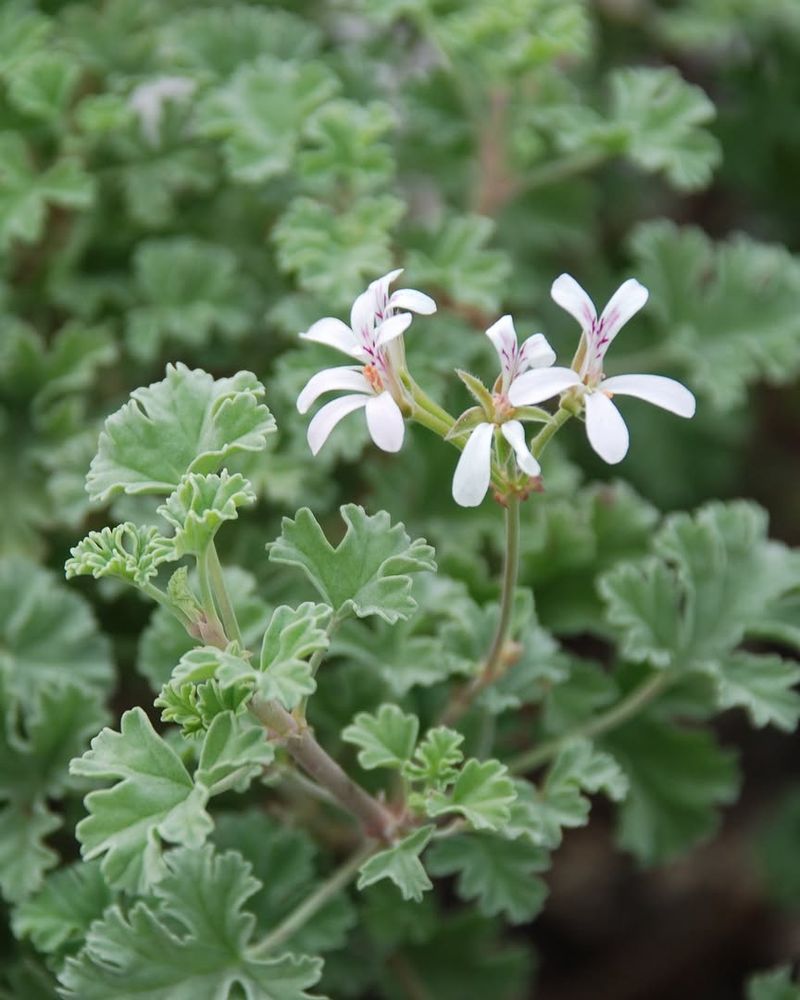
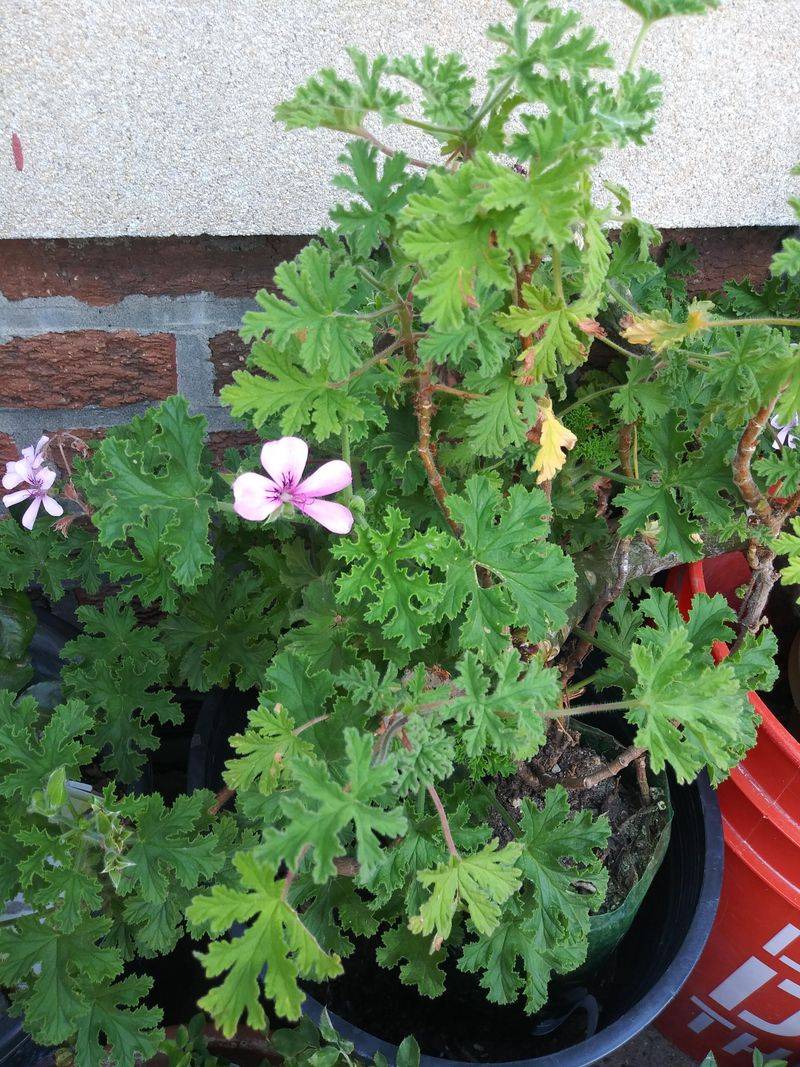
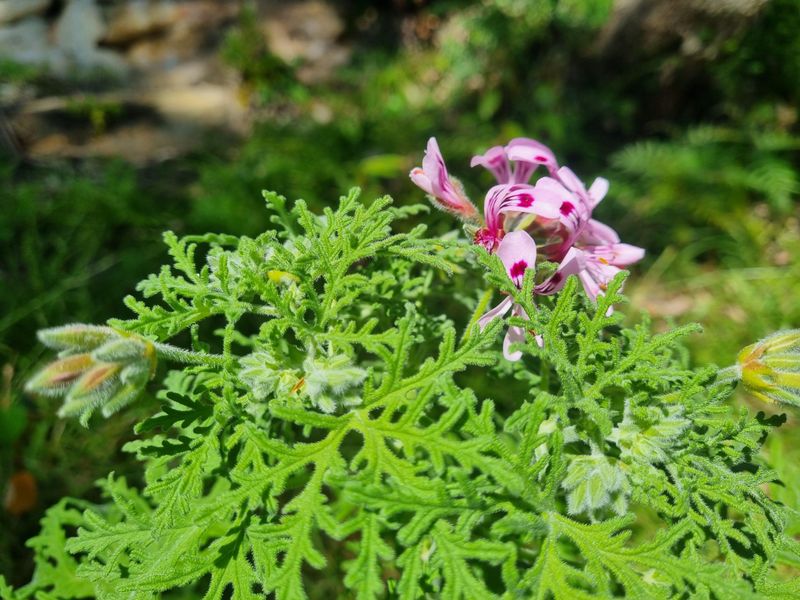
This is not your average grocery store geranium with the big red blooms. Scented geranium, botanically known as Pelargonium, is a different plant entirely, grown mostly for its fragrant leaves rather than its flowers.
The leaves can smell like roses, lemons, peppermint, nutmeg, or even coconut depending on the variety.
Texans grew these plants on front porches for decades, mainly because they smelled wonderful and survived the brutal summer heat without much fuss.
It thrives in containers, tolerates dry spells once established, and asks for very little in return for all that fragrance.
That dry-tolerant nature is actually one of the biggest reasons it fits so well into a gnat-reduction strategy. Fungus gnats love wet soil, and scented geranium does not need to be kept soaking wet to stay happy.
For Texas porches where summer temperatures push past 95 degrees regularly, that is a huge advantage.
The plant handles heat, handles some drought, and handles neglect better than most. Bringing it back into rotation is less about chasing a trend and more about rediscovering something practical that actually works in this climate.
Fragrant Leaves Work Best When Brushed
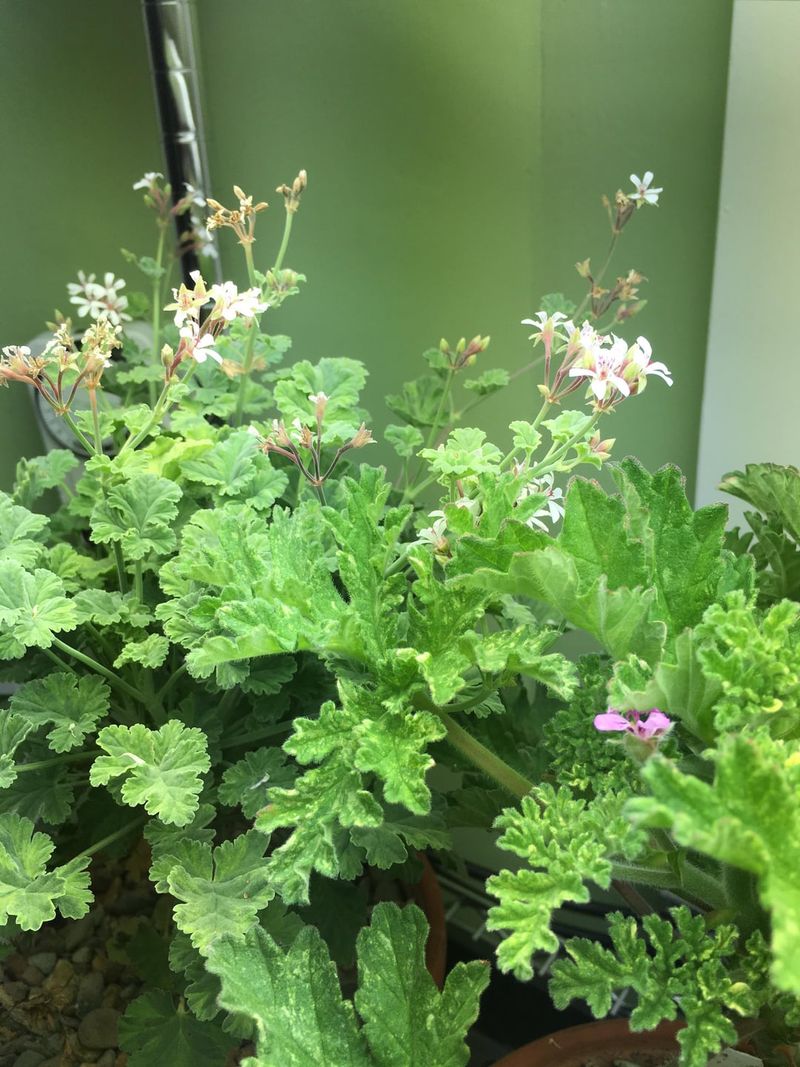
Here is something a lot of people miss about scented geranium: the fragrance does not just float out on its own.
The scent is stored in tiny glands on the surface of the leaves, and it gets released when something brushes against them. That could be your hand, your leg walking past, or even a breeze moving through the foliage.
Placement matters a lot because of this.
Setting a pot right beside the porch steps or next to a seating area means the leaves get bumped and brushed throughout the evening. Every little contact sends a fresh wave of fragrance into the air around you.
Your Texas Garden Changes Every Week. Your Plan Should Too.
Gardening in Texas changes quickly throughout the season. Every Friday you’ll receive a simple weekly plan showing exactly what to plant, prune, fertilize, harvest, and protect so you never miss the right timing.
Some research suggests that strong plant-based aromas can make a space less appealing to small flying insects.
Gnats navigate by smell, and a porch that smells strongly of lemon or rose is harder for them to zero in on. Think of it less like a forcefield and more like an unpleasant environment for pests that prefer neutral-smelling, moist spots.
Choosing a lemon-scented variety like Pelargonium crispum or a rose-scented one like Pelargonium graveolens gives you the strongest fragrance output.
Brush the leaves every time you walk past and let the plant do its subtle, aromatic work right where you need it most.
Dry Potting Mix Does The Real Heavy Lifting
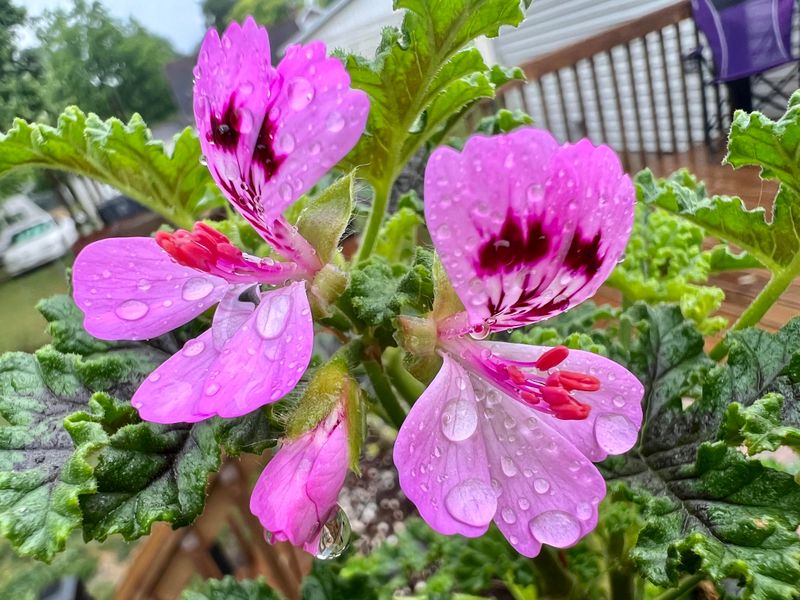
Pull up any resource from Texas A&M AgriLife Extension on fungus gnats and you will find the same answer every time: wet potting mix is the main problem.
Fungus gnat females lay their eggs in moist organic soil, and the larvae feed on the fungi and organic matter that thrive in soggy conditions. Without that wet environment, the whole cycle falls apart.
The most effective thing you can do for a gnat problem on your porch is let your pots dry out between waterings.
That sounds simple, but it goes against the instinct of most gardeners who worry about their plants struggling in the Texas heat. The key is learning which plants can handle a dry-down period and which ones genuinely need consistent moisture.
Scented geranium is one of the best porch plants for this strategy because it actually prefers to dry out a bit between waterings.
Overwatering scented geranium causes more problems than underwatering does. So you get a plant that looks and smells great while also naturally discouraging the moist conditions gnats need to reproduce.
Texas A&M AgriLife Extension recommends allowing the top inch or two of potting mix to dry completely before watering again as a primary fungus gnat management step.
Sticking your finger about an inch into the soil is the most reliable way to check. If it still feels damp, wait another day.
That one habit change can dramatically reduce gnat activity around your porch pots within a couple of weeks.
Good Drainage Makes Gnats Less Comfortable
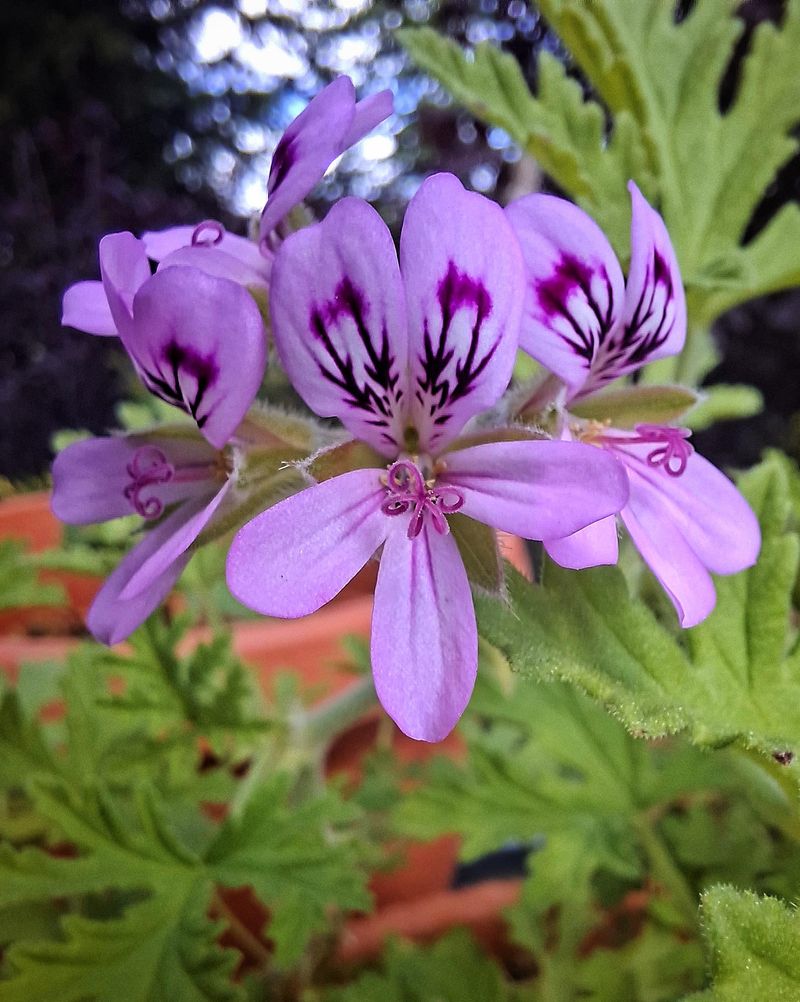
Standing water inside a pot is one of the fastest ways to create a gnat-friendly environment, and it usually happens because the drainage situation is not doing its job.
Every container on your porch needs drainage holes at the bottom, full stop. Without them, water collects at the base of the pot and keeps the lower portion of the soil wet for days at a time.
That soggy bottom layer is exactly where fungus gnat larvae feel most at home.
Even if the top of your soil looks dry, the bottom could be holding enough moisture to support a whole new generation of gnats. Pots without holes basically become little gnat nurseries sitting right on your porch.
Beyond having holes, the potting mix itself needs to be loose and well-draining.
Heavy mixes that compact over time hold water longer than they should. Adding perlite to your potting mix improves drainage significantly and helps air move through the soil so it dries more evenly from top to bottom.
For scented geranium specifically, a mix of quality potting soil and about 25 percent perlite works really well.
The plant gets the drainage it prefers, and the soil dries out at a pace that is genuinely unfriendly to gnat larvae.
Checking that your pots have working drainage holes before the summer heat hits is one of the easiest and most overlooked steps in porch plant care.
Saucer Water Turns Into A Welcome Mat
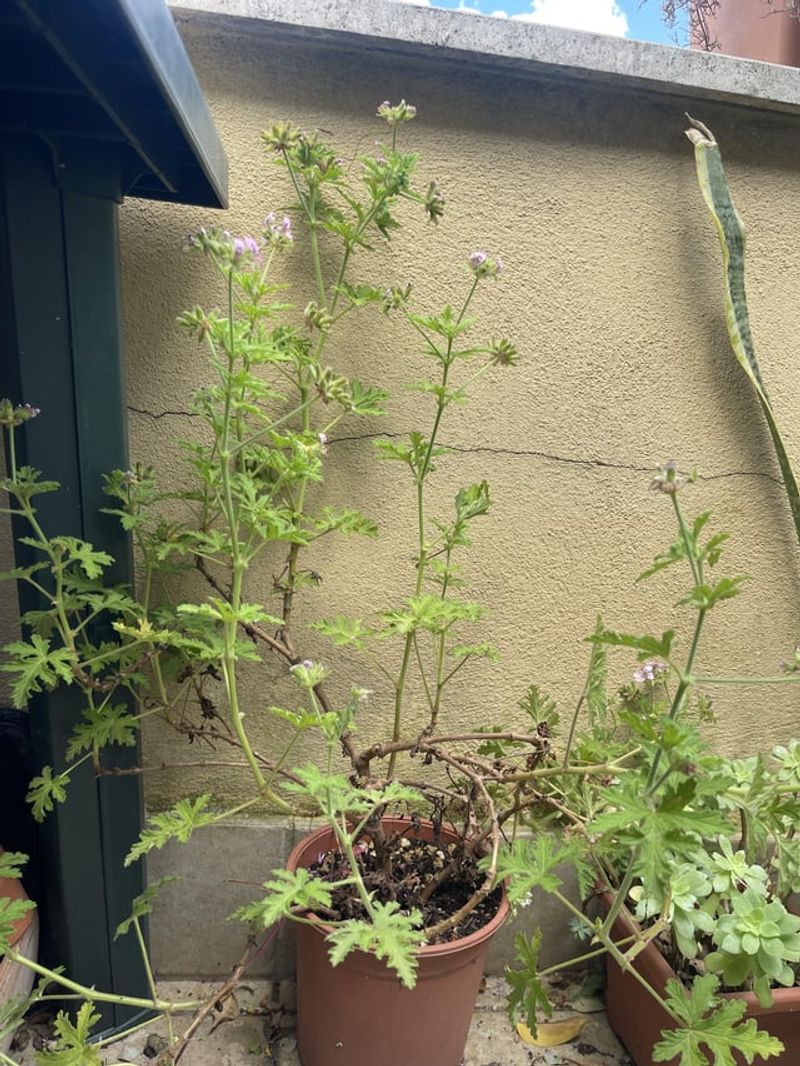
A lot of porch gardeners do everything right with their pots and then accidentally undo all of it with one small habit: leaving water sitting in the saucer.
That shallow tray under your pot seems harmless, but it can keep the bottom of your soil wet long after you think the watering is done. Gnats do not need much. A consistently damp saucer is plenty of invitation.
Fungus gnats are attracted to moisture and decomposing organic material, and a saucer full of water mixed with a little soil runoff is practically a welcome sign.
The larvae can even develop in the water itself if there is enough organic debris mixed in. What starts as a convenience to protect your porch floor becomes a breeding spot you did not know you were maintaining.
After watering your pots, check the saucers about 30 minutes later and dump out any water that has collected.
Do not let it sit overnight. On really hot Texas days, a little evaporation helps, but it is never fast enough to fully empty a saucer before gnats notice it.
If you have pots that drain heavily and fill saucers quickly, consider switching to a pot feet setup that lifts the container slightly and lets drainage water run off the porch surface instead of pooling.
Porch Pots Need Less Organic Mush
Rich potting mixes feel like the responsible choice when you are trying to give your plants a good start, but piling on compost-heavy or moisture-retaining mixes in porch containers can backfire quickly in the Texas summer heat.
The more organic material packed into a pot, the more food there is for the fungi that fungus gnat larvae feed on. More fungi means more larvae, and more larvae means more adult gnats hovering around your evening sweet tea.
Potting mixes marketed as moisture-control or water-retaining formulas are especially problematic for porch pots in humid Texas summers.
They are designed to hold water longer, which sounds helpful during a drought but creates exactly the damp, organic-rich conditions that gnats thrive in. Switching to a faster-draining mix makes a real difference.
Old, broken-down potting mix that has been sitting in the same pot for two or three seasons is another culprit.
Over time, the organic components decompose further, the mix compacts, drainage slows down, and the whole pot turns into a warm, moist, organic environment that gnats absolutely love.
Refreshing your potting mix each spring is not just about nutrients.
It is about resetting the drainage and texture of the soil. For scented geranium and most other porch plants, a lighter mix with good perlite content works better than a heavy, compost-dense formula.
Airflow Keeps The Setup Fresh
Cramming pots together on a porch looks lush and full, but it creates a microclimate that works against you in summer.
When containers are packed tightly, air cannot move freely between them. That trapped air keeps the soil surfaces damp for much longer after watering, and damp soil surfaces are exactly where adult gnats lay their eggs.
Spacing your pots out even a few inches apart makes a genuine difference in how quickly the soil dries.
Good airflow also helps the plant itself stay healthier.
Scented geranium is prone to powdery mildew and stem rot when air circulation is poor, especially during the sticky, humid stretches of a Texas summer.
A plant stressed by poor airflow is a weaker plant, and weaker plants attract more problems overall.
Porches with solid walls on multiple sides or pots crowded into corners tend to have the worst gnat problems.
If you can rearrange your setup to take advantage of natural breeze paths, do it. Even moving a few pots to the edge of the porch where wind passes more freely helps the soil dry between waterings at a natural pace.
Elevating pots slightly using pot feet or small risers also improves airflow under the container and prevents the base from sitting in its own moisture.
These small physical adjustments cost almost nothing and work alongside everything else you are doing with soil mix and watering habits.
Plant Scent Helps But Moisture Control Wins
After going through all of this, here is the honest summary.
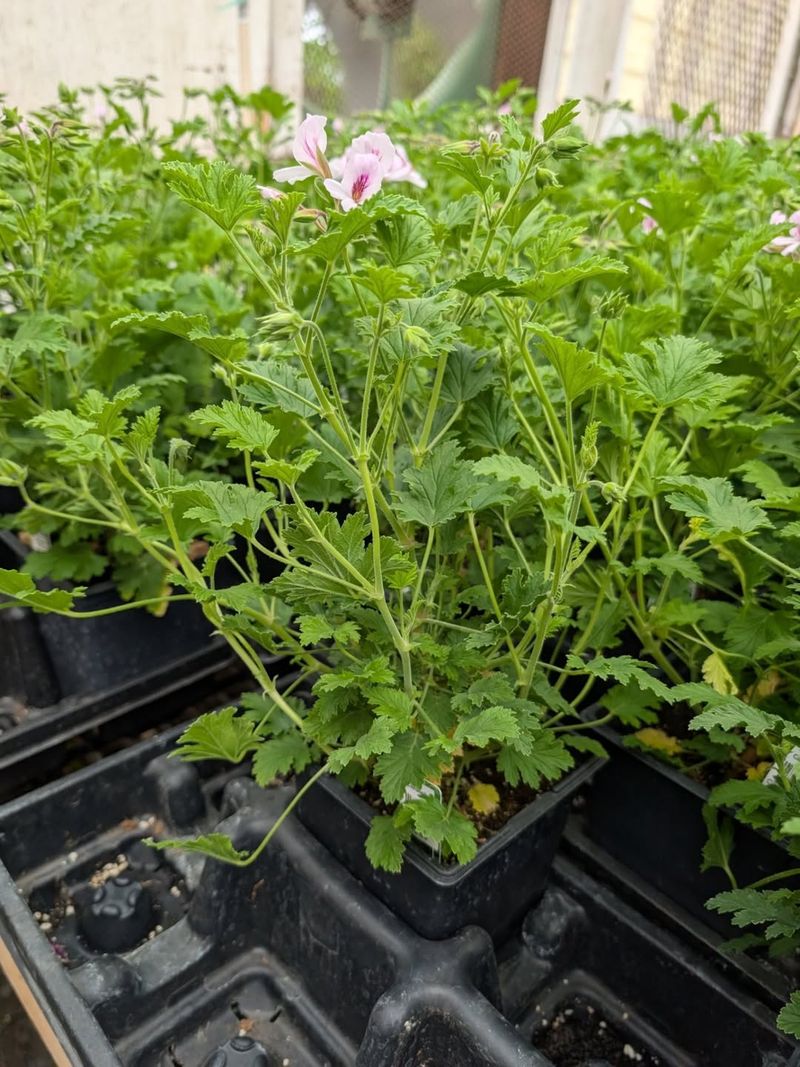
Scented geranium is a wonderful porch plant for Texas summers, and its fragrance genuinely adds something to the experience.
The strong aromatic oils in the leaves may help make your porch space less attractive to small flying insects by masking the scents they navigate toward.
But it would be a stretch to say the plant alone addresses a gnat problem.
The real solution always comes back to moisture. Dry soil, clean drainage, empty saucers, fresh potting mix, and good airflow are the habits that actually break the fungus gnat cycle.
Texas A&M AgriLife Extension is clear on this point: moisture management in container soil is the primary control method for fungus gnats.
Scented geranium earns its spot on the porch not because it wages war on insects but because it fits naturally into a care routine that discourages them.
It likes to dry out between waterings. It thrives in well-draining soil. It handles Texas heat without needing constant attention or heavy feeding.
Those preferences line up perfectly with the conditions gnats find least appealing.
Pair this old-fashioned plant with smarter pot habits and you end up with a porch that smells like a summer garden, feels genuinely relaxing, and gives gnats very little reason to stick around.
That combination of charm and practical care is exactly what a Texas porch evening deserves.