Why Your California Fig Leaves Turn Yellow During Hot Spells
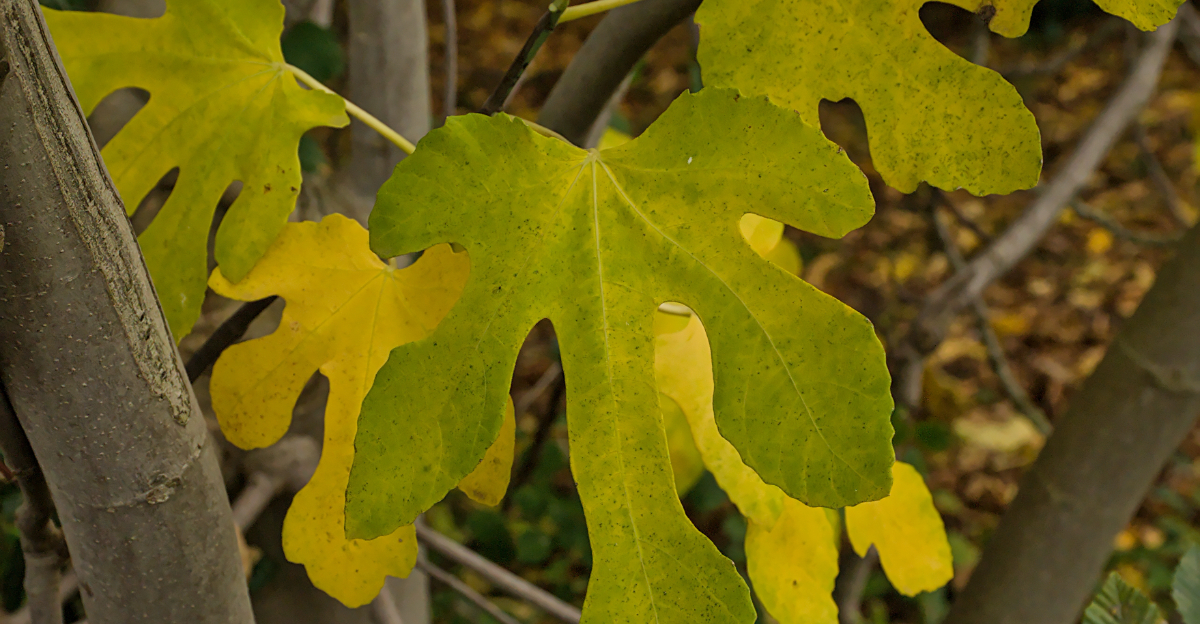
California fig trees are usually pretty chill, which makes yellow leaves feel like a dramatic plot twist nobody asked for.
One minute your tree is serving Mediterranean orchard vibes, and the next it is dropping sunny little warning flags all over the yard.
During hot spells, fig leaves often turn yellow because the tree is stressed, thirsty, or struggling with uneven watering. But heat is not the only suspect.
Poor drainage, soggy roots, compacted soil, nutrient issues, pests, or a sudden change in routine can all make those leaves fade fast.
The tricky part is figuring out if your fig is just shedding a few stressed leaves to cope, or if it is quietly begging for help.
Before you drown it with the hose or start panic-fertilizing, take a closer look at the soil, watering schedule, and leaf pattern. Your fig may not be doomed.
It may just need better timing, deeper drinks, and a little summer mercy.
1. Heat Stress Shows Up Fast On Fig Leaves
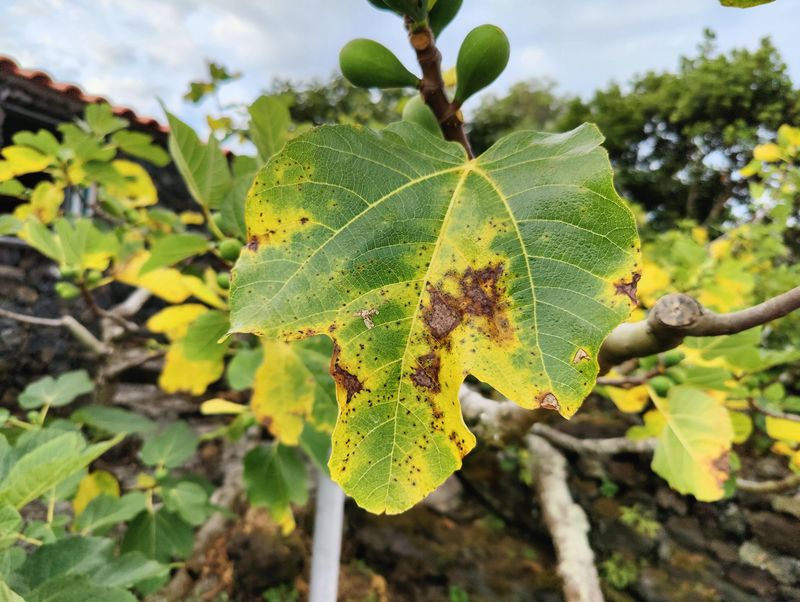
Hot weather can hit a fig tree hard, and the leaves are usually the first place you notice it. When temperatures climb above 100 degrees Fahrenheit, figs respond quickly by pulling energy away from their leaves to protect the roots and fruit.
That protective response is what causes the leaves to fade and turn yellow almost overnight.
Fig trees are originally from the Mediterranean region, so they are used to heat. But California’s intense inland summers, especially in the Central Valley and southern regions, can push even a tough fig past its comfort zone.
The combination of high heat, low humidity, and dry winds creates a stress cocktail that shows up fast on the foliage.
You might notice yellowing starting at the edges of older leaves first. That is because the tree prioritizes newer growth and fruit over older leaves when resources are tight.
The older leaves get dropped to reduce the amount of water the tree needs to keep alive.
The best thing you can do during a heat wave is to water deeply and consistently. Avoid light, frequent watering because it does not reach the deep roots where the tree needs moisture most.
Watering in the early morning also helps the soil absorb moisture before the midday heat evaporates it.
Giving your fig a little extra attention during heat waves goes a long way toward keeping those leaves green and healthy.
2. Shallow Watering Leaves Roots Struggling
Watering a fig tree seems simple enough, but doing it the wrong way is one of the most common mistakes home growers make. Shallow, quick watering only wets the top few inches of soil.
The roots that actually absorb moisture and nutrients sit much deeper, and they never get reached.
When roots stay dry and shallow, the tree cannot pull up enough water to support all of its leaves during hot weather.
The result is yellowing, drooping, or even crispy-edged leaves that look like the tree is seriously struggling.
It is a frustrating sight, especially when you feel like you have been watering regularly.
Your California Garden Changes Every Week. Your Plan Should Too.
Gardening in California changes quickly throughout the season. Every Friday you’ll receive a simple weekly plan showing exactly what to plant, prune, fertilize, harvest, and protect so you never miss the right timing.
Deep watering means letting water soak slowly into the soil until it reaches at least 12 to 18 inches deep. You can check this with a long screwdriver or a soil probe.
Push it into the ground after watering. If it slides in easily that deep, you have watered well. If it stops early, you need to water longer.
A slow drip system or a soaker hose works great for figs. It delivers water right to the root zone without runoff or waste.
Water your fig deeply once or twice a week during hot spells rather than giving it a little water every day.
Consistent, deep watering encourages roots to grow downward, which makes the tree more resilient when the next heat wave rolls through.
3. Dry Soil Can Trigger Sudden Yellowing
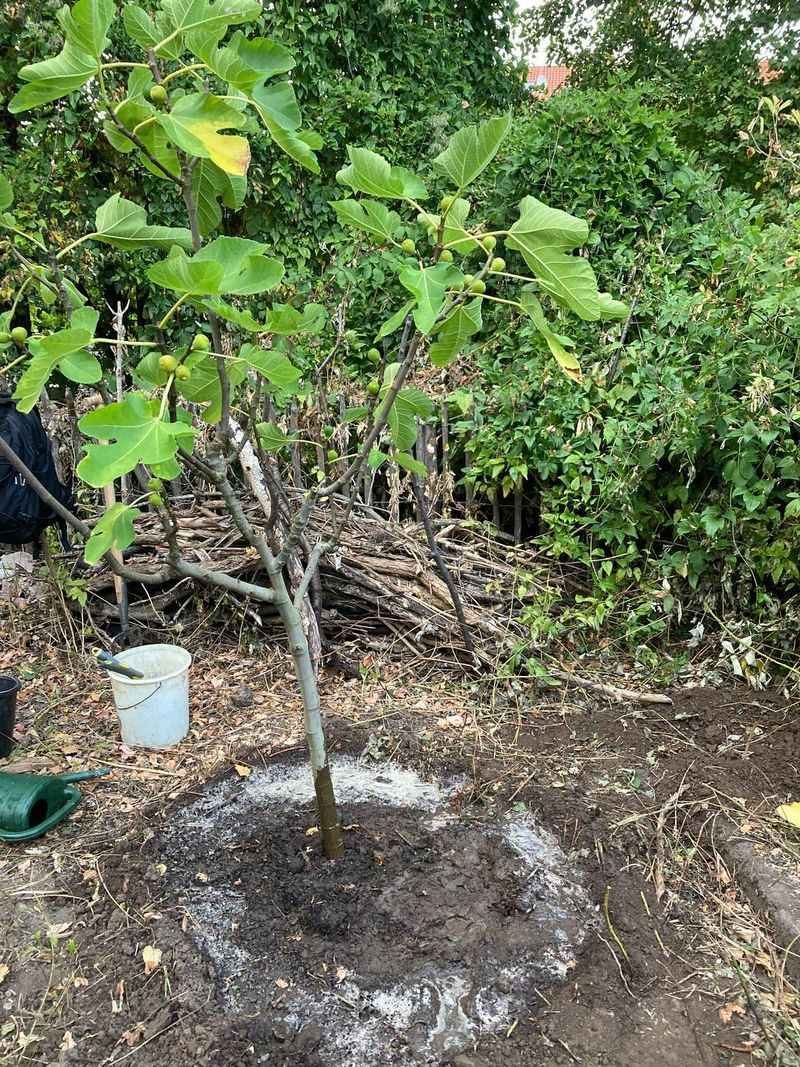
Dry soil is one of the fastest triggers for yellow leaves on a fig tree during summer. When the soil around a fig dries out completely, the tree cannot absorb water or nutrients, even if you watered it recently.
Cracked, dusty soil is a warning sign that your fig is working harder than it should be just to survive the heat.
In many parts of California, the soil can go from moist to bone dry in just a day or two during a heat wave.
Sandy soils dry out even faster than clay soils, so if your yard has light, sandy ground, your fig may need more frequent attention during hot months.
One easy way to check soil moisture is to push your finger about two inches into the ground near the base of the tree. If it feels dry at that depth, it is time to water.
Do not wait for the leaves to droop before you act, because by that point the tree is already stressed.
Improving your soil with organic compost can help it hold moisture longer. Compost acts like a sponge, soaking up water and releasing it slowly to the roots over time.
Work a few inches of compost into the top layer of soil around your fig each spring. Combine that with deep watering and mulch, and your soil will stay consistently moist even during the hottest stretches of summer.
4. Overwatering Can Yellow Leaves Too
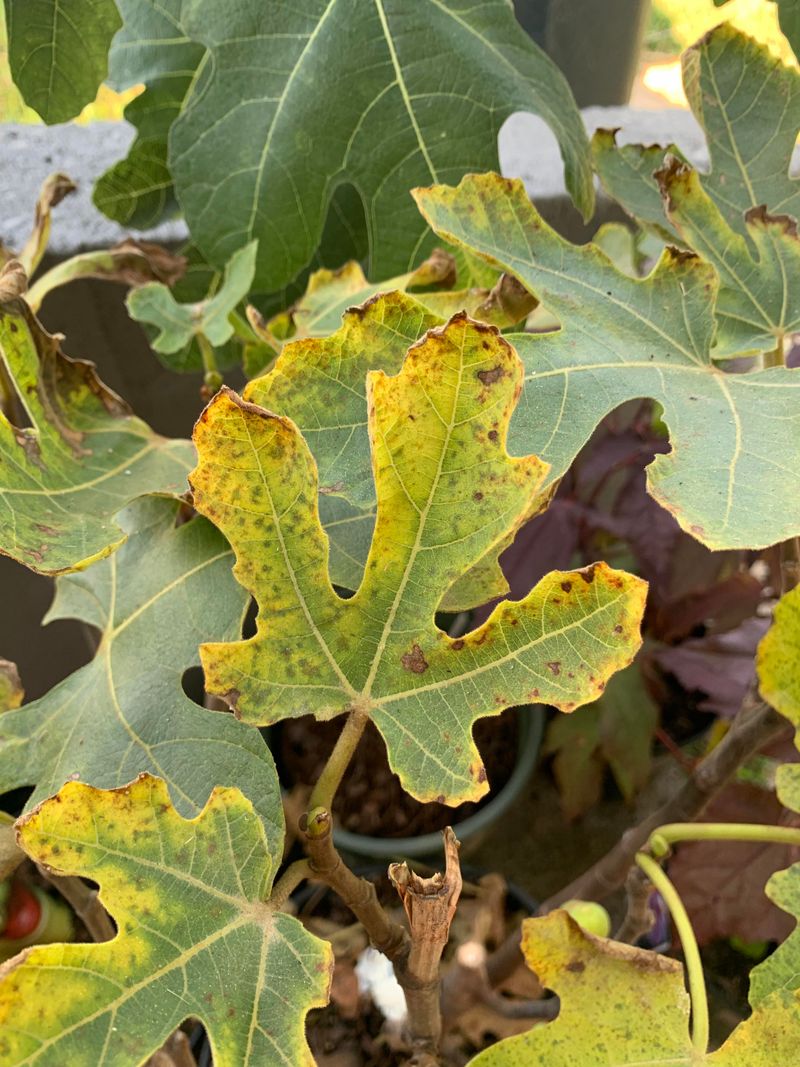
Here is a fact that surprises a lot of fig growers: too much water can cause the exact same yellow leaves as too little water.
Overwatering is actually one of the leading causes of yellowing in container figs and garden figs planted in heavy clay soil.
It is easy to mistake the symptom and keep adding more water, which only makes things worse.
When the soil stays soggy for too long, the roots cannot breathe. Plant roots need both water and oxygen to function properly.
Waterlogged soil pushes all the air out of the root zone, and the roots start to break down. A damaged root system cannot deliver nutrients to the leaves, and the leaves turn yellow as a result.
Overwatered fig leaves tend to look soft and pale rather than crispy. The yellowing often starts on younger leaves or spreads evenly across the whole tree rather than just the older leaves at the bottom.
If you squeeze the soil and water comes out, that is a clear sign things are too wet.
Fix overwatering by letting the soil dry out before watering again. For potted figs, make sure the container has drainage holes and that water flows freely out the bottom.
For garden figs in clay soil, consider mixing in some coarse sand or perlite to improve drainage.
Getting the watering balance right is one of the most important skills you can develop as a fig grower in our warm, sunny California.
5. Potted Figs Heat Up Faster Than Garden Figs
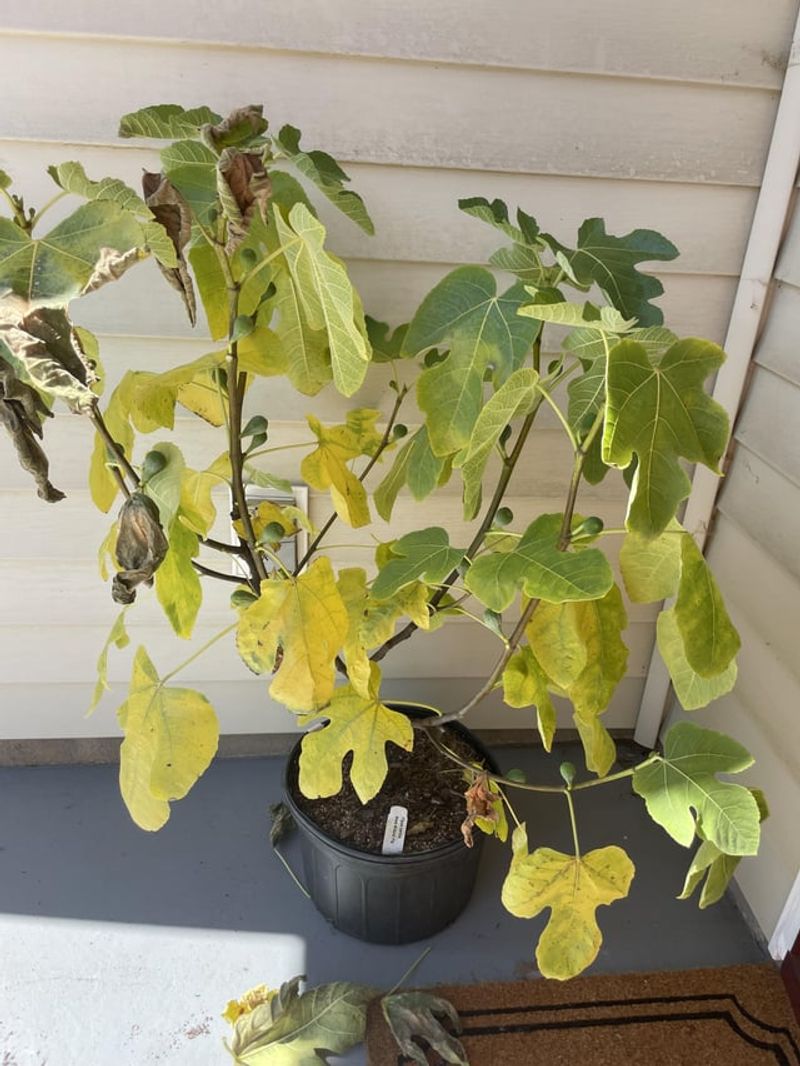
Growing a fig in a pot is a popular choice for small yards, apartments, and patios across California. Container figs are flexible, easy to move, and can thrive in tight spaces.
But they come with a big downside during summer: pots heat up incredibly fast in direct sun, and that heat goes straight to the roots.
A dark-colored or terracotta pot sitting in full afternoon sun can reach temperatures that would shock you.
The soil inside can get hot enough to damage roots, which then causes leaves to turn yellow almost immediately.
The problem is worse because pots also dry out much faster than garden soil, so the tree gets hit with both heat and drought stress at the same time.
Moving your potted fig to a spot with morning sun and afternoon shade can make a big difference during heat waves. Even a few hours of afternoon shade can lower the pot temperature significantly.
If moving the pot is not practical, try wrapping it with a light-colored cloth or placing it inside a larger pot with insulating material between them.
Watering potted figs more frequently during hot weather is also important. Check the soil every day during a heat wave.
When the top inch feels dry, it is time to water again. Use a pot that is large enough to hold plenty of soil, since bigger soil volumes hold moisture longer and buffer temperature swings much better than small containers.
6. Afternoon Sun Can Scorch Tender Growth
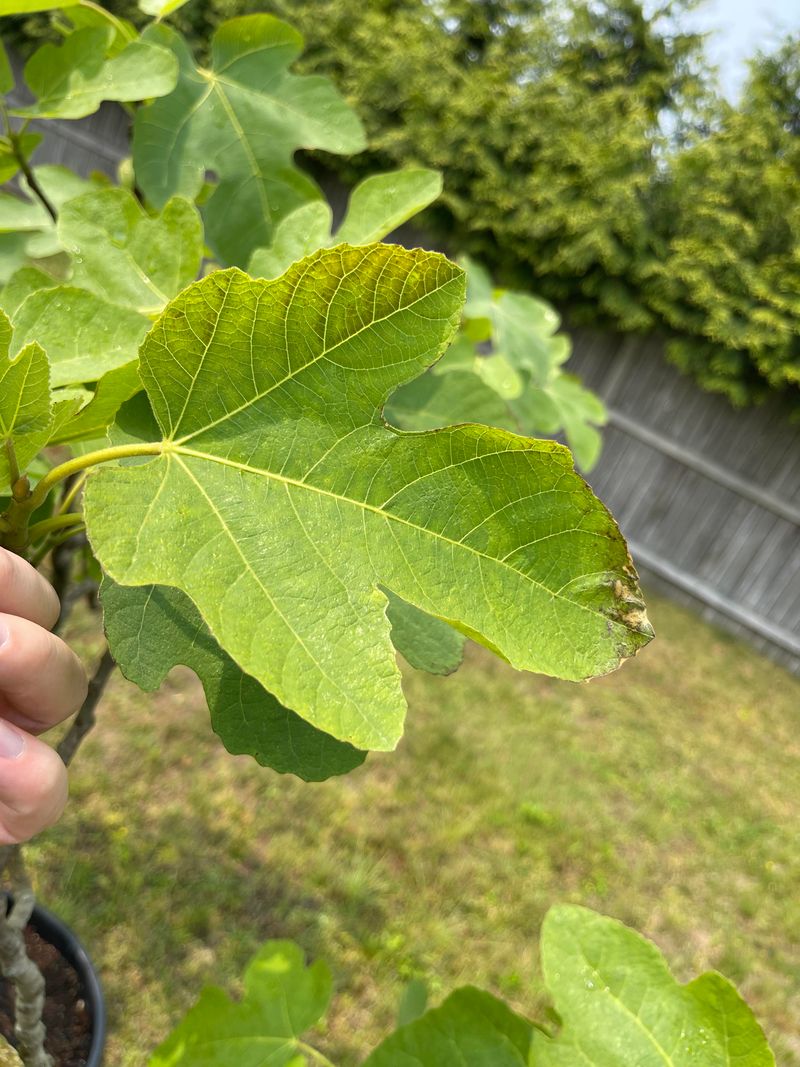
Not all sunlight is created equal, and fig trees feel that difference strongly. Morning sun is gentle, warm, and great for plant growth.
Afternoon California sun, especially from June through September, is intense, direct, and powerful enough to scorch leaves and stress even a mature fig tree.
Tender new growth is especially vulnerable. Young leaves that sprouted in spring are not yet hardened off to deal with peak summer heat.
When they get blasted by hours of direct afternoon sun, they can yellow, curl, or develop brown patches at the tips and edges.
Gardeners sometimes mistake this for a disease or pest problem, but it is simply sun and heat damage.
Figs planted on the west side of a home or along a south-facing wall often get the most intense sun exposure.
If your tree is in one of those spots and struggling, adding a shade cloth during the hottest weeks of summer can help protect it.
A 30 to 40 percent shade cloth filters enough light to reduce heat stress without blocking the sun your fig needs to produce fruit.
In northern regions of California, afternoon sun is slightly less brutal than in the south, but it can still cause problems during heat waves.
Paying attention to where the sun hits your tree during the hottest part of the day gives you useful information.
Small adjustments, like adding a shade barrier or planting a nearby shrub for afternoon cover, can protect your fig for years to come.
7. Mulch Helps Keep Fig Roots Cooler
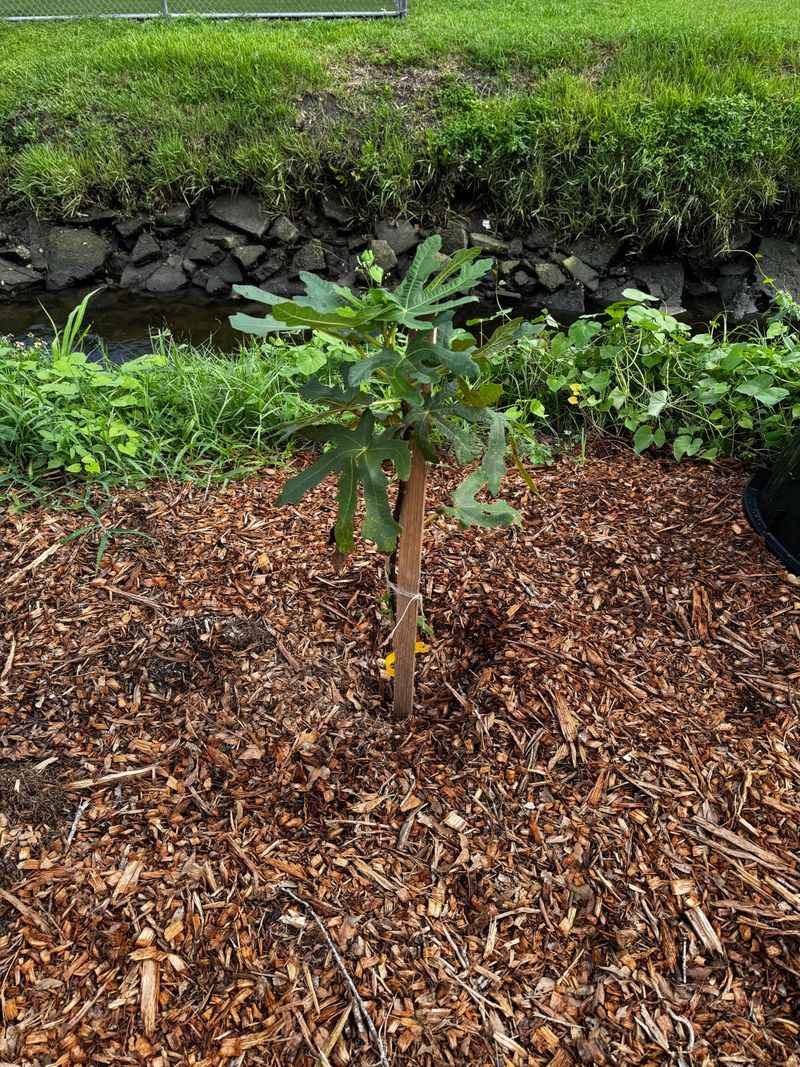
Mulch is one of the simplest and most affordable tools a fig grower can use, yet many people skip it entirely.
A thick layer of organic mulch spread around the base of your fig tree does several things at once: it keeps the soil cooler, holds moisture in the ground, and slowly adds nutrients as it breaks down over time.
During a heat wave, bare soil can reach surface temperatures well above 130 degrees Fahrenheit under direct sun. That extreme heat radiates down into the root zone and stresses the tree from below.
A three to four inch layer of wood chips, straw, or shredded bark acts as an insulating blanket that blocks that heat and keeps the roots comfortable.
Mulch also slows down evaporation dramatically. Studies have shown that mulched soil can stay moist up to twice as long as bare soil under the same conditions.
That means you water less often, save money on your water bill, and reduce stress on your tree all at the same time.
When applying mulch, keep it a few inches away from the trunk of the tree. Piling mulch right against the bark can trap moisture there and lead to rot or pest problems.
Spread it outward in a wide circle that covers the area under the tree’s canopy. Refresh the mulch layer each spring before hot weather arrives, and your fig roots will stay cooler and happier all season long.
8. Spider Mites Move In During Hot, Dusty Weather
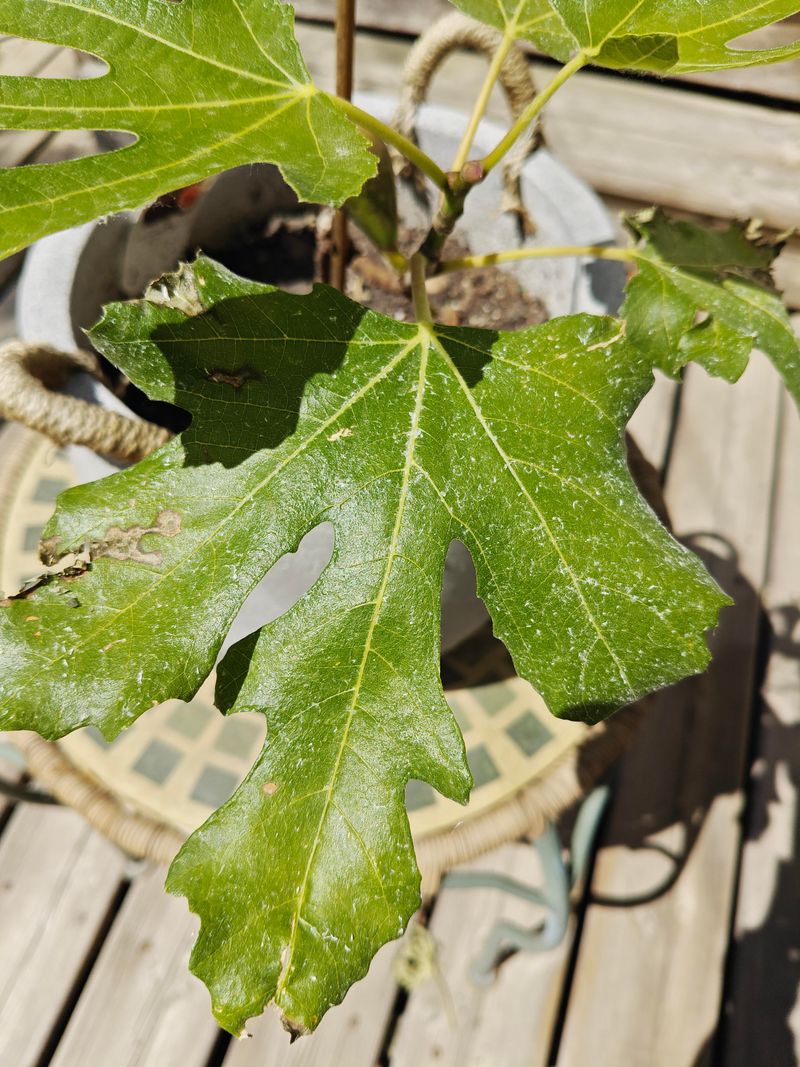
When the weather gets hot and dry, spider mites see it as an open invitation. These tiny pests are barely visible to the naked eye, but the damage they cause is very noticeable.
They feed on the undersides of fig leaves by piercing the leaf surface and sucking out the plant’s fluids.
That feeding causes the leaves to develop a speckled, yellowish look that can spread across the whole tree if left unchecked.
Spider mites thrive in dusty, dry conditions. In California, late summer heat waves create exactly the environment they love.
They reproduce incredibly fast, going from egg to adult in as little as a week when temperatures are high. A small population can explode into a serious infestation before you even realize they are there.
Check for spider mites by looking at the undersides of yellowing leaves. You might see tiny moving dots or fine webbing stretched between the leaf and stem.
Holding a white piece of paper under a leaf and tapping it can also knock mites loose so you can see them more easily.
The most effective control method is a strong spray of water directed at the undersides of leaves every two to three days. This disrupts their life cycle and washes them off the plant.
Neem oil spray is another reliable option that suffocates mites without harming beneficial insects.
Keeping your fig well-watered and dust-free during hot spells also makes it much less attractive to these stubborn little pests.